When looking for a corporate event venue in Osaka, comparing options can be difficult because capacity limits, fees, food and drink restrictions, and cancellation fees vary by venue. In this article, we’ll introduce five recommended venues for corporate events, including a guesthouse in Osaka Castle Park, a hall designated as an Important Cultural Property, and a traditional restaurant with a garden. We’ll also explain six points to consider when choosing a venue and the arrangements you’ll need to make after deciding on one.
Choosing a Corporate Event Venue in Osaka
The table below lists the five venues introduced in this article, from smallest to largest capacity (as of October 2026). A “unique venue” is a facility that is rented out as an event venue in addition to its original purpose, such as a historic building or cultural facility.
| Venue Name | Capacity | Use Examples | Venue type | Area and nearest station | Notes on capacity |
|---|---|---|---|---|---|
| Osaka Castle Nishinomaru Garden Osaka Geihinkan | 20–120 people | Dinners, reception parties | Unique venue: banquet facility in Osaka Castle Park | Chuo Ward / 10 minutes on foot from Tanimachi Yonchome Station | Seated: 102 Standing: 120 |
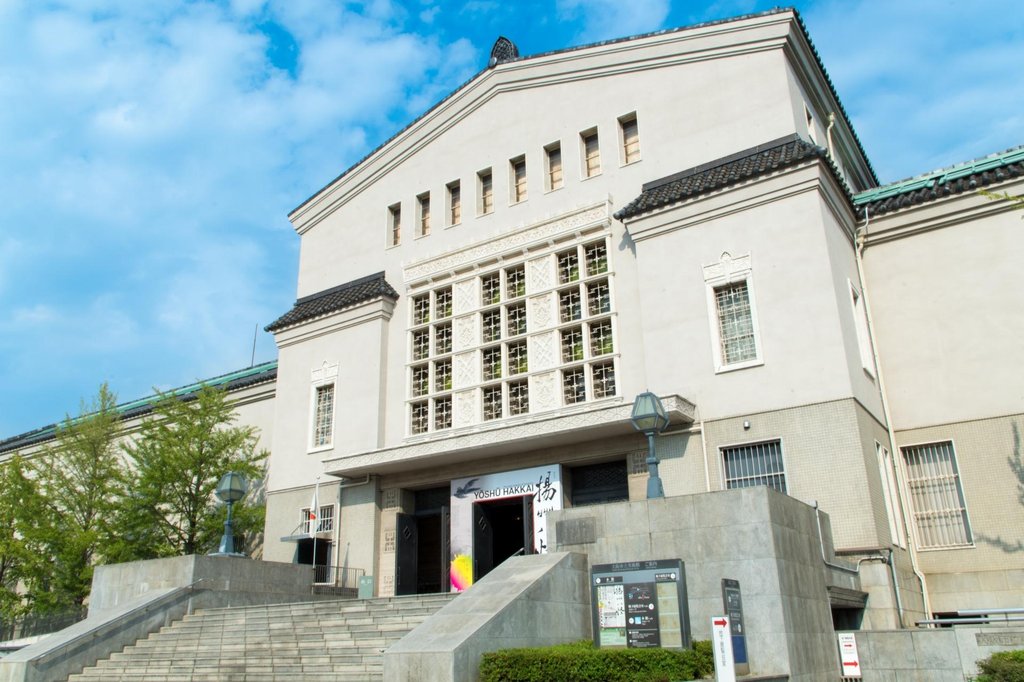
| Osaka City Museum of Fine Arts | Up to 200 people | Lectures, networking events | Unique venue: art museum | Tennoji Ward / About 400 m from Tennoji Station | Central Hall and Jaorium: Seated: 200 seats Special Room: 14 seats |
| Ryotei Tennoden | Up to 220 people | Dinners, banquets | Unique venue: traditional restaurant with a garden | Tennoji Ward / a 5-minute walk from Ebisucho Station | Private rooms: 12–180 seats Fuji and Takasago rooms: 220 seats |
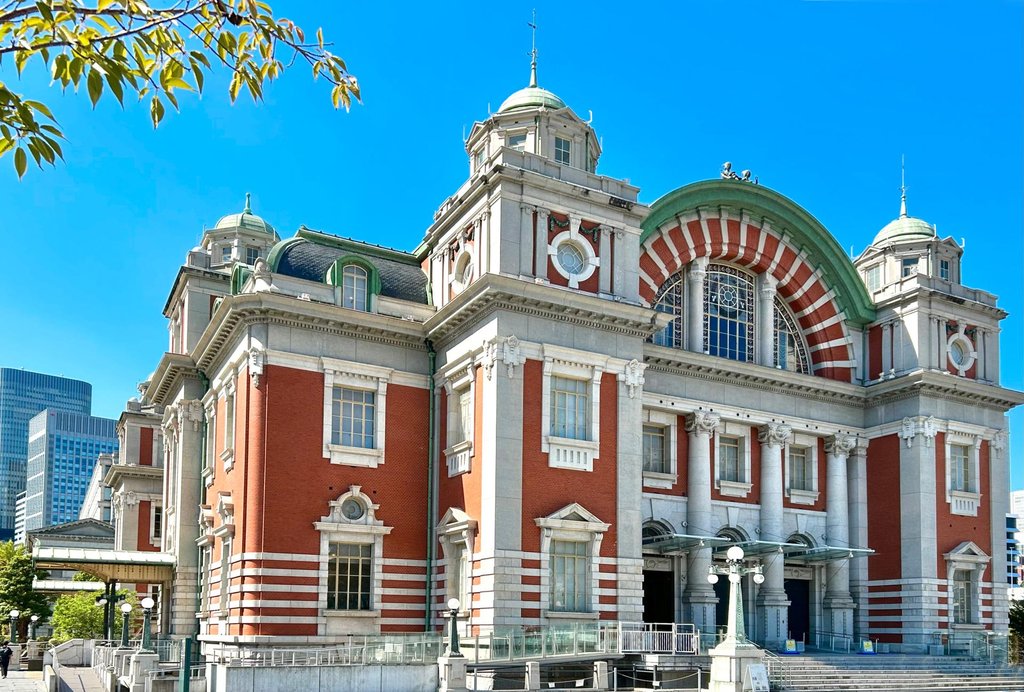
| Osaka City Central Public Hall | Up to 1,161 people | Meetings, social gatherings, ceremonies | Unique venue: public hall designated as an Important Cultural Property | Kita Ward / About 1 minute from Naniwabashi Station | Small Hall: 150 seats Medium Hall: 500 seats Large Hall: 1,161 seats |
| RIHGA Royal Hotel Osaka, Vignette Collection | 8–1,800 people | Dinners, banquets, meetings with accommodations | Hotel banquet hall | Kita Ward / Directly connected to Nakanoshima Station | Crown Room: 100 seats Korin Room: 600–1,800 seats |
Capacity can vary greatly depending on whether guests are standing or sitting, even in the same room. For example, the Korin Room at RIHGA Royal Hotel Osaka can accommodate 1,800 people in seats but only 600 when tables are used.
Five Recommended Corporate Event Venues in Osaka
This section outlines the features and terms of use of the five venues introduced in the table above. Prices are based on publicly available information as of October 2026.
Osaka Castle Nishinomaru Garden Osaka Geihinkan: Dinners and Receptions in a Garden in Osaka Castle Park
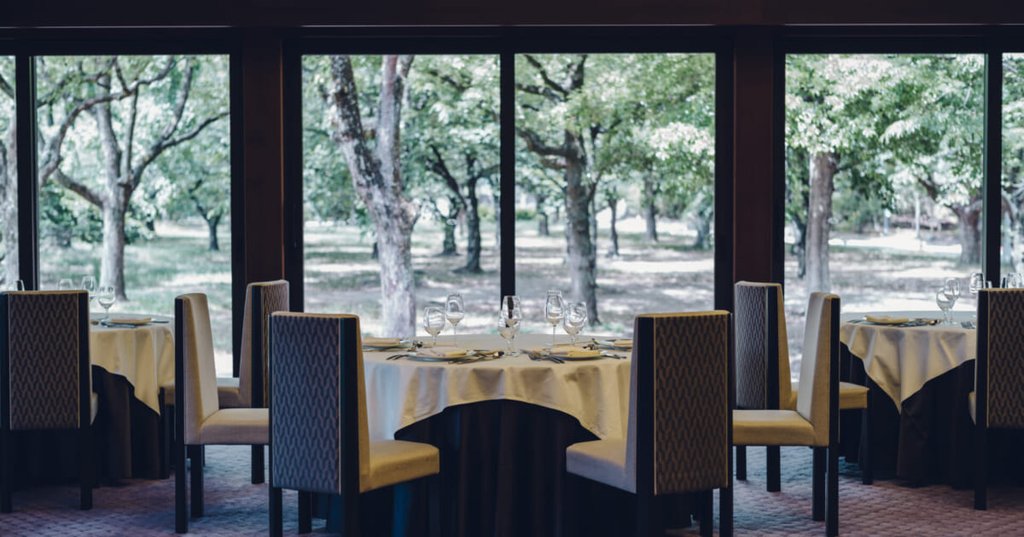
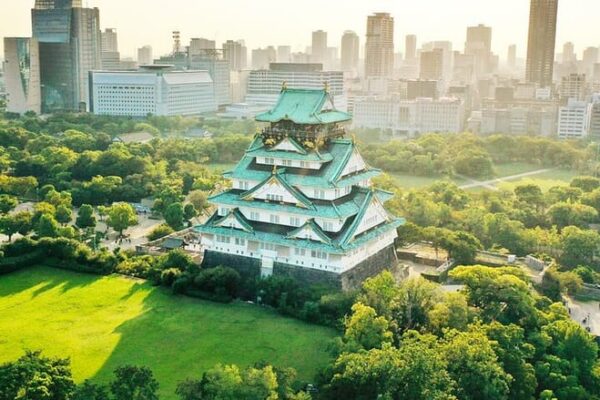
Osaka Geihinkan is a banquet facility that was built in Nishinomaru Garden for the 1995 APEC meeting in Osaka. Osaka Geihinkan is not a government guesthouse for state visitors, and it’s now operated by a private company. From the venue, guests can see the main keep of Osaka Castle, which can be charming for overseas visitors.
The banquet hall is 190.3 m² (2,050 sq ft). For corporate events, guests are allowed to enter through the Kita-shikiri Gate, which is off-limits to general park visitors. If you make a reservation in advance, buses and taxis can drive up to a drop-off point just two minutes on foot from the venue.
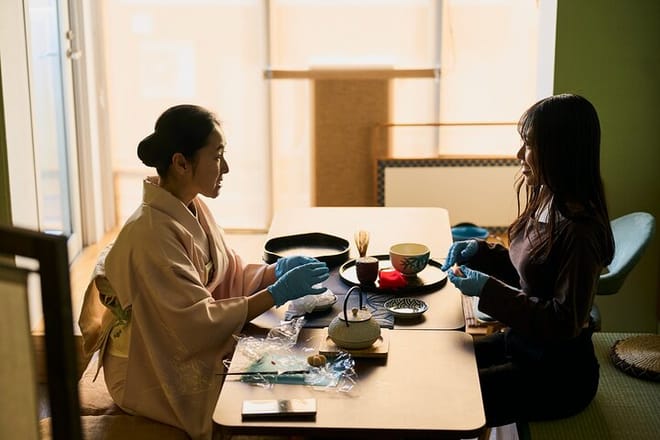
The menu is a fusion of Japanese and Western cuisine that incorporates French culinary techniques. Banquet plans include 120 minutes of venue use. There’s also an option to have a tea ceremony demonstration with a tea ceremony instructor from Hoshoan, the teahouse in the garden.
Details
| Address | 2 Osakajo, Chuo-ku, Osaka |
| Available hours | 11 am–10 pm |
| Closing days | Irregular closures. Reservations only. |
| Prices | Dinner parties: buffet from ¥12,400 per person (Mon.–Fri.); full course meal or buffet from ¥13,500 per person (minimum of 20 guests for course meals and 30 for buffets; tax and service charges included). |
| Official website | https://www.osakacastle.jp/ |
| Recommended for | Host dinner for overseas guests in a garden overlooking Osaka Castle |
Osaka Castle Walking Tour and Castle Tower Admission
Osaka City Museum of Fine Arts: Lectures and Networking Events After Closing Hours
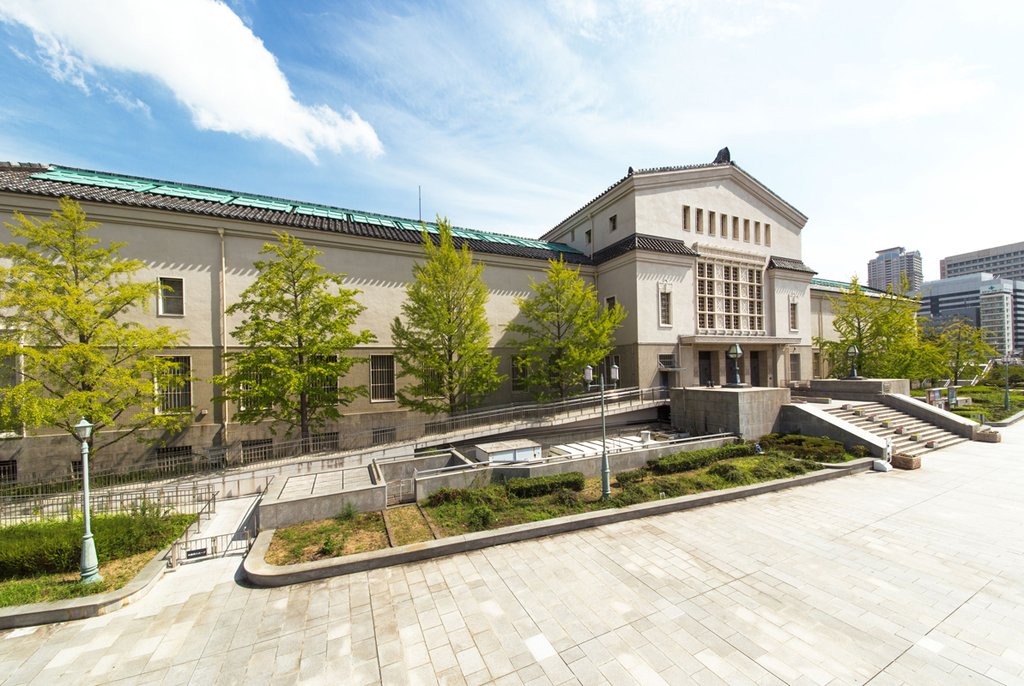
The Osaka City Museum of Fine Arts opened in 1936, and its building was registered as a national Tangible Cultural Property in 2015. After undergoing intensive renovations, the museum reopened in March 2025 and the facility can be used for events after regular opening hours and on days when it’s closed to the public.
Food and drink are permitted in spaces like the Central Hall (633 m², or 6,800 sq ft), the Special Room (capacity of 14 seats), the Work Room, and the Terrace (300 m², or 3,200 sq ft). However, food and drink are not allowed in the Jaorium (353 m², or 3,800 sq ft). Check the conditions for the use of catering services in advance.
During exhibitions, museum operations take priority, and events that produce a lot of sound might be denied. If you’re considering the museum, check the exhibition schedule and adjust your dates accordingly.
Details
| Address | 1-82 Chausuyama-cho, Tennoji Ward, Osaka (in Tennoji Park) |
| Available hours | 6 pm–10 pm on regular opening days; 9 am–10 pm on closing days (excluding late-opening days). Hours include setup and teardown. |
| Closing days | Mondays (or the following weekday if Monday is a holiday), December 28–January 4 |
| Prices | Jaorium: ¥27,000 per hour; Work Room: ¥3,700 per hour (both for public-interest use, excluding tax). Central Hall, Special Room, Terrace, and commercial use: quote required |
| Official website | https://www.osaka-art-museum.jp/ |
| Recommended for | Holding lectures and networking events in a cultural property building |
Ryotei Tennoden: Traditional Meals in Tatami Rooms Overlooking a Garden
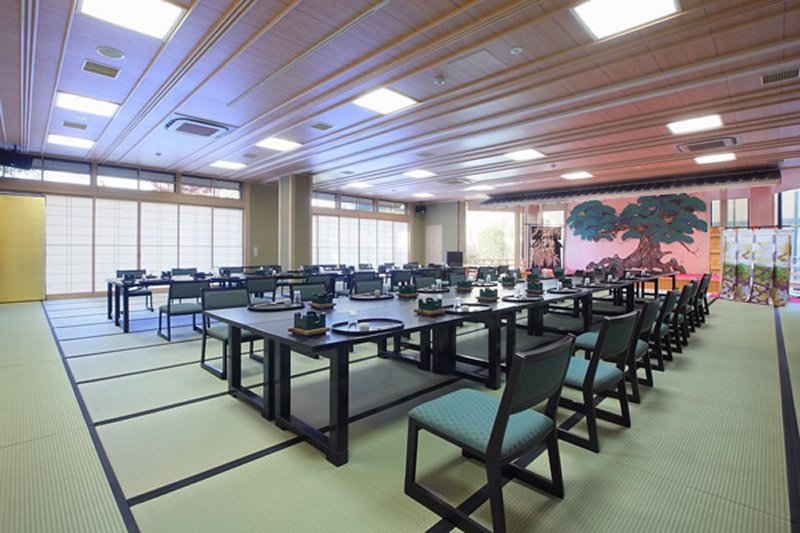
Tennoden is a traditional Japanese restaurant with a garden near Chausuyama hill in Tennoji Park. Every private room overlooks the garden, and guests can enjoy a meal in a calm Japanese setting. The restaurant serves full-course Japanese meals featuring seasonal ingredients, and it was chosen as the venue for a dinner hosted by the Minister for Foreign Affairs during the 2019 G20 Osaka Summit.
Tennoden offers a range of rooms for different group sizes, from private rooms for small groups to a large banquet room that accommodates 140 to 180 people. By connecting two rooms, the restaurant can accommodate up to 220 people. The private rooms are furnished with tables and chairs, so participants from overseas who aren’t used to kneeling on the floor can enjoy their meal comfortably. The restaurant is also within walking distance of Tennoji Station, and there is a parking lot next to the building.
Details
| Address | 2-8-52 Ousaka, Tennoji-ku, Osaka |
| Available hours | Varies by room and type of banquet. Confirm when booking. |
| Closing days | Inquire by phone |
| Prices | Course meal ¥9,000; celebration meal ¥11,000 (excluding tax and 10% service charge). Banquet prices: inquire by phone |
| Official website | https://www.tennouden.com/ |
| Recommended for | Hosting business meetings or a banquet with a traditional meal in a tatami room |
Osaka City Central Public Hall: Meetings and Social Gatherings in an Important Cultural Property
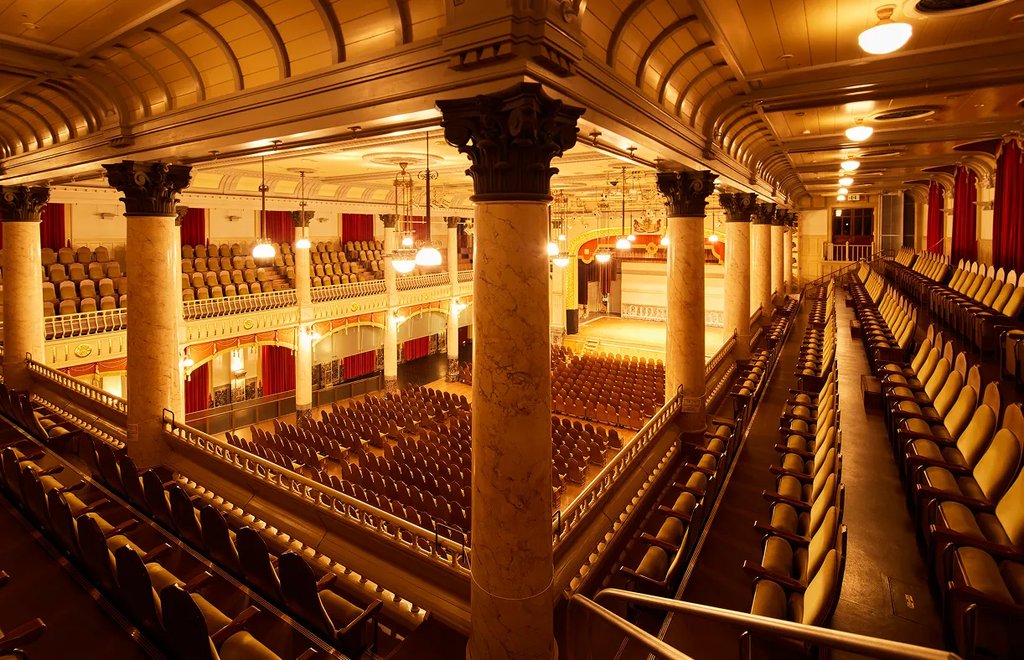
Osaka City Central Public Hall was completed in 1918 and designated a national Important Cultural Property in 2002. The building, known for its red-brick exterior and domed roof, is on the eastern side of Nakanoshima, about a five-minute walk from Yodoyabashi Station. The hall can be used for a wide range of purposes, including meetings, social gatherings, and ceremonies.
For meetings of around 100 people, the Small Hall is suitable, as it accommodates about 150 people with chairs or about 90 in a classroom layout. For social gatherings, we recommend the Medium Hall, which has a ceiling height of about 9 m (30 ft), accommodates up to 500 people, and can be set up for either seated or standing events. For large ceremonies and lectures, you can also choose the Large Hall (1,161 seats across the first and second floors), where Helen Keller and Yuri Gagarin both gave talks.
Details
| Address | 1-1-27 Nakanoshima, Kita-ku, Osaka |
| Available hours | 9:30 am–9:30 pm |
| Closing days | 4th Tuesday of each month (or the following weekday if it is a holiday), December 27–January 4 |
| Prices | Medium Hall: ¥98,400 (weekday, full day); Large Hall: ¥180,000 (weekday, full day). Weekend and holiday rates are 20% higher than weekday rates. |
| Official website | https://osaka-chuokokaido.com/ja |
| Recommended for | Holding a meeting, social gathering, or ceremony in a historic building |
RIHGA Royal Hotel Osaka: Small Dinners to Large Banquets and Accommodations
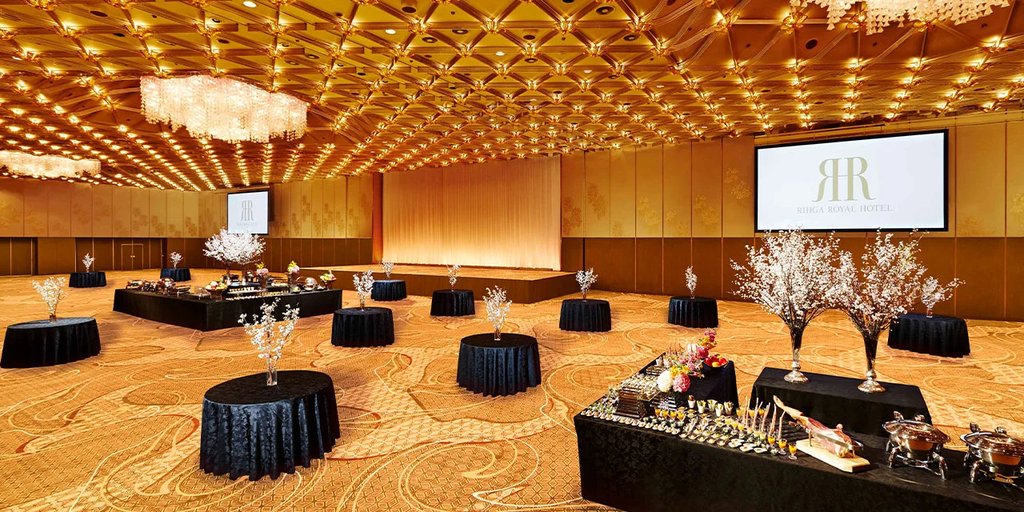
RIHGA Royal Hotel Osaka is directly connected to Nakanoshima Station by an underground passage and has more than 1,000 guest rooms, so you can arrange meetings, banquets, and accommodations in the same building. A free shuttle bus runs every 15 minutes from the west side of JR Osaka Station, with departures from the station between 7:45 am and 10:30 pm.
For dinners for groups of several dozen people, options include the Crown Room on the 28th floor, about 100 m (330 ft) above the ground, which accommodates 100 people for either a formal dinner or a buffet. Rooms such as the Emerald Room and the Sapphire Room, which accommodate 30 for a formal dinner or 50 for a buffet, are also available. The hotel also has small banquet rooms with dinner plans for 8 to 30 people, so you can choose a room to suit your group size.
For large banquets, the hotel’s largest banquet hall, the Korin Room (1,360 m², or 14,600 sq ft), accommodates 600 for a formal dinner or 1,200 for a buffet, and it can be divided into three sections. Three rooms, including the Korin Room, are also equipped with simultaneous interpretation booths.
Details
| Address | 5-3-68 Nakanoshima, Kita-ku, Osaka |
| Available hours | Depends on event (venue reservations accepted 10 am–5 pm, excluding the Obon holidays and December 30–January 3) |
| Closing days | None |
| Prices | FY2026 banquet plans: from ¥12,000 per person (tax and service charges included). Valid April 1, 2026–March 31, 2027 (excluding December 31–January 3). Applies to banquet halls on the 2nd and 3rd floors. Use of the 28th and 29th floors incurs an additional fee. Buffet plans require a minimum of 30 guests, and family-style platters or course meals require at least 8 guests. Usage time is 2 hours. |
| Official website | https://www.rihga.co.jp/osaka/ |
| Recommended for | Accommodating meetings, banquets, and accommodations in one place |
Six Points to Confirm Before Choosing a Corporate Event Venue in Osaka

After you’ve narrowed down your options, you might discover additional costs or restrictions on food, drinks, and setup. This section explains six points to check before contacting a venue, with examples from the venues introduced in this article.
1. Costs Not Included in the Venue Fee
The venue fees listed on official websites might not accurately convey the total cost of an event. At the Osaka City Museum of Fine Arts, for example, utility usage costs are included in the venue fee, but catering, setup, signage, and parking cost extra. Reception staff, gallery attendants, security staff, and cleaners also require separate contracts.
If you use the museum between 5 pm and 9 am the next morning, a staff attendance fee of ¥5,000 per 30 minutes also applies. At Osaka City Central Public Hall, facility fees increase by 50% for events that charge admission or participation fees, and stage technicians and similar staff cost extra. At Ryotei Tennoden, an additional room charge applies if you request a specific room. Your preferred room is not guaranteed, however.
To determine the total cost, request a quote with a breakdown of the venue fee, food and drink costs, setup and equipment, audio and video equipment, staffing, security and attendance fees, and other items.
2. Conditions for Bringing in Food and Drink
Restrictions on food and drink or hiring outside caterers vary by venue. For example, Osaka Geihinkan doesn’t allow outside food. However, outside food may be allowed as an exception if the venue can’t provide a safe meal because of a severe food allergy or another similar reason.
The Osaka City Museum of Fine Arts designates specific areas where food and drink are permitted, and catering is available in spaces like the Central Hall and the Special Room. Food and drink are prohibited in some spaces, however, such as the Jaorium.
Traditional restaurant and hotel banquet hall plans are designed with the assumption that meals will be prepared in their own kitchens. This means that you might not be able to use a menu or caterer specified by your company, so check the conditions for bringing in food before deciding on a venue.
3. Accommodation of Dietary Restrictions
The extent to which a venue can accommodate halal, vegan, and other dietary requirements depends on its kitchen and designated caterers. Osaka Geihinkan is not halal-certified, but it accommodates requests where possible, such as by making dishes without pork or alcohol. Vegan dishes can also be provided. Halal requirements extend to how meat is processed and how cooking utensils are kept separate, so confirm in advance whether you need certified halal meals.
Concerning food allergies, Osaka Geihinkan can accommodate Japan’s seven specified allergenic ingredients, though meal requirements must be communicated at least 14 days before the event. Japan’s list of specified ingredients has grown to nine with the addition of walnuts in 2023 and cashew nuts in April 2026, so compare the items the venue covers with your participants’ allergies.
Traditional Japanese course meals often use soup stock made with animal ingredients. If you have vegetarian or vegan guests, inform the restaurant early, and set the deadline for participants’ dietary requests by working backward from the venue’s deadline.
4. Conditions for Load-In and Setup
Information about floor plans doesn’t effectively communicate whether equipment can be brought in or whether there will be enough time for setup. The Osaka City Museum of Fine Arts requires a meeting with facility staff at least 30 days before the event. If you need to change the room layout, you’ll also need to notify the museum at least 14 days in advance.
Setup and teardown are included in the usage time. On regular opening days, the museum is available from 6 pm, so set the event start time with the time needed for setup in mind.
At Ryotei Tennoden, confirm the usage time for the room and type of banquet you need. If you plan to have speeches or entertainment, it is a good idea to discuss in advance how much time will be required for setup and teardown.
Share the dimensions of stages or equipment in advance, confirm the room capacity after everything is set up, and confirm the time needed for setup and teardown. With this information, you can create a workable event schedule.
5. Availability of Simultaneous Interpretation Booths
Whether simultaneous interpretation booths are available, and who provides the equipment, varies by venue. RIHGA Royal Hotel Osaka has simultaneous interpretation booths in the Korin Room, the Royal Hall, and the Sanraku Room. The basic fee for simultaneous interpretation starts at ¥44,000 for two languages, with interpretation booths and receivers charged separately.
At venues without booths, check whether you can bring in temporary booths. Installing temporary booths may reduce the number of seats, though, so determine the number of languages you need and the interpretation method early on.
6. Booking Periods and Cancellation Fee Deadlines
Provisional reservations have deadlines, and a reservation may lapse if you don’t complete the required procedures. Osaka Geihinkan accepts reservations from 15 months before the event. For regular banquets, cancellation fees are 30% of the estimated total from 45 days before the event, 50% from 31 days before, and 100% from 14 days before. Note that separate terms of use apply to events and large parties, so check the cancellation conditions in advance.
The Osaka City Museum of Fine Arts requires a meeting with facility staff at least 30 days before the event. If the organizer cancels for its own reasons after the contract is concluded, a fee of 30% of the usage fee applies, even if the cancellation is made 91 or more days before the event.
At Osaka City Central Public Hall, applications for the online lottery for consecutive use of two or more time slots are generally accepted from the 20th to the 25th of the month, one year and one month before the month of use. Application dates differ for use in January and March, and the lottery rules changed in October 2026. Bookings for a single time slot can be made six months in advance. If you cancel, the deadline for a refund of the usage fee is seven months before the event for consecutive use of two or more time slots and two months before for a single time slot. After these deadlines, usage fees are generally not refunded.
Ryotei Tennoden accepts reservations by phone only. If approval from your company might take several weeks, confirm in writing the deadline for provisional reservations and whether an extension is possible.
Three Arrangements to Make After Securing an Event Venue
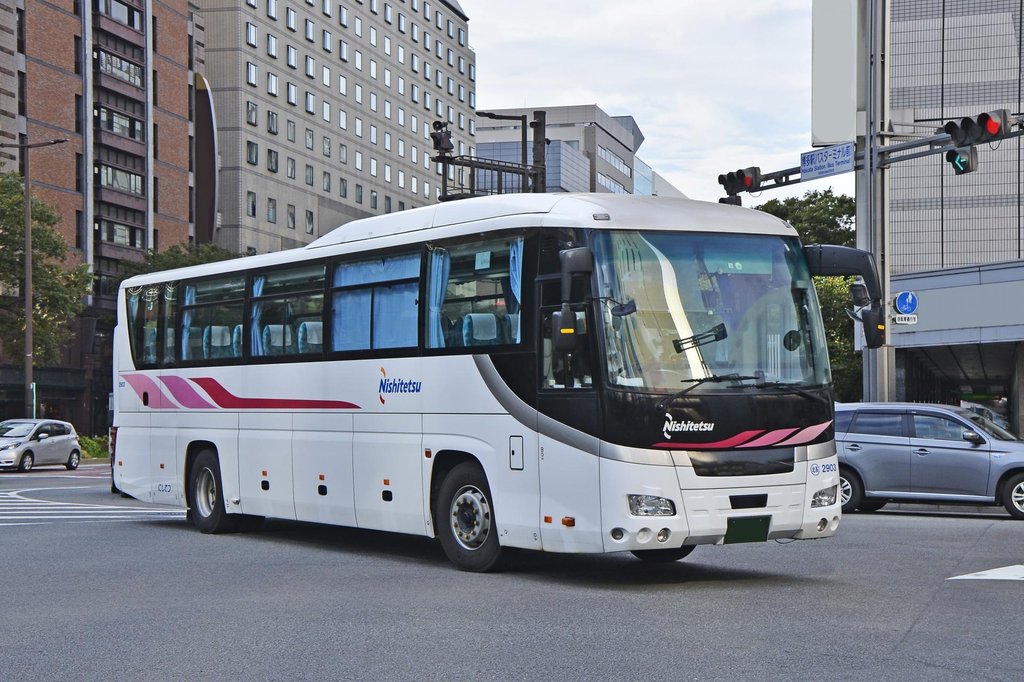
After you’ve chosen a venue, there is still a lot to prepare. This section outlines what to decide regarding transportation, activities, accommodations, and coordination on the day of the event.
Participant Transportation
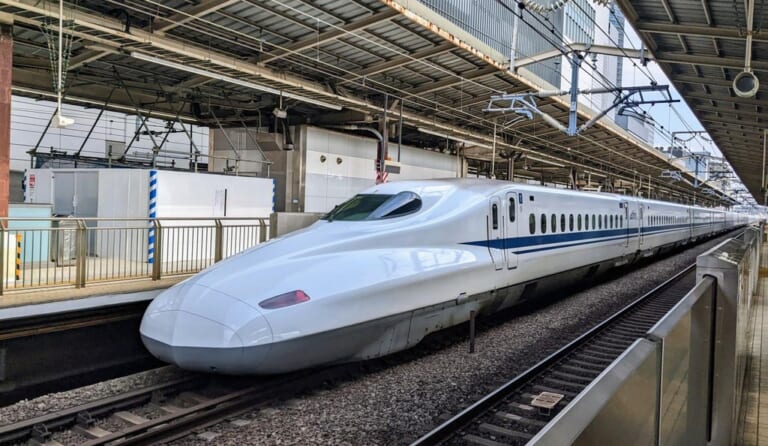
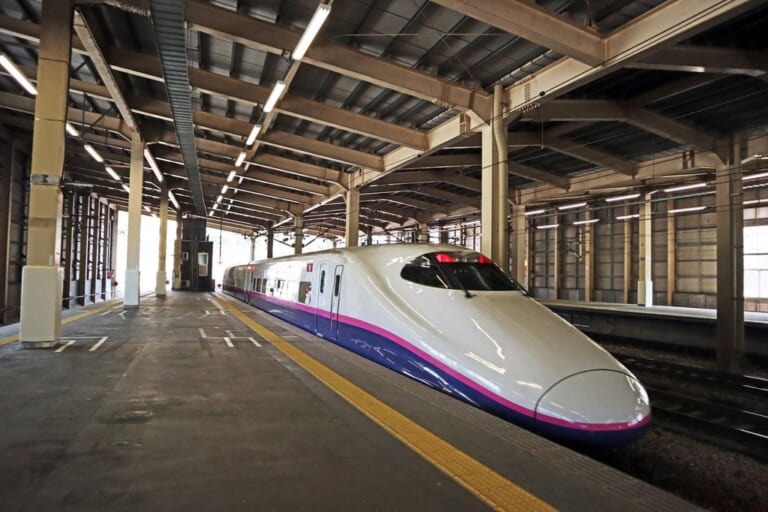
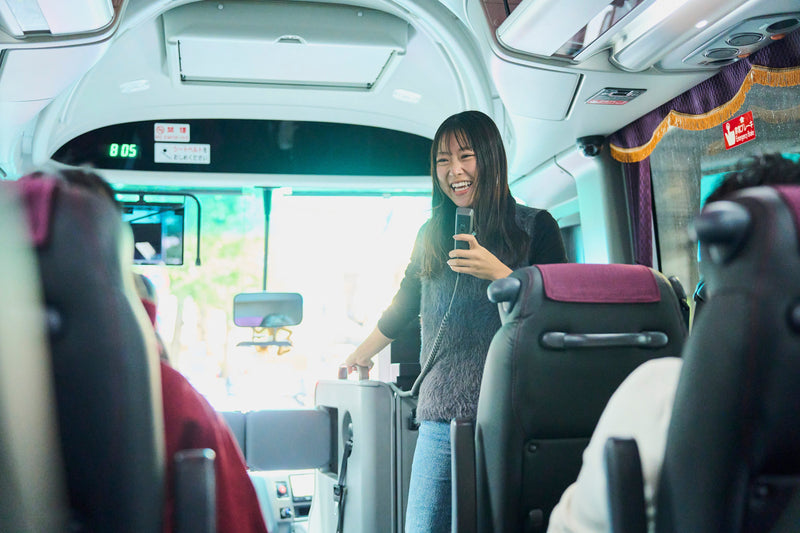
Decide whether to use chartered buses, hired cars with drivers, or trains for each trip: from the airport to the hotel, from the hotel to the venue, and from the venue to the hotel. The venues in this article are spread across three areas—Nakanoshima, Osaka Castle Park, and Tennoji—so if the meeting and dinner locations are in different areas, build travel time into the itinerary. For large groups, chartered buses can reduce the burden of changing trains.
If participants are staying at multiple hotels, providing meeting times and pickup points in each participant’s language can help prevent confusion on the day.
Activities Before and After the Event
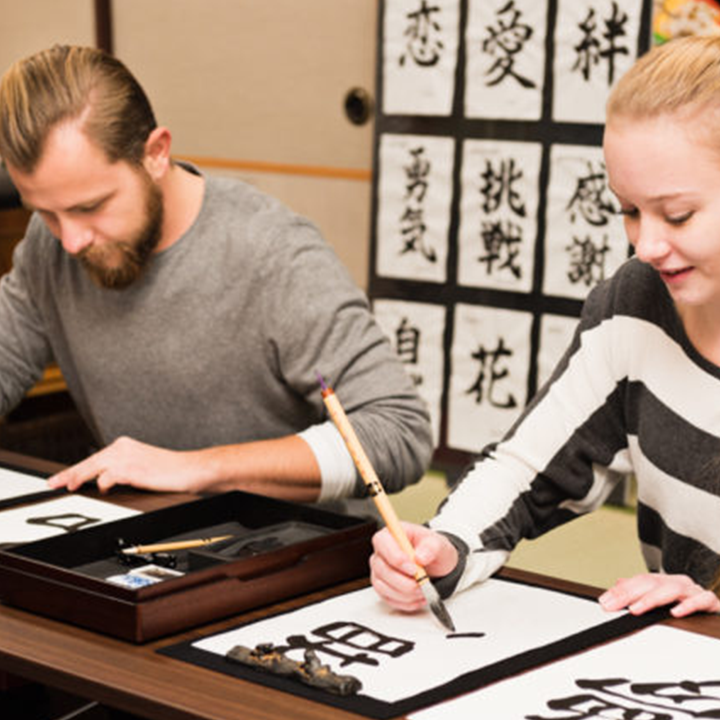
If you have free time before or after a meeting, you can add a cultural activity or a walk to the itinerary. For corporate training and incentive trips, choosing an activity that all participants can take part in together can help people of different nationalities and languages interact.
When making arrangements, decide on the time of day, the number of participants per session and whether they should be divided into groups, the guide’s language, and the means of transportation. If you plan an outdoor program, also prepare an indoor alternative.
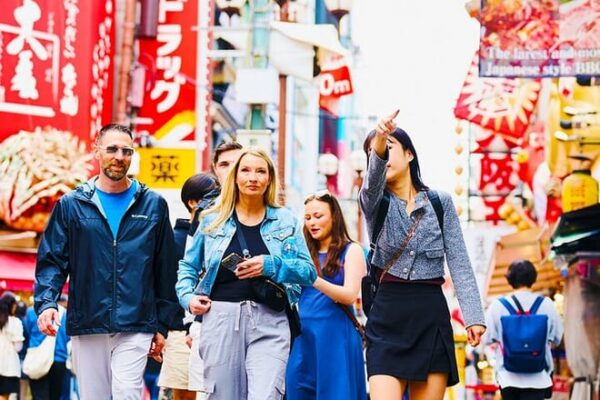
Osaka: 2-Hour Highlights & Hidden Gems Walking Tour
Accommodations and On-Site Support
Reserve hotel rooms at the same time as you reserve the event venue. If you book rooms at hotels within walking distance of the venue, you won’t need transportation. If participants arrive on different days or flights, decide who will handle check-in information and temporary luggage storage, as well as who will adjust transportation arrangements if flights are delayed.
There’s a lot to be done on the day of the event, such as handing out name tags, guiding guest speakers, briefing interpreters, handling equipment, and confirming photography sessions. Decide in advance whether photography is allowed and how the photos will be used, and obtain consent when necessary.
If participants and venue staff speak different languages, providing guidance and communicating sudden changes on the day may be difficult. Assigning interpreters or staff who can assist in English can help things go more smoothly.
Japan Guide Star’s Strengths and Scope of Services for Corporate Events in Osaka
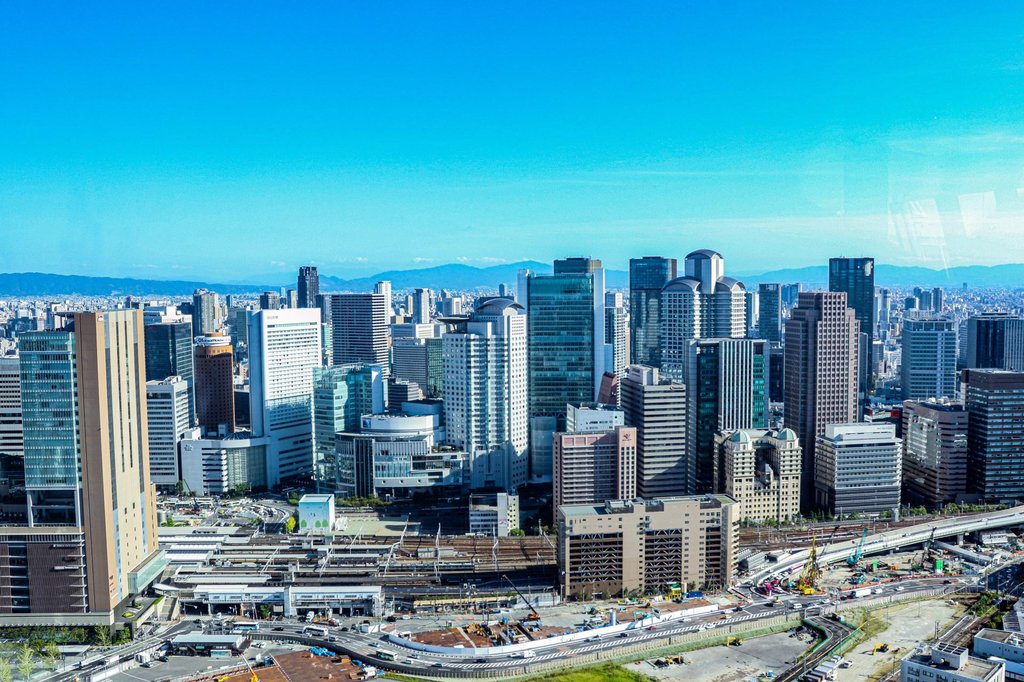
Corporate events require a range of arrangements beyond simply the venue, including transportation, accommodations, programs, and coordinating the day of the event. This section introduces the services Japan Guide Star offers to handle all of these and the process for requesting their services.
One Company for Everything
A company that handles transportation, accommodations, activities, and on-site operations is called a destination management company (DMC). Japan Guide Star is a DMC with offices in Tokyo, Osaka, and Kyoto. For corporate training and MICE (business events such as meetings, incentive trips, international conferences, and exhibitions), Japan Guide Star handles everything from venue and transportation arrangements to activity management and on-site operations.
The minimum group size is 10 people, and Japan Guide Star can handle everything from VIP arrangements for small groups to group events for 200 people.
Japan Guide Star can arrange hotels, chartered buses, hired cars, train tickets, and domestic flights, so even if the number of participants or the schedule changes, you can make adjustments through a single point of contact. You can also ask Japan Guide Star to coordinate with venues that require communication in Japanese, such as traditional restaurants that accept reservations only by phone.
In addition to English, guides can be arranged for French, Spanish, German, Chinese, and other languages. Japan Guide Star is registered with the Governor of Tokyo as a travel agency (Registration No. 2-8877) and is a member of the Japan Association of Travel Agents (JATA). Details of services and sample arrangements can be found on Japan Guide Star’s corporate and MICE page.
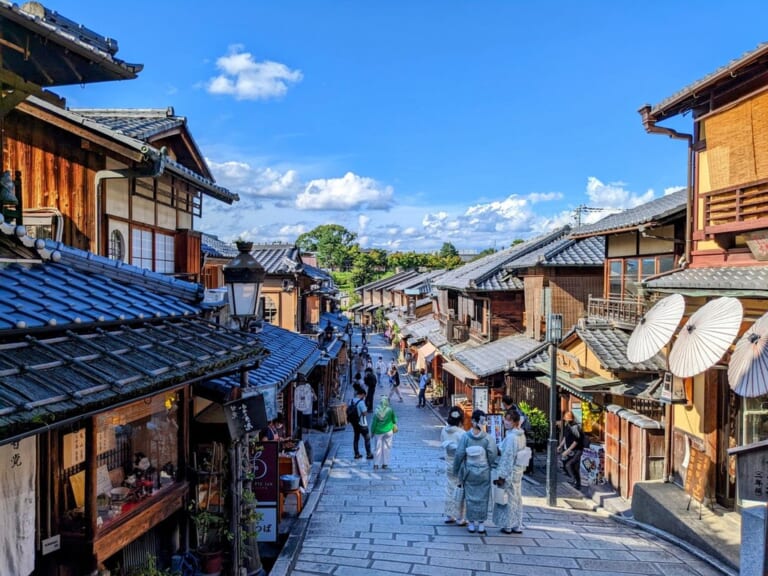
A Sumo Show and Chopstick-Making Workshop Can Be Added Before or After Your Event
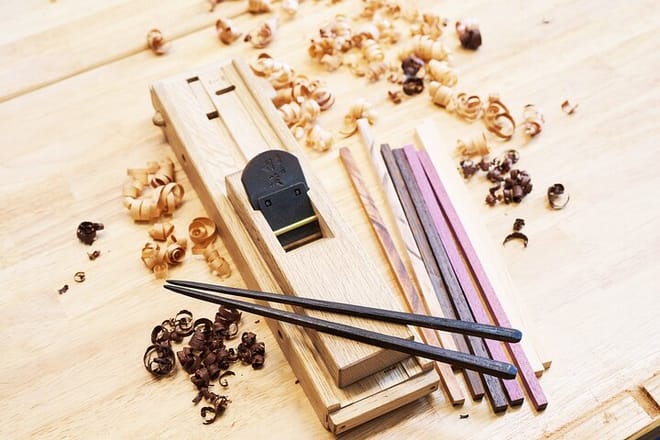
Japan Guide Star operates Sumo Studio Osaka in Hanazonocho, where you can enjoy a sumo show in Osaka, and Chopsticks Studio Osaka in Namba, which opened in September 2026 and offers chopstick-making workshops. This means that you can arrange activities before and after your meeting through the same point of contact, and you can also discuss private bookings and group sizes.
Details
| Sumo Studio Osaka | Chopsticks Studio Osaka | |
|---|---|---|
| Area | Nishinari-ku (near Hanazonocho Station on Osaka Metro) | Namba, Chuo-ku (about 1 minute on foot from Namba Station) |
| Max. participants | 50 | 48 |
| Private bookings | Available | Available |
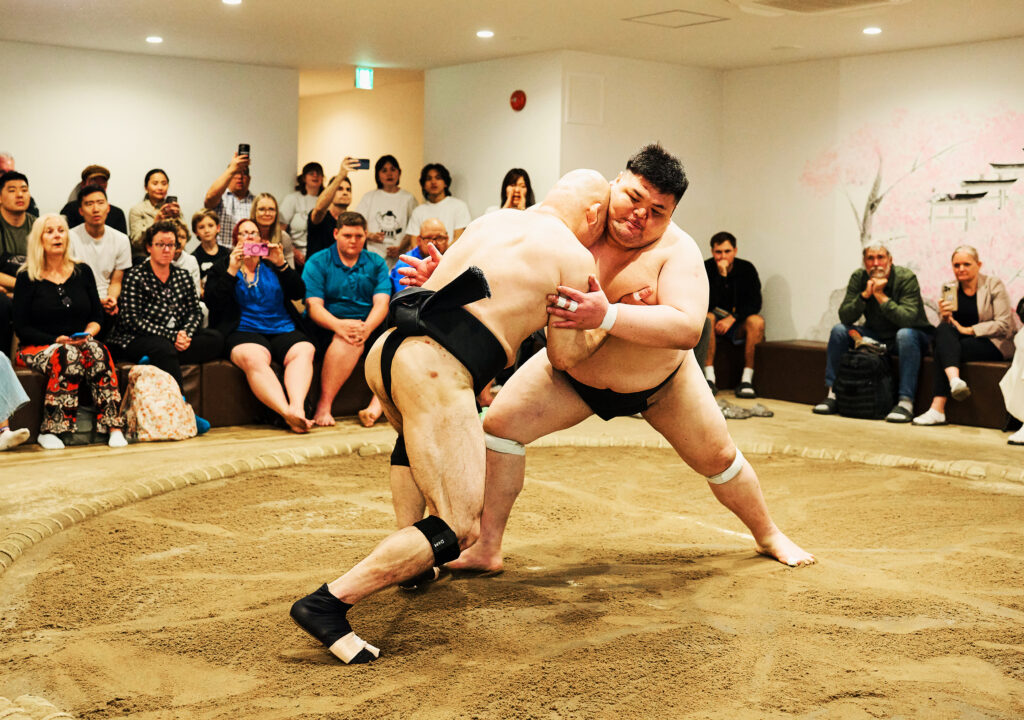
At Sumo Studio Osaka, retired professional sumo wrestlers demonstrate sumo techniques and matches right in front of you, and there is also time for some lucky audience members to challenge the wrestlers in the ring. Available performances include a 5:30 pm and an 8 pm show, so viewing can easily be scheduled after a meeting or party. Details of the show and the facility can be found on the Sumo Studio Osaka official website.
In October 2026, Japan Guide Star also began accepting requests for an on-site sumo show, in which former professional sumo wrestlers travel to hotels or traditional Japanese inns. Shows can be held in banquet halls, multipurpose halls, or other spaces at your accommodations. Setting up the ring requires a space of at least 6 m × 6 m (about 20 ft × 20 ft). The content is adjusted to suit the venue and the number of participants, and pricing is quoted individually. They mainly operate in the Tokyo metropolitan area, so confirm whether a show is available in Osaka when you inquire. Before making a request, you can watch a show at Sumo Studio Osaka. Chopstick-making workshops can also be held at hotels and other venues, with workshop staff traveling to meet you.
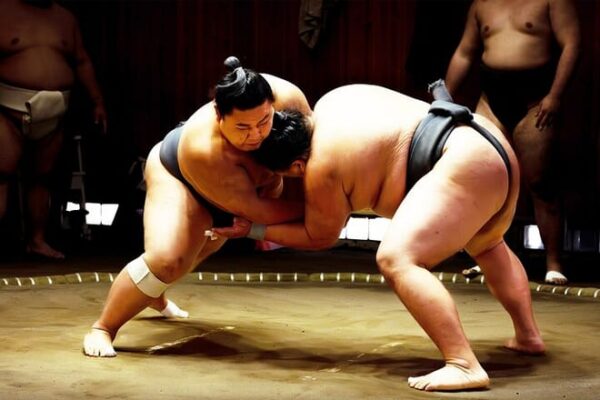
Osaka Sumo Experience with Live Show and Audience Challenge
Replies Within 48 Hours of Your Inquiry
If you send your event dates, number of participants, and other details through the Japan Guide Star inquiry form, a representative will usually reply within 24 to 48 business hours. They recommend getting in touch three to six months before the event, but for large events or for venues that start accepting bookings early (such as Osaka Geihinkan), contacting Japan Guide Star even earlier can make it easier to secure a venue and accommodations.
Japan Guide Star tries to accommodate last-minute requests whenever possible, so you can contact Japan Guide Star even if your dates aren’t yet finalized.
Extensive Experience Hosting Groups from Overseas
Japan Guide Star works with travel agencies, corporate event planners, MICE organizers, and incentive travel specialists in Europe, North America, Australia, and Asia, and has hosted corporate and tour groups from overseas. In July 2026, the official website of the Imperial Hotel Osaka featured Sumo Studio Osaka as an activity for hotel guests.
Osaka Sumo Experience with Live Show and Audience Challenge
Frequently Asked Questions About Corporate Event Venues in Osaka
Finally, here are answers to some frequently asked questions.
Can You Rent Temples, Shrines, or Gardens as Event Venues in Osaka?
Yes, some facilities can be rented. The Osaka Convention & Tourism Bureau’s website for business events lists facilities like Sumiyoshi Taisha and Osaka Tenmangu as unique venues, along with Osaka Geihinkan, the Osaka City Museum of Fine Arts, Ryotei Tennoden, and Osaka City Central Public Hall.
Are There Venues That Can Accommodate International Conferences or Exhibitions for Over a Thousand Guests?
Yes. Grand Cube Osaka (the Osaka International Convention Center) in Nakanoshima offers simultaneous interpretation in eight languages in its Main Hall (with up to 2,754 seats) and Special Conference Hall. Note that the Main Hall is scheduled to close from May 2029 to May 2031 for renovations, and the entire facility is scheduled to close from June 2029 to March 2030.
For exhibitions, venues like ATC Hall in Osaka Nanko has a space of about 2,900 m² (31,200 sq ft). INTEX Osaka, with a total exhibition area of about 70,000 m² (753,000 sq ft), is also available. ATC Hall is about a five-minute walk from Trade Center-mae Station, and INTEX Osaka is about five minutes on foot from Nakafuto Station.
How Long Does It Take to Get from Kansai International Airport to Central Osaka?
The JR Haruka limited express takes as little as 45 minutes to get to Osaka Station from Kansai International Airport, and the Nankai Rapi:t limited express takes as little as 34 minutes to get to Namba. From Itami Airport, the limousine bus takes about 30 minutes. Don’t forget that immigration and baggage processing also take time, so plan an itinerary with plenty of time to spare.
Are Accommodations Subject to Tax?
Yes. In Osaka Prefecture, accommodation tax applies when the room rate is ¥5,000 or more per person per night. Since September 1, 2025, the tax is ¥200 for rates from ¥5,000 to less than ¥15,000, ¥400 for rates from ¥15,000 to less than ¥20,000, and ¥500 for rates of ¥20,000 or more.
Source: Osaka Prefecture, “Osaka Prefecture Accommodation Tax”
Can Venues in Osaka Be Booked Directly Without a Travel Agency?
Yes. Organizers can apply directly to all five venues introduced in this article. However, the Osaka City Museum of Fine Arts requires organizers to submit an event proposal for review and accepts cancellations only in writing. While booking directly can work for a meeting held entirely at one venue, asking a DMC such as Japan Guide Star to take care of planning can reduce your workload if the event spans multiple cities or requires phone calls and paperwork in Japanese.
What Are the Payment Methods and Cancellation Terms?
Japan Guide Star accepts bank transfers in US dollars, euros, and Japanese yen. Travel agencies with a partner contract have the option to pay by invoice, and deposit terms vary depending on the size and timing of the program.
Cancellation fees vary by program, venue, and season. Activity programs generally need to be confirmed 30 to 60 days in advance. Some venues may apply their own cancellation fees as well, so check these details thoroughly when requesting a quote.
Summary
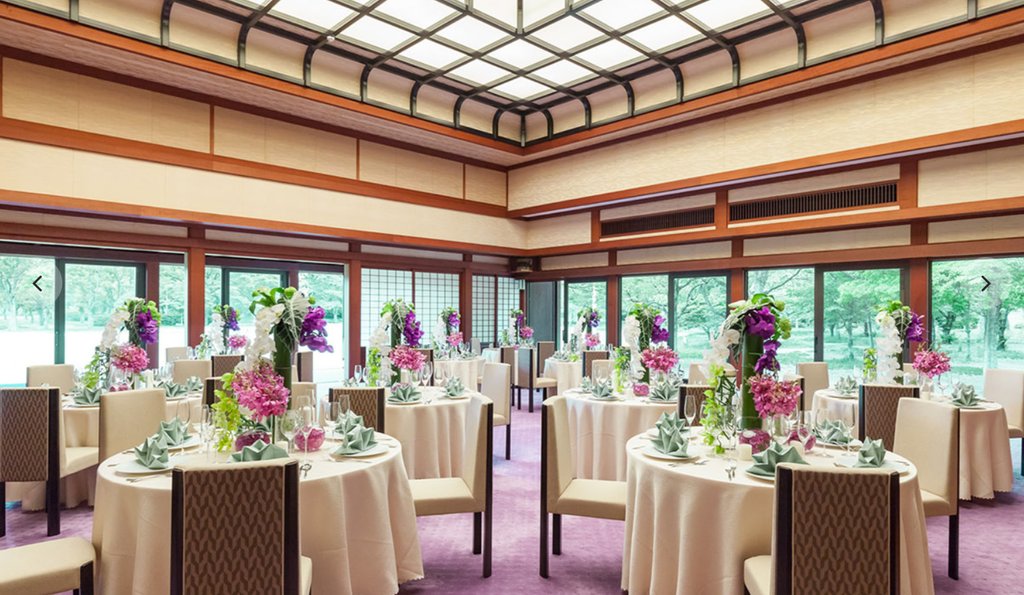
Osaka offers a range of venues to suit a whole gamut of purposes, including a guesthouse with a view of Osaka Castle, an art museum, a traditional restaurant overlooking a garden, a public hall, and a hotel where you can take care of accommodations and meals in one place. When comparing venues, make sure to check the maximum capacity, extra costs, food and drink limitations, reservation deadlines, and cancellation fees.
If you want to arrange transportation, accommodations, and cultural activities before and after the event, you can contact Japan Guide Star and have everything arranged through a single point of contact, including coordination with venues that require communication in Japanese. Once you have a rough idea of your event dates and number of participants, check venue availability early.