A school trip to Japan involves many preparation tasks that an ordinary group tour does not, such as choosing destinations that align with curriculum goals, arranging exchanges with local schools, and briefing parents.
Below, you’ll find guidance on timing and learning themes, a preparation schedule, and how to choose a tour operator, along with tables you can share with colleagues at your school.
Start With Three Decisions: Theme, Timing, and Lead Time
Before working out the itinerary details, decide what students will learn, when you will travel, and how far in advance you will begin planning. This helps keep bookings and internal coordination at your school on track.
Setting the Learning Theme First Makes the Itinerary Easier to Justify
If you compile a list of sites without a unifying theme, it becomes difficult to justify the itinerary during school approval. Parents are also more likely to ask how the trip differs from a sightseeing holiday.
Set the educational theme first—for example, “observing the volcanic landforms covered in geography class on site.” This makes the reason for choosing each destination part of the educational rationale itself.
It also makes your requests to tour operators more specific and helps prevent quotes from arriving with hands-on programs listed as “to be determined,” which makes meaningful comparison difficult.
Choose Timing Based on the Japanese School Calendar and Peak Seasons
Japanese schools start the new academic year in April, with spring break from late March to early April, summer break from late July through August, and winter break around the New Year holidays. According to the Japan National Tourism Organization (JNTO), school exchanges can be difficult to arrange during these periods, so if you plan to include an exchange, choose dates when Japanese schools are in session.
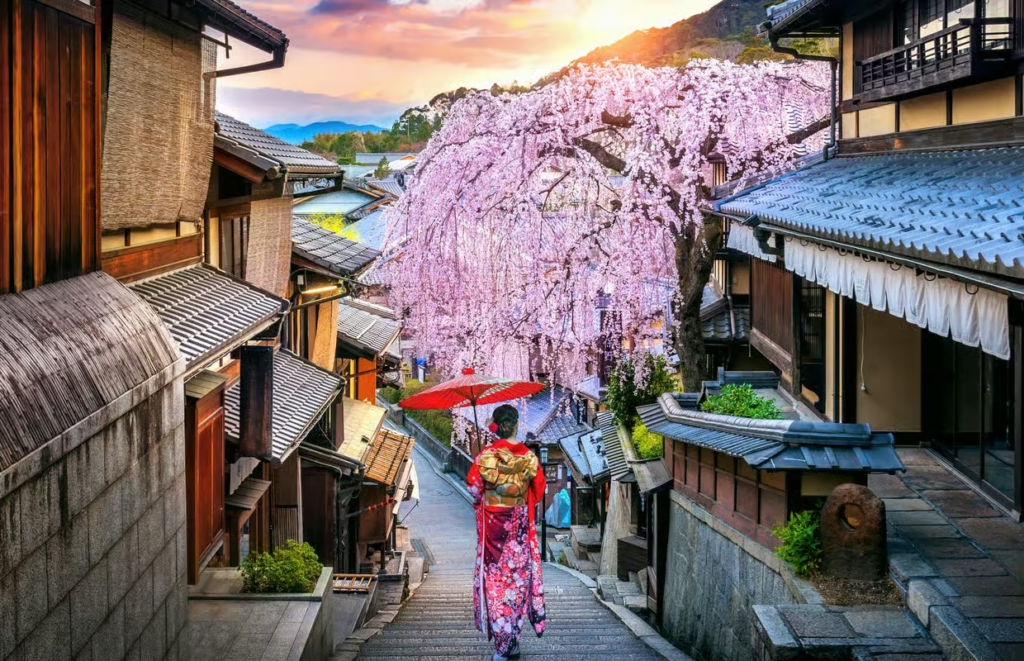
Cherry blossoms generally bloom from late March to May, depending on the region, while autumn leaves are typically at their best from September to December. Spring and autumn also bring high tourist demand, so book accommodation and transportation early in popular areas.
The rainy season mainly runs from June to July, while typhoons can have a greater impact from summer through autumn. If your itinerary includes outdoor activities, prepare backup plans in case of bad weather.
Start Preparing 6 Months In Advance, or 9–12 Months Ahead Including School Procedures
Building the itinerary typically starts about six months before departure. Once you factor in budget approval, parent information sessions, and fee collection, starting 9–12 months ahead is more realistic, as approval delays can otherwise push back your departure.
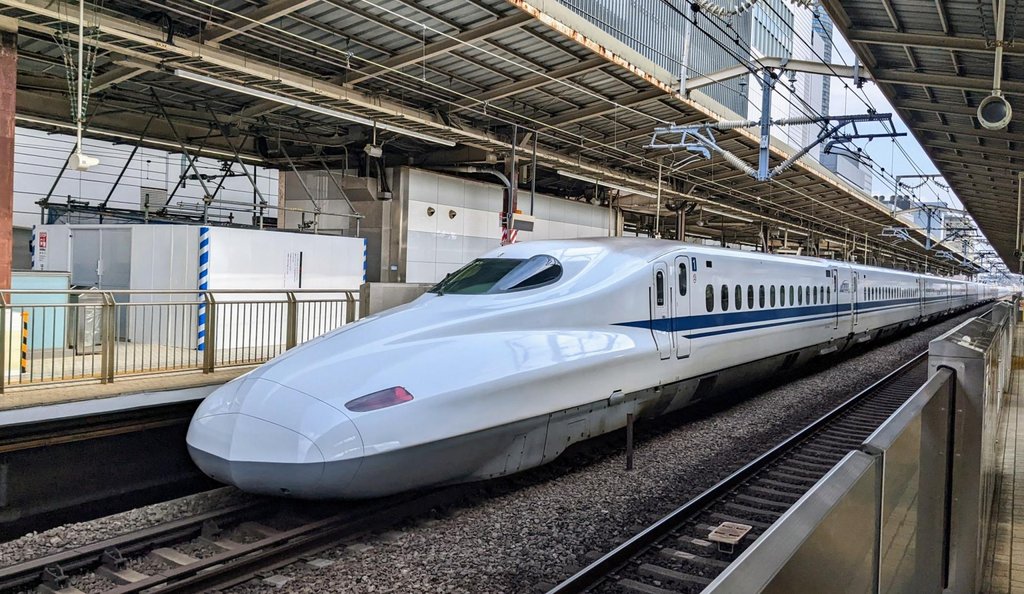
JR group tickets can also be requested from nine months before the travel date. If a large group will ride the shinkansen (bullet train) during peak season, being ready to apply at that point makes it easier to reserve seats together.
Learning Themes You Can Build Into a School Trip to Japan
The six themes below connect readily to curriculum goals. Each one also notes the capacity, booking, and language constraints that tend to matter when an entire grade travels together.
History and Peace Education: Hiroshima and Nagasaki
Peace education in Hiroshima and Nagasaki typically combines museum visits with talks by storytellers who share the testimonies of atomic bomb survivors. JNTO also publishes sample itineraries for educational travel.
Having students develop questions during pre-trip study and summarize their learning in essays or presentations after returning home helps connect what they learn on site to the classroom.
Group museum visits and talks may require advance registration. If you would like these sessions or explanations in English, check the available languages, dates, group size requirements, and booking availability early.
Disaster Preparedness: Earthquakes, Volcanoes, and Social Readiness
Japan sits along the Pacific Ring of Fire, a belt of earthquakes and volcanoes, making it a useful case study where students can observe both how disasters occur and how society prepares for them. JNTO introduces sample itineraries that visit preserved disaster remains in areas affected by the Great East Japan Earthquake, including Iwate, Miyagi, and Fukushima, to learn about the recovery process.
Facilities where students can experience simulated earthquake shaking and evacuation may require advance reservations for groups or impose capacity limits for each session. Each facility has its own rules, so if an entire grade will visit, confirm group divisions and make arrangements for interpreter guides and vehicles in advance.
Art: Materials and Production Processes of Traditional Crafts
Watching artisans up close as they shape their materials and assess the condition of each piece gives students more to reflect on in class than simply viewing finished works behind glass.
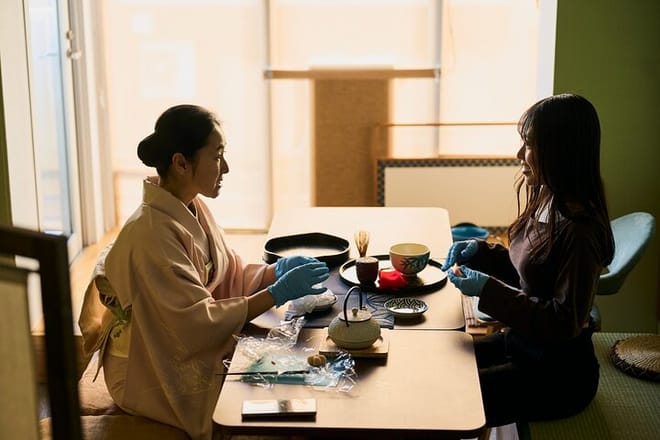
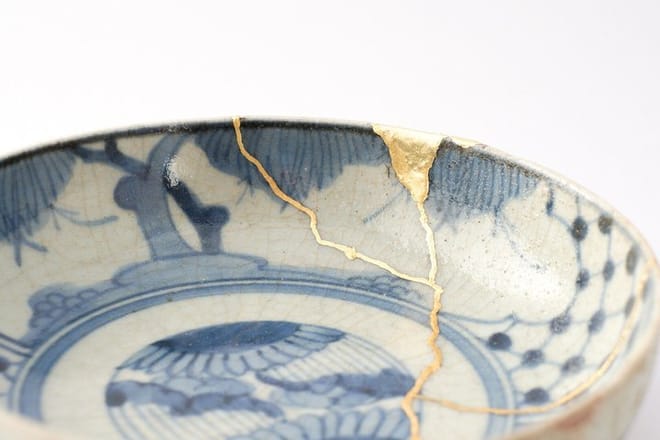
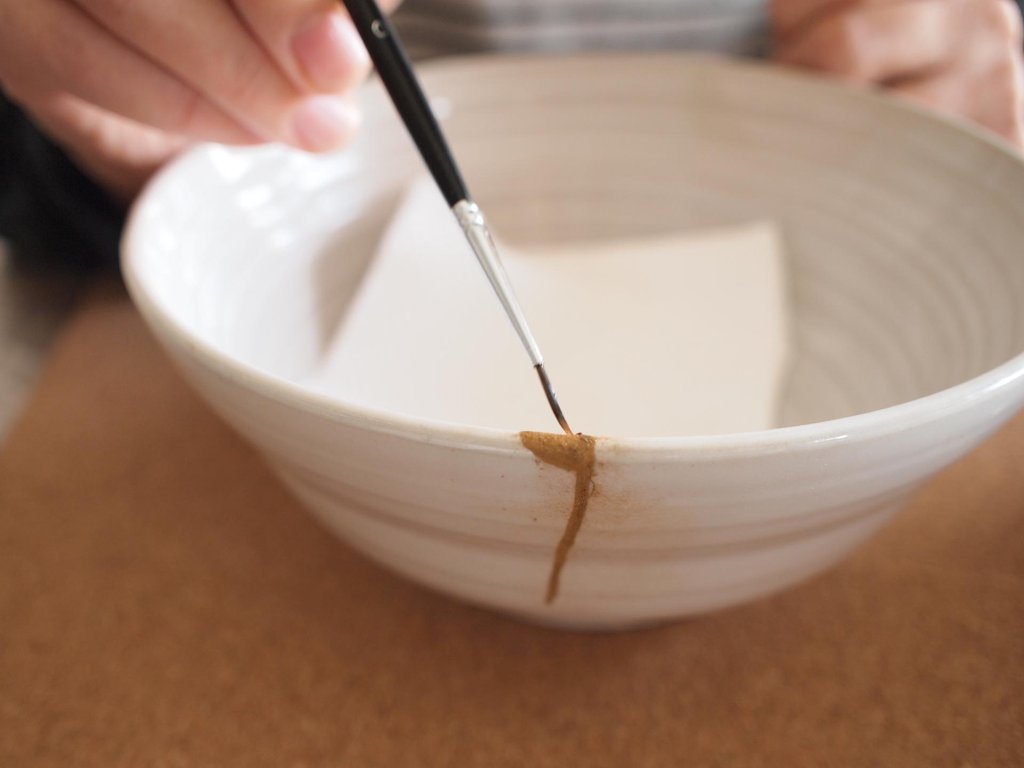
The popular kintsugi (a technique that repairs broken ceramics with lacquer and decorates the seams with gold powder) is usually offered to travelers as a simplified version using synthetic resin. It can be completed in a short time and taken home the same day.
The traditional method using genuine urushi lacquer carries a risk of skin irritation and takes several weeks to cure, so it is not suitable for short workshops. Session sizes vary by workshop, so for large groups, consider splitting students into smaller groups or staggering start times as needed.
Business: Manufacturing Sites and Work Culture
Factory and company tours let students observe production lines and quality control systems firsthand, connecting classroom topics such as supply chains and working styles to what they see on site.
Whether a facility accepts school groups, its capacity limits, and the languages available all vary by site. Facilities with little or no experience hosting overseas schools may provide guidance only in Japanese.
Tell your tour operator your preferred industries and learning goals, and ask for candidates with experience hosting similar groups. This can help narrow down the options quickly.
SDGs: Resource Recycling and Life in Rural Communities
For educational travel, JNTO introduces programs such as tours of the dismantling and recycling processes at a home appliance recycling facility, as well as programs that explore sustainable living in Naramachi, an area of Nara City where traditional townscapes remain. Combining urban resource recycling with rural life makes it easier for students to develop a comparative perspective.
On farm stays—programs where students stay with families in farming, mountain, or fishing villages and experience local life—a whole grade may be divided among several host families. The number of students and host households that can be accommodated varies by region, so confirm hosting arrangements earlier than you would for ordinary accommodation.
Language Exchange: Joining Classes and Club Activities at Local Schools
By joining classes or club activities at a local school, students can interact with Japanese peers their own age and experience everyday school life, from the classroom atmosphere to how students interact with one another. Beyond language learning, programs can also be built around sports, the arts, or other areas to suit your educational goals.
The content is decided together with the partner school, with the details typically finalized about two months before the visit. Build pre-trip activities, such as self-introductions and question lists, and post-trip reflection into the curriculum at the annual planning stage.
A Six-Month Timeline for Preparing a School Trip to Japan
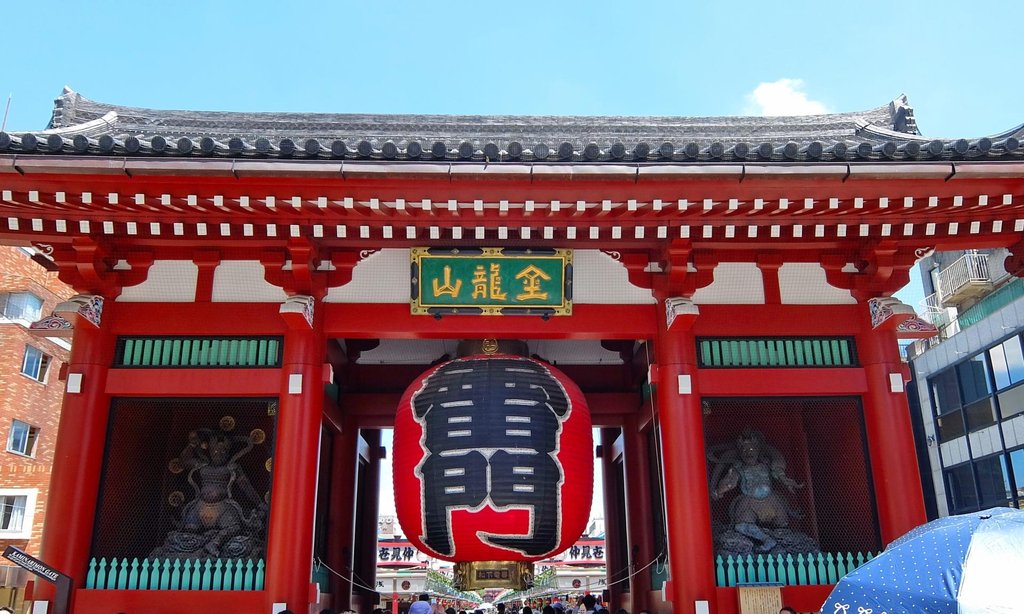
Based on the preparation schedule published by JNTO, the tasks from six months before departure can be organized into three stages. The table below can be shared within your school as is.
| Timing | Tasks | Deadlines and Notes | Responsible |
|---|---|---|---|
| 6 months before | Decide the cities and number of days | Weigh learning themes against travel time | School |
| 5 months before | Confirm flights and accommodation | Confirmed bookings are required to apply for a school exchange | School / Tour operator |
| 4 months before | Apply for school exchange matching | Applications close 2 months before the exchange date | School / Tour operator |
| 3 months before | Build the itinerary and book activities, sites, and transportation | Place provisional holds on charter buses early | Tour operator |
| 2 months before | Finalize exchange content with the partner school | Reflect it in pre-trip study | School |
| 1 month before–departure | Final check of visas, insurance, and emergency contacts | Students who need visas should apply 2–3 months ahead | School / Tour operator |
6–5 Months Before: Decide Cities and Duration, Then Confirm Flights and Accommodation
For a first trip to Japan, the standard route links Tokyo with Kyoto and Osaka, with additional regions chosen to match your educational theme: Hiroshima for peace education, Tohoku for disaster preparedness, or Hokkaido for nature experiences.
Tokyo to Hiroshima takes about four hours by shinkansen, so if you include both, plan consecutive nights in Hiroshima; otherwise, travel time can cut into your learning time. When students arrive from several countries, arrival times will also vary, so leave some flexibility in the first day’s schedule.
Because school exchange applications require proof of confirmed bookings, flights and accommodation should be fully confirmed about five months before departure rather than simply being held provisionally. During the cherry blossom and autumn foliage seasons, group allocations in major cities may already be full by this stage.
4–2 Months Before: Apply for a School Exchange and Finalize the Itinerary and Transportation
Apply for school exchange matching four months before departure, build the itinerary and book activities and sites three months ahead, and finalize the exchange content with the partner school two months ahead. Transportation, in particular, needs to be arranged early.
For charter buses, new standards on drivers’ overtime limits, working hours, and rest periods took effect in April 2024. Vehicles and drivers can therefore be harder to secure during peak seasons.
Group shinkansen tickets for regular trains can be requested from nine months to 14 days before travel. Certain categories, such as student groups, require at least eight people, but conditions vary by group type and school eligibility. Check with JR or a travel agency to confirm whether your group qualifies, including if you are traveling as an overseas school.
1 Month Before to Departure: Final Check of Visas, Insurance, and Emergency Contacts
Visa applications are generally made about one month before departure, but if your grade includes students of several nationalities, check everyone’s passport requirements early and have students who need visas start applying two to three months in advance. Obtaining documents from home countries or undergoing additional screening can take longer than expected.
Visitors to Japan are not covered by Japanese public health insurance and generally must pay medical costs in full, so choose travel insurance that covers emergency transportation and the costs of a chaperone accompanying a student. Also set up an emergency contact network linking the school, tour operator, and accommodation, install the disaster app described below, and hold a final briefing for parents.
Five Key Points to Keep in Mind When Planning a School Trip to Japan
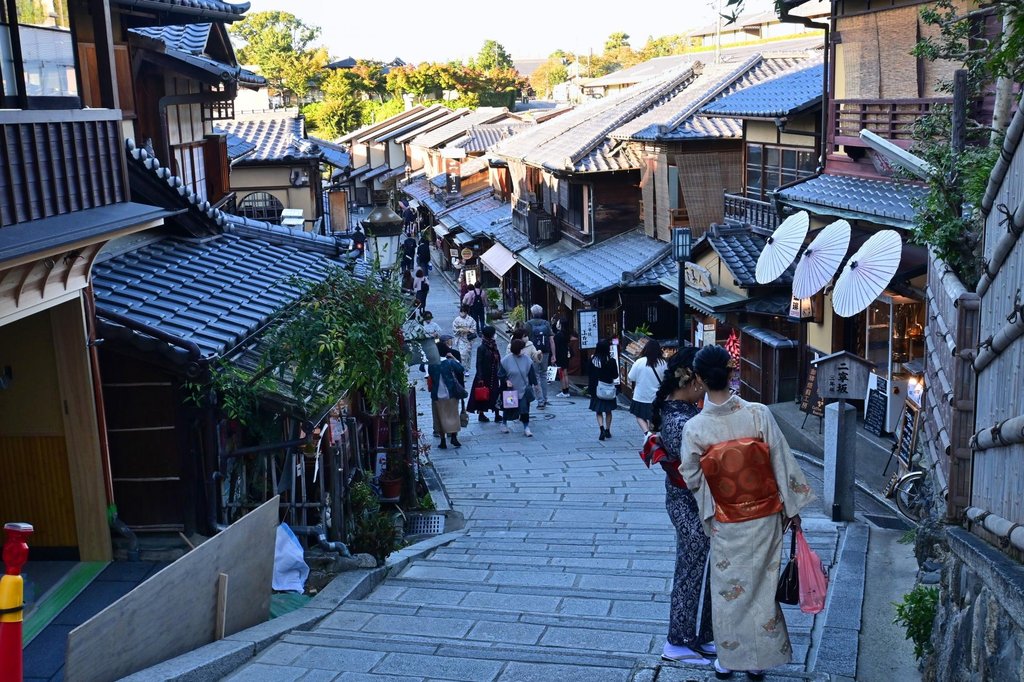
The five points below are common sources of problems during booking or on the day of travel.
1. School Exchange Applications Close Two Months Before the Exchange Date
In JNTO’s school exchange program, matching takes one to two months on average, and applications close two months before the exchange date. JNTO therefore advises starting the search for a partner school at least three months before the visit.
Applications require confirmed flight and accommodation bookings, and JNTO asks schools not to apply through multiple channels at the same time.
Dates that overlap with Japanese school holidays can make it harder to find a host school. Keep in mind that JNTO supports only the search for a partner school; the school or tour operator is responsible for arranging the itinerary and accommodation.
For details, see JNTO’s school exchange page.
2. Activity Venues Limit the Number of Participants per Session
Capacity at cultural activity and tour facilities ranges from around 10 to more than 100 people, depending on the activity and facility size. Some venues cannot accommodate an entire grade at once, so check the capacity limit when booking and, where necessary, build group rotations, staggered entry, or visits to multiple venues into the itinerary.
Also plan how waiting groups will spend their time and where chaperones and guides will be positioned.
3. Group Travel Comes With Luggage, Seating, and Operating-Hour Limits
On the Tokaido, Sanyo, and Kyushu shinkansen lines, luggage whose three dimensions total more than 160 cm (about 63 in) requires an advance reservation for a seat with an oversized luggage area. These seats are limited, so securing them for an entire group can be difficult. As a result, suitcases are usually sent ahead to the next accommodation using a luggage delivery service.
Group tickets may not accommodate seating preferences, so plan how to take roll call on the assumption that chaperones and students will not all be in the same car.
Charter buses are also subject to limits on operating hours and driving distances under driver working-hour regulations. Long-distance trips may therefore require an additional relief driver or a revised itinerary.
4. Dietary Restrictions Cannot Be Accommodated on the Day
If allergies or religious dietary restrictions are raised only on the day, restaurants will often decline because there is not enough time to check ingredients or arrange separate cooking areas. Few restaurants can accommodate severe allergies or strict halal requirements (food permitted under Islamic law) for groups of several dozen students, so start selecting and negotiating with venues earlier than usual.
Set a reporting deadline in the materials for parents, and pass the number of affected students and the details of their restrictions to your tour operator early. If you have Muslim students, discuss prayer times and suitable spaces when planning the itinerary.
5. Disaster Information Is Issued in Japanese First
Information about earthquakes, typhoons, and other disasters is generally released in Japanese first, with multilingual information available through some channels. Safety tips, an app supervised by the Japan Tourism Agency, sends push notifications for Earthquake Early Warnings, tsunami warnings, weather warnings, and other alerts in 15 languages. It also provides evacuation flowcharts and links to disaster information.
Chaperones and students should install the app in advance and check their mobile connectivity, the evacuation routes at their accommodation, and designated meeting points.
Three Ways to Arrange a School Trip to Japan

You can arrange the trip directly as a school, work with an educational travel company in your own country, or book directly with a Japanese tour operator. The first thing to check is whether your country’s laws or school regulations require you to use a company enrolled in a payment protection scheme, such as ATOL in the UK, which protects travelers’ payments if a travel company goes bankrupt.
| Comparison | Arranged Directly by the School | Educational Travel Company in Your Country | Direct Booking With a Japanese Tour Operator |
|---|---|---|---|
| Contracting party | Individual airlines, accommodation, etc. | Travel company in your country | Japanese tour operator |
| Payment protection | None | Covered by your country’s protection scheme | Often not covered by your country’s scheme |
| On-site support | Chaperoning teachers only | Japanese staff contracted by the company | Tour operator’s staff support you directly |
| Coordination with Japan | School negotiates with each party | Through the contracted partner | Direct coordination with facilities and schools |
| Best suited for | Fewer than 10 people; 1–2 cities; no exchange | Schools where laws or regulations require protection | 10+ people; multiple cities; exchange included |
If your group has fewer than 10 people, your itinerary is relatively simple, and the school can handle safety management, contracts, and changes, you may be able to book directly with accommodation and railway operators without going through a travel company. However, check Japan’s Travel Agency Act, your school’s regulations, cancellation terms, and emergency procedures beforehand.
What to Check When Choosing a Tour Operator for a School Trip to Japan
Drawing on the five points above, along with safety management considerations, the table below lists six items to confirm with tour operators. The sample questions can be used as is when making inquiries.
| Item | Sample Question | What to Look for in the Answer |
|---|---|---|
| Roles of chaperones and operator | How many guides or tour conductors will be with the group during small-group activities and at night? | Whether numbers and responsibilities are specific for each situation |
| Teacher site visits | Can we make a pre-trip site visit? If not, what can you provide instead? | Scope of the visit and the content of alternative materials |
| Insurance and emergency support | Please tell us about your liability insurance and your 24-hour emergency contact. | Hospital escort and interpreting; who makes decisions during a disaster |
| Running the grade in groups | If the grade is split into groups, are transportation and waiting areas included in the arrangements? | Operational plan and any additional costs |
| Dietary needs and guide languages | Which restaurants can accommodate restrictions in each city, and what languages do your guides speak? | Track record and reporting deadlines |
| Payment terms and cancellation fees | Can the quote state the payment currency, deposit, and the date from which cancellation fees apply? | Whether each cost item is presented in writing |
Are the Roles of Chaperones and the Tour Operator Clearly Defined?
The number of chaperones is determined by your school or national standards. Confirm how many guides or tour conductors the operator will provide and what coverage is available for small-group activities and at night.
Decide in advance who will supervise the other students if a teacher needs to take a student to a hospital, and how to take roll call if the group is split across shinkansen cars. Having these procedures in place helps avoid confusion on the day.
Does the Operator Accept Pre-Trip Site Visits by Teachers?
Check whether site visits are possible and how much of the accommodation, activity venues, and travel routes the operator can show you. If distance makes an in-person visit impractical, a key consideration is how much information the operator can provide for your safety planning documents, such as photos and videos of each location, circulation maps, and online site briefings.
Are Insurance Coverage and Emergency Contact Arrangements Clearly Stated?
A tour operator’s liability insurance generally covers damages caused by errors in its arrangements, while student injuries and illness are typically covered by the school’s travel insurance. Along with this division of responsibilities, ask whether the operator provides a 24-hour emergency contact, whether staff can accompany students to medical facilities and provide interpretation, and who decides on alternative plans if a typhoon or earthquake disrupts the itinerary.
Can the Operator Run a Whole Grade in Smaller Groups?
Confirm whether the operator can split a grade into groups with staggered times or run groups in parallel at multiple venues. The total quote can change significantly depending on whether transportation for each group and waiting areas during changeovers, including restroom access, are included.
Can the Operator Handle Dietary Restrictions and Guide Languages?
Check how many restaurants in each city the operator has arranged that can accommodate allergies and religious dietary restrictions. Also ask whether an English-speaking guide will lead the group directly or whether a Japanese-speaking guide will work with an interpreter, and whether languages other than English can be arranged.
Are Payment Terms and the Cancellation Fee Start Date Shown at the Quote Stage?
Confirm the payment currency, deposit amount, balance deadline, and the start date and rates of cancellation fees when reviewing the quote. The cancellation start date determines how long you can cancel free of charge, which directly affects your risk if school budget approval is delayed.
What Japan Guide Star Covers for School Trips to Japan, and Its Conditions
The services and conditions offered by Japan Guide Star, operated by Contents Like LLC, are described below and can be used as a point of comparison with other operators.
All Domestic Arrangements Through One Company, for Groups of Around 200
Japan Guide Star has offices in Tokyo, Osaka, and Kyoto and arranges accommodation, charter buses, private vehicles with drivers, shinkansen, domestic flights, ferries, and guides throughout Japan, from Hokkaido to Okinawa. With a single point of contact, the operator can coordinate intercity travel times and hotel check-in times in one place, and you do not need to contact multiple companies separately when group sizes or dates change.
The service is generally available for groups of 10 or more and can accommodate entire grades of around 200 students. Japan Guide Star is a registered travel agency (Tokyo Governor Registered Travel Agency No. 2-8877) and a member of JATA (Japan Association of Travel Agents), which can make it easier to explain the operator’s credentials to parents.
In-House Cultural Activities Adjustable to Your Grade’s Goals and Size
Because Japan Guide Star is both a tour operator and the operator of its own cultural activities, it can adjust the content, duration, and number of sessions to match your learning goals and the size of your grade.
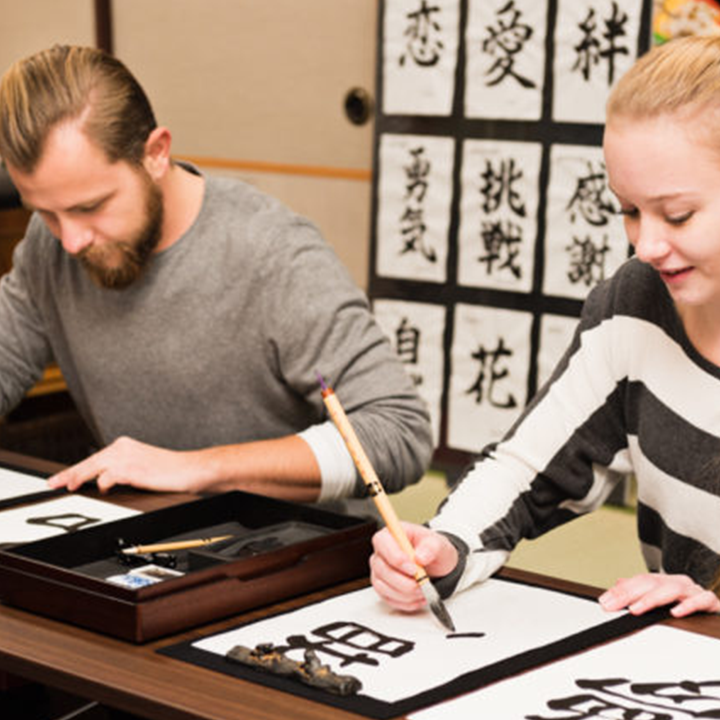
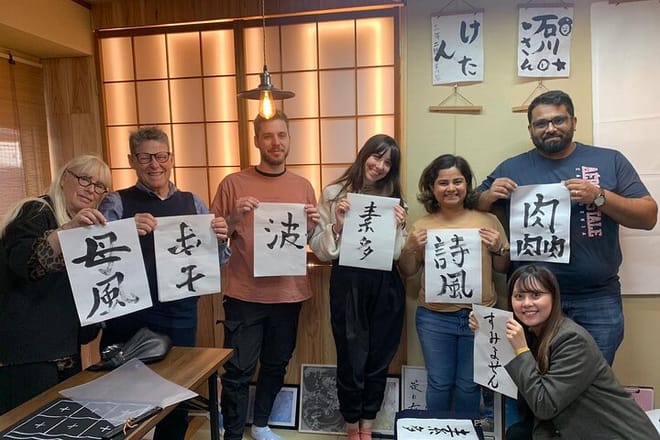
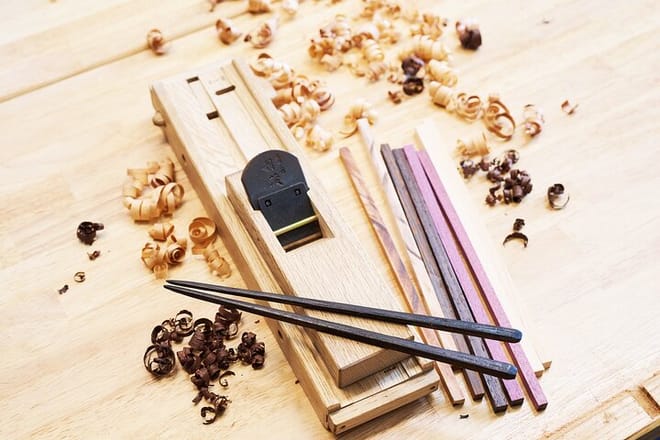
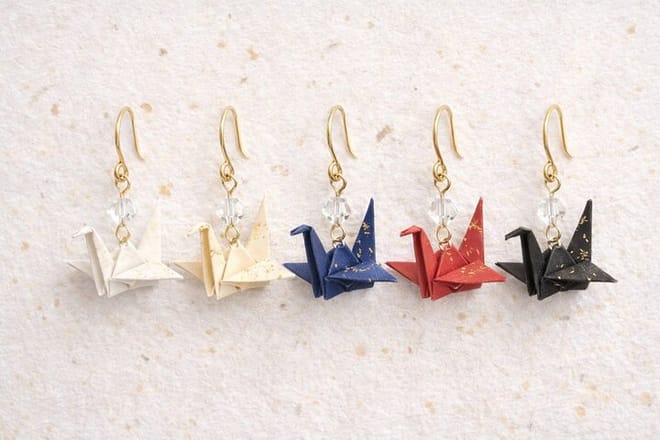
Chopstick-making workshops are available in Shinjuku, Ginza, Asakusa, Shibuya, and Arashiyama. In Arashiyama, Kyoto, each session accommodates up to 30 people, with 10 sessions available per day, allowing an entire grade to rotate through in smaller groups. In Shinjuku, calligraphy, kintsugi (a simplified version using synthetic resin), and origami jewelry workshops are all available in the same building. Students can combine activities without changing venues while waiting groups rotate to another activity.
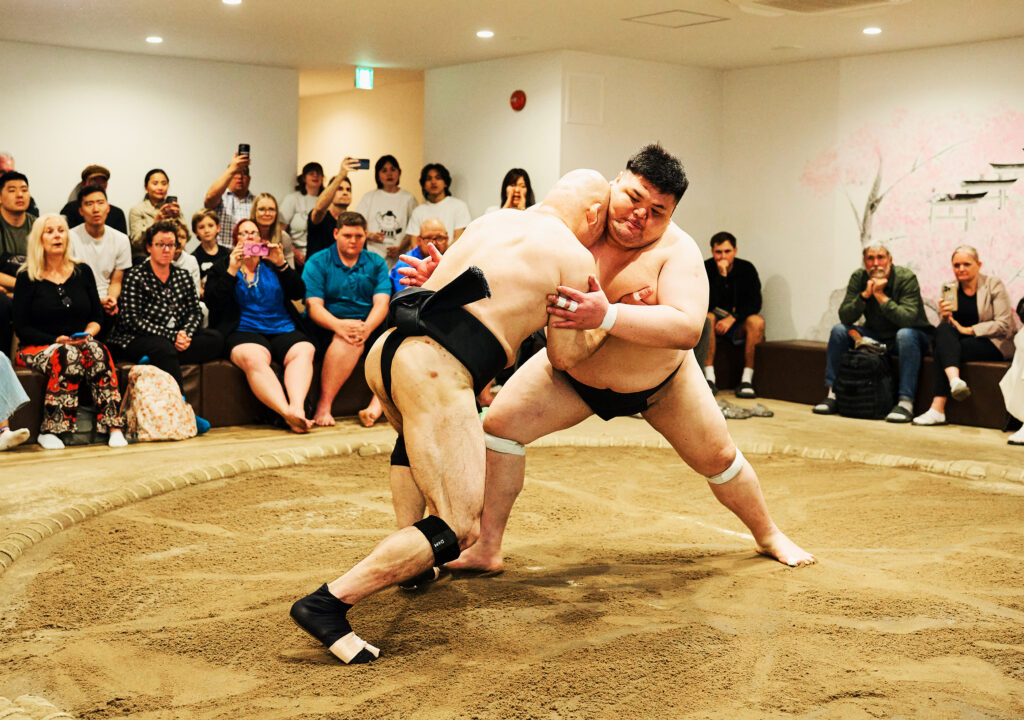
At Sumo Studio Osaka, students can watch bouts by retired professional rikishi (sumo wrestlers) from beside the dohyo (sacred clay ring), and a limited number of audience members can step onto the dohyo and grapple with a rikishi. The venue accommodates up to 53 people and accepts private bookings for school groups, although children’s participation is subject to age and size restrictions.
All of these venues are indoors, so they can also serve as rainy-day alternatives. Sessions are conducted in English, and interpreters or instructors for French, Spanish, German, Chinese, and other languages can be arranged on request.
Details
| Activity | Area | Max. per Session | Duration | Private Booking |
|---|---|---|---|---|
| Chopsticks Studio Shinjuku | Shinjuku | 60 people | 60 min. | On request |
| Chopsticks Studio Ginza | Ginza | 30 people | 60 min. | On request |
| Chopsticks Studio Asakusa | Asakusa, Tokyo | 44 people | 60 min. | On request |
| Chopsticks Studio Shibuya | Shibuya, Tokyo | 44 people | 60 min. | On request |
| Chopsticks Studio Arashiyama | Arashiyama, Kyoto | 30 people | 60 min. | On request |
| Tokyo: Calligraphy Workshop & Original T-Shirt Creation | Shinjuku, Tokyo | 24 people | 90 min. | On request |
| Tokyo: Japanese Gold Repair Kintsugi Workshop in Shinjuku | Shinjuku, Tokyo | 60 people | 60 min. | On request |
| Tokyo: Create Your Own Handmade Origami Jewelry | Shinjuku, Tokyo | 10 people | 60 min. | On request |
| Sumo Studio Osaka | Osaka | 53 people | 90 min. | Available |
Activity combinations and group sizes can be discussed in an online meeting after you get in touch through Japan Guide Star’s group travel services page.
Experience With Overseas Groups and Educational Travel Groups
Japan Guide Star works with travel companies, businesses, and tour operators in Europe, North America, Australia, and Asia, and has hosted groups of varying sizes and nationalities.
For educational travel, it began accepting domestic school trip and educational travel groups at its chopstick-making workshop in Arashiyama, Kyoto, in May 2026. Students choose from more than 10 types of wood and carve and finish their own chopsticks. The program introduces an SDGs perspective on making effective use of resources.
The finished chopsticks can be taken home the same day, giving students something tangible to reflect on in post-trip lessons.
24-Hour Support With a Single Contact for Illness or Disasters
Japan Guide Star provides 24-hour support for its land operations (on-site arrangements and management), so you have a single point of contact if a student falls ill or a disaster occurs.
Specific arrangements, such as guide and tour conductor staffing, teacher site visits, and hospital escorts, can be discussed and confirmed in an online meeting before the quote is prepared.
Quotes Provided After Finalizing Conditions in an Online Meeting
Send the group size, dates (including all possible dates if you have several options), preferred destinations, learning goals, accommodation type, dietary restrictions, and preferred languages through the “Contact” form on the service page. Japan Guide Star will then begin preparing your quote and finalize the arrangements with you in an online meeting.
Inquiries are generally made three to six months before departure, but for trips that involve school exchanges and internal approval procedures, it is better to reach out six months or more in advance.
School exchange matching and flight and accommodation confirmations need to be completed first, so the later you inquire, the fewer accommodation and activity options may remain. You can send inquiries through Japan Guide Star’s group travel services page.
Payment Currency, Deposit, and Cancellation Terms Stated Before Signing
Payment can be made by international bank transfer in US dollars, euros, or Japanese yen. The deposit amount depends on the size and timing of the tour.
Many activities must be finalized 30–60 days in advance, so cancellation terms are provided for each booking at the quote stage. You can review the terms in writing before signing the contract, making it easy to include them in your materials for parents.
Common Questions About School Trips to Japan

These are some of the questions that often come up when planning a school trip to Japan.
Do Students Need Visas?
Visa requirements depend on nationality. Japan has visa exemption arrangements with 74 countries and regions, and most allow visa-free stays of up to 90 days. The permitted length of stay varies by country, so check all students’ passports well in advance.
Is There a Chance We Won’t Find a Partner School for an Exchange?
Yes. Dates that overlap with Japanese school holidays or exam periods can make it harder to find a host school, so widening the search to areas around the cities you visit and applying early can improve your chances.
What Does the Cost of a School Trip to Japan Include?
The four main cost categories are transportation (flights, shinkansen, charter buses, etc.), accommodation and meals, learning programs (activities, admission fees, and guides), and insurance.
Visa fees, students’ mobile connectivity (such as eSIMs), gifts for the exchange school, and pocket money are often not included in quotes, so list these expenses separately.
How Should We Explain Costs to Parents?
Showing the amount and payment timing for each item, along with why each cost is necessary, makes it easier for parents to understand the overall budget. Also explain in advance any costs not included in the quote, the deadlines for the deposit and balance, refund terms in case of cancellation, and the effect of exchange-rate fluctuations.
What Type of Accommodation Should We Choose?
Hotels make roll calls and nighttime supervision easier, while ryokan (traditional Japanese inns offering Japanese meals and rooms floored with tatami straw mats) let students experience a more traditional way of life. Homestays offer deeper immersion in daily life and language, but students are spread out and supervision becomes more demanding, so schools often combine several types of accommodation.
Some ryokan do not allow guests with tattoos to use their large communal baths, so if this applies to any students, check whether in-room or private baths are available
What Happens If a Student Gets Sick?
In an emergency, call 119 for an ambulance. Foreign-language support varies by hospital, so check medical facilities near your accommodation in advance using JNTO’s multilingual medical guide or Safety tips.
What Is the Minimum Group Size?
Japan Guide Star generally works with groups of 10 or more, but smaller groups can be discussed depending on the program. It can also accommodate whole-grade visits of around 200 students.
Plan Early to Keep More Options Open for Your School Trip to Japan
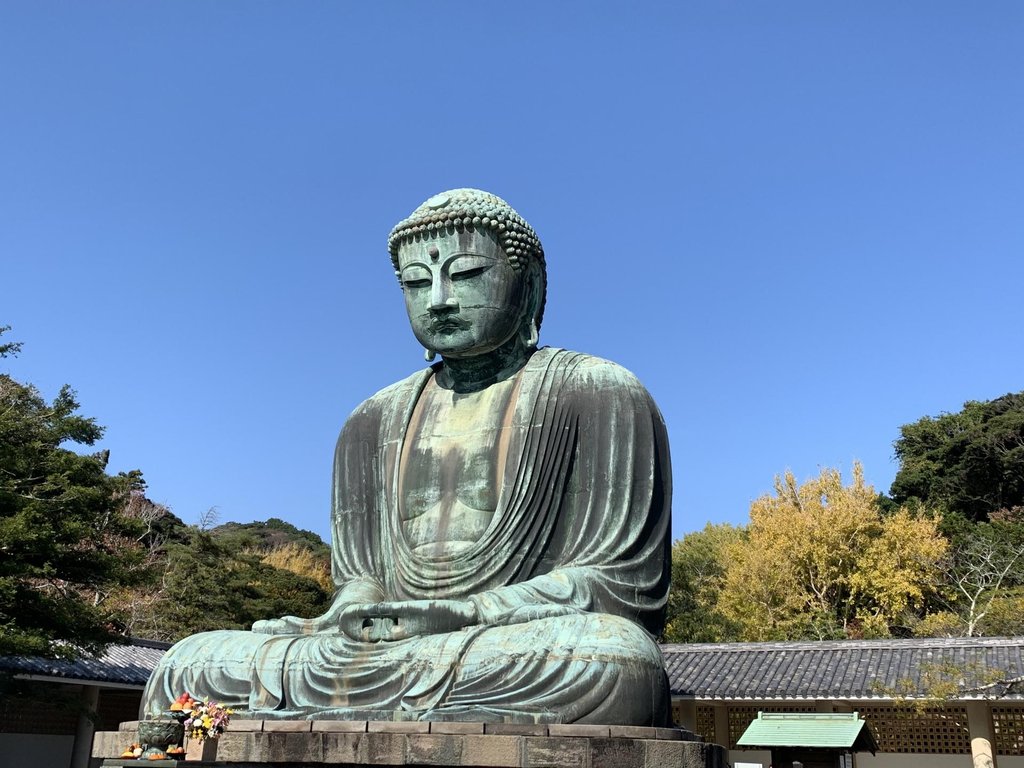
When preparing a school trip to Japan, focus on three things: decide the learning theme and timing first, work backward from the deadlines for school exchanges, flights, and accommodation, and compare tour operators based on their safety management and emergency support.
When making inquiries, use the table in “What to Check When Choosing a Tour Operator for a School Trip to Japan” as a checklist.
Japan Guide Star’s service page summarizes its coverage and in-house cultural activities in one place, making it easy to share as reference material for discussions at your school. The earlier you start, the wider your choice of dates and activities. You can reach out through Japan Guide Star’s group travel services page.