Even when you are actively looking for a destination management company (DMC) to handle travel arrangements in Japan, comparing candidates can take more effort than you might expect. Each company covers a different scope and has different strengths, and Japan has its own registration system for travel businesses. In this article, we’ll explain what a DMC is and how it differs from land operators and travel agencies. We’ll also cover the five problems that most often come up for customers when using a DMC, and give you a useful checklist you can use when selecting one. In the second half of the article, we’ll introduce Japan Guide Star—a DMC with offices in Tokyo, Osaka, and Kyoto—and the process by which you can use their services, from first inquiry to a signed contract.
What a DMC in Japan Does, and When You Don’t Need One

A DMC (Destination Management Company) is a business that takes on everything from domestic travel arrangements to on-the-ground operations on behalf of overseas travel companies and corporate clients. The points in this section cover how DMCs differ from similar travel businesses, the types of work you can have them do for you, and how to tell which projects call for a DMC and which ones you can arrange on your own.
How DMCs Differ from Land Operators and Travel Agencies, and Japan’s Registration System
DMC operations overlap with a land operator in many tasks, but they also include itinerary design, activity planning, and inquiries during your stay. Travel agencies mainly sell to travelers, although some also plan and arrange trips as well.
| Comparison | DMC | Land Operator | Travel Agency |
|---|---|---|---|
| Main clients | Overseas travel companies, corporations, and MICE organizers (B2B) | Overseas travel companies (B2B) | Individual travelers (B2C) |
| Scope of work | Itinerary design, arrangements, activity planning, and daily operations | Mainly accommodation and transportation arrangements | Primarily selling travel products and customer service |
| Registration category in Japan | Travel agency or travel service arrangement business | Travel service arrangement business or travel agency | Travel agency (Type 1–3 or Regional) |
| Involvement in daily operations | In-house staff run and manage operations on-site | Limited | Generally none |
Under Japan’s Travel Agency Act, a business must register as a travel agency (Type 1–3 or Regional) to contract with travelers and sell travel products. A business that hasn’t registered as a travel agency but arranges transportation, accommodation, or paid guides for overseas travel companies instead needs to register as a Travel Service Arrangement Business, a category introduced in January 2018. Because travel agency registration also covers business-to-business arrangements, the registration category of DMCs in Japan varies from company to company.
The same 2018 legal revision also made it possible to work as a paid guide without the National Government Licensed Guide Interpreter qualification. Since holding the qualification no longer tells you everything about a guide’s quality, you also need to check training systems and track records (covered in point four of the checklist towards the end of the article).
Services You Can Outsource: Land Operations, MICE, and Luxury Arrangements
The work you can ask a DMC to do falls into three broad categories. Stating which area your project belongs to at the start of an inquiry will help you reach the right contact and sort out the conditions so that the exchange leading up to a quote goes more smoothly.
| Service Area | Scope | Examples |
|---|---|---|
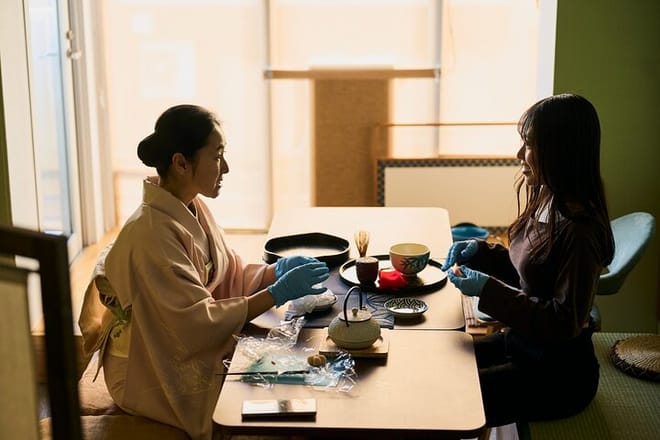
| Land operations | Creating travel products and arranging local services (groups and FIT, or independent travelers) | A tour in Kyoto that includes a tea ceremony experience; bundled accommodation and transportation for the classic Tokyo–Kyoto–Osaka route |
| MICE (corporate meetings, incentive travel, international conferences, and exhibitions) | Corporate incentive trips, meetings, and events | A corporate study tour for about 100 people; venue and production arrangements for a gala dinner that doubles as an awards ceremony |
| Luxury (tailored arrangements for high-end travelers) | Small, made-to-order trips | Private after-hours temple visits; regional tours with a dedicated vehicle and private guide |
Across all three areas, the main items are accommodation, transportation (chartered buses, chauffeured vehicles, trains, domestic flights, and ferries), guides and interpreters, cultural activities and group meals, luggage delivery, and emergency support on the ground.
Projects That Need a DMC vs. Projects You Can Arrange In-House
Not every project needs a DMC. Depending on size and content, in-house arrangements are often enough. Compare your project against the conditions below.
| Project Condition | In-House Arrangements Are Enough | Better to Leave to a DMC |
|---|---|---|
| Group size | FIT of a few people | Groups of 10 or more; MICE |
| Itinerary | Classic Tokyo–Kyoto–Osaka route | Regional areas or multi-city tours |
| Arrangements | Hotels and trains only | A mix of chartered buses, venues, experiences, and group meals |
| Season | Off-season | Cherry blossom and autumn foliage peak seasons |
| Day-of support | Travelers can get around on their own | On-site headcount changes or problem-solving required |
| Direct contracts with Japanese suppliers | Yes | No |
For a small FIT group needing only hotels and trains on a basic travel route in Japan, there’s usually no need to go through a DMC. In-house arrangements do carry hidden costs, though: negotiating with facilities in Japanese, managing cancellation policies and payment terms that differ with each supplier, handling on-site problems across time zones, and securing reservations during peak tourist seasons. The more of the DMC-side conditions your project meets, the more that workload grows, so it pays to consult a DMC early on.
Five Common Problems That Can Occur When Ordering from a DMC in Japan

Even buyers who understand what a DMC does often hit unexpected walls once they actually place an order. The five problems we’ll outline below often come up when overseas companies work with Japanese DMCs. We’ll go through each issue and suggest ways to address them.
1. Registration Category Determines the Scope of Work a DMC Can Accept
Even under the same umbrella of “DMC,” a company registered as a travel agency and one registered as a travel service arrangement business are limited to different types of work. Companies registered as a travel service arrangement business can cover arranging transportation, accommodation, and certain guide services at the request of travel companies and similar clients. However, the company cannot run its own planned tours or sign travel contracts directly with travelers.
When you inquire with a DMC, confirm the company’s travel agency registration category and registration number. The Commissioner of the Japan Tourism Agency registers Type 1 travel agencies, while the governor of the prefecture where the main office is located registers Type 2, Type 3, and Regional travel agencies. Registration numbers appear as “Commissioner of the Japan Tourism Agency Registered Travel Agency No. XXX” for Type 1, “[Prefecture Name] Governor Registered Travel Agency No. 2-XXX” for Type 2, and “[Prefecture Name] Governor Registered Travel Agency No. 3-XXX” for Type 3.
You can check which agencies are classified as Type 1 on the Japan Tourism Agency’s register, while Type 2 and Type 3 can be confirmed through each prefecture’s public information website or the relevant prefectural office.
2. Venues and Hotels Fill Up Fast in Peak Tourist Seasons
During the spring and fall seasons, hotels, chartered buses, and venues are the first to fill up with reservations. The usual guideline for arrangements is three to six months in advance, but large MICE projects in peak season often need to start planning and making reservations more than six months ahead of time.
To lower the risk of being unable to procure reservations on your travel dates, ask the DMC about availability while your schedule is still at the “candidate dates” stage, and give them several options. Considering alternative areas such as Kanazawa or Hiroshima in advance, in case Kyoto is fully booked, also shortens the time needed for a revised proposal.
3. Subcontractor Setups for Regional Arrangements Aren’t Transparent
Outside Tokyo, Osaka, and Kyoto, DMCs commonly subcontract work to local operators who know the area well. Because these operators understand local transportation and have established relationships with facilities, subcontracting can itself be a way to maintain quality.
Overseas buyers, though, rarely see the subcontractor setup. When a headcount changes at the last minute or a change in the weather forces you to rearrange your plans, a delay in communication between the DMC and the subcontractor can slow the required response on the ground. When you place an order with a DMC, confirm the subcontractor’s company name and registration status, the emergency contact, the range of changes they can handle, and who bears the costs if something goes wrong.
4. Re-Subcontracting Experiences and Guides Make Determining Who’s Responsible Difficult
DMCs usually book cultural activities, meals, and guides through outside businesses. A single tea ceremony session may pass through several companies (DMC → activity operator → instructor, for example), and the more companies that work behind the scenes, the harder it becomes to understand capacity limits, cancellation policies, and guide quality. Whether the DMC can give an immediate answer on last-minute headcount changes or rainy-day alternatives depends on whether or not it runs that activity itself.
The relaxed qualification requirements mentioned earlier have increased the talent pool for tour guides, but experience and training now vary significantly from guide to guide. To make sure you know who’s in charge on the day of your planned activities, ask the DMC these three questions at the quote stage:
- Is this activity run in-house or outsourced?
- Whose policies apply to last-minute changes?
- What are your criteria for selecting guides?
5. Things Get Complicated When Dietary and Language Requirements Need Adjusting
Last-minute requests for vegetarian or halal options and special considerations for allergies, as well as requests for interpreters for languages other than English, can require a change in the suppliers themselves, not just the price. Tokyo and Osaka have a reasonable number of restaurants that can accommodate these needs, but in regional areas very few venues can provide halal meals, and if none can be found, the whole venue might need to be changed. Interpreters for languages such as French or Arabic may also be unavailable on your dates if you try to book them at the last minute.
For MICE projects, the participant list is often finalized closer to the travel date, yet leaving these details for later might mean much fewer options. Share the types of dietary restrictions and the number of people affected at the RFP stage, even if it’s just an estimate. If you need interpreters for languages other than English, tell the DMC early which language and in what format (consecutive or simultaneous).
Checklist for Choosing a DMC in Japan

Many of the problems above can be avoided by knowing what to check before you inquire at a DMC. The six items below—organized as a list of questions—cover registration details, operational setup, and proposal quality, and should help when you’re comparing multiple companies.
1. Is the Travel Agency Registration Category, Number, and Membership Public?
Registration numbers and industry association memberships are objective information that you can verify easily from overseas. As outlined in problem one in the previous section, the DMC’s registration category determines what planned tours the company can handle, and you can check a company’s membership in industry bodies like the Japan Association of Travel Agents (JATA) on each association’s official website.
If the company’s website doesn’t list this information, inquire about the registration category, registration number, and registration validity period. A quick answer from the company is the first sign of reliability.
2. Do Lead Times and Peak-Season Priority Allocations Fit Your Sales Plan?
Check how many months in advance you need to consult the DMC and whether it has a system for securing priority reservations during peak seasons. Travel arrangements in spring (late March–early April) and fall (November) require earlier consultation than other times of the year because these are Japan’s main tourist seasons.
Some DMCs reserve priority allocations for clients with ongoing contracts, so comparing only the terms for one-off projects doesn’t reveal if the DMC can actually arrange reservations during peak tourist seasons. First decide when you need your product finalized, then ask about lead times for regular and peak seasons and which contract type gives you access to priority allocations.
3. Where Are the DMC’s Own Offices, and Is There an Emergency Contact?
Even if a company says it covers all of Japan, its offices might serve major cities only, and subcontract to regional areas and remote islands. Confirm where the offices are, which segments the company operates itself, and if parts of your plan will be subcontracted.
Also ask whether there is a twenty-four hour emergency contact and how far staff can travel if you need help. When bad weather forces a sudden itinerary change, a fast response time can come down to whether or not the DMC can act on its own judgment immediately or must first check with a subcontractor.
4. Does the DMC Run Its Own Activities and Tours?
A DMC that runs its own activities can answer questions about capacity, private bookings, and last-minute changes on its own authority. If it only books through outside businesses, on the other hand, some changes may require checking with third parties, and a reply could take up to several days.
For tour guides, check training systems the DMC uses and track records in addition to qualifications. Two useful indicators are how often the DMC uses National Government Licensed Guide Interpreters and whether or not the guides have completed mandatory training every five years.
5. Do the Available Languages, Payment Terms, and Cancellation Policies Fit Your Project?
Many companies divide languages into those they operate regularly and those they can arrange on request, so check each category separately. English might be available right away, while other languages may need to be secured early during tourist seasons. For dietary restrictions, finding out how many suitable restaurants the DMC has lined up in each city can help you gauge how flexible the itinerary will be.
Before requesting a quote, also confirm the payment currency, whether invoice payment is available, the deposit amount and balance due date, as well as when cancellation fees apply and at what rates. Terms vary by DMC, so putting the candidates side by side in a table makes comparisons easier.
6. Can the DMC Back Up Its Itinerary Proposals?
An itinerary built from general popularity rankings will fit your clients less than one that’s tailored to your client segment using actual booking trends and the DMC’s own operating record. When you receive the first proposal, ask the DMC these questions:
- Why did you choose this activity?
- Why this order and this time of year?
- Have you been successful with this itinerary for the same type of client before?
Check that the proposal draws on client segments, seasonal trends, and past operating results rather than resting only on reviews that say, “it’s popular” or “it’s a classic.”
Japan Guide Star: Coverage, Track Record, and Business Terms
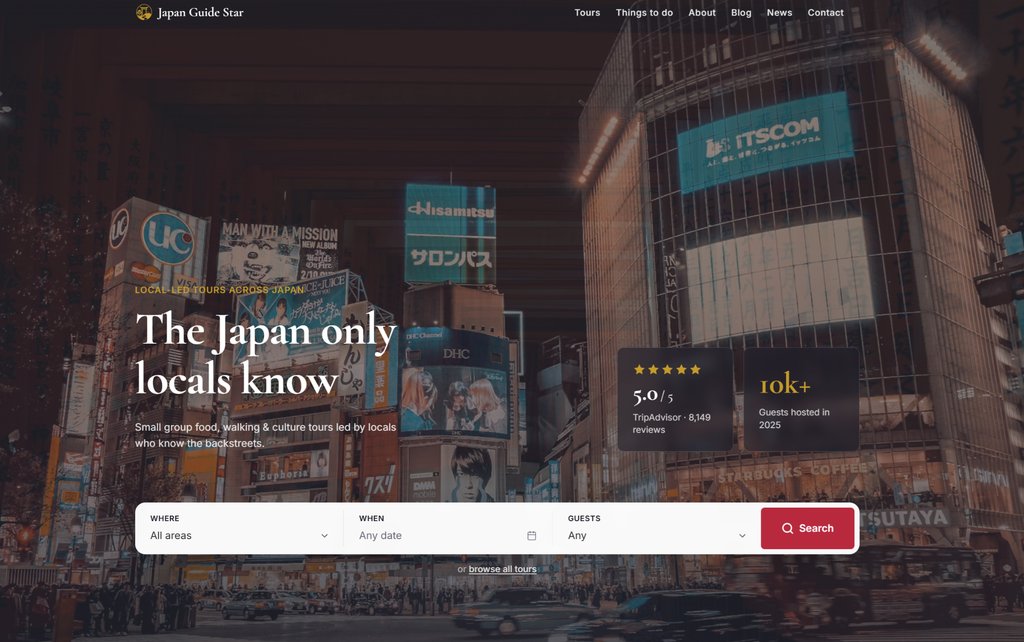
Japan Guide Star Local-led tours across Japan JapanGuideStar
Japan Guide Star’s services fulfill all the criteria we’ve discussed so far: a nationwide office network, ownership of in-house-operated venues, a good track record, real data behind its proposals, and transparent business terms.
Nationwide Coverage from Three Offices in Tokyo, Osaka, and Kyoto
Japan Guide Star has offices in Tokyo, Osaka, and Kyoto and handles arrangements throughout Japan, from Hokkaido to Okinawa. Multi-city incentive trip itineraries, such as “a meeting in Tokyo, a private cultural activity in Kyoto, and a formal dinner in Osaka,” are run by the same team, so buyers deal with a single point of contact.
Japan Guide Star covers all three areas (land operations, MICE, and luxury arrangements for high-end travelers) and can arrange accommodations, chartered buses, dedicated vehicles, train tickets, domestic flights, and ferries in one package. Their focus is on groups of ten or more people but they also handle small VIP arrangements, and they accept MICE projects of up to about two hundred people. They also provide twenty-four hour support for land operations.
Cultural Activity Venues and Tours Are Operated In-House
In addition to arrangement services, Japan Guide Star runs their own cultural activity venues and tours. By doing so, they can handle private bookings and last-minute headcount changes on its own authority.
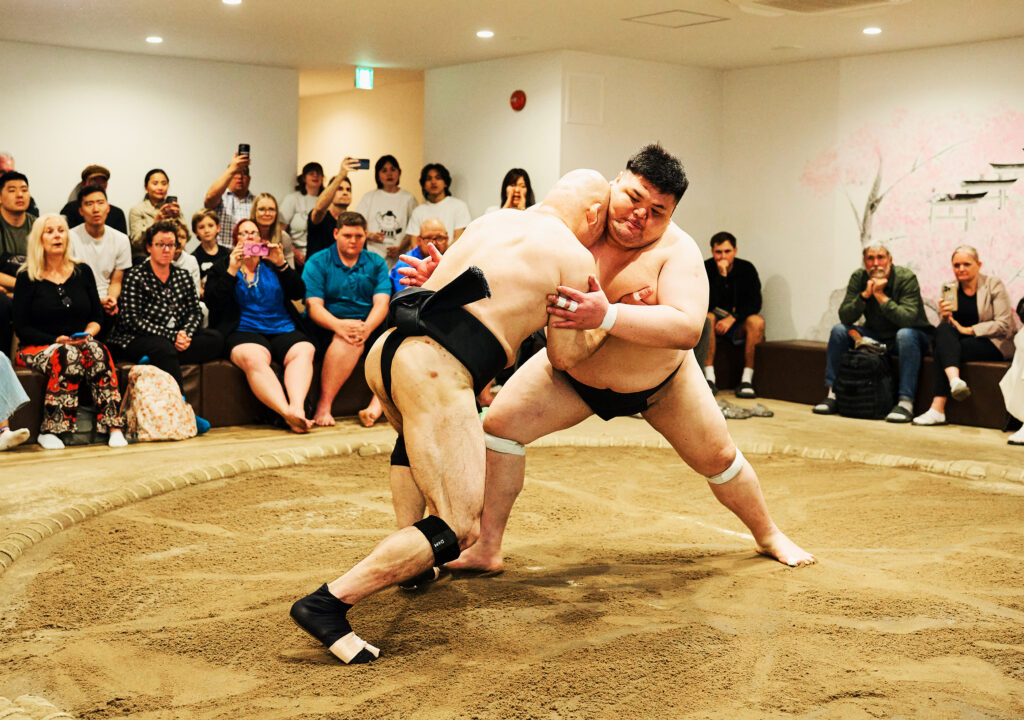
Its flagship venue is Sumo Studio Osaka in Hanazonocho, Osaka. Here, about seven retired sumo wrestlers (including former second-division athletes) take turns performing sumo shows for guests. Visitors can watch real sumo matches up close and can even enter the ring to take on one of the performers themselves. Shows run five times a day for about ninety minutes each, and private bookings are available. The show can be combined with a meal of chanko-nabe (a hearty hot pot dish) or team-building activities. Sumo Studio Osaka is also wheelchair accessible.
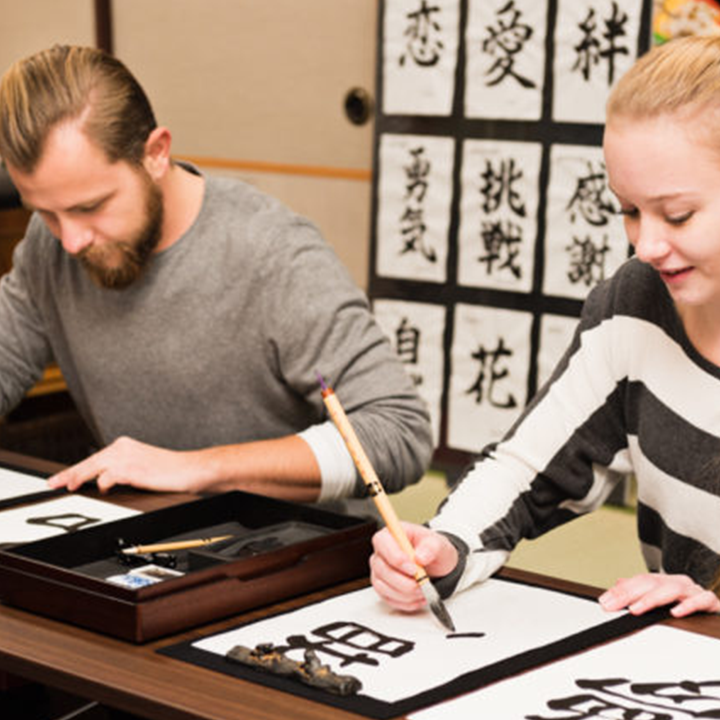
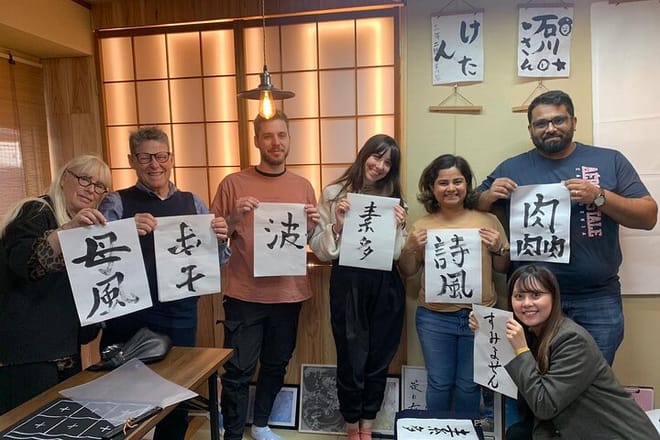
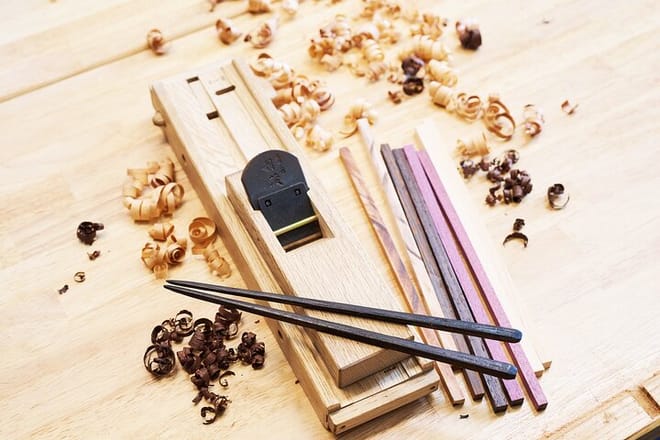
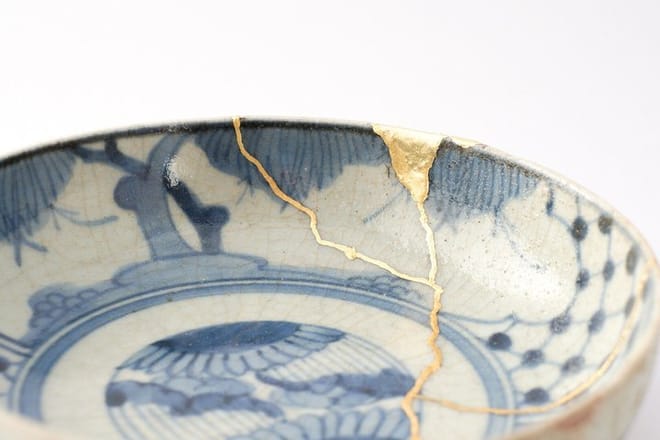
In Tokyo and Kyoto, Japan Guide Star runs Chopsticks Studio, a chopstick-making workshop, in Shinjuku, Ginza, Asakusa, Shibuya, and Arashiyama. The building that houses the Shinjuku studio also offers calligraphy, kintsugi (ceramics repair using lacquer and gold dust), and origami jewelry-making, so groups can combine several cultural activities without even leaving the building. Japan Guide Star also operates its own walking tours and food tours in Tokyo, Kyoto, and Osaka, including one with a river cruise component in Osaka.
| Venue Name | Area | Max Capacity | Duration | Private Booking |
|---|---|---|---|---|
| Sumo Studio Osaka | Hanazonocho, Osaka | 53 people | 90 minutes | Yes |
| Chopsticks Studio Shinjuku | Shinjuku, Tokyo | 60 people | 60 minutes | Yes |
| Chopsticks Studio Ginza | Ginza, Tokyo | 30 people | 60 minutes | Yes |
| Chopsticks Studio Asakusa | Asakusa, Tokyo | 44 people | 60 minutes | Yes |
| Chopsticks Studio Shibuya | Shibuya, Tokyo | 44 people | 60 minutes | Yes |
| Chopsticks Studio Arashiyama | Arashiyama, Kyoto | 30 people | 60 minutes | Yes |
Japan Guide Star also offers these indoor activities to hotels and travel companies as rainy-day alternatives during the rainy season, and accepts last-minute bookings when space is available. If an outdoor itinerary is canceled on the day, an alternative can be confirmed without negotiating with outside parties.
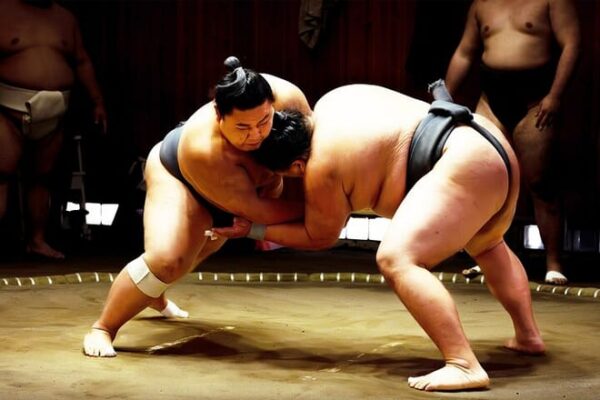
Osaka Sumo Experience with Live Show and Audience Challenge

Tokyo Chopstick Making Workshop in Shinjuku
Business Track Record
Japan Guide Star has a broad, mainly B2B track record with overseas travel companies as well as businesses that handle corporate events, MICE, and incentive travel. Its clients span Europe, North America, Australia, Asia, and other regions, and it has extensive experience with groups of various sizes and nationalities, from small parties to large group tours.
Its main milestones, in chronological order, are as follows.
| Date | Details |
|---|---|
| May 2026 | Set up a system for hosting school and educational travel groups at the chopstick-making experience in Arashiyama, Kyoto |
| July 2026 | Listed on the official Imperial Hotel Osaka website as a provider of cultural activities for hotels |
| August 2026 | Chopsticks Studio Shinjuku reached 2,000 total guests about two months after opening (rated 4.9 on online travel booking sites and 5.0 on Google) |
| Ongoing | Sumo Studio Osaka has passed 100 Google Maps reviews and maintains high ratings |
Use of Data from Inbound Travel Media and Booking Sites in Proposals
Japan Guide Star runs its own media and tour booking site for international visitors to Japan, which gives it first-hand data on which experiences independent travelers search for and actually book. Its itinerary proposals draw on this data to show which areas draw interest each season and which experiences are gaining the most bookings and ratings.
This data primarily reflects FIT booking trends, however, and does not map directly onto the requirements of high-end travelers or MICE groups. Japan Guide Star therefore uses the data as a foundation for reading traveler interest and builds itineraries by layering in the results of project-specific consultations.
Business Terms at a Glance
The main terms as of September 2026 are listed in the table below, so you can judge whether Japan Guide Star fits your project before you decide to consult with them.
| Registration information | Tokyo Governor Registered Travel Agency No. 2-8877 |
| Membership | JATA (Japan Association of Travel Agents) |
| Minimum group size | 10 or more as a guideline; small VIP arrangements available on request |
| Capacity | MICE of up to about 200 people |
| Lead time | 3–6 months in advance as a guideline; peak-season itineraries and large projects require earlier consultation; last-minute requests handled whenever possible |
| Peak-season priority allocation | Available to partner contract clients |
| Languages | English, French, Spanish, German, Chinese, and others |
| Dietary considerations | Share requirements at inquiry (availability varies by city and group size) |
| Payment | Bank transfer (USD, EUR, JPY); invoice payment available for ongoing partners; payment requirements vary by size and timing |
| Cancellation policy | Varies by program, venue, and season; some activities require bookings to be finalized 30–60 days before the operating date; for hotels and special venues, each facility’s own cancellation policy applies |
| Land operations | 24-hour support |
For details on each of the three service areas (land operator, corporate programs & MICE, and luxury travel), see the services page on the Japan Guide Star website. You can also start a consultation about an actual project from there.
Japan Guide Star: From Inquiry to Contract

When you’re ready to place an order, knowing what to share first and what to confirm at each stage makes it easier to plan your internal approval schedule. Working with Japan Guide Star (JGS) involves the following four steps, outlined below.
1. Send a Project Overview via the Inquiry Form
Go to the inquiry form from “Contact” on the services page and send an overview of your project. Having the following information ready before you submit improves the accuracy of the first quote and reduces the need to revise conditions later:
| Dates | Arrival and departure dates (list multiple candidate dates, if you can) |
| Group size | Number of participants and accompanying staff |
| Locations to visit | Tokyo, Osaka, Kyoto, etc. |
| Purpose | Incentive trip, study tour, meeting, sightseeing, etc. |
| Budget | Rough per-person total or total budget |
| Participants’ nationalities | Helps with cultural considerations and language decisions |
| Dietary considerations | Vegetarian, halal, food allergies, etc. |
| Preferred language | Preferred language of tour guides and materials |
2. Refine Conditions in an Online Meeting and Receive a Quote
After your inquiry, a representative will contact you to schedule an online meeting. In the meeting, you’ll go through each item one by one: accommodation locations and room types, airport transfers and chartered buses, the number and style of meals, guide languages and how long guides will accompany the group, and special requests such as private activities. The representative then prepares a quote based on what you discussed.
If your project has an RFP response deadline, work backward from it and inquire early. This allows time for the quote to be prepared.
3. Agree on Terms and Sign the Contract
Once you agree on the quote and the payment terms, you’ll sign the contract and arrangements for your itinerary will begin. Before signing, confirm the cost breakdown by category (accommodation, transportation, activities, guide fees, and so on), the deposit amount and due date, and when the balance needs to be settled.
Japan Guide Star will give you a cancellation policy for each project, but note that hotels and venues apply their own policies. Many activities need details finalized thirty to sixty days before the date, so confirm these deadlines for projects where the number of participants is likely to change. If you’re sending payment from overseas, fluctuating exchange rates can create a gap between the quoted amount and what you’ll actually pay, so check in advance which day’s exchange rate will apply.
4. Move to a Partner Contract for Ongoing Business
Japan Guide Star offers a partner contract for travel companies that work with it on an ongoing basis. Partners receive quotes at wholesale rates, priority allocations during peak tourist seasons, and invitations to FAM trips (familiarization tours for travel companies) once or twice a year.
On a FAM trip, you can try the activities yourself and confirm their quality before adding them to your products, which can help make your explanations to customers more concrete. Japan Guide Star sets the timing and conditions for moving to a partner contract individually based on your track record together, so start by consulting on a single project.
Common Questions About DMCs in Japan

Below are short answers to questions often asked about DMCs in Japan.
What Is the Difference Between a DMC and a DMO?
A destination management company (DMC) is a private business that takes on arrangements and operations at the request of overseas travel companies and corporate clients. A DMO (destination management/marketing organization) promotes tourism in its region. Some DMOs hold travel agency registration and sell local tours, but they might not focus on the on-site arrangements that overseas travel companies need.
Where Can I Find a List of DMCs in Japan?
No single directory covers every DMC in the country. A practical approach is to look for suppliers on the Japan National Tourism Organization’s MICE website (japanmeetings.org), narrow the candidates down to a few companies, and then verify each company’s travel agency registration numbers against information provided by the Japan Tourism Agency and prefectural registers. The checklist presented in this article can be useful when comparing multiple candidates.
Can I Book a DMC for Groups with Fewer Than Ten People?
It depends on the DMC. Japan Guide Star focuses on groups of ten or more and also handles small VIP arrangements. For small projects involving only hotels and trains, in-house arrangements may suffice. See the comparison table in the section titled, “Projects That Need a DMC vs. Projects You Can Arrange In-House.”
Do DMCs Handle School and Educational Travel?
Some DMCs do, but educational travel places more emphasis on safety management than typical tours. Japan Guide Star hosts educational travel groups at activities such as chopstick-making in Arashiyama, Kyoto. When booking, confirm the safety management system, the scope of travel insurance, and whether a preliminary site inspection is possible.
Can a DMC Arrange Private Cultural Activities or Access to Places Closed to the Public?
It depends on the DMC. Japan Guide Star offers private bookings at its own Sumo Studio Osaka and each Chopsticks Studio location, and can adjust capacity, timing, and presentation to group requirements. Private use of unique venues, such as historic buildings or facilities closed to the public, may involve high usage fees and long lead times, so include your project’s scale and budget when you consult with the DMC.
▶ Learn about Japan Guide Star’s services or send an inquiry here
Finding the Right DMC Partner in Japan
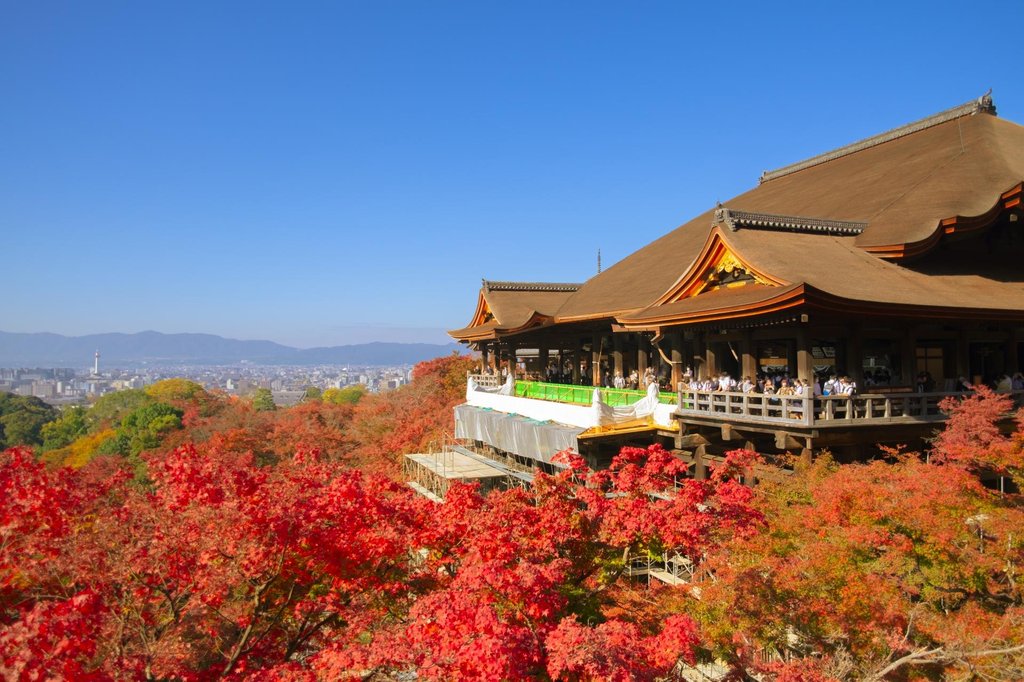
DMCs in Japan differ by company in travel agency registration category, coverage area, and strengths. When selecting one, always confirm these four points: registration number, emergency contact availability, whether or not experiences are run in-house, and payment terms. Compare candidates against the six checklist items introduced in this article to find a partner that fits your project’s scale and purpose.
▶ Learn about Japan Guide Star’s services or send an inquiry here