Planning a trip to Hakone often means figuring out how to make the most of limited time. The area spans a wide region with a dizzying variety of transport options, making it hard for first-time visitors to see the big picture. Without knowing which spots to prioritize or which route to follow, you risk losing hours just getting around.
Nine top spots introduced in this article cover the best of Hakone’s scenery, history, and cuisine. Three sample itineraries for day trips, overnight stays, and rainy days help you plan for any schedule. Free Pass tips and local food recommendations round out everything needed to build your ideal travel plan.
What Makes Hakone Special: Essential Travel Information
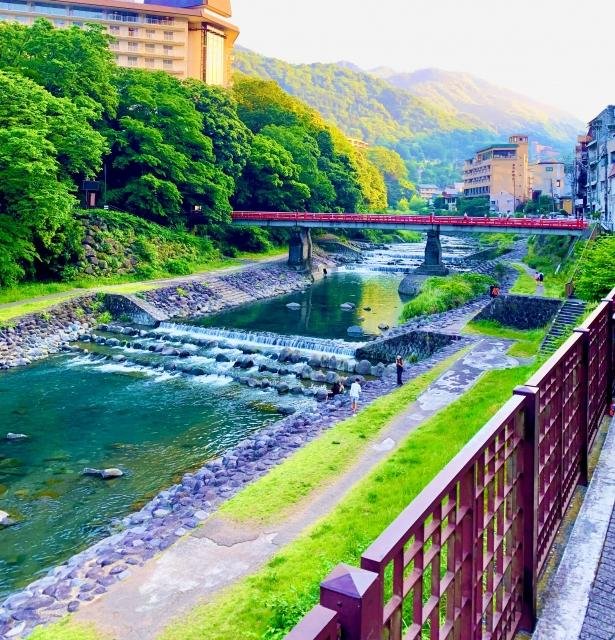
Hakone’s attractions are spread across a wide area, and first-time visitors often find planning routes tricky. Understanding the geography, how to get to Hakone from Tokyo, the most efficient loop course, and how the money-saving Free Pass works makes it much easier to put together a plan that suits your trip.
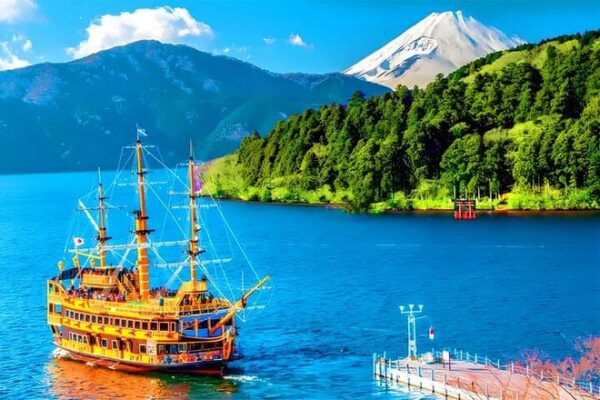
Tokyo: Mt. Fuji Cruise & Hakone Ropeway Day Trip by Bus
A Mountain Resort Where Volcanoes, Lakes, Hot Springs, and Shrines Converge
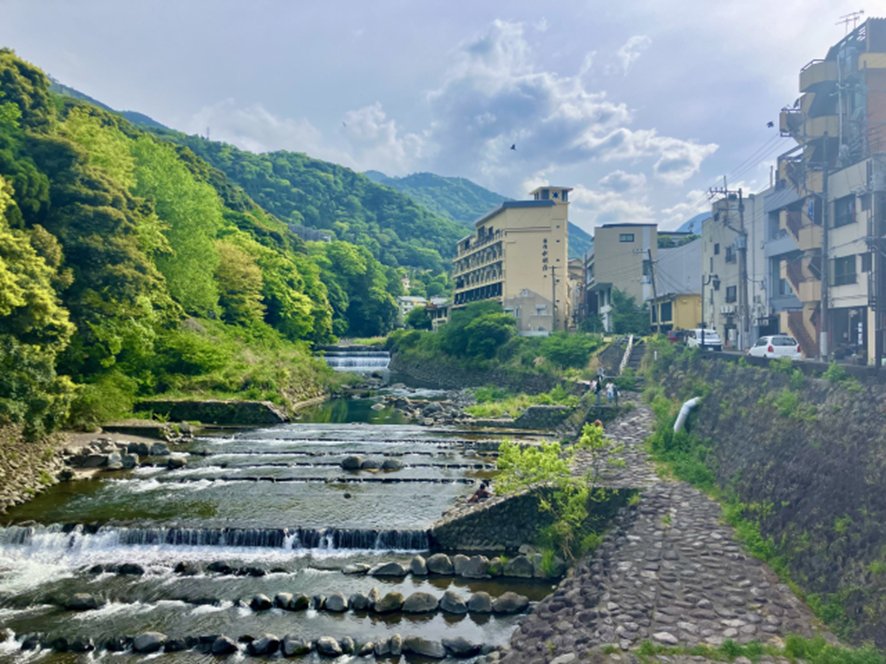
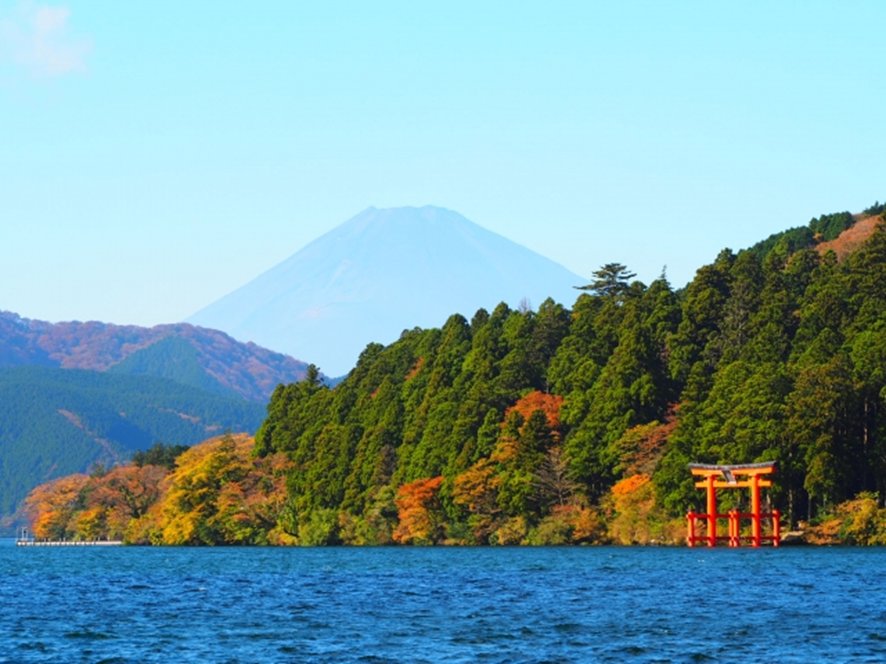
Hakone’s greatest draw is the variety packed into a relatively compact area: volcanic landscapes, Lake Ashi, onsen (hot spring) towns, art museums, and historic shrines can all be found in this one location. The white steam of Owakudani, views of Mt. Fuji from across Lake Ashi, and the red torii (shrine gate) of Hakone Shrine can all be enjoyed in a single trip. And the fact that you can connect these spots by using scenic transport over the course of just a few hours makes Hakone all the more appealing.
Experiences to be had in Hakone fall into four main categories:
- Nature: View Owakudani’s volcanic vents, walk along Lake Ashi, gaze at Mt. Fuji
- Hot springs: Day-use onsen facilities scattered around Hakone-Yumoto and beyond
- Culture: Visit Hakone Shrine (founded in the Nara period, over 1,200 years ago), the Hakone Open-Air Museum, and more
- Food: Enjoy local street food along the shopping street near the train station and try the famous kuro-tamago (eggs boiled in hot spring water), a local specialty.
Tokyo is less than an hour away by bullet train, or one to two hours by other public transport, yet the mountains and lakeside scenery feel completely removed from the hustle and bustle of the city. This combination of easy access and dramatic change of scenery is why Hakone draws visitors from around the globe.
Reach Hakone from Tokyo or Shinjuku in as Little as Sixty Minutes
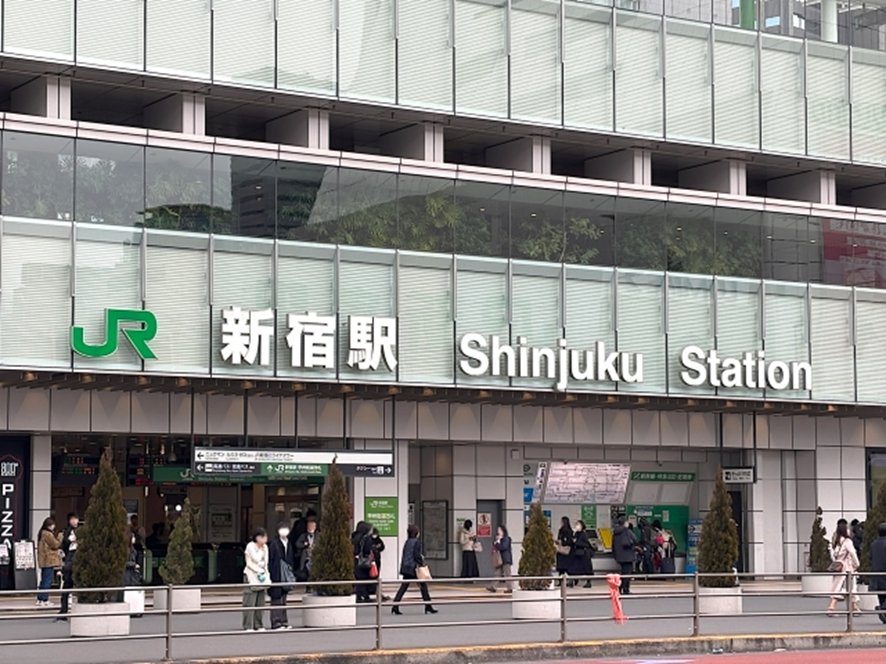
Three main routes connect Tokyo to Hakone, and whether or not you hold a JR train pass will determine which route works best for you.
The Odakyu Romancecar from Shinjuku runs directly to Hakone-Yumoto with no transfers, and you can even reserve seats via your smartphone—eliminating the need to queue at the ticket window. Seat selection for standard-class seats is available on the app until up to three minutes before departure of the train in question.
JR Pass holders can take the Tokaido Shinkansen (Hikari or Kodama) from Tokyo Station to Odawara at no additional cost. The only extra expense is the private railway fare from Odawara to Hakone-Yumoto Station.
For budget travelers, a combination of local and express trains on the Odakyu Line is another option. The journey takes longer, but the fare is only about ¥1,270 ($8 USD) one-way.
| Route | Travel time (including transfers) | Estimated one-way fare |
|---|---|---|
| Romancecar (from Shinjuku) | About 75–90 minutes | About ¥2,500 (base fare + limited express surcharge) |
| Shinkansen + Tozan Railway (from Tokyo) | About 60 minutes | About ¥3,600 (or only ¥320 with a JR Pass) |
| Odakyu local/express (from Shinjuku) | About 2 hours | About ¥1,270 |
Fares are subject to change. Please check the operator’s website for the latest information.
The Classic Loop: Five Modes of Transport in One Circuit
The standard way to see Hakone is the “Golden Course,” a loop that links five different modes of transportation together. Starting from Hakone-Yumoto, the route passes through Gora, Sounzan, Owakudani, and Togendai before crossing Lake Ashi and returning to Hakone-Yumoto.
The loop efficiently covers Hakone’s three signature landscapes: mountains, volcanic valley, and lake.
| Journey Segment | Mode of Transport | Travel time |
|---|---|---|
| Hakone-Yumoto → Gora | Tozan Railway | About 40 minutes |
| Gora → Sounzan | Cable car | About 10 minutes |
| Sounzan → Togendai | Ropeway | About 25 minutes |
| Togendai → Moto-Hakone Port | Ship | About 25 minutes |
| Moto-Hakone → Hakone-Yumoto | Tozan Bus | About 35 minutes |
Ride time alone totals roughly two and a half hours, but make sure to allow five to six hours when including stopping to sightsee in your itinerary. Also watch out for scheduled maintenance closures on individual segments of the journey. During ropeway maintenance periods, for example, a bus service operates as a substitute.
Check each operator’s official website for the latest schedule before heading out.
Tokyo: Mt. Fuji Cruise & Hakone Ropeway Day Trip by Bus
The 2-Day Free Pass Pays for Itself on a Day Trip
The Hakone Free Pass has no single-day option: the pass is always sold as a two-day ticket. But considering that completing the Golden Course loop pushes the total of individual transportation fares above the two-day pass price, the pass pays for itself even if you use it for only one day of travel.
The pass costs ¥7,100 for adults departing from Shinjuku and ¥6,000 for adults departing from Odawara. JR Pass holders who travel to Odawara by Shinkansen should choose the Odawara-departure version, which is cheaper than the Shinjuku version that bundles the Odakyu Line round-trip fare in its pricing, thus avoiding overlapping charges. The pass covers eight transit systems—including the Tozan Railway—covering nearly every mode of transport you might possibly need during your time in Hakone. Buying individual tickets for round-trip train and single bus rides easily exceeds ¥7,000, and discounts at approximately seventy shops and venues makes the pass even more useful.
A digital version of the pass (available through the EMot online ticketing site) can be displayed right on your phone screen with no app installation required. Even for a single day, the Free Pass pays for itself.
Six Top Spots and Activities in Hakone
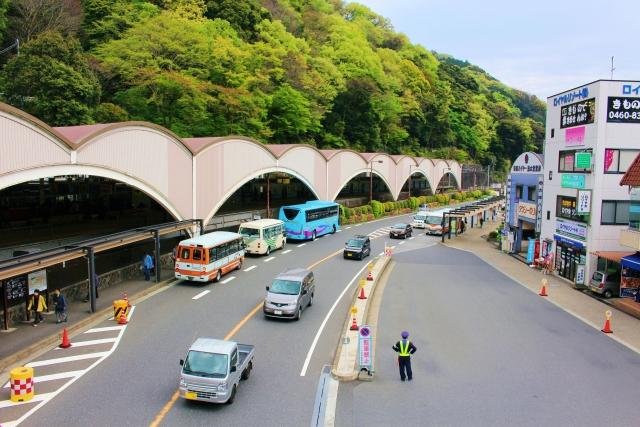
These six essential spots cover places of natural beauty, a lake cruise, shrines, parks, museums, and hot springs, giving you a well-rounded picture of what Hakone has to offer. Mix and match places and activities based on your interests and energy level for a smooth sightseeing route.
Owakudani: Walk Through an Active Volcanic Valley
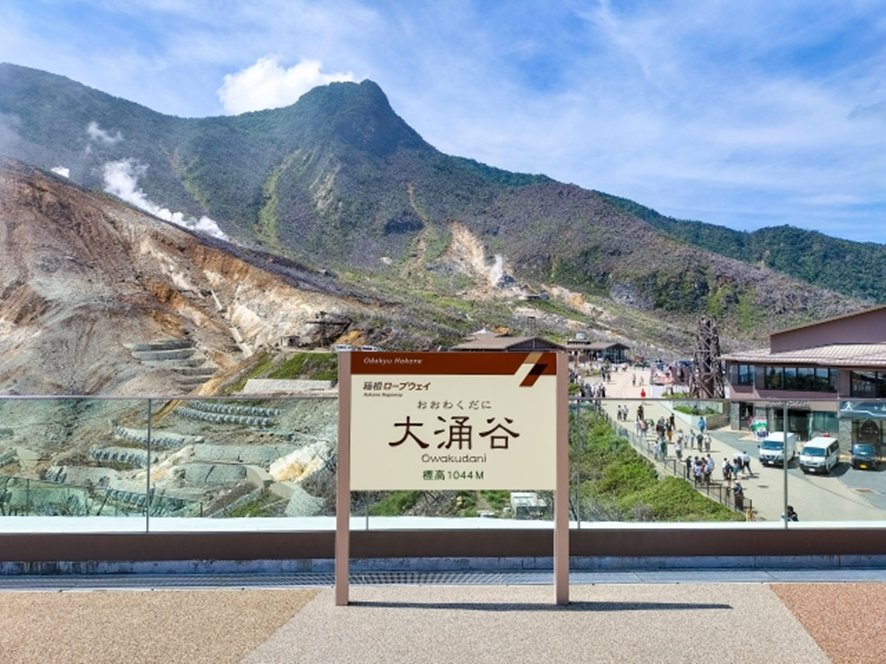
Step off at Owakudani Station and the smell of sulfur hits you immediately. White plumes of steam rise across the barren landscape spread out before your eyes, a vivid reminder that this is an active volcano.
The mountain trail takes about thirty minutes to complete, and on clear days the observation area offers visitors a view of Mt. Fuji. The local snack “kuro-tamago” is sold in packs of four for ¥500 (tax included) at the Kuro-tamago-kan shop. The shop is open for business from 9 am to 4:20 pm, so if you plan to buy souvenirs here, arriving early is the safest bet.
Because of the volcanic gases, skip the valley if you have asthma or other respiratory conditions, or if you’re pregnant. Check the official website for the latest access restrictions before visiting Owakudani. Also note that Mt. Fuji is most visible during the morning hours from November through February. Autumn and public holidays bring crowds, so aim to arrive at Owakudani first thing in the morning if you visit during one of these times.
Details
| Address | 神奈川県足柄下郡箱根町仙石原1251 |
| Hours | 9 am–4:20 pm (kuro-tamago sales hours) |
| Closed | Irregular closures |
| Website | https://owakudani.com |
| Best for | Experiencing volcanic scenery up close; trying kuro-tamago |
Hakone Pirate Ship: Cruise Lake Ashi with Views of Mt. Fuji
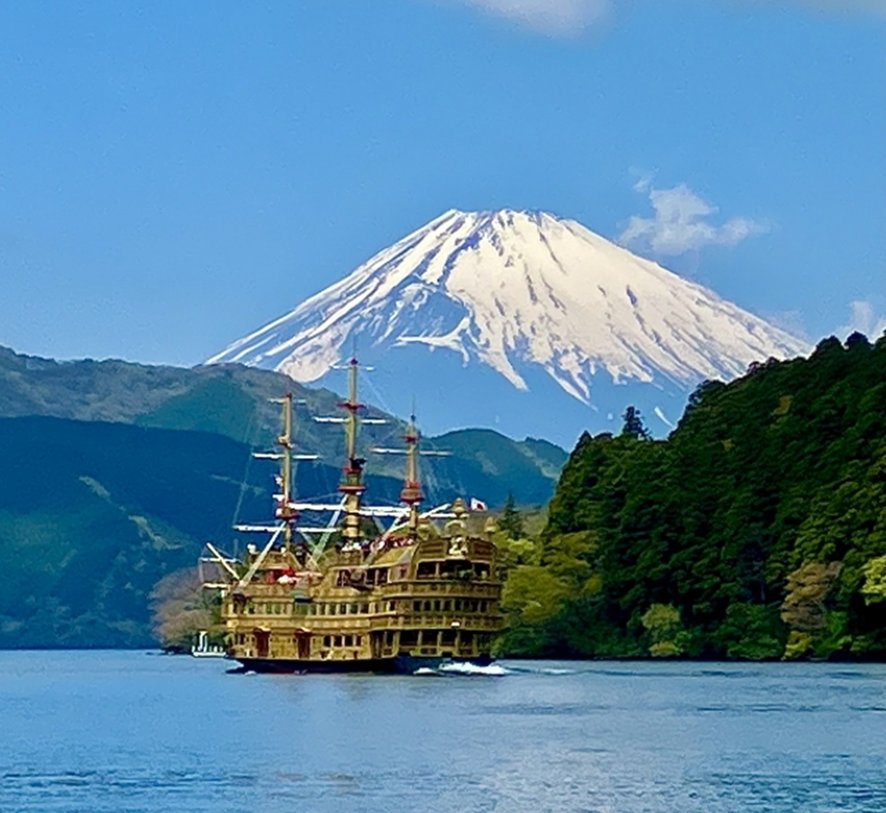
The Hakone Pirate Ship crosses Lake Ashi, connecting Togendai Port, Hakone-machi Port, and Moto-Hakone Port. Each journey takes around twenty to forty minutes, and the open deck of the ship offers views of Mt. Fuji and lakeside Hakone Shrine. Note that different companies operate the Hakone Pirate Ship and the Ashinoko Sightseeing Boat.
The Hakone Free Pass covers the Pirate Ship at no extra charge. The Ashinoko Sightseeing Boat, which also operates on Lake Ashi, does not accept the Free Pass and requires a separate fare. Moto-Hakone Port is about a ten-minute walk from Hakone Shrine. Stringing together Owakudani by ropeway, the Pirate Ship, and Hakone Shrine makes for a smooth, natural sightseeing route. Note that sailings may be canceled in rough weather, so check the day’s operating status before heading to the port.
Tokyo: Mt. Fuji Cruise & Hakone Ropeway Day Trip by Bus
Details
| Address (Hakone-machi Port) | 161 Hakone, Hakone, Ashigarashimo District, Kanagawa |
| Hours | 9:30 am–5 pm (hours vary by season) |
| Closed | Open year-round (may be suspended in severe weather) |
| Website | https://www.hakonenavi.jp/hakone-kankosen/ |
| Best for | Crossing Lake Ashi with the Free Pass; viewing Mt. Fuji from the water |
Hakone Shrine: A Vermillion Gate Rising from the Lake
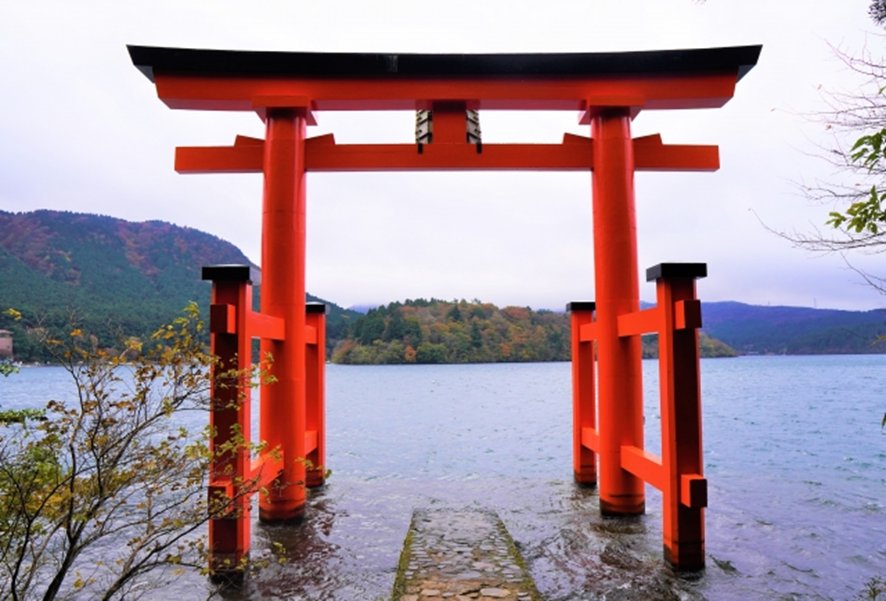
Founded in 757 CE, Hakone Shrine stands on the shore of Lake Ashi and ranks among the most revered spiritual sites in the Kanto region. The stone-paved approach to the main hall is flanked by towering Japanese cedars more than six-hundred years old, with some estimated at over eight-hundred years of age. Walking beneath the solemn canopy, you can feel the sacred atmosphere with every step.
The main hall is about a five-minute walk from the shrine entrance, though a full tour including stops for photography and worship typically takes thirty to forty minutes. Hakone Shrine fits easily into a day-trip schedule. The standout feature of Hakone Shrine is the Torii of Peace, which extends over Lake Ashi. During the day, a long line forms for photos, so aim to arrive around 7 or 8 am. The grounds around the torii are uneven and become more hazardous after dark. The gate is not always illuminated, so plan to arrive well before sunset.
Hakone Shrine is about a ten-minute walk from Moto-Hakone Port. The omamori (good-luck charm) and goshuin (commemorative calligraphy stamp) counters close at 5 pm, so plan to stop by before closing if you want to buy souvenirs here.
Details
| Address | 80-1 Motohakone, Hakone, Ashigarashimo District, Kanagawa |
| Hours | Grounds open anytime; Charm counter: 8:15 am–5 pm; Treasure Hall: 9 am–4 pm |
| Closed | Open year-round |
| Website | https://hakonejinja.or.jp/ |
| Best for | Photography enthusiasts; anyone interested in shrines and Japanese history |
Onshi Hakone Park: Enjoy Views of Mt. Fuji and Lake Ashi from the Observation Deck
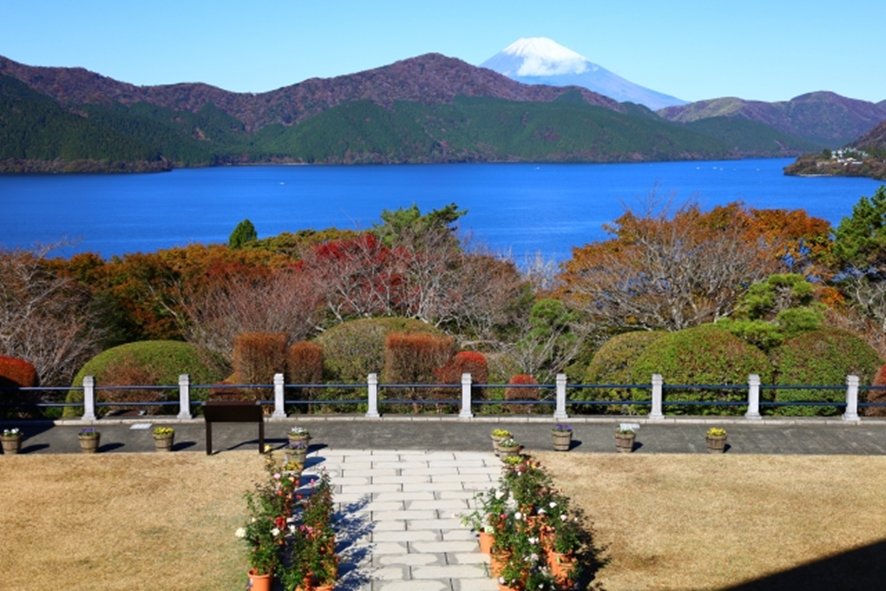
Onshi Hakone Park is a prefectural park built on the former grounds of the Hakone Imperial Villa. Listed among the 100 Best Mt. Fuji Viewpoints in the Kanto region, the park commands a panoramic view of Mt. Fuji and the outer rim of the Hakone caldera. The second-floor balcony of the Lakeside Observatory offers the same vantage point the imperial family once enjoyed here.
Both the park and the observatory are free, making Onshi Hakone Park an easy, no-cost stop. Mt. Fuji is most visible on clear autumn and winter mornings when the air is crisp. After disembarking from the Pirate Ship, combining Onshi Hakone Park with Hakone Shrine makes for an efficient loop around the Lake Ashi area.
Details
| Address | 171 Motohakone, Hakone, Ashigarashimo District, Kanagawa |
| Hours | Park: Free entry, open all day; Lakeside Observatory: 9 am–4:30 pm |
| Closed | Dec 29–Jan 3 |
| Website | https://www.kanagawa-park.or.jp/onsisite/ |
| Best for | A free Mt. Fuji viewpoint; a natural addition to any Lake Ashi itinerary |
Hakone Open-Air Museum: Outdoor Sculptures and the Picasso Pavilion
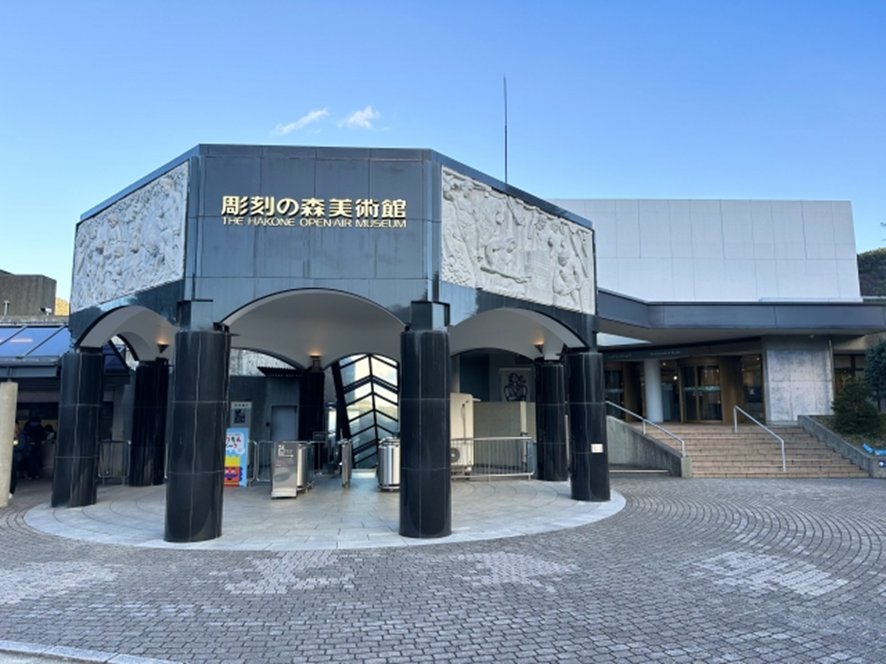
Opened in 1969, the Hakone Open-Air Museum displays roughly 120 sculptures across its spacious grounds. Viewing art against the backdrop of Hakone’s mountains is an experience unique to the Hakone Open-Air Museum. Inside the building, the Picasso Pavilion houses a collection of more than three hundred works, with a rotating selection on display at any given time. Interactive art installations such as “Woods of Net” are ideal for families with children. A natural hot spring foot bath on the grounds provides a welcome rest for tired feet. Note that tickets purchased through the official website are ¥100 cheaper than at the gate.
Details
| Address | 1121 Ninotaira, Hakone, Ashigarashimo District, Kanagawa |
| Hours | 9 am–5 pm (last entry at 4:30 pm) |
| Closed | Open year-round |
| Website | https://www.hakone-oam.or.jp |
| Best for | Art lovers; families with children; a solid rainy-day option |
Hakone Yuryo: Soak in a Hot Spring Near the Station
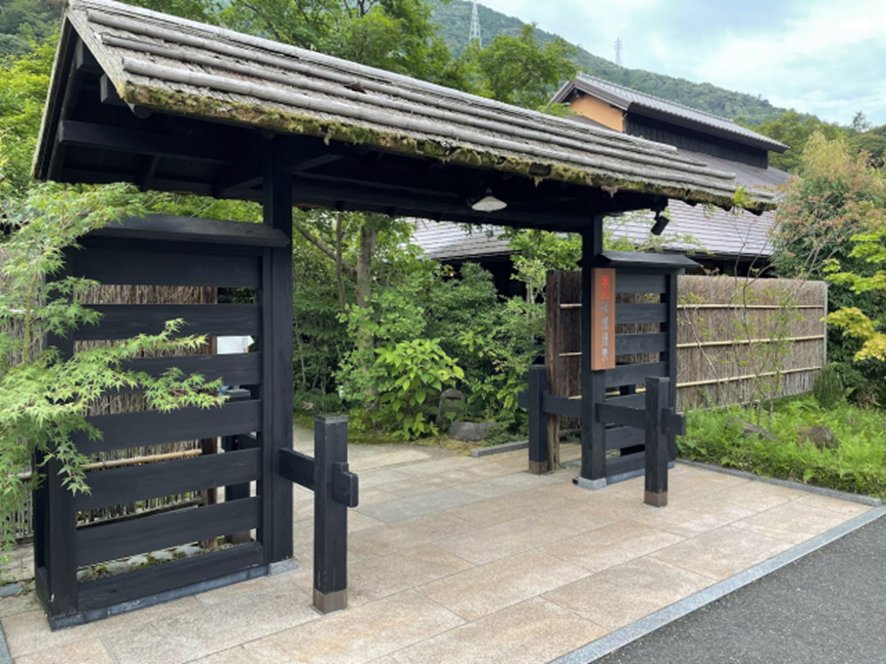
Hakone Yuryo is a day-use onsen facility just three minutes from Hakone-Yumoto Station, accessible by free shuttle bus. A stop here at the end of the day is great for unwinding before the journey home.
As of April 2025, guests with tattoos are welcome in both the public and private baths. Children under six can’t use the public baths, so families with very young children should book a private open-air bath instead.
For first-time visitors, here are some of the etiquette and bathing rules you should know:
- Remove all clothing in the changing room and store your belongings in a locker.
- Wash your body and hair at the washing stations before entering the bath.
- Keep your towel out of the water; place it on your head while in the bath or leave it in the changing room.
The facility sells towels but doesn’t hand them out for free, so bring your own.
Details
| Address | 4 Tonosawa, Hakone, Ashigarashimo District, Kanagawa |
| Hours | Weekdays: 10 am–8 pm; Weekends and holidays: 10 am–9 pm (last entry one hour before closing) |
| Closed | Open year-round (occasional closures may apply) |
| Website | https://www.hakoneyuryo.jp |
| Best for | First-time onsen visitors; a relaxing finish to a day of sightseeing |
Tokyo: Mt. Fuji Cruise & Hakone Ropeway Day Trip by Bus
Three Foods to Try in Hakone
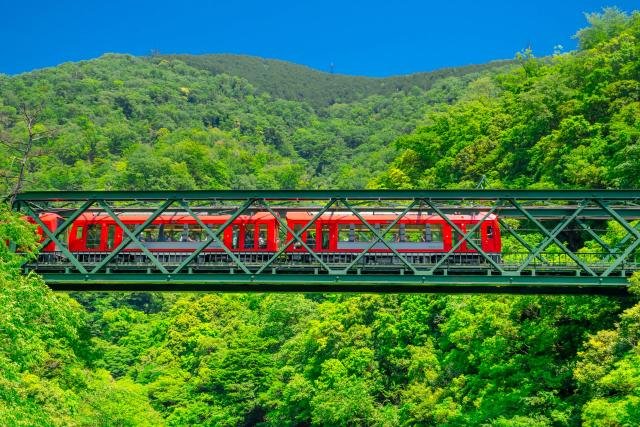
Beyond sightseeing, sampling local specialties is one of the great pleasures of a Hakone trip. A centuries-old teahouse, a beloved regional dish, and a lively street-food strip round out the culinary side of the experience.
Tokyo: Mt. Fuji Cruise & Hakone Ropeway Day Trip by Bus
Amazake Chaya: Sip a Traditional Sweet Rice Drink at a 400-Year-Old Teahouse
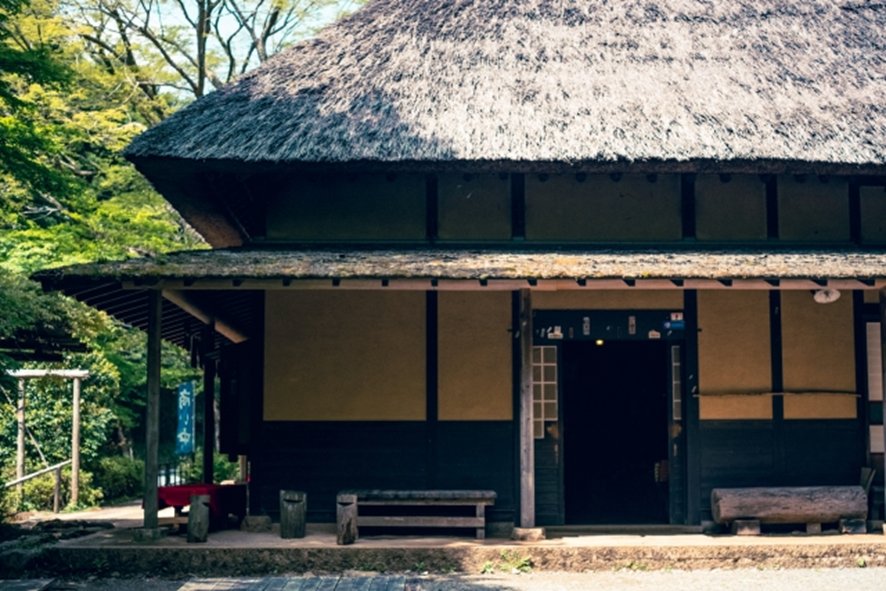
Standing along the Old Tokaido Road, Amazake Chaya has served travelers since the early Edo period, roughly 400 years ago. Inside the thatched-roof building, an irori (traditional sunken hearth) adds to the timeless atmosphere. The signature amazake (a naturally sweet, non-alcoholic rice drink) is made without added sugar, and its gentle sweetness is the main draw. Chikara mochi (rice cakes) and miso oden (skewered ingredients simmered in miso broth) are comforting additions after a long day of walking.
Amazake Chaya is about twenty-five minutes by Hakone Tozan Bus from Hakone-Yumoto Station, or fifteen minutes via the Old Tokaido route from the Lake Ashi and Moto-Hakone area. Weekends and peak autumn tourist season bring traffic congestion, so aim for a morning visit.
Details
| Address | 395-1 Futagoyama, Hatajuku, Hakone, Ashigarashimo District, Kanagawa |
| Hours | 7 am–5:30 pm |
| Closed | Open year-round |
| Website | https://www.hakone.or.jp/504 |
| Best for | Anyone interested in traditional Japanese food culture; easy to pair with Hakone Shrine and the Lake Ashi area |
Tamura Ginkatsutei: Try Gora’s Famous Tofu Cutlet Hot Pot
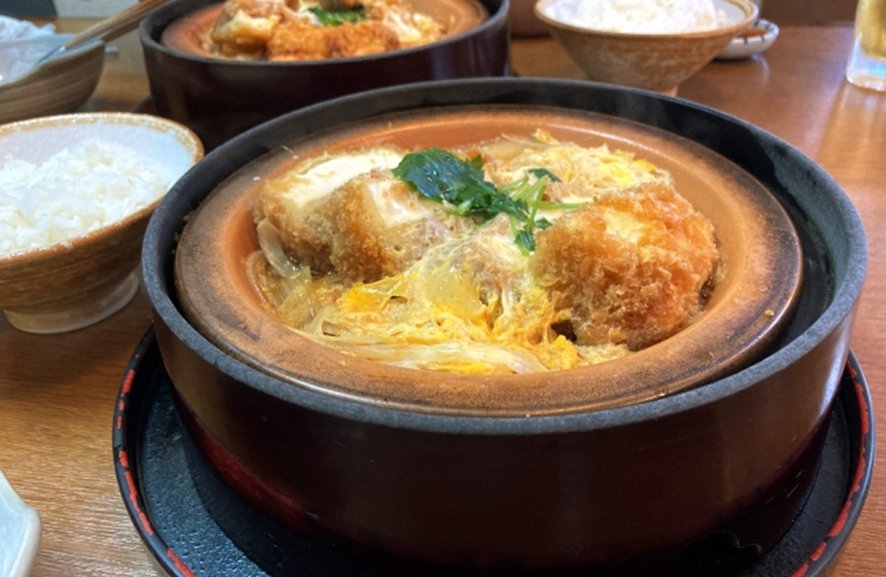
Just a three-minute walk from Gora Station, Tamura Ginkatsutei is one of the area’s most popular restaurants. The signature dish, tofu katsu-ni, is a deep-fried tofu cutlet stuffed with ground meat, then simmered with egg in a clay pot. The piping-hot pot keeps every bite warm from start to finish.
The restaurant doesn’t take reservations, so guests take a numbered ticket from the machine at the entrance and wait to be called. Waits of one to two hours are common on weekends and holidays, so get there right before the restaurant opens to snag a ticket early. Note that on Tuesdays the restaurant serves lunch only.
Details
| Address | 1300-739 Gora, Hakone, Ashigarashimo District, Kanagawa |
| Hours | Mon, Thu–Sun: 11 am–2:30 pm; 5 pm–7 pm (last entry); Tue: 11 am–2:30 pm (last entry) only |
| Closed | Wednesdays; Tuesday evenings |
| Website | http://ginkatsutei.jp |
| Best for | Visitors exploring Gora who want to try a local specialty; tofu lovers |
Hakone-Yumoto: Street Food and Souvenir Shopping Along the Station Road
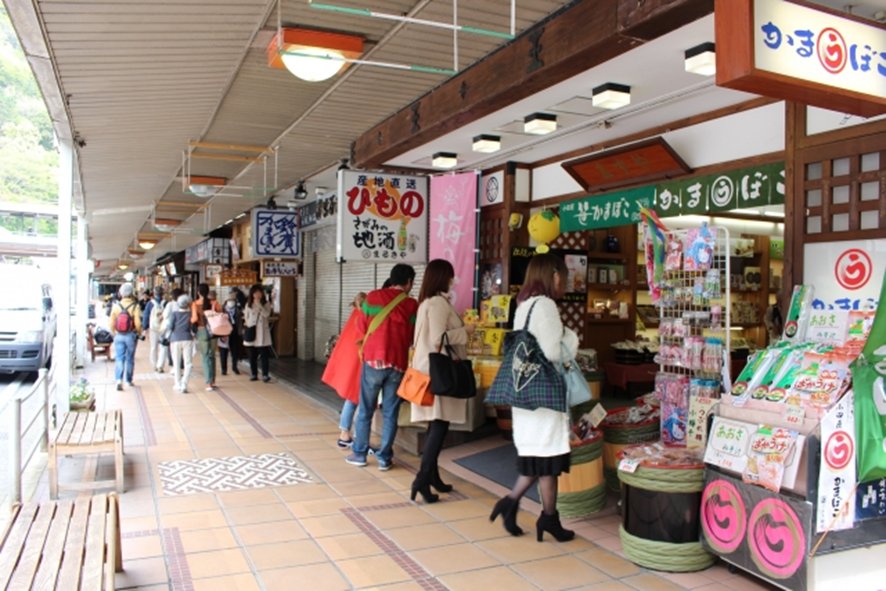
The shopping street in front of Hakone-Yumoto Station combines street food and souvenir browsing in one compact stretch. A dense cluster of shops sits within easy walking distance of the station, making the area ideal for a quick stroll. Onsen manju (steamed buns) and freshly fried kamaboko (fish cake) are popular grab-and-go staples. For souvenirs, karakuri (trick) boxes crafted in the local yosegi-zaiku (wooden mosaic) tradition are a favorite. Most shops along the Hakone-Yumoto shopping street start closing between 4 pm and 6 pm, and after 5 pm only a handful remain open. If you plan to stop here at the end of the day, aim to be back at the station by 4 pm.
Details
| Address | Ekimae-dori area, Yumoto, Hakone, Ashigarashimo District, Kanagawa |
| Hours | Varies by shop (roughly 9 am–5:30 pm) |
| Closed | Closures vary by shop |
| Website | See individual shop pages |
| Best for | Souvenir shopping; street food lovers |
Tokyo: Mt. Fuji Cruise & Hakone Ropeway Day Trip by Bus
Sample Itineraries to Make the Most of Hakone
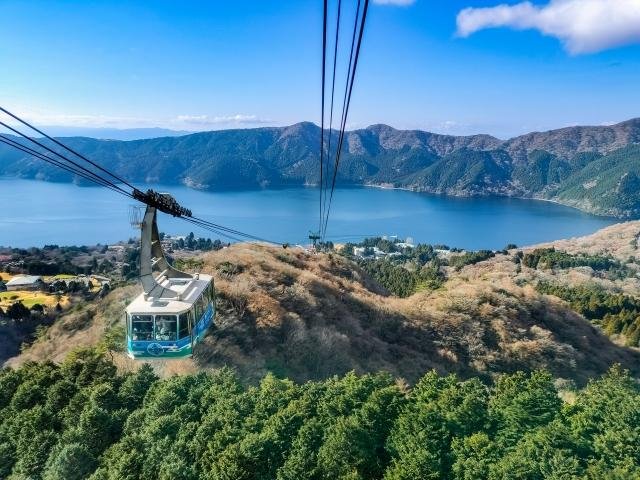
The ideal route depends on how much time you have and what the weather looks like. Three itineraries cover different conditions: a day trip, an overnight stay, and a rainy day. Pick the one that fits your schedule and adjust as needed.
Day Trip Itinerary: A Full Loop from Shinjuku
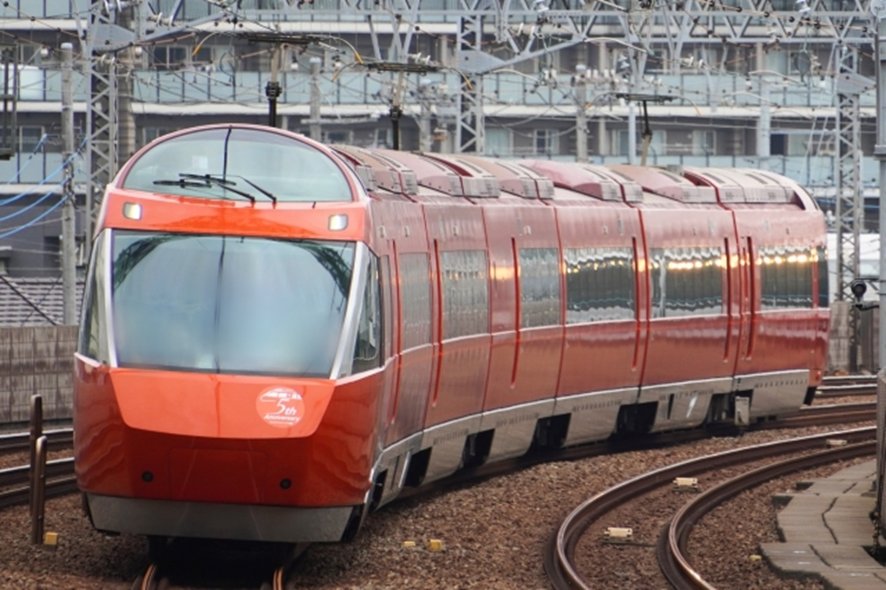
On weekends and holidays, the 7 am Romancecar from Shinjuku arrives at Hakone-Yumoto at 8:26 am. From there, the itinerary connects the major spots in a single-day loop using the Golden Course. Starting early gives you the clearest morning air and the best chance of seeing Mt. Fuji.
| Time | Spot/Transport | Duration of stay |
|---|---|---|
| 7:00 am–8:26 am | Shinjuku → Hakone-Yumoto (Romancecar) | Transit only |
| 8:30 am–9:30 am | Hakone-Yumoto → Gora → Sounzan (Tozan Railway + Cable Car) | Transit only |
| 9:45 am–10:45 am | Owakudani (kuro-tamago, volcanic valley walk) | About 60 minutes |
| 11:00 am–11:30 am | Owakudani → Togendai (Ropeway) | Transit only |
| 11:40 am–12:20 pm | Togendai → Moto-Hakone Port (Pirate Ship) | About 40 minutes |
| 12:30 pm–1:30 pm | Hakone Shrine and lunch | About 60 minutes |
| 2:00 pm–3:00 pm | Moto-Hakone → Hakone-Yumoto (Bus) | Transit only |
| 3:30 pm–5:00 pm | Hakone Yuryo onsen | About 90 minutes |
| From 5:30 pm | Hakone-Yumoto → Shinjuku (Romancecar) | Transit only |
Be aware that the return bus can run late. On weekend afternoons, traffic on Route 1 backs up easily, and a trip that normally takes forty minutes can stretch past an hour. Catching a bus by 2 pm will give you a comfortable buffer. Don’t forget: the 2-day Free Pass pays for itself even on a single trip, so pick one up without hesitation.
Overnight Itinerary: Add Museums and Local Food on Day 2
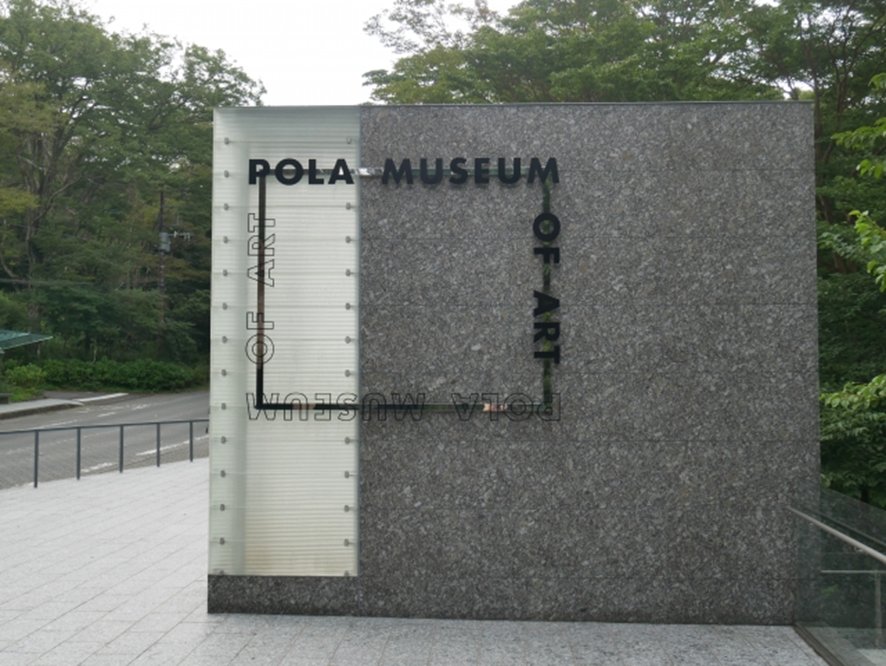
An overnight stay in Hakone opens up early-morning views of Lake Ashi and Mt. Fuji, when crowds are thin and the light is at its best. Plan a morning visit to Hakone Shrine as well—the peaceful, quiet atmosphere before the day-trippers arrive makes for an unforgettable start to the day.
Day 2 focuses on the Gora area’s museums and dining:
- Pola Museum of Art (opens at 9 am): About eight minutes from Gora Station by free shuttle bus. Allow roughly 1.5–2 hours.
- Tamura Ginkatsutei (opens at 11 am): Arriving before the doors open is the best way to beat the crowd.
- Hakone Open-Air Museum: One stop from Gora Station. The outdoor exhibits take about 1.5–2 hours to explore.
Check shuttle bus timetables on each facility’s official website before heading out.
Rainy Day Itinerary: Focus on Indoor Attractions
Rain increases the risk of bus delays, so building extra transit time into the schedule and centering the day around indoor venues keeps things stress-free. The Tozan Railway, which runs on tracks rather than roads, is less affected by traffic congestion and works well as the backbone of a rainy-day route.
Start the morning at the Picasso Pavilion inside the Hakone Open-Air Museum, then take the facility shuttle bus to the Pola Museum of Art. The Hakone Venetian Glass Museum is another option, but check the official calendar for closure dates before visiting. In the afternoon, Hakone Yuryo near Hakone-Yumoto Station is a comfortable way to spend a few hours soaking in the hot springs. Families with young children may also want to consider Hakone Kowakien Yunessun, an all-weather hot spring amusement park.
Tokyo: Mt. Fuji Cruise & Hakone Ropeway Day Trip by Bus
Common Questions About Visiting Hakone

Mt. Fuji visibility, volcanic safety, seasonal timing, and practical cash tips are among the most common concerns travelers have when planning a Hakone trip.
When Is the Best Time to See Mt. Fuji Clearly?
Between 6 am to 9 am from November through February offers the best visibility. Winter air is the clearest, and February tends to produce especially sharp conditions. Clouds often build up in the afternoon, so visiting multiple viewpoints in the early hours is the most reliable approach.
- Hakone Pirate Ship deck: A head-on view of Mt. Fuji from the water.
- Onshi Hakone Park: A panoramic vista combining Mt. Fuji and Lake Ashi.
- Hakone Ropeway: Continuous aerial views during the ride.
Is It Safe to Visit Owakudani?
The current volcanic alert level is Level 1 (normal), and regular sightseeing is permitted. Seismic activity has remained largely stable with no notable changes. If volcanic activity intensifies, the ropeway and the walking trail may close. Before departure, check the latest restriction updates on the official websites of Hakone Town, Kanagawa Prefecture, and Hakone Navi. Having a backup plan (such as a visit to Gora Park) provides peace of mind in case of closures at Owakudani.
When Is the Best Season for Cherry Blossoms and Autumn Leaves?
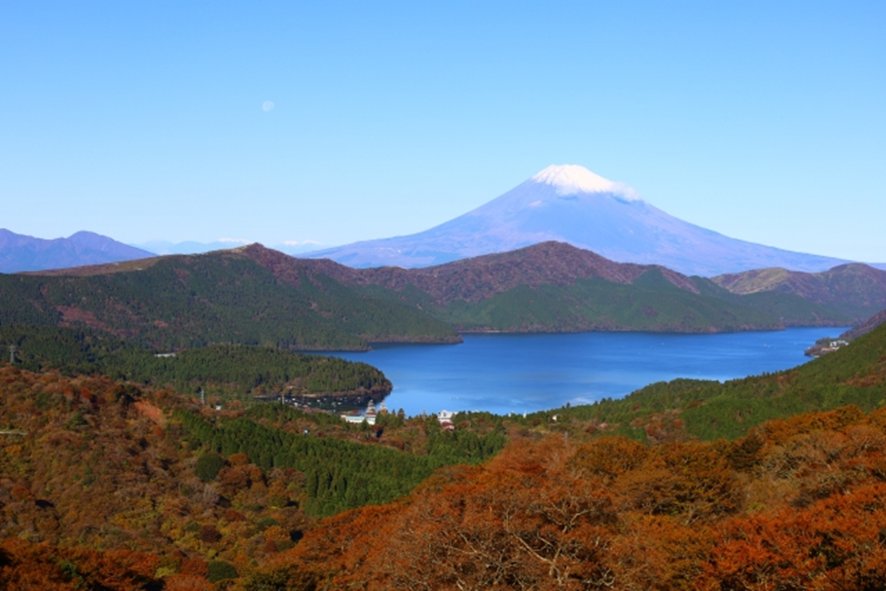
Hakone’s elevation differences cause bloom and foliage times to shift by one to two weeks between areas.
| Season | Hakone-Yumoto and lowland areas | Gora, Lake Ashi, and highland areas |
|---|---|---|
| Cherry blossoms | Late March to mid-April | Mid-April to early May |
| Hydrangeas | Mid-June to early July | Early July to late July |
| Autumn leaves | Mid-November to late November | Early November to mid-November |
Cherry blossoms and hydrangeas advance from lower to higher elevations, while autumn colors progress from the highlands down to the lowlands. Heading up to the highlands in the morning and descending to the lowlands in the afternoon is a good way to catch the shifting scenery at its peak.
How Much Cash Should I Bring?
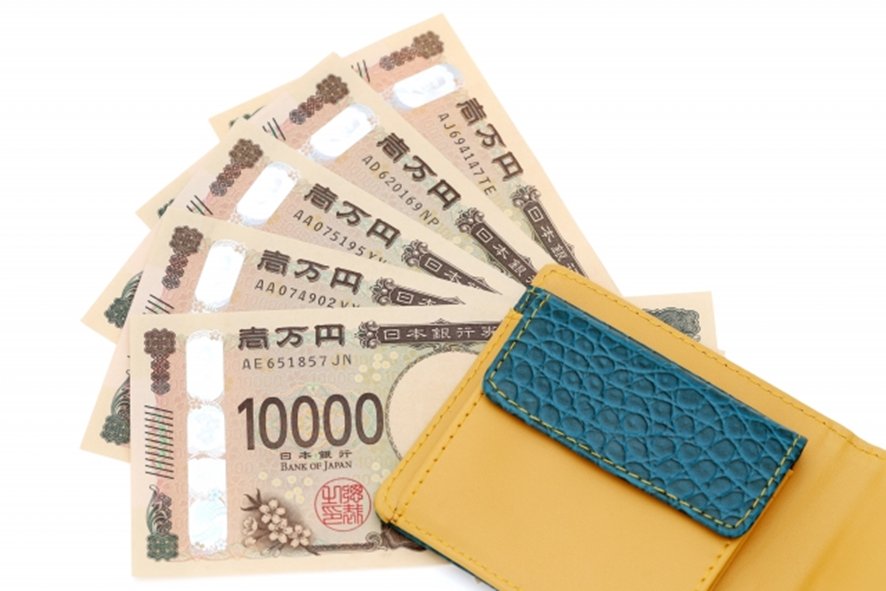
For a day trip, carrying around ¥10,000 in cash provides a comfortable cushion. Some stalls and smaller shops along the shopping streets still only accept cash. Purchasing the Free Pass in advance frees up your cash for meals and shopping. If you run short, convenience-store ATMs near Hakone-Yumoto Station accept international cards.
| Trip style | Suggested amount |
|---|---|
| Day trip (street food focus) | ¥6,000–¥10,000 |
| Overnight (accommodation paid separately) | ¥10,000–¥20,000 |
Are There Guided Tours of Hakone?
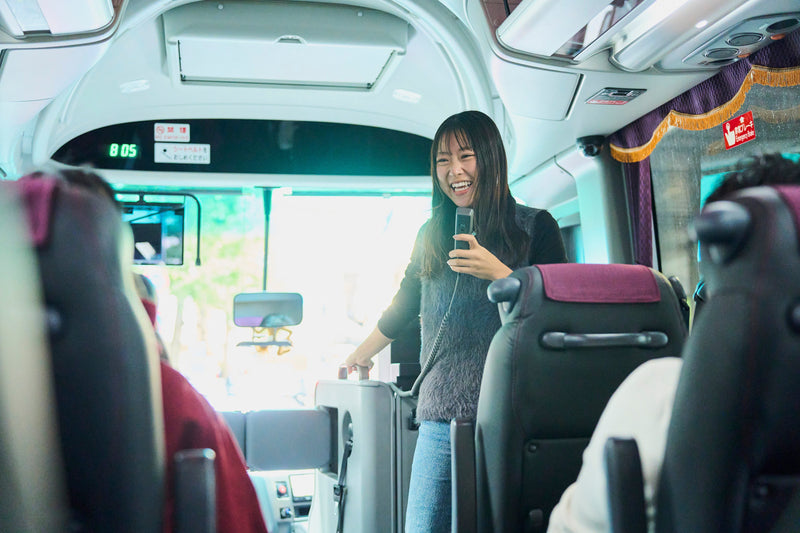
If you’d rather skip the route planning altogether, Japan Guide Star offers a guided tour worth considering. “Tokyo: Mt. Fuji Cruise & Hakone Ropeway Day Trip by Bus” covers the main attractions—a cruise of Lake Ashi, the ropeway, and more—with an English-speaking guide. The tour runs for about ten hours, departing from and returning to Shinjuku. With no transfers to coordinate, it’s a great pick for first-time visitors to Japan and families with children.
Tokyo: Mt. Fuji Cruise & Hakone Ropeway Day Trip by Bus
Details
| Meeting point | 1-22-14 Nishi-Shinjuku, Shinjuku-ku, Tokyo (7-Eleven Nishi-Shinjuku NTT Building) |
| Duration | About 10 hours |
| Included | Lake Ashi cruise, ropeway, and more |
| Booking | https://japanguidestar.com/tour/tokyo-mt-fuji-cruise-hakone-ropeway-day-trip-by-bus/ |
| Best for | Visitors who want to see both Mt. Fuji and Hakone in a single day |
Plan Your Perfect Day in Hakone
Hakone packs volcanic scenery, a lake, and hot springs into one compact destination. With the Hakone Free Pass, you can hop between transport modes and loop through the major spots even on a day trip. Weather can dramatically change the views, so checking the forecast beforehand is essential.
With a little advance planning, a day in Hakone delivers scenery and experiences that are hard to match.