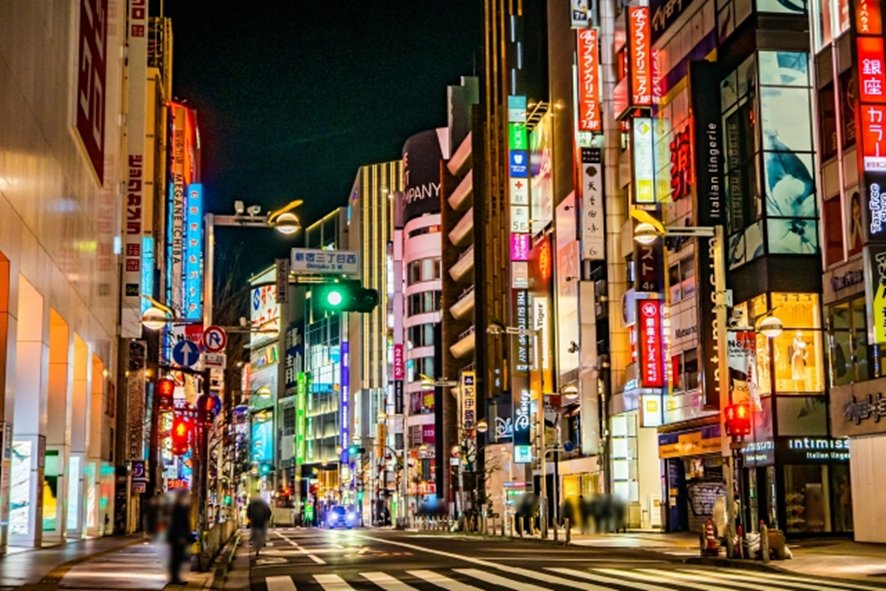
Planning a night out in Shinjuku but unsure which area fits your mood, or what to do once you’re there? Shinjuku is one of Tokyo’s liveliest nightlife districts, with neon-lit streets that stay busy well past midnight and something to offer for every kind of evening.
Five distinct areas, including Kabukicho, each have their own atmosphere, and a few practical tips help you settle in and enjoy the night with confidence. You’ll also find options for the hours after the last train, so you can choose the area that suits your style and plan the evening you’re after.
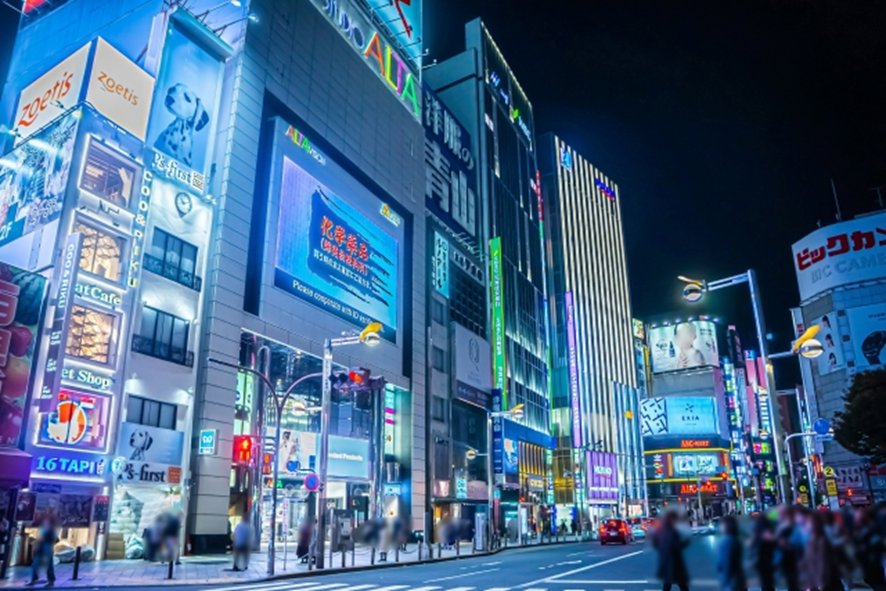
Essential Things to Know Before a Night Out in Shinjuku
Some key info can prevent most nightlife problems in Shinjuku. The sections below cover late-night transport options, automatic charges you may encounter at bars and restaurants, and age-related rules.
Knowing these details in advance helps you avoid unexpected expenses or being turned away at the door. With that sorted, you can relax and enjoy Shinjuku after dark.
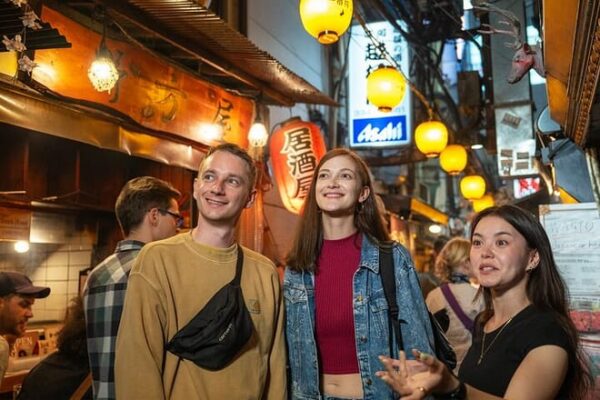
Shinjuku: Food Tour – 15 Dishes at 4 Eateries
Last Trains from Shinjuku Leave Around Midnight
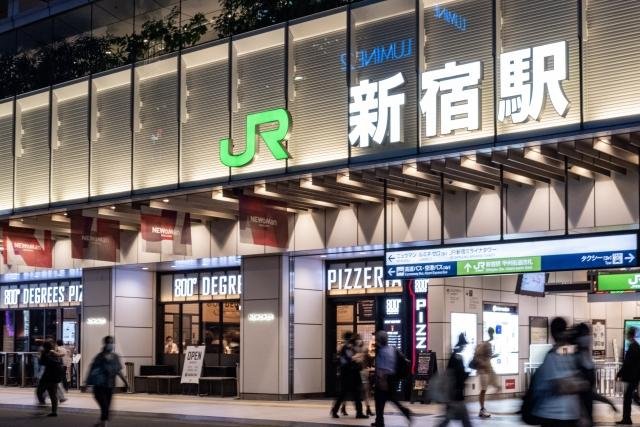
Trains departing from Shinjuku generally end their service between midnight and 12:30 am. Exact times vary by line and day of the week, so check ahead. Search for “last train” on Navitime to confirm the final departure for your route, and taking a screenshot before heading out is an easy way to keep the information handy.
If you miss the last train, a taxi is the most practical option. For hotels in central Tokyo (Marunouchi, Ginza, Roppongi, and similar areas), expect to pay a fare of roughly ¥2,000–¥5,000 from Shinjuku Station (late-night surcharge included). The GO taxi app supports English and shows a fare estimate before you book, so there’s no need to hail a cab on the street or explain your destination in Japanese. Downloading GO before your trip is a smart move if you’re not comfortable with the language.
Expect an Automatic Charge at Izakaya
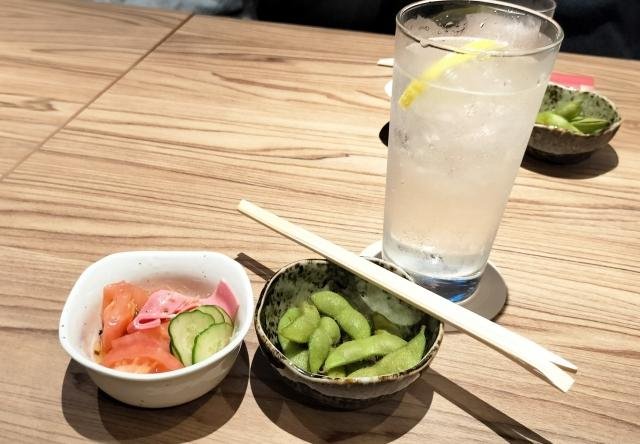
At an izakaya (Japanese pub-style restaurant), a small dish you did not order often appears in front of you the moment you sit down. This is otoshi, a small appetizer automatically added to your bill and typically costing ¥300–¥500 per person. The practice of serving otoshi is a longstanding Japanese custom and is often non-negotiable. Small bars in Golden Gai and Omoide Yokocho frequently charge a separate cover fee as well. Cover charges generally range from ¥500 to ¥1,500 and often include your first drink.
A quick question before sitting down prevents surprises on the bill. These English phrases come in handy:
- 「お通しはありますか?」(Otōshi wa arimasu ka?) — “Is there an otoshi charge?”
- 「チャージ(席料)はいくらですか?」(Chāji wa ikura desu ka?) — “How much is the cover charge?”
- 「カードは使えますか?」(Kādo wa tsukaemasu ka?) — “Do you accept credit cards?”
Most bars in Golden Gai and Omoide Yokocho accept cash only. Having ¥5,000–¥10,000 in cash on hand keeps the payment process smooth.
No Alcohol or Club Entry for Anyone Under Twenty
Japanese law strictly prohibits drinking for anyone under twenty. This rule applies equally to foreign visitors with no exceptions. Clubs and bars in Shinjuku typically require photo ID (such as a passport) at the door. Restaurants are also prohibited from serving alcohol to anyone under twenty, and age checks are thorough. Without a passport you may be refused entry, so always carry yours on a night out.
If your group includes members under twenty, plenty of alcohol-free options are still available:
- Karaoke: Many venues have no age restrictions and stay open late.
- Arcades: Large game centers cluster around Kabukicho.
- Late-night restaurants: Ramen shops and gyudon (beef bowl) chains operate 24 hours.
Five Nightlife Areas in Shinjuku and the Best Spots to Visit
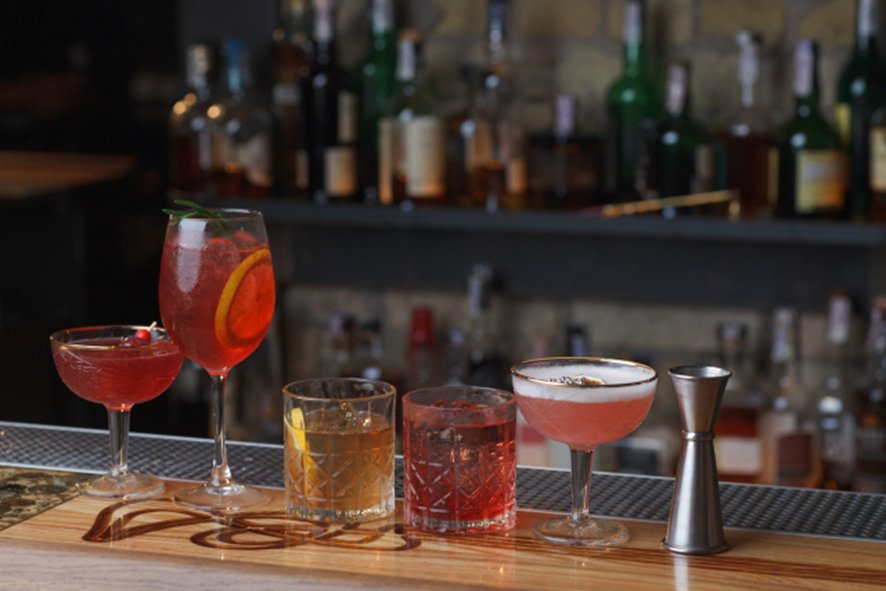
Shinjuku takes on a completely different character from one area to the next after dark. Whether you want to dance at a club or chat over drinks at a tiny bar, the right spot is waiting for you.
The five areas listed below differ in atmosphere, crowd, and price range. Use them as a starting point to decide where to go tonight.
Shinjuku: Food Tour – 15 Dishes at 4 Eateries
Kabukicho | Neon-Lit Entertainment District of Clubs and Nightlife
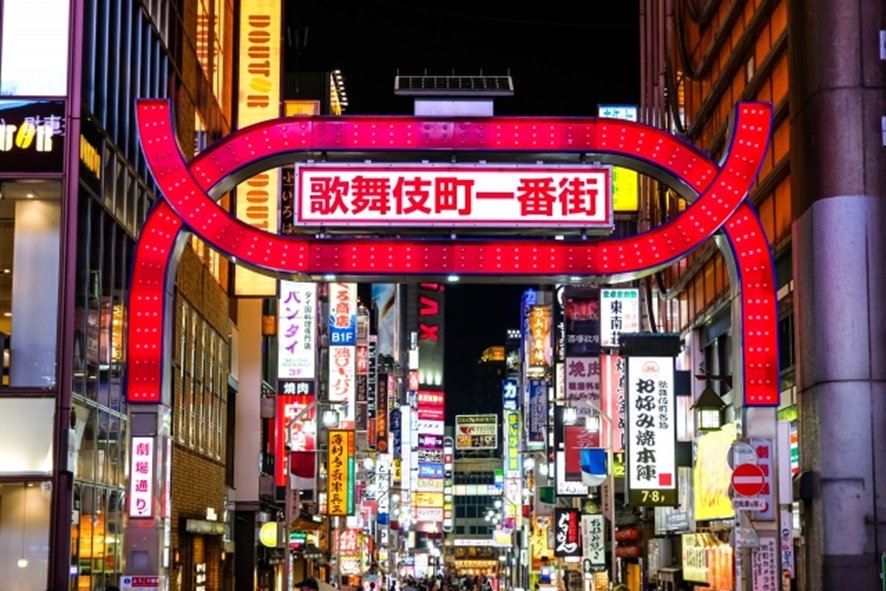
Kabukicho is one of Japan’s largest entertainment districts, its skyline glowing with neon signs after dark. Landmarks such as Tokyu Kabukicho Tower anchor an area packed with clubs, bars, and karaoke venues.
Street touts are especially aggressive here. Ignore anyone who approaches you and head straight to your chosen venue. Advice on handling touts appears further down; for now, here are standout spots for first-time clubgoers.
T2 Shinjuku
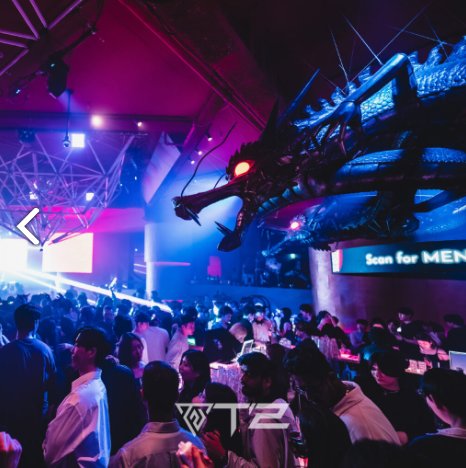
T2 Shinjuku opened in April 2024 and ranks among the largest clubs in the country. A massive dragon sculpture dominates the interior, and international DJs perform nightly. Keep these tips in mind for a smooth first visit.
- Photo ID (passport): bring it with you
- Sneakers are fine; the dress code is relatively relaxed
- Take advantage of early-evening happy-hour pricing to save on drinks
Details
| Address | Kaleid Building 7F, 7-1-1 Nishi-Shinjuku, Shinjuku-ku, Tokyo |
| Hours | 10 pm–around 4:30 am (varies by event) |
| Closed | Irregular closures |
| Official site | https://t2-shinjuku.com/ |
| Best for | First-time clubgoers looking for a large venue |
Golden Gai | Around 150 Tiny Bars Tucked into Narrow Alleys
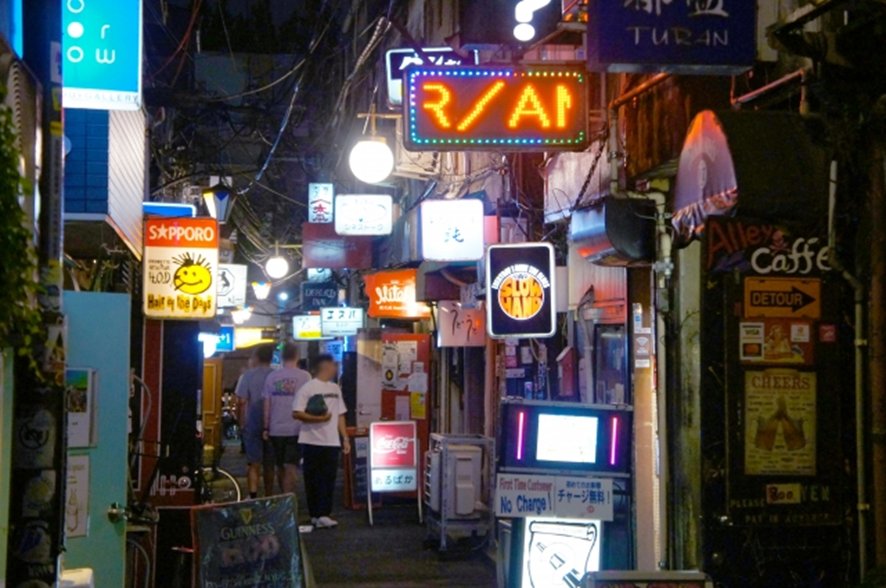
Golden Gai is a maze of narrow lanes lined with aging wooden houses, home to more than 150 tiny bars. Each venue seats just five to ten people, creating a space where conversation with the bartender and fellow drinkers happens naturally.
For your first visit, look for bars with English signage near the entrance. Many places charge a cover fee or otoshi, so check the notice by the door before going in. Most bars open sometime between 6–8 pm and are busiest from 9 pm to midnight. For a relaxed start, arrive at around 8 pm; for the full buzz, aim to arrive after 9.
Shinjuku: Food Tour – 15 Dishes at 4 Eateries
Albatross G
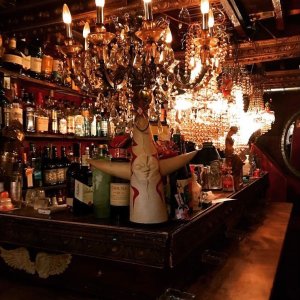
Albatross G is a sister bar run by the team behind the popular Bar Albatross in Omoide Yokocho. Gothic-style décor and a glittering chandelier set the mood. English communication is no problem.
Details
| Address | 2F, Golden Gai 5-bangai 1, 1-1-7 Kabukicho, Shinjuku-ku, Tokyo |
| Hours | 7 pm–5 am (last order at 4:30 am) |
| Closed | Irregular closures |
| Official site | https://www.alba-s.com/ |
| Best for | Anyone wanting to soak up the atmosphere of Golden Gai |
Deathmatch in Hell
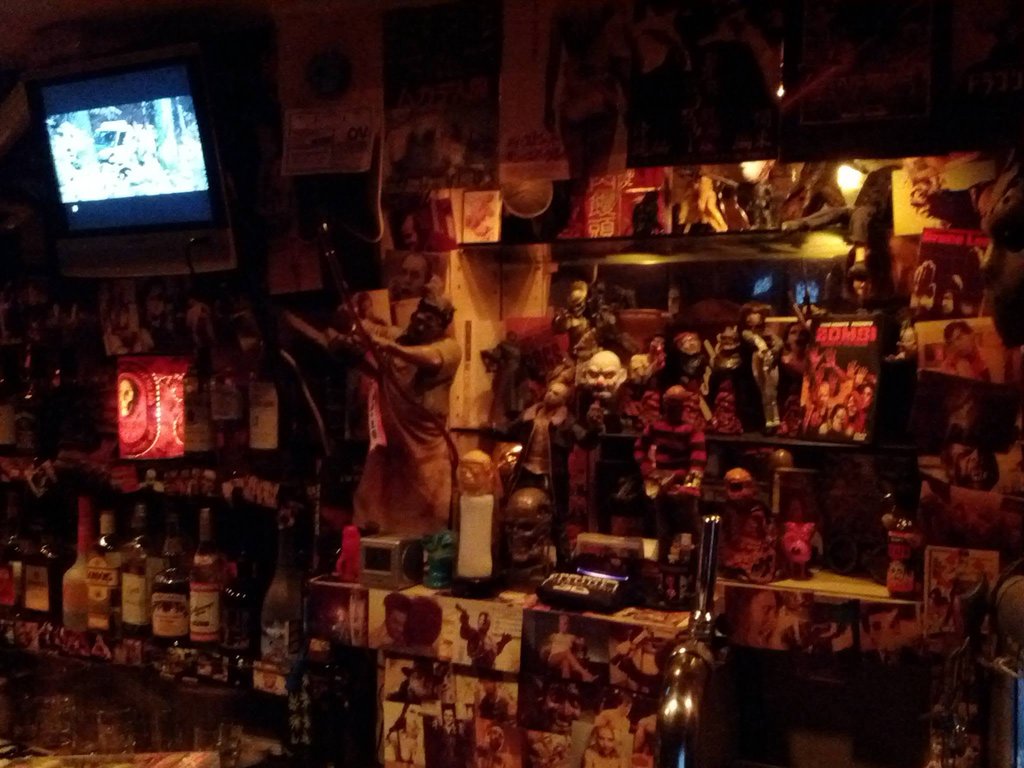
Deathmatch in Hell is a one-of-a-kind bar themed around horror movies and heavy metal. Every drink costs a flat ¥666 (about $4.50 USD), making pricing refreshingly simple. International visitors make up a regular part of the crowd, and English is commonly spoken, so ordering is straightforward even without Japanese. The quirky décor alone is a great conversation starter.
Details
| Address | Golden Gai 3-bangai, 1-1-8 Kabukicho, Shinjuku-ku, Tokyo |
| Hours | 8 pm–3 am |
| Closed | Sundays and Thursdays |
| Official site | https://www.instagram.com/deathmatchinhell |
| Best for | Fans of horror movies or heavy metal; anyone looking for a bar with personality |
Albatross G and Deathmatch in Hell at a Glance:
| Item | Albatross G | Deathmatch in Hell |
|---|---|---|
| Theme | Gothic, chandelier-lit | Horror and heavy metal |
| English support | Yes | Yes |
| Standout feature | Sister bar of the popular Bar Albatross | All drinks ¥666 flat |
Omoide Yokocho | Red-Lantern Alley of Yakitori Stalls
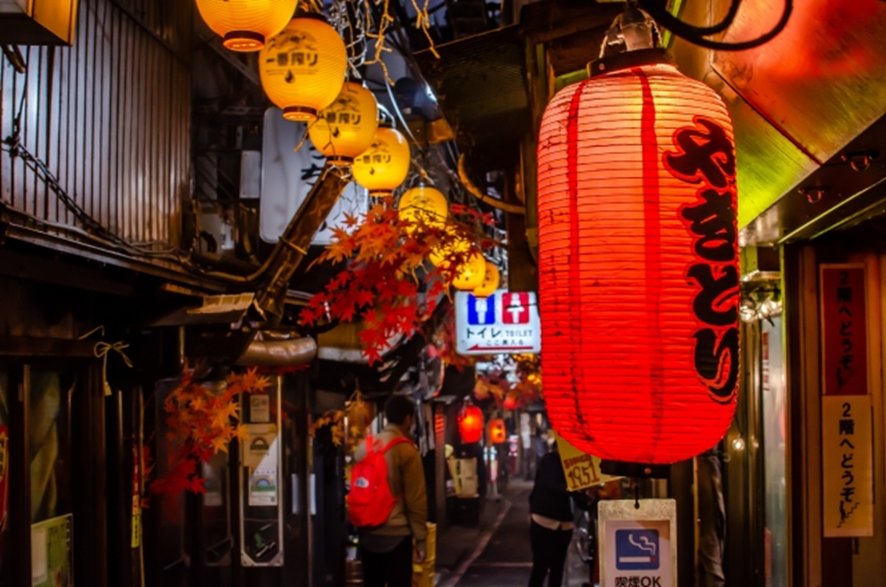
Omoide Yokocho sits just a one-minute walk from Shinjuku Station’s west exit. Roughly eighty stalls and tiny eateries crowd into an area of about 2,080 square meters (22,400 square feet), making Omoide Yokocho one of Tokyo’s most atmospheric food alleys.
Passageways narrow to about one meter (3.3 feet) in places, and walking shoulder-to-shoulder through clouds of yakitori (grilled chicken skewer) smoke is part of the experience. Skewers run ¥100–¥200 each, and a beer costs around ¥500–¥700. A budget of ¥2,000–¥3,000 per person is more than enough for a satisfying visit. Most stalls accept cash only, so stop by an ATM beforehand.
Bar Albatross
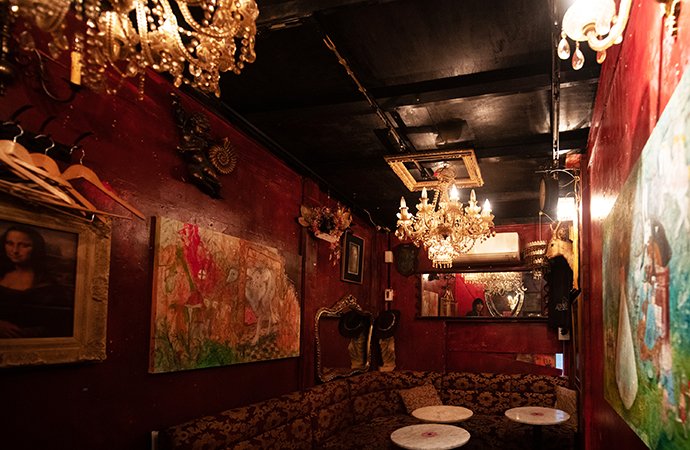
Bar Albatross is the only gallery bar in Omoide Yokocho. The ground floor has a cozy counter, while the second floor doubles as a gallery space displaying artwork—a world apart from the lively stalls outside. A good plan is to fill up on yakitori first, then head to Bar Albatross for a drink.
Details
| Address | 1-2-11 Nishi-Shinjuku, Shinjuku-ku, Tokyo |
| Hours | 5 pm–2 am (until 5 am on Fridays and Saturdays) |
| Closed | Open year-round |
| Official site | https://www.alba-s.com/ |
| Best for | Anyone who wants to experience both street-food stalls and an art bar in one night |
Shinjuku: Food Tour – 15 Dishes at 4 Eateries
Shinjuku Ni-chome | LGBTQ+ Friendly Bar District
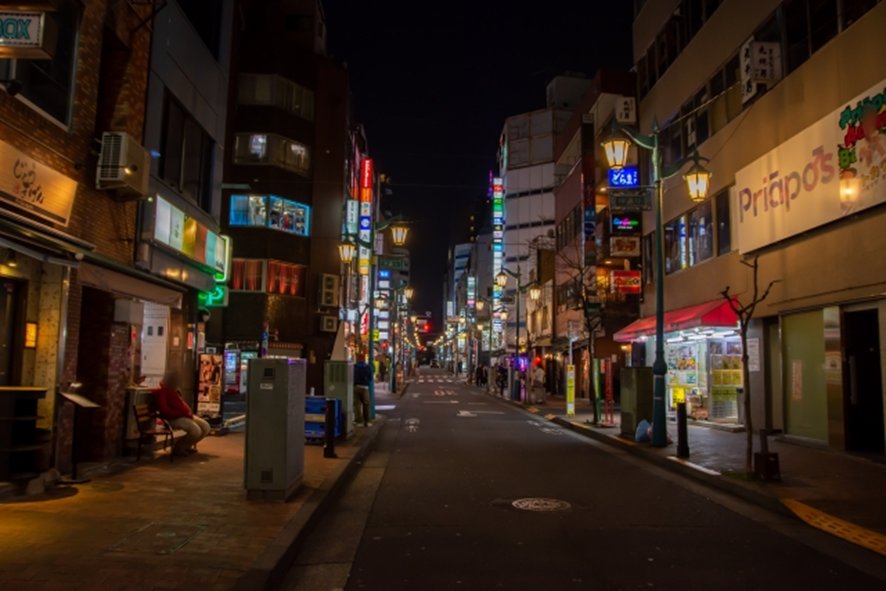
Shinjuku Ni-chome, about a two-minute walk from Shinjuku-sanchome Station, has Japan’s largest concentration of LGBTQ+ bars. Touts are virtually nonexistent, and some venues display “Everyone Welcome” signs. Visitors of every orientation receive a warm reception.
An easygoing, open-minded atmosphere pervades the entire neighborhood. Even first-timers find the district approachable, and many bars stay open well past midnight.
Dragon Men
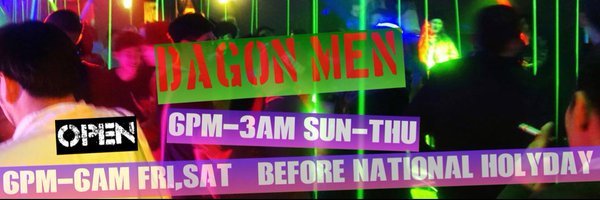
Dragon Men draws a particularly international crowd within Ni-chome, making it a low-pressure choice for a first visit. Regular DJ nights and live performances keep the energy high for music lovers. Check the official site or social media for the latest hours before heading over.
Details
| Address | 2-11-4 Shinjuku, Shinjuku-ku, Tokyo |
| Hours | 6 pm–3 am (until 5 am on Fridays, Saturdays, and the eve of public holidays) |
| Closed | Wednesdays |
| Official site | https://linktr.ee/dragonmen |
| Best for | First-time visitors to Ni-chome; music-event enthusiasts |
Nishi-Shinjuku | Free Night Views from the Government Building and Quiet Bars
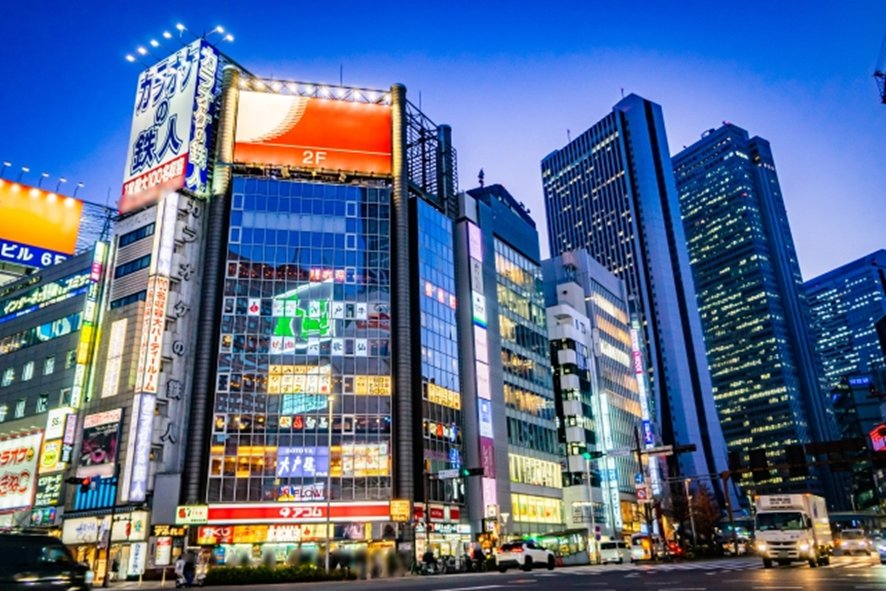
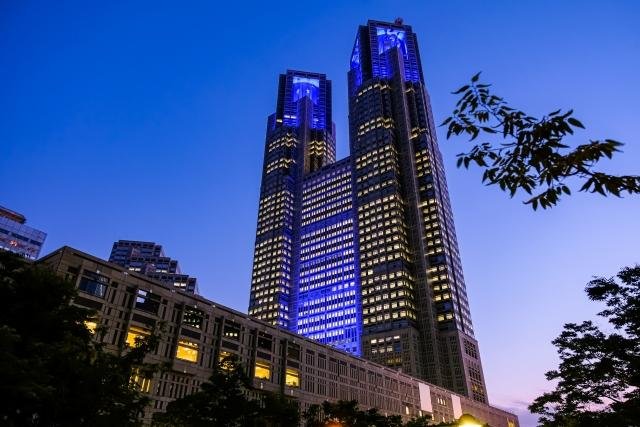
Nishi-Shinjuku is a calm high-rise district about a ten-minute walk from Shinjuku Station’s west exit. Starting with a free observation-deck visit and then moving on to a nearby bar makes for a budget-friendly evening.
Tokyo Metropolitan Government Building Observation Decks
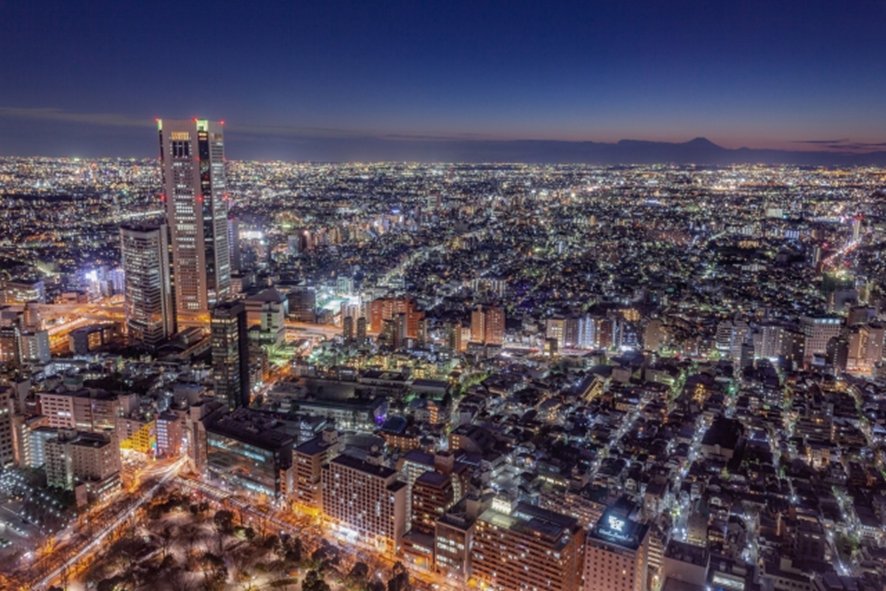
The observation decks sit 202 meters (about 663 feet) above ground and offer sweeping views of Tokyo Tower and Tokyo Skytree—all free of charge. Two decks are available: the South Observatory stays open until 10 pm and the North Observatory normally closes at 5:30 pm, but extends to 10 pm on days when the South Observatory is closed.
Details
| Address | 45F, Main Building No. 1, 2-8-1 Nishi-Shinjuku, Shinjuku-ku, Tokyo |
| Hours | 9:30 am–10 pm |
| Last entry | 9:30 pm |
| Closed | South Observatory: 1st and 3rd Tuesday of each month (next weekday if the Tuesday is a public holiday) North Observatory: 2nd and 4th Monday of each month (next weekday if the Monday is a public holiday) |
| Official site | https://www.zaimu.metro.tokyo.lg.jp/tochousha/goannai/tenbou |
| Best for | Budget-conscious visitors; anyone who enjoys a quiet night view |
After leaving the observation deck, head down to Tomin Hiroba (“Citizens’ Plaza”) on the ground floor. Once the sun sets, a free projection-mapping show lights up the walls of the building. Check the official site for the day’s screening schedule.
From there, a short walk brings you to hotel bars and quiet drinking spots throughout Nishi-Shinjuku—a more refined night out compared to the neon energy of Kabukicho.
Tokyo: Shinjuku Historical Walking Tour & Secret Backstreets
Staying Safe in Shinjuku at Night | How to Handle Touts and Overcharging
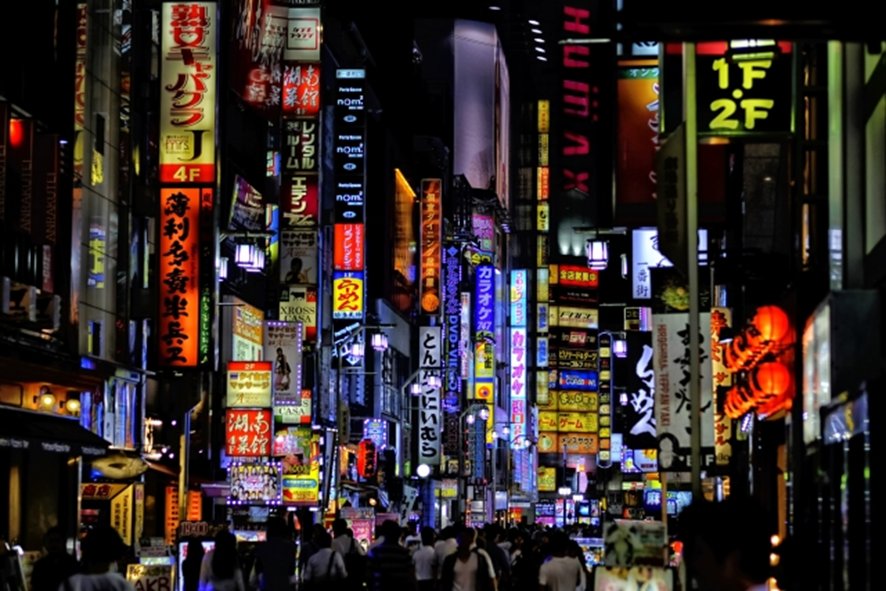
As exciting as Shinjuku’s nightlife is, solicitors and overcharging scams around Kabukicho are a real concern. Knowing how to turn down approaches, what to check before entering a venue, and how to spot a trustworthy bar goes a long way toward a trouble-free night.
Say “No Thank You” and Keep Walking
Walking through Kabukicho, you’ll hear touts calling out in Japanese and English. A tout is someone paid to pull passersby into a particular bar, club, or restaurant. Once you follow one inside, the venue may charge inflated drink prices, add vague service fees, or keep the bill unclear until it arrives, and the total can climb into the tens of thousands of yen. Going along with a tout is what opens the door to these charges, which is why it pays to keep walking.
Trying to be polite actually makes things worse. A smile, a nod, or an explanation gives the tout an opening to keep pressing. These habits shut down the interaction quickly:
- Don’t make eye contact: Keep your eyes on your phone or the road ahead
- Never stop walking: Standing still raises the risk of being surrounded
- Say “No thank you” and nothing more: Leave no room for further conversation
Once you stop, multiple solicitors may close in and make it much harder to walk away. Simply keep moving, and most touts give up within a few seconds.
A firm “No thank you” and steady feet are all you need.
Check Prices and Cover Charges Before Sitting Down
Most overcharging incidents start when customers enter a place without asking about prices. Spending a couple of minutes on a few simple checks before going in significantly lowers the risk.
- Price of a single drink: Ask about the cost of a basic beer or similar item
- Cover charge (table charge): Confirm whether sitting down triggers a fee
- Otoshi: Clarify whether an automatic appetizer charge applies, and how much
A clearly posted price list is a good sign of transparency. Establishments with no visible pricing are more likely to tack on hidden fees.
If something does go wrong, report the incident to the Shinjuku Station East Exit police box or the Kabukicho police box. Provide the venue name, location, time, and a description of the charges. Bring a receipt or photos if you have them.
Choose Spots with English Menus and Clear Pricing
You can gauge a spot’s reliability from your phone or from signs outside the door. Look for these visual cues.
- An English menu or price list: A sign the place regularly welcomes international guests
- An “English OK” sign: Staff are accustomed to communicating in English
- Multiple reviews from international visitors: A strong indicator of fair pricing and transparent service
If a place checks at least two of these boxes, you can generally feel comfortable walking in. The Tokyo Metropolitan Government’s “EAT Tokyo” site lets you search for restaurants with foreign-language menus before you go.
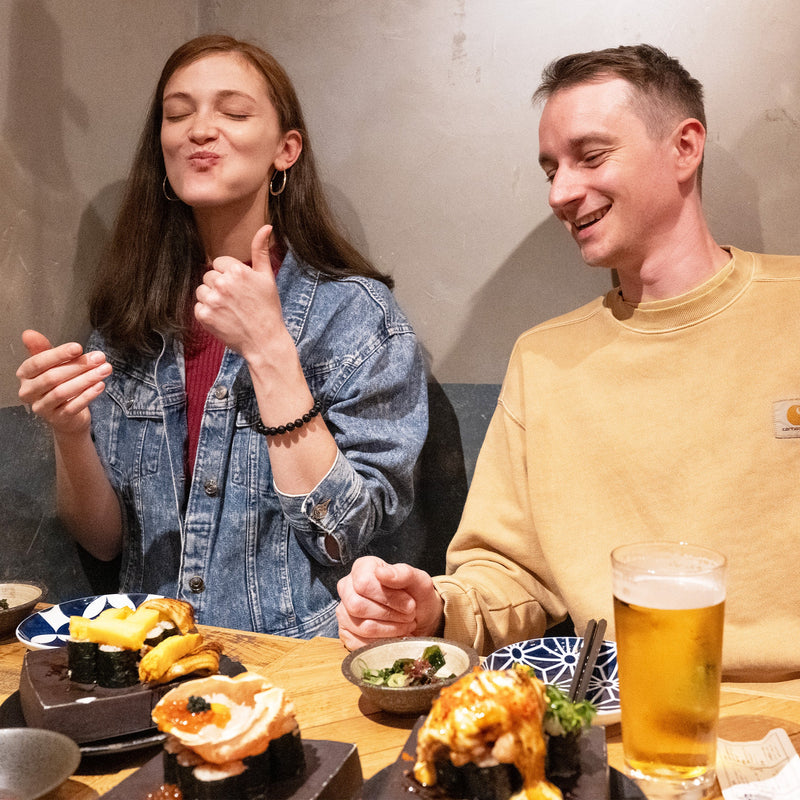
If you’d rather not navigate the bar scene alone, a Japan Guide Star food tour is a solid option. A local guide leads you to vetted spots, removing all the guesswork from choosing where to eat and drink.
Shinjuku: Food Tour – 15 Dishes at 4 Eateries
What to Do in Shinjuku After the Last Train
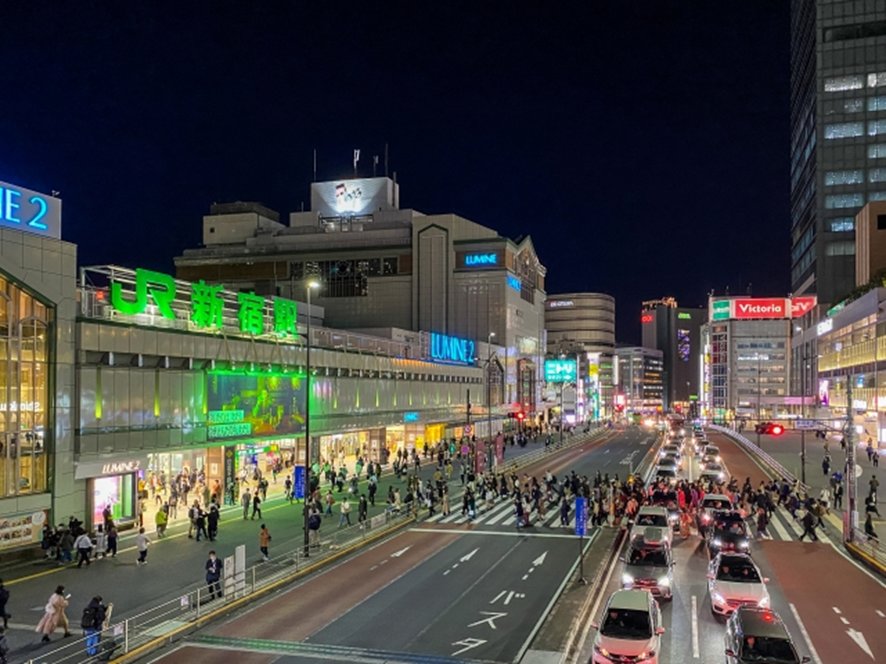
Missed the last train and wondering how to spend the hours until morning? You can soak in a hot spring, sing karaoke until dawn, or catch a few hours of sleep in a capsule hotel. Pick the activity that best matches your budget and energy level.
Thermae-Yu | Soak in Natural Hot Springs Until the First Train
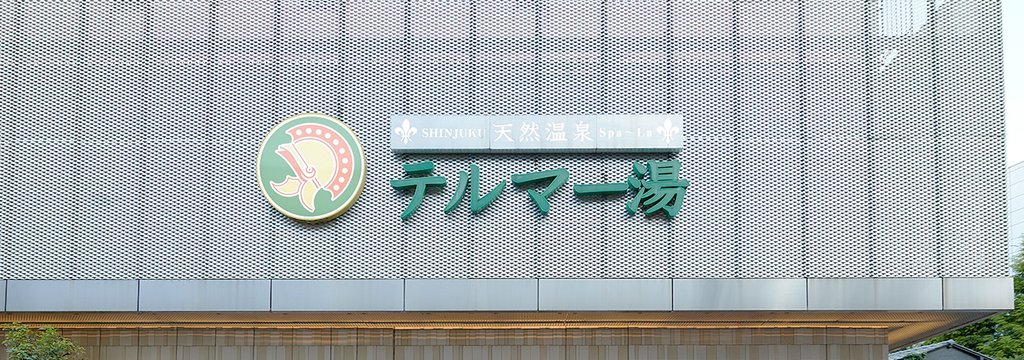
After a night of bar-hopping in Shinjuku, a natural hot spring is one of the best ways to wait for the first train. Thermae-Yu, located in the Kabukicho area, is a 24-hour bathing facility about a two-minute walk from Shinjuku-sanchome Station. The facility features an outdoor natural hot-spring bath, hot stone baths, and reclining rest areas where you can recharge. A late-night surcharge applies on top of the base admission fee; budget at least ¥5,000 if visiting on a weekend or during regular hours.
In Japan, many bathing facilities restrict entry for guests with visible tattoos. Thermae-Yu still welcomes visitors with tattoos, as long as the tattoos are fully hidden with concealment stickers. These are adhesive patches that cover skin art, available at drugstores, 100-yen shops, and online. Larger or multiple tattoos may call for several stickers, and since you cannot count on buying them on-site, it is safest to bring your own. Check the official site for the latest policy before visiting.
Details
| Address | 1-1-2 Kabukicho, Shinjuku-ku, Tokyo |
| Hours | 24 hours (maximum 24-hour stay per visit) |
| Closed | Open year-round (occasional maintenance closures) |
| Official site | https://thermae-yu.jp/ |
| Best for | Solo travelers looking to recharge; anyone wanting a quiet place to wait for the first train |
Karaoke | Sing the Night Away in a Private Room
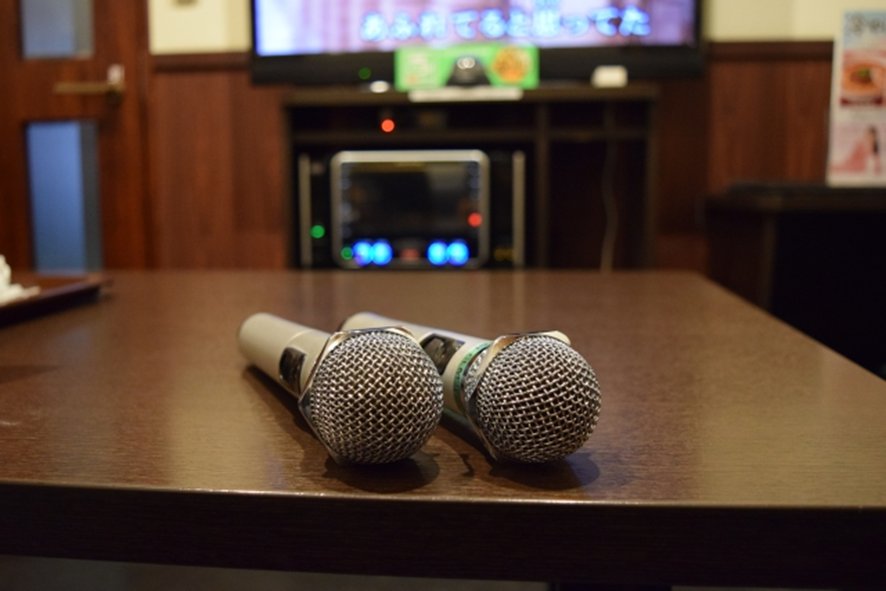
For groups of friends, karaoke is a fun and easy way to fill the hours after the last train. Every room is fully private, so you can enjoy the space without worrying about other guests. Song libraries include extensive selections in English, Korean, and Chinese. Several 24-hour karaoke venues surround Shinjuku Station, and most offer late-night unlimited-time plans. Expect to pay roughly ¥1,500–¥3,000 per person for the late-night slot. Plans that include an all-you-can-drink soft-drink bar mean no extra charges for beverages.
Check each location’s official site for reservations and current pricing. If you are not sure which one to pick, keep these pointers in mind:
- Large groups: Pasela Shinjuku Honten and similar spots offer spacious rooms
- Tight budget: Compare chains such as Manekineko, which tend to have lower flat-rate packages
- Always confirm prices: Late-night rates fluctuate, so check the official site for the latest information
Capsule Hotels | Grab a Few Hours of Sleep in a Private Pod
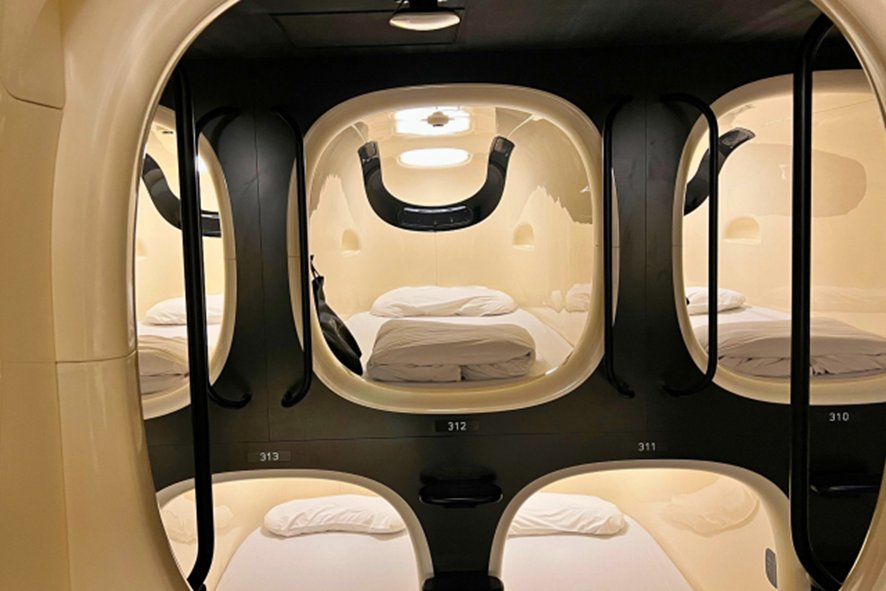
For solo travelers or anyone watching their budget, a capsule hotel offers excellent value for a short rest. Each pod comes with its own light and power outlet, creating a compact private sleeping space. More and more capsule hotels now include a large communal bath or sauna at no extra charge—a welcome bonus for tired feet.
Rates around Shinjuku Station typically range from ¥4,000 to ¥8,000 per night, roughly half the cost of a standard business hotel. Before booking, keep these points in mind:
- Gender-separated floors: Most facilities assign separate areas for men and women, so confirm the setup
- Check-in time: Reception usually opens at 3 pm and accepts late arrivals through the night
- Valuables: Always store your passport and wallet in a locker
To find a pod on short notice, search “Shinjuku capsule hotel” on Booking.com. Once you spot availability, double-check the earliest check-in time before you book.
Common Questions About Shinjuku Nightlife

Knowing the answers to a few common questions makes planning your evening easier and eliminates second-guessing on the spot.
Shinjuku or Shibuya: Which Has Better Nightlife?
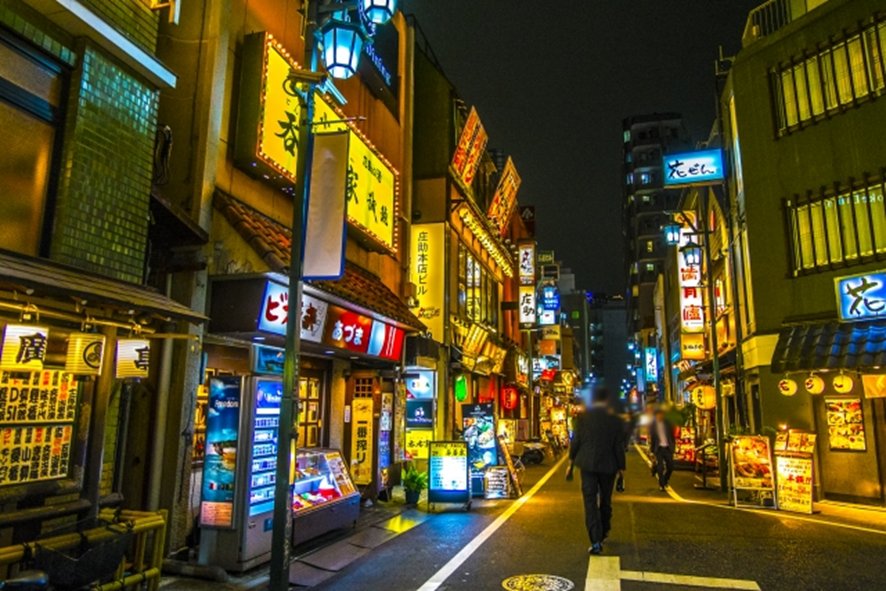
For bar-hopping, Shinjuku is the stronger choice. For clubbing, head to Shibuya.
Shinjuku has a dense concentration of bars, izakaya, and late-night restaurants with a local feel. Shibuya draws a younger crowd, mostly in their 20s and 30s, and has a more active club and event scene.
| Shinjuku | Shibuya | |
|---|---|---|
| Strength | Bars, izakaya, bar-hopping | Clubs, events |
| Crowd | Wide age range | Mainly 20s–30s |
| Budget per venue | ¥1,000–¥3,000 | ¥2,000–¥4,000 |
Covering both in one night is entirely feasible: Shinjuku and Shibuya are only about 7–8 minutes apart on the JR Yamanote Line.
Shinjuku: Food Tour – 15 Dishes at 4 Eateries
Is Shinjuku Safe for Women Going Out Alone?
Shinjuku is perfectly safe for women going out alone. Stick to main streets and never stop for touts—that’s the golden rule. For solo drinkers, counter seats at Golden Gai or Omoide Yokocho are a great fit. Check for an English menu at the entrance before stepping inside.
If the idea still feels daunting, joining a Japan Guide Star food tour removes all the guesswork. With a guide handling directions and ordering, even a first-timer can relax and enjoy Shinjuku at night.
Do I Need a Reservation for Golden Gai Bars?
Most Golden Gai bars welcome walk-ins. If one spot is full, simply try the one next door—hopping between bars is part of the Golden Gai experience.
Friday and Saturday evenings get crowded after 10 pm, so keep that in mind. Arriving around 8 pm gives you the best chance of walking into any place you like.
- 8 pm: Settle into a relatively quiet first bar for a drink
- 9 pm: Move to a second spot for a change of scene
- 10 pm: Duck into a third place before the crowds peak, and take your time
Confirming cover charges and otoshi before sitting down avoids any billing surprises.
Can I Enjoy Shinjuku at Night Without Drinking?
Absolutely. The Tokyo Metropolitan Government Building Observation Decks stay open until 10 pm at no charge, offering a sweeping nighttime panorama of the city. A walk through Kabukicho’s neon-lit streets or a stop at an entertainment venue rounds out the evening nicely.
- Free night views at the Tokyo Metropolitan Government Building (9:30 am–10 pm; closed on select days)
- A stroll through Kabukicho’s neon streets and amusement spots
- Late-night food: try yakitori in Omoide Yokocho
Japan Guide Star runs tours that blend street food and neighborhood walks, making a full evening without a single drink possible.
Tokyo: Shinjuku Historical Walking Tour & Secret Backstreets
Tokyo Chopstick Making Workshop in Shinjuku
The Best Way to Make the Most of Your First Night in Shinjuku
Below is a sample route—starting at the Tokyo Metropolitan Government Building, continuing to Omoide Yokocho, and finishing in Golden Gai—covering three very different experiences. All three spots fall within a ten-minute walk of Shinjuku Station’s west exit.
| Spot | Suggested Time | Cost Estimate |
|---|---|---|
| Tokyo Metropolitan Government Building Observation Decks | 8 pm–8:40 pm | ¥0 |
| Omoide Yokocho | 9 pm–10 pm | ¥2,000–¥3,000 |
| Golden Gai | 10:15 pm–midnight | ¥3,000–¥5,000 |
A total budget of roughly ¥6,000–¥9,000 ($40–$60 USD) covers a solid night out in Shinjuku. If communicating in English feels like a concern, consider a Japan Guide Star food tour. A guide handles venue selection, freeing you to make the most of your time.
Shinjuku: Food Tour – 15 Dishes at 4 Eateries
Enjoy Shinjuku After Dark with Confidence
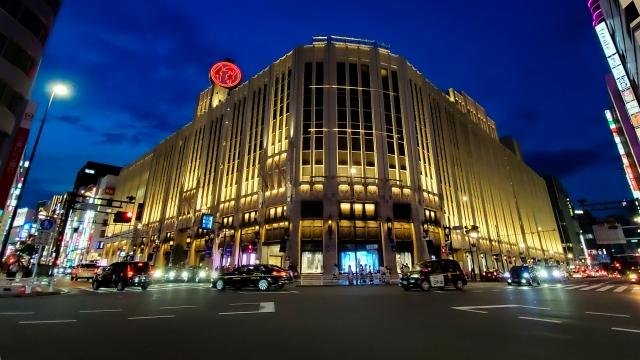
Shinjuku’s nightlife is safe and rewarding once you understand each area’s character and know how to handle touts. Kabukicho, Golden Gai, Omoide Yokocho, and beyond—pick the neighborhood that matches your mood.
Even after the last train, hot-spring facilities and capsule hotels keep the night comfortable. Use the tips and routes here to plan your evening and get the most out of Shinjuku after dark.