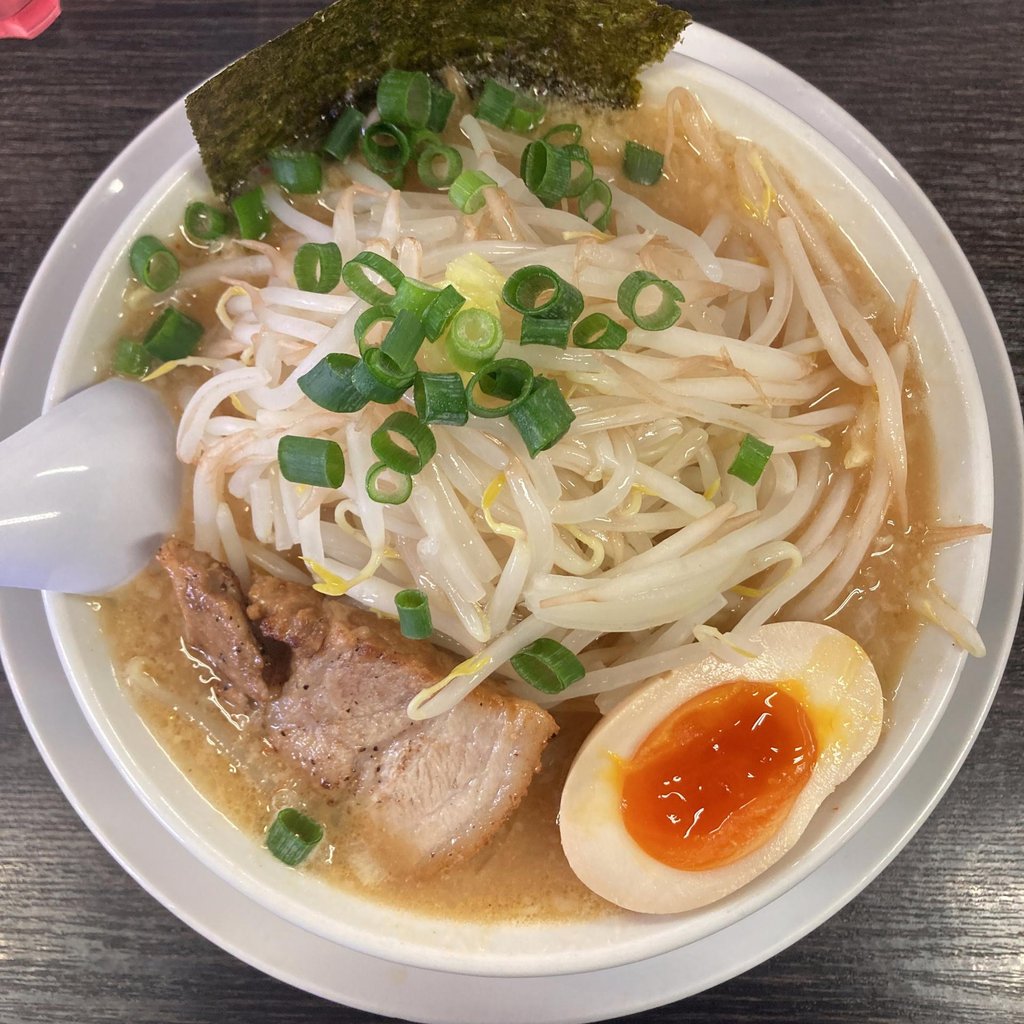
Shinjuku is home to more than one hundred ramen shops, each serving a wide range of noodle bowls, including tonkotsu (pork bone broth), soy sauce, and miso. With so many options, though, it can be hard to decide where to visit during your stay.
In this article, you’ll find ten carefully selected ramen shops organized by soup style, complete with information on access, hours, and halal or vegan options. You’ll also find guidance on how to use the ticket vending machines at ramen shops and dining etiquette, so even first-time visitors to Japan can feel at ease. Read on to learn what to look for and how to find a ramen shop you’ll enjoy.
Four Tips for Choosing the Right Ramen Shop in Shinjuku
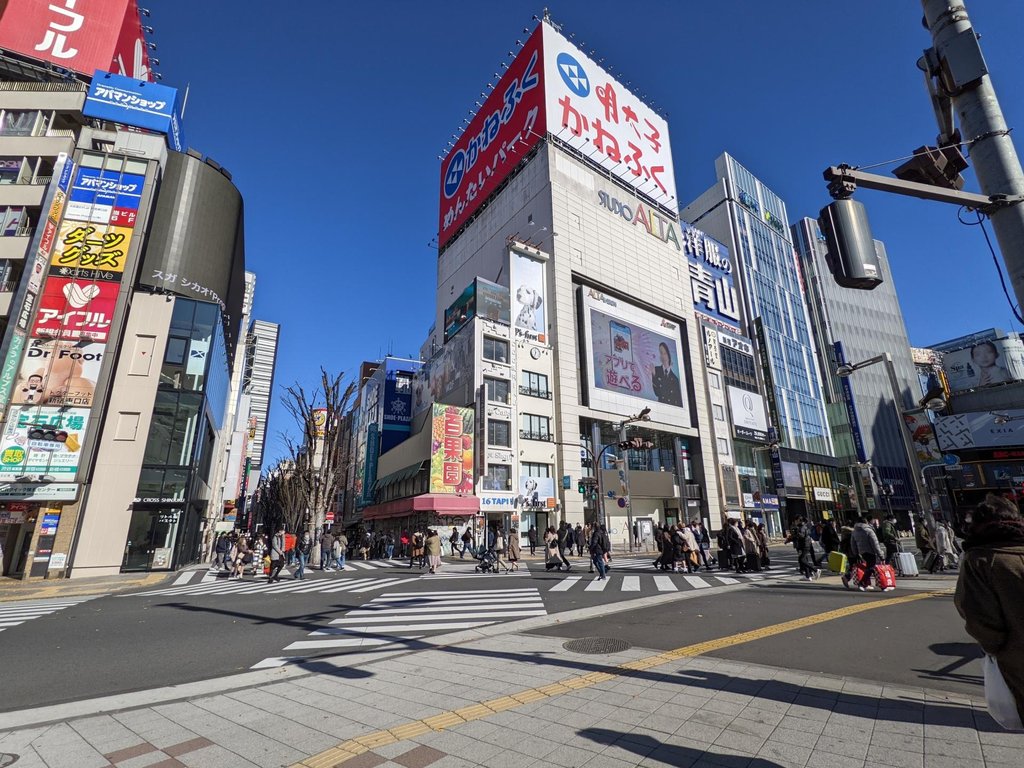
With over one hundred ramen shops in the Shinjuku area alone, the sheer number of choices can be overwhelming. Below we’ve compiled some key criteria for finding the perfect bowl within your limited time. Soup flavor and style, the venue’s distance from the station, and language or dietary options all matter, so keep these four points in mind when deciding where to visit.
1. Decide What Style of Soup You’d Like to Try
Shinjuku’s ramen falls into five broad soup categories, and deciding which type you want to eat narrows down your many options in one stroke:
- Tonkotsu: A cloudy white soup made by boiling pork bones for a long time; known for its creamy texture
- Shoyu: A fragrant, sharp soup made from soy sauce, chicken stock, and vegetable stock
- Shio: A clear, salt-based soup that highlights the natural umami of its ingredients; valued for its light finish
- Niboshi: A soup base made from dried sardines and prized for its balance of bitterness and umami
- Tsukemen: Different from ramen, the noodles are served separately and then dipped into a rich, concentrated broth one bite at a time
If you like rich flavors, go for tonkotsu or tsukemen; if you prefer something lighter, shio or shoyu is the way to go. Many shops also serve soups that blend tonkotsu with seafood stock. Knowing the flavor direction you want makes choosing a shop much easier.
2. Narrow Down Shops by Location and Station Access
Shinjuku Station has many exits, and coming out from the wrong one can add more than ten minutes to your walk. Inside the station, follow the color-coded signs for each train line to keep your bearings.
Checking which exit to use in advance makes it much easier to find your way around the station:
- West Exit area: Skilled, well-known ramen shops are dotted among the office buildings; fast turnover
- East Exit area: Many late-night shops, ideal for a noodle bowl after a night out
- South Exit area: Distinctive, popular shops along redeveloped streets; many have long waits
If you plan to visit several ramen shops, choosing candidates in the same area helps cut down on travel time. Decide on the area and the shops you want to visit before you set out, and you can enjoy your ramen more efficiently.
3. Check Language and Dietary Options in Advance
Checking ahead for English menu availability and options for dietary restrictions can ease a lot of worry. Google Maps reviews often include firsthand notes from travelers, such as “English menu available,” making for an invaluable source of information. For halal or vegan options, check the shop’s official website or booking page.
Depending on the shop, there are a number of ways to order ramen:
- Ticket machine: Choose your meal at a vending machine near the entrance. Multilingual models are increasingly common.
- Touch panel: Order from a tablet at your seat. Photos make it intuitive to use.
- Counter ordering: Tell the staff directly. Simply pointing at a menu photo usually gets the message across.
Even if a ticket machine is Japanese-only, some shops display a QR code that takes you to a translated menu. Also, checking photos of the ticket machine in the Google Maps photo section before you visit makes ordering much easier.
4. Know the Operating Hours and Peak Times
At Shinjuku’s most popular ramen shops, wait times vary dramatically depending on when you visit. The busiest periods are the weekday lunch rush (from 11:30 am to 1:30 pm) and weekends, when lines of thirty minutes or more are common. Your best bet is right at opening or during the quiet stretch between 2 pm and 4 pm. Some acclaimed “lunch-only” shops close as soon as the soup runs out. If there’s a shop you absolutely want to try, plan to arrive about thirty minutes before opening to guarantee yourself a spot.
The Kabukicho area also has several shops open twenty-four hours or late into the night. Being able to enjoy ramen in the early morning or after the last train late at night is one of Shinjuku’s unique pleasures.
Four Famous Ramen Shops Near Shinjuku Station
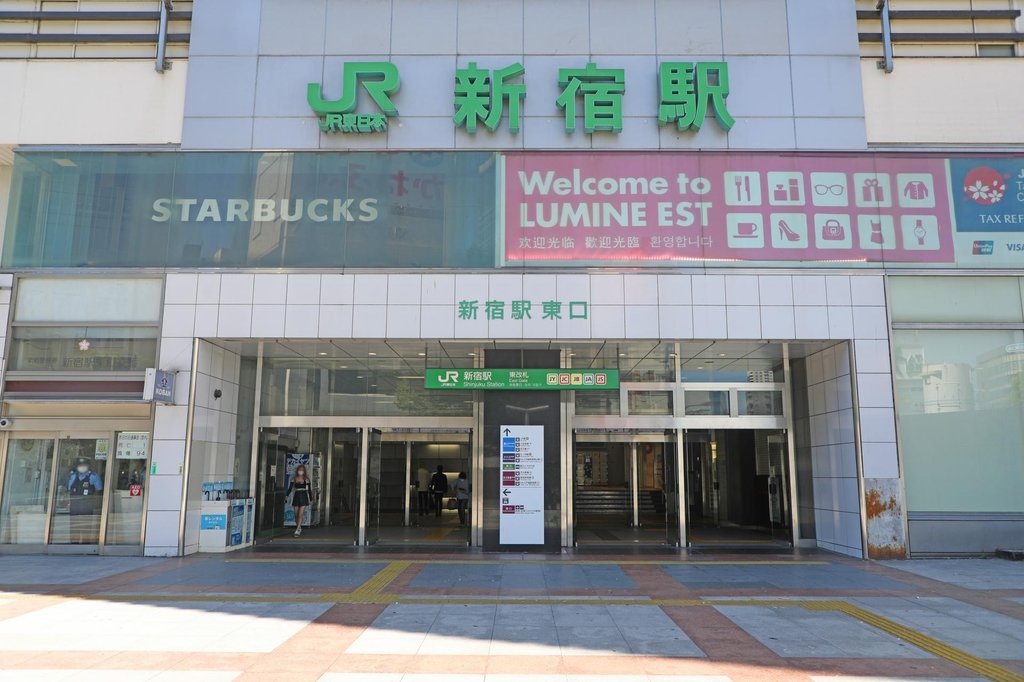
Countless ramen shops surround Shinjuku Station, and many visitors struggle to pick one. The following four well-known favorites are all a short walk from the station and cover different styles, including tsukemen. Just check the location and hours, and then head out to find the bowl that matches your tastes.
Fuunji: Shinjuku’s Signature Tsukemen
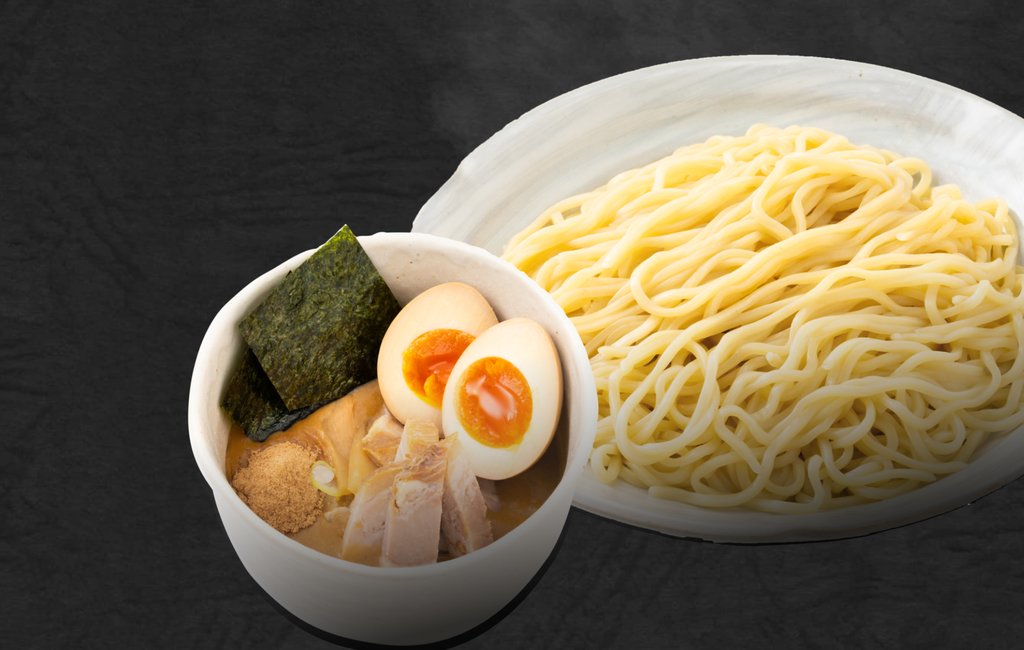
If you want to try tsukemen in Shinjuku, Fuunji—selected as one of the Top 100 Ramen Shops in Tokyo—is well worth a visit. It’s famous for a complex soup made by simmering a whole chicken, kombu, and dried fish flakes for eight hours, then aging it for a full day. The contrast of dipping cold noodles into piping-hot soup is irresistible. Once you finish the noodles, be sure to try “soup-wari,” where staff add Japanese soup stock to the remaining soup so you can drink it.
Ordering is done by ticket machine, and the machine includes photos of each dish. Note that Fuunji accepts cash or transit IC cards only and doesn’t take reservations, so be prepared to wait upwards of thirty minutes during busy times.
Details
| Address | Hokuto Daiichi Bldg. 1F, 2-14-3 Yoyogi, Shibuya-ku, Tokyo |
| Hours | 11:00 am-3:00 pm/5:00 pm-9:00 pm (closes when the soup runs out) |
| Closed | Open year-round |
| Official site | https://www.fu-unji.com/ |
| Recommended for | Anyone who wants to try tsukemen for the first time |
Hayashida: Refined Shoyu Ramen With Chicken and Duck
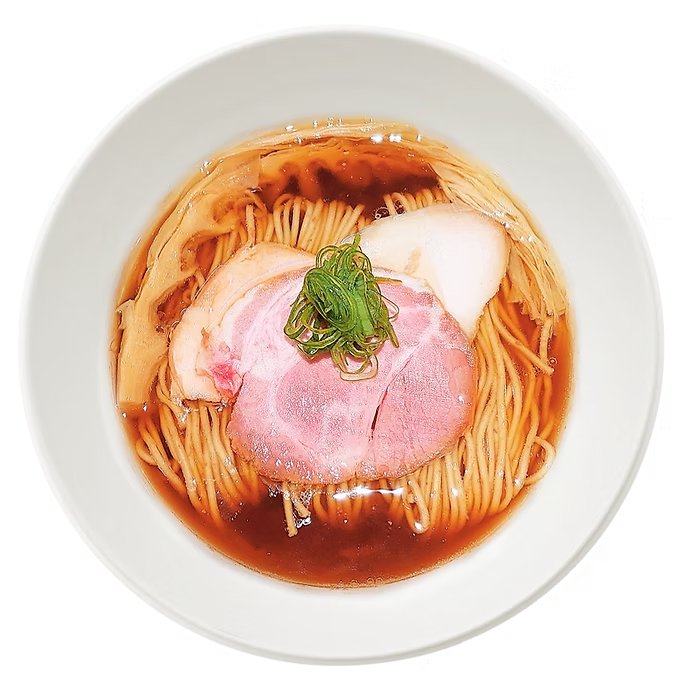
If rich tonkotsu ramen isn’t for you, Hayashida’s shoyu ramen is an excellent choice. A clear soup made from chicken and duck broth is combined with a soy sauce base to produce a refined flavor with none of the heaviness of tonkotsu varieties. The gentle umami of the chicken spreads across your palate, giving the ramen a flavor reminiscent of traditional Japanese cuisine. At around ¥800 (about $5 USD) for a single bowl, it’s also quite affordable.
With only sixteen counter seats, a line is unavoidable. But turnover is quick, so the wait is often shorter than it looks. The convenient location is another plus: Hayashida is just a one-minute walk from Exit A5 of Shinjuku-sanchome Station.
Details
| Address | Shinjuku Pegasus Bldg. 102, 3-31-5 Shinjuku, Shinjuku-ku, Tokyo |
| Hours | 11:00 am-11:00 pm |
| Closed | Open year-round |
| Official site | https://www.ramenings.com/hayashida |
| Recommended for | Those who prefer light, refined shoyu ramen over tonkotsu |
Menya Musashi: A Bold Soup That Blends Meat and Seafood
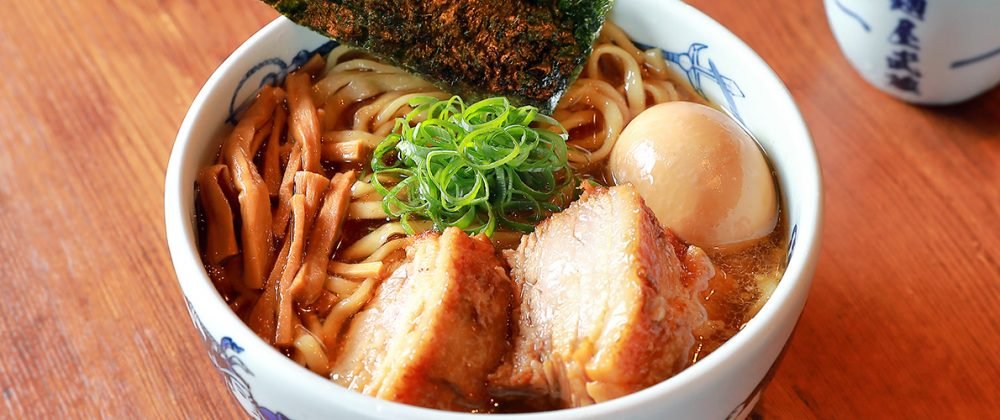
Opened in 1998, Sousi Menya Musashi in Shinjuku is the flagship of the Menya Musashi group. The shop serves a unique meat-and-seafood-based soup stock of pork and chicken bones with bonito flakes and dried sardines. The depth of the meaty elements harmonizes with the aroma of the seafood, creating a full-bodied broth with a surprisingly clean finish. The braised pork belly used in the toppings is tender enough to pull apart with chopsticks and pairs beautifully with the soup.
The interior features decor inspired by the legendary swordsman Miyamoto Musashi, lending the space a traditional Japanese feel. Popular with international visitors, Menya Musashi offers a distinctly Japanese setting to enjoy along with your meal.
Details
| Address | K-1 Bldg. 1F, 7-2-6 Nishi-Shinjuku, Shinjuku-ku, Tokyo |
| Hours | 11:00 am-10:00 pm |
| Closed | Open year-round |
| Official site | https://menya634.co.jp/ |
| Recommended for | Those who want a rich meat-and-seafood soup or a traditional Japanese setting |
Nakamoto: Ramen With Heat
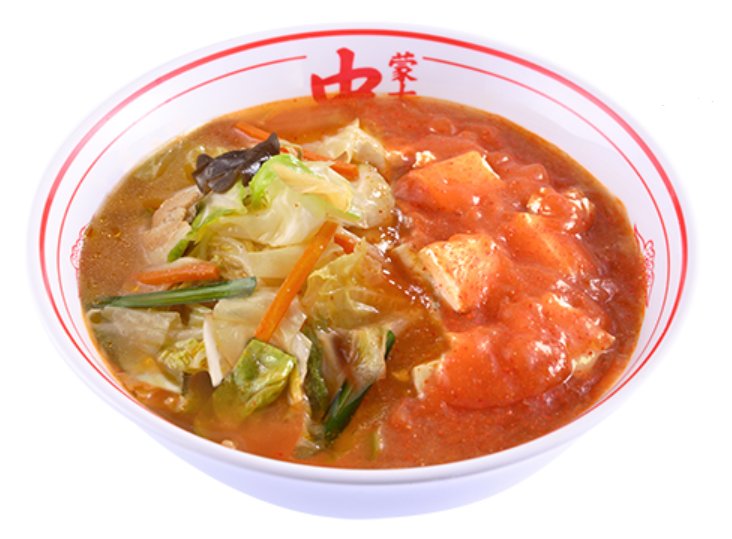
The soup at Mouko Tanmen Nakamoto does more than just sting your tongue: their signature Mouko Tanmen features a spicy miso-based soup with plenty of vegetables and a scoop of spicy mapo tofu. As the mapo tofu melts into the soup, the heat and the richness of the miso merge into a single, satisfying flavor. The menu displays each flavor’s spiciness as numbers, too, which makes it easier to gauge how hot your noodles are going to be.
If you want a real challenge, try Nakamoto’s Hokkyoku Ramen. But be warned: it’s extremely spicy. For guests who prefer non-spicy options, the Shio Tanmen is also available.
Details
| Address | Mikasa Bldg. B1F, 7-8-11 Nishi-Shinjuku, Shinjuku-ku, Tokyo |
| Hours | 10:00 am-11:00 pm |
| Closed | Open year-round (except New Year’s holidays) |
| Official site | https://www.moukotanmen-nakamoto.com/ |
| Recommended for | Spice lovers and travelers looking for a thrilling food experience |
Three Traveler-Friendly Ramen Shops in Shinjuku
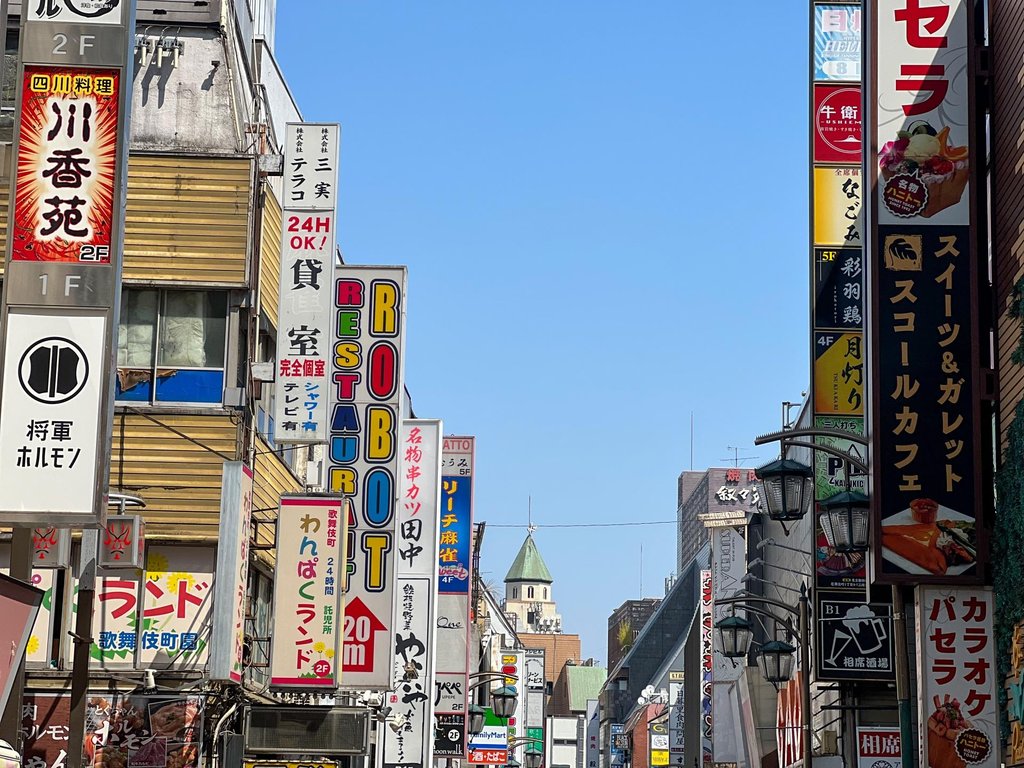
Many travelers worry about language barriers or dietary restrictions when dining out. The three ramen shops listed below are easy to visit with confidence, even without advanced research. The selection includes a shop with private seating and shops offering halal and vegan menus, so there’s an option for everyone.
Ichiran: Tonkotsu Ramen With Private Seating
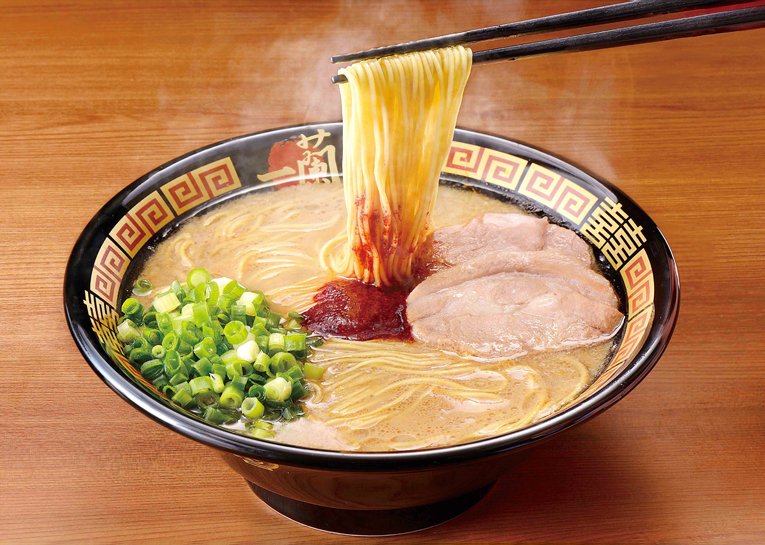
Ichiran’s defining feature is its seating style, a row of individual booths with partitions on either side that allow patrons to eat free from the gaze of their neighbors. Buy a ticket at the machine by the entrance, take a seat, and fill out a multilingual order sheet with your preferences. The sheets come in English, Chinese, and other languages, so not knowing Japanese is no problem at all.
The sheet lets you fine-tune everything from soup richness to noodle firmness. Even ordering an extra serving of noodles takes just a press of the call button, so you rarely need to exchange a word the staff.
Details
| Address | 1-17-10 Kabukicho, Shinjuku-ku, Tokyo |
| Hours | Open 24 hours |
| Closed | Open year-round |
| Official site | https://ichiran.com/ |
| Recommended for | Solo travelers, those worried about the language barrier, and late-night diners |
Shinjuku-tei: Halal Wagyu Ramen
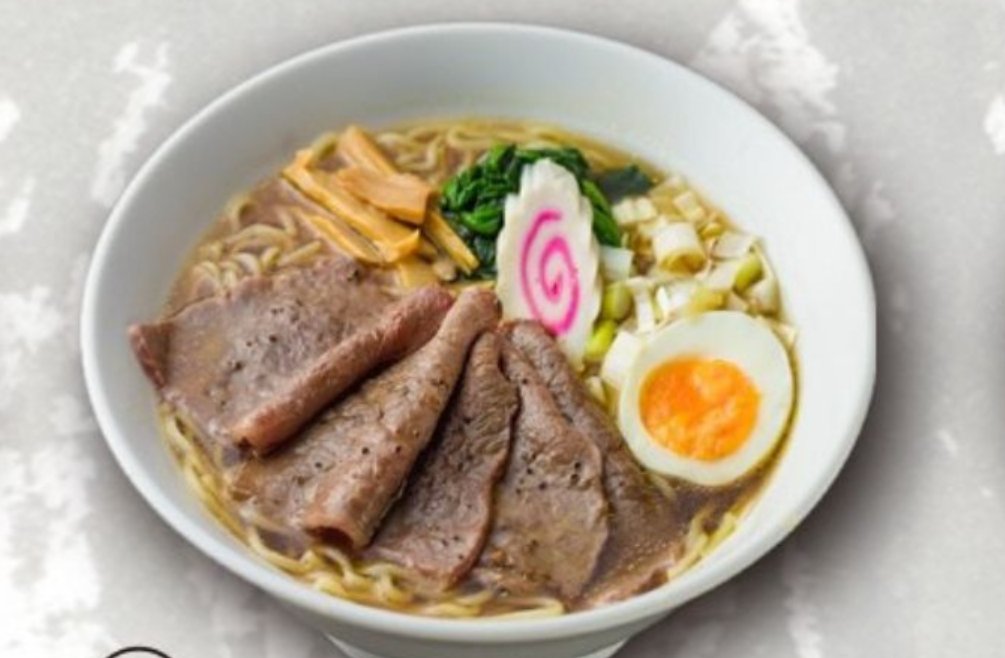
Shinjuku-tei is a halal-certified ramen shop specializing in wagyu beef. With strict controls that exclude pork and alcohol, Muslim visitors can experience Japan’s ramen culture with peace of mind.
Shinjuku-tei serves two soups: a wagyu-based broth and a creamy chicken paitan broth. The wagyu soup in particular, infused with the beef’s concentrated flavors, is a bowl tasty enough to stand out on its own merits, halal or not.
Located within walking distance of Shinjuku-sanchome Station, Shinjuku-tei is easy to reach even for travelers unfamiliar with the area. You’ll also find branches in Asakusa and Kyoto, so you can fit a visit into almost any itinerary.
Details
| Address | Ueno Bldg. B1F, 1-23 Yotsuya, Shinjuku-ku, Tokyo |
| Hours | Lunch: 12:00 pm-2:30 pm (last order at 2:00 pm) Dinner: 5:00 pm-9:30 pm (last order at 9:00 pm) |
| Closed | Irregular closures |
| Official site | https://www.halal-ramen-shinjuku.shop/ |
| Recommended for | Muslim travelers looking for halal options |
AFURI: Vegan Ramen
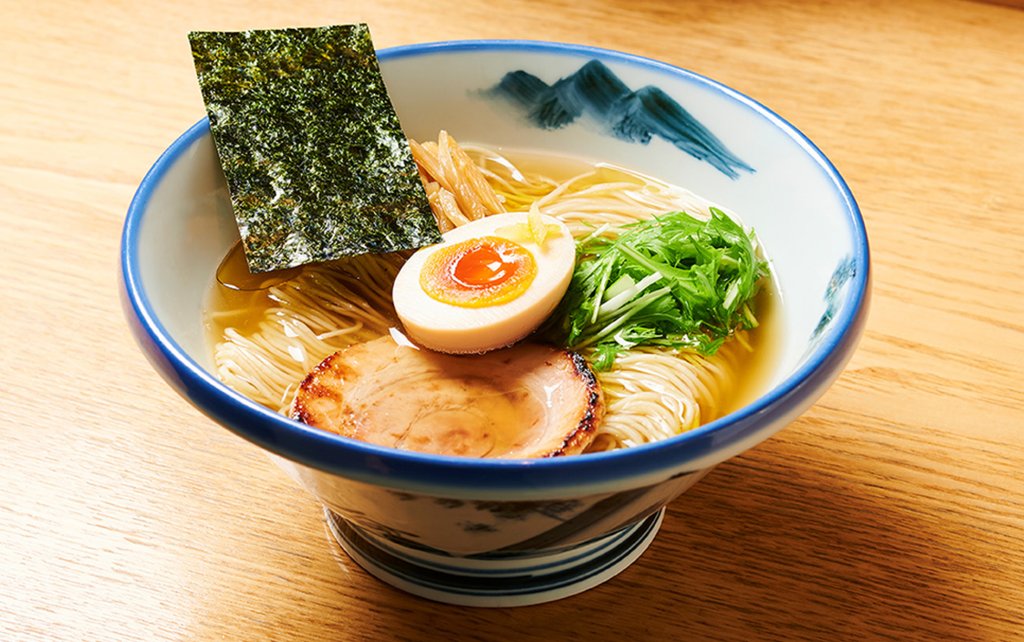
AFURI is known for its clear, salt-based soup accented with the aroma of yuzu, a citrus fruit. For those who prefer plant-based meals, the shop also offers a carefully crafted vegan menu. The vegan versions use plant-based ingredients in the soup and the noodles, offering an authentic ramen experience for anyone who thought that eating vegetarian in Japan was off the table.
AFURI sits in the basement of Lumine Shinjuku 1, directly connected to Shinjuku Station, so you can arrive without getting wet even on rainy days. They accept cashless payment, too, making it a convenient stop when you don’t have cash on hand.
Details
| Address | Lumine 1 B2F, 1-1-5 Nishi-Shinjuku, Shinjuku-ku, Tokyo |
| Hours | 10:00 am-10:00 pm |
| Closed | Open daily |
| Official site | https://afuri.com/ |
| Recommended for | Vegans, vegetarians, and anyone wanting easy ramen right at the station |
Three Shinjuku Ramen Shops For Late-Night Dining
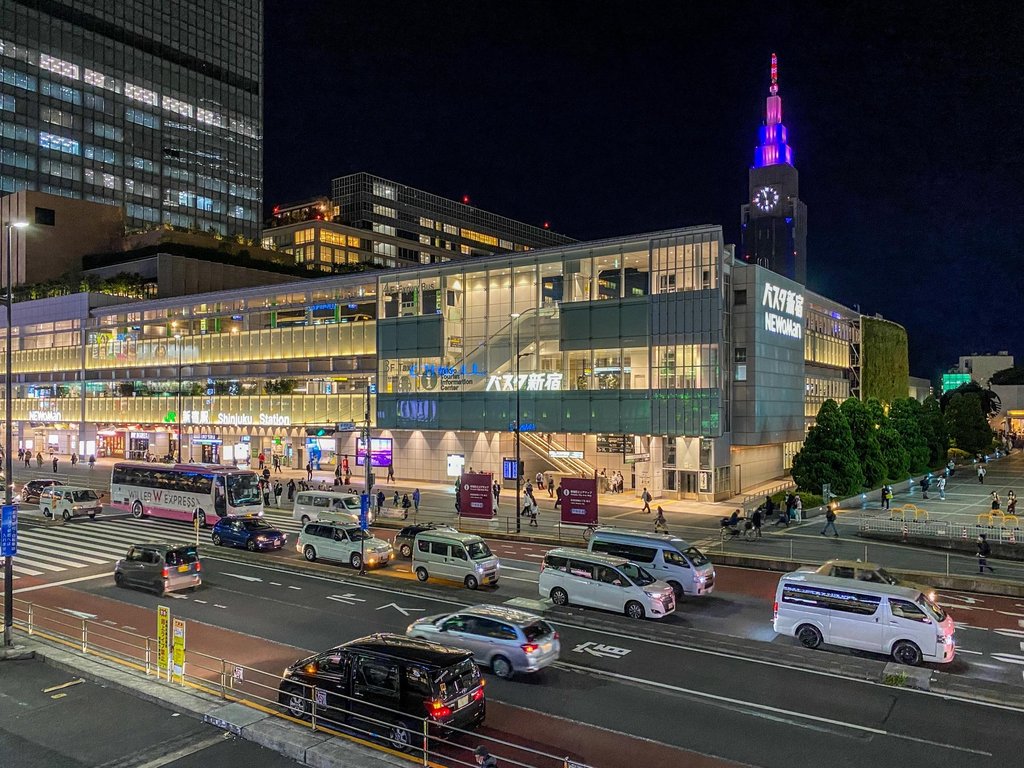
Finding a ramen shop that’s still open after a night out isn’t always easy, but the three spots introduced in this section stay open from late night into the early morning. Our picks include venues with hearty niboshi and miso-based soups, plus a lighter salt-based bowl that goes down easily after drinks. Make sure to check each shop’s operating hours before you go.
Nagi: Deep Niboshi Ramen Open 24 Hours
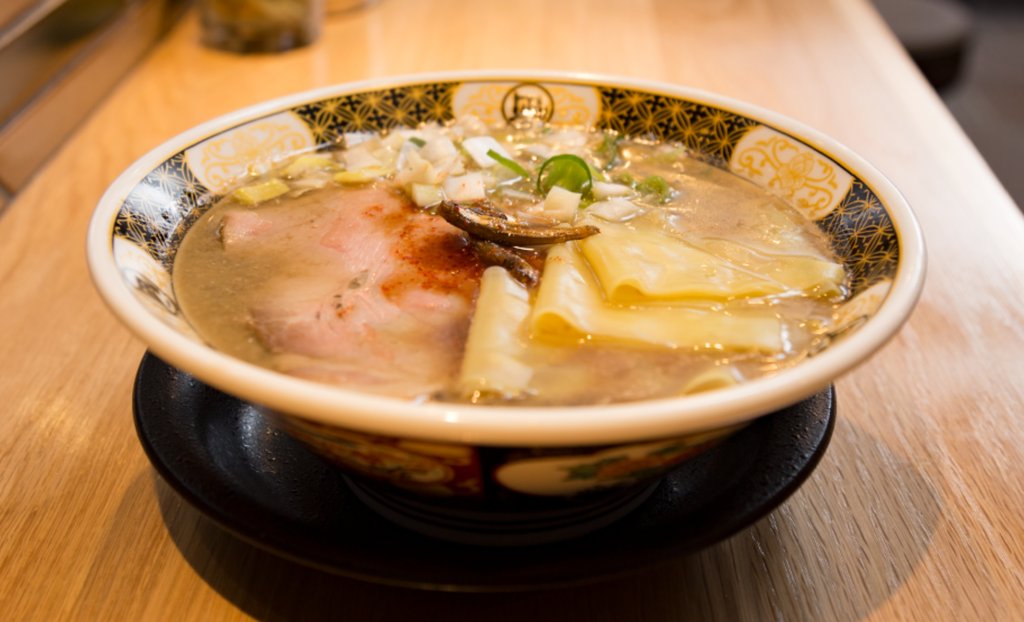
Nagi is a niboshi soup specialist in Shinjuku’s Golden Gai. They’re open twenty-four hours a day all year long, and they’re located only eight minutes away from the East Exit of JR Shinjuku Station. Their Sugoi Niboshi Ramen features a robust soup that blends more than twenty varieties of dried sardines; it delivers a depth you’d be hard-pressed to find at ramen shops outside of Japan.
Up a narrow staircase in a multi-tenant building, Nagi’s small interior holds only ten counter seats. Entering with large luggage is difficult, so leave your bags at your hotel or in a coin locker before visiting. Nagi is a perfect final stop after a night of bar-hopping.
Details
| Address | 2F, 1-1-10 Kabukicho, Shinjuku-ku, Tokyo |
| Hours | Open 24 hours |
| Closed | Open year-round |
| Official site | https://n-nagi.com/ |
| Recommended for | Travelers craving deep, savory niboshi ramen late at night or early in the morning |
Mensho Taketora: Late-Night Miso Ramen With Drinks
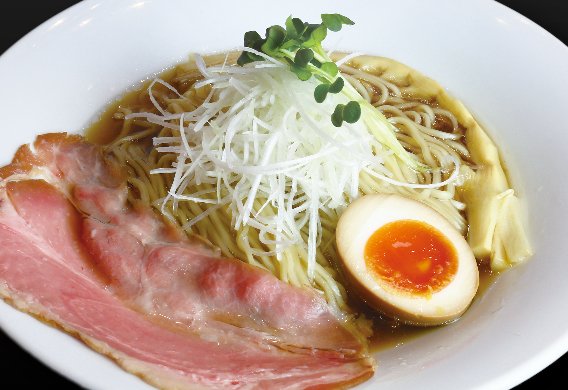
Mensho Taketora is a ramen dining bar in central Kabukicho, serving soy sauce, salt, miso and other ramen alongside tsukemen, small plates and drinks. On weekdays they stay open until 9 am the next morning, so you can drop in at your leisure even after a round of drinks. Their Tora-dare miso ramen uses miso shipped directly from Hokkaido, and its rich soup of blended red and white miso with aromatic vegetables warms you to the core.
Taketora also offers izakaya (Japanese pub-style) dishes and private rooms, so you can do both drinks and dinner in a single visit here. They accept PayPay, which keeps transactions smooth.
Details
| Address | Shinjuku Ashibe Kaikan 1F, 2-36-3 Kabukicho, Shinjuku-ku, Tokyo |
| Hours | 11:00 am-9:00 am the next morning (until 5:00 am on Monday mornings) |
| Closed | Open year-round |
| Official site | https://www.menshou-taketora.com/ |
| Recommended for | Those who want to end the night with warm miso ramen, or enjoy drinks and a meal in one place |
Takahashi: Light Shio Ramen Open Until Morning
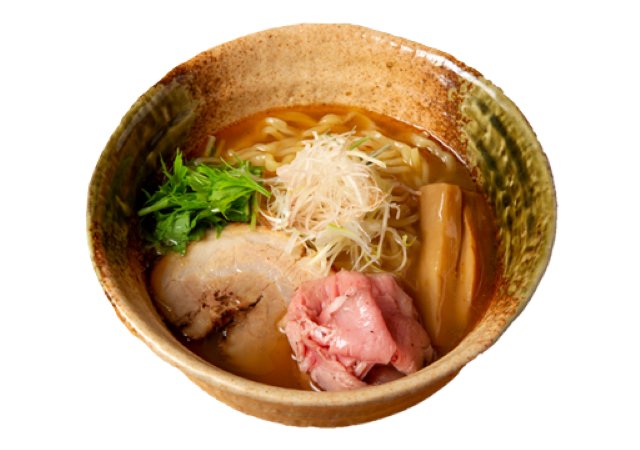
Yakiago Shio Ramen Takahashi’s soup is salt-based, specialized with a broth made from grilled and dried yakiago (flying fish). The yakiago stock boasts a deep umami yet stays low in fat, finishing clean on the palate. It’s also gentle on the stomach after a night of drinking. Once you finish the noodles, try adding a bowl of white rice to the remaining soup for an impromptu rice bowl. The rice soaks up the refined umami of the yakiago, letting you savor every last drop of the bowl.
Ramen Takahashi is open until 9 am, making this venue a reliable option for visiting late at night or early in the morning.
Details
| Address | KK Bldg. 1F, 1-27-3 Kabukicho, Shinjuku-ku, Tokyo |
| Hours | Mon.-Thurs.: 11:00 am-midnight (last order at 11:40 pm) Friday: 11:00 am-2:00 am (last order at 2:00 am) Saturday: 10:00 am-2:00 am (last order at 2:00 am) Sunday & holidays: 10:00 am-midnight (last order at 11:40 pm) |
| Closed | Open year-round (except New Year’s holidays) |
| Official site | https://takahashi-ramen.com/ |
| Recommended for | Visitors wanting a light bowl of ramen after drinks, or for those who love dashi flavor |
Common Questions About Ramen

If it’s your first time at a Shinjuku ramen shop, you probably have questions about language options, how to order food, and more. In this section we’ve compiled answers to frequently asked questions, from using ticket machines and dining etiquette to visiting with children. A quick skim of these points in advance should help you relax and enjoy your ramen.
Do Ramen Shops in Shinjuku Have English Menus?
English support varies by shop, but major chain restaurants and shops inside station buildings usually have English menus, so ordering shouldn’t give you too much trouble. At small back-street specialists, however, menus and ticket machines are often Japanese-only.
But even in cases like these a translation app on your smartphone can solve the problem on the spot:
- Point Google Lens at the menu and Japanese text will be translated to English in real time
- When using Google Lens, aim the camera straight and use it in a well-lit spot for better translation accuracy
- Pro tip: Google Translate’s conversation mode can handle simple exchanges with staff
Even at shops with limited English, a translation app can make it easier to communicate your order and preferences. Don’t give up on a shop that catches your eye just because of the language barrier; learn a few basic phrases and get familiar with how ordering works before you go.
How Do I Place My Order at a Ramen Shop?
Most ramen shops in Shinjuku use a pay-first ticket machine system. At these machines, you simply insert your money, press the button corresponding to the item you want, then hand the ticket to a staff member. That’s it. Note that many of these machines accept cash only, so it’s a good idea to carry thousand-yen bills and some coins.
Touch-panel ordering is also becoming more common. If a Japanese-only machine leaves you unsure, use photos or menu numbers as your guide.
What Is the Etiquette for Eating Ramen?
In Japan, slurping your noodles loudly isn’t considered rude. On the contrary, slurping carries the soup’s aroma to your nose and deepens the flavor, so go ahead and slurp without worrying about those around you.
Whether you finish the soup or leave it is entirely up to you, and since Japan doesn’t do tipping there’s no need to leave money on the table. If you’d like to express your thanks for the meal, a simple “gochisosama deshita” (thank you for the meal) as you leave says it all.
What Side Dishes Go Well With Ramen?
To get more out of your meal, we recommend ordering a side dish to go with your noodle bowl. Classic sides include:
- Kaedama (an extra serving of noodles): Add extra noodles for around ¥200 ($1 US)
- Ajitama (marinated and soft-boiled egg): A popular topping. The egg’s creamy yolk melts into the soup, adding richness and depth.
- Gyoza (pan-fried dumplings): A classic ramen companion, usually served in sets of 3 or 6
If you plan to order extra noodles, do so when you’re about halfway through your meal. That way, the extra noodles arrive while the soup is still hot and the bowl stays delicious to the last bite.
Are There Ramen Shops Suitable for Families With Children?
Most ramen shops in Shinjuku have narrow lanes and counter seating, which makes entering with a stroller or small kids difficult. If you’re planning on eating ramen as a family, the restaurants inside shopping complexes offer plenty of table seating and are often the safer choice.
- Table seating: At counter-only shops, children will have to sit on your lap
- Kids’ menus and shared plates: Check official websites or reviews
- Stroller parking: Shopping complexes usually offer a shared space to store strollers
Avoid the 12 pm to 1 pm peak lunch hours; instead, visit right at opening or after 2 pm, when seats open up and you can move around inside the restaurant more freely.
What Else Is Worth Trying in Shinjuku?
The Omoide Yokocho and Golden Gai areas serve a wide range of Japanese dishes, including yakitori, sashimi, kushikatsu, gyoza, and more. However, many restaurants are Japanese-only, and ordering on your own can be a struggle.
This problem can be solved with a guided tour. The Japan Guide Star Shinjuku food tour, for example, provides an English-speaking guide who leads you through four lesser-known local spots. As a participant, you can enjoy Shinjuku’s nighttime food scene without worrying about the language barrier.
Details
| Meeting point | 3-38-1 Shinjuku, Shinjuku-ku, Tokyo |
| Duration | About 3 hours |
| Included in the price | English-speaking guide; 13+ dishes and drinks |
| Booking site | https://japanguidestar.com/tour/shinjuku-food-tour-15-dishes-at-4-eateries/ |
| Recommended for | Visitors who want to explore Shinjuku’s night food scene with ease in English |
Find Your Perfect Ramen Bowl in Shinjuku
Shinjuku offers a rich lineup of distinctive ramen shops, so choose one based on your preferred soup flavor, shop location, hours, and dietary options. Hours and crowd levels can change dramatically, so make sure to check the official website or Google Maps for the latest information before your visit. Then all that’s left is to find your favorite ramen and make the most of every meal in Shinjuku.