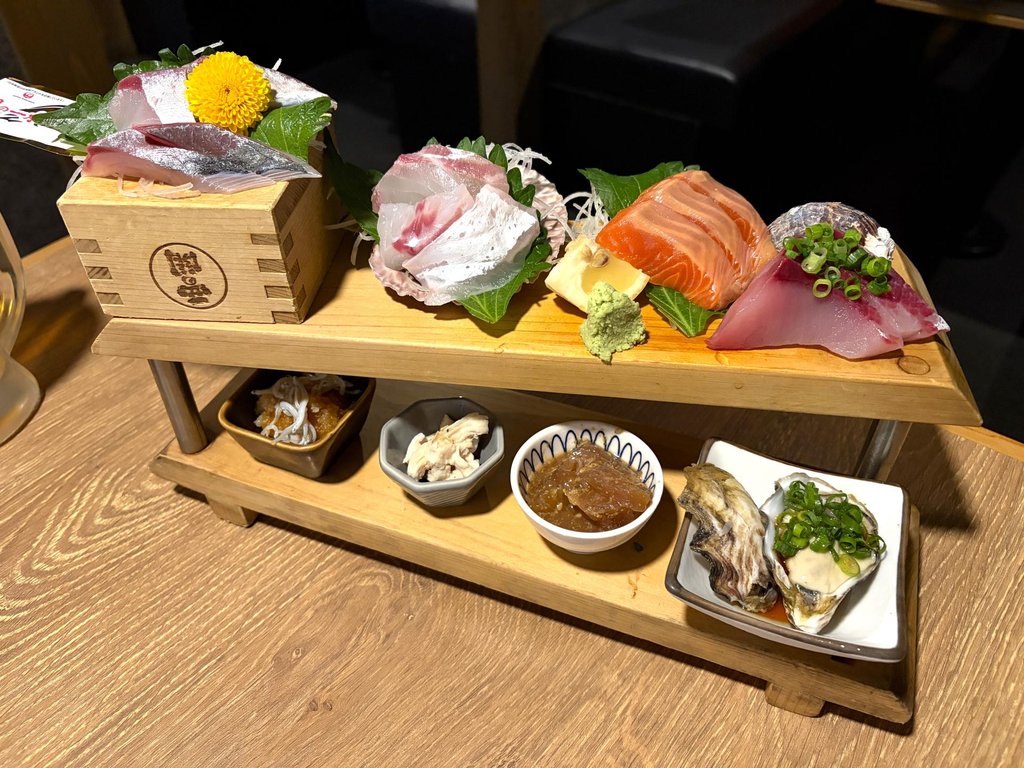
Visiting an izakaya (Japanese pub-style restaurant) for the first time can feel a little intimidating, and many travelers wonder how they are expected to behave. Japanese dining culture includes unique customs, such as the otoshi (a small compulsory appetizer), making a toast before drinking, and avoiding certain chopstick taboos. Understanding these practices in advance can help you avoid awkward moments and feel more comfortable.
This guide covers the entire izakaya experience, from entering the restaurant to finishing your meal, along with essential etiquette and simple Japanese phrases you can use right away.
Once you understand the basics, you can relax and fully enjoy the unique atmosphere, food, and hospitality that define Japan’s izakaya culture.
What Is a Japanese Izakaya? What to Know Before You Go
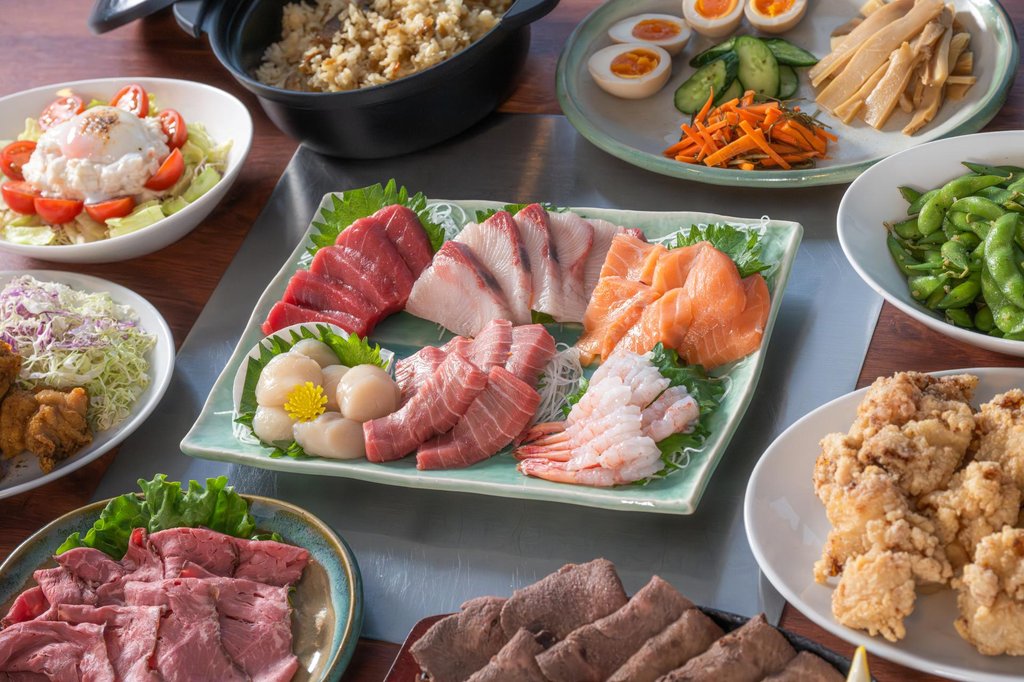
An izakaya operates differently from many restaurants and bars overseas. Without a little background knowledge, you may find yourself confused when a dish you never ordered appears at your table or when staff do not immediately come over to take your order.
The key points to understand are the otoshi appetizer system, the shared-plate dining style, nomihodai (all-you-can-drink plans), and the proper way to call staff when you need assistance.
Once you know these basics, your first izakaya experience will feel much more natural, allowing you to relax and enjoy the food, drinks, and atmosphere.
You’ll Receive a Small Paid Appetizer (Otoshi) at the Start
The small dish that arrives shortly after you sit down, even though you did not order it, is called otoshi. It serves two purposes: a small appetizer and a table charge or seating fee.
Being charged for something you did not request may feel unusual at first, but this business custom dates back to around 1935 and is completely normal for Japanese diners. A useful way to think of otoshi is as the Japanese equivalent of a cover charge or service fee that you may encounter at restaurants and bars in Europe or North America.
| Type of Restaurant | Typical Otoshi Price (per Person) |
|---|---|
| Chain izakaya | ¥300-400 |
| Independently owned izakaya | ¥300-500 |
| Upscale restaurants and kappo (traditional Japanese fine dining) | ¥500-1,000 or more |
Some major izakaya chains have eliminated the otoshi system, so choosing one of those restaurants is an option if you would prefer to avoid the extra charge. In most cases, however, the otoshi is a small daily special prepared by the restaurant and provides something to enjoy while you wait for your main orders.
Understanding that otoshi is simply Japan’s version of a seating fee makes that first small plate much easier to appreciate.
Dishes Come on Large Plates for Everyone to Share
Izakaya dishes are typically served on large communal plates rather than as individual portions. The standard dining style is for each person to take the amount they want and transfer it to their own small plate.
The key point is to use toribashi (communal serving chopsticks). These may be placed beside the shared dish or provided only when requested. Use the serving chopsticks to move food from the communal plate to your own plate, then switch back to your personal chopsticks when eating.
For hygiene reasons, avoid using chopsticks that have touched your mouth to pick up food from a shared plate. In Japan, using serving chopsticks is the usual practice whenever a group shares dishes.
If you do not see any available, simply ask a staff member: “Sumimasen, toribashi o kudasai.”(Excuse me, could we have serving chopsticks?)
The staff will understand and bring them to your table.
Fixed-Price All-You-Can-Drink Plans Are Common
Many izakaya offer nomihodai, which allows you to order unlimited drinks for a set price within a fixed time limit. These plans typically last 90–120 minutes, with last orders usually called 20–30 minutes before the end of the session.
Some nomihodai plans use a glass-exchange system, where you receive your next drink by handing over your empty glass. This system helps reduce waste, so the general rule is to finish your current drink before ordering another one.
Availability and conditions vary by restaurant. Some izakaya require advance reservations or set a minimum number of guests for nomihodai plans. When booking, be sure to confirm the details, including the time limit, last order timing, available drinks, and minimum group size.
Staff Won’t Come to Your Table Unless You Call Them
At Japanese izakaya, servers usually do not make regular rounds of the tables. Instead, keep in mind that staff generally will not come over unless you call them.
At major izakaya chains, the most common way to get a staff member’s attention is by pressing the call button at your table. Many restaurants also use ordering tablets, and if a multilingual menu is available, you can place your order easily even without speaking Japanese.
At independently owned izakaya, simply raise one hand slightly and say “Sumimasen” (Excuse me) to call a server. Avoid snapping your fingers or making large gestures, as these can be considered impolite.
If you cannot read the menu, these simple approaches can help:
- Ask “Osusume wa nan desu ka?” (What do you recommend?)
- Point to a photo or dish name and say “Kore o kudasai” (This one, please)
- Use a camera translation app on your smartphone
Combining a few basic Japanese phrases with gestures makes ordering surprisingly easy, even at small izakaya where little English is spoken.
The Typical Izakaya Experience from Arrival to Departure
Many first-time visitors feel unsure about what happens after entering an izakaya and before paying the bill. However, the entire experience follows a simple and predictable flow: telling the staff your group size, ordering drinks, adding food orders as you go, and settling the bill at the end.
Knowing this process in advance helps you feel more comfortable and ensures you can enjoy your izakaya experience without hesitation at any step.
1. Tell the Staff How Many People Are in Your Group
When you pass through the noren (the fabric curtain at an izakaya entrance) and a staff member greets you, simply holding up your fingers to show the number of people in your group is usually enough. You can also add a short Japanese phrase, such as “futari” (two people) or “sannin” (three people).
At a small independent place that looks full, do not enter without checking first; instead, ask “Hairemasu ka?” (Do you have room?).
Once seated, be mindful of where you place your belongings. Many izakaya have narrow aisles and limited space at counter seats, so keeping your items compact helps everyone move comfortably.
- Do not place bags on the counter
- Keep bags against the wall so they do not block the aisle
- Leave large suitcases in a coin locker before visiting
Keeping walkways clear is a simple way to show consideration for both the staff and other guests.
2. Everyone Toasts Together with the First Drink
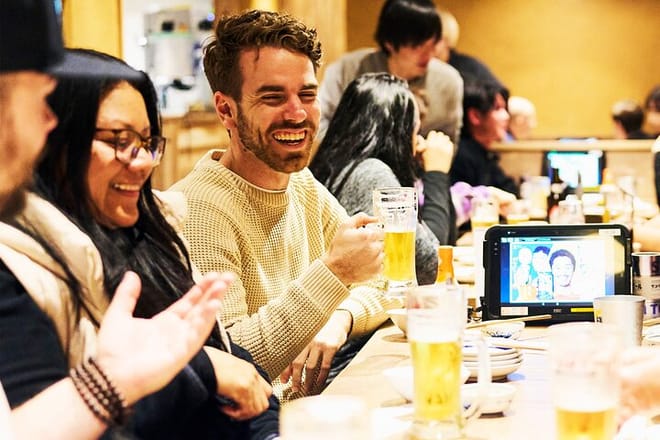
After receiving the menu, the usual sequence is to order drinks first, wait until everyone’s drink has arrived, and then begin drinking together with a cheerful “Kanpai!” (Cheers!). Even if your own drink arrives early, it is polite to wait until everyone is ready before taking the first sip.
Beer was once the traditional choice for the first round, but today many people simply order whatever they prefer. If you do not drink alcohol, joining the toast with a soft drink or non-alcoholic beverage is perfectly acceptable.
When making a toast, keep these points in mind:
- Make sure everyone has a drink in hand before starting the toast
- Touch glasses gently rather than clinking them forcefully
- If someone older or more senior is present, holding your glass slightly lower is a sign of respect — though among friends this is not necessary.
Understanding this simple sequence allows you to join the toast naturally and enjoy your first izakaya experience with confidence.
3. Order Food a Few Dishes at a Time
Rather than ordering everything at once, it is better to add two or three dishes at a time based on your group size. This allows everyone to enjoy each dish while it is still hot and keeps the meal flowing naturally with the conversation.
A classic izakaya meal progression starts with lighter dishes, moves on to heartier options, and often finishes with something like ochazuke (rice with green tea or broth poured over it) or a grilled rice ball. Adjust the pace of your orders based on your group’s appetite and the rhythm of the evening.
When plates begin to empty, call a staff member to place your next order:
- Raise one hand slightly and say “Sumimasen” (Excuse me)
- Point at a menu photo and say “Kore, onegaishimasu” (This, please)
- To close out a round of ordering, add “Ijo de” (That’s all)
At restaurants with call buttons or ordering tablets, you can request additional dishes without needing to speak directly with staff, making the process even easier.
4. Pay the Bill All at Once at the Register
When you have finished eating, let a staff member know by saying “Okaikei onegaishimasu” (The bill, please).
In many izakaya, you take the bill slip to the register near the exit to pay, although some restaurants handle payment at the table. Groups often split the bill evenly, a practice known as warikan (splitting the bill evenly). For larger groups, it is usually smoother for one person to pay the full amount first and settle the costs with everyone afterward.
At payment time, remember these points:
- Tipping is not customary in Japan, so there’s no need to leave a tip
- Independent restaurants may accept cash only, so carrying Japanese yen is always a good idea
- As you leave, say “Gochisosama deshita” (Thank you for the meal) to show appreciation
Cashless payment is becoming increasingly common, but checking accepted payment methods before entering a restaurant helps you avoid any awkward surprises at the register.
6 Izakaya Etiquette Rules Every Traveler Should Know
Even once you understand the basic izakaya flow, knowing what behaviors to avoid can help you feel more confident. The six key etiquette points cover important topics such as toasting, chopstick use, behavior in tatami seating areas, and smoking rules.
Each guideline includes the cultural background or relevant regulations behind it, helping you understand not only what to do, but also why it matters. With this knowledge, you can enjoy the izakaya experience while showing consideration for those around you.
1. Wait Until Everyone Has a Drink Before You Start
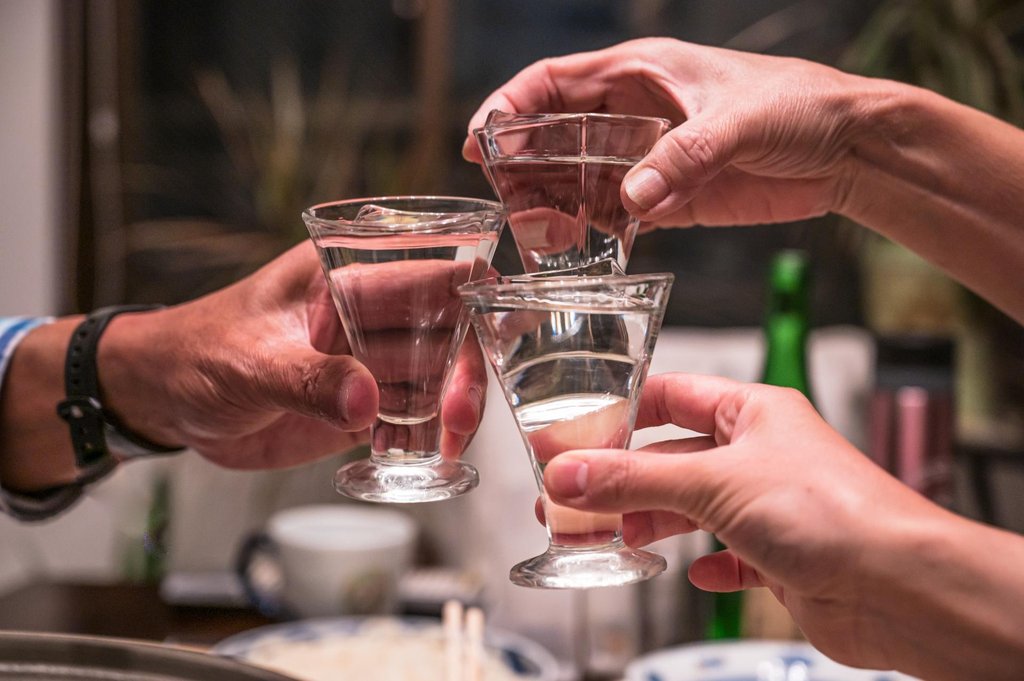
Even if your drink arrives first, the basic rule is to wait until everyone’s glass is on the table. Once all drinks have arrived, raise your glasses and begin together with a shared “Kanpai!” Even if food has already been served, good manners call for waiting until after the toast before starting to eat.
When touching glasses, keep the contact gentle rather than clinking forcefully. In Japanese business settings, there is also a custom of holding your glass slightly lower than that of a senior colleague as a sign of respect. Among friends, however, there is no need to worry about glass height.
A simple smile and joining the “Kanpai!” is all it takes to create a warm atmosphere around the table.
2. Never Stand Your Chopsticks Upright in Rice
Among the many chopstick taboos, the two most important ones to remember are tatebashi (standing chopsticks upright in rice) and hashiwatashi (passing food directly from chopsticks to chopsticks).
Standing chopsticks upright in a bowl of rice resembles the offering of rice to the deceased at Buddhist funerals. Because of this association with death and memorial rituals, it is considered deeply inappropriate at a dining table.
Passing food between two pairs of chopsticks is also avoided because it resembles the ritual practice of transferring bones after cremation. This makes it one of the strongest chopstick taboos in Japanese culture.
Spearing food with your chopsticks, known as sashibashi, is another practice to avoid. If there is no chopstick rest available, folding the paper chopstick sleeve in half to create a simple rest is a thoughtful and practical solution.
Do not worry about being perfectly familiar with every custom; a genuine effort to follow the customs is generally appreciated, and most people understand that visitors are still learning.
3. Use the Hand Towel for Your Hands Only
The warm oshibori (rolled hand towel) handed to you when you sit down is meant solely for cleaning your hands. Wiping your face, neck, or the table with it is considered poor manners.
The hands-only rule reflects Japan’s hospitality culture; the towel symbolizes the care taken to welcome guests cleanly. Using it for anything else can come across as disregarding that thoughtfulness.
If your fingers become messy while eating, wiping them with the oshibori is perfectly acceptable. For spills on the table, use the napkins provided instead.
When you are finished, fold the towel loosely with the soiled side facing inward and place it at the edge of the table. These small gestures show consideration and leave a positive impression.
4. Remove Your Shoes and Line Them Up Before Stepping onto Tatami Seating
If you are shown to a zashiki (raised tatami seating area), remove your shoes before stepping up. Turn the toes of your shoes toward the exit and line them up neatly at the edge of the step. Straightening your shoes is a small custom that reflects consideration for the next person who may use the space. If a shoe cabinet is provided, follow the staff’s instructions.
An izakaya is a casual dining environment, so there is no need to remain in a formal kneeling position. Sitting with your legs relaxed is perfectly acceptable. At restaurants with horigotatsu (sunken floor seating with a recessed space for your legs), you can sit comfortably much like you would on a chair, without worrying about your legs becoming numb.
As a practical tip, wearing shoes that are easy to slip on and off will make entering and leaving a zashiki much more convenient.
5. Keep Your Volume Considerate of Nearby Tables
Izakaya are lively places, so there’s no need to be overly tense. The main guideline is to keep your voice at a level that stays within your own table rather than carrying across the room. Speaking loudly enough to drown out the conversation at the next table can disrupt the experience for other guests.
In small, counter-focused izakaya where diners sit close together, the atmosphere is often more intimate and relaxed. Simply lowering your voice slightly and matching the mood of the space is usually enough.
This kind of awareness is a practical example of the Japanese concept of “reading the air” (kuuki o yomu)—adjusting your behavior based on the atmosphere around you. By adapting naturally to the setting, you help create a comfortable environment for everyone, including yourself.
6. Guests Under 20 Cannot Enter Fully Smoking-Permitted Restaurants
Under Japan’s revised Health Promotion Act, anyone under 20 is prohibited from entering restaurants designated as fully smoking-permitted, where smoking is allowed throughout the premises. This rule applies even if they are simply accompanying non-smokers.
If your group includes anyone under 20, check the entrance before going in. Smoking-permitted restaurants are legally required to display a designated sign. At restaurants with a designated smoking room, dining in the non-smoking area poses no problem.
- “Smoking permitted” sign displayed → No one under 20 may enter
- “Designated smoking room” sign displayed → Eating and drinking in the non-smoking area is allowed
- “Non-smoking” sign displayed → Everyone can enter without concern
The safest option is choosing a completely non-smoking izakaya. Checking the restaurant’s smoking policy on a reservation website or official page before visiting helps ensure a comfortable experience for everyone in your group.
5 Japanese Phrases to Use at an Izakaya
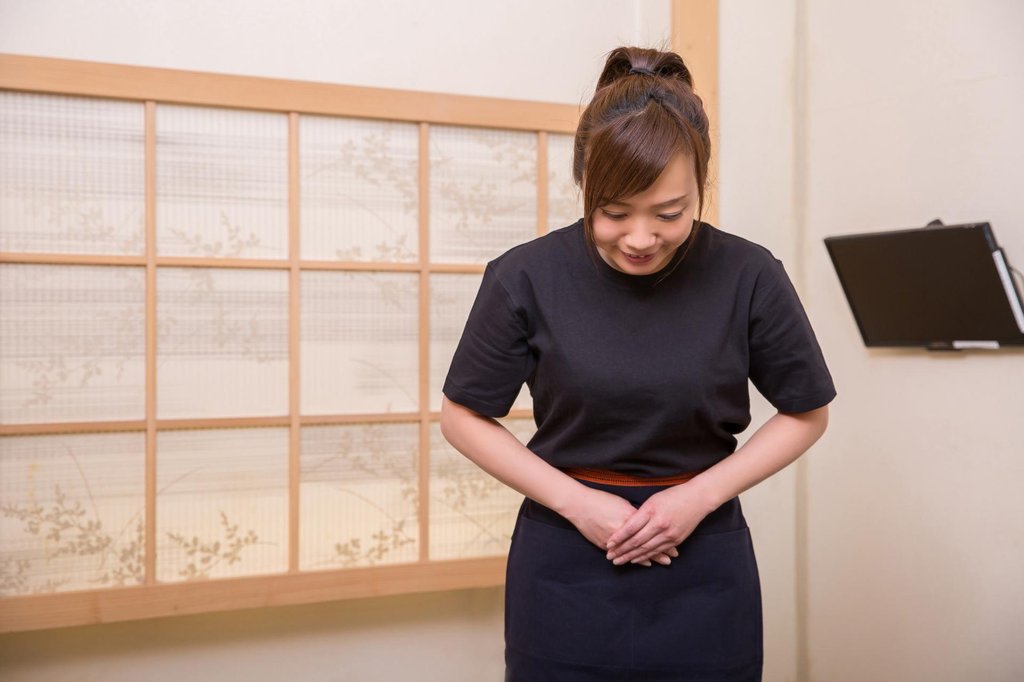
Once you understand the etiquette, having a few Japanese phrases ready makes everything easier. These five basic phrases follow the natural flow of an izakaya visit, from calling the staff to the customary mealtime greetings.
Each phrase is short and easy to remember, so even complete beginners can start using them right away. A simple word in Japanese can make interactions feel warmer and more personal, so do not hesitate to give them a try.
“Sumimasen” | The All-Purpose Phrase for Calling Staff
If you learn only one phrase for the izakaya, make it “Sumimasen” (Excuse me). This single expression can be used for almost everything, from calling a staff member to ordering food and requesting the bill. Japanese diners use the same phrase, so it sounds completely natural when used by visitors.
In a lively izakaya, speaking too quietly may cause staff not to notice you. Simply raise one hand slightly, make eye contact, and say “Sumimasen” clearly. A small gesture combined with the phrase is usually all you need.
More and more restaurants have call buttons at the table, which makes things even easier if you prefer not to call out. When the server arrives, saying “Sumimasen, kore kudasai” (Excuse me, this one please) makes ordering easy.
“Nama Biru Kudasai” | The Classic First-Round Order
When you’ve settled in and are ready to order a beer, “Nama biru o kudasai” (A draft beer, please) is a simple phrase that will get your message across. The pattern “___ o kudasai” works for many different orders, so even if you cannot read a dish name, you can simply point at the menu and say “Kore o kudasai” (This one, please).
If you order sake, the staff may ask how you would like it served. For beginners, these two options are the most useful to remember:
- Atsukan: warm sake, a good choice for cold weather and rich, strongly flavored dishes
- Reishu: chilled sake, recommended when you want to enjoy the aroma and delicate flavors
Toasting with a soft drink or non-alcoholic beverage is also perfectly acceptable, and it has become increasingly common in recent years. What matters most is sharing the moment when everyone raises their glasses together.
“Itadakimasu” | The Greeting Before You Start Eating
Before you take your first bite, try saying “Itadakimasu.” The phrase expresses gratitude for the ingredients and for the people who prepared the meal. Many people see it as a meaningful Japanese custom that reflects respect and appreciation for food.
The usual gesture is to press your palms lightly together in front of your chest as you say it, but the words alone are fine. Perfect pronunciation matters far less than the feeling of appreciation behind it.
When visitors use “Itadakimasu,” it shows respect for Japanese dining culture and can naturally create a warmer atmosphere at the table.
“Gochisosama Deshita” | A Thank-You as You Leave
When you finish your meal and stand up to leave, say “Gochisosama deshita” (Thank you for the meal) to the staff. This expression shows appreciation for the cooks, servers, and everyone involved in preparing and serving the food.
Because Japan does not have a tipping culture, this phrase serves as the customary way to express gratitude instead of leaving extra money. It is a natural expression that Japanese people use in everyday dining situations.
As you pay and head out, adding a slight bow along with the words makes the gesture even more polite. Hearing “Arigato gozaimashita” (Thank you very much) in return is a classic izakaya farewell.
This simple phrase is worth remembering—it is a warm way to close your meal and leave a positive impression after your izakaya experience.
“Okaikei Onegaishimasu” | Asking for the Bill After Your Meal
After eating, ask a staff member for the bill with “Okaikei onegaishimasu” (The bill, please). If you cannot remember the phrase, crossing your two index fingers into an X shape is a widely understood gesture for requesting the bill.
Groups in Japan often split the bill evenly in a practice called warikan. For larger groups, however, it is usually simpler for one person to pay the full amount and have everyone reimburse them afterward.
Some restaurants can accommodate separate checks, but once orders have been placed, they may not be able to divide the bill, and requests can sometimes be declined. If you need separate payments, mention this when you arrive or before ordering.
Small independent izakaya may accept cash only, so carrying some Japanese yen helps you avoid any last-minute trouble at the register.
Worried About Etiquette? Consider a Guided Food Tour
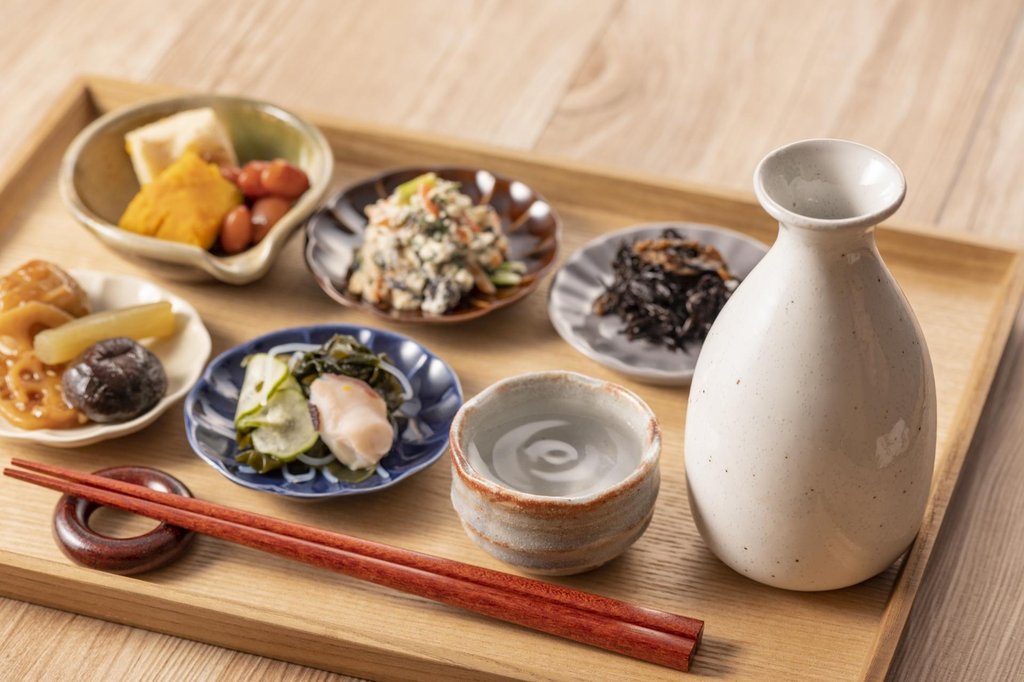
If uncertainty about manners or the language barrier makes entering an izakaya feel intimidating, joining a food tour with an English-speaking guide is an excellent solution. Guided tours are available in three areas: Shinjuku, Asakusa, and Osaka.
Compare the unique highlights and the food included in each tour’s price to find the option that best matches your itinerary, interests, and dining preferences.
Tokyo: Shinjuku Food Tour with 15 Dishes at 4 Eateries
On this tour hosted by Japan Guide Star, you’ll spend about 3 hours visiting four izakaya in Shinjuku, enjoying 15 dishes including yakitori and sushi along with two drinks.
The route takes you through atmospheric areas filled with small restaurants, including Omoide Yokocho and Golden Gai. An English-speaking guide handles the entire process, from ordering to payment, allowing you to experience places you might hesitate to enter on your own. This support removes the uncertainty that can make small independent izakaya feel intimidating for first-time visitors.
Dietary restrictions can be accommodated where possible if you mention them when booking. Keep in mind that many izakaya dishes are based on dashi (Japanese soup stock) and soy sauce, so strictly vegan requests may be difficult to accommodate.
Details
| Meeting point | 3-38-1 Shinjuku, Shinjuku-ku, Tokyo |
| Duration | About 3 hours |
| Included in the price | 15 dishes, 2 drinks, English-speaking guide |
| Booking site | https://japanguidestar.com/tour/shinjuku-food-tour-15-dishes-at-4-eateries/ |
| Recommended for | Travelers who want a worry-free first izakaya experience |

Shinjuku: Food Tour – 15 Dishes at 4 Eateries
Tokyo: Asakusa Guided Food Tour with 12 Dishes & 3 Drinks
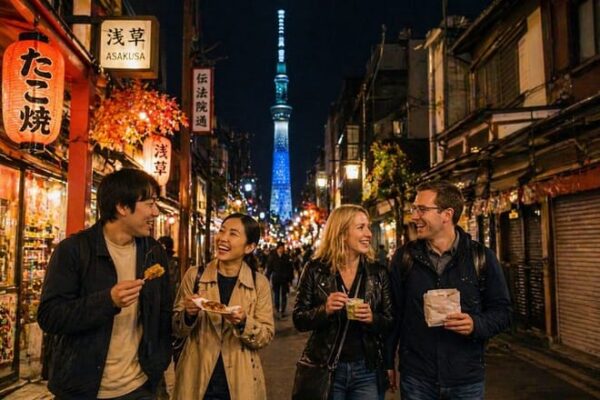
This English-guided gourmet tour lets you sample Asakusa’s diverse food culture in one evening. Departing from the police box in front of Kaminarimon Gate at 6:30 pm, the tour spends about 2 hours 30 minutes visiting restaurants and drinking spots popular with locals.
You’ll sample 12 Japanese dishes, visit a sake bar and Hoppy Street, and finish with taiyaki (a fish-shaped pastry filled with sweet bean paste) for dessert.
With a maximum of 15 participants, the small-group format creates a relaxed atmosphere and makes it easy to connect with fellow travelers. Guests under 20 years old can join the tour but cannot consume alcohol.
Any additional orders beyond what is included in the tour must be paid for separately, so be sure to bring some Japanese yen in cash.
Details
| Meeting point | 1-3-1 Asakusa, Taito-ku, Tokyo |
| Duration | About 2 hours 30 minutes |
| Included in the price | 12 dishes, 2-3 drinks, English-speaking guide |
| Booking site | https://japanguidestar.com/tour/tokyo-asakusa-food-tour-12-dishes-3-drinks/ |
| Recommended for | Visitors who want to combine Asakusa sightseeing with a food experience in one day; sake beginners |
Tokyo: Asakusa Guided Food Tour with 12 Dishes & 3 Drinks
Osaka: Guided Food Tour with 12 Dishes at 4 Local Eateries
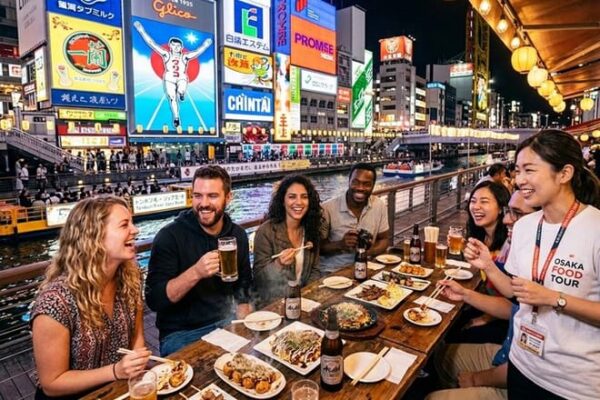
This English-guided gourmet tour explores Osaka’s vibrant food culture with a focus on the Dotonbori area. Over approximately 2 hours 30 minutes, you’ll visit four restaurants and local favorites, including izakaya, while enjoying 12 dishes featuring Osaka’s famous soul food along with two drinks.
The tour also includes opportunities to try street food recognized in the Michelin Guide, making it a great way to discover flavors that are easy to miss when exploring on your own.
Groups are limited to a maximum of 15 participants, with departure times available at 5:30 pm and 6:30 pm. Travelers under 20 years old are welcome to join, but alcohol will not be served to them.
Any additional orders outside the tour inclusions must be paid for separately, so bring some Japanese yen in cash.
Details
| Meeting point | 2-5-9 Nishishinsaibashi, Chuo-ku, Osaka |
| Duration | About 2 hours 30 minutes |
| Included in the price | 12 dishes, 2 drinks, English-speaking guide |
| Booking site | https://japanguidestar.com/tour/osaka-guided-food-tour-with-12-dishes-at-4-local-eateries/ |
| Recommended for | Repeat visitors to Japan; food lovers who want a closer look at Osaka’s food culture |
Osaka: Guided Food Tour with 12 Dishes at 4 Local Eateries
Common Questions About Japanese Izakaya Etiquette
A few questions tend to concern first-time izakaya visitors more than anything else, from whether you can decline otoshi to how to enjoy the experience without drinking alcohol.
Understanding these points in advance removes unnecessary uncertainty and allows you to relax and fully enjoy your izakaya experience in the evening.
Can I Decline the Otoshi?
At most izakaya, a small otoshi dish arrives automatically once you’re seated, adding roughly ¥300-500 per person to the bill. Because it functions as both a seating charge and a long-standing Japanese dining custom, many restaurants do not allow it to be removed, so it is best to assume the charge applies.
Whether an otoshi can be declined depends on the restaurant. Some major chains may be able to accommodate the request, but if you would prefer not to receive it, ask before the dish is served. At independently owned izakaya, the smoothest approach is to accept otoshi as a seating fee that comes with a small appetizer.
| Type of Restaurant | Can the Otoshi Be Declined? |
|---|---|
| Independently owned izakaya | Generally cannot be declined |
| Major chains | Sometimes can be declined |
| Restaurants without an otoshi system | Not served in the first place |
Can I Enjoy an Izakaya If I Don’t Drink Alcohol?
An izakaya is a place to share food and conversation, and there is no obligation to order alcohol. Most restaurants stock a range of soft drinks, and some all-you-can-drink plans include non-alcoholic options. Toasting with tea, juice, or another non-alcoholic beverage is completely acceptable.
What makes an izakaya special is enjoying a variety of dishes together while spending time with family and friends. Even if you do not drink alcohol, there is no reason to hesitate—simply walk in and enjoy the experience.
Can I Get into an Izakaya Without a Reservation?
Many izakaya, especially major chains, accept walk-in guests, but they often fill up quickly on weekends and during busy seasons, making reservations the safer choice. Small independent restaurants may also prioritize reservations, so booking ahead is recommended for popular spots.
If communicating in Japanese feels challenging, online reservation services such as TableCheck and SAVOR JAPAN can make the process much easier. Dinner at restaurants, including izakaya, typically gets busiest between 6:00 pm and 8:00 pm, and arriving without a reservation during these hours may mean finding every seat taken.
If your schedule is flexible, consider visiting on weekdays between 3:00 pm and 5:00 pm, or after 9:00 pm, when restaurants are usually less crowded.
Are Credit Cards Accepted?
Acceptance varies by restaurant, so carrying ¥5,000-10,000 in cash is a sensible precaution. Major izakaya chains usually accept credit cards, and Visa and Mastercard are accepted at most places that support card payments. Independently owned izakaya, however, are often cash only.
If you run short of cash, convenience store ATMs that accept overseas-issued cards are a handy backup. Some ATMs may be unavailable late at night, so withdrawing money before your evening out is the safest option.
Before entering, check the payment stickers near the entrance to confirm accepted card brands. Carrying both cash and a card ensures you can enjoy your meal without worrying about payment issues.
Relax and Enjoy Japan’s Izakaya Culture
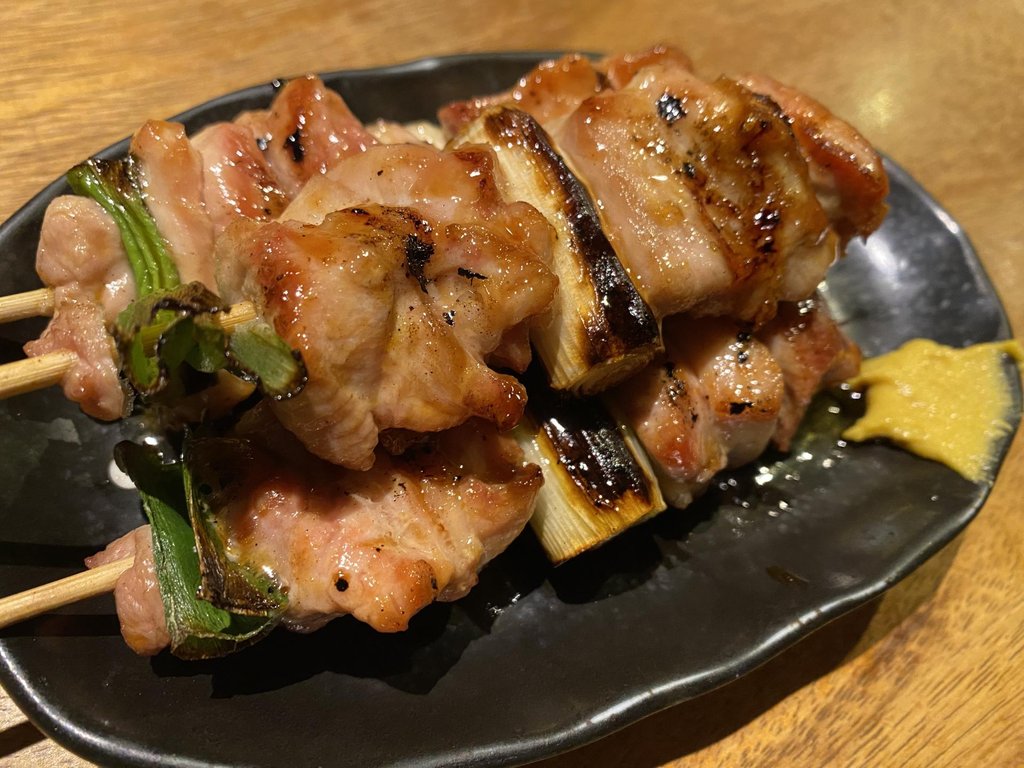
At an izakaya, the essentials are simple: understand how otoshi works, wait until everyone has their drink before the toast, and avoid the most important chopstick taboos. When you leave, saying “Gochisosama deshita” instead of leaving a tip is a meaningful way to show your appreciation to the staff.
There is no need to master every single custom. Keep these basic phrases and manners in mind, and enjoy Japan’s unique food culture and atmosphere at your own relaxed pace.