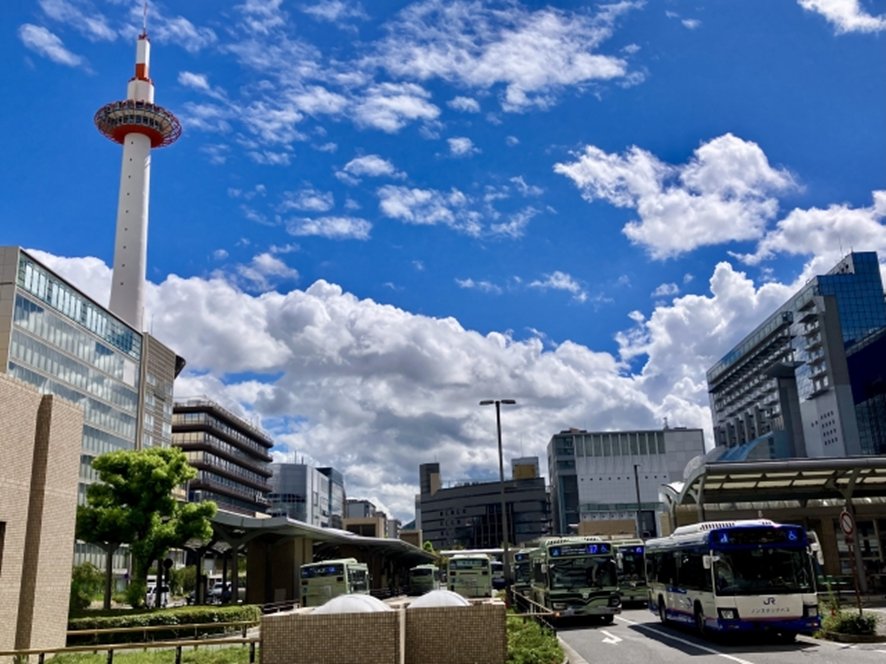
November brings Kyoto’s biggest crowds of the year, and hotels and popular events fill up early. Knowing when the leaves peak and how cold it gets before you go can make a significant difference to how smoothly your time in the city goes.
The core of the plan below is a one-day itinerary from Arashiyama to Gion, supported by foliage timing for each stop, weather and clothing guidelines, and tips for getting around while avoiding the crowds. This leaves you enough time to enjoy both the autumn leaves and a leisurely stroll through the city.
An Autumn Foliage Walk in Arashiyama for Your November Kyoto Itinerary
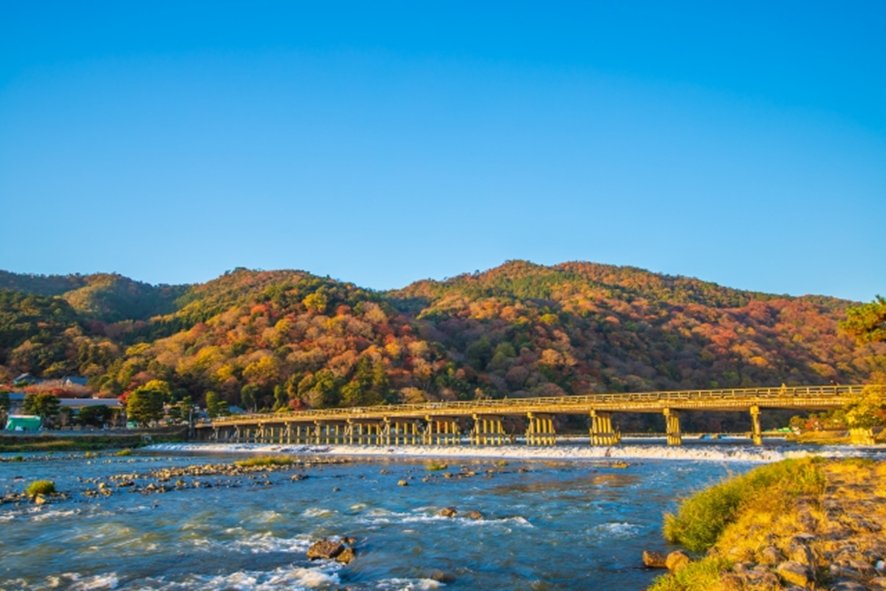
In Arashiyama, Tenryu-ji Temple, the Bamboo Grove Path, and Togetsukyo Bridge are all within walking distance of one another, so half a day is enough to cover the area’s main foliage spots. Below are the typical peak times, along with a simple way to visit the temple grounds and halls without confusion during the busy foliage season.
Arashiyama’s Leaves Start Turning in Mid-November
Arashiyama’s leaves usually begin to change color in mid-November, although peak color varies slightly from spot to spot. The table below lists the main locations so you can choose where to go based on your travel dates.
| Spot | Typical Peak | Main Attractions |
|---|---|---|
| Jojakko-ji Temple | Mid- to late November | Set on the slope of Mt. Ogura, with stone steps from the gate to the main hall covered in maple leaves |
| Tenryu-ji Temple, Sogenchi Garden | Mid-November to early December | Arashiyama’s foliage reflects on the pond, and the color often lasts into December |
| Around Togetsukyo Bridge | Mid-November to early December | You can photograph the bridge together with hillsides turned red and yellow |
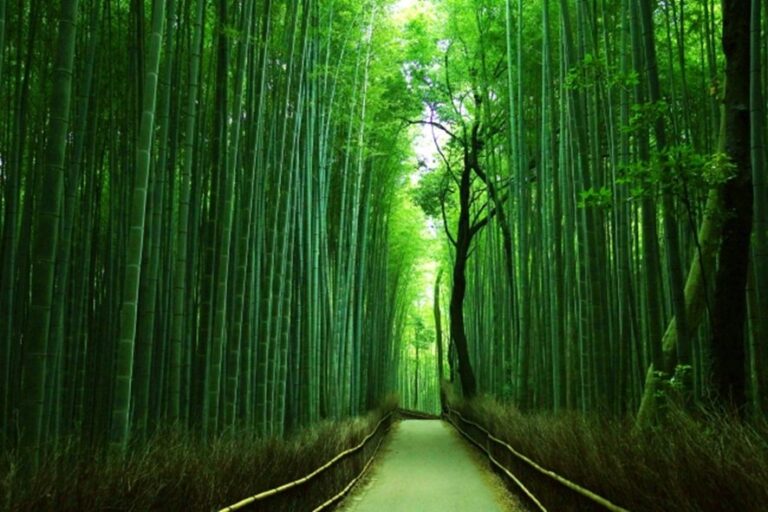
| Bamboo Grove Path | Year-round | Bamboo is evergreen, so the path is unaffected by foliage timing and is open 24 hours |
Jojakko-ji has a relatively short peak, and by late November, the scene may shift to chiri-momiji (fallen maple leaves carpeting the ground in red). Tenryu-ji’s garden, by contrast, tends to hold its color until early December, so the view across the pond can still be worth seeing even slightly past peak color. The area around Togetsukyo Bridge reaches peak color in late November and draws the biggest crowds around then. Arriving early in the morning or visiting on a weekday makes for easier walking.
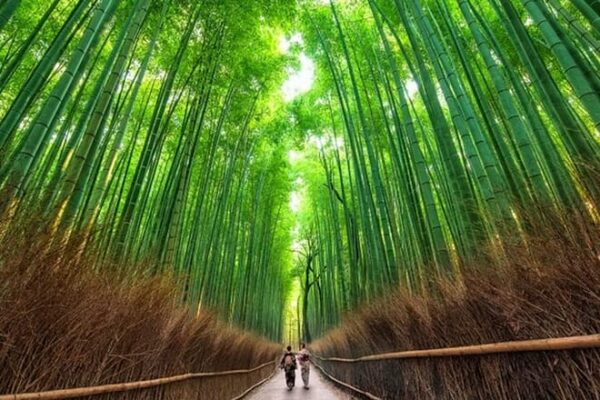
The Bamboo Grove Path looks much the same even in early November, before the leaves change, making it a dependable backup if your dates miss the foliage. Peak timing can shift by about a week from year to year, so checking the latest foliage reports before you leave will help you decide which spots to prioritize.
Kyoto Arashiyama Chopstick Making Workshop
Walk with an English-Speaking Guide and Skip the Guesswork

Tenryu-ji has three separate admission areas, each with its own ticket counter and fee: the Sogenchi Garden, the temple buildings such as the Large Abbot’s Hall (Ohojo), and the Unryu-zu (a dragon painted on the ceiling of the hatto, the hall where sermons are given at a Zen temple). The garden costs ¥500, the buildings require an additional ¥300, and the dragon painting is a separate ¥500. The dragon painting is normally open only on weekends and national holidays, but during the special spring and autumn openings, you can see it every day. Check the official website for the dates.
During foliage season, ticket lines and crowds can make it difficult to predict how long a visit will take. First-time visitors may also find it difficult to decide what to see at the ticket counter while planning a route through the grounds. A walking tour with an English-speaking guide that includes Tenryu-ji admission in the price lets you skip the ticket line and follow a set route. In about 1 hour 30 minutes, the tour covers Arashiyama’s main foliage spots, from the garden to the Bamboo Grove Path and Togetsukyo Bridge.
Some guided tours also explain the garden’s layout and the temple’s Zen background in English. From mid-November through November 30, Tenryu-ji offers special early-morning admission to the garden starting at 7:30 am. Tour content and available languages vary, so check the details before booking.
Kyoto: Arashiyama UNESCO Walking Tour with Admission
A One-Day Kyoto Itinerary from Arashiyama to Higashiyama
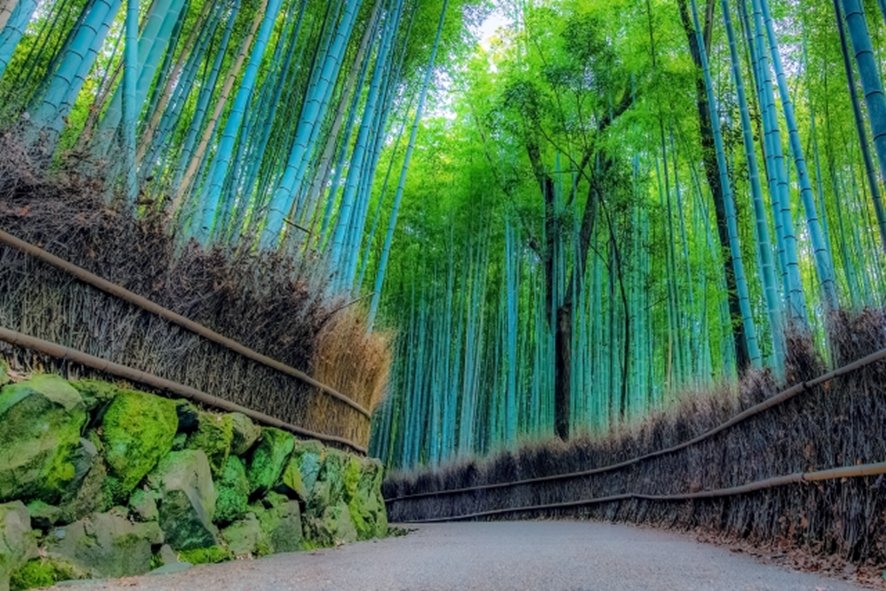
Arashiyama and Higashiyama, the eastern part of central Kyoto home to Gion and Kiyomizu-dera Temple, are about 40 minutes apart by train, and many visitors are unsure how to fit both into a single day. The itinerary below follows a practical time order: a morning guided tour of Arashiyama, lunch, an afternoon chopstick-making workshop, and an early-evening walk through Gion, with transportation between the two areas included.
10:00 am | Walk the Autumn Gardens of Arashiyama with a Guide
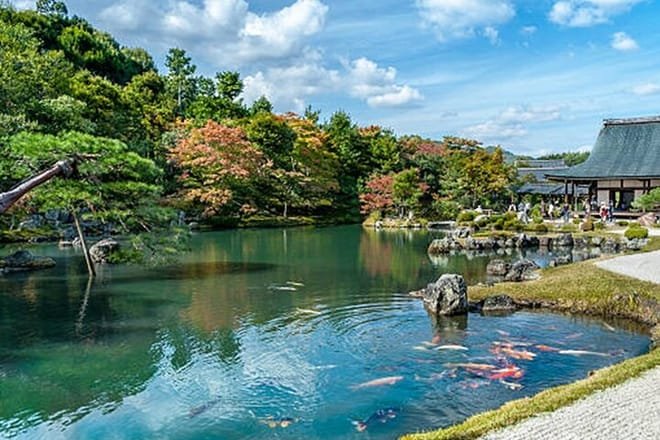
Join the 10:00 am Arashiyama walking tour to explore Tenryu-ji’s garden and the Bamboo Grove Path with an English-speaking guide. The meeting point is on the street in front of the Chopsticks Studio Kyoto building, right by Arashiyama Station on the Randen, the common name for the Keifuku Electric Railroad. The station area gets crowded during foliage season, so arriving 10 minutes early is advisable. The tour ends near Togetsukyo Bridge around 11:30 am, so you can head straight to lunch.
Kyoto: Arashiyama UNESCO Walking Tour with Admission
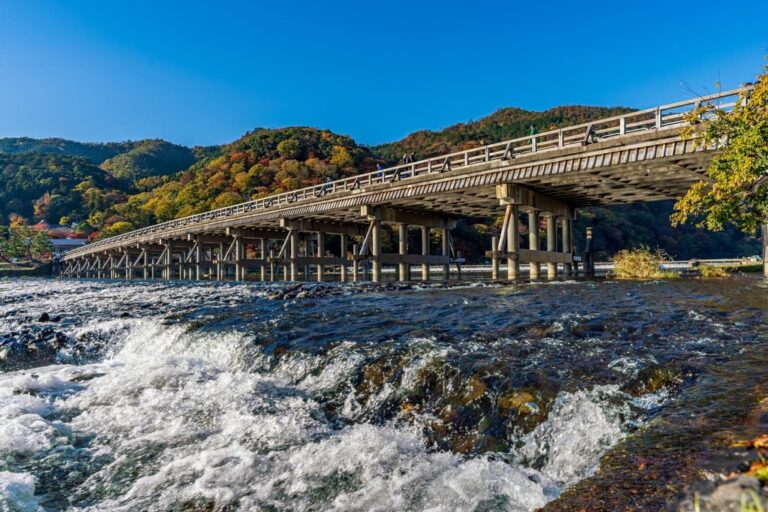
11:30 am | Lunch Near Togetsukyo Bridge
At 11:30 am, right after the tour, you still have a relatively wide choice of restaurants. Some popular places, however, begin filling up from 11:00 am during foliage season and on holidays, so moving on quickly after the tour and choosing a restaurant that accepts reservations or has just opened can help reduce waiting. The area around Togetsukyo Bridge offers yudofu (simmered tofu), udon, soba, and cafés.
The chopstick-making workshop, less than a 10-minute walk from Togetsukyo Bridge, starts at 1:00 pm. With about an hour for lunch, getting seated by around 11:40 am leaves enough time for a short stroll along the river afterward.
1:00 pm | Make Your Own Chopsticks at Chopsticks Studio Kyoto

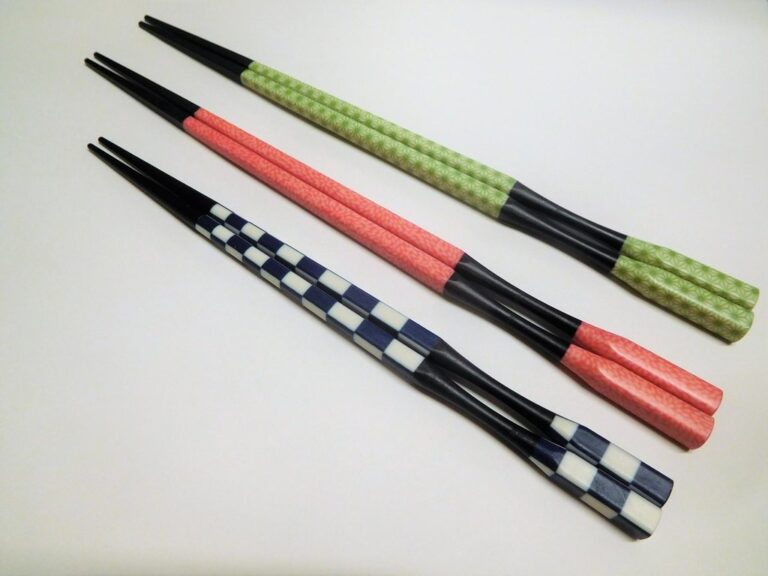
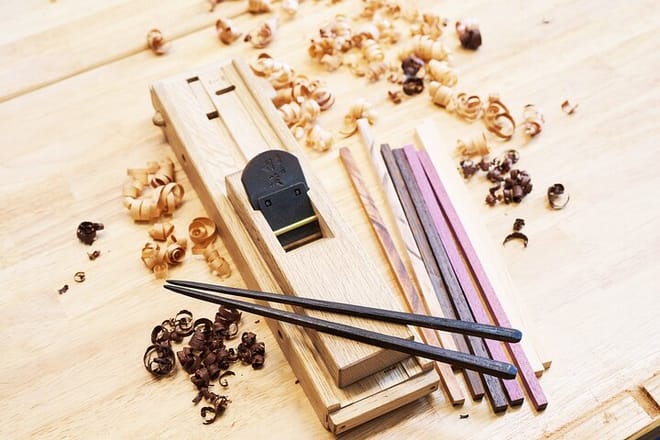
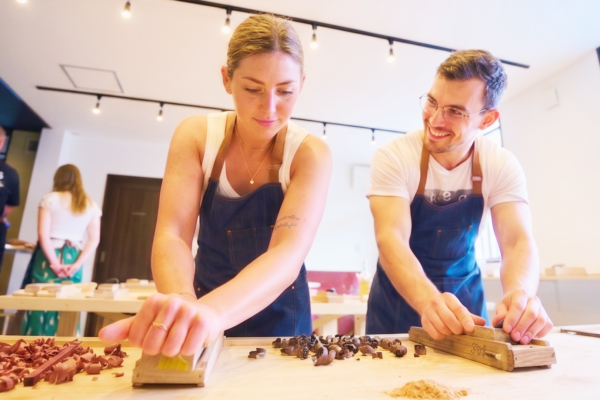
After lunch, return to Chopsticks Studio Kyoto, in the same building as the morning tour’s meeting point, for a chopstick-making workshop. Choose from more than 12 types of wood, each with its own scent, color, and hardness, then shave and shape the chopsticks by hand over about an hour. You can also have your name engraved on the finished pair, making them a souvenir you can use at home every day. The workshop is indoors, so rain won’t affect your plans.
When the workshop finishes at 2:00 pm, take the Randen to Shijo-Omiya Station, then transfer to the Hankyu Kyoto Line and continue to Kyoto-kawaramachi Station. The journey takes about 40 minutes. The Gion tour’s meeting point at Shijo Ohashi Bridge is about a five-minute walk from Kyoto-kawaramachi Station, leaving you plenty of time before the 4:00 pm start.
Note that Randen Arashiyama Station and Hankyu Arashiyama Station are on opposite sides of Togetsukyo Bridge, so confirm which line’s station you need before setting off.
Details
| Item | Information |
| Address | 2F, 3-25 Saga Tenryuji Susukinobaba-cho, Ukyo-ku, Kyoto-shi, Kyoto (Chopsticks Studio Kyoto) |
| Duration | About 1 hour (sessions start every 30 minutes between 9:00 am and 6:30 pm) |
| What’s Included | Chopstick-making workshop; wood chosen from 3 designated types; all tools and materials; English-speaking staff (premium woods cost extra) |
| Booking | https://japanguidestar.com/tour/kyoto-arashiyama-chopstick-making-workshop/ |
| Recommended For | Travelers looking for a cultural experience that works on rainy days; those who want a personalized souvenir with their name (ages 6 and up) |
Kyoto Arashiyama Chopstick Making Workshop
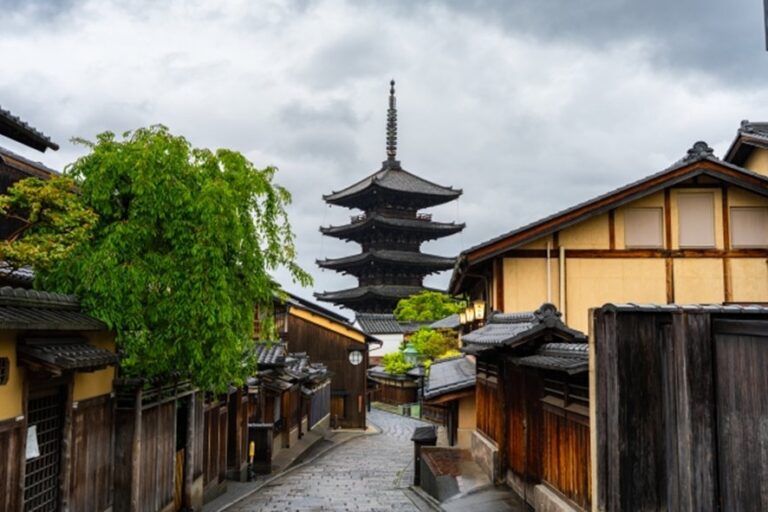
4:00 pm | Explore Gion’s Geisha District with an English-Speaking Guide
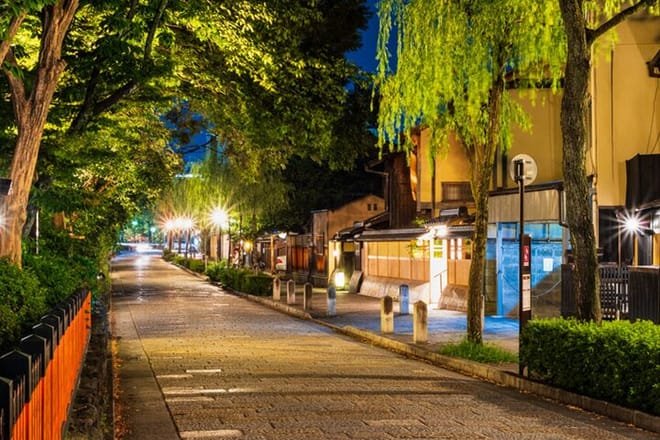
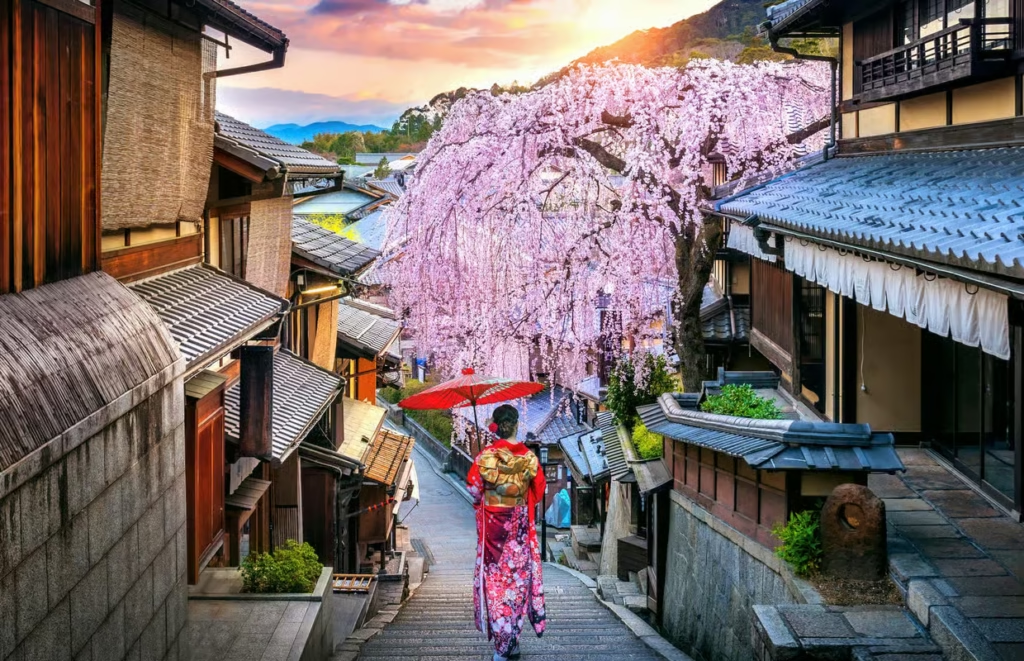
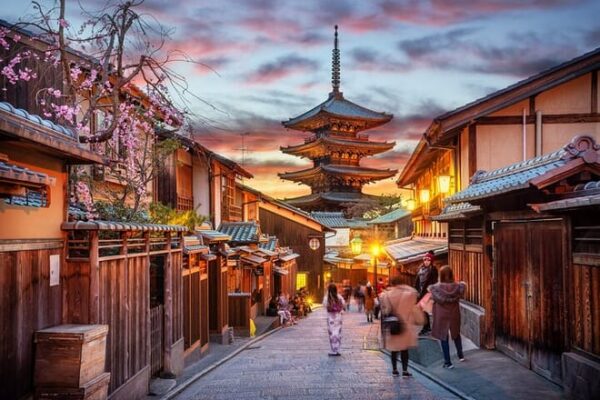
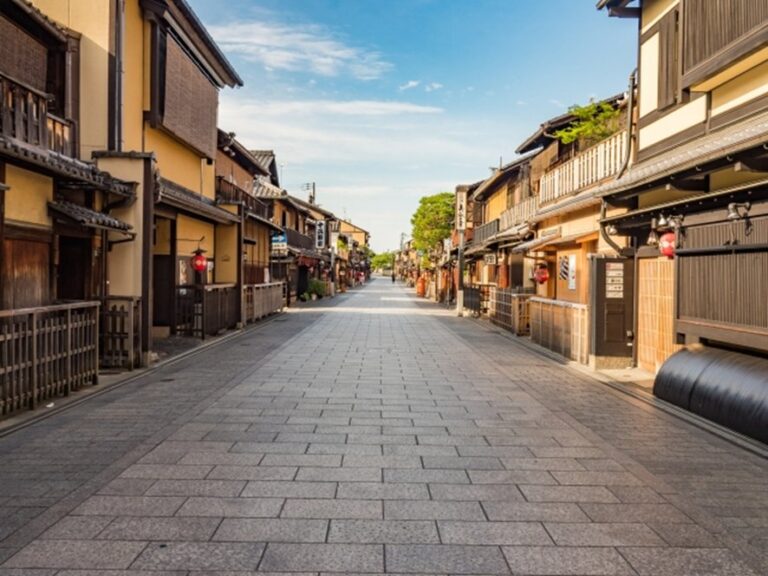
At 4:00 pm, meet in front of the McDonald’s at the foot of Shijo Ohashi Bridge and spend about two hours exploring Gion’s hanamachi (a district of teahouses where geiko and maiko, Kyoto’s geisha and apprentice geisha, perform) with an English-speaking guide. From the stone paving and willow-lined canal of Gion Shirakawa to Hanamikoji Street, the route takes you through alleys that visitors exploring on their own tend to miss. Along the way, you’ll pass Edo-period (1603–1868) machiya (traditional Kyoto townhouses) and a shrine with more than 1,000 years of history. With luck, you may even spot a maiko.
Kyoto’s sun sets before 5:00 pm throughout November, so the 4:00 pm tour begins in daylight. By the end, you’ll be walking through a hanamachi where lanterns glow beneath the machiya eaves and light shines through the latticed doors. Start times are offered every hour from 8:00 am to 9:00 pm, except at 11:00 am and noon, so you can choose a slot that fits around evening temple illuminations.
Details
| Item | Information |
| Meeting Point | In front of McDonald’s Shijo Ohashi, 105-1 Hashimoto-cho, Shijo Kobashi Higashi-iru, Shimogyo-ku, Kyoto-shi, Kyoto |
| Duration | About 2 hours |
| What’s Included | Guided tour in English by a local guide |
| Booking | https://japanguidestar.com/tour/kyoto-gion-hidden-gems-geisha-culture-tour/ |
| Recommended For | Those interested in the history of the geisha districts and geiko culture; those who want to photograph the streets at dusk |
Kyoto: Gion Hidden Gems & Geisha Culture Tour
A Recommended Arashiyama Guided Tour to Start the Itinerary
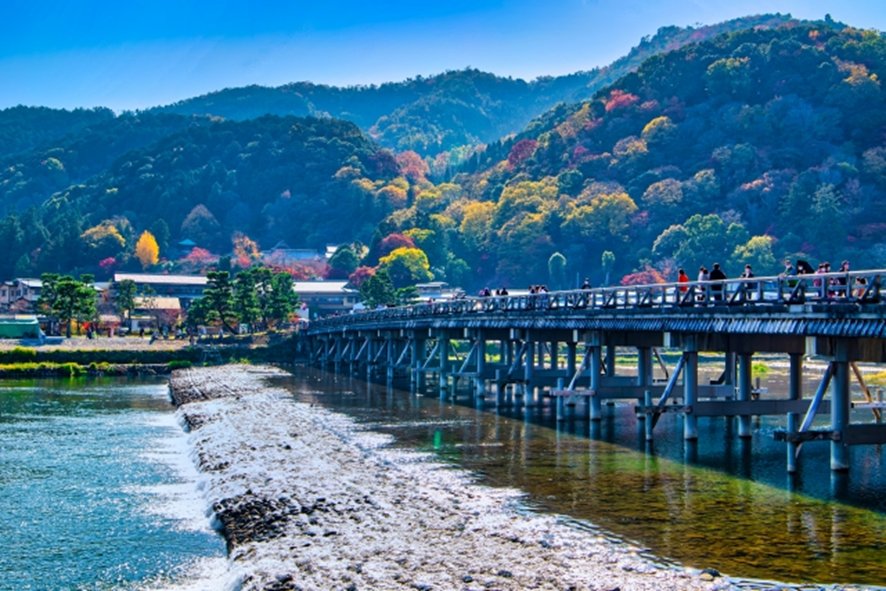
Arashiyama’s temples, bamboo grove, park, and bridge are close together, but each has its own ticket counter and route, so first-time visitors may worry about getting around efficiently. Below are the details of the English-guided walking tour that starts the model itinerary, along with a few things worth knowing before you join.
Kyoto: Arashiyama UNESCO Walking Tour with Admission
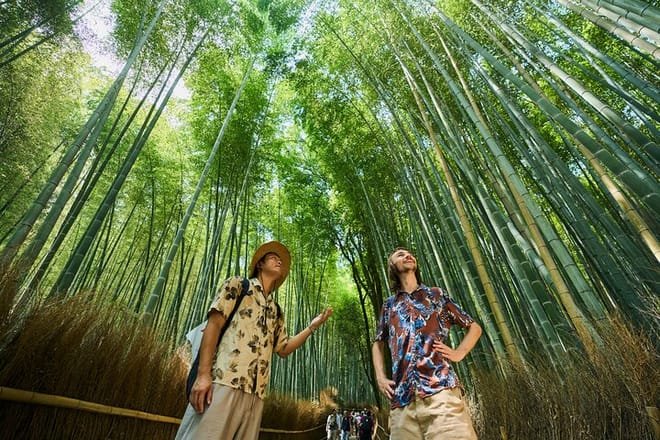
Kyoto: Arashiyama UNESCO Walking Tour with Admission is a roughly 1 hour 30-minute walking tour run by Japan Guide Star. Admission to Tenryu-ji, a UNESCO World Heritage Site, is included in the price, and the route takes in the Bamboo Grove Path, Tenryu-ji’s Sogenchi Garden, Arashiyama Park, and Togetsukyo Bridge in succession. The tour is conducted entirely in English, and the paths are mostly flat, making it comfortable for families with children and older travelers.
The meeting point is on the street in front of Chopsticks Studio Kyoto, right by Randen Arashiyama Station and about a five-minute walk from JR Saga-Arashiyama Station. Tours start four times a day at 10:00 am, noon, 2:00 pm, and 4:00 pm. Each booking is limited to 30 people, so groups of 31 or more need to split their booking. Free cancellation is available up to 24 hours before the start, giving you some flexibility if the weather or your plans change.
In reviews, many participants praise the guide’s clear English and willingness to answer questions, as well as the opportunity to learn about the history of the temple and garden. Some also mention that the guide kept children engaged, making the tour a practical fit for a family trip. At Tenryu-ji, you’ll need to remove your shoes before entering the halls, so wearing shoes that are easy to slip on and off will keep things moving smoothly.
Details
| Item | Information |
| Meeting Point | Street in front of Chopsticks Studio Kyoto, 3-25 Saga Tenryuji Susukinobaba-cho, Ukyo-ku, Kyoto-shi, Kyoto |
| Duration | About 1 hour 30 minutes |
| Start Times | 10:00 am; 12:00 pm; 2:00 pm; 4:00 pm (4 times daily) |
| What’s Included | English-speaking guide; Tenryu-ji admission ticket |
| Booking | https://japanguidestar.com/tour/kyoto-arashiyama-unesco-walking-tour-with-admission/ |
| Recommended For | First-time visitors to Kyoto; families with children; those who want to spend less time in ticket lines |
Kyoto: Arashiyama UNESCO Walking Tour with Admission
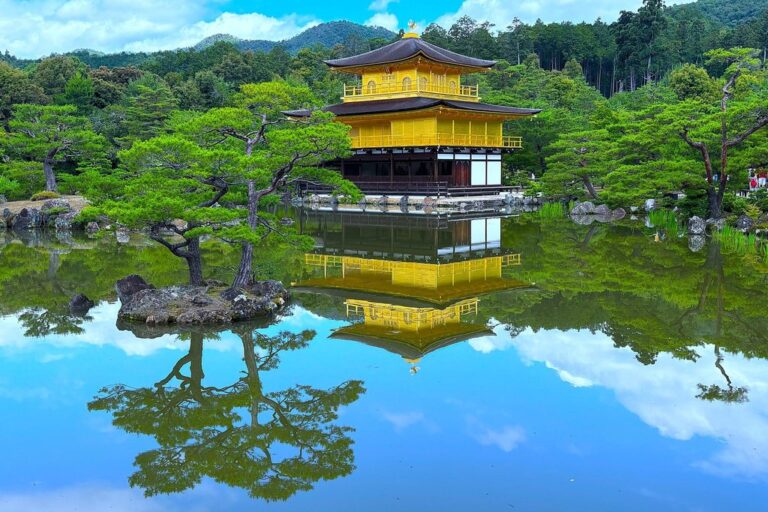
When Kyoto’s Autumn Leaves Peak and the Most Popular Foliage Spots
Kyoto’s leaves change color in sequence, starting at temples in the higher mountain areas and gradually moving down into the city, so the spots at their peak depend on when you visit. The guide below divides November into early, mid, and late periods, highlighting the temples to aim for during each period, along with access details and information on evening illuminations (special openings after regular closing hours when you can see the foliage lit up).
Early November | Mountain Temples Change Color First
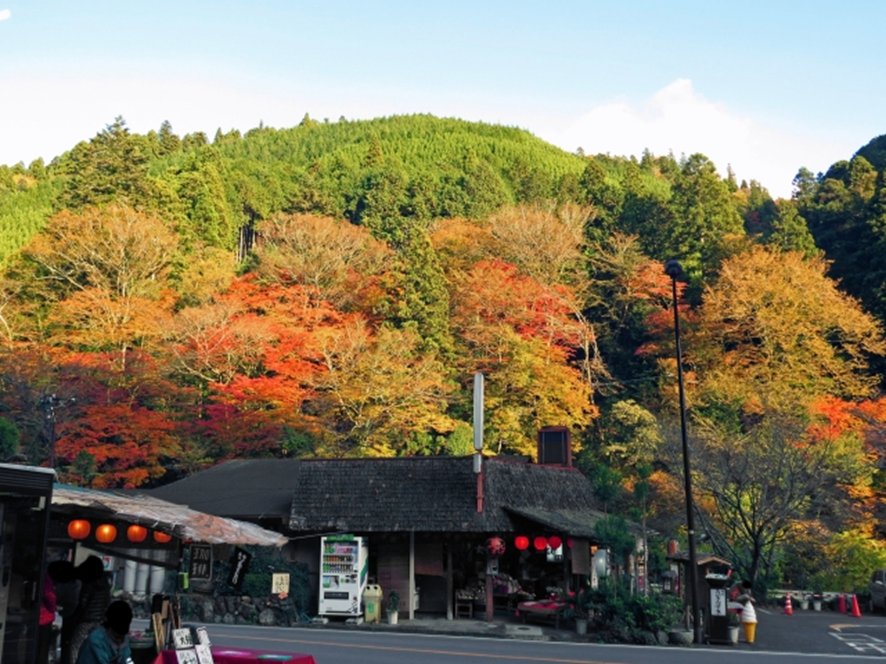
In early November, most famous spots in the city are still largely green, and evening illuminations have usually not started yet. If you want to see autumn color at this time, head to Takao, a mountain district in northwestern Kyoto. It sits at a higher elevation than the city and cools down sooner, giving you a better chance of finding changing leaves. The three temples in Takao are about 50 minutes from Kyoto Station by JR Bus.
| Temple | Typical Peak | Nearest Bus Stop |
|---|---|---|
| Jingo-ji Temple | Early to late November | Yamashiro-Takao |
| Saimyo-ji Temple | Around mid-November | Makinoo |
| Kozan-ji Temple | Around mid-November | Toganoo |
Reaching Jingo-ji means walking down into a valley from the bus stop, crossing a river, and climbing a long flight of stone steps for about 20 minutes, so wear comfortable walking shoes. Saimyo-ji and Kozan-ji are connected by a relatively flat path, and you can visit all three temples in half a day. Return buses tend to get crowded in the afternoon, so setting out in the morning improves your chances of getting a seat.
Temples in Arashiyama and Higashiyama generally reach peak color from mid-November onward. If you’re in Kyoto in early November, pair the Bamboo Grove Path, which does not depend on autumn foliage, with an indoor chopstick-making workshop to make the most of a half-day itinerary.
Kyoto Arashiyama Chopstick Making Workshop
Mid-November | City Temples Reach Their Peak
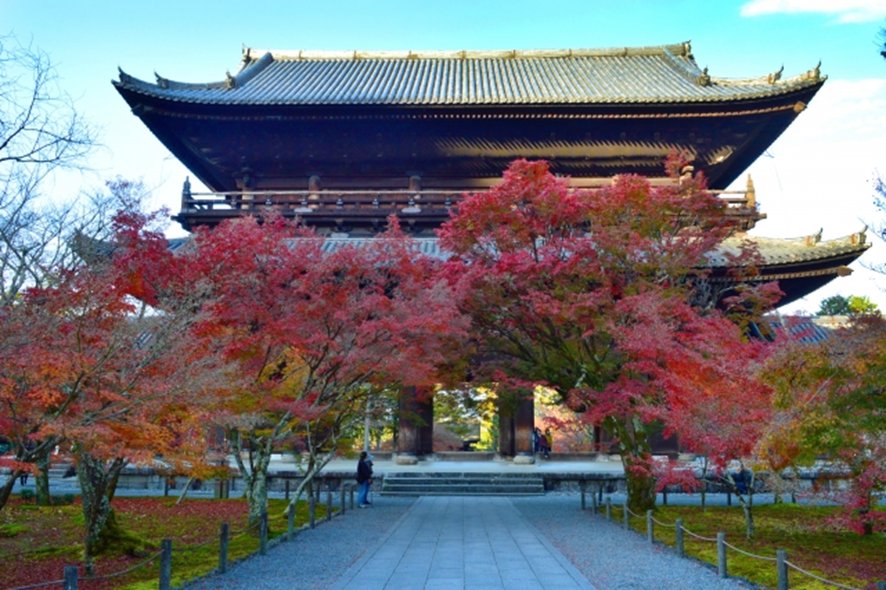
By mid-November, the temples of Higashiyama reach peak color one after another. Eikando Temple usually peaks from mid- to late November, while Nanzen-ji Temple and Shinnyodo Temple typically peak from mid-November to early December. The Philosopher’s Path (a canal-side walkway running about 2 km, or 1.2 miles, from near Nanzen-ji to Ginkaku-ji Temple) changes color around the same time. These spots are all within walking distance of Keage Station on the Tozai Subway Line, making it possible to visit several in a day without relying heavily on buses.
Outside Higashiyama, Sennyu-ji, a temple known for its close ties to the Imperial Family, is within walking distance of Tofukuji Station on the JR and Keihan lines. Jisso-in Temple, famous for its yuka-momiji (“floor maples,” foliage reflected on its polished wooden floors), can be reached by bus from Kokusaikaikan Station on the Karasuma Subway Line. Splitting areas served by different lines between morning and afternoon helps avoid unnecessary transfers. Saimyo-ji and Kozan-ji in Takao also typically reach peak color around this time.
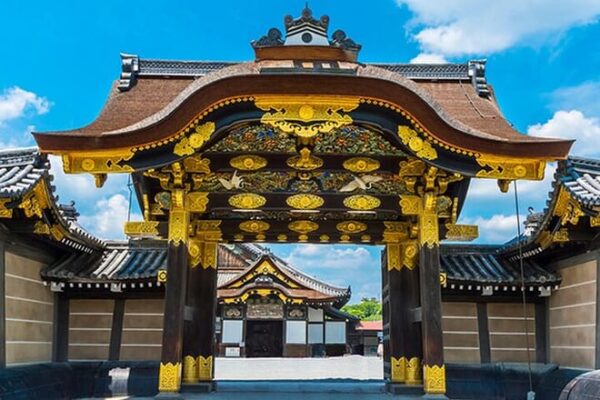
Kyoto: Nijo Castle World Heritage Guided Tour with Admission
Late November | Evening Illuminations Begin
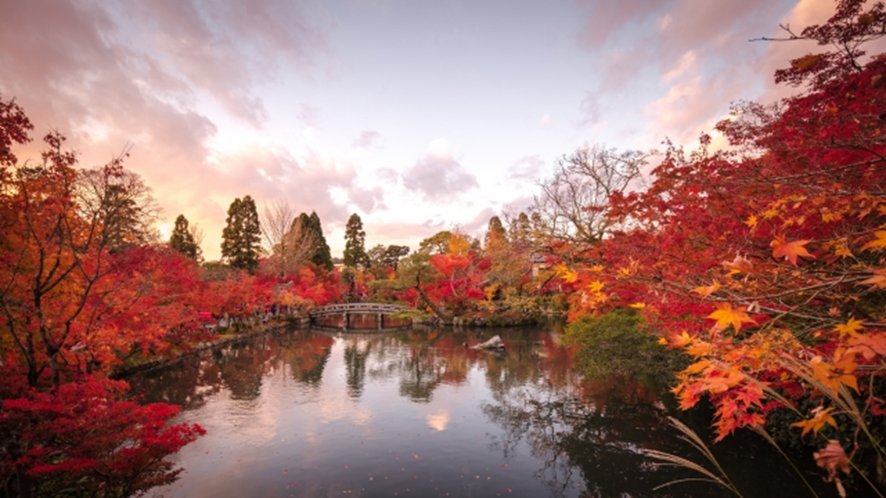
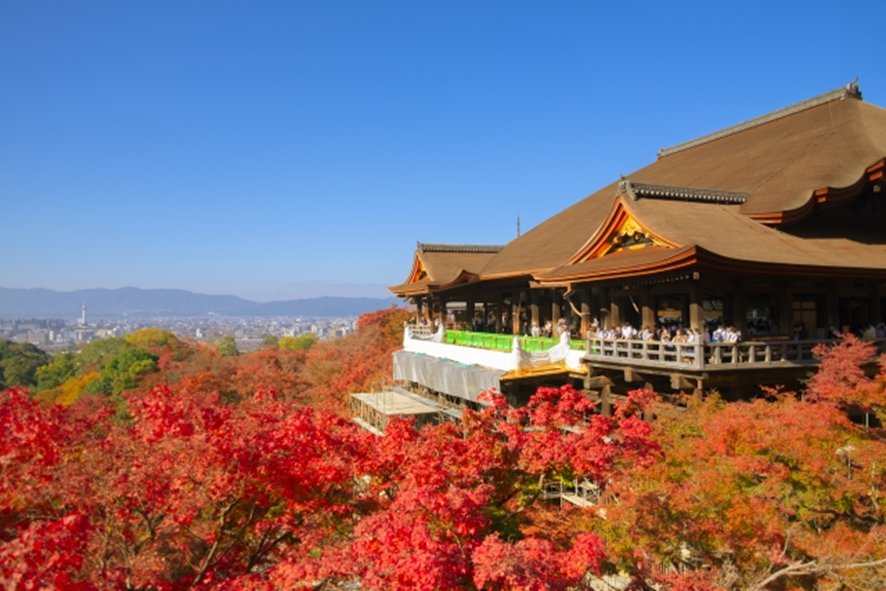
Late November is when Kiyomizu-dera (usually late November to early December) and Tofuku-ji Temple (mid-November to early December) reach peak color, and evening illuminations are concentrated. The main illuminations are listed below, using 2025 as an example.
| Temple | Dates (2025 Example) | Admission Hours | Admission (Adults) |
|---|---|---|---|
| Kiyomizu-dera | November 22–December 7 | 5:30 pm–9:00 pm | ¥500 |
| Eikando | November 15–December 10 | 5:30 pm–8:30 pm | ¥1,000 |
| Kodai-ji Temple | October 24–December 14 | 5:00 pm–9:30 pm | ¥600 |
Dates and fees change every year. Please check each temple’s official website for the latest information.
This is the busiest time of year, and long lines can form at the ticket counters of popular spots during the day. Narrow down the temples you visit—for example, one right after opening in the morning, one or two during the day, and one evening illumination after sunset—and you’ll spend more time looking at the leaves than standing in line.
Kyoto’s November Weather and What to Wear
Temperatures in Kyoto vary widely between early and late November, and even on the same day, you’ll need different clothing for daytime and evening. The sections below cover typical temperatures and rainfall, what to wear and pack, and how to plan your day around sunset time.
Typical Temperatures and Rainfall
Kyoto sits in a basin surrounded by mountains on three sides. On clear nights, radiative cooling (heat escaping from the ground into the upper atmosphere) makes mornings chilly, while the sun warms things up during the day. In November, the difference between daytime and morning or evening temperatures is around 9°C (about 16°F). The average temperatures for each ten-day period (early, mid, and late month) along with clothing guidelines are as follows.
| Period | Average High | Average Low | What to Wear |
|---|---|---|---|
| Early November | 19.5°C (about 67°F) | 10.2°C (about 50°F) | Long-sleeved shirt with a light cardigan or light jacket |
| Mid-November | About 17°C (about 63°F) | About 8°C (about 46°F) | Knit sweater or fleece with a heavier jacket on top |
| Late November | 15.3°C (about 60°F) | 6.5°C (about 44°F) | Wool coat or light down jacket; scarf and gloves at night |
From around 5:30 pm, when admission for evening illuminations opens, temperatures continue to drop, approaching the daily low while you wait in line. Staying in daytime clothes into the evening can feel colder than expected, so on days with evening plans, carrying an extra layer is recommended.
Average monthly rainfall is around 70 mm (about 2.8 inches), less than half that of June’s rainy season (about 200 mm, or 7.9 inches) or typhoon-prone September (about 180 mm, or 7.1 inches), so rain rarely disrupts outdoor foliage walks.
Clothing Guidelines and Items to Bring
To handle the difference between daytime and morning or evening temperatures, layers that are easy to put on and take off are the basic approach. A front-opening outer layer lets you adjust quickly when you warm up walking in the sun or step into a heated shop. At popular foliage spots, you’re likely to spend long stretches standing outdoors in admission lines, so a jacket long enough to cover your hips can help keep you warm.
Temple grounds often have stone paving and gravel paths, and many temples require you to remove your shoes to enter the halls. Sneakers with stable soles that slip on and off easily, or slip-on shoes that don’t need retying, are the most comfortable options. Thick socks also help keep your feet warm on chilly wooden floors. A folding umbrella for sudden showers and a stole you can wrap around your neck when it gets cold will also help keep you comfortable during evening illuminations.
Sunset Comes Before 5 pm, So Start Your Day Early
Kyoto’s sun sets early in November, at around 5:03 pm on November 1 and around 4:46 pm by November 30. Many temples stop admitting visitors between 4:30 pm and 5:00 pm, so after 3:00 pm, it becomes difficult to add another stop. As a result, you can visit fewer temples during the day than in summer.
Sunrise, however, is in the 6:00 am hour, so at temples with early-morning openings, such as Tenryu-ji, you can walk through the garden in bright daylight from the moment the gates open. Visit one busy spot in the morning, limit yourself to about two during the day, and switch to evening illuminations or a walk through a geisha district in the late afternoon. This approach lets you plan a full day despite the short daylight hours.
Kyoto: Gion Hidden Gems & Geisha Culture Tour
Key Tips for a November Kyoto Trip: Booking a Place to Stay and Getting Around
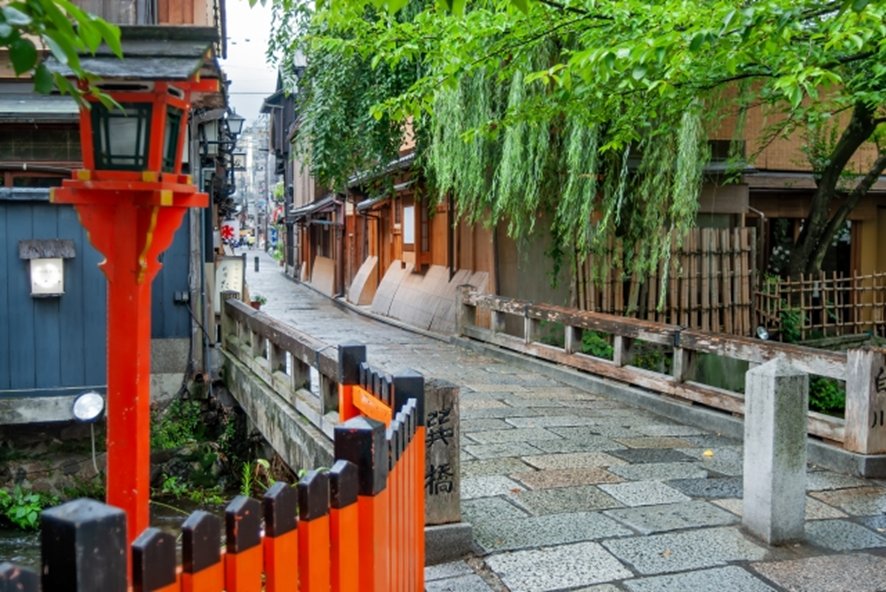
November is the height of Kyoto’s autumn foliage season, and both accommodations and transportation are among the busiest of the year. Below are tips on when to book a place to stay and which area to choose, the times and days that make crowds easier to avoid, and a rail-based way of getting around that helps you avoid traffic jams.
Book Early: Where You Stay Shapes How You Get Around
Hotels in Kyoto start filling up months ahead for November, and rates on late-November weekends in particular can be far higher than normal. Booking as soon as your itinerary is set keeps more options open for both location and price.
Location shapes your mornings and evenings. Stay in Arashiyama and you can walk to Tenryu-ji’s early-morning opening or the Bamboo Grove Path while it’s still quiet. Stay in Higashiyama and you can walk back to your hotel after an evening illumination without squeezing onto a crowded bus. The area around Kyoto Station, served by JR, the subway, and Kintetsu, offers easy rail access to both Arashiyama and Higashiyama and suits itineraries where your destination changes from day to day.
f you can’t find a room in the city, you can stay in Osaka, about 30 minutes from Kyoto Station on the JR Special Rapid Service, or in Otsu, Shiga Prefecture, about 10 minutes away by JR. If you stay in Osaka, you could round off a day of sightseeing in Kyoto with a sumo show at Sumo Studio Osaka, about 10 minutes by train from Namba Station. You can watch retired professional rikishi (sumo wrestlers) compete from just a few meters (a few yards) away. You can even step onto the dohyo (the sacred clay ring) to take on a rikishi yourself. The last show starts at 8:00 pm, so you can make it to Sumo Studio Osaka even after returning from Kyoto.

Osaka Sumo Experience with Live Show and Audience Challenge
Times and Days That Make Crowds Easier to Avoid
Crowds at popular spots peak between 10:00 am and 3:00 pm, so visiting just after most temples open, between 8:00 and 9:00 am, or about an hour before admission closes lets you enjoy the leaves in a calmer setting. Late-November weekends and the long weekend around Labor Thanksgiving Day, a national holiday on November 23, are especially crowded. If you’re visiting during this period, limit yourself to two or three temples a day.
Takao and Ohara, a mountain village in northeastern Kyoto, take 30 minutes or more to reach from the city by train or bus. Because of the extra travel time, visitors tend to spread out, making these areas practical choices for spending the busy midday hours. The Kyoto Tourism Comfort Map, published by the City of Kyoto and other organizations, shows crowd forecasts for each area in advance and can help you decide where to go.
Rely on Trains and Use Buses Only for Short Hops
Roads in Kyoto tend to be congested in November, and city buses can take much longer than usual. Taking the train to the nearest station and then walking, or using a bus for just one or two stops, makes arrival times easier to predict and helps keep your plans on track.
| Main Foliage Area | Nearest Station | Line |
|---|---|---|
| Arashiyama | Saga-Arashiyama Station; Arashiyama Station | JR Sagano Line; Randen Arashiyama Main Line and Hankyu Arashiyama Line |
| Higashiyama (Kiyomizu-dera, Gion) | Kiyomizu-Gojo Station; Gion-Shijo Station | Keihan Main Line |
| Higashiyama (Nanzen-ji, Eikando) | Keage Station | Tozai Subway Line |
| Fushimi Inari | Inari Station; Fushimi-Inari Station | JR Nara Line; Keihan Main Line |
Baggage storage at Kyoto Station and coin lockers at major stations can fill up by late morning, so dropping large bags at your hotel before heading out saves you from carrying them on crowded trains and up temple stone steps.
If you’d rather not lose time waiting in admission lines or buying tickets during the busy season, another option is to build your itinerary around English-guided walking tours that include admission. As with the Arashiyama tour in the model itinerary, you can skip the ticket counter and let the guide handle the route. That leaves more of your limited daylight for the sights themselves. You can browse the full list of tours Japan Guide Star runs in Kyoto here.
Kyoto: Arashiyama UNESCO Walking Tour with Admission
Common Questions About Visiting Kyoto in November

When planning a November trip to Kyoto, smaller questions about events and how temple admission works tend to come up. Below are brief answers to questions visitors often ask before they travel.
Are There Events You Can Only See in Kyoto in November?
Yes. Gion Odori is a dance performance by the geiko and maiko of Gion Higashi (one of Kyoto’s five geisha districts), held twice daily at Gion Kaikan Theatre for 10 days starting November 1 each year. Tickets are ¥6,000, or ¥7,000 with a tea ceremony ticket (2026 example).
On November 8, Fushimi Inari Taisha holds Hitakisai (a festival giving thanks for the harvest, where offered wooden tablets called hitakigushi are burned). After the ceremony at 1:00 pm, mikagura (sacred dance and music offered to the deities) is performed in front of the main hall from 6:00 pm.
On the second Sunday of November, the Arashiyama Momiji Festival takes place on the Oi River beside Togetsukyo Bridge. From the riverbank, you can watch dances and gagaku (Japanese imperial court music) performed on boats for free. In some years, it falls on the same day as Hitakisai; in 2026, both are scheduled for November 8. Check the dates before making plans.
Can I Rent a Kimono to See the Autumn Leaves in Kyoto in November?
Yes, kimono rentals are available, but dressing appointments fill up quickly during foliage season, so booking as soon as your itinerary is set is advisable. Mornings and evenings often drop below 10°C (50°F). Wear thin thermal underwear beneath the kimono, double up on tabi (split-toe socks worn with traditional Japanese dress), and add a haori (a short jacket worn over a kimono) or a shawl to keep the cold at bay.
Can I Enter the Evening Illuminations with a Daytime Ticket?
It depends on the temple. At Eikando, the daytime Autumn Temple Treasures Exhibition and the evening illumination have separate sessions, so if you want to see both, you will need to leave and line up again for evening admission.
| Temple | Day/Night Admission | Evening Admission (2025 Example) |
|---|---|---|
| Eikando | Separate sessions (separate fees for day and night) | ¥1,000 |
| Kodai-ji | No change of session (daytime ticket lets you stay into the evening) | ¥600 |
| Kiyomizu-dera | Varies by year; check the official website | ¥500 |
Prices are subject to change. Please check the official website for the latest information.
Can I Visit the Popular Foliage Spots Without a Reservation?
At most temples, yes. At Tenryu-ji, Eikando, and Kiyomizu-dera, you can simply pay the admission fee at the counter on the day. On late-November weekends, however, long lines can form at the counters, so arriving early in the morning can reduce your wait. Some temples, such as Rurikoin, require advance reservations during foliage season, so once you have decided where to go, check the official website.
Kyoto: Arashiyama UNESCO Walking Tour with Admission
Can I Do Kiyomizu-dera’s Evening Illumination and a Gion Tour on the Same Day?
You can combine them on the same day, but splitting them across different days is more reliable. In 2026, Kiyomizu-dera’s special autumn evening opening runs from November 21 to 30, from 5:30 pm until admission closes at 9:00 pm. Allow about 20–30 minutes to walk from Kiyomizu-dera to Yasaka Shrine and the Gion-Shijo area. Given the foliage-season crowds, it’s safest to choose a Gion tour with a start time that leaves you plenty of time to get there.
Kyoto: Gion Hidden Gems & Geisha Culture Tour
Plan Your Autumn Days in Kyoto Around the Changing Leaves
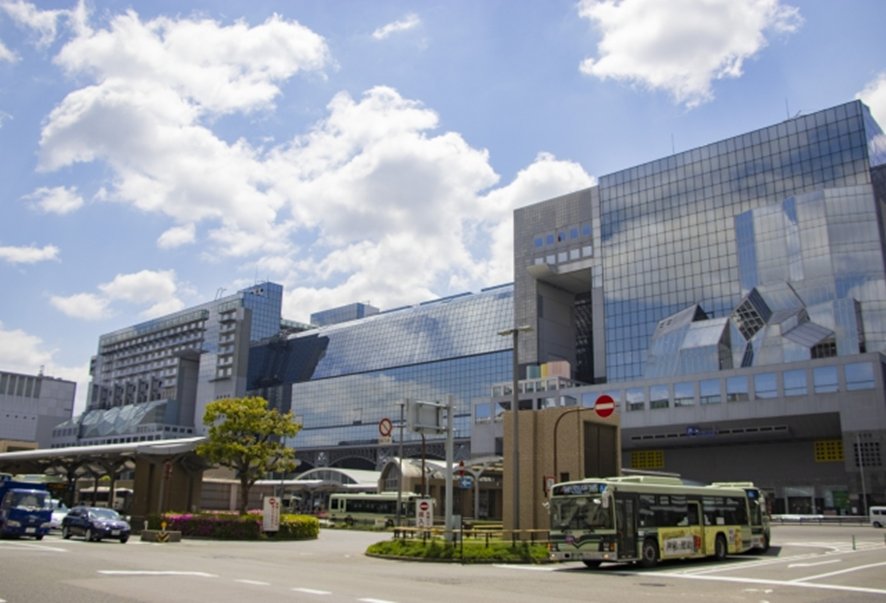
In Kyoto in November, the best places to see autumn leaves shift with the calendar: Takao in early November, Higashiyama in mid-November, and Kiyomizu-dera and the evening illuminations in late November. Book accommodations early and build your routes around trains. With the early sunset, making good use of mornings and evenings lets you enjoy both the foliage and the city even on a short trip.
The model itinerary links the 10:00 am English-guided Arashiyama tour, the 1:00 pm chopstick-making workshop, and the 4:00 pm Gion tour, with about 40 minutes of train travel between the two areas. Popular temples are quietest right after opening, while illuminations begin after sunset, so leave enough room in your schedule for both.
Kyoto: Arashiyama UNESCO Walking Tour with Admission