Sudden rain can wreck a day in the middle of your stay in Shinjuku. Losing a travel day to the weather is frustrating, and it isn’t always easy to tell at a glance which indoor places are worth heading to.
Shinjuku has plenty of indoor spots within walking distance of Shinjuku station, including art museums, onsen (public bathing facilities), arcade games and cultural workshops. In this article, we’ll share practical details—such as whether reservations are needed and how to get to these venues—and tips that cover how to string those stops together into a rainy day itinerary.
Four Reasons Shinjuku Works Even on a Rainy Day
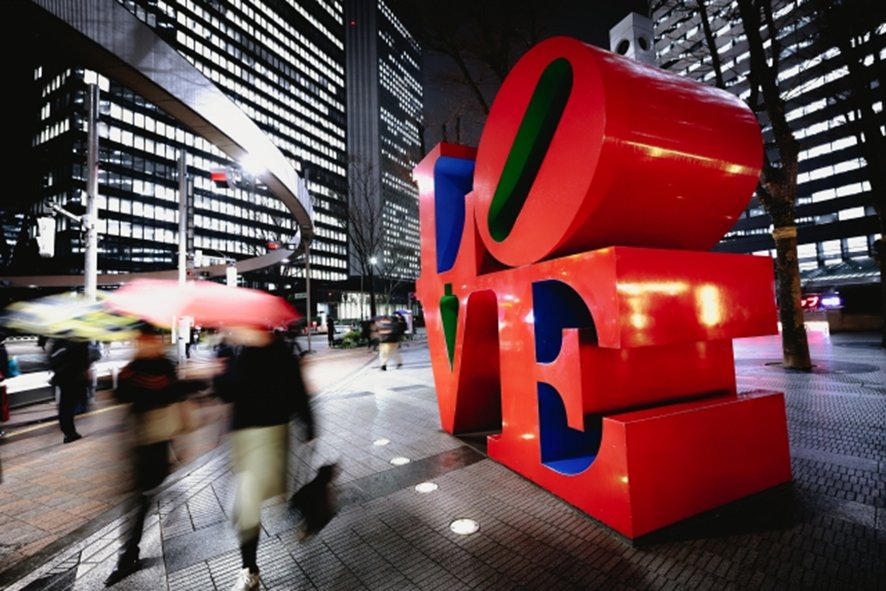
Even when rain derails your schedule, Shinjuku can fill a whole day with its indoor facilities. Four things make the area great in bad weather: underground passages that make getting around easy, the variety of indoor facilities near the station, the ease of using these facilities, and the number of places open late into the night. Together, this information gives you enough options to rebuild a plan when the weather turns for the worst.
1. Follow the Underground Malls and You Won’t Need an Umbrella
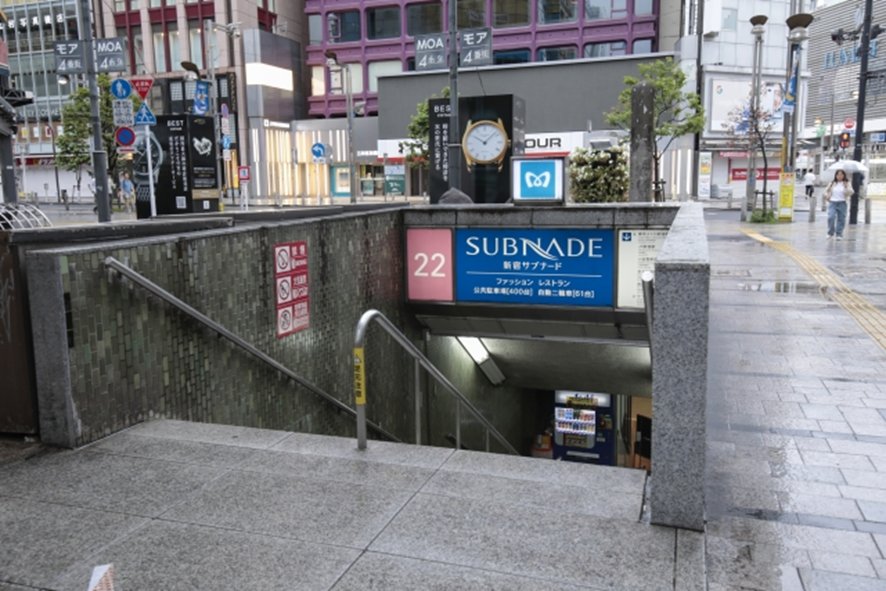
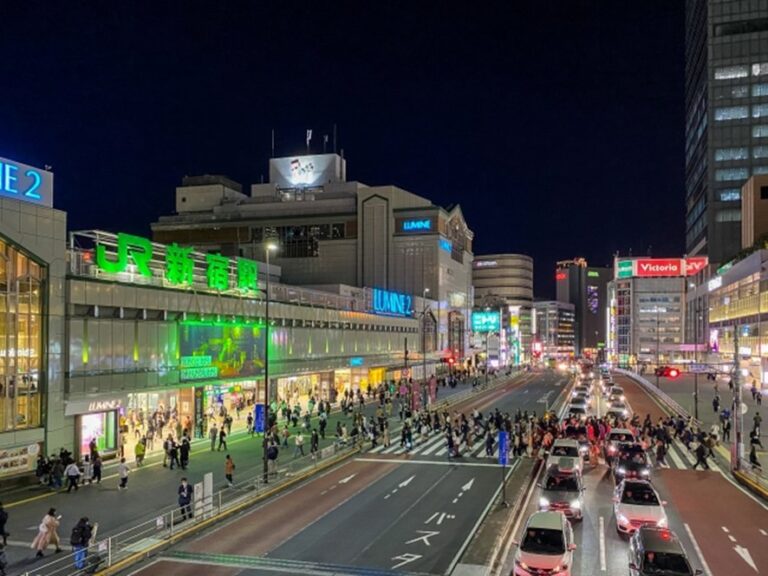
Beneath Shinjuku Station, underground passages spread out on both the east and west sides. Used well, they can take you to your destination without you ever having to open an umbrella.
On the east side, the route from Metro Promenade (the underground passage linking Shinjuku Station with Shinjuku-sanchome Station) into the Shinjuku Subnade underground shopping mall is the most convenient. Subnade runs almost as far as Seibu-Shinjuku Station, which keeps the above-ground walk to spots in the Kabukicho district as short as possible.
On the west side, an underground walkway continues from the Shinjuku Station West Exit underground plaza toward Tochomae Station. If you’re heading to the Tokyo Metropolitan Government Building Observatories, take that walkway to Tochomae Station and use the exit connected directly to the building: you’ll stay almost completely dry.
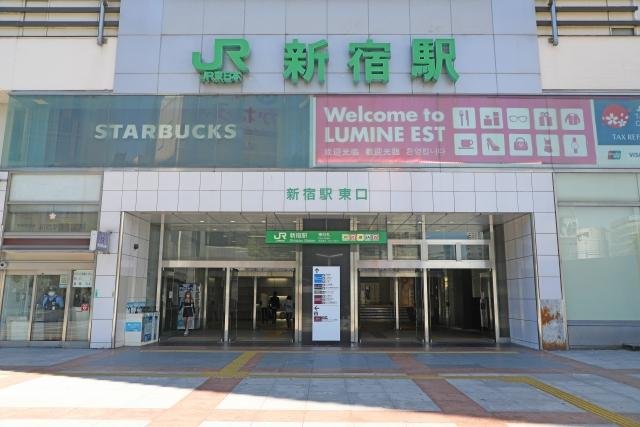
Before you set off, check Google Maps for the exit number that’s closest to your destination. Shinjuku Station has a great many exits, and being off by a single number can lead you out on the opposite side of where you want to be. Search by destination name and screenshot the nearest exit number.
The table below gives rough underground routes to some main destinations:
| Destination | Recommended Route |
|---|---|
| Tokyo Metropolitan Government Building Observatories | West Exit underground plaza → underground walkway → exit connected to Tochomae Station |
| namco TOKYO (Tokyu Kabukicho Tower) | Metro Promenade → Subnade → exit toward Kabukicho |
| Thermae-Yu Shinjuku | Subnade → exit on the Yasukuni-dori Avenue side |
Some places, such as Thermae-Yu, are not fully connected underground. Covering most of the distance below ground will still cut your time in the rain to a few minutes, though, so check the route before you depart.
2. Museums and Hot Spring Baths All Within a Ten-Minute Walk
The area around Shinjuku Station packs art museums, bathing facilities, and shopping into a surprisingly compact space. The trick is to think of it in three zones: the West Exit, the East Exit and Shinjuku-sanchome.
Facilities within each zone are five to ten minutes apart from one another on foot, and crossing between the west and east sides takes about fifteen minutes.
| Zone | Main Indoor Spots | Walk from Shinjuku Station |
|---|---|---|
| West Exit | SOMPO Museum of Art; Tokyo Metropolitan Government Building Observatories | 5-10 min. |
| East Exit | Tokyu Kabukicho Tower; Thermae-Yu | 5-10 min. |
| Shinjuku-sanchome | Isetan; Nakamuraya Salon Museum of Art | 2-7 min. |
When you’re short on time, sticking to one zone reduces wasted movement. If you only have one or two hours in the area, we recommend the SOMPO Museum of Art and the observatories on the west side. If you have half a day, a good plan is to enjoy the hot spring baths and games around the East Exit, then continue to the depachika (the basement floor food hall) in Shinjuku-sanchome. Because such varied experiences sit so close together, bad weather doesn’t cost you time here.
3. Walk Ins Welcome
Most indoor spots in Shinjuku welcome walk-ins, so you won’t need a reservation. Even on a day when the rain starts suddenly, you’ll find several places you can duck into right away.
Some ideas of where you can wait out the rain are listed below:
- Tokyo Metropolitan Government Building Observatories: free and no reservation required, though you can expect to queue for about 20 to 30 minutes before the dedicated elevator takes you up
- Arcades such as namco TOKYO: entry is free; you simply put money into the machine you want to play
- Thermae-Yu: pay at the reception desk and use the facility the same day
- Department stores and shopping complexes such as Isetan and Lumine: open to anyone during business hours
The Yayoi Kusama Museum and the SOMPO Museum of Art sometimes sell special exhibition tickets through a timed-entry advance reservation system. Checking the Ticket or Reservation page on each facility’s official site is the best way to tell whether a booking is required or not.
Cultural workshops generally require reservations, too, though sometimes same-day slots are still open. If you find an experience you like, check the reservation calendar on the official site. Weekend slots fill up quickly, so try to book by the previous day.
4. Many Places in Shinjuku Stay Open Late
Indoor spots in Shinjuku are open late, so a morning ruined by rain leaves plenty of room to recover. Even if the 8 am forecast calls for rain all day, there’s no need to panic.
Thermae-Yu is open 24 hours, so you can soak in the baths from early evening and stay until the small hours of the morning. The Shinjuku Copa Bowl bowling alley runs until 6:30 am, and the Shinjuku Wald 9 cinema holds late-night screenings starting after 12 am. Karaoke venues and arcades commonly stay open past 10 pm, so evening options are never in short supply.
Here are a few recovery patterns for when the morning falls apart:
- Afternoon soak: arrive at Thermae-Yu around 3 pm and relax inside the facility until after dinner
- Evening play: games at namco TOKYO from 5 pm, then on to karaoke at 8 pm
- Night at the movies: dinner at the Kabuki Yokocho food hall, then a late show from 9 pm at Wald 9
- Late-night bowling: Shinjuku Copa Bowl from 10 pm with friends until morning
Traveling with kids? Bathing facilities such as Thermae-Yu sometimes restrict entry for anyone under eighteen during late-night hours. If you plan to visit with children, check the age limits and last entry times on each official site in advance.
Three Shinjuku Indoor Spots That Are Easy to Reach in the Rain
On a rainy day in Shinjuku, it helps to know which indoor spots you can reach from the station without getting wet. The three options introduced below offer different appeals (art, views and food shopping), and each section covers access routes and prices. All three facilities are within a ten-minute walk of Shinjuku Station and don’t require reservations.
SOMPO Museum of Art | See Van Gogh’s Sunflowers
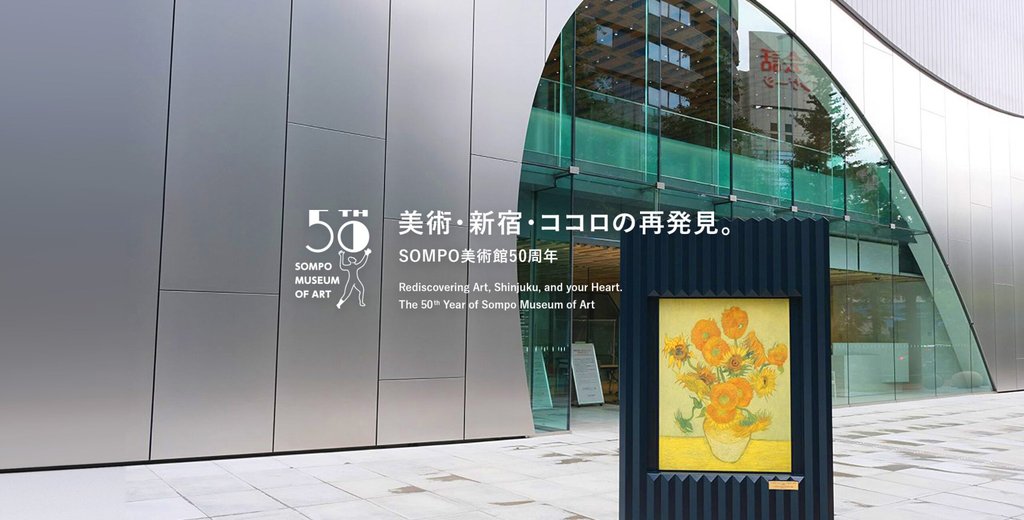
The SOMPO Museum of Art sits about a five-minute walk from the West Exit of Shinjuku Station. On a wet day the underground passage takes you almost all the way there, and once above ground you’ll cross a single pedestrian crossing, so you hardly need an umbrella.
The museum’s main attraction is one of Van Gogh’s sunflower paintings, on permanent display. The painting sold at auction for about ¥5.8 billion in 1987, and with only a handful of these paintings in existence worldwide, this is a rare chance to see one in Asia. Plan on spending about two hours here.
Admission changes with each special exhibition, so check the official site before visiting. Children ages six to fifteen are free, and the museum has a wheelchair elevator and accepts support dogs.
Details
| Address | 1-26-1 Nishi-Shinjuku, Shinjuku-ku, Tokyo |
| Hours | 10:00 am-6:00 pm (until 8:00 pm on Fridays; last entry is 30 minutes before closing) |
| Closed | Mondays (open on public holidays, closed the following weekday) |
| Official site | https://www.sompo-museum.org/ |
| Good for | Art lovers, families with children, and anyone wanting some culture on a rainy day |
Hours can change seasonally. Please check the official website before visiting.
Tokyo Metropolitan Government Building Observatories | Free Views of the City
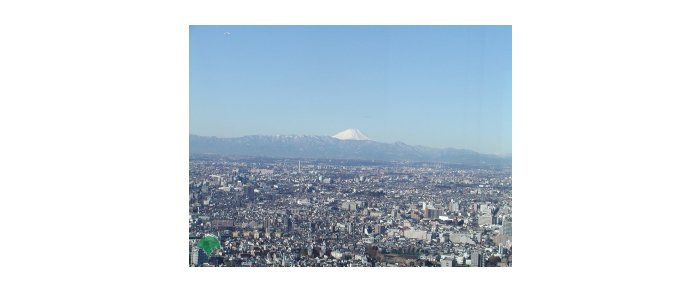
The observatories in the Tokyo Metropolitan Government Building offer views from 202 m (about 663 feet) with free admission. They connect directly to Tochomae Station via underground passage, so you can arrive without using an umbrella. It’s about a ten-minute walk from the West Exit of JR Shinjuku Station, and since most other observation decks in Tokyo charge an admission fee, a free view like this is hard to find elsewhere in the city.
Two observatories operate here: the North Observatory and the South Observatory. Note that operating hours and closures differ, though, and couples who want the night view should choose the South Observatory, which stays open until 10 pm.
When a regular closure falls on a public holiday, the closure moves to the next day, so check the official site before visiting. Scanning the QR codes inside opens multilingual information pages covering English and a wide range of other languages. Since you don’t need a reservation, it also makes for an easy stop during free time on a solo trip.
Details
| South Observatory | North Observatory | |
|---|---|---|
| Address | 2-8-1 Nishi-Shinjuku, Shinjuku-ku, Tokyo | Same as South Observatory |
| Hours | 9:30 am-10:00 pm (last entry at 9:30 pm) | 9:30 am-5:30 pm (last entry at 5:00 pm); 9:30 am-10:00 pm (last entry at 9:30 pm) on days the South Observatory is closed |
| Closed | 1st and 3rd Tuesdays (next weekday if a public holiday); year-end and New Year holidays (except January 1); building inspection days | 2nd and 4th Mondays (next weekday if a public holiday); year-end and New Year holidays (except January 1); building inspection days |
| Official site | https://www.zaimu.metro.tokyo.lg.jp/tochousha/goannai/tenbou | Same as South Observatory |
| Good for | Budget-conscious travelers, couples looking for night views, solo travelers | Same as South Observatory |
Hours can change seasonally. Please check the official website before visiting.
Isetan Shinjuku | Explore Japanese Food on the Department Store Food Floor
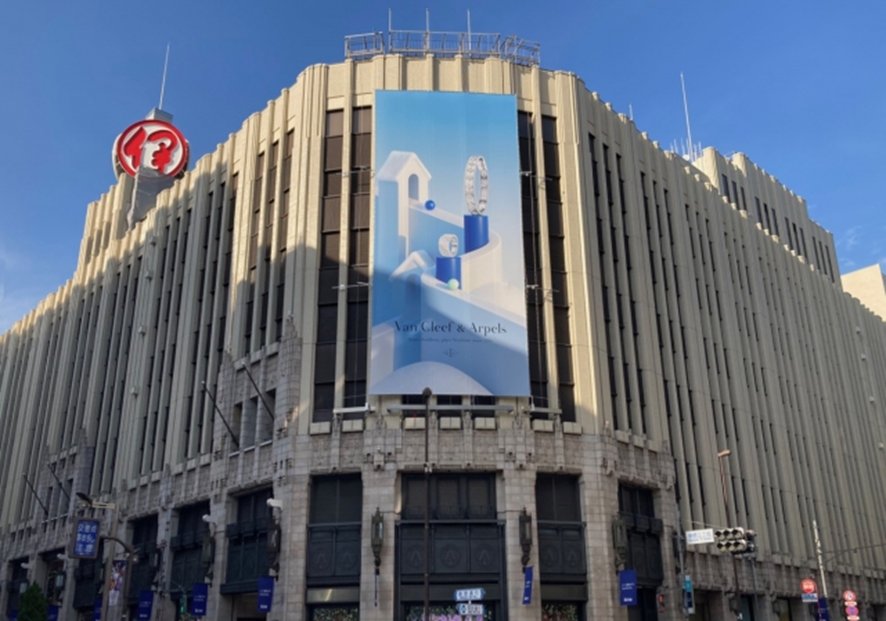
Basement level 1 of Isetan Shinjuku has an entire floor lined with counters selling Japanese sweets from around the country, matcha desserts, and premium bento boxes and prepared dishes. Isetan Shinjuku is connected to Shinjuku-sanchome Station via underground passageways, so you’ll stay dry on a rainy day.
You can see everything through the display cases and order by pointing, so shopping is easy even if you don’t speak Japanese. Many counters sell by the piece or in small portions, which suits travelers who want to try a little bit of everything. You can sample a range of Japanese food without ever leaving the floor.
Prices are more expensive here than they are at convenience stores or supermarkets, but the quality of the food and the beautifully wrapped packaging are part of experiencing Japanese food culture firsthand. Food is not eligible for tax-free purchase, so keep that in mind. Allow yourself around thirty minutes to an hour to comfortably browse here.
Details
| Address | Main Building B1F, 3-14-1 Shinjuku, Shinjuku-ku, Tokyo |
| Hours | 10:00 am-8:00 pm |
| Closed | Irregular (New Year’s Day and a few days a year) |
| Official site | https://www.isetan.mistore.jp/shinjuku.html |
| Good for | Anyone curious about Japanese food, people shopping for souvenirs |
Hours can change seasonally. Please check the official website before visiting.
Four Indoor Spots That Are Open Late Into the Night
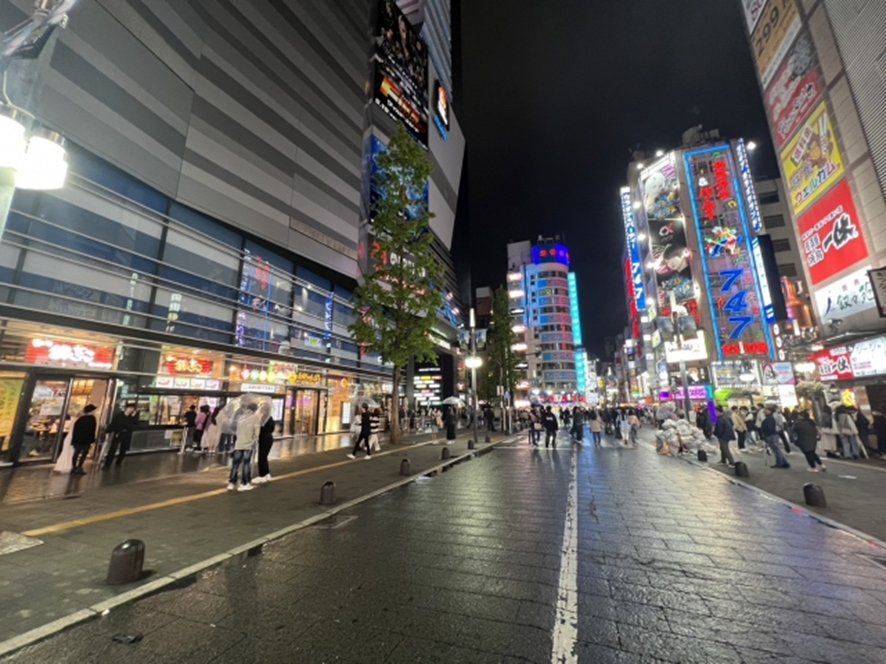
After a day of sightseeing, you might feel like there’s more of Shinjuku you’d like to experience, and the four indoor facilities listed below stay open until late at night. The venues cover different activities: a spa with natural hot-spring water, Japanese arcade games, dining, and karaoke. Whether you’re traveling alone or with a group, one of these spots is bound to match your mood.
Thermae-Yu Shinjuku | Experience Japanese Bathing Culture in Natural Hot-Spring Water
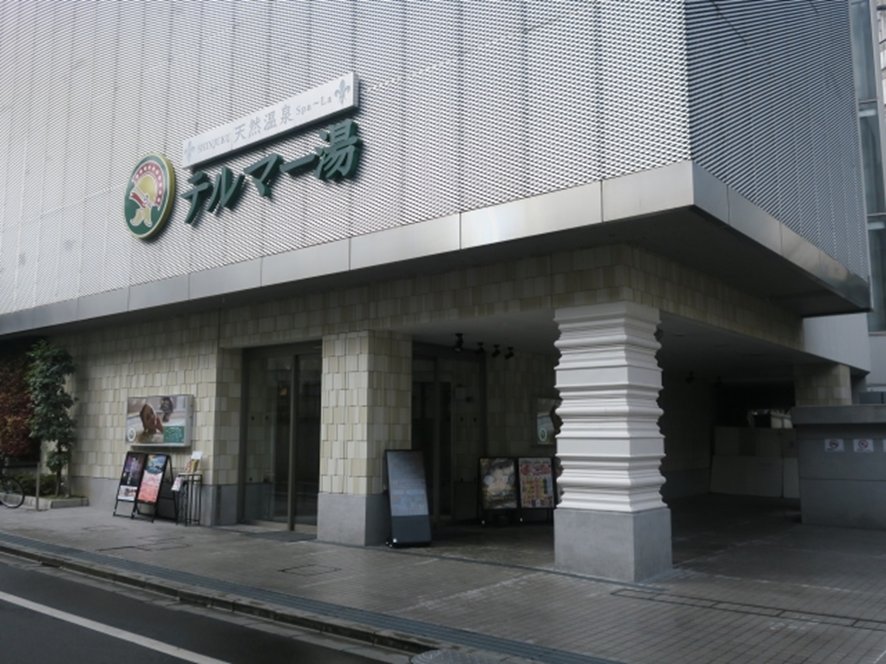
Thermae-Yu is an unusual spa for central Tokyo, filled with natural hot-spring water trucked in daily from Naka-Izu. It has open-air baths, saunas and ganban’yoku (a relaxation treatment where you lie on heated stone) for easing the tiredness of a rainy day.
The venue is open twenty-four hours a day, so it works as a final destination where you can hang out until late at night. Thermae-Yu is also about a two-minute walk from Exit E1 of Shinjuku-sanchome Station, with several train lines nearby.
The admission fee includes towels and indoor wear, so you can arrive empty-handed. Guests with tattoos can enter too, though the facility asks non-Japanese visitors to show a passport and wear stickers to cover their tattoos. Check the latest conditions on the official site beforehand.
Details
| Address | 1-1-2 Kabukicho, Shinjuku-ku, Tokyo |
| Hours | Open 24 hours |
| Admission | Mon-Thu: ¥3,100; Fri, Sat, Sun, public holidays and special days: ¥3,200 (general rate) |
| Closed | Open year-round (occasional closures for facility maintenance) |
| Official site | https://thermae-yu.jp/ |
| Good for | Easing tiredness on a rainy day, trying out Japanese bathing culture, solo travelers and couples staying out late |
Prices and hours are subject to change. Please check the official website for the latest information.
namco TOKYO | Play Japanese Arcade Games
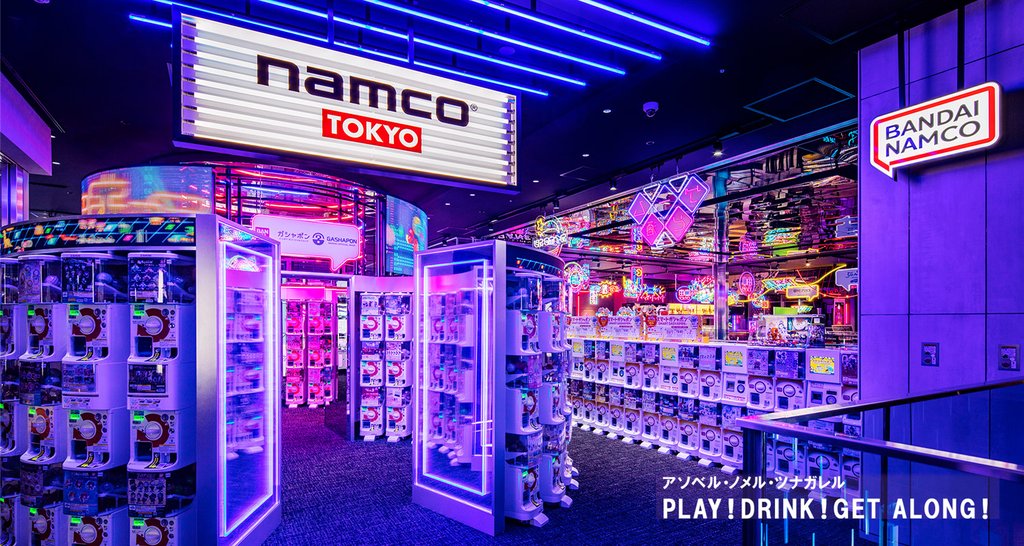
On the third floor of Tokyu Kabukicho Tower, namco TOKYO is an entertainment complex built around Japanese arcade games. The floor is packed with game machines, including crane games and Taiko no Tatsujin (a rhythm game where you strike a drum in time with arrows on the screen).
Even if you don’t understand the language, gameplay is intuitive, which is why this venue is popular with visitors from overseas. Compete for scores with a group of friends, or team up as a couple to win a plush toy. Solo travelers can take one machine at a time, paying only for the rounds that they play.
The adjoining MUSIC & PLAY LOUNGE lets you enjoy games and music content with a drink in hand. namco TOKYO is about a one-minute walk from Seibu-Shinjuku Station and stays open late, making it a convenient way to close out the night.
Details
| Address | Tokyu Kabukicho Tower 3F, 1-29-1 Kabukicho, Shinjuku-ku, Tokyo |
| Hours | Mon-Thu: 11:00 am-11:00 pm; Fri, Sat, Sun and days before public holidays: 11:00 am-1:00 am |
| Closed | Irregular closures |
| Official site | https://bandainamco-am.co.jp/namco_tokyo/ |
| Good for | Group trips, couples, solo travelers interested in Japanese gaming culture |
Hours can change seasonally. Please check the official website before visiting.
Shinjuku Kabuki Hall – Kabuki Yokocho | Compare Regional Specialties
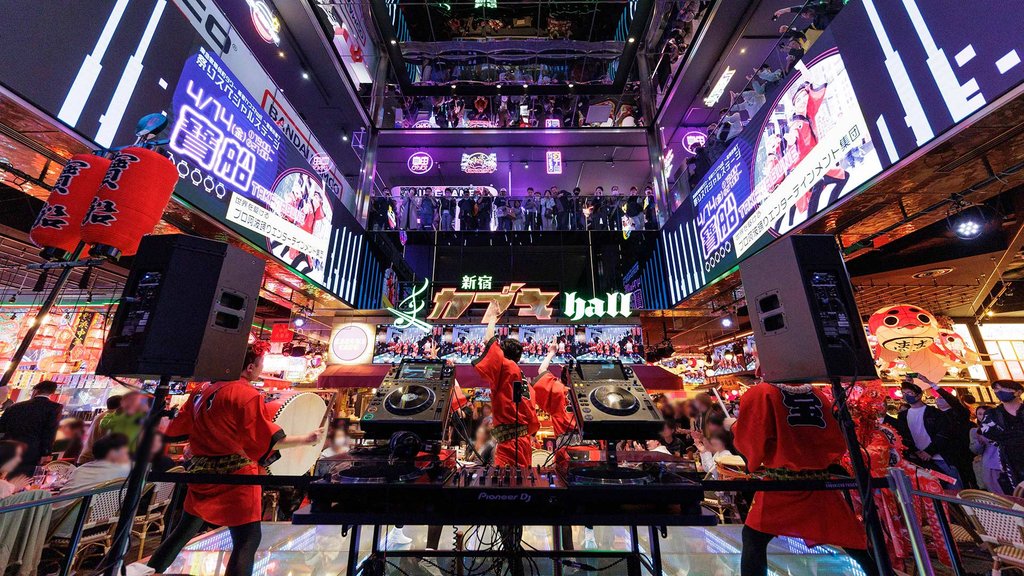
On the second floor of Tokyu Kabukicho Tower, Shinjuku Kabuki Hall – Kabuki Yokocho is a food hall where regional specialties from across Japan sit side by side. Festival-themed booths cover food from Hokkaido, Tohoku, Kanto, Chubu, Osaka, Okinawa and other regions, with ten shops in total. Because several kitchens share one space, you can order from different shops in a single sitting.
The interior follows a festival concept, with music from a DJ booth and video effects filling the space. Menus include photographs, so it’s possible for people who don’t speak Japanese to order by pointing to what they want.
Hours vary by shop, but many booths run twenty-four hours a day or until early morning, so you can still grab a bite here even late at night.
Details
| Address | Tokyu Kabukicho Tower 2F, 1-29-1 Kabukicho, Shinjuku-ku, Tokyo |
| Hours | Vary by shop |
| Closed | Open year-round (including New Year’s holidays) |
| Official site | https://kabukihall.com/ |
| Good for | Late-night dining and groups wanting to sample regional specialties in small portions |
Hours can change seasonally. Please check the official website before visiting.
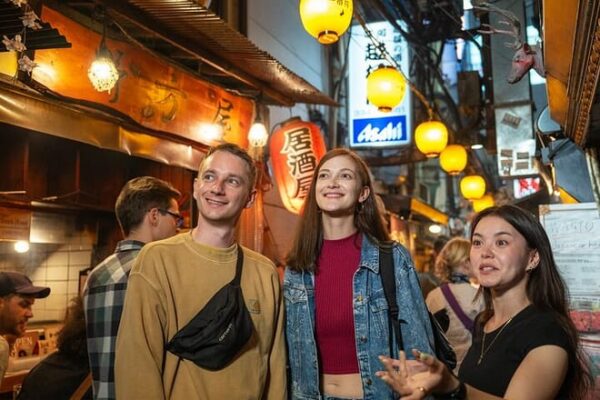
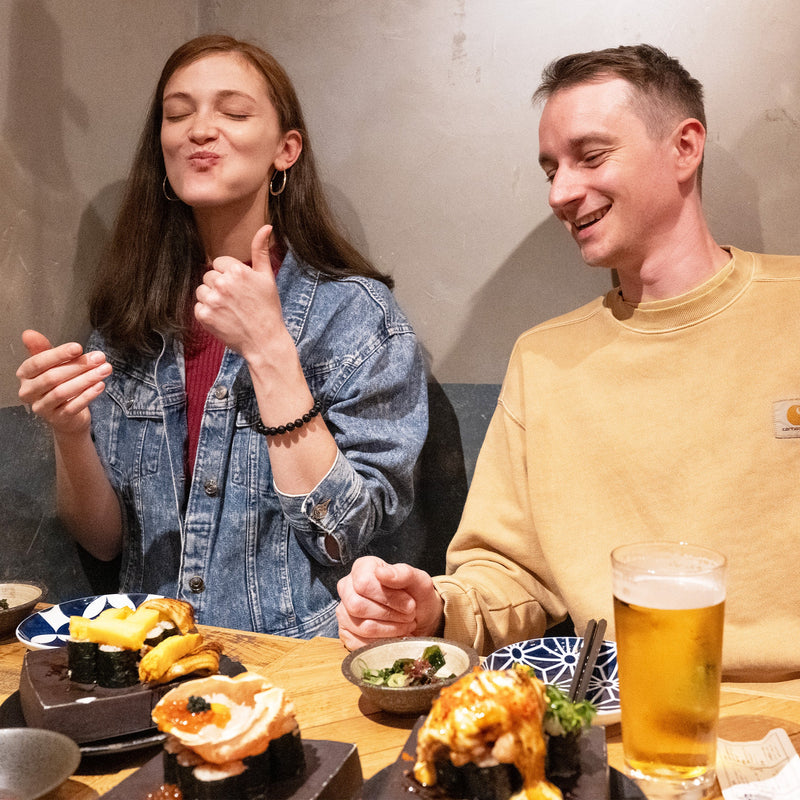
Shinjuku: Food Tour – 15 Dishes at 4 Eateries
Karaoke Pasela Shinjuku Honten | Try Karaoke in a Karaoke Room
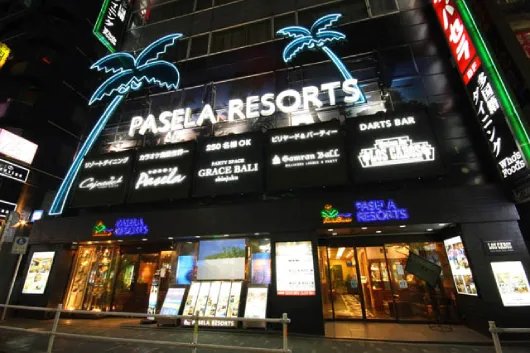
At karaoke bars in Europe and North America, singing on a stage in front of a crowd is the norm. Japanese karaoke is different: the rooms are entirely private, so there’s no need to worry about how well you sing.
Karaoke Pasela Shinjuku Honten is open 24 hours, so you can drop in after sightseeing or after dinner without watching the clock. It sits right by Exit 15b of Shinjuku Subnade, and going through the underground mall ensures you’ll keep dry in the rain.
The official site takes web reservations, and the booking screen lets you choose room types (such as the cinema room) to suit the occasion or your mood.
Details
| Address | 1-3-16 Kabukicho, Shinjuku-ku, Tokyo |
| Hours | Open 24 hours |
| Closed | Irregular closures |
| Official site | https://www.pasela.co.jp/shop/shinjuku/ |
| Good for | Couples and groups of friends who want to try Japanese karaoke |
Hours can change seasonally. Please check the official website before visiting.
Four Cultural Workshops to Enjoy on a Rainy Day in Shinjuku
Besides just sightseeing, a rainy day can be a great time to make something with your own hands. The four indoor workshops we’ll introduce below are all in the Shinjuku area and are focused on Japanese culture. Chopstick making, kintsugi, calligraphy and origami jewelry are the workshops we’ll cover, along with details like how long each session takes and how to choose between them. When you’ve finished, you’ll take your finished piece home with you too, so the memory of the trip stays with you in physical form. Note that indoor facilities fill up quickly on rainy days, so booking ahead is recommended.
Chopstick-Making Workshop | Shape and Take Home Your Own Pair of Chopsticks
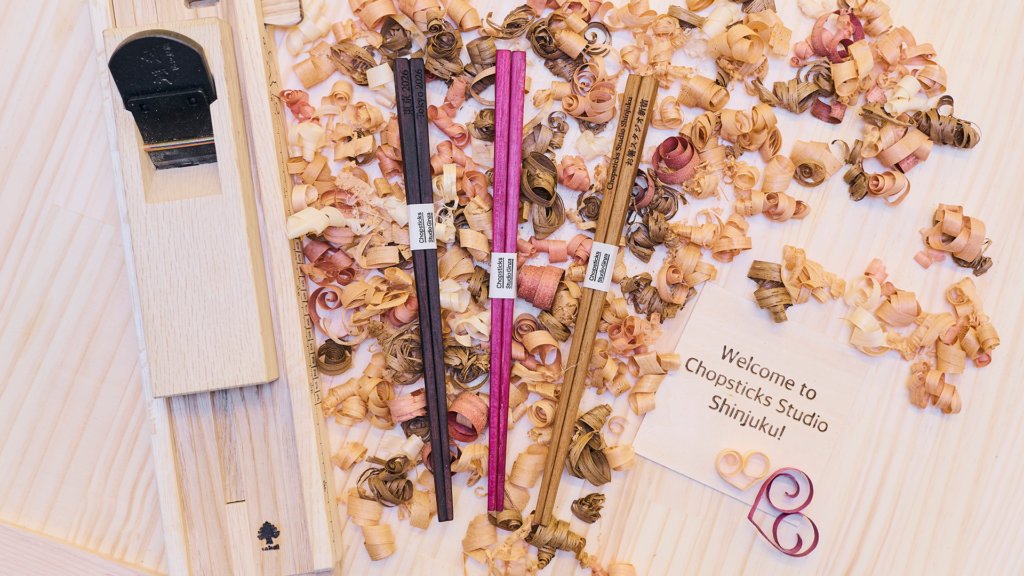
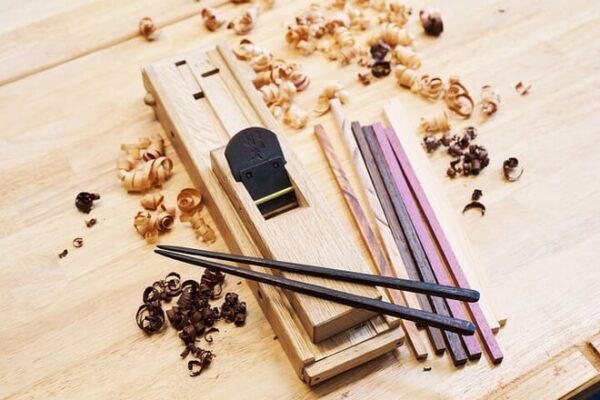
Even without woodworking experience, you can finish your own pair of chopsticks in about an hour at this workshop in the Shinjuku area. Producing a practical souvenir in a short time is a great activity to participate in between sightseeing stops.
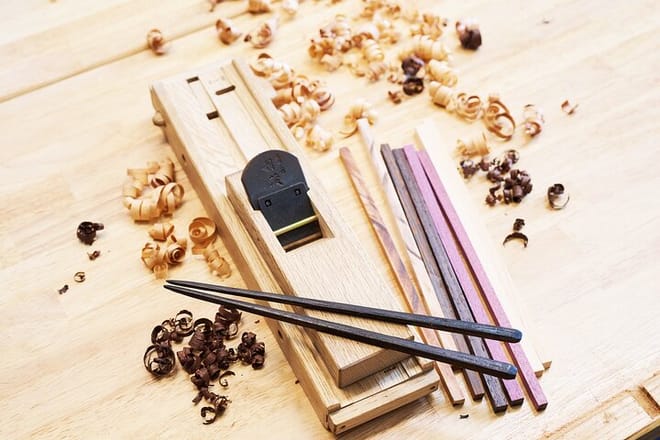
The session starts with choosing a type of wood that you’ll then shape with a plane, and continues through to the finishing steps. English-speaking staff guide each stage, so using unfamiliar tools won’t be a problem.
You’ll take your finished chopsticks back with you too, which saves buying a separate souvenir. If you book your session in the morning, you can pair it with a visit to an art museum or food hall in the afternoon.
Details
| Meeting point | 1-5-4 Kabukicho, Shinjuku-ku, Tokyo |
| Duration | About 1 hour |
| Included | Materials, tool rental |
| Booking site | https://japanguidestar.com/tour/tokyo-shinjuku-chopstick-making-workshop/ |
| Good for | Trying Japanese culture in a short session, couples and families who like making things |
Tokyo Chopstick Making Workshop in Shinjuku
Kintsugi Workshop | Repair Broken Ceramics with Gold
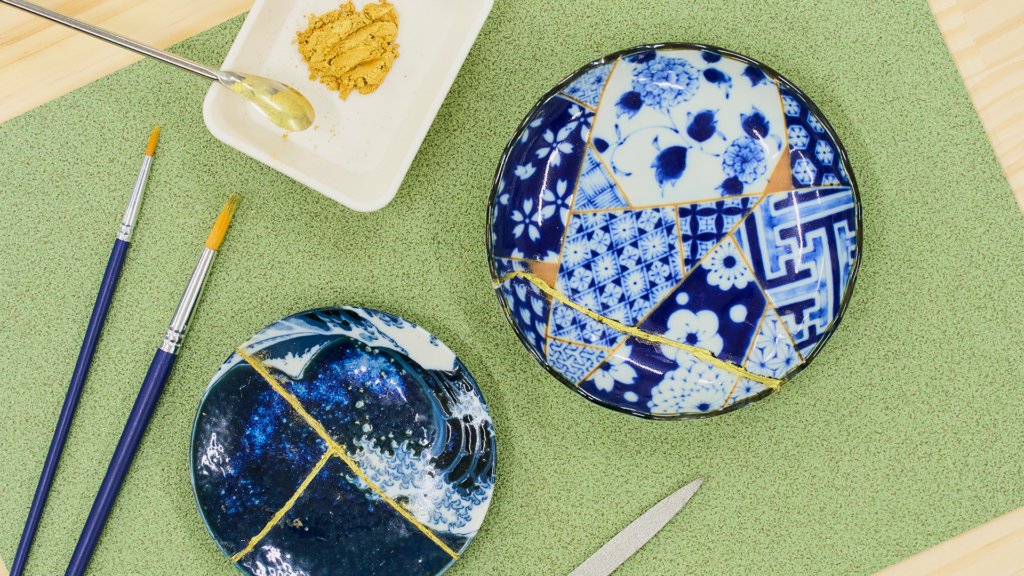
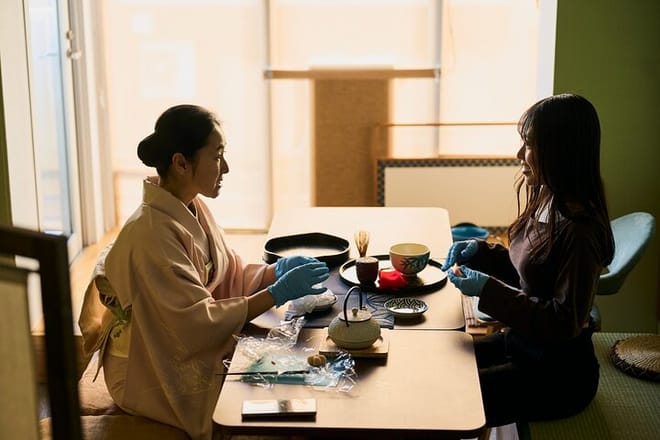
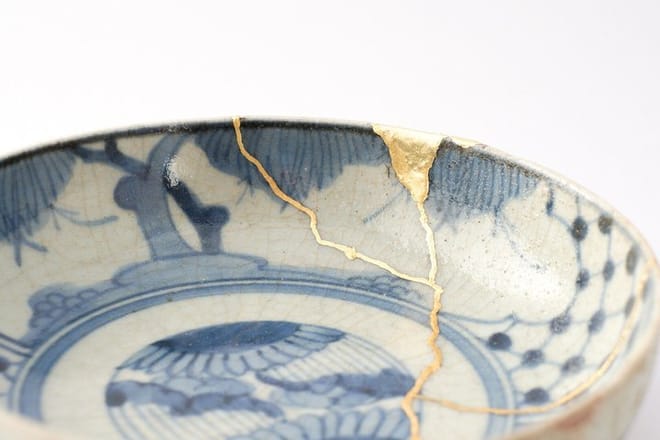
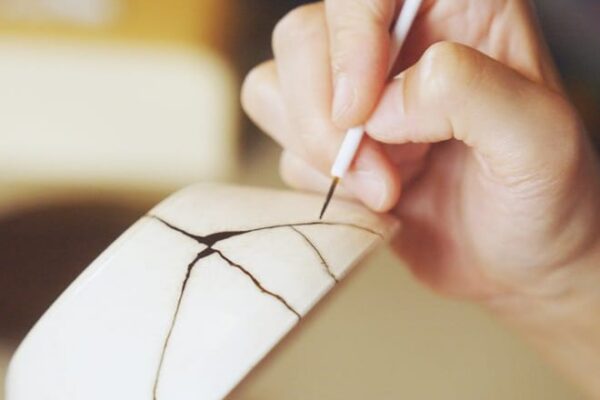
Rather than discarding broken pottery, kintsugi is an art that involves joining the broken pieces back together with gold to give the piece new beauty. Deliberately drawing attention to the scars is at the heart of a philosophy that treats the time an object has existed as part of its value, and working through the repair yourself is one way to understand that sense of beauty.
At Chopsticks Studio Shinjuku, quick-drying materials are used to complete the repair in about an hour and a half, so that you can carry your piece home the same day. Sessions start six times a day between 9 am and 6 pm. Anyone aged six or older can join, which works well for families. English-speaking staff are on hand as well, so Japanese isn’t mandatory. On a rainy day, Chopsticks Studio Shinjuku offers a stretch of time indoors focused entirely on what’s in your hands.
Details
| Meeting point | 1-5-4 Kabukicho, Shinjuku-ku, Tokyo |
| Duration | About 1 hour 30 minutes |
| Included | Materials, the vessel to repair, tool rental (from ¥1,500 per person) |
| Booking site | https://japanguidestar.com/tour/tokyo-japanese-gold-repair-kintsugi-workshop-in-shinjuku/ |
| Good for | Experiencing hands-on Japanese culture, families and groups |
Tokyo: Japanese Gold Repair Kintsugi Workshop in Shinjuku
Calligraphy Workshop | Write Your Name in Japanese
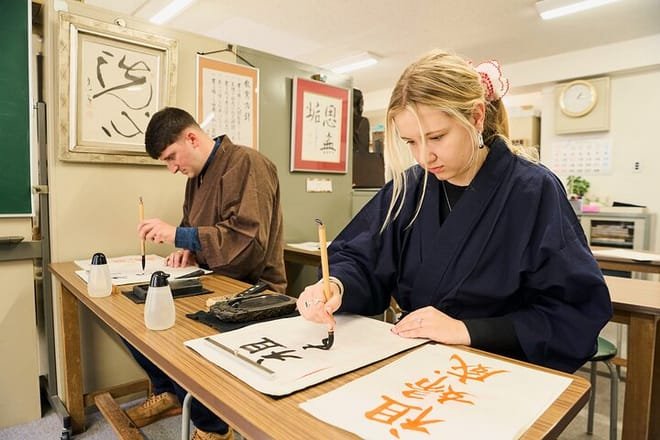
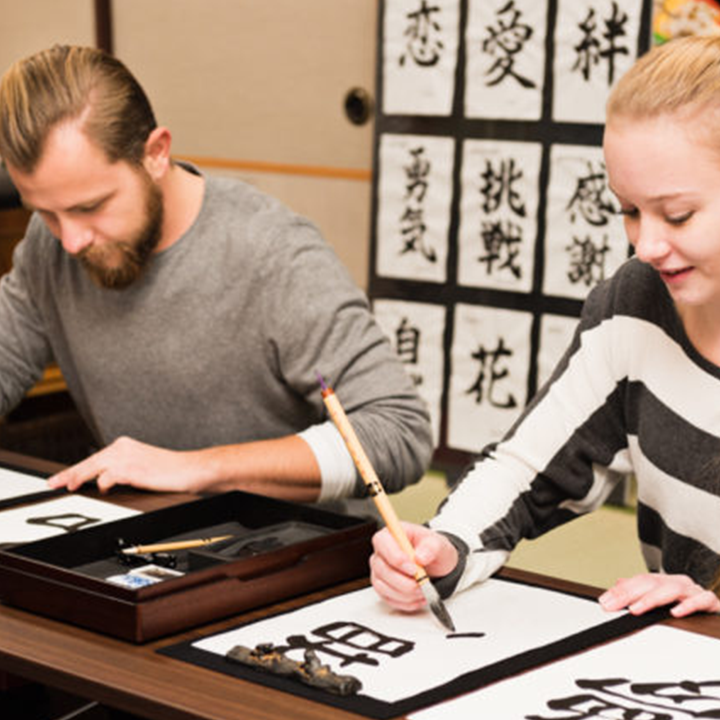
In the Kabukicho area, you can try calligraphy that begins with grinding ink on an inkstone, and the time spent absorbed in brushwork brings you closer to the Japanese aesthetic.
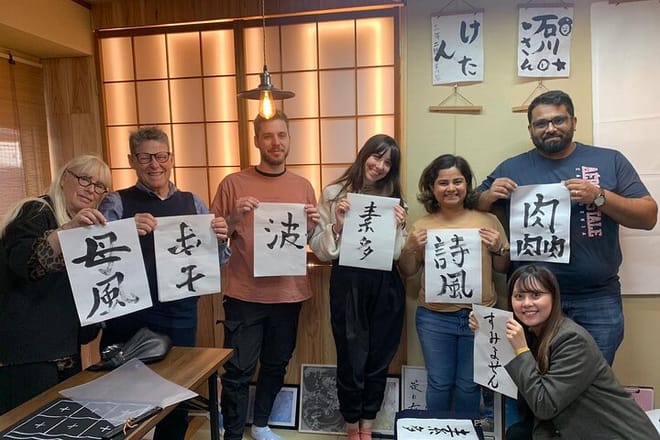
The session runs for about ninety minutes. After changing into a samue (a two-piece work garment), you’ll start with the quiet task of preparing the ink. A professional calligrapher converts your name into Japanese and writes out an example for you to follow, and then you’ll practice with the brush and write it yourself—one stroke at a time—surrounded by the scent of the ink. The rush of sightseeing will fall away as you become engrossed in the activity.
A photo of yourself in samue holding a brush is also great for social media, and you can also print your finished work onto a T-shirt so you can take your art home in wearable form.
Details
| Meeting point | Dai-22 Higashi Building 8F, 1-5-4 Kabukicho, Shinjuku-ku, Tokyo |
| Duration | About 90 minutes |
| Included | Calligraphy tool set rental, Japanese example of your name |
| Booking site | https://japanguidestar.com/tour/tokyo-calligraphy-workshop-original-t-shirt-creation/ |
| Good for | Trying Japanese calligraphy, travelers who value photogenic moments, and anyone who wants a keepsake |
Tokyo: Calligraphy Workshop & Original T-Shirt Creation
You’ll begin by exploring the fascinating history of kanji and its evolution
Origami Jewelry Workshop | Make Accessories from Japanese Paper
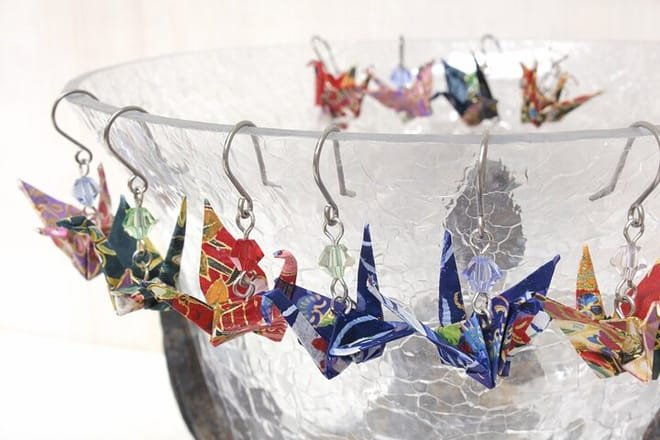
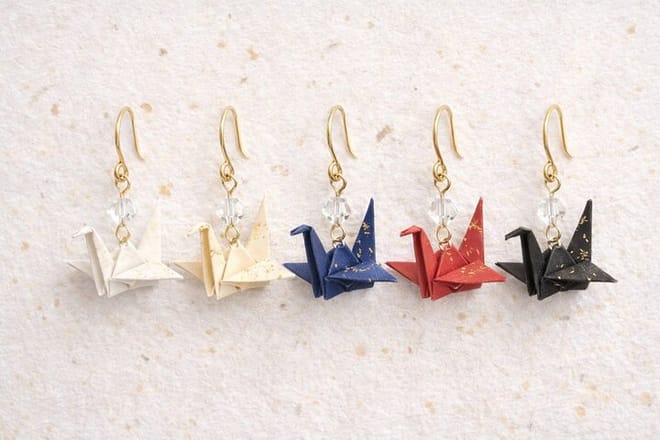
At this workshop, you’ll choose the washi (Japanese paper) you like, fold small cranes or decorative balls of folded paper, then turn them into earrings or a necklace. The session only takes about an hour, so it slots in easily around bowling, a film or another stop in Kabukicho.
What’s more, the finished accessories are remarkably light, so they take up almost no room in your suitcase.
Details
| Meeting point | Higashi Building 8F, 1-5-4 Kabukicho, Shinjuku-ku, Tokyo |
| Duration | About 1 hour |
| Included | Washi paper, jewelry parts, and tool rental |
| Booking site | https://japanguidestar.com/tour/tokyo-create-your-own-handmade-origami-jewelry/ |
| Good for | Travelers who want a light souvenir made quickly, couples, parents and children |
Tokyo: Create Your Own Handmade Origami Jewelry
Discover the beauty of traditional Japanese craftsmanship in this hands-on origami workshop.
A Practical Guide to Touring Shinjuku’s Indoor Spots
Once you’ve chosen where to go, small adjustments to how you move through the day make a big difference. Four things are worth figuring out before you set off: reservations, timing, luggage storage, and payments.
Book Workshops First and Leave the Hours Around Them Open
Treat reservations as the pillar of your schedule and lock them in first. Workshops have fixed start times, and many don’t take walk-ins. For example, you can book the chopstick-making session online and confirm the booking on the spot. With that fixed, fill the two or three hours before and after the workshop with places that don’t require a reservation. In this way, using the observatories or the Isetan food floor as a buffer keeps spare time from going to waste.
A few points are worth checking before you book:
- Some places allow booking online, while others require a phone call or an in-person application
- Free-cancellation deadlines differ by facility, so read the terms on the booking page
- The SOMPO Museum of Art sometimes closes temporarily to change exhibitions, so check the calendar on the official site
Along with official websites, make sure to check each facility’s social media accounts before you leave. Sudden entry restrictions and schedule changes are easy to miss otherwise.
Tokyo Chopstick Making Workshop in Shinjuku
Tokyo: Japanese Gold Repair Kintsugi Workshop in Shinjuku
Arrive Right at Opening to Avoid the Crowds
On rainy days, indoor facilities fill up around midday. Many travelers set out after breakfast at their hotel, so the typical pattern is a sharp rise in visitors after 11 am. An hour in the morning is worth three hours at midday. Arriving right at opening means almost no wait, and the calmer interior makes the visit noticeably better.
| Facility | Opening Time |
|---|---|
| Tokyo Metropolitan Government Building Observatories | 9:30 am |
| SOMPO Museum of Art | 10:00 am |
| namco TOKYO / Game Panic Shinjuku | 10:00 am |
Hours can change seasonally. Please check the official website before visiting.
A good schedule starts with the view from the observatories at 9:30 am, then on to the SOMPO Museum of Art for its 10 am opening. You’ll leave the museum around 11:30 am, and head straight to an early lunch, keeping you clear of the midday peak. If jet lag has you up early, put it to good use.
Leave Your Luggage in an Underground Locker
Dragging a suitcase through the underground malls is more tiring than it sounds, and moving around unencumbered changes the feel of the whole day for the better.
Shinjuku Station is one of Japan’s largest terminals. Coin lockers are spread across several areas, and rates run around ¥400 for small lockers and ¥700-800 for larger ones. With inbound travel on the rise, large suitcase-sized lockers are often full by late morning. You can check locker availability in advance with To Locca. The app shows locker locations and vacancies on a map and lets you reserve from your phone.
There are two alternatives available when you can’t find a vacant locker:
- ecbo cloak (a luggage storage booking service): reserve with your phone and leave bags at a partner shop nearby (¥400-800 per item)
- Your hotel front desk: many hotels will hold your luggage for you free of charge before check-in and after check-out
Carry coins (¥100 and ¥500) when using lockers: older key-operated units sometimes only accept cash. Keep valuables with you and store only clothing and souvenirs.
Arcade Machines and Small Shops Often Require Cash
Large commercial facilities in Shinjuku almost always take cards, though arcade machines and small restaurants still call for cash at times. At the TAITO branch inside Tokyu Kabukicho Tower, some machines accept transit IC cards and QR code payments, but only a portion of them. Certain crane games and medal games take coins only, and you may need a change machine to get ¥100 coins.
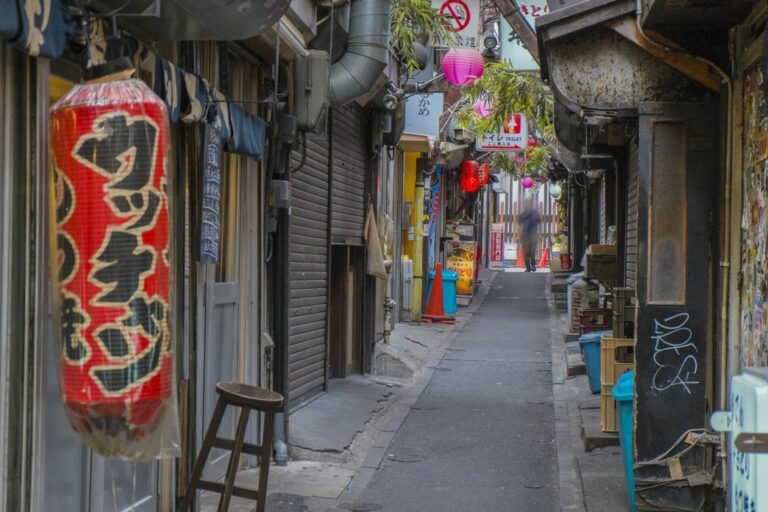
Small izakaya (Japanese pub-style restaurants) in the Omoide Yokocho and Golden Gai alley districts are frequently cash-only as well. Checking Google reviews or Tabelog (a Japanese restaurant review site) for a “cards accepted” note before visiting will save you from getting in trouble.
As a rough guide, ¥3,000 to ¥5,000 ($20 to $35 USD) in your pocket will cover a few rounds of games plus food and drinks at smaller places. If you run short, ATMs around Shinjuku Station can be used to dispense more.
- Seven Bank ATMs: there are several of these inside the station and in nearby convenience stores, and they accept overseas cards
- Japan Post Bank ATMs: available inside post offices near the station
- Sumitomo Mitsui Banking Corporation ATMs: in shopping complexes at the East and West Exits
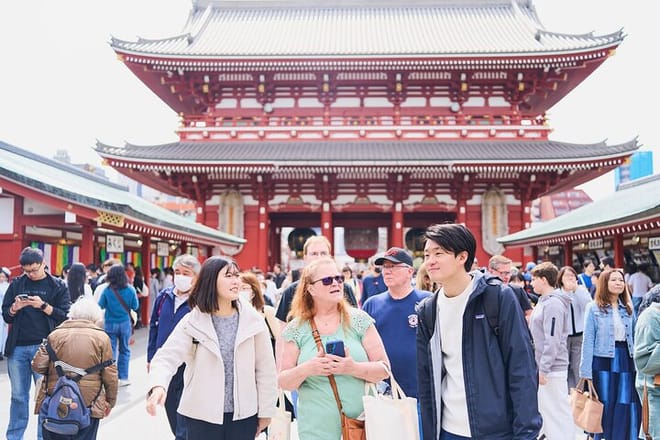
Tokyo: Shinjuku Historical Walking Tour & Secret Backstreets
FAQ: Common Questions About Indoor Activities in Shinjuku

Below are answers to some of the questions travelers ask about indoor activities in Shinjuku. Read on to find out whether or not indoor spots alone can fill up an entire day, tips for visiting with children, and information about English-language support.
Can Indoor Spots Alone Fill a Whole Day in Shinjuku?
Yes, indoor spots in Shinjuku can comfortably fill a day from morning to night. The model plan below can be rearranged to suit your own pace:
| Time of Day | Example Spots | Approximate Time |
|---|---|---|
| Morning | SOMPO Museum of Art or the observatories | About 1-1.5 hours |
| Lunch | Isetan food floor or a restaurant in Lumine | About 1-1.5 hours |
| Afternoon | namco TOKYO or a cultural workshop | About 2-3 hours |
| Evening and Nighttime | Thermae-Yu or Karaoke Pasela Shinjuku Honten | About 2-3 hours |
Visit the observatories on the west side in the morning, then take the underground passage to the east side, where Kabukicho Tower and Thermae-Yu are just twenty minutes away on foot. Indoor facilities get busy on rainy days and weekends, so aiming for the period right after opening will cut down on how long you’ll have to wait. Secure anything that requires a reservation, such as a workshop, first.
Tokyo: Japanese Gold Repair Kintsugi Workshop in Shinjuku
Tokyo: Calligraphy Workshop & Original T-Shirt Creation
You’ll begin by exploring the fascinating history of kanji and its evolution
Are There Indoor Spots I Can Visit with Children?
Yes, Shinjuku has several indoor spots that families can enjoy together. The key is checking each facility’s age limits and conditions of use in advance.
Beru Beru Park Shinjuku Honten (an indoor play facility) caters to children from newborns to age nine, which makes it a great option for young kids. Workshops accommodate a wide range of ages, and parents and children can usually take part together.
Some bathing facilities and arcades restrict entry for minors at night. Check official sites for age requirements and restrictions before visiting, and confirm whether a guardian must accompany your child.
Tokyo Chopstick Making Workshop in Shinjuku
Tokyo: Create Your Own Handmade Origami Jewelry
Discover the beauty of traditional Japanese craftsmanship in this hands-on origami workshop.
Can I Get Assistance in English at Shinjuku’s Indoor Facilities?
The level of English support varies by facility, so it helps to know in advance where English is understood. The table below compares the main facilities.
| Level of Support | Facilities |
|---|---|
| English-speaking staff | SOMPO Museum of Art; Thermae-Yu |
| English signage and app support | namco TOKYO; Isetan Shinjuku; Karaoke Pasela Shinjuku Honten |
| Mainly Japanese only | Independent shops in Kabuki Yokocho; restaurants in the underground malls |
For craft workshops, the level of English support depends on the instructor. Adding a single question when booking—such as “Is English instruction available?”—should help point you to a session that can accommodate you.
Even at Japanese-only restaurants, pointing at a photo menu or showing a translated phrase on your phone is enough to place an order. If you get stuck, the English-speaking staff and tablet interpretation service at the Shinjuku Tourist Information Center (open 10 am-7 pm) can help.
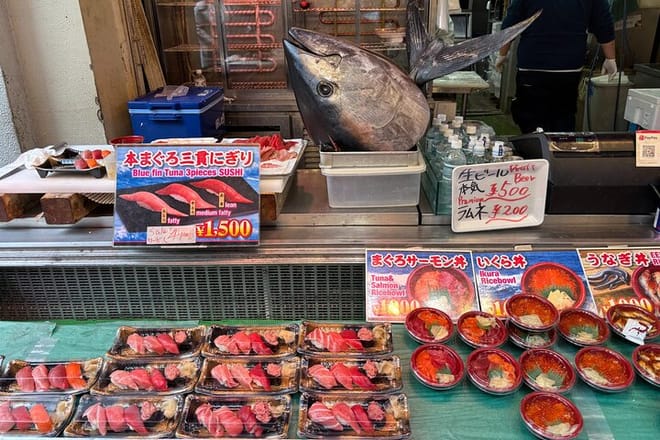
Shinjuku: Food Tour – 15 Dishes at 4 Eateries
Summary
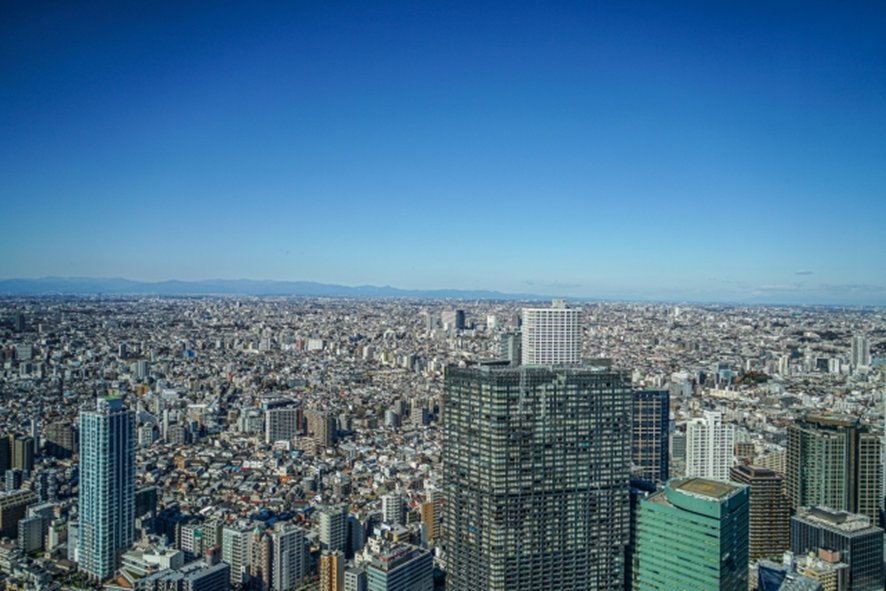
Shinjuku lets you move between places underground without getting wet, and its art museums, bathing facilities, workshops and karaoke can fill a day from morning to night entirely indoors. Because indoor facilities get crowded in the rain, booking workshops ahead of time and arriving right at opening will keep the day comfortable for you.