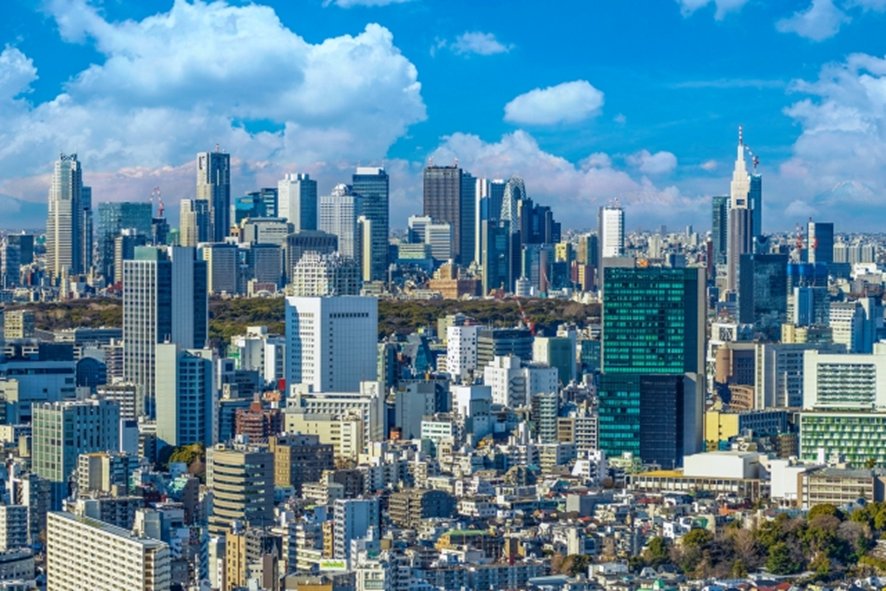
Want to eat in Shinjuku but feel overwhelmed by the sheer number of choices? The area around Shinjuku Station is home to thousands of restaurants, ranging from tiny local eateries to upscale dining spots, spread across neighborhoods with completely different atmospheres and price ranges.
Some restaurants offer menus only in Japanese, while others may cater heavily to tourists with higher prices. A little preparation before your visit can make it much easier to find a place that matches your preferences.
This guide explains the dining character of each Shinjuku neighborhood, the best ways to enjoy each area, dishes worth trying, and important points to know before you go. With budget guidelines and late-night dining tips included, you’ll be able to choose restaurants with confidence, even on your first visit to Shinjuku.
What Makes Shinjuku a Standout Food Destination
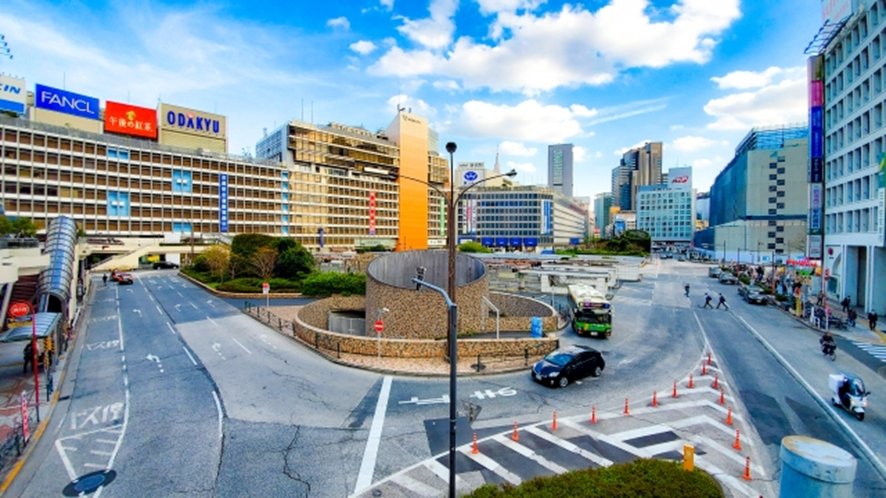
Shinjuku offers an incredible variety of restaurants, but the sheer number of choices can make deciding where to eat difficult, especially for first-time visitors.
Three characteristics define Shinjuku’s dining scene: each neighborhood specializes in different cuisines, budgets range from from budget-friendly to high-end, and many restaurants stay open late. Understanding these features makes it easier to choose the right area, plan your meals around your schedule, and enjoy Shinjuku’s food scene with confidence.
Each Station Exit Leads to a Different Kind of Cuisine
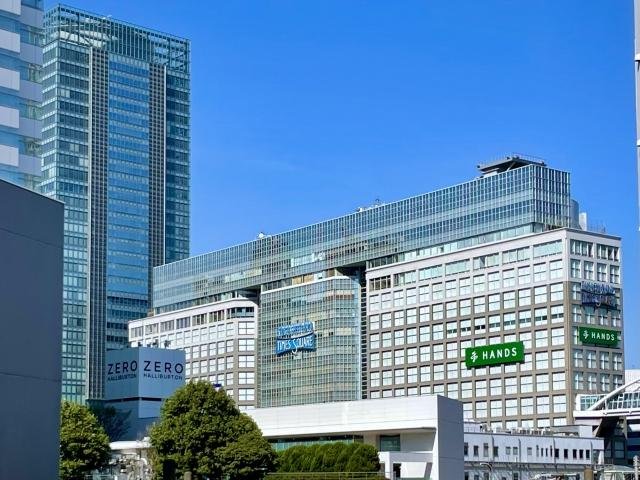
The dining districts around Shinjuku Station have completely different personalities depending on which exit you use, so choosing the right direction can shape your entire dining experience.
A one-minute walk from the West Exit brings you to Omoide Yokocho, a compact collection of izakaya (Japanese pub-style restaurants) that preserves a Showa-era (mid-20th-century Japan) atmosphere. From the East Exit, Golden Gai and one of Tokyo’s most competitive ramen districts are just a 3–5 minute walk away. If you’re craving Korean street food, Shin-Okubo Station is only one stop away on the Yamanote Line.
| Nearest Exit / Station | Main Food Area | Signature Cuisine |
|---|---|---|
| West Exit (1-min walk) | Omoide Yokocho | Yakitori, simmered offal |
| East Exit (3- to 5-min walk) | Kabukicho, Golden Gai | Ramen, bars, late-night diners |
| South Exit (2-min walk) | Around Shinjuku Southern Terrace | Cafes, Western food |
| Shin-Okubo Station (1 stop) | Okubo Koreatown | Korean food, street snacks |
The East and West Exits are connected directly by the East-West Free Passage, which takes about five minutes to walk through. Because Shinjuku Station’s platforms are on the ground level and the main concourse is one floor below, you need to go underground to cross between the two sides.
If you prefer to remain above ground, the route through the Tsunohazu underpass (Ome underground passage) on the north side is the shortest alternative and takes roughly the same amount of time.
Once you decide what type of food you want, simply choose the corresponding exit first. This simple step makes navigating Shinjuku’s massive station area much easier and helps you reach your dining destination without unnecessary detours.
Affordable Eats Starting at ¥100 per Yakitori Skewer
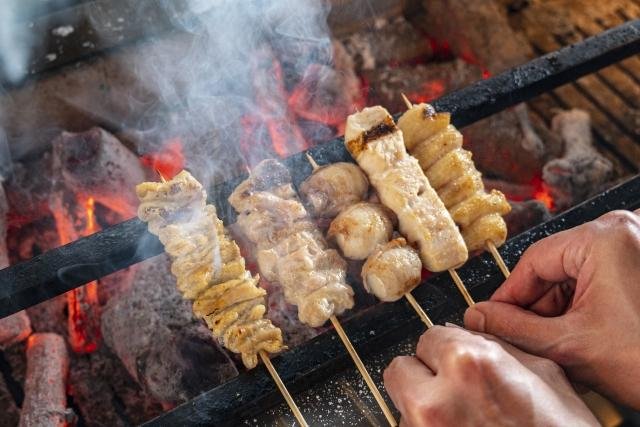
Many travelers assume that dining in Shinjuku is expensive, but the area actually offers options for almost every budget.
At yakitori shops in Omoide Yokocho, individual skewers often start at around ¥100–¥200 (less than USD 1–2). A casual evening with several skewers and two beers typically costs around ¥2,000–¥3,000 per person. For daytime meals, standing soba shops usually cost around ¥500, while ramen is often around ¥1,000, making a satisfying lunch under ¥1,000 entirely realistic.
Dining styles in Shinjuku vary widely depending on your budget:
| Budget (per person) | Example Dining Style |
|---|---|
| Up to ¥1,500 | One-bowl meals such as standing soba, ramen, or beef bowls |
| ¥2,000-¥3,000 | A light meal with drinks at one izakaya |
| ¥3,000-¥5,000 | Hopping between 2-3 spots in the yokocho alleys or Kabukicho |
| ¥5,000 to over ¥10,000 | Course meals on department store restaurant floors |
The restaurant floors at Isetan Shinjuku offer everything from casual dining with dinner budgets around ¥2,000 to high-end Japanese restaurants costing more than ¥10,000 per person. Whether you’re a backpacker looking for affordable local food or a couple searching for a memorable anniversary dinner, Shinjuku has options to match your budget and occasion.
Many Restaurants Stay Open Late into the Night
Shinjuku is often described as a city that never sleeps, and for good reason. Even travelers arriving late at night can usually find somewhere to eat. Since each neighborhood has its own peak hours, choosing your destination based on your arrival time is the best way to enjoy the area.
| Time of Day | Recommended Area | Character |
|---|---|---|
| Until around 10 pm | Omoide Yokocho | Lively mix of locals and travelers |
| 8 pm to 2-3 am | Golden Gai | Quiet, grown-up atmosphere suited to bar hopping |
| Late night to early morning | Around Kabukicho | Dotted with 24-hour ramen shops and large izakaya |
Many restaurants in Omoide Yokocho operate from the evening into late night. Golden Gai bars typically begin opening after 7:00 pm, with many remaining open until around 3:00–5:00 am, while some establishments open earlier in the day. In the Kabukicho area, certain izakaya continue serving until 5:00 am, making it possible to enjoy a hot meal even after a late-night flight arrival.
Compared with areas such as Shibuya and Ginza, Shinjuku’s greatest advantage is the sheer variety of late-night dining options. As the night gets later, the atmosphere becomes more casual, with more young locals and travelers filling the streets.
If you expect to arrive late or want to enjoy Tokyo after midnight, keep the Kabukicho area high on your list of options.
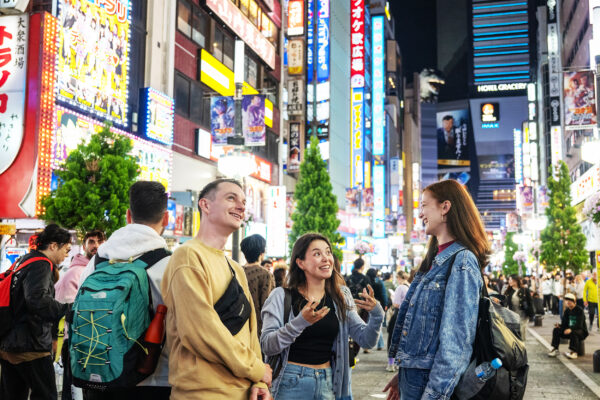
Tokyo: Shinjuku Historical Walking Tour & Secret Backstreets
5 Ways for Travelers to Enjoy Shinjuku’s Food Scene
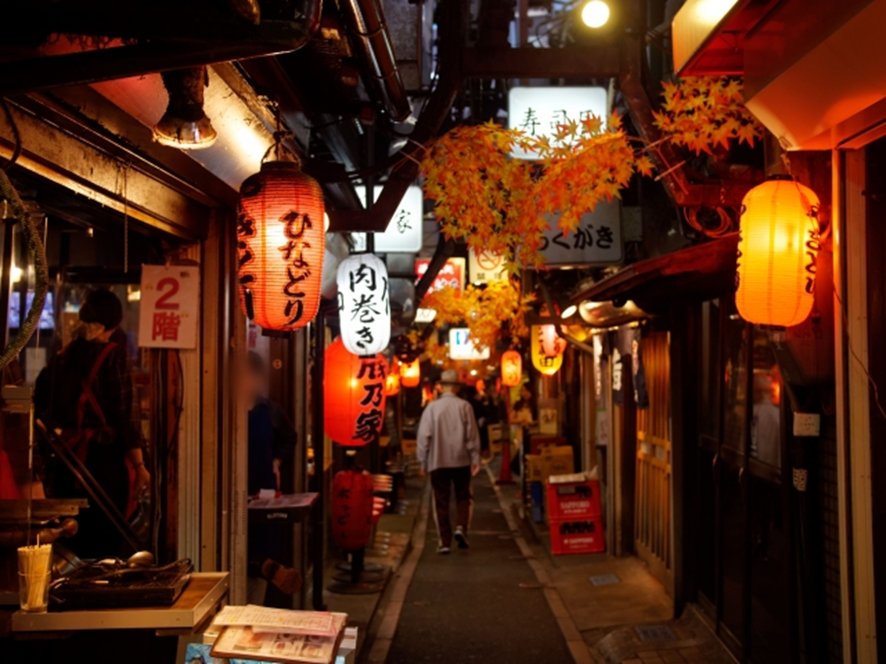
Shinjuku’s food districts are packed closely together, yet each one offers a completely different atmosphere and dining experience. Simply choosing a different direction from the station can lead you to an entirely new culinary adventure.
Here are five recommended ways to enjoy Shinjuku’s food scene, from izakaya hopping through nostalgic Showa-era alleys to exploring multicultural street food and joining a guided food tour.
By understanding the atmosphere, specialties, and typical operating hours of each area in advance, you can easily choose the dining experience that best matches your travel style.
1. Izakaya Hopping in Omoide Yokocho
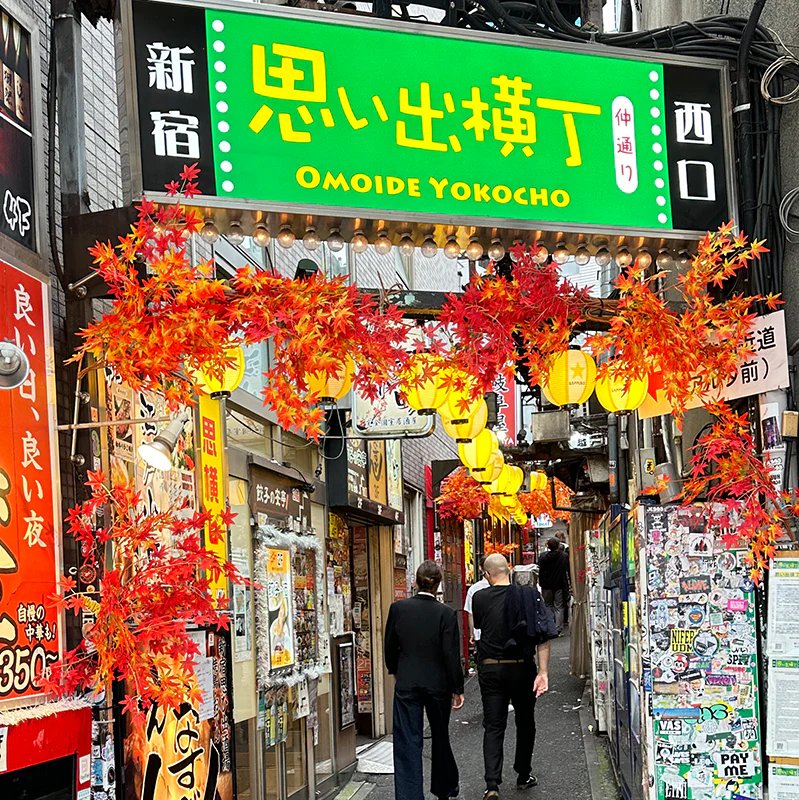
Located about a 3-minute walk from the West Exit of JR Shinjuku Station, Omoide Yokocho is a maze of narrow alleys lined with tiny eateries that preserve a nostalgic Showa-era (mid-20th-century Japan) atmosphere.
Most restaurants are small, with counter seating being the norm. The classic way to enjoy the area is hashigo-zake, literally “ladder drinking”, where you order a few dishes and a drink at one shop before moving on to the next. With a budget of around ¥2,000–¥3,000 per restaurant, visiting two or three places will usually keep your total under ¥10,000.
A popular route is to start with yakitori and beer at your first stop, then move on to simmered offal dishes and sake at the next. If it’s your first visit, keep these points in mind:
- Bring cash: Many small restaurants do not accept credit cards or QR payments.
- Expect otoshi: A small appetizer served when you sit down is common and usually costs around ¥200–¥400.
- Check the hours: Most shops open from early afternoon and close around 11:00 pm.
The ordering process is simpler than it may seem. Show the number of people in your group using your fingers, and staff will guide you to available seats. Pointing at menu items is perfectly acceptable, and saying “check, please” when you are ready to leave is enough. The language barrier is rarely an issue in Omoide Yokocho.

Shinjuku: Food Tour – 15 Dishes at 4 Eateries
2. Bar Hopping in Golden Gai
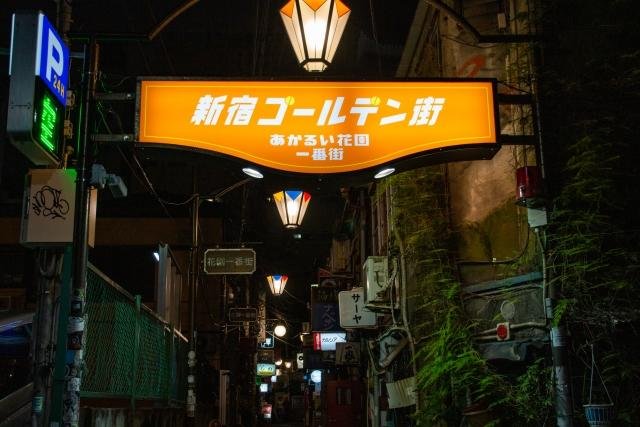
Golden Gai is less about eating and more about drinks, conversation, and the atmosphere of a traditional Tokyo bar district. The true appeal lies in sitting across from the bartender at a tiny counter and enjoying the personal interaction.
Located about an 8-minute walk from the East Exit of JR Shinjuku Station, Golden Gai consists of more than 200 small bars packed into narrow alleyways. Most establishments open around 7:00–8:00 pm and remain open until approximately 3:00 am, with the liveliest hours after 9:00 pm.
For first-time visitors, look for bars with open doors and a welcoming atmosphere. Instead of spending the entire night at one location, the classic Golden Gai experience is to enjoy one or two drinks at each bar and move on to another.
Expect a cover charge of around ¥500–¥1,000, with drinks generally starting at about ¥500. Before visiting, keep these points in mind:
- Ask before taking photos: Photography is generally restricted, so always get permission before using your phone or camera.
- Visit in small groups: Groups of 1–3 people are ideal, as larger groups can overwhelm the intimate atmosphere of the bars.
- Don’t worry too much about language: Simple gestures, a smile, and a few basic Japanese phrases are usually enough to start a conversation.
3. Korean Street Food in Shin-Okubo
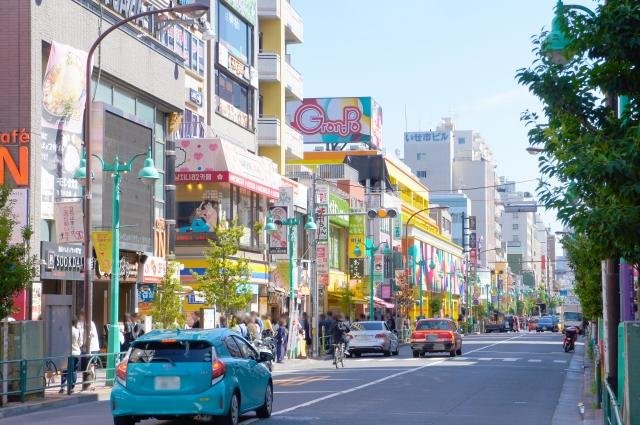
Shin-Okubo, just one stop from JR Shinjuku Station, is Tokyo’s largest Koreatown and a top destination for casual food exploration. The best way to enjoy the area is through street food hopping: buy small portions from different shops and sample them while walking around the neighborhood.
Many restaurants and food stalls line Okubo-dori in front of Shin-Okubo Station, offering approachable Korean favorites such as:
- Tteokbokki: Chewy rice cakes coated in a spicy-sweet sauce.
- Cheese corn dogs: Break one open and the cheese stretches out in gooey strands.
- Hotteok: A Korean sweet pancake with a crisp exterior and a warm, sugary filling.
Most items cost around ¥500–¥800, so trying three or four different dishes usually comes to roughly ¥3,000.
Timing makes a big difference, however. Weekends can become extremely crowded, especially around popular food stalls. For a more relaxed visit with shorter waits, aim for a weekday around 11:00 am or after 2:30 pm.
4. Late-Night Dining in Kabukicho
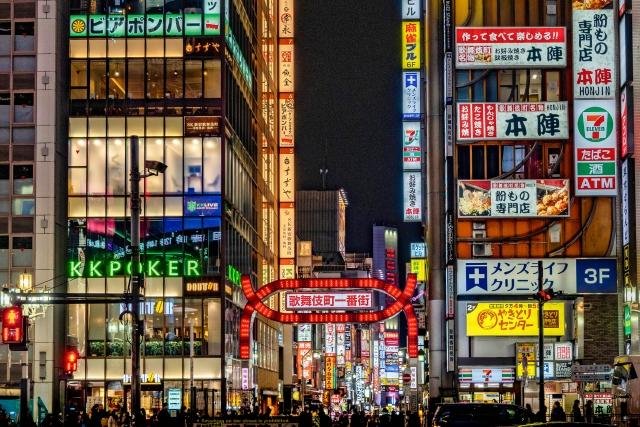
Kabukicho is the ideal destination for that moment when you have finished drinking but still want one more bite before heading back to your hotel. Located about a 5-minute walk from the East Exit of JR Shinjuku Station, the area is packed with restaurants that stay open until late at night or even 24 hours.
The must-try experience here is shime no ramen: a final bowl of ramen enjoyed after drinking. Many ramen shops continue serving into the early morning, offering a chance to experience a classic part of Japanese nightlife culture.
Kabukicho is also particularly convenient for international visitors:
Kabukicho is traveler-friendly for practical reasons:
- Many restaurants offer English menus and accept credit cards.
- Large restaurants are widely available, making it easier for groups to find seats.
- Some establishments operate 24 hours, allowing you to eat whenever hunger strikes.
The biggest advantage of Kabukicho is its reliability: no matter how late the hour, you can usually find a warm meal waiting.
5. A Guided Izakaya Experience on a Food Tour
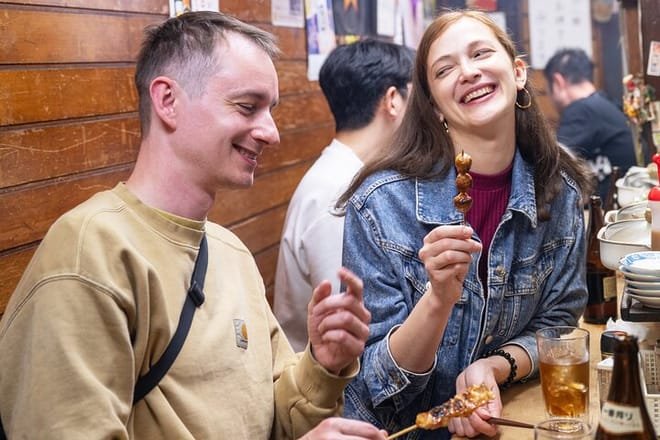
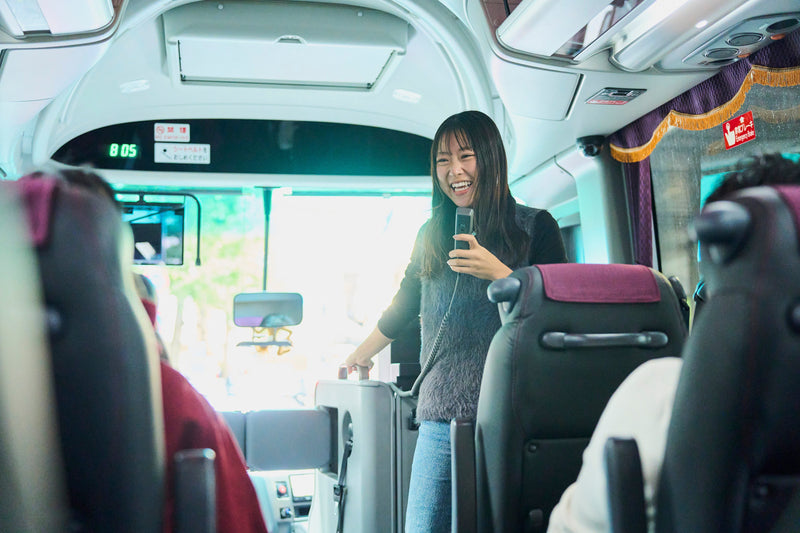
If choosing restaurants without English menus feels intimidating, or you simply cannot decide where to eat, a guided food tour is a reliable option.
Japan Guide Star’ “Tokyo: Shinjuku Food Tour with 15 Dishes at 4 Eateries” takes you through selected izakaya in Omoide Yokocho and Golden Gai with an English-speaking guide. Over approximately three hours, you can enjoy 15 dishes plus drinks while efficiently visiting small, memorable establishments that can be difficult to discover on your own.
Many food tour operators can accommodate dietary requirements such as halal or vegetarian requests by coordinating with restaurants in advance, provided you mention your needs when booking. Policies and available options vary by operator, so for Japan Guide Star’ specific arrangements, it is best to check the latest tour details or contact them directly before making a reservation.
Details
| Booking site | https://japanguidestar.com/tour/shinjuku-food-tour-15-dishes-at-4-eateries/ |
| Meeting point | 3-38-1 Shinjuku, Shinjuku-ku, Tokyo; in front of the police box at Shinjuku Station East Exit (look for the “Local Guide Stars” sign) |
| Duration | About 3 hours |
| Included | 15 dishes, 3 drinks, and an English-speaking guide |
| Best for | Those worried about the language barrier, unsure where to eat, or wanting to sample many flavors in a short time |
5 Foods You Have to Try in Shinjuku
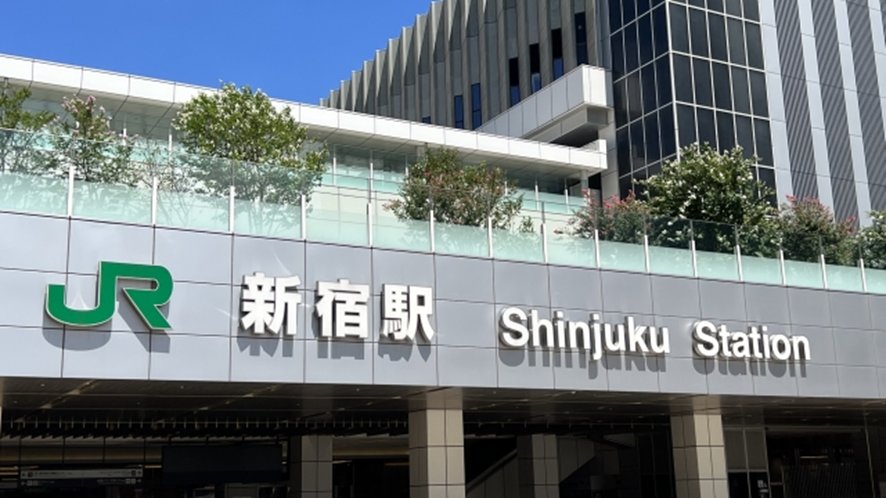
Shinjuku offers an almost overwhelming number of restaurants, and many visitors find it difficult to decide what type of cuisine to try first.
This section introduces five of the area’s most popular food categories and explains the basics of how to enjoy each one. For ramen, grilled skewers, sushi, eel, and izakaya dishes, you’ll find a recommended standout restaurant along with a typical budget guide.
Use these recommendations as a starting point to discover the Shinjuku dining experience that best matches your travel style, schedule, and budget.
Ramen: Dip Thick Noodles into Rich, Concentrated Broth
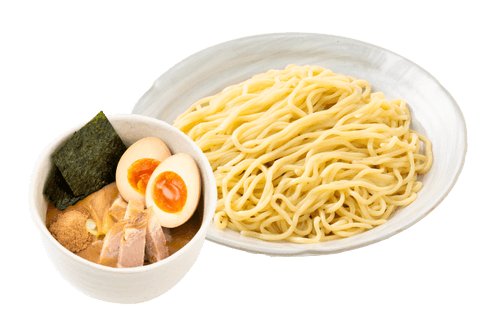
The most iconic ramen style in Shinjuku is tsukemen (dipping noodles), where chilled, thick noodles are dipped into a separate bowl of hot, concentrated broth.
The soup is typically made by simmering chicken bones and seafood for hours, creating a rich, dense texture that coats the hearty noodles. To enjoy it, pick up a small amount of noodles, dip them into the broth, and slurp. The contrast between the cool noodles and hot soup creates a distinctive eating experience.
Once you finish the noodles, ask for soup-wari, a serving of hot broth added to the remaining dipping sauce to dilute it. This lets you enjoy the final flavors of the soup instead of leaving it behind.
Fuunji
For tsukemen in Shinjuku, Fuunji is one of the most popular choices. Its signature flavor comes from a two-layer dipping sauce combining creamy chicken paitan broth with seafood flavors. You can choose regular, medium, or large noodle portions at the same price, making it a great value option.
Keep in mind that Fuunji accepts cash and transit IC cards only, so prepare your payment method before visiting.
Details
| Address | Hokuto Dai-ichi Bldg. 1F, 2-14-3 Yoyogi, Shibuya-ku, Tokyo |
| Hours | 11 am-3 pm / 5 pm-9 pm (closes when the soup runs out) |
| Closed | Open year-round |
| Official site | https://www.fu-unji.com/ |
| Best for | Those who want to try rich chicken-and-seafood tsukemen or choose their own noodle portion |
Grilled Skewers: Savor Charcoal-Grilled Tsukune
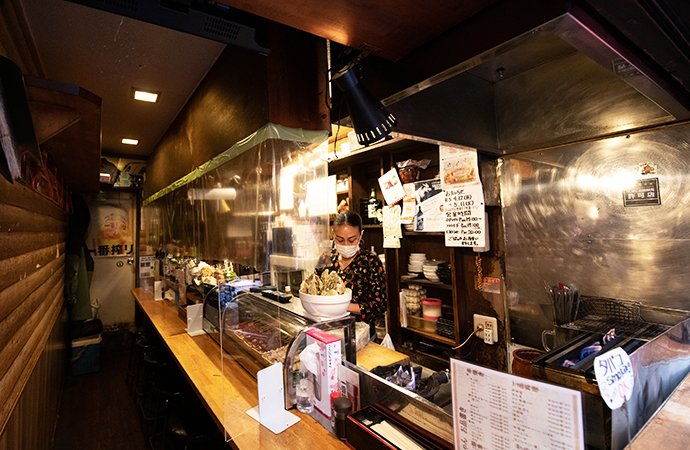
Kushiyaki (grilled skewers) is a classic Japanese dish featuring bite-sized pieces of chicken, seafood, or vegetables threaded onto skewers and slowly grilled over charcoal.
Seasoning is usually a simple choice between tare (a sweet-savory sauce) and salt, so ordering is straightforward: just tell the staff which style you prefer. At the kushiyaki shops in Omoide Yokocho, you can watch the cooks grill skewers over charcoal directly in front of the counter. Even without being able to read the Japanese menu, pointing at the ingredients you want is usually enough, making the experience accessible for international visitors.
Tacchan
For grilled skewers in Omoide Yokocho, Tacchan is a recommended choice. This izakaya specializes in charcoal-grilled skewers and grilled seafood, with its tsukune (chicken meatball skewers) being a particular highlight. Popular variations include tsukune mixed with garlic chives and versions served with egg yolk for dipping.
Beyond chicken skewers, Tacchan also offers seasonal seafood and vegetables grilled over charcoal, making it a good option for travelers who want to enjoy a wider range of flavors in one visit.
Details
| Address | 1-2-7 Nishi-Shinjuku, Shinjuku-ku, Tokyo (inside Omoide Yokocho) |
| Hours | 5 pm-12 am (confirm in advance) |
| Closed | Sundays (verify beforehand) |
| Official site | https://shinjuku-omoide.com/shop/tacchan https://www.instagram.com/omoideyokochotachan/ |
| Best for | Those who want to enjoy grilled skewers casually with point-and-order ease |
Sushi: Order Omakase at a Long-Established Counter
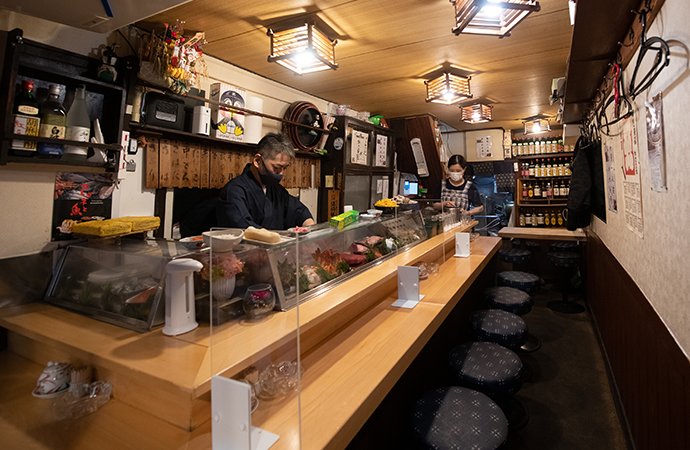
Omakase (chef’s choice) is one of the easiest ways to enjoy sushi without needing to read a menu. Instead of choosing individual dishes yourself, you simply say “omakase” and let the sushi master select the best seasonal ingredients of the day.
The chef then serves nigiri (hand-pressed sushi) piece by piece, allowing you to enjoy each carefully prepared bite at its ideal timing.
Sushitatsu
The only sushi restaurant in Omoide Yokocho is Sushitatsu, a long-running shop with more than 70 years of history. The 23-seat restaurant features counter seating on the first floor and tatami seating on the second. With an omakase order, the master serves one expertly crafted Edomae-style (Tokyo-style) sushi piece at a time.
Before visiting, keep these points in mind:
- Cash only: Credit cards and electronic payments are not accepted.
- Arrive at opening time: The restaurant opens at 5:00 pm, and arriving early gives you the best chance of getting a seat.
- Closed Sundays: Check the schedule before visiting.
The intimate counter setting naturally encourages conversation with the chef, regular customers, and fellow travelers seated nearby. This personal connection between guest, chef, and counter is a key part of what makes the Sushitatsu experience special.
Details
| Address | 1-2-7 Nishi-Shinjuku, Shinjuku-ku, Tokyo |
| Hours | Mon-Sat 5 pm-11 pm |
| Closed | Sundays |
| Official site | Not listed |
| Best for | Those who want authentic Edomae sushi in a Showa-era atmosphere |
Eel: Compare Skewers of Different Cuts
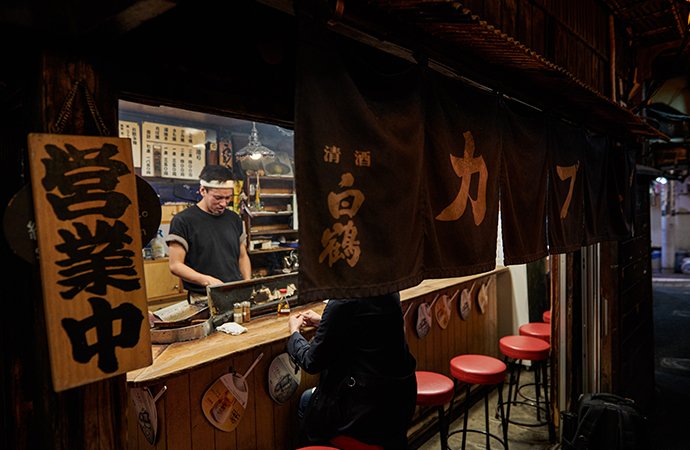
Kabayaki (glaze-grilled eel) is the traditional way to enjoy eel, but Shinjuku is home to a rare restaurant that serves eel as individual skewers using different cuts, including the head, fins, and liver.
Each part offers a completely different flavor and texture. The fins become fragrant and crisp when grilled, while kurikara (eel intestines) deliver a rich, concentrated savoriness. The skin combines a satisfying chewiness with the richness of eel fat, and the liver’s gentle bitterness makes an excellent match with sake.
With around nine different eel cuts available, comparing the flavors from skewer to skewer is one of the highlights of the experience.
Kabuto
Unagi Kabuto, located inside Omoide Yokocho near Shinjuku’s West Exit, is a long-established specialist in grilled eel skewers founded in 1948. In its tiny counter-only space, which seats around 11 guests at most, you can watch the chef carefully grill each skewer right in front of you.
Details
| Address | 1-2-11 Nishi-Shinjuku, Shinjuku-ku, Tokyo (adjacent to Omoide Yokocho) |
| Hours | 1 pm-8 pm |
| Closed | Sundays and public holidays |
| Payment | Cash only |
| Official site | https://shinjuku-omoide.com/shop/kabuto |
| Best for | Those seeking an eel experience beyond kabayaki or wanting to try unusual cuts |
Izakaya Fare: Enjoy Small Plates a Little at a Time
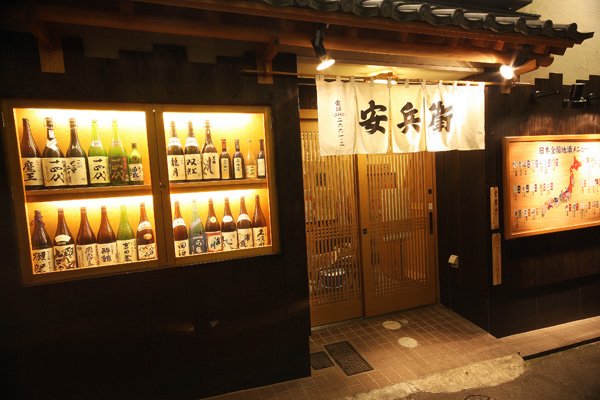
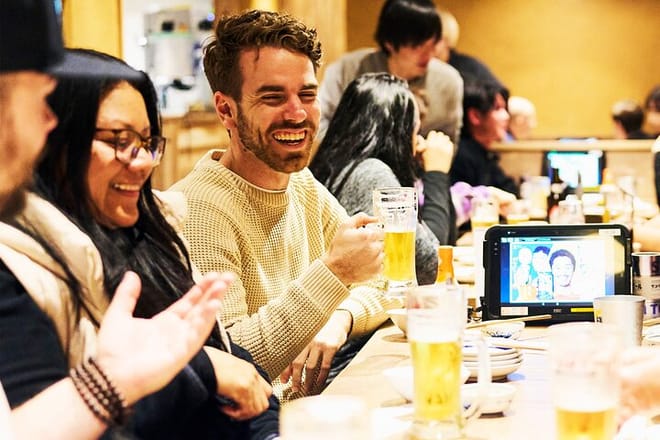
An izakaya is a uniquely Japanese dining style that combines drinks with a variety of small dishes shared among the table. Instead of each person ordering a separate main course, groups typically choose several dishes together and enjoy them at a relaxed pace.
After sitting down, try the classic opening phrase “toriaezu beer” (roughly meaning “a beer for now, while we decide”). Once everyone’s drinks arrive, raise a toast and begin the meal.
A typical izakaya experience starts with lighter dishes such as edamame or sashimi, followed by heartier options like yakitori or karaage ordered throughout the evening. The relaxed rhythm of adding dishes, sharing food, and continuing conversations over drinks is what makes the izakaya experience special.
Yasubee
For a first izakaya visit, Yasubee is an excellent choice. Compared with many smaller restaurants in Omoide Yokocho, it is better equipped to accommodate larger groups while still offering an authentic Japanese dining atmosphere.
The menu features classic dishes such as the signature miso-marinated grilled black cod and fresh sashimi sourced from Toyosu Market. The restaurant also offers a strong sake selection featuring regional brews from across Japan.
If you are unsure what to order, start with the miso-grilled black cod and pair it with a glass of sake for a simple introduction to Japanese izakaya cuisine.
Details
| Address | 1-2-3 Nishi-Shinjuku, Shinjuku-ku, Tokyo |
| Hours | 4 pm-11:20 pm (Mon-Sat); until 10 pm on Sundays |
| Closed | New Year’s holiday (Dec 31-Jan 3); occasional irregular closures |
| Official site | shinjuku-yasubee.com |
| Best for | Travelers experiencing izakaya culture for the first time |
Shinjuku: Food Tour – 15 Dishes at 4 Eateries
Tokyo: Shinjuku Historical Walking Tour & Secret Backstreets
3 Things to Watch Out for When Dining in Shinjuku
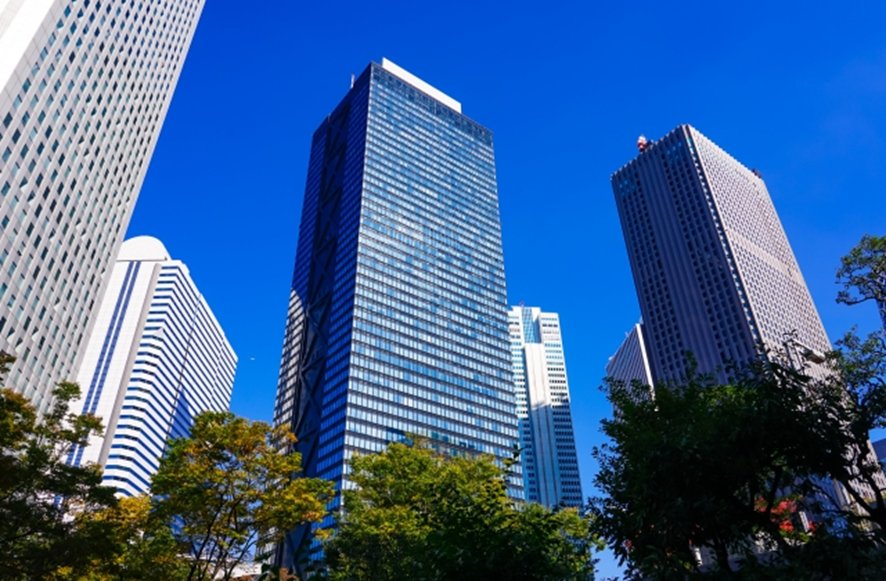
Shinjuku offers an incredible range of dining options, but busy crowds and language differences can sometimes make the experience challenging for visitors.
Three points are especially worth considering:
- Choosing the right time: Visiting during less crowded hours can mean shorter waits and a more relaxed meal.
- Handling the language barrier: Knowing a few simple strategies can make ordering much easier, even at restaurants without English menus.
- Choosing restaurants wisely: Checking basic details in advance helps you avoid unexpected issues and find places that match your preferences.
By preparing for these points beforehand, you can reduce stress during your trip and focus on enjoying Shinjuku’s diverse food scene.
1. Visit Around 5 pm, Tuesday Through Thursday, to Avoid Crowds
Each area of Shinjuku reaches its busiest hours at different times. Simply matching your destination to the time of your visit can significantly reduce waiting times and make your dining experience more comfortable.
- Omoide Yokocho: Around 5:00 pm from Tuesday to Thursday, most popular shops are open while seats are still relatively easy to find.
- Golden Gai: Around 9:00–10:00 pm offers the best balance between experiencing the lively atmosphere and finding available seats.
- Ramen shops: The easiest times to visit are after 2:00 pm, once the lunch rush has passed, or right when a shop opens.
- Shin-Okubo: Weekday afternoons are quieter, making it easier to enjoy Korean street food without large crowds.
Before heading out, search for the restaurant on Google Maps and check the crowd graph, which shows typical busy periods by day of the week. A quick review can help you choose a much better time to visit.
2. Use Google Lens at Shops Without English Menus
Independent restaurants in Shinjuku often do not provide English menus, but your smartphone can make ordering much easier. Google Lens allows you to point your camera at a Japanese menu and translate the text into English in real time. It works especially well with handwritten menus on walls and tabletop menus, making it a useful tool for exploring smaller local shops
However, it is not perfect. At the ticket vending machines commonly found in ramen shops, glare from overhead lights can sometimes make text recognition difficult. If you cannot read the machine, look for buttons with photos or watch which option the customer ahead of you selects.
If you are still concerned about the language barrier, consider choosing chain restaurants in Kabukicho or the restaurant floors of department stores. These locations are more likely to offer English menus, photo menus, or other support, making the ordering process much simpler.
3. Choose Your Own Restaurant in Kabukicho
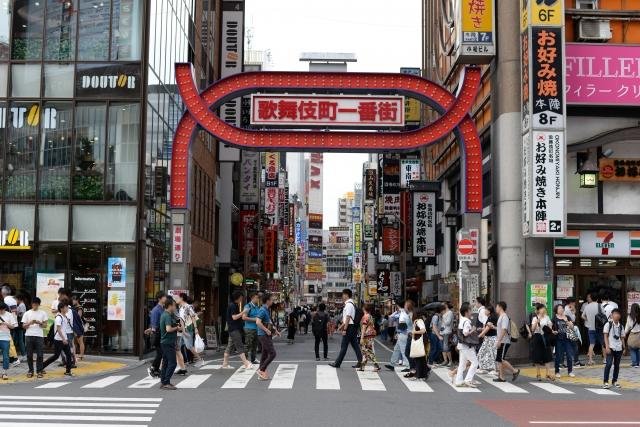
The most important rule when dining in Kabukicho is simple: never follow street touts.
Although Shinjuku Ward prohibits street solicitation by ordinance, visitors may still be approached, especially at night. Travelers who followed touts have reported being charged unexpectedly high bills, and the Tokyo Metropolitan Police also advises caution.
To protect yourself, check the following points before entering any restaurant or bar:
- Confirm the prices first: Make sure prices are clearly displayed on the storefront or menu before ordering.
- Ask about cover charges and otoshi fees: Some establishments may charge anything from a few hundred yen to several thousand yen, so confirm these costs in advance.
- Choose restaurants you researched yourself: Use Google Maps reviews and other sources to create a shortlist.
Other Shinjuku areas generally see far fewer tout-related issues, so the same level of caution is not usually necessary. Regardless of where you dine, keep your valuables with you at all times. If you encounter a problem, call 110 or visit the nearest koban (police box) for assistance.
Common Questions About Dining in Shinjuku

When planning where to eat in Shinjuku, questions about budgets, reservations, and dietary requirements often come up.
This section answers the questions travelers ask most, including typical food costs, whether you need to reserve a table in advance, and how easy it is to find vegetarian-friendly options.
Checking these details before your visit will help you make smoother dining plans and enjoy your meals with confidence on the day.
How Much Should I Budget for One Night?
Your budget for a night out in Shinjuku depends heavily on how you choose to spend your evening. As a general guide:
- Omoide Yokocho (2–3 restaurants): Around ¥3,000–¥5,000 total, with roughly ¥1,000–¥2,500 per shop.
- Golden Gai (3–4 bars): Around ¥8,000–¥10,000, including cover charges and drinks that typically cost about ¥2,000 per bar.
- A route covering both areas: Approximately ¥8,000–¥15,000. Starting with food in Omoide Yokocho and then moving to Golden Gai for drinks is a particularly enjoyable way to experience both.
Regardless of which route you choose, cash is essential. Many independent restaurants and bars do not accept cashless payments, so carrying around ¥15,000 in ¥1,000 bills is a safe option.
If you need more cash, convenience store ATMs inside Shinjuku Station are available 24 hours a day, making it easy to withdraw money even during a late-night outing.
Can I Get in Without a Reservation?
Whether you need a reservation in Shinjuku depends on the area and the type of restaurant or bar you plan to visit.
Most shops in Omoide Yokocho do not accept reservations. The usual style is to find an available seat and enter directly. Since weekend evenings can become crowded, visiting earlier in the evening is the safest approach.
Golden Gai bars also generally do not require reservations, but first-time visitors should check the signs posted at the entrance, as some bars indicate whether they welcome new customers.
For chain izakaya in Kabukicho, walk-ins are usually possible on weekdays, while reservations are recommended for busy weekend evenings.
Popular ramen shops may use their own numbered ticket systems instead of traditional reservations. Since procedures vary by restaurant, check the official website or latest information before visiting.
Can Restaurants Accommodate Dietary Restrictions?
At the small izakaya in yokocho alleys and Golden Gai, accommodating halal or vegetarian diets can be difficult in many cases. Traditional seasonings often rely on dashi (Japanese soup stock) and soy sauce, and these small establishments are generally not set up to handle individual dietary requests.
For those with specific dietary needs, the Shin-Okubo area is a better choice. Its “Islamic Yokocho” area brings together halal-friendly restaurants and specialty shops, with more than nine options available. The neighborhood’s wide range of international restaurants also makes finding vegetarian dishes much easier.
Another option is joining a food tour and informing the operator of your dietary requirements when booking. Some operators can adjust the itinerary and select restaurants with alternative menu options in advance.
Which Is Better: Omoide Yokocho or Golden Gai?
The best choice depends on what kind of experience you’re looking for.
If you want a proper meal, Omoide Yokocho is the better fit, with its many small restaurants serving classic Japanese dishes. If your priority is conversation, drinks, and a more intimate atmosphere, Golden Gai is the place to go.
| Comparison | Omoide Yokocho | Golden Gai |
|---|---|---|
| Main draw | Food (yakitori and more) | Drinks and conversation (mostly bars) |
| Busiest hours | Around 5 pm-9 pm | Around 8 pm-2 am |
| Number of shops | Over 80 | Over 170 |
| Distance from Shinjuku Station | About 3-min walk from the West Exit | About 8-min walk from the East Exit |
If you have a full evening available, visiting both areas in one night is highly recommended. Start with dinner in Omoide Yokocho around 5:00 pm, then move on to Golden Gai for drinks later in the evening. This timing lets you experience each neighborhood when it is at its best.
The two areas are about a 15-minute walk apart, letting you savor Shinjuku’s nightlife in full.
What Else Is There to Do in Shinjuku Besides Eating?
To make your Shinjuku stay even more memorable, consider adding two experiences that pair naturally with a food-focused itinerary.
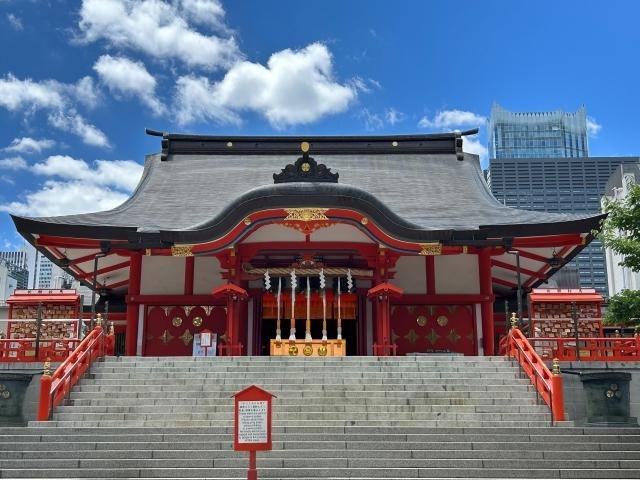
The first is a walking tour with an English-speaking guide. As you explore Shinjuku’s backstreets and Hanazono Shrine, you’ll hear stories that never make it into guidebooks. Many guides also share their favorite restaurant recommendations, making the tour a useful starting point for planning your meals.
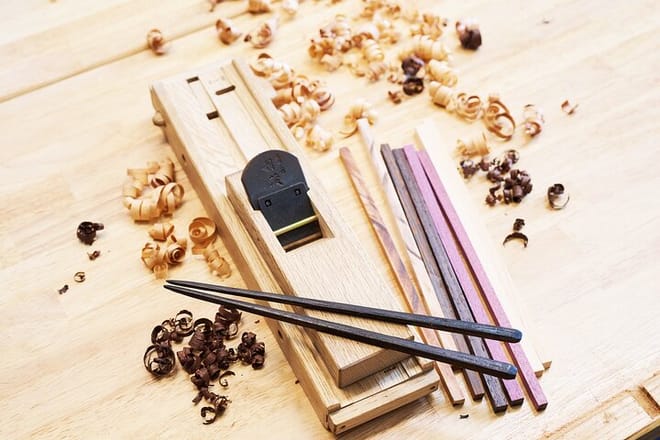
The second is a chopstick-making workshop. In about one hour, you can choose from more than 12 types of wood and craft your own personalized pair of chopsticks. Since you can take the finished pair home, it makes for a practical and meaningful souvenir.
A combination of an evening walking tour to understand the atmosphere of Shinjuku’s streets followed by a chopstick-making experience the next day creates a deeper connection with the neighborhood.
Make the Most of Every Meal in Shinjuku
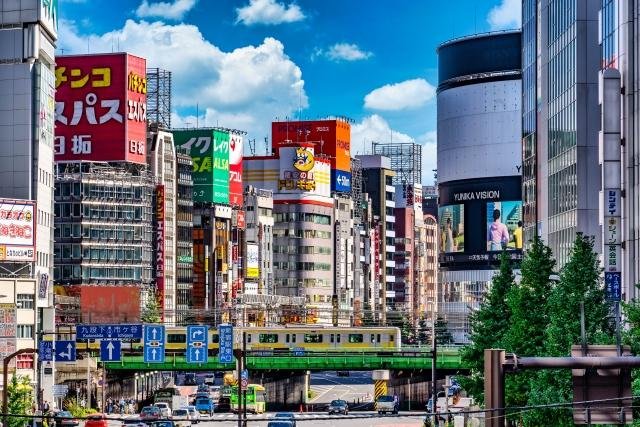
Shinjuku is a city where each neighborhood has developed its own unique food culture. From yakitori in Omoide Yokocho to Korean street food in Shin-Okubo, the area offers dining experiences for every budget, schedule, and mood.
To enjoy Shinjuku more comfortably, aim to visit popular areas on weekdays around 5:00 pm to avoid the heaviest crowds, and use Google Lens when ordering at independent shops without English menus.
With these practical tips, you can explore Shinjuku’s diverse food scene with confidence and make the most of every meal.