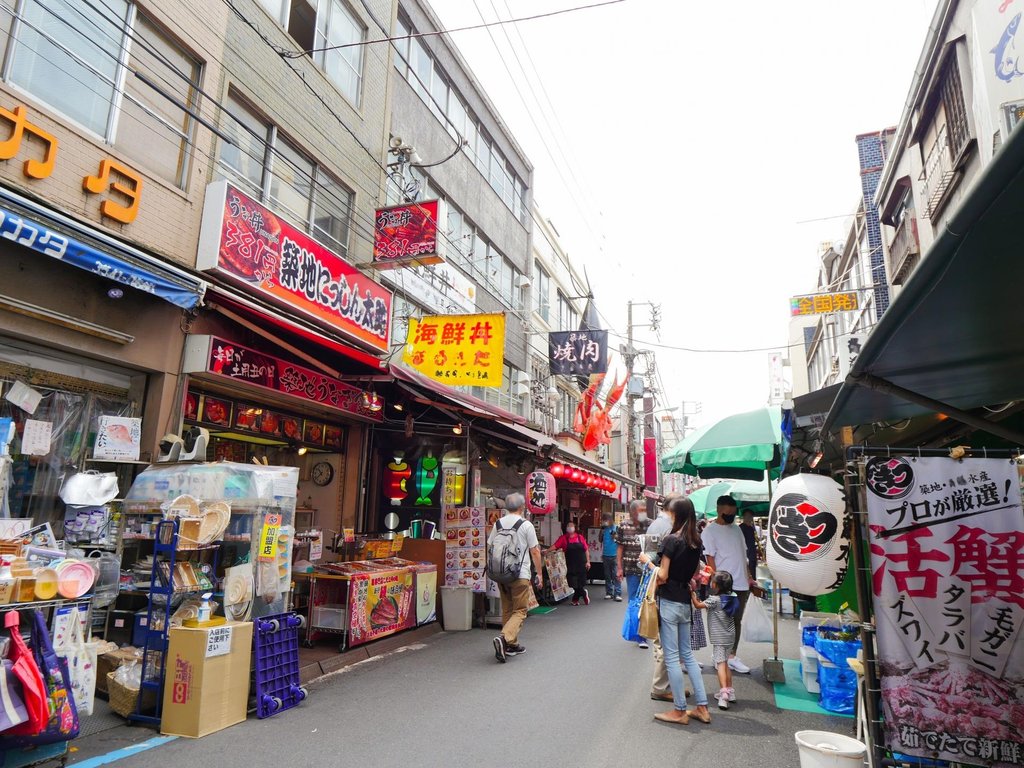
Wondering what to eat and how best to navigate Tsukiji Outer Market?
With around 460 shops packed into a compact area, the sheer number of choices can feel overwhelming. Visitors who arrive without checking opening hours or closure days sometimes discover that popular shops have already closed for the day.
A little advance planning—knowing the must-try foods, typical opening hours, and a few practical walking tips—is all it takes to ensure a smooth and satisfying first visit.
Essential Visitor Information for Tsukiji Outer Market
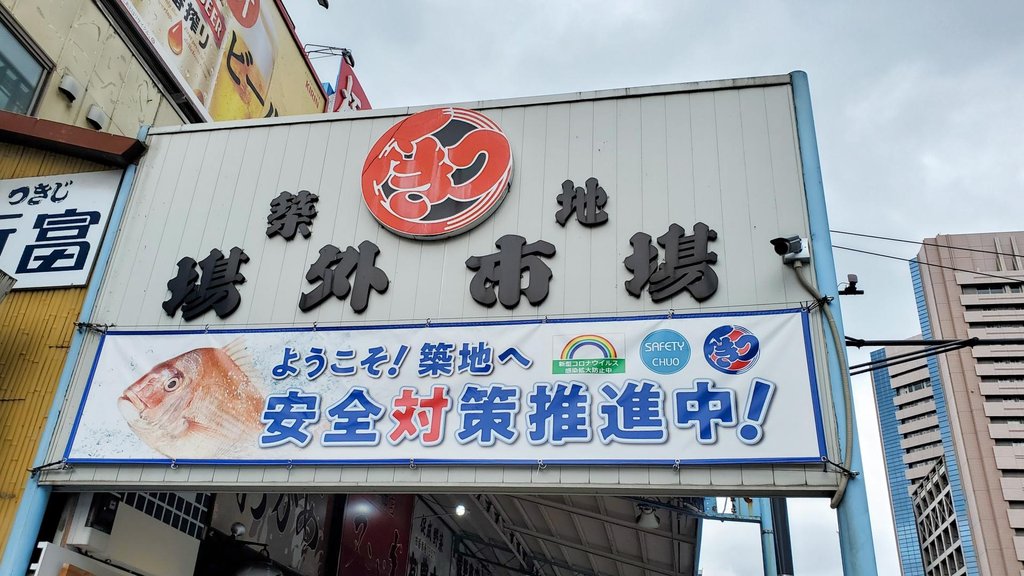
Some people assume Tsukiji Market closed entirely when the wholesale market relocated to Toyosu. In fact, only the wholesale operations moved. The Tsukiji Outer Market, which is open to the general public, remains active and continues to thrive.
Understanding the market’s scale, how it differs from Toyosu, and the basics of access and opening hours will help you plan your visit with confidence.
Around 460 Shops in Tokyo’s Kitchen
Tsukiji Outer Market is home to roughly 460 food-related specialty shops, and the sheer variety of products on offer is one of its greatest attractions. Although the wholesale market relocated to Toyosu in 2018, the Outer Market remains as lively and popular as ever.
Visitors can find a wide variety of offerings, including:
- Fresh seafood, meat, and produce: Highest quality ingredients direct from wholesalers
- Dried goods, seasonings, and nori (dried seaweed): Essential Japanese pantry items
- Specialty knife and kitchenware shops: Professional-grade cooking tools
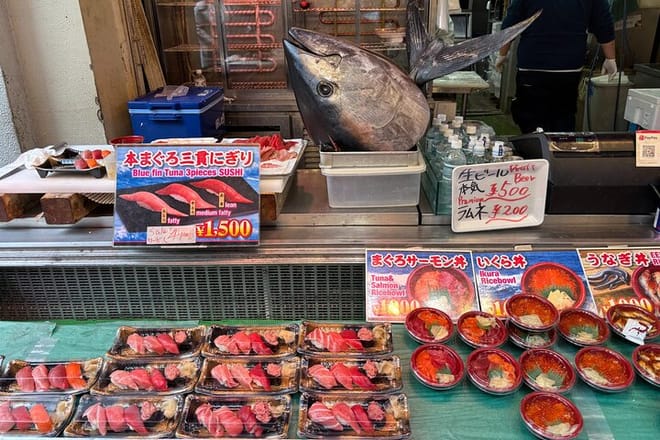
- Restaurants serving sushi, seafood rice bowls, tamagoyaki (Japanese rolled omelette), and more: Fresh prepared foods
Walking through the market, you quickly understand why Tsukiji is called “Tokyo’s Kitchen.”
Tsukiji Uogashi, a compact wholesale facility within the Outer Market, deserves a place on any itinerary. Around 60 intermediate wholesalers operate inside, and members of the public can purchase the same high-quality ingredients used by professional chefs.
If you enjoy cooking or are interested in Japanese ingredients, Tsukiji Uogashi deserves a place on your itinerary.
Different Experiences at Toyosu and Tsukiji
The two markets offer entirely different experiences. Tsukiji is the place for street food, shopping, and soaking up the atmosphere of a traditional market district, while Toyosu focuses more on structured, educational experiences such as auction viewing and exhibition spaces.
| Category | Tsukiji Outer Market | Toyosu Market |
|---|---|---|
| Main experience | Street food, shopping, exploring the market streets | Auction viewing, exhibits, facility tours |
| Typical hours | 9 am-2 pm | 5 am-5 pm (varies by area) |
| Time needed | 2-3 hours | 1-2 hours |
| Best for | Visitors who want food and shopping | Visitors who want a behind-the-scenes look at the market |
At Toyosu, visitors can watch the early-morning tuna auction from a designated viewing deck. In contrast, Tsukiji Outer Market does not have an auction floor.
If food and shopping are your priorities, Tsukiji is the better choice. It is located just a short walk from the nearest station and is compact enough to explore on foot. If time allows, you can even visit Toyosu for the auction in the early morning and then continue on to Tsukiji afterward.
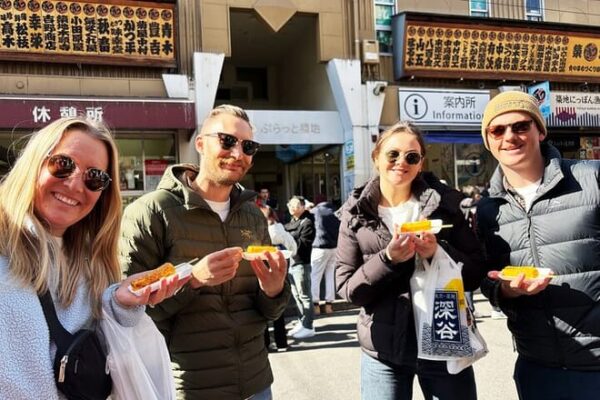
Tsukiji Fish Market: Street Food & Culture Walking Tour
A One-Minute Walk from Tsukiji Station or Tsukiji-Shijo Station
Two stations serve Tsukiji Outer Market, both located about a one-minute walk away:
- Tsukiji-Shijo Station (Toei Oedo Line): right outside Exit A1
- Tsukiji Station (Tokyo Metro Hibiya Line): right outside Exit 1
- Higashi-Ginza Station (Toei Asakusa Line): about a 5-minute walk; direct service from Haneda Airport with no transfer required
This direct access from Haneda Airport is a significant convenience for travelers planning to visit Tsukiji on arrival day. After dropping luggage at your hotel, it is easy to arrive in time for a morning food tour of the market.
Using an IC card (Suica or Pasmo) helps avoid the hassle of buying individual tickets. Here are approximate travel times from major stations.
| Departure Station | Line | Approximate Travel Time |
|---|---|---|
| Tokyo Station | Hibiya Line (transfer at Ginza) | About 10 min. |
| Shinjuku Station | Oedo Line | About 25 min. |
| Haneda Airport | Asakusa Line to Higashi-Ginza Station + walk | About 40 min. |
| Asakusa Station | Asakusa Line to Higashi-Ginza Station + walk | About 15 min. |
Travel times from major stations are short, and Tsukiji is easily combined with nearby destinations such as Tokyo Station and Asakusa.
Given its accessibility, Tsukiji is a convenient option to include in an arrival-day itinerary.
Open to the Public from 9 am to 2 pm
Retail shops are open to the general public from 9 am to 2 pm. Between 6 am and 9 am, the area is primarily used for wholesale-related activity, with small delivery vehicles moving through the narrow streets, making it less suitable for casual visitors.
Most restaurants open between 7 and 8 am, serving breakfast favorites like seafood rice bowls and sushi. Arriving around 9 am allows visitors to enjoy breakfast first and then transition into shopping, making for an efficient use of time.
After 2 pm, shops begin closing at their own discretion. For the best selection and full experience, it is recommended to arrive by 10 am at the latest.
| Time Slot | What to Expect |
|---|---|
| 6 am-9 am | Primarily wholesale trading; restaurants open gradually |
| 9 am-2 pm | Regular hours for the general public; peak selection and energy |
| After 2 pm | Shops close at their own pace; fewer options available |
The market is generally closed on Sundays, public holidays, and two or three Wednesdays per month. Because Wednesday closures follow an irregular schedule, checking the official Tsukiji Outer Market calendar in advance is strongly advised to avoid visiting on a closed day.
Top Food Picks at Tsukiji Outer Market
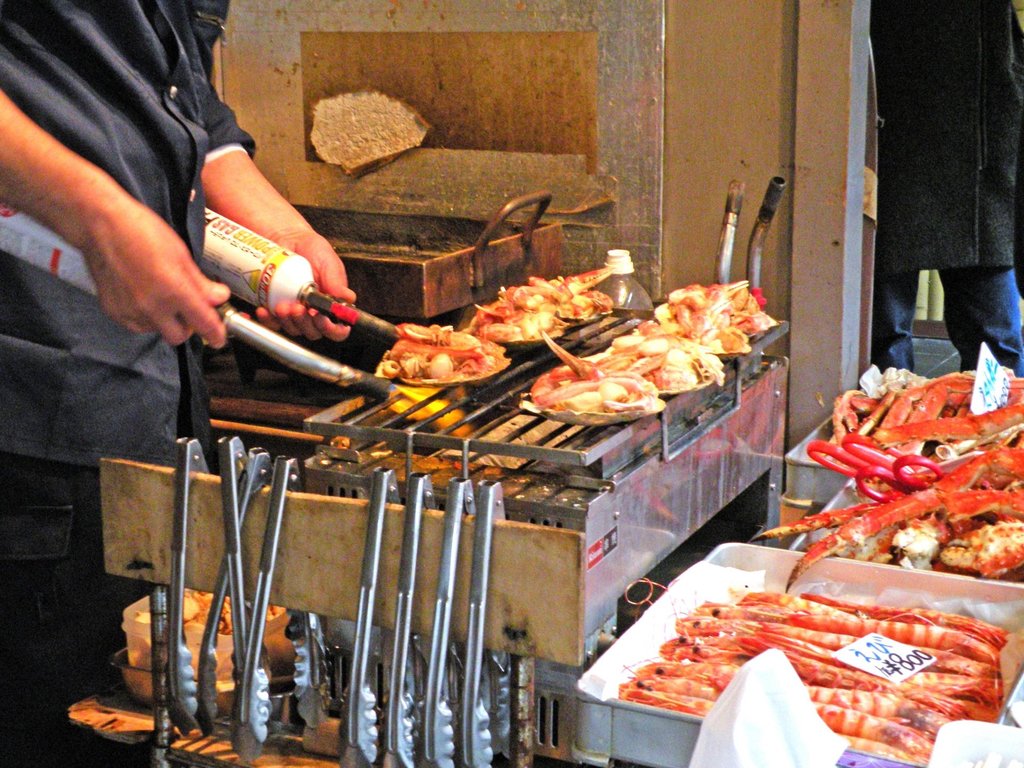
With around 460 shops to choose from, deciding what to eat at Tsukiji Outer Market can be a real challenge. Here are five food categories that no first-time visitor should miss.
The categories below cover chu-toro (medium-fatty tuna) sushi, seasonal seafood rice bowls, the market’s signature tamagoyaki, wagyu (premium Japanese beef) skewers, and charcoal-grilled scallops. Each entry highlights what makes it special, typical price ranges, and recommended shops.
Reviewing these options in advance will help you make the most of your limited time at Tsukiji Outer Market.
Tuna Sushi: Artisan Craftsmanship at the Counter
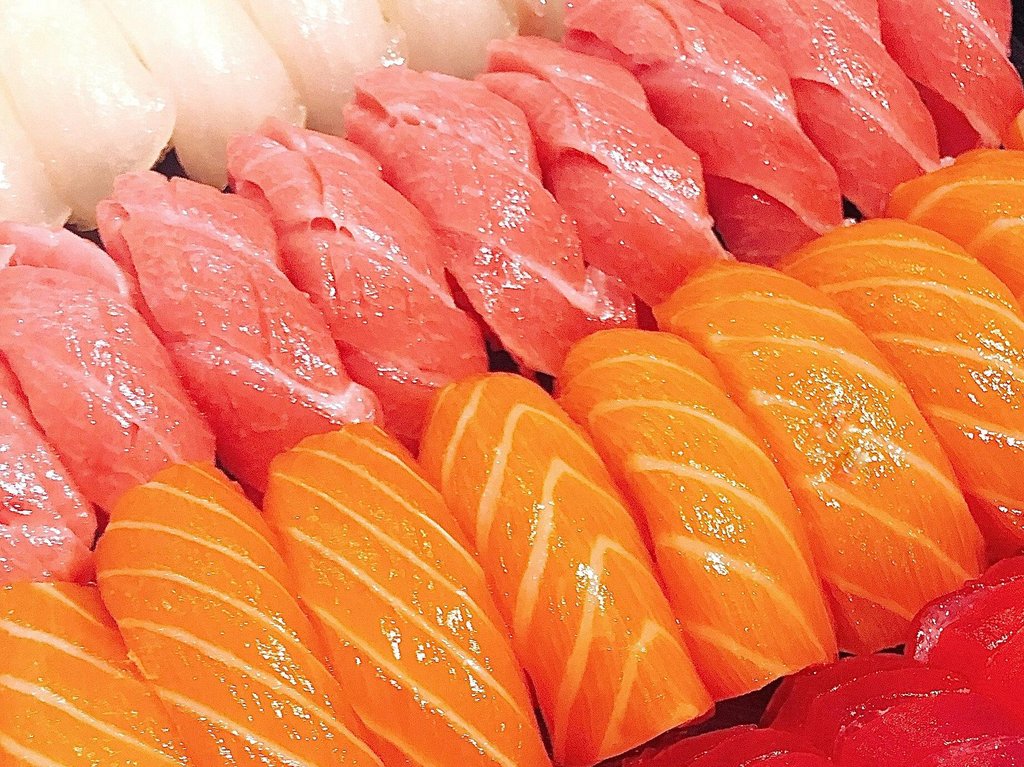
Tuna varies dramatically by cut. Akami (lean red tuna) has a concentrated umami flavor. Chu-toro balances the clean taste of akami with a gentle sweetness from the fat. O-toro (fatty tuna belly) offers the richest, most melt-in-your-mouth experience and carries the highest price tag. If you are unsure where to start, chu-toro is often recommended first for its well-balanced flavor profile.
At a counter seat, the standard etiquette is to dip only the fish (not the rice) lightly in soy sauce and eat each piece in one bite. Soaking the rice in soy sauce causes it to crumble and throws off the flavor balance. Visiting in the early morning usually means shorter lines and a better view of the chef’s knife work, so arriving early in the day is ideal.
Sushizanmai Honten
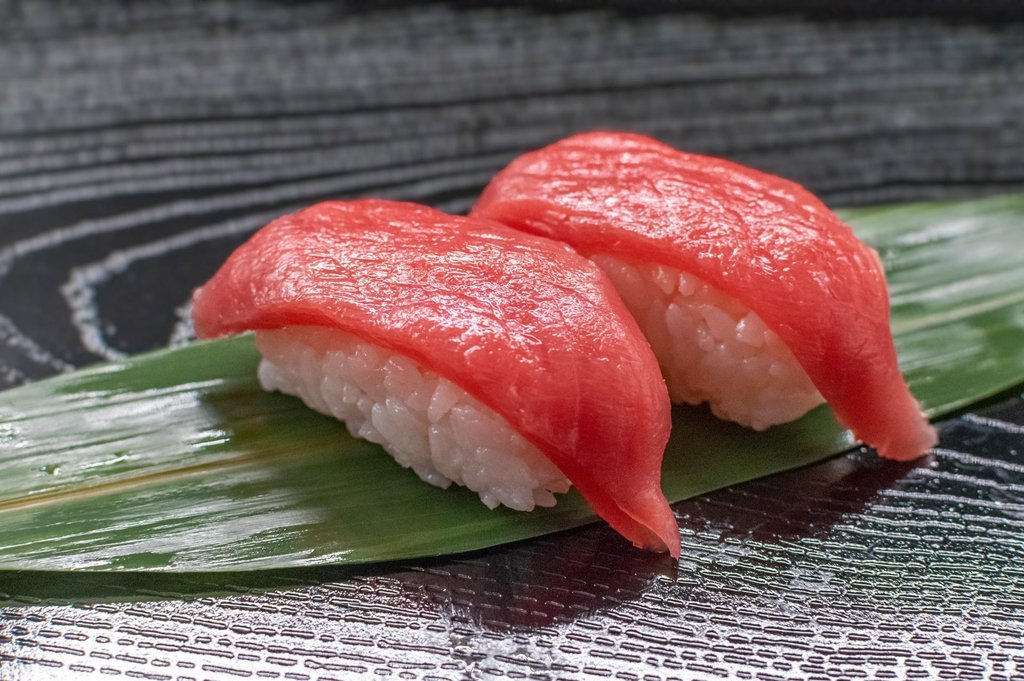
Sushizanmai is one of Tsukiji’s most recognized sushi restaurants, drawing large numbers of both domestic and international visitors. The signature hon-maguro (bluefin tuna) is the star of the menu, and a tasting set comparing chu-toro, o-toro, and akami is also available, making it ideal for a first sushi experience at Tsukiji.
One standout feature is the 24-hour operation. Visitors can stop in for breakfast after an early-morning market stroll or enjoy a late-night meal after arriving on a red-eye flight. English menus are available, making ordering straightforward for international guests and providing an accessible entry point into Tsukiji’s sushi culture.
Details
| Address | 4-11-9 Tsukiji, Chuo-ku, Tokyo |
| Hours | Open 24 hours |
| Closed | Open year-round |
| Official website | https://www.kiyomura.co.jp/ |
| Best for | Visitors who want great tuna sushi at any hour |
Tsukiji Shutoku Ganso
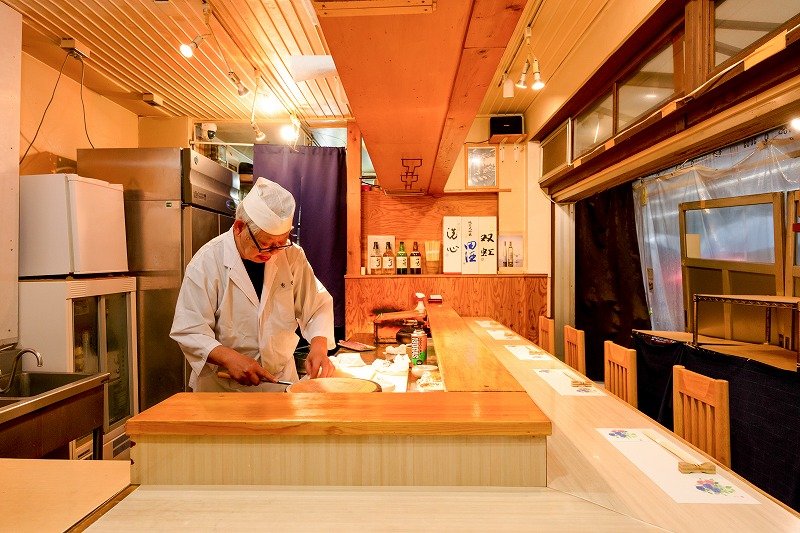
Tucked away in a back alley of Tsukiji Outer Market, Tsukiji Shutoku Ganso is a respected Edomae (Tokyo-style) sushi restaurant. Chefs prepare each piece at the counter right in front of you, explaining the ingredients as they work.
The omakase (chef’s choice) nigiri course, built around seasonal seafood, is especially well regarded. Each piece highlights the natural flavor of its ingredients with a refined, delicate touch.
The relaxed, intimate atmosphere sets Tsukiji Shutoku apart from larger chain restaurants, making it a strong choice for anyone seeking authentic Edomae sushi or a memorable lunch or dinner. Counter seats offer the chance to observe the chefs at work and learn about Tsukiji’s food culture directly.
Details
| Address | 4-14-16 Tsukiji, Chuo-ku, Tokyo |
| Hours | 11 am-3 pm (last order 2:30 pm), 5 pm-10:30 pm (last order 9:30 pm) |
| Closed | Wednesdays |
| Official website | https://www.shu-toku.com/ganso |
| Best for | Visitors looking for authentic Edomae sushi in a calm setting |
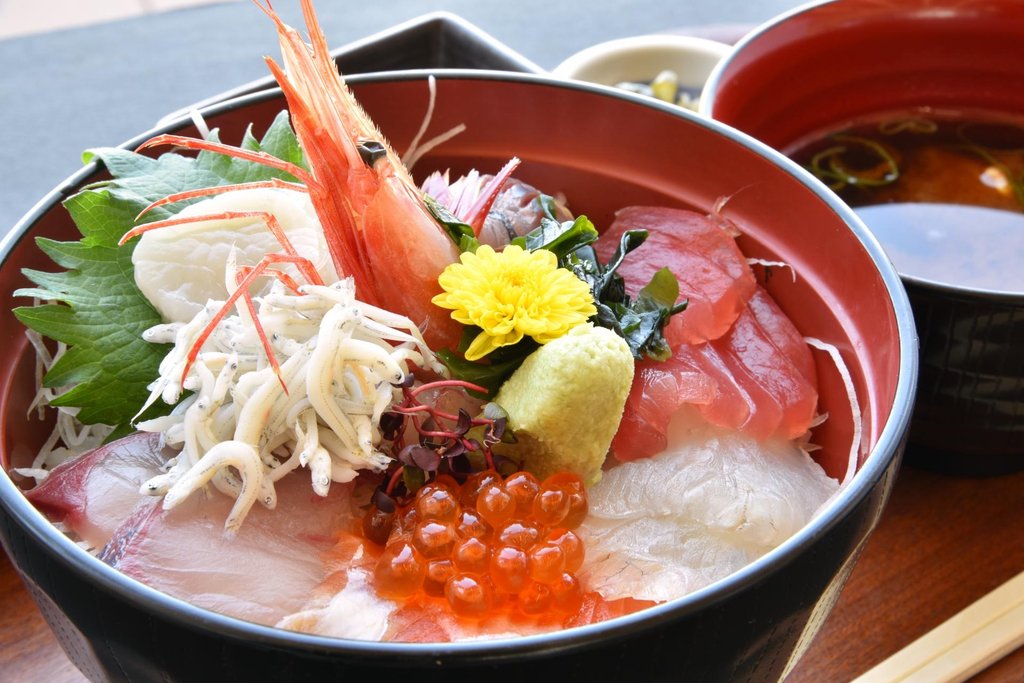
Seafood Rice Bowl: Seasonal Sashimi in a Single Bowl
A seafood rice bowl (kaisendon) is a luxurious breakfast that lets you sample a variety of seasonal sashimi in one dish. Prices typically range from ¥1,500 to ¥3,500 (about $10-$25 USD), and the toppings change with the seasons, giving you a different experience each time you visit.
For those who want to try multiple types of seafood in a short visit, a kaisendon is an ideal choice. Lines are generally shorter and ingredient quality is at its peak around 8 am. Finishing breakfast early also allows for a smooth transition into the retail area once shops open at 9 am.
Uni-Tora Honten
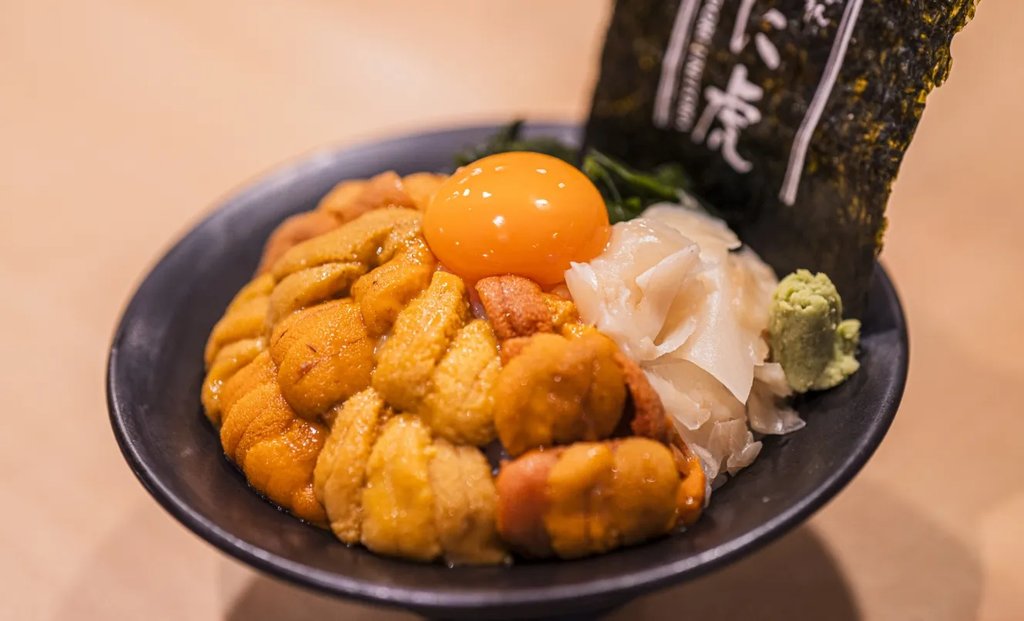
Sea urchin fans should head straight to Uni-Tora on Naka-dori Street. The signature “Miyabi” bowl features five varieties of sea urchin, allowing diners to compare the sweetness and richness of each type based on its region of origin. A “Seafood Bowl from the Uni House” is also available for those who prefer other toppings, making it a convenient option for groups with mixed preferences.
Details
| Address | MIHIRO Building 1F, 4-10-5 Tsukiji, Chuo-ku, Tokyo |
| Hours | 7 am-11 pm (last order 10 pm) |
| Closed | Open year-round |
| Official website | https://beyondtsukiji-hd.co.jp/ |
| Best for | Visitors who want to compare different varieties of sea urchin |
Tamagoyaki: The Market’s Signature Dashi-Flavored Omelette
Tsukiji’s tamagoyaki originated as a wholesale product supplied to sushi restaurants and has since become one of the market’s most iconic street foods. Biting into a skewered slice releases the aroma of dashi (Japanese stock) along with the gentle sweetness of the egg. Each shop offers a noticeably different flavor profile, which is part of what makes eating your way through Tsukiji so enjoyable.
Marutake
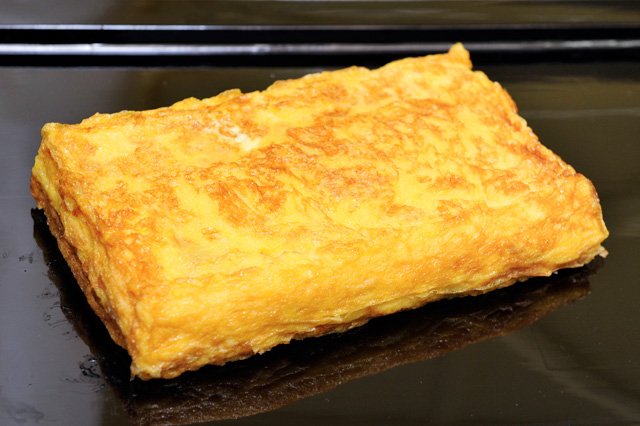
Marutake has been a Tsukiji fixture since before World War II and is one of the market’s most recognized tamagoyaki shops. Each thick omelette is handmade following a recipe passed down through generations. The flavor leans savory rather than sweet, with a rich dashi backbone of bonito and kelp that makes Marutake’s tamagoyaki satisfying enough to serve as a light meal.
At the shopfront, visitors can watch artisans fold tamagoyaki in large copper pans, a lively display of skill that captures the spirit of Tsukiji. Beyond the classic thick omelette, Marutake also offers variations such as shrimp tamagoyaki and green onion tamagoyaki, making it easy to try more than one style. Marutake remains one of the most popular street-food stops in the entire market.
Details
| Address | 4-10-10 Tsukiji, Chuo-ku, Tokyo |
| Hours | Weekdays 4 am-2 pm Sundays 8 am-2 pm |
| Closed | Public holidays and market closure days |
| Official website | https://www.tsukiji-marutake.com/ |
| Best for | Visitors who want to try Tsukiji’s signature tamagoyaki on the go and watch skilled artisans at work |
Tsukiji Shoro
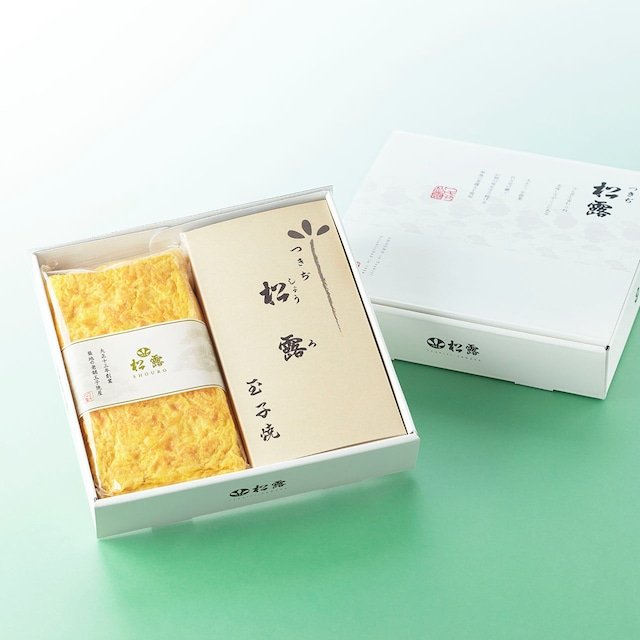
Tsukiji Shoro is a long-established tamagoyaki shop dating back to the Taisho era (1912-1926). The omelettes have a soft, fluffy texture with an elegant sweetness that allows the natural flavor of the egg to shine through. As one of Tsukiji’s best-known tamagoyaki shops, Tsukiji Shoro attracts a steady stream of both tourists and local regulars.
Alongside the classic tamagoyaki, the shop offers its own original items such as oyako-yaki (a chicken-and-egg variation) and kama-age (a soft-set style), so there is always something new to discover on a return visit. Tsukiji Shoro also remains open into the late afternoon, making it a convenient option for visitors who prefer to avoid the morning rush. For those with a sweet tooth or looking for tamagoyaki to take home, Tsukiji Shoro is an excellent choice.
Details
| Address | 4-13-13 Tsukiji, Chuo-ku, Tokyo |
| Hours | Weekdays 6 am-3 pm Sundays, holidays, and market closure days 7 am-4 pm |
| Closed | Open year-round (except extended holiday periods) |
| Official website | https://shouro.co.jp/ |
| Best for | Visitors who prefer a sweeter tamagoyaki or want a take-home Tsukiji souvenir |
Wagyu Skewers: A5-Grade Beef Grilled Before Your Eyes
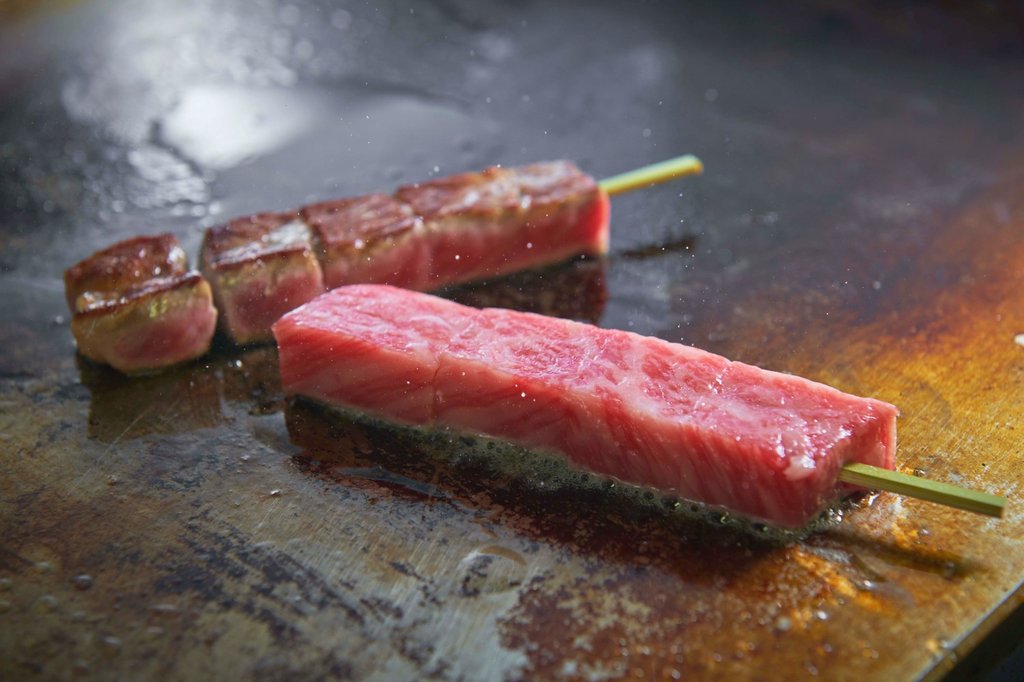
Tsukiji is synonymous with seafood, but meat lovers will find plenty to enjoy as well, starting with A5-grade wagyu skewers.
A5-grade wagyu has fat with an exceptionally low melting point, producing a texture that dissolves on your tongue the moment you take a bite. After seafood bowls and sushi, adding a rich beef option brings welcome variety to a Tsukiji food tour.
Tsukiji Ushitake
Tsukiji Ushitake uses hand-selected cuts of A5-grade Satsuma beef shipped directly from Kagoshima, choosing only cattle with the highest marbling scores. The shop’s website describes these cuts as “the miracle of 4%,” referring to the rarity of cattle that meet these strict marbling standards.
Each skewer is grilled to order on a flat-top grill right in front of guests, allowing diners to enjoy the sizzle and the aroma of melting fat up close. Steak, sushi, and burgers are also available for those who want to mix up their order.
Details
| Address | 4-10-11 Tsukiji, Chuo-ku, Tokyo |
| Hours | 6:30 am-3 pm |
| Closed | Open year-round |
| Official website | https://tsukiji-ushitake.com/tsukiji/ |
| Best for | Visitors who want to add beef to their seafood-focused Tsukiji tour |
Grilled Scallops: Charcoal-Roasted in the Shell
For a direct taste of the sea, grilled scallops are hard to beat. The classic Tsukiji style is to roast them over charcoal in the shell. The combination of pooling juices and a lightly smoky char creates a remarkably satisfying flavor.
Shell-on scallops typically cost between ¥400 and ¥700 per piece, with larger sizes commanding higher prices. Seasonal availability and stock levels can vary, so it is worth checking the “Fresh Ingredient Updates” section of the official Tsukiji Outer Market website before your visit.
Kakigoya Tsukiji Shokudo
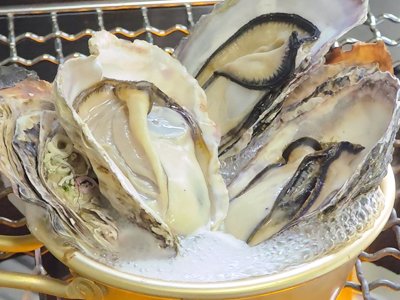
For an interactive seafood experience, try the gangan-yaki (metal-can steam roast) at Kakigoya Tsukiji Shokudo. Oysters and scallops are packed into a metal pail, steamed with sake (Japanese rice wine), and served for you to pry open yourself, fisherman-style. The burst of steam and briny aroma when you crack open a shell makes for a great photo opportunity as well.
Operating formats and menu offerings may vary by season, so be sure to check the latest information before visiting.
Details
| Address | Marutei Building 1F, 4-10-14 Tsukiji, Chuo-ku, Tokyo |
| Hours | 8 am-3 pm |
| Closed | Open year-round |
| Official website | https://kakigoya-tsukiji.com/ |
| Best for | Visitors who want a hands-on oyster and scallop feast |
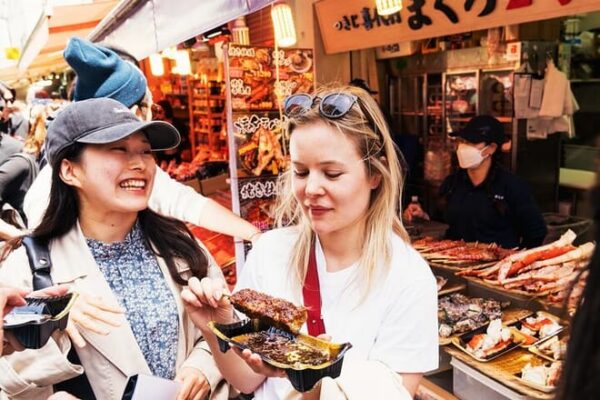
Tsukiji Fish Market Food & Walking Tour with 7 Gourmet Bites
Walking Tips and Practical Advice for Tsukiji Outer Market
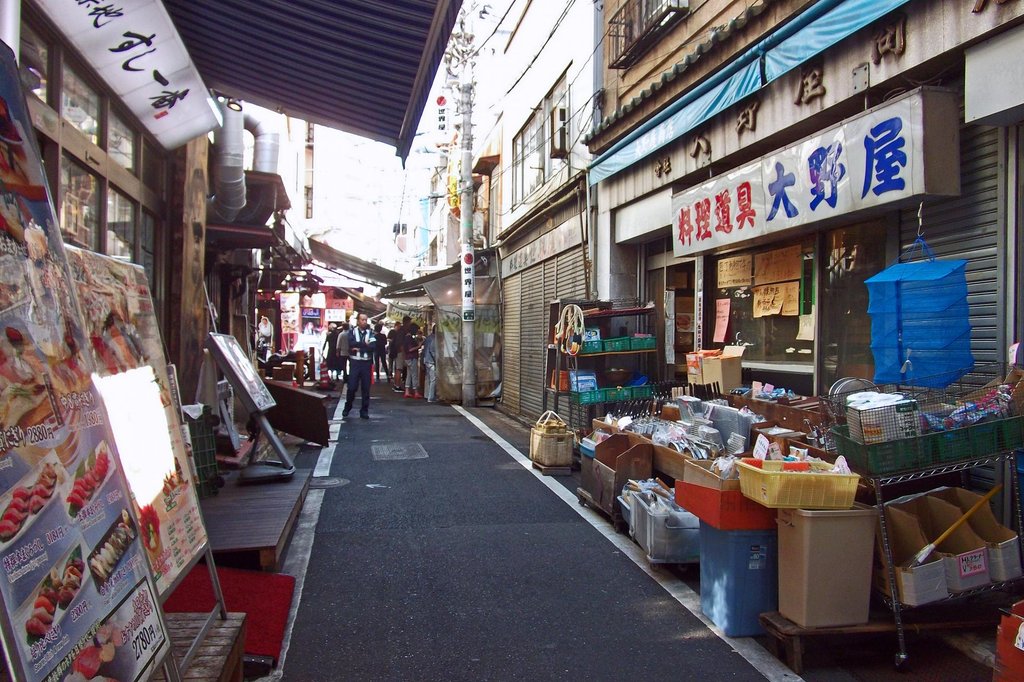
First-time visitors often have questions about how much time to set aside, how much cash to bring, and what to watch out for while exploring the market. The practical tips below cover recommended visit durations, how to make use of the information center, street-food etiquette, payment considerations, and the rewards of venturing beyond the main thoroughfares.
Reviewing these details in advance will help you navigate the market with confidence and focus entirely on enjoying the experience once you arrive.
Allow Two to Three Hours for a Food-Focused Visit
Sampling street food and strolling along the main streets typically takes about two hours. If you plan to shop and explore the back alleys as well, three hours is a more realistic target. The market itself is compact; deciding what to eat is often what consumes the most time.
Aim to arrive between 9 and 11 am. The selection is at its freshest and lines are generally shortest soon after shops open at 9 am. Crowds build noticeably after 11 am, and popular items start selling out. Arriving at 11 am still leaves a comfortable three-hour window before many shops start closing around 2 pm.
When planning your route, allow 10–15 minutes of queue time for each popular shop. Visiting three well-known vendors could easily mean spending 30–45 minutes waiting in line, leaving roughly an hour for browsing and shopping.
On rainy days, umbrellas can make the narrow market passages feel even more crowded. A lightweight rain poncho keeps both hands free and is often a more considerate option for navigating busy walkways.
Pick Up a Map at the Information Center Before You Start
When you arrive at the market, consider making your first stop at the official information center, Plat Tsukiji. Here, you can pick up a free map and ask questions about shop locations, transportation, and other practical details.
Plat Tsukiji is open from 8 am to 2 pm on weekdays and from 10 am to 2 pm on Sundays, holidays, and market closure days. Located just steps from Tsukiji Station, it is a convenient place to get oriented before exploring the market.
Managing luggage is another important consideration. The alleys of the Outer Market are narrow, and the official website recommends leaving strollers at home or folding them before entering. Rolling large suitcases through the market can also make it difficult to navigate and inconvenience other visitors.
If you are carrying bulky bags, consider using a coin locker at the station before heading into the market. Traveling light makes it easier to browse even the smallest back-alley shops and food stalls.
A simple strategy for a smooth visit is:
- Pick up a free map at Plat Tsukiji and plan your route
- Store large bags and strollers in station coin lockers
- Begin your market visit from the information center, hands free and ready to explore
Stop and Eat in Front of the Shop Where You Bought Your Food
Eating while walking is officially prohibited at Tsukiji Outer Market. The alleys are narrow, and carrying food while moving through the crowds increases the risk of bumping into other visitors or accidentally getting food on merchandise.
The rule is simple: stop in front of the shop where you made your purchase and finish eating there. Once you have finished, return skewers, trays, or containers directly to the shop staff. Public trash bins are limited, and many visitors find themselves carrying their garbage around the market. If you’re unsure what to do, just ask. The staff are happy to help.
For visitors who prefer to sit down while eating, Tsukiji Uogashi offers convenient alternatives:
- A free open-air rest area on the rooftop where you can eat food purchased from the market
- A third-floor food court with tables, chairs, and restrooms
Following these simple guidelines helps keep Tsukiji Outer Market enjoyable for everyone, including both visitors and shopkeepers.
Bring Around ¥10,000 in Cash
Many shops at Tsukiji Outer Market are independently owned, and a significant number still accept cash only. While some larger stores and restaurants take credit cards, acceptance is not universal, so relying solely on cards is not recommended.
Carrying around ¥10,000 (about $70 USD) in cash provides a comfortable buffer. Individual street-food items typically cost ¥300-¥800 each, and sampling multiple specialties throughout the market can easily total ¥5,000–¥8,000. With ¥10,000 on hand, most visitors can comfortably cover food purchases as well as a souvenir or two without needing to search for an ATM.
If you do run short, convenience-store and bank ATMs are available nearby. The staff at Plat Tsukiji can also direct you to the nearest ATM if needed.
Few things are more disappointing than finding a must-try specialty only to discover you do not have enough cash to buy it. Taking a moment to check your wallet before leaving your hotel can save you from that situation.
Explore the Back Alleys, Not Just the Main Street
It is easy to spend your entire visit on the main streets, but the back alleys reveal what could be called “the Tsukiji you can take home.”
Venture into the narrower side streets and you will find specialty knife shops, premium dried-seaweed vendors, kitchenware stores, and other specialty retailers. These purchases offer a different kind of value than food alone, allowing you to recreate Japanese flavors and cooking techniques long after your trip has ended.
Items such as dashi packs and dried goods are lightweight and easy to pack in a suitcase. A well-made kitchen knife or a high-quality supply of dashi can provide years of enjoyment, making them memorable souvenirs that continue to be useful long after your visit.
English signage is limited in some of the back-alley shops, but pointing to the items you want is usually enough to communicate. After exploring the main streets, consider taking a detour down one of the side lanes—the back alleys of Tsukiji are often where some of the market’s most rewarding discoveries await.
Guided Food Tours: An Efficient Way to Experience Tsukiji Outer Market
With around 460 shops packed into the market, navigating entirely on your own can sometimes mean running short on time and missing some of Tsukiji’s most memorable stops.
Exploring independently with a map from the information center is certainly possible, but a guided food tour offers a more efficient way to visit the market’s highlights while learning about the ingredients, history, and culture that make Tsukiji unique.
Japan Guide Star runs two English-guided tours starting from Tsukiji Hongwanji Temple and covering the Outer Market. One emphasizes cultural context and local history: “Tsukiji Fish Market: Street Food and Culture Walking Tour.” The other focuses more heavily on food sampling: “Tsukiji Fish Market Food and Walking Tour (7 Tastings Included).”
The table below compares the two tours side by side.
| Category | Tsukiji Fish Market: Street Food and Culture Walking Tour | Tsukiji Fish Market Food and Walking Tour (7 Tastings Included) |
|---|---|---|
| Meeting point | Tsukiji Hongwanji Temple | Tsukiji Hongwanji Temple |
| Duration | 1 hour 30 minutes | 1 hour 30 minutes |
| Included | English guide; basic street-food costs | English guide; multiple tastings (sushi, wagyu, etc.) |
| Booking | https://japanguidestar.com/tour/tsukiji-fish-market-street-food-culture-walking-tour/ | https://japanguidestar.com/tour/tsukiji-fish-market-street-food-tour-with-tasting/ |
| Best for | Visitors who want to learn about the market’s history and food culture | Visitors who want to sample Tsukiji’s signature foods efficiently |
Both tours use a small-group format, so you can move smoothly through the crowded market with a knowledgeable guide. All tours are conducted in English, making them a great option for visitors who are not confident in Japanese.
Tsukiji Fish Market: Street Food & Culture Walking Tour
Tsukiji Fish Market Food & Walking Tour with 7 Gourmet Bites
Nearby Attractions to Pair with Your Tsukiji Visit
After eating and shopping your fill, consider extending your day to some of the attractions within walking distance of the market. A traditional garden, a historic theatre, and a notable temple can all be reached on foot from Tsukiji, making them easy additions to your itinerary.
Understanding the highlights of each location and the best times to visit will help you build a rewarding half-day plan with Tsukiji Outer Market as your starting point.
Hama-rikyu Gardens: A Green Retreat Within Walking Distance
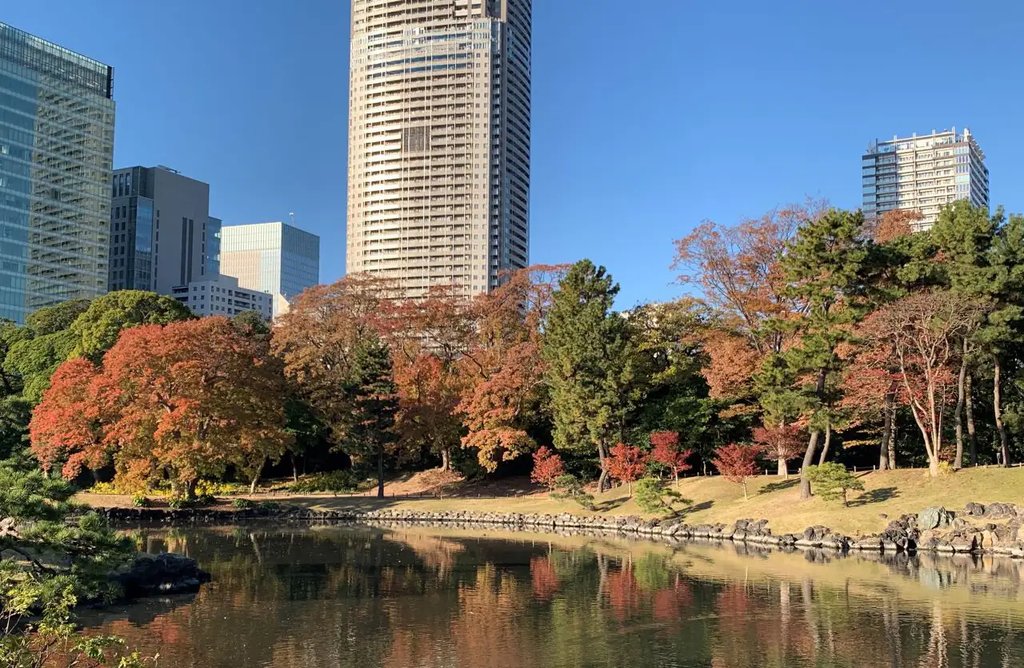
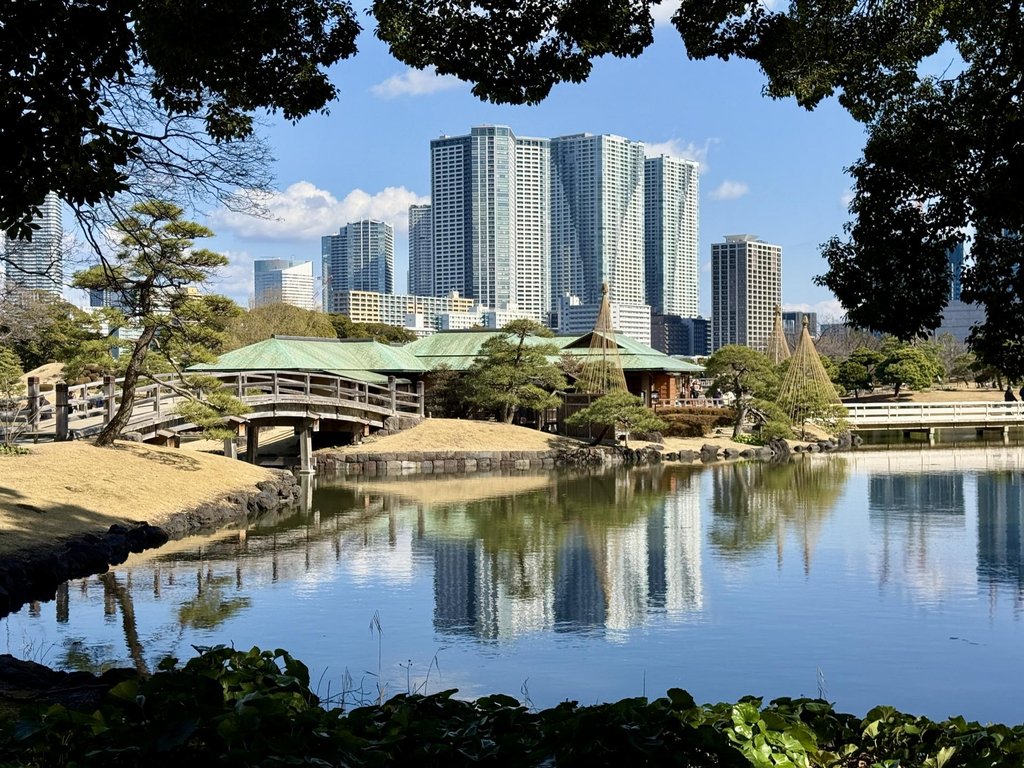
About a 7-minute walk from Tsukiji Outer Market, Hama-rikyu Gardens is a lush green oasis surrounded by the skyscrapers of central Tokyo.
The garden is an ideal place to rest your feet after a morning of eating. The seawater-fed tidal pond changes its appearance with the rise and fall of the tide, creating a striking contrast against the high-rise skyline behind it. At the Nakajima-no-Ochaya teahouse, you can sit down with matcha (green tea) and a traditional sweet while gazing out over the garden. It’s a small luxury well worth the pause.
Plan for 30 to 60 minutes at the garden. After a morning at Tsukiji, a stroll through Hama-rikyu followed by a walk toward Ginza makes for a well-rounded half-day itinerary. Admission is just ¥300 (about $2 USD), making Hama-rikyu Gardens an easy and affordable addition to your day.
Details
| Address | 1-1 Hamarikyuteien, Chuo-ku, Tokyo |
| Hours | 9 am-5 pm (last entry 4:30 pm) |
| Closed | New Year holidays (December 29-January 1) |
| Official website | https://www.tokyo-park.or.jp/park/hama-rikyu/ |
| Best for | Visitors who want a break after the market; garden enthusiasts; photographers |
Kabuki-za Theatre: Catch a Single Act at an Affordable Price
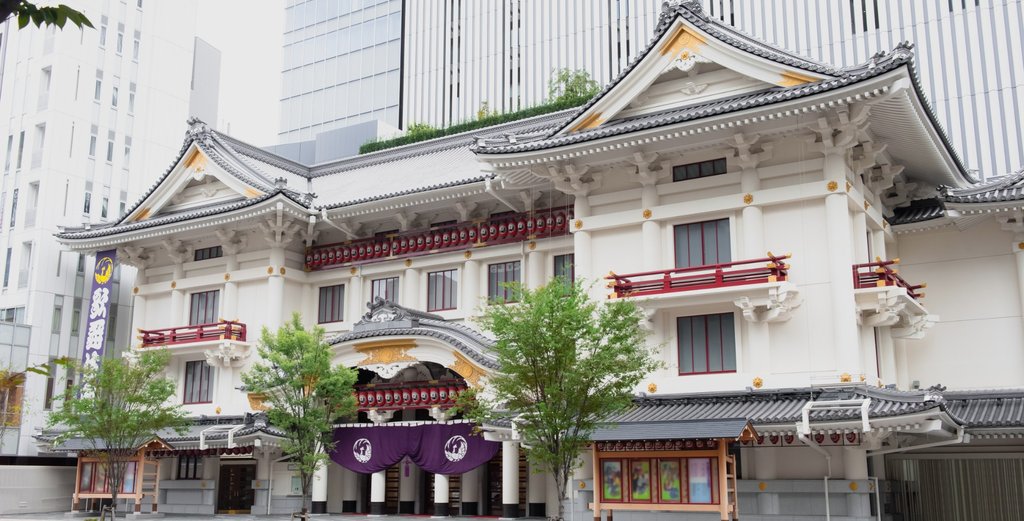
Kabuki-za Theatre is about a 10-minute walk from the market, heading toward Ginza via Higashi-Ginza Station.
A full kabuki (traditional Japanese theater) performance can feel like a major time commitment, but the fourth-floor single-act seats offer a convenient way to experience just one act at a reasonable price. This section includes approximately 70 reserved seats and 90 unreserved seats. If all seats are filled, standing room may be the only remaining option, so arriving early is recommended.
Tickets can be obtained in two ways:
- Online (reserved seats): available from 12 pm the day before the performance via the official English website
- Box office (unreserved seats): first-come, first-served from 10 am at the Kabuki-za ticket window; cash only
An English subtitle guide is available free of charge for single-act seats, and no reservation is required.
A practical itinerary is to complete a Tsukiji morning food tour, attend a single act around 1 pm, and then spend the afternoon exploring Ginza. As performance programs change monthly, it is advisable to check the official Kabuki-za website for the latest schedule.
Details
| Address | 4-12-15 Ginza, Chuo-ku, Tokyo |
| Nearest station | Right outside Higashi-Ginza Station Exit 3; 5-minute walk from Ginza Station Exit A7 |
| Official website | https://www.kabuki-za.co.jp/ |
| Best for | Visitors who want a short, affordable taste of traditional Japanese performing arts |
Tsukiji Hongwanji Temple: A Serene Stop Before Your Market Stroll
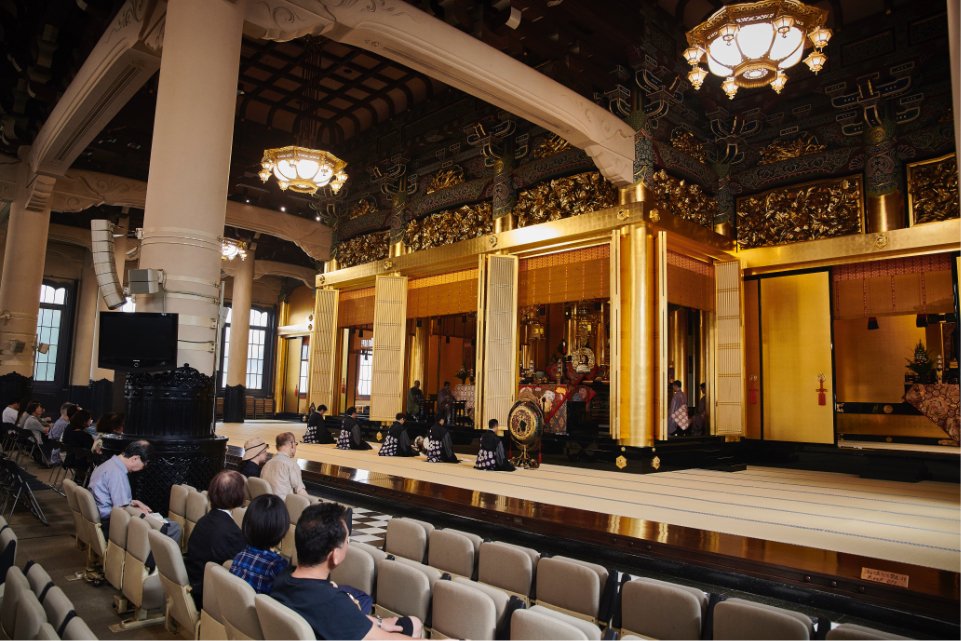
About a 5-minute walk from the Outer Market along Harumi-dori avenue, the stone-faced building of Tsukiji Hongwanji Temple comes into view.
The main hall incorporates ancient Indian Buddhist architectural elements, giving it a distinctive appearance unlike most Japanese temples. Inside, there is even a pipe organ. The gates open at 6 am and admission is free. Visiting in the quiet early-morning hours before the market becomes busy offers a rare moment of calm in an otherwise energetic day.
Allow 15 to 30 minutes for a visit. The soft early-morning light filtering through the stone pillars creates particularly striking photo opportunities. Many guided tours use Tsukiji Hongwanji as their meeting point due to how naturally it pairs with a market visit, making the temple an ideal starting point for a Tsukiji itinerary.
Details
| Address | 3-15-1 Tsukiji, Chuo-ku, Tokyo |
| Main hall visiting hours | 6 am-4 pm |
| Closed | Open year-round |
| Official website | https://tsukijihongwanji.jp/ |
| Best for | Early risers; architecture enthusiasts; photographers; visitors looking for a calm start to their day |
Frequently Asked Questions About Tsukiji Outer Market

First-time visitors often wonder about opening days, language barriers, and other practical matters. Here are answers to the most common questions.
Is Tsukiji Outer Market Open on Sundays?
Avoid visiting on a Sunday. The Outer Market follows the wholesale market’s closure schedule, and most shops are shut on Sundays and public holidays.
While a handful of restaurants may remain open, nearly all retail shops are closed, and the market loses much of its characteristic energy. If Sunday is your only option, focus on 24-hour restaurants or check individual shop schedules in advance.
For the full Tsukiji experience, Tuesday, Thursday, Friday, or Saturday offers the highest likelihood of shops being open and operating at full capacity.
Can I Visit the Toyosu Tuna Auction and Tsukiji on the Same Day?
Visiting both Toyosu and Tsukiji on the same day is entirely doable. A natural flow is to watch the early-morning tuna auction at Toyosu first and then continue on to Tsukiji Outer Market.
Auction viewing at Toyosu requires a lottery-based reservation, so applicants must apply about one month in advance. Traveling between the two markets takes roughly 45 minutes via the Yurikamome Line and Toei Oedo Line. Arriving at Tsukiji around 7:30–8 am allows visitors to enjoy breakfast before the main crowds arrive.
- Confirm your auction lottery result before finalizing your itinerary
- Save breakfast for Tsukiji so you can enjoy the atmosphere of both markets
- Have an IC card (Suica or Pasmo) ready for easy transfers
Can I Enjoy Tsukiji with Dietary Restrictions?
Tsukiji can be a challenging environment for visitors with dietary restrictions. Seafood and dashi are central to nearly everything, so vegetarian and halal options are limited.
Fruit skewers and roasted sweet potatoes are among the safer choices, as they typically contain no dashi. Some cooking classes in the area can also adjust their menus to accommodate specific dietary needs upon request.
It is helpful to prepare a note in Japanese listing your dietary restrictions before your visit. Showing it at the counter can make communication much smoother. If you are concerned, consider joining a guided tour and discussing dietary-friendly options with your guide in advance.
Is English Widely Spoken at Tsukiji?
You do not need fluent English-speaking staff to have a great time at Tsukiji Outer Market. Most shops along the main street now offer photo menus, and pointing at what you want is usually enough to place an order.
In the back-alley shops, Japanese may be the only language spoken. A few simple preparations can make the experience much smoother:
- Save photos of the dishes you want on your phone and show them to the staff
- Bring a written note in Japanese if you have allergies or dietary restrictions
- Visit the Plat Tsukiji information center for English-language assistance
If the language barrier still feels daunting, joining an English-guided tour is a practical alternative. In Tsukiji, a smile and genuine curiosity often go further than perfect language skills, so do not hesitate to dive in.
Make the Most of Your Tsukiji Outer Market Visit
Tsukiji Outer Market is one of Tokyo’s premier food destinations, combining fresh seafood, lively street food, and the down-to-earth energy of a traditional market district.
Before visiting, check the official calendar to confirm opening days. Arriving early in the morning helps you avoid the largest crowds, while bringing sufficient cash ensures you can enjoy a wider range of food without inconvenience. Do not overlook the back alleys, where many of the market’s most interesting specialty shops are located.
With a bit of preparation, an unforgettable food experience awaits at Tsukiji Outer Market.