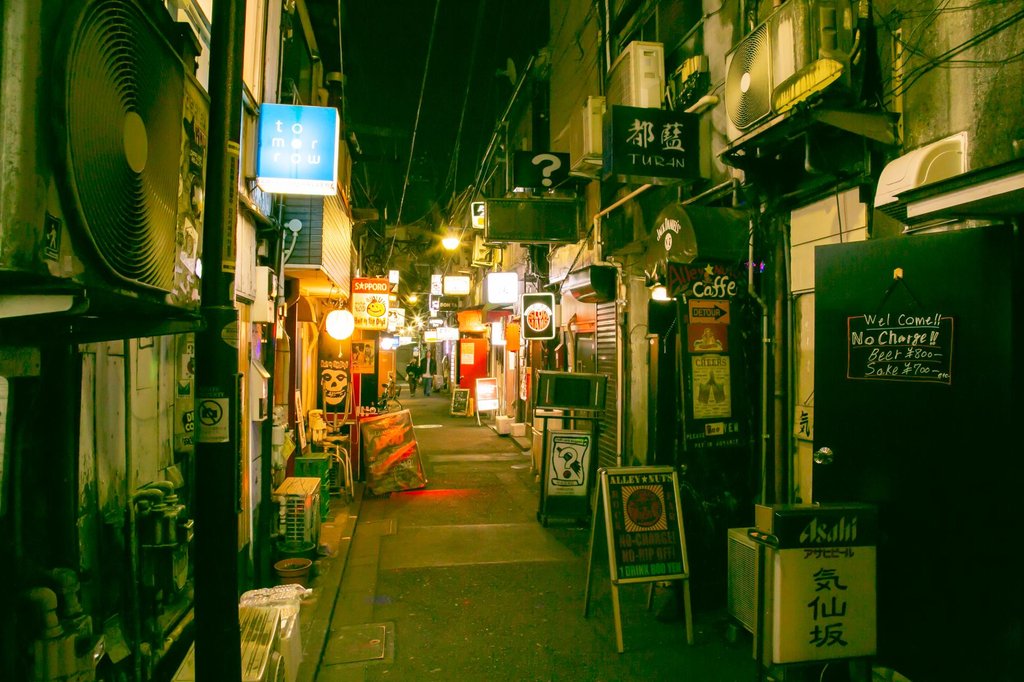
Whether foreign visitors are welcome in Golden Gai often depends on which door you open. Among the roughly 280 shops packed into the area, some cater mainly to regulars, while others make things easier for overseas guests with English menus or a no-cover-charge policy.
Five visible signs can help you identify shops that welcome foreign travelers, and four bars stand out for their English support. Knowing the approximate budget per bar and what to do when you cannot find a seat will also help you prepare for a first visit to Golden Gai.
What Shinjuku Golden Gai Is Like and How Shops Receive Visitors
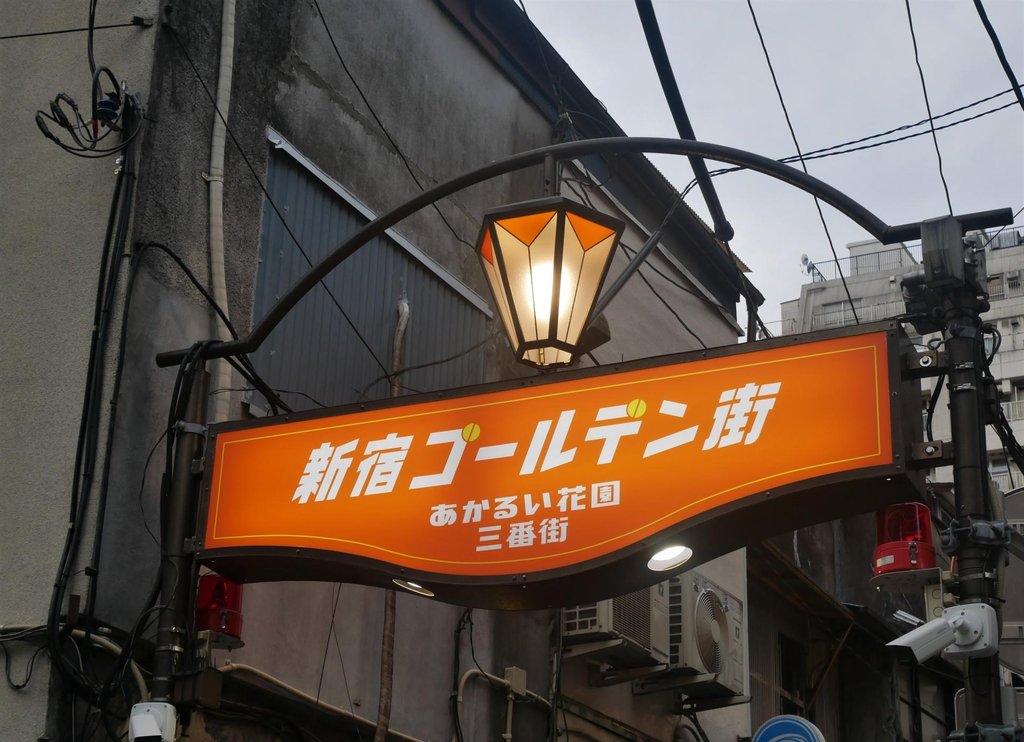
Whether you are turned away at the door or handed an unexpected charge depends on the individual shop. Some charge no cover and offer English support, while others cater mainly to regulars, so the experience varies from shop to shop.
Enjoying Golden Gai with confidence therefore means checking each shop’s posted prices, English support and entry conditions rather than assuming uniform policies across all shops.
More Than 280 Shops, Each Operating by Its Own Rules
Golden Gai packs about 280 bars and pubs into the narrow alleys of the Kabukicho district, Shinjuku Ward. Each shop runs on its own policy. Cover charges, English support and the welcome given to newcomers all vary by establishment.
Some places actively welcome foreign travelers with English menus, while others operate as members-only bars built around regular customers. For a first visit, learn the signs of an easy-to-enter shop in advance, such as English signage at the entrance and clearly posted prices.
Tokyo: Shinjuku Historical Walking Tour & Secret Backstreets
No-Cover-Charge Shops for Foreign Visitors Are Increasing
Many Golden Gai shops charge a cover fee of roughly ¥500 to ¥1,500 when you take a seat. In recent years, however, more shops have adopted a no-cover-charge policy, making it easier for foreign travelers to drop in. The official site of the Shinjuku Golden Gai Shopping Street Promotion Association also notes this trend.
Not every shop operates without a cover charge, so check the price list or English price display near the entrance before going in. When the cover charge and drink prices are stated, you can work out your budget beforehand and avoid misunderstandings when the bill arrives. If no prices are posted, asking “How much is the cover charge?” before entering clears things up.
Some Shops Have Owners or Staff Who Speak English
Some Golden Gai shops keep English menus on hand, while others have owners or staff who can serve customers in English. The level of English support varies by shop, so if ordering or chatting in Japanese makes you uneasy, check the official site, social media, or recent reviews in advance.
An owner who speaks English can do more than take your order — they can also draw the regular sitting next to you into the conversation. In small shops with just four to six seats, customers sit close together, and that language support can make it easier to interact with locals.
Since appearance alone rarely reveals whether English is spoken, use English signage at the entrance and information gathered beforehand to choose a shop.
Members-Only Shops That Turn Away Newcomers Still Exist
Golden Gai still has members-only shops and places that follow ichigen-san okotowari (a policy of not admitting first-time customers). The Shinjuku Golden Gai Shopping Street Promotion Association mentions this on its official site, so a first-time visitor should know that not every door is open.
These shops build their business on regular customers in spaces of about four to six seats, which is why they may limit new customers. The restriction does not target foreign travelers alone, and Japanese first-timers are turned away too, so there is no need to take it personally. With so many shops gathered in Golden Gai, move on to another one and look for an easy-to-enter place with English signage or posted prices.
More Shops Are Comfortable for Women Visiting Alone
The association’s official site also notes that more shops are now easy for women to visit on their own. Most are small places where four to six people share a single counter, so a solo customer settles in naturally.
Golden Gai has a culture of conversation with the owner and the customer beside you, a closeness quite different from a large, group-filled izakaya (Japanese pub). Conversations start easily even when you arrive alone, and you can work your way through the shops at your own pace. For a first solo visit, aim for the relatively quiet 8 pm hour on a weekday and choose shops where you can see inside or where the staff signal you in.
5 Signs That a Golden Gai Shop Welcomes Foreign Visitors
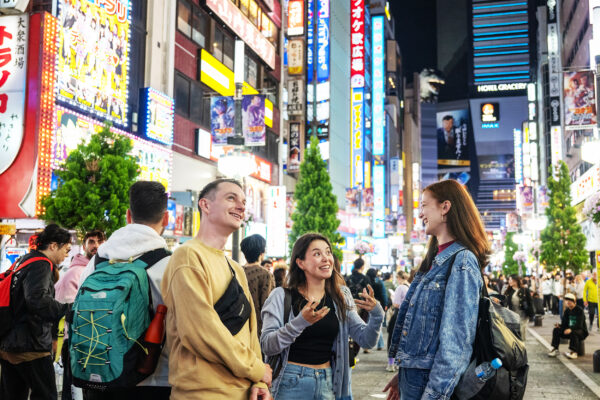
Walking through Golden Gai for the first time, you might not know which door to open. Five signs, visible from the exterior and entrance area, can indicate how welcoming a shop is to newcomers.
Reading the door, any English signage, and notices about the cover charge together makes it easier to choose a place you can enter with confidence.
1. The Entrance Is Open and You Can See Inside
A shop with an open door and a clear view of the interior is a reliable indicator of a shop that welcomes newcomers. Some shops keep the door closed for heating or air conditioning, however, so check the lighting and signboard too rather than judging by the door alone.
- Whether any counter seats are free
- Whether the lights are on and the shop appears to be serving
- Whether the owner or staff signal you in
Seeing inside reveals the free seats, the atmosphere and the crowd, which helps you judge whether the shop suits you. If the owner or staff call out or wave you in, go ahead and enter. If you get no reaction, look for another shop rather than pressing the point.
2. An English Menu or Price List Is Displayed Outside
Notices such as “English menu available” or “No cover charge” help identify shops that are easy for foreign travelers to enter. Near the entrance, look for any of the following:
- A menu board beside the door or a price list posted in the window
- A welcome message aimed at new customers
- The cover charge, or its absence, stated in English with the amount
With these displays, you can understand the pricing and ordering process before entering, which prevents misunderstandings at the register. The absence of English signage does not necessarily mean foreign customers are unwelcome. Small shops sometimes operate with a handwritten Japanese menu only, so if a place catches your eye, ask about prices and English support before you go in.
3. A No-Cover-Charge Notice Is Posted
A “No Cover Charge” notice means you pay only for drinks, making the bill straightforward to predict. This pricing works well for a quick one-drink stop, particularly if you plan to visit several bars in one evening.
When no such notice is visible, check whether a cover charge applies before taking a seat:
- Sample question in English: “Is there a cover charge?”
- If an amount is quoted, confirm what it covers before sitting down
Asking about the cover charge is nothing unusual, and it is an effective way to keep the final bill free of surprises. Even at a no-cover-charge shop, plan to order at least one drink once you sit down.

Shinjuku: Food Tour – 15 Dishes at 4 Eateries
4. A “Members Only” Notice Is Posted
A shop with a “Members Only” or 会員制 notice operates around its regulars and may not accept first-time customers. The restriction is not aimed at foreign travelers, so when you see one of the following, look for another shop.
- Japanese: 会員制, 会員の方のみ
- English: “Members Only”, “Regular Customers Only”
A walk past a few doors is usually enough to find a place with an English menu or posted prices that accepts newcomers.
5. The Owner Makes Eye Contact or Waves You In
A small nod when your eyes meet the owner’s, or a beckoning hand, is a wordless sign of welcome. Owners tend to keep an eye on the entrance, and when they are happy to receive you, their gaze naturally turns your way.
Japanese people beckon palm down, fingers moving toward the body. In Western countries the palm faces up, so visitors often mistake the gesture for a signal to go away, but a downward palm means welcome. If your eyes meet with no reaction, the shop may simply be full, so ask “Is it OK to come in?” if you are still interested.
4 Bars Known for Welcoming Foreign Visitors
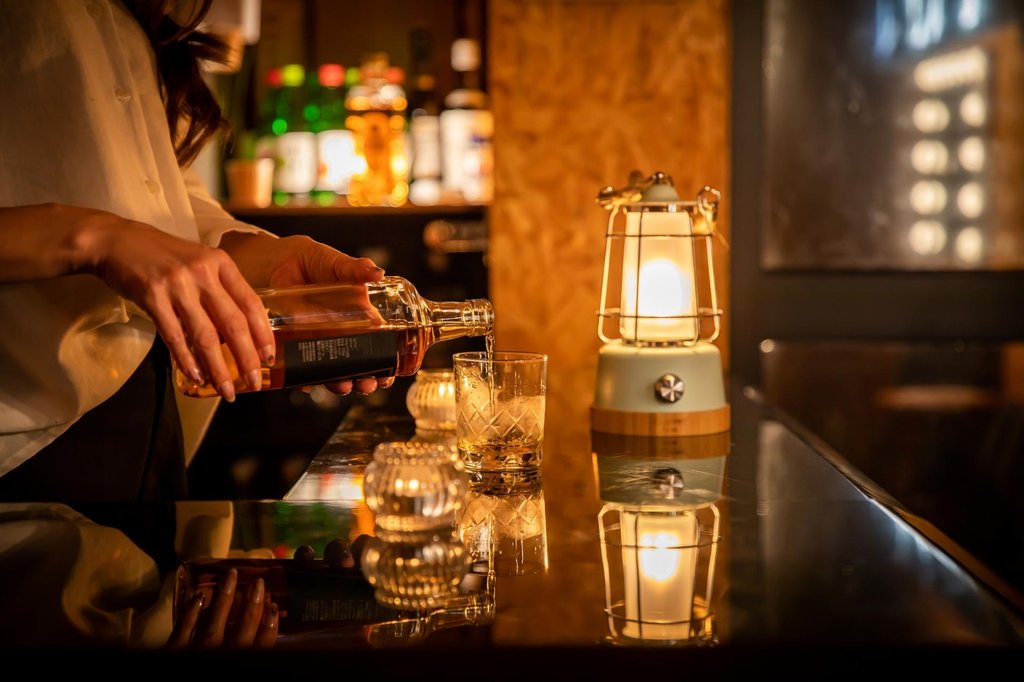
Four bars with a solid reputation among overseas guests stand out for their seating, language support, and pricing. Their seat counts, cover charges, and opening hours can help you choose the one that best fits your group size and budget.
ALBATROSS G|The Largest Seating Capacity in Golden Gai
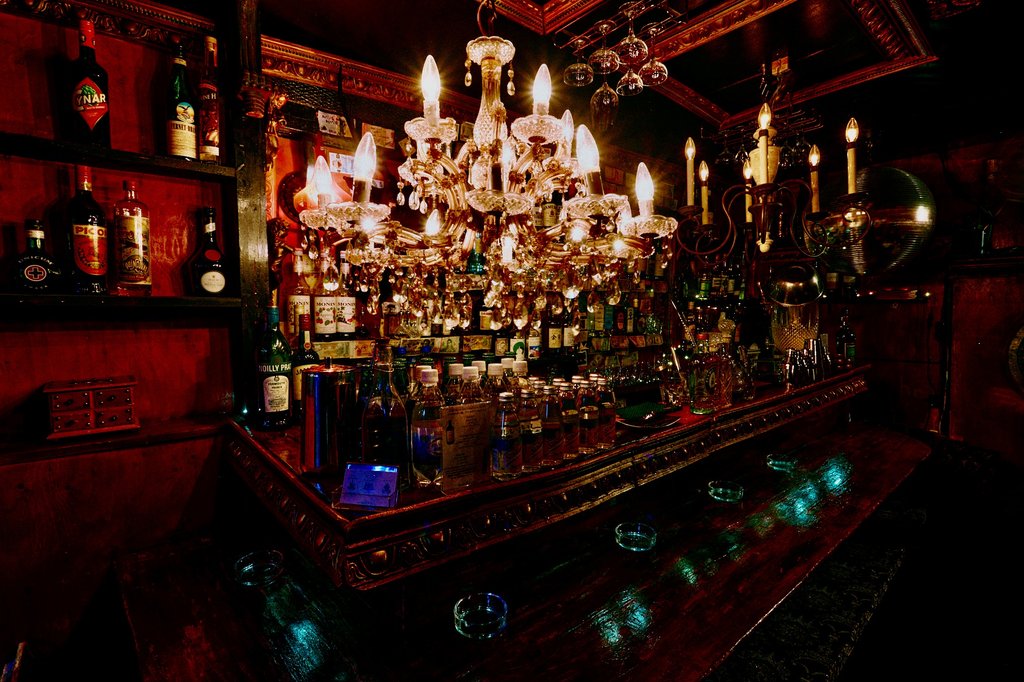
While most Golden Gai shops have only five to ten counter seats, ALBATROSS G spreads over three floors and has comparatively generous seating. The extra room makes the bar workable for groups as well as solo customers.
The ¥500 cover charge includes a snack. English-speaking staff are on hand, which suits travelers uneasy about ordering in Japanese. To avoid the crowds, aim for a weekday between 7 and 9 pm.
Details
| Location | Golden Gai 5-bangai, 1-1-7 Kabukicho, Shinjuku-ku |
| Hours | 7:00 pm-5:00 am |
| Closed | Open year-round |
| Official site | https://www.alba-s.com/ |
| Best for | Groups of three or four who want to drink without worrying about seats |
ACE’S MUSIC SALON|An Owner Fluent in English Is Always There

ACE’S MUSIC SALON states its English support on the door itself. The sign reads “If you have a problem, Ask me!! I love English & you!!!”, which tells a solo traveler with no Japanese that conversation in English is welcome.
As a music bar playing rock and blues, it also has a soundtrack that fills any lull in conversation. The owner draws the regular next to you into the conversation naturally, so you need not worry about breaking into the regulars’ circle. With no cover charge and no set otoshi (a small dish served before you order), the pricing stays clear.
Details
| Location | 1-1-9 Kabukicho, Shinjuku-ku, Tokyo |
| Hours | 8:00 pm-5:00 am Please contact the shop for the latest information |
| Closed | Sundays and public holidays |
| Official site | http://www.goldengai.net/shop/b/09/ |
| Best for | Solo travelers who want to talk in English; anyone who wants to mix with local customers over rock and blues |
ARAKU|No Cover Charge and Card Payment Accepted
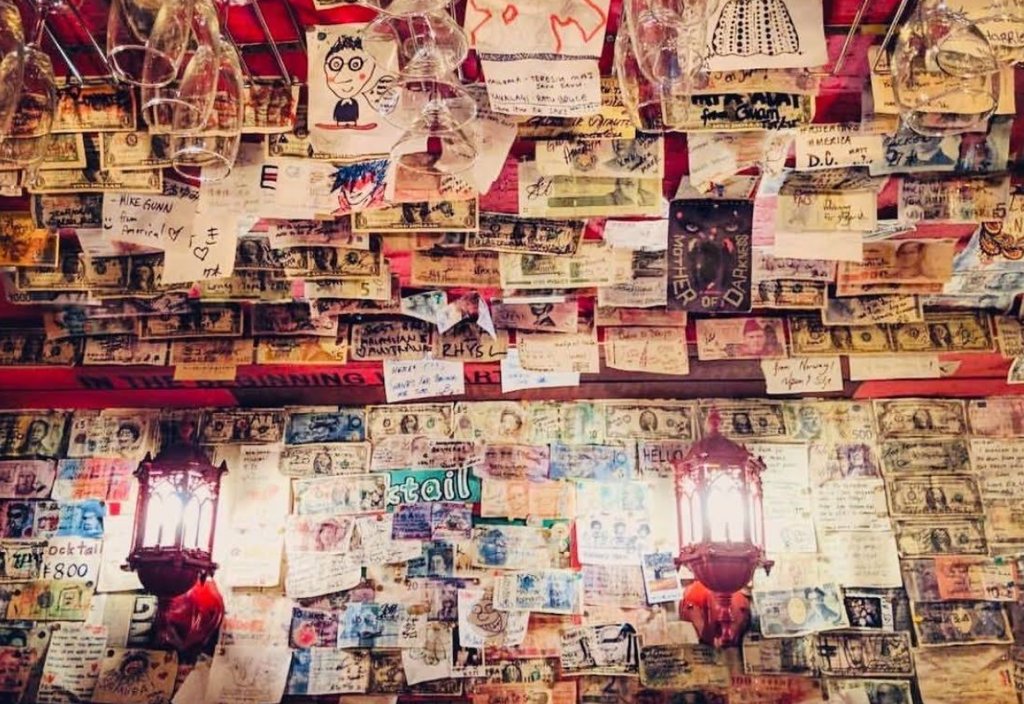
ARAKU’s defining feature is its simple pricing with no cover charge. Since you pay only for drinks, the shop fits naturally into a bar-hopping route where you have one drink and head to the next door. That leaves more freedom in how you spend your budget.
ARAKU accepts cashless payment, a rarity in Golden Gai, covering VISA, Mastercard, JCB, AMEX and Diners as well as PayPay and QUICPay. Card payment makes the bar an easy stop on a night when you forgot to withdraw cash from an ATM, and it’s a reassuring option for visitors concerned about payment methods. Carrying a few thousand yen in cash is still wise in case the terminal fails.
Details
| Location | Golden Gai G2-dori 2F, 1-1-9 Kabukicho, Shinjuku-ku |
| Hours | 7:00 pm-1:00 am (until 1:30 am on Fridays and Saturdays) Please contact the shop for the latest information |
| Closed | Irregular closing days |
| Official site | https://www.instagram.com/bar_araku_official/ |
| Best for | Anyone who wants to avoid a cover charge or pay by credit card or another cashless method |
Deathmatch in Hell|One Price for Every Drink and No Cover Charge
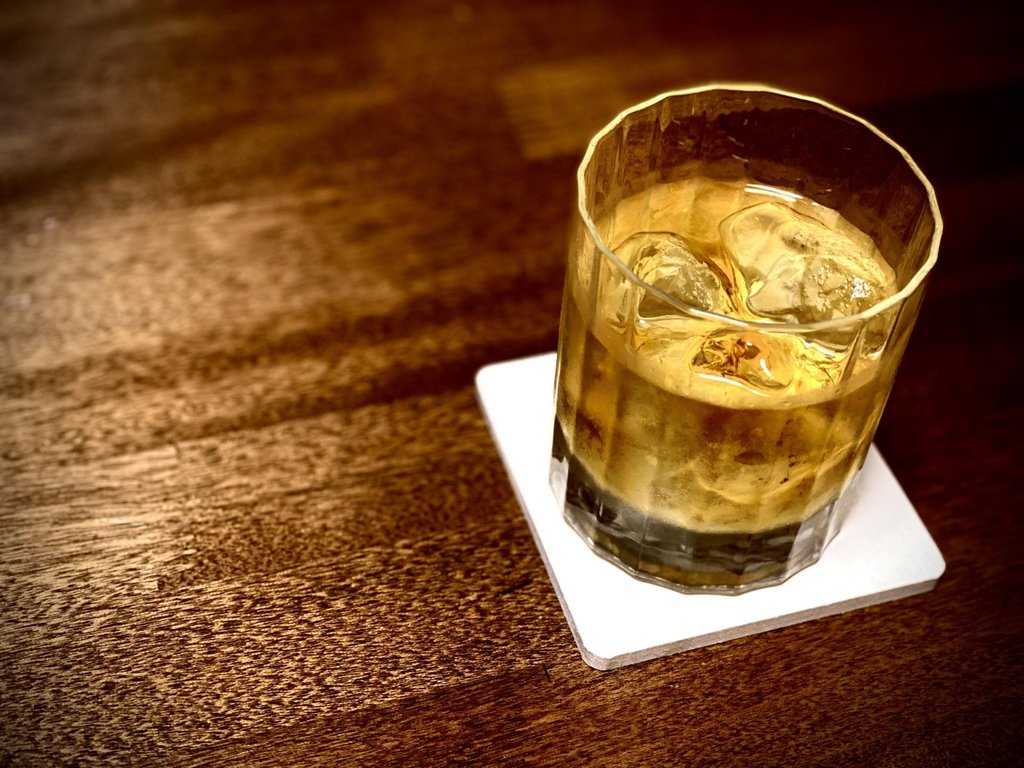
Deathmatch in Hell keeps its pricing simple, with every drink at ¥666 (about $4.50 USD) and no cover charge. Because the total follows directly from the number of drinks, the bar suits anyone visiting several shops on a set budget.
The interior combines heavy metal and horror-film themes, with B-movie horror posters, skulls, and memorabilia covering the walls and surrounding you as you drink. The atmosphere is far from that of a standard bar, making it a natural choice for metal and horror fans or anyone looking for a bar that feels uniquely Golden Gai.
Weekends can get crowded, so arrive early if you want to be sure of a seat.
Details
| Location | 1-1-8 Kabukicho, Shinjuku-ku, Tokyo |
| Hours | 8:00 pm-3:00 am Please contact the shop for the latest information |
| Closed | Thursdays and Sundays |
| Official site | https://www.instagram.com/deathmatchinhell/ |
| Best for | Heavy metal and horror film fans; anyone who wants to experience a distinctive bar |
How to Take It When a Golden Gai Shop Turns You Away
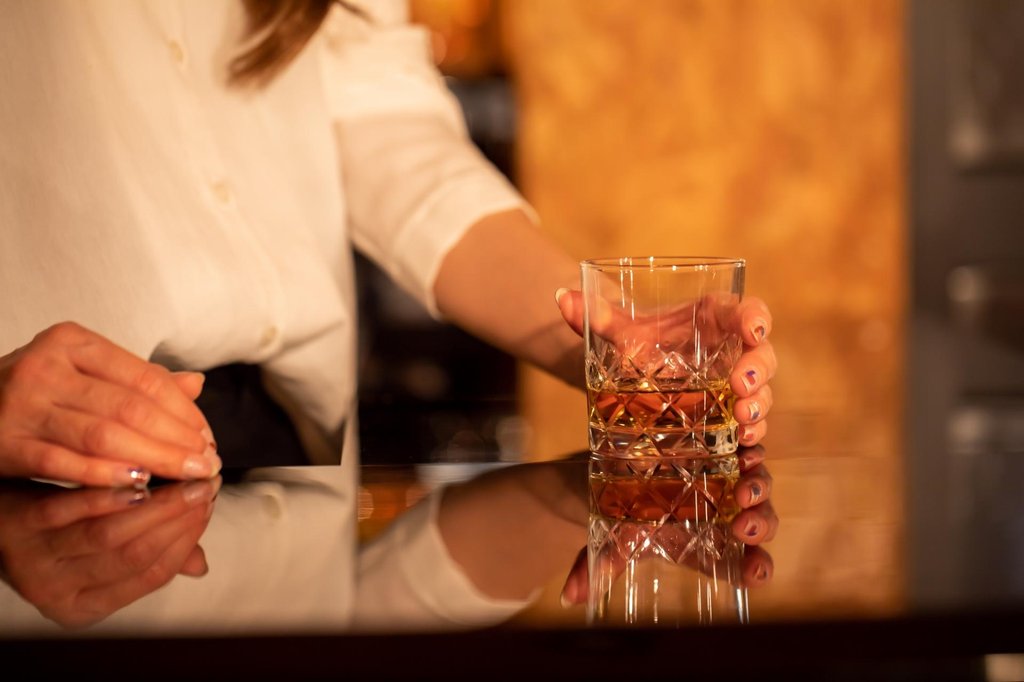
Being turned away at the door rarely has anything to do with nationality. Refusals usually come from shop policies such as members-only service or limits on group size, and a full house simply means trying again a little later. Understanding the reasons makes it easier to shift gears and head straight to the next door.
Members-Only Refusals Come From the Business Style, Not Nationality
The ichigen-san okotowari and members-only rules of Golden Gai apply to Japanese first-timers as much as to foreign travelers. In these tiny bars, often with room for only four to six people, owners may run their establishments around long-standing relationships with regulars and limit new customers as a result.
- Each shop’s policy and entry conditions can be checked in advance
- If one door is closed to newcomers, a nearby shop is likely to welcome them
The next door is often only a few steps away, so read the signage and posted prices as you walk and choose a shop that suits you.
Tokyo: Shinjuku Historical Walking Tour & Secret Backstreets
Large Groups Are Sometimes Turned Away
Golden Gai is full of small shops with five to ten counter seats, and some are run single-handedly by the owner. Arriving as a large group can mean the shop simply has no way to seat everyone and may turn you away.
For groups of four or more, the following approaches can help:
- Split into groups of two or three, enjoy different shops and meet up afterwards
- Confirm before entering by asking something like “Can you take four people?”
- Check the size of the shop and its conditions on its official site beforehand
Splitting into groups of two or three also lets you compare notes on different bars before regrouping for a nightcap.
Full Houses Are Routine, So Come Back a Little Later
In Golden Gai, where shops with fewer than ten seats stand side by side, a full house is part of everyday life. The alleys can become especially lively between 9 and 11 pm on Fridays and Saturdays, and a shop with only five counter seats can fill up quickly.
Bar hopping is the normal way to drink here, with many customers moving on after one or two drinks. Seats can turn over faster than you might expect, so have a plan for when your first choice is full:
- Try another bar in the same alley, since more than 200 doors give you plenty of options
- Come back after 30 to 60 minutes, when seats may have opened up
- Avoid the 9 pm to 11 pm peak and aim for just after opening, around 7 pm, or later after midnight
If You Are Turned Away, Say Thank You and Move On
The etiquette when refused is to skip the questions and the negotiation, smile, say thank you and leave quietly. Admission rests with each owner’s judgment, and pressing the point only leaves a poor impression.
As you go, you might politely ask the owner whether there is a shop they recommend. Being pointed toward a nearby place that welcomes foreign visitors is not unusual, and a refusal can lead you to a bar you would never have found.
A Practical Guide to Walking Golden Gai
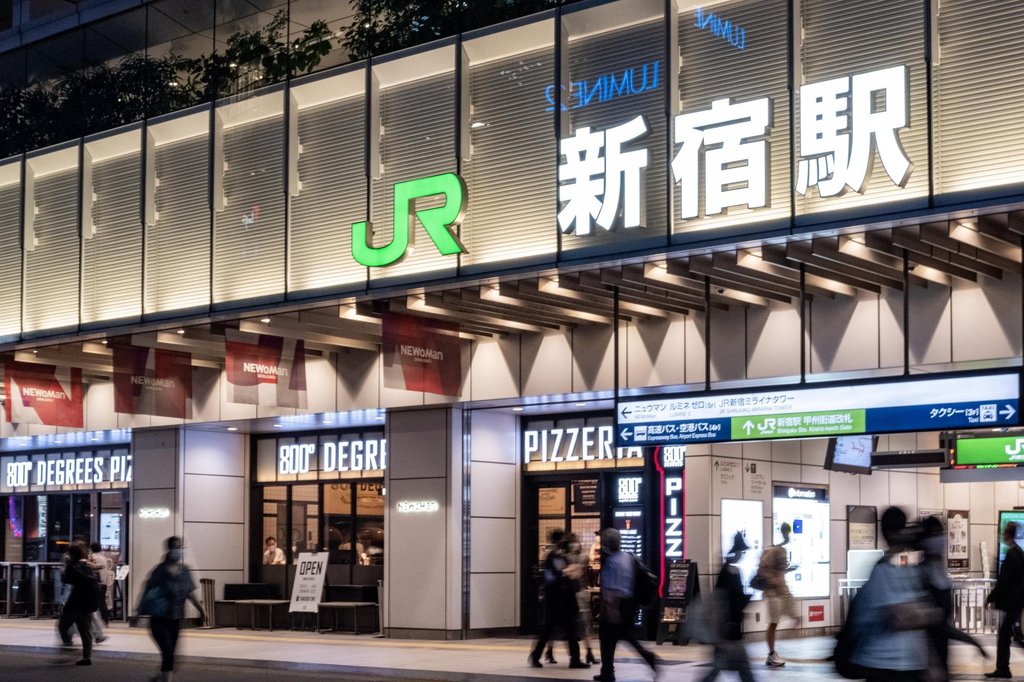
Here’s what you need to know about getting there from Shinjuku Station, the days and hours that avoid the crowds, your budget per bar and the rules on photography in the alleys.
A 5-Minute Walk From the East Exit of Shinjuku Station
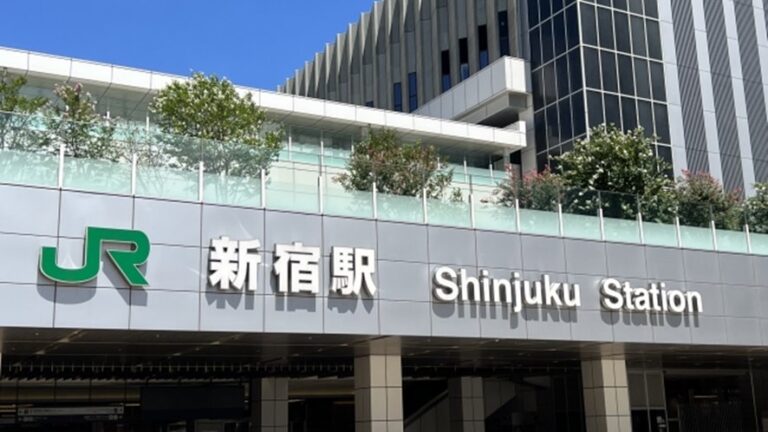
The clearest route to Golden Gai starts at Exit B3 of Shinjuku-sanchome Station on the Tokyo Metro. Once above ground, walk toward Hanazono Shrine (a shrine dedicated to a deity of business prosperity), and the entrance to the alleys is about three minutes away. Heading east along Yasukuni-dori Avenue from the East Exit of JR Shinjuku Station takes around five minutes, though navigating Shinjuku Station’s many exits can be disorienting.
When navigating on foot, use GPS and aim for the west side of Hanazono Shrine. Golden Gai is made up of seven alleys in total, and whichever entrance you use, you can move freely between them.
Arriving Between 8 and 9 pm on a Weekday Is Ideal
Arriving between 8 and 9 pm from Tuesday to Thursday makes bar hopping most comfortable. Many shops open around 7 to 9 pm, and after 9 pm the counters fill up starting with the popular places. On weekdays, arriving around 8 pm means shops have generally opened but seats are still available, while wrapping up around 11 pm leaves plenty of time to catch the last train.
Fridays and Saturdays are busiest between 9 and 11 pm, when the alleys can overflow with people. Arriving before 9 pm gives you a better chance of securing a seat before the peak.
| Day and Time | Crowd Level | Notes |
|---|---|---|
| Tue-Thu, 8:00-9:00 pm | Low | Seats available; the sweet spot |
| Fri-Sat, before 9:00 pm | Somewhat busy | Manageable if you arrive early |
| Fri-Sat, 9:00-11:00 pm | Very busy | High chance of full houses |
| Sunday | Low | Many shops closed; good for a quiet night |
Many shops close on Sundays, which suits visitors who prefer a quiet atmosphere.
Bring Around ¥2,000 in Cash per Shop
Most Golden Gai shops accept cash only. The buildings are wooden row-house units of about 8 square meters (roughly 90 square feet), which makes installing communication infrastructure difficult. Payment processing fees also weigh heavily on such small shops.
The budget for a single shop breaks down as follows.
- Cover charge: ¥500-¥1,500
- One or two drinks: ¥800-¥1,500
- Total: ¥1,300-¥3,000, averaging around ¥2,000 (about $13 USD)
For three shops, count on roughly ¥5,000-¥7,500. Small shops sometimes cannot break a ¥10,000 note, so bringing plenty of ¥1,000 notes is considerate. Withdrawing cash in advance at a convenience store ATM around the East Exit of Shinjuku Station saves trouble.
The Alleys Are Private Property, So Ask Before Taking Photos
Every alley in Golden Gai is private land. The Shinjuku Golden Gai Shopping Street Promotion Association that manages it prohibits photography and video recording on these lanes during business hours in principle. Pointing a camera without permission can intrude on the privacy of regulars and disrupt business, so treat the rule as protection for relationships built over many years.
Photography inside each shop is left to the owner’s judgment, so ask “May I take a photo?” before you raise your smartphone. If you want the alleys themselves in your photos, visit early in the morning or before the shops open. With the doors closed, there are few people around, and you can take your time with the old-fashioned signboards and the wooden row houses.
English-Guided Tours for an Easier First Visit
An English-guided tour is one way around the language barrier and the choice of shops. A tour lowers the hurdle of ordering in Japanese and picking where to go, while taking you to established shops.
Shinjuku: Food Tour – 15 Dishes at 4 Eateries
On this tour operated by Japan Guide Star, an English-speaking guide leads you through four Shinjuku eateries over about three hours, with Golden Gai among the stops. The price covers 15 dishes and drinks, which saves you from checking cover charges shop by shop and ordering from Japanese menus.
The English-speaking guide supports you when ordering, so the tour works even if exchanges in Japanese make you uneasy. If you have dietary restrictions, tell the operator when you book so they can confirm what they can accommodate.
Details
| Meeting point | In front of the police box at the East Exit of Shinjuku Station, 3-38-1 Shinjuku, Shinjuku-ku, Tokyo |
| Duration | About 3 hours |
| Included in the price | 15 dishes and drinks across four shops; English-speaking guide |
| Booking site | https://japanguidestar.com/tour/shinjuku-food-tour-15-dishes-at-4-eateries/ |
| Best for | Anyone uneasy about ordering in Japanese or checking cover charges; anyone who wants to experience Golden Gai with a guide |
Shinjuku: Food Tour – 15 Dishes at 4 Eateries
FAQ: Common Questions About Golden Gai and Foreign Visitors

Questions that come up before a visit are answered briefly below, covering how to enjoy the area alone, how to handle the language barrier and the reality of pricing concerns.
Can I Enjoy Golden Gai on My Own?
Golden Gai lends itself to bar hopping, where you have one or two drinks before moving on, making it an easy area to visit alone. Most shops seat only four to six people, so a solo traveler can often find an open seat more easily than a group. You can move from bar to bar at your own pace.
Owners and neighboring customers are close at hand, so conversation often starts naturally. For a first visit, aim for the relatively quiet 8 pm hour on a weekday and choose shops where you can see inside or where the staff signal you in.
Can I Order Without Speaking Japanese?
Ordering goes smoothly without Japanese if you choose a shop with an English menu or English support. Basic drink names such as “beer” and “highball” often get through as they are, and in shops without an English menu, pointing at the bottles on the shelf conveys what you want.
For finer details of an order or to confirm prices, a translation app on your smartphone helps. Showing the translated text on screen to the staff reduces misunderstandings compared with words alone.
Is There Any Risk of Being Overcharged?
Shinjuku Ward and the Tokyo Metropolitan Police Department publish no standing advisories about overcharging in Golden Gai, so there is little cause for concern. Many shops post their cover charges and drink prices at the entrance, keeping the pricing transparent.
A single question before you sit down, “How much is the cover charge?”, is enough to prevent an unexpected bill. Take care not to follow street touts in the Kabukicho area on your way home.
What Else Can I Do in Shinjuku Before or After Golden Gai?
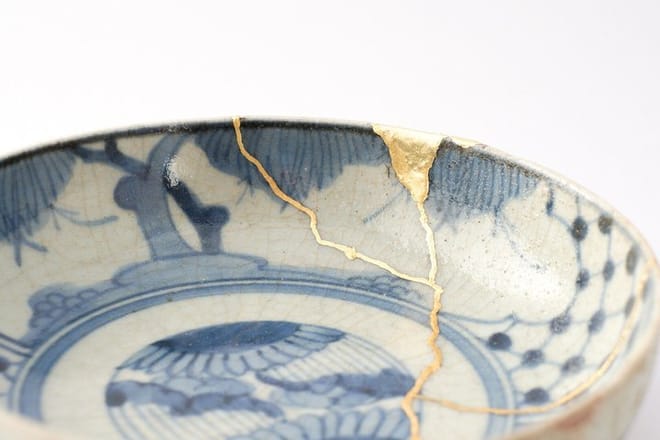
To fill the hours before the Golden Gai shops open, consider the kintsugi (a traditional technique for repairing broken ceramics with gold dust) workshop run by Japan Guide Star. Sessions run in English, so the workshop is accessible if Japanese worries you, and it covers Japanese craftsmanship in about an hour and a half.
You take your finished piece home, which turns the session into a souvenir of the trip as well as an experience. Trying kintsugi during the day and drinking your way through Golden Gai at night brings you Japanese culture from two different angles, craft and bar counter.
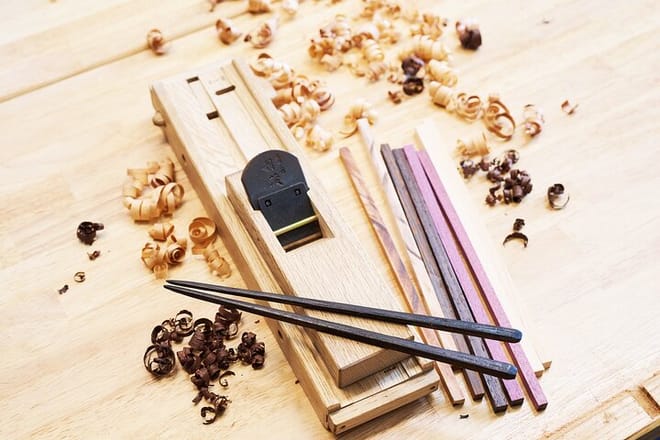
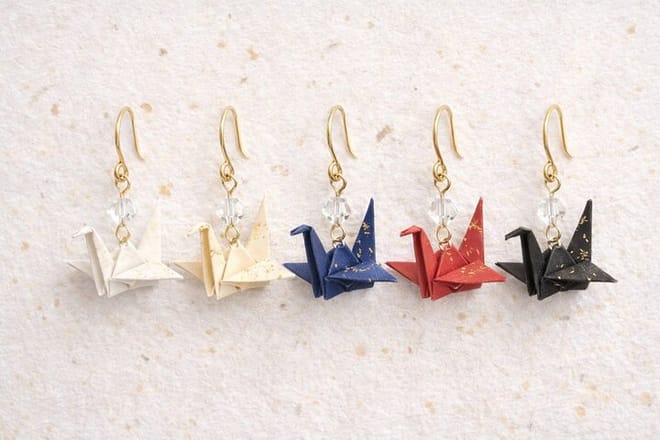
The same studio also offers popular chopstick-making and origami jewelry sessions.
Details
| Meeting point | Chopsticks Studio Shinjuku, Higashi Building 8F, 1-5-4 Kabukicho, Shinjuku-ku, Tokyo |
| Duration | About 1 hour 30 minutes; up to 15 participants |
| Included in the price | Materials, instruction and your finished piece to take home |
| Booking site | https://japanguidestar.com/tour/tokyo-japanese-gold-repair-kintsugi-workshop-in-shinjuku/ |
| Best for | Anyone who wants a short introduction to traditional Japanese crafts; anyone making use of the hours before Golden Gai opens |

Tokyo: Japanese Gold Repair Kintsugi Workshop in Shinjuku
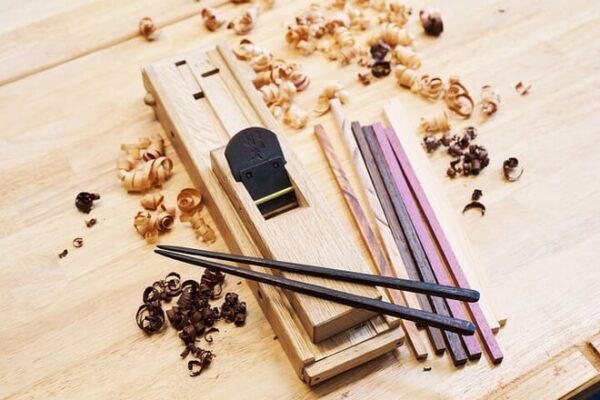
Tokyo Chopstick Making Workshop in Shinjuku
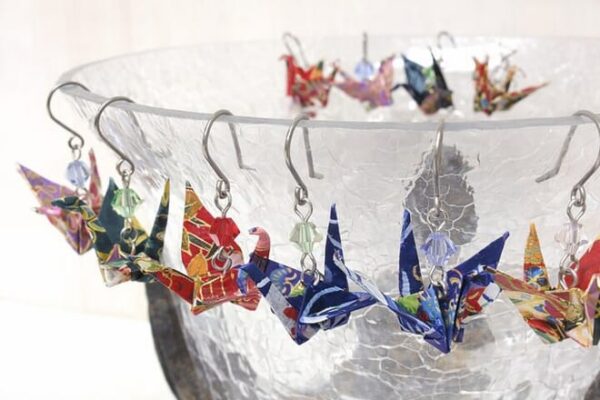
Tokyo: Create Your Own Handmade Origami Jewelry
Discover the beauty of traditional Japanese craftsmanship in this hands-on origami workshop.
Enjoying Golden Gai’s Small Counters With Confidence
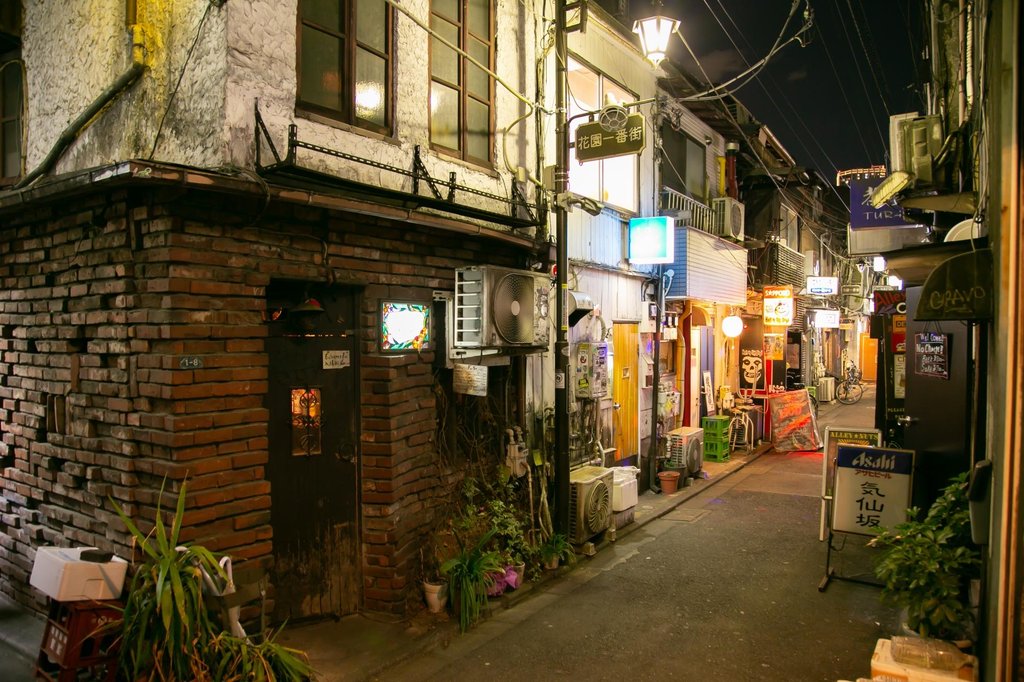
Golden Gai has shops that foreign travelers can walk into easily, including places that post English menus and price lists and places that charge no cover at all. Members-only shops and places that decline first-timers also remain, so checking the signage at the entrance and the cover charge before entering keeps things comfortable.
Carrying cash and moving on after one or two drinks when the shops are busy lets you cover several bars efficiently. If a door closes, let it go, keep looking for the shop that suits you, and enjoy the small counters and the conversations that happen naturally when six strangers share one.