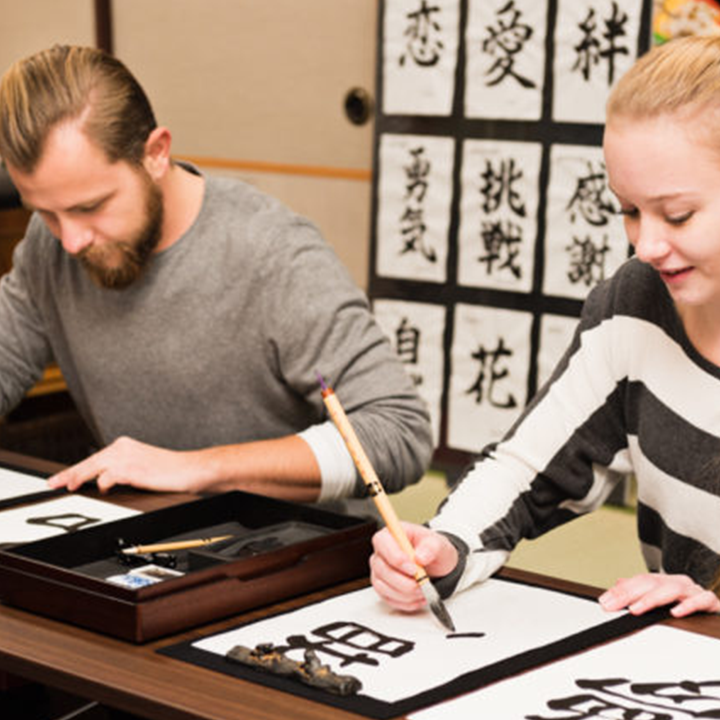
Plenty of visitors want to try kintsugi—the art of repairing broken ceramics with lacquer and gold—during their stay in Tokyo, yet picking a studio is rarely straightforward. English support, prices, session length, whether or not the finished piece goes home with you… These are all variables that change depending on the studio.
When considering English availability and prices, there are seven studios that stand out, and we’ll introduce them all in this article. We’ll also cover common concerns about differences between natural lacquer and synthetic materials, what to wear during the workshop, booking tips, and how to care for your finished piece so that you can rest assured your first time trying kintsugi will be fun.
What a Kintsugi Workshop in Tokyo Involves: The Basics
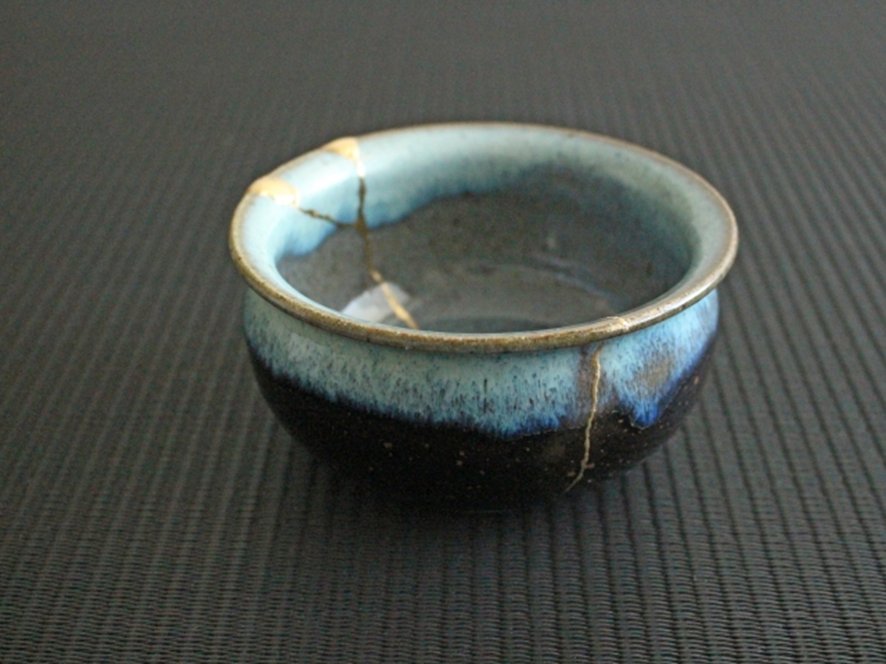
Materials, prices, and language support vary from studio to studio, and those are important conditions by which to judge a venue. Things that affect your decision to choose one studio over another include differences in material, price, and finish, but the availability of English and how well a session fits into your sightseeing schedule will probably be important to you too. We’ll cover some information on these points in the sections below.
Natural Lacquer or Synthetic Materials Change the Price and the Look
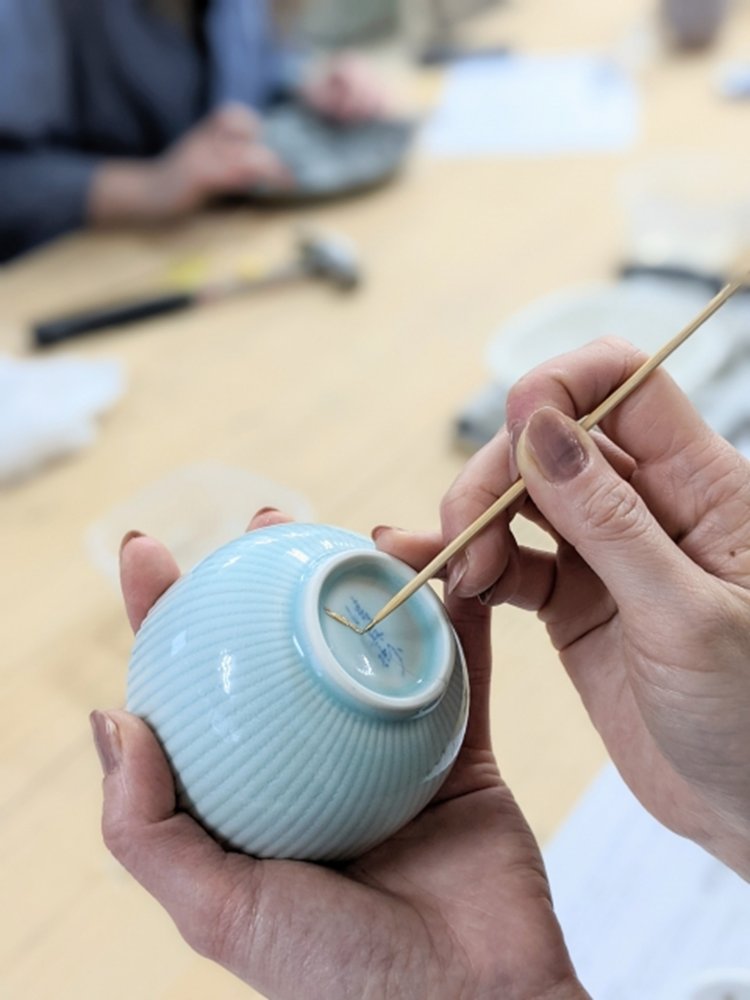
What influences both the price of your session and the look of your piece most is whether the studio offers natural lacquer or synthetic materials.
| Comparison point | Natural lacquer + gold powder | Synthetic resin + brass powder |
|---|---|---|
| Price range | About ¥8,000-¥25,000 | About ¥1,500-¥10,000 |
| Finish | A deep luster that gains character with age | An even gold tone; casual look |
| Use with food | Safe for eating and drinking once cured | Decorative use only |
| Rash risk | Urushiol can cause dermatitis | Low (take care if you have sensitivities to chemicals) |
Once natural lacquer cures completely, it meets Japan’s Food Sanitation Act standards and the bowl can be used for tableware. Some studios describe pieces repaired with synthetic resin as decorative only, though vessels made with materials that comply with the Food Sanitation Act can also hold food. We recommend checking with the studio to confirm whether or not the materials used are approved for contact with food.
Natural lacquer contains urushiol—a compound that causes lacquer-related skin rashes—and even first-time users can develop dermatitis from it. Confirm these points before you book:
- Whether or not the studio lends out gloves, samue (traditional Japanese work clothing), or other protective gear
- Whether or not the studio has ventilation and a procedure for allergies
- Whether or not the studio provides answers to questions about sensitive skin or allergies
Studios that spell out their safety measures are the safer bet if your skin tends to get irritated easily.
A One or Two Hour Session Fits Easily into Half a Day of Sightseeing
Traditional kintsugi involves repeated cycles of applying lacquer and letting it dry, so a piece can take weeks or months to finish. Studios in Tokyo that cater to visitors, on the other hand, design the technique so that it can be completed in one or two hours. They do this by joining the pieces and preparing the base coat in advance. This way, participants concentrate on the final step of sprinkling gold powder and even a shortened session delivers a taste of the real craft.
Most studios run several workshops in both the morning and the afternoon. Make sure to allow thirty to sixty minutes of free time before and after for travel and meals. A simple schedule might look like this:
- 9:30 am: Arrive at the nearest station and have breakfast at a café
- 10:00 am-12:00 pm: Kintsugi workshop (90-120 minutes)
- 12:15 pm: Have lunch nearby, then move on to another sightseeing spot for the afternoon
Take a morning slot and the whole afternoon stays open. Confirm the start time and duration when you book.
English Support Comes in Two Forms: Full-time Staff or Arranged in Advance
English support at kintsugi studios is categorized into two broad types. At places where an English-speaking instructor leads the class, you can join in English without declaring a language when you book. At places where you have to arrange an interpreter or an English-speaking staff member in advance, failing to say “English please” at the time of booking may land you in a Japanese-only session. If an official site says “Taught in English,” that is the first type; “interpreter available” points to the second.
Turning up at a studio of the second type without notice might mean you can’t participate at all, so always state the following when you book:
- Your language preference (English, French, and so on)
- The number of participants and your preferred date and time
- Whether or not you need an interpreter (and check if that involves an extra fee)
Treat a booking as confirmed only once the studio replies to say English is available.
Seven Recommended Kintsugi Studios in Tokyo
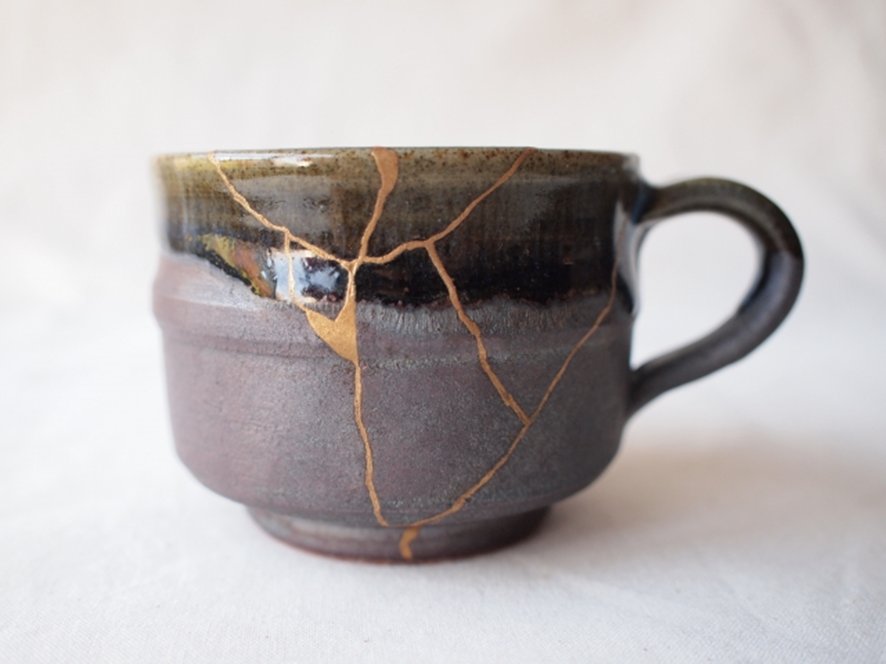
Tokyo has a number of studios offering kintsugi sessions, and location, price, materials, and the way English support is integrated differs across them all. The seven studios we’ll introduce below can all be booked, and each section covers what the session includes, the languages available, and whether or not you can bring your own vessel. Use these details to determine your itinerary, budget, and the kind of session you want to take part in.
Chopsticks Studio Shinjuku | English Instructor on Site
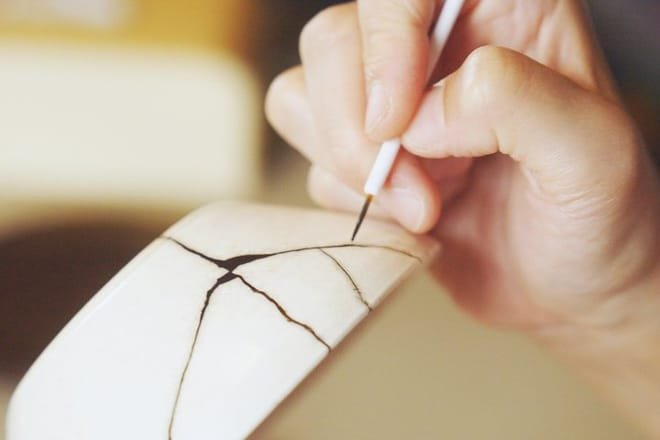
If you’re staying in the Shinjuku area, this studio will keep your travel time to a minimum. An English-speaking instructor leads the class too, so you don’t need to request a language when booking. The session uses fast-drying materials and a simplified kintsugi method designed so that you can finish within the limited time and carry your piece home the same day.
Participants ages six and older and groups of up to fifteen people per session can join in, which makes it workable for families with children and for large groups. The location suits anyone who wants to fit in a class in the morning after a night out in Shinjuku or before an afternoon of sightseeing.
Availability is shown in real time on the booking site, and we recommend checking it once your itinerary is set. Chopsticks Studio Shinjuku also runs chopstick-making and origami jewelry sessions, so if you’re in the mood for a different workshop you’ll find the details for those on the same website.
Details
| Address | 8F Dai-22 Azuma Building, 1-5-4 Kabukicho, Shinjuku-ku, Tokyo |
| Hours | Six sessions daily at 9:00 am, 11:00 am, 1:00 pm, 3:00 pm, 5:00 pm, and 6:00 pm |
| Duration | About 90 minutes |
| Ages and capacity | Ages 6 and up / Up to 15 people |
| Booking site | https://japanguidestar.com/tour/tokyo-japanese-gold-repair-kintsugi-workshop-in-shinjuku/ |
| Best for | Visitors staying in Shinjuku, families with children, groups |
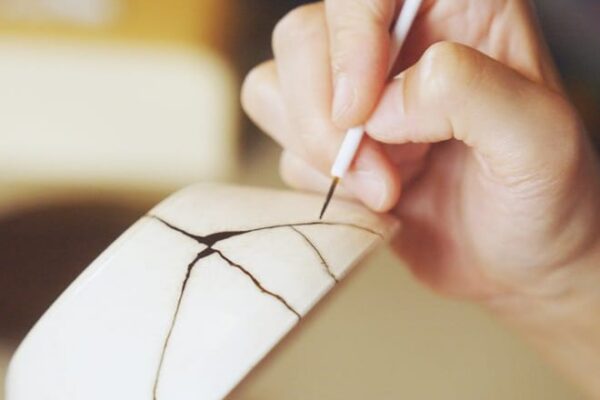
Tokyo: Japanese Gold Repair Kintsugi Workshop in Shinjuku
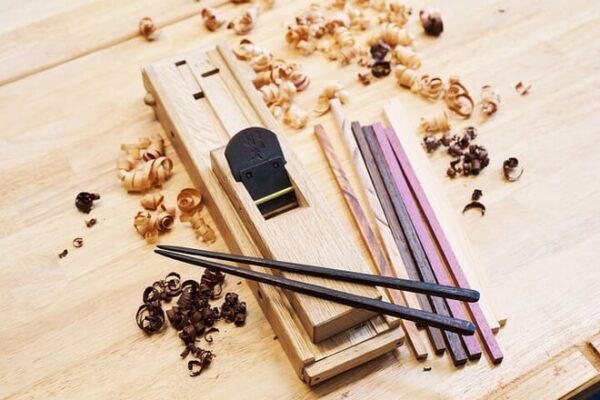
Tokyo Chopstick Making Workshop in Shinjuku
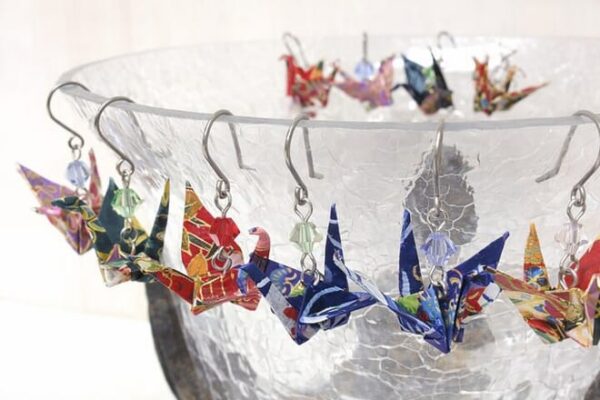
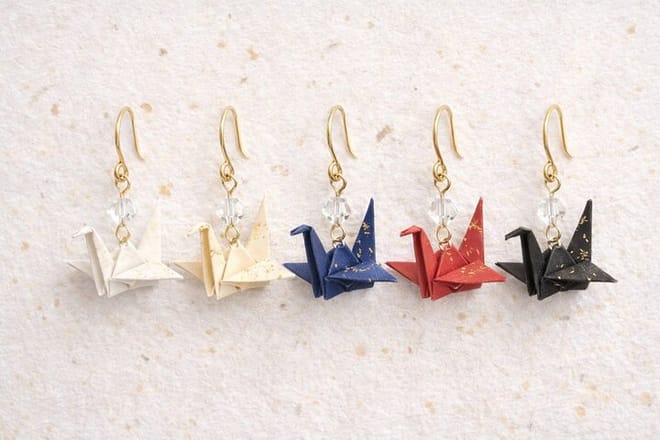
Tokyo: Create Your Own Handmade Origami Jewelry
Discover the beauty of traditional Japanese craftsmanship in this hands-on origami workshop.
Tsugutsugu Ebisu Main Store | Natural Lacquer and 23-Karat Gold
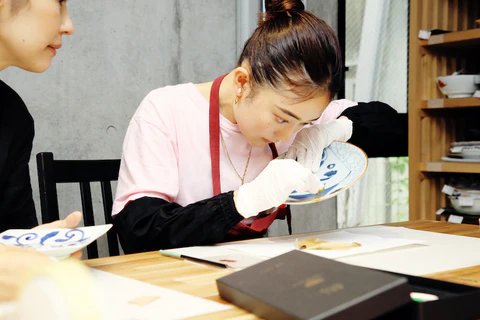
The sessions at Tsugutsugu Ebisu Main Store follow the traditional kintsugi method, using natural lacquer and 23-karat gold (about 96% pure). Pricing starts at ¥22,000 and the workshop runs for about ninety minutes. The finished piece can hold food and drink right away.
How you receive the finished piece is flexible too, which counts for a lot when traveling. Pieces normally have to go through a drying stage, so you’ll collect them later. Alternatively, the studio offers overseas shipping (shipping charges are separate). Having it arrive after you get home removes any concerns about it being damaged in a suitcase.
Up to fifteen people can take part in a single session, so groups are welcome. Families with children also have the option to take a sixty-minute accessory course that doesn’t use lacquer.
Details
| Address | 1F, 2-21-2 Ebisu, Shibuya-ku, Tokyo |
| Hours | One session daily from 4:00 pm (Friday-Monday) |
| Price and duration | From ¥22,000 / 90 minutes |
| Official site | https://kintsugi-kit.com/pages/kintsugi-workshops-in-tokyo |
| Best for | Anyone after natural lacquer and almost-pure gold, or visitors who need overseas shipping |
Prices are subject to change. Please check the official website for the latest information.
TNCA☆ | Pure Gold and Natural Lacquer and an Original Method
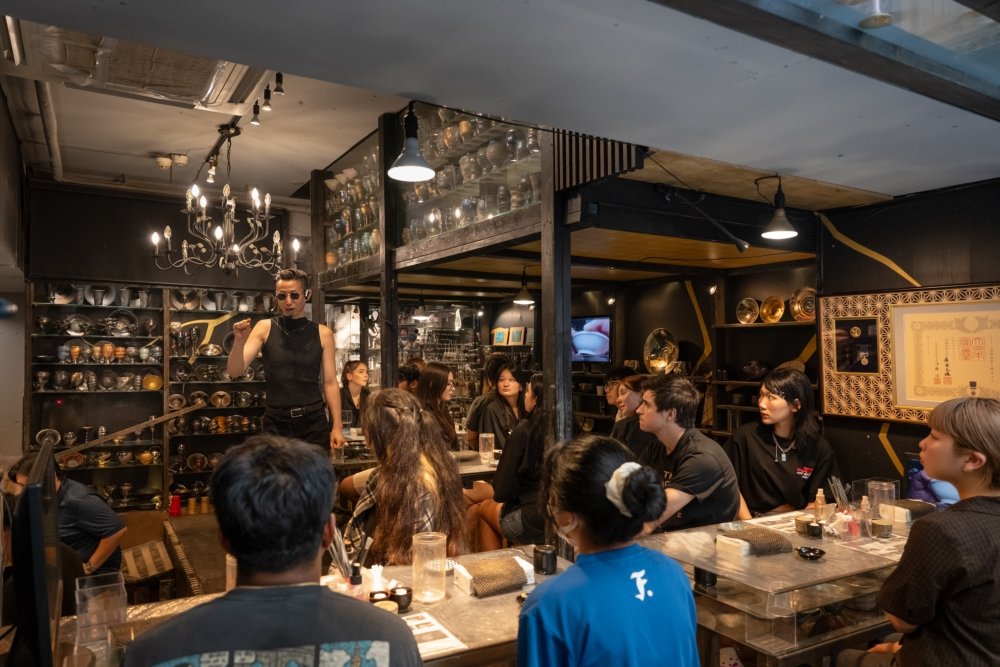
The Okunodoi Method—devised by the artist Taku Nakano—is an original approach to kintsugi that uses nothing but pure gold and natural lacquer. With no synthetic materials involved, the finished vessel can be used for food and drink straight away. Some courses, however, work with substitute lacquer and substitute gold powder, which carry no risk of a lacquer rash but leave you with a decorative piece that can’t be used for food or drink. Keep that in mind when choosing a course (mug handles, vases, and similar items are fine, of course, since they don’t touch food).
The studio sits in Minami-Aoyama and is within walking distance of Omotesando Station, making it easy to combine with a walk around Harajuku and Omotesando on the same day. Four courses run at different difficulty levels, each with its own minimum age requirements and pricing. The introductory course, for example, starts at about ¥8,000 and is for ages five and up. The full course is for ages ten and up and runs at ¥20,000 or more. Pick which option fits you best according to your budget and skill level.
Lessons also come with free English support, and since your finished work goes home with you in a protective box, you have nothing to worry about on the flight back.
Details
| Address | B1, OG Building, 3-8-2 Minami-Aoyama, Minato-ku, Tokyo |
| Hours | 11:00 am, 1:00 pm, 3:00 pm (Monday, Wednesday, Thursday, Saturday, Sunday) 11:00 am, 1:00 pm, 3:00 pm, 5:00 pm, 7:00 pm (Tuesday, Friday) |
| Closed | Irregular closures |
| Official site | https://tnca.tokyo/ |
| Best for | Families and groups who want to use pure gold and natural lacquer for their kintsugi |
Utsuwa Nihonbashi Mutoh | Interpreter Services in Three Languages
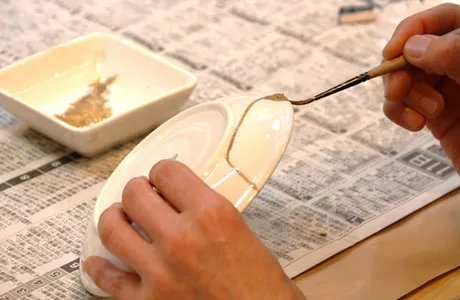
Run by a lacquerware wholesaler, Utsuwa Nihonbashi Mutoh charges ¥6,600 (tax included) for a ninety-minute session, a very accessible price. Bringing your own vessel is free, and studio vessels start at ¥550. The simplified kintsugi method they teach here means the finished piece can’t be used for food, but they do allow participants to bring in a broken vessel of their own.
For foreign residents of Japan, and for anyone who wants to keep practicing kintsugi after going home, being able to try out kintsugi on a favorite bowl is a real draw. The language support is another strength of this studio: English, French, and Chinese interpreters can be arranged in advance. The plan with an English interpreter is ¥8,250 per person, so confirm the language and the fee when you book. The studio can seat up to twenty-four people, making Utsuwa Nihonbashi Mutoh a great option for groups and families.
Details
| Address | Nihonbashi Sorokaku Building, 1-8-13 Nihonbashi-Honcho, Chuo-ku, Tokyo |
| Hours | Three sessions daily at 10:30 am, 1:30 pm, and 3:30 pm (from Monday to Friday the 3:30 pm slot is only available for groups and VIPs; there’s no 1:30 pm slot on Sundays) |
| Closed | Irregular closures |
| Official site | https://mutoh-corp.com/workshop_information/kintsugi-1day |
| Best for | Budget-conscious visitors, foreign residents repairing their own broken pottery, groups in need of multilingual support |
Makers’ Base TOKYO | Bring Your Own Vessel
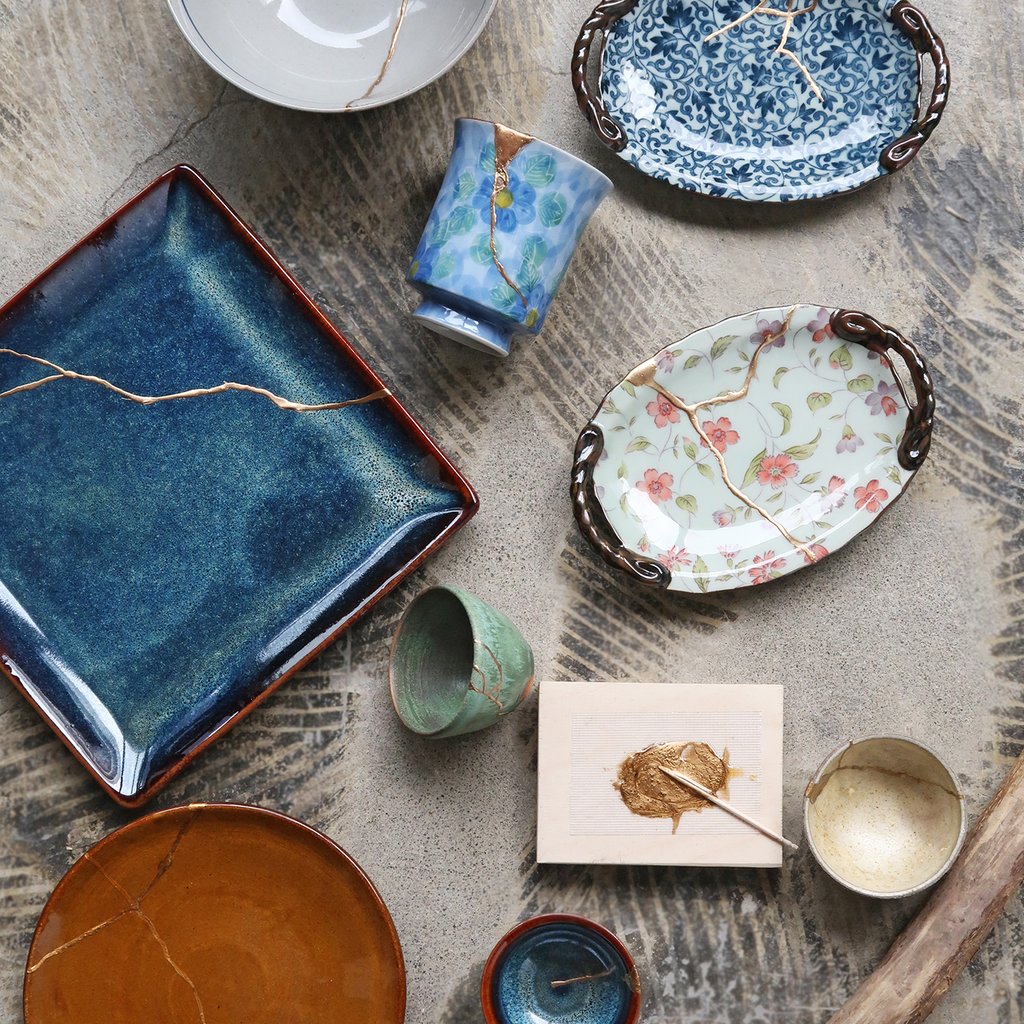
Kintsugi at Makers’ Base TOKYO uses synthetic materials, so a lacquer rash is never a concern and anyone with sensitive skin or allergies can take part worry-free. This studio lets you do something most others don’t: bring in and repair a vessel of your own. As a rough guide, the class gives you enough time to fix five or six small chips, or two or three cracks up to 20 cm (about 8 inches) long. If you have a piece you’re attached to, check the damage before you go. And if you don’t have any pottery of your own, don’t worry: you can buy ceramics at the studio for about ¥2,000 (plus tax).
Sessions run for about two hours and cost around ¥7,000. Note that the studio doesn’t provide a box for carrying your finished piece, so bring your own (you can also buy one on-site).
Details
| Address | 1-1-11 Nakane, Meguro-ku, Tokyo |
| Hours | 10:00 am-7:30 pm. Book through the calendar on the site. You can also request dates that aren’t listed on the calendar (for groups of two or more participants) |
| Closed | Irregular closures |
| Official site | https://makers-base.com/for-personal/workshop/ |
| Best for | Anyone worried about a lacquer rash, anyone who wants to bring their own pottery |
ZEN Craft Studio Asakusa | Multi-Craft Studio Near Sensoji Temple
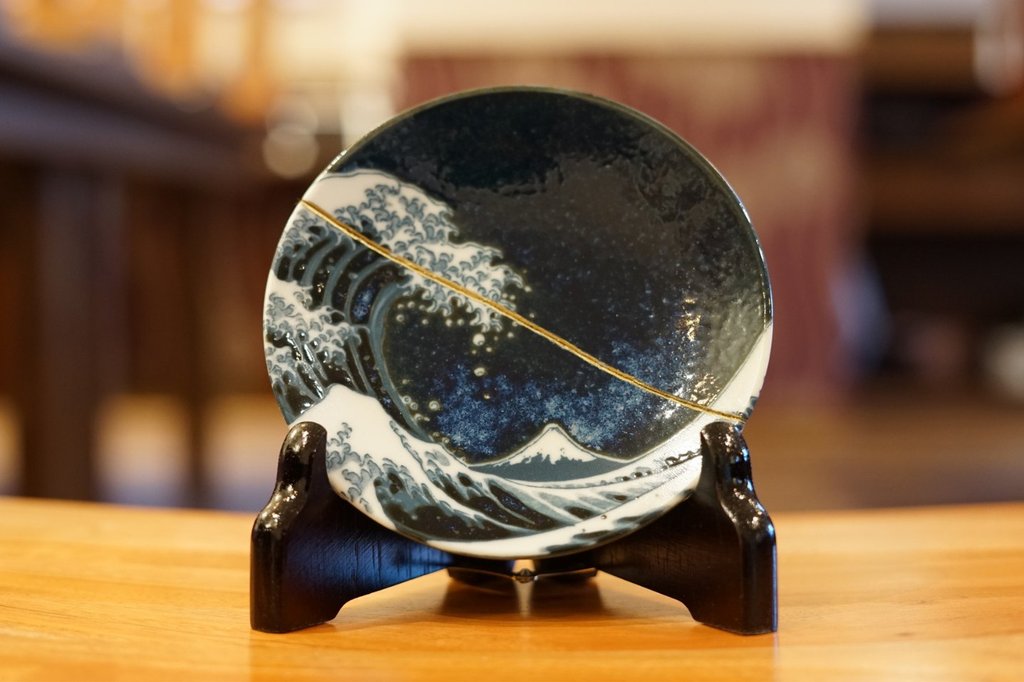
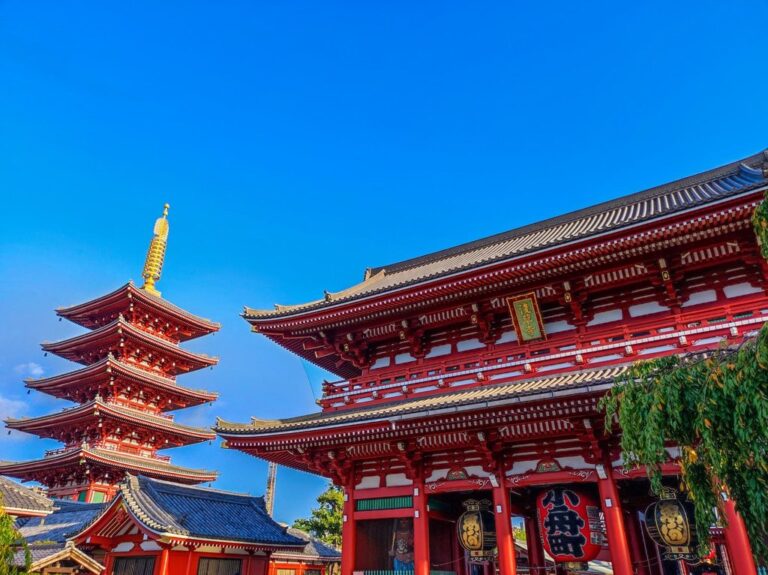
A few minutes from Sensoji Temple and Nakamise-dori shopping street, ZEN Craft is easy to drop into between sightseeing in the area. Asakusa Station is also just a short walk away, so visiting Sensoji in the morning and taking the session after lunch works well.
This studio adds a twist: a choice of several crafts alongside kintsugi, including chopstick making and knife sharpening. This means that families and couples need not pick the same craft to try out: one person can practice kintsugi while a partner makes chopsticks, and everyone still shares the experience. The kintsugi program runs for about ninety minutes, uses natural lacquer and gold powder, and English-speaking staff handle booking as well as the instructions on the day. Whether the finished piece can be used for food depends on the materials, so check the official site for more details.
Details
| Address | 10F Tosei Building, 1-27-2 Asakusa, Taito-ku, Tokyo |
| Hours | Hourly sessions from 9:00 am to 6:00 pm |
| Closed | Irregular closures |
| Official site | https://www.instagram.com/zencraft_asakusa/ |
| Best for | Families and couples combining sightseeing in Asakusa with arts and crafts, or anyone who wants a choice of different crafts |

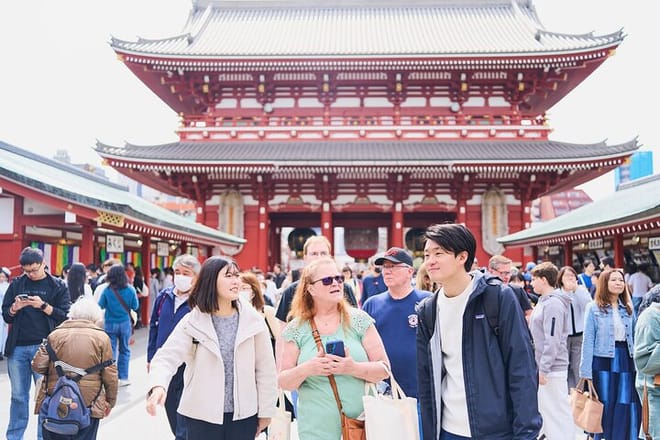
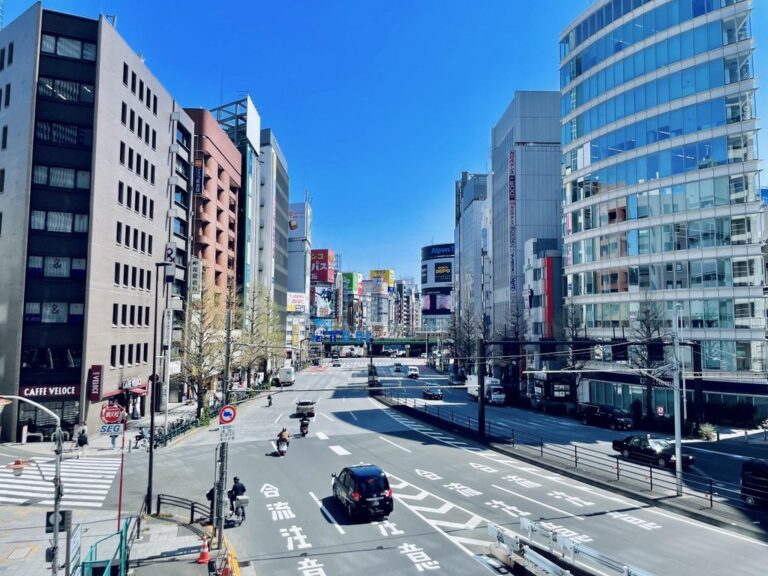
Tokyo: Asakusa & Sensoji ー Oldest Temple Walking Tour (2hrs)
Cafe AOU Ginza forest | Small Groups in a Private Café
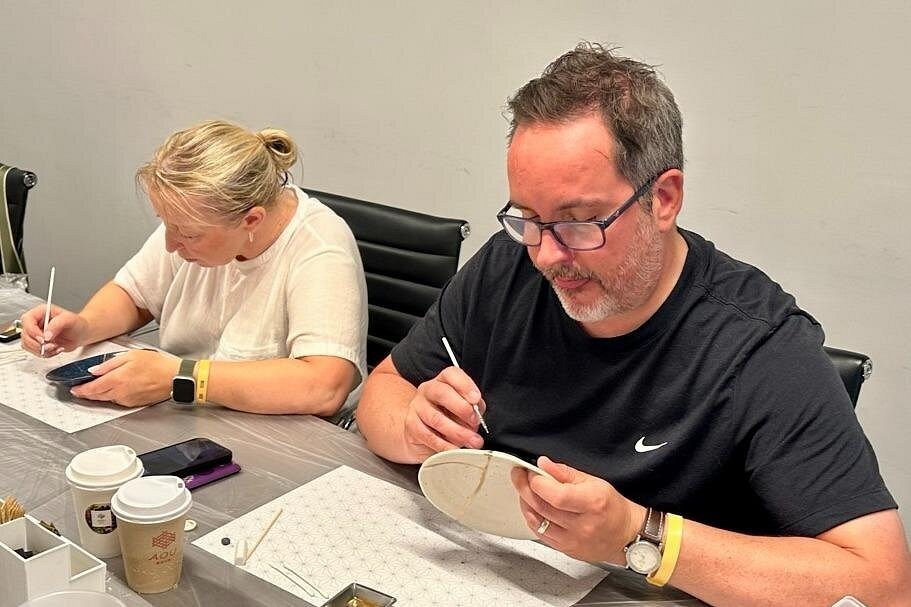
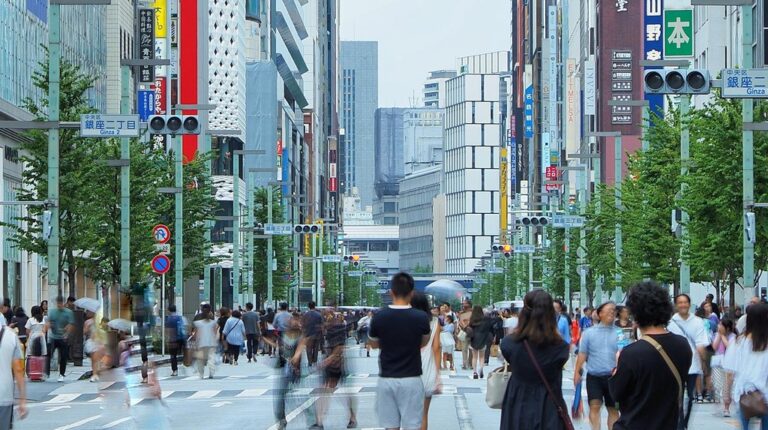
The kintsugi workshop at Cafe AOU Ginza forest, about a three-minute walk from Ginza Station, takes place in the calm of a private café. Classes are small—capped at just eight people—and the instructor works right beside you, which often puts first-timers at ease. Sessions run for about ninety minutes and use a simplified method with substitute lacquer and metallic powder (note that the finished piece is decorative and can’t be used as tableware). The admission price includes the vessel you’ll repair, too, so you can arrive empty-handed.
Instruction is available in either English or Japanese, so visitors from abroad can follow every step in their preferred language. After the session, the instructor packs up your piece carefully for the trip home—or you can carry on shopping in Ginza.
Details
| Address | 1F Daiwa Ginza Building, 6-2-1 Ginza, Chuo-ku, Tokyo |
| Hours | Two sessions at 10:00 am and 1:00 pm (check the booking site for details) |
| Closed | Irregular closures |
| Booking site | https://www.viator.com/tours/Ginza/Kintsugi-Experience/d51050-5567562P1 |
| Best for | Couples and friends sightseeing in Ginza that want a small-group kintsugi session |
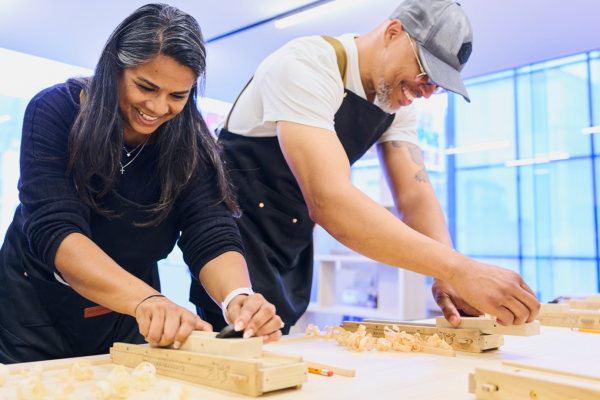
Tokyo Chopstick Making Workshop in Ginza
Preparing for Your Kintsugi Session
Once you’ve settled on a studio, it’s time to think about booking and other preparations. In this section, we’ll cover information on the best time to make your reservation, what to wear to the workshop, what to check if you plan to bring your own pottery, and how to get English support. Working with lacquer usually calls for taking care with clothing and belongings, so covering those details ahead of time will help you avoid making mistakes on the day.
Book One to Two Months Ahead During Peak Seasons
Late March through April (when the cherry blossoms peak) and mid-November through December (when the autumn leaves turn) draw the biggest crowds to Tokyo. Bookings at kintsugi studios fill up quickly during these times of the year, and at popular studios your preferred date can disappear unless you claim it before someone else does.
As such, we recommend that you start checking availability at your chosen studio one to two months before you travel. Some studios are open to reservations as early as two months ahead, so look at open slots the moment your itinerary is fixed.
Here are three tactics to help you secure a slot:
- Line up your first, second, and third preferred dates in three different tabs when booking so you can quickly switch to another choice if you find out that your first choice isn’t available
- Weekends and afternoons fill up fast; weekday mornings tend to have plenty of room available
- The inquiry form on an official site is the quickest way to ask about availability on your preferred date and whether or not there’s a waiting list
In the off-season, slots often remain open up to a few days before the session. That being said, studios with small class sizes have few seats to begin with, so booking early still pays off even outside of the two busy seasons.
Tokyo: Japanese Gold Repair Kintsugi Workshop in Shinjuku
Wear Long Sleeves You Don’t Mind Getting Stained
Lacquer, paint, and putty can end up on your clothes during a kintsugi session. Marks left on clothing are hard to remove, so long sleeves you can afford to get dirty are the best choice of attire. Unlike t-shirts, long-sleeved shirts are useful because they keep lacquer off your cuffs and forearms. Some studios lend out work clothing or supply arm covers, too, so we recommend asking about what’s available when you book.
Three other points to keep in mind for your session:
- Long hair can accidentally brush against the lacquer while you’re working, so bring a hair tie or clip to keep it back
- Removing rings and bracelets prevents stains and scratches to your jewellery
- The studio usually provides gloves
Tools and materials are provided by the studio, of course, so you can turn up empty-handed or mid-trip. Valuables usually go in a storage area away from the workspace, so travel light and the session will be easier to enjoy.
Check the Size and Damage of a Vessel You Bring
Wanting to repair a treasured piece of your own makes sense, but keep in mind that each studio sets its own conditions for what you can bring. Ceramics are the standard material, and most studios do not accept things made out of glass or wood. Size and damage requirements differ by class, so confirm these points in advance to be safe. For example, if your pottery is missing large fragments or it’s shattered into complex shards, the studio may not be able to finish it within a ninety-minute slot.
It’s a good idea to send some photographs of the pottery you want to bring to the studio when you book. Shoot from three angles as a rule: take a picture of the whole vessel, a close-up of the damage, and also a shot of the underside and foot ring. From those, the studio can tell you whether it can be finished in a single session and how it will turn out.
Book an English-Guided Session if the Language Barrier Concerns You
If language is a concern, booking a tour with an English guide is the surest route. In this scenario, a separate interpreter isn’t needed, and both the reservation and the instruction run in English.
The workshop offered by Japan Guide Star is a ninety-minute program in which an English-speaking instructor walks you through each step. The workshop allows participants ages six and older, with space for up to fifteen participants, making it perfect for families and groups.
Booking sites are useful if you would rather find an English-friendly studio yourself. When searching, look for wording such as “Guide: English” on the product page before you reserve your spot. When booking directly through the studio’s website, we recommend sending an email in English first to confirm whether the reply comes back in English or Japanese.
Tokyo: Japanese Gold Repair Kintsugi Workshop in Shinjuku
Can You Take Your Piece Home? What Happens After the Session
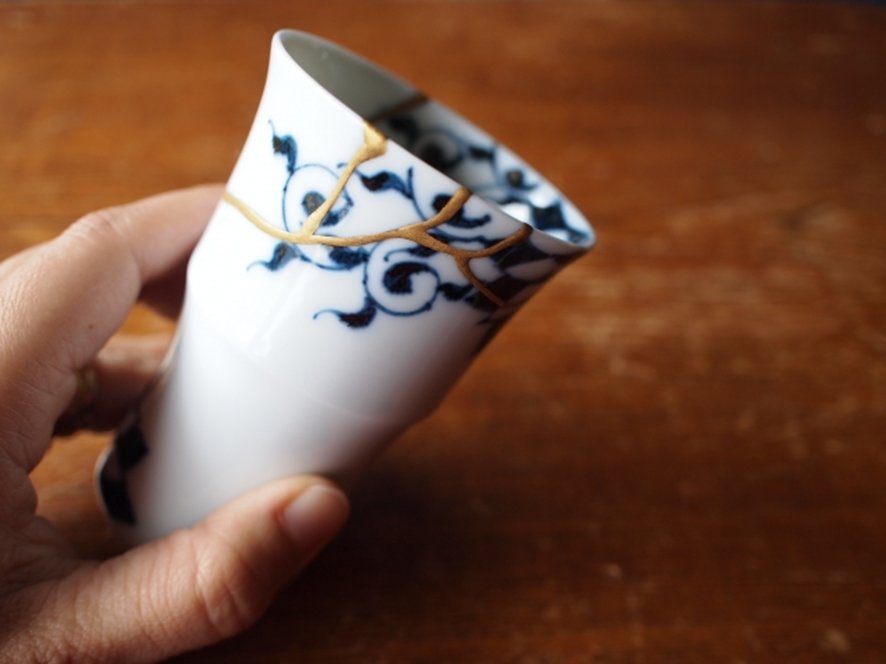
Knowing how to get your finished piece home safely, and how to treat it once you are back, matters to any first-time kintsugi artisan. The sections below cover packing tips and protection at the studio, information on how long it takes to dry, and how to wash and store a piece during daily use.
Carry Your Piece Home in the Studio’s Protective Packaging
Right after a session, gold powder has settled on the surface, but the lacquer hasn’t fully hardened. Natural lacquer cures slowly and (depending on humidity and temperature) it can take anywhere from days to weeks for a piece to dry completely.
Most studios will hand you your piece in a protective box or a case with cushioning. The type of packaging—and whether a studio supplies any at all—varies, so ask about this when you book.
Two things to keep in mind on the way back home:
- Uncured lacquer can cause a skin rash, so keep your bare fingers off the gilded areas
- Cured ceramics are fine as carry-on, but uncured lacquer or solvents supplied with the piece may fall under liquid restrictions (containers of 100 ml, or about 3.4 fl oz, or less). If in doubt, put any liquids in checked baggage or ask the studio about shipping
Pack the wrapped piece in the middle of your suitcase. Clothes and towels packed around it will help to hold it steady and reduce the risk of breakage.
Wait Until it’s Completely Dry Before Using It
The urge to put a newly repaired bowl on the table is understandable, but hold off until the lacquer or adhesive has hardened completely. Putting food or water in a bowl that hasn’t fully dried can destroy the work you just did. The studio will provide instructions about the drying period, so read them carefully.
| Type of finish | Wait time before first use |
|---|---|
| Simplified lacquer (synthetic adhesive) | About 1-2 days |
| Natural lacquer | 7-15 days or more |
Synthetic adhesive sets relatively quickly, though the surface finish can take a few extra days. On the other hand, natural lacquer needs at least seven days or more to cure—and some studios advise waiting up to fifteen days—so treat the piece as decorative for a little while after you get home.
Storage conditions in your house will affect the result too. Natural lacquer cures at 20-30°C (68-86°F) when the humidity is around 70-85%, so keep the drying box closed and leave it in a warm room. Inside of a cabinet, away from sudden temperature swings, is ideal.
Wash Repaired Pieces by Hand
A vessel repaired with kintsugi must never go in a microwave, dishwasher, or oven. Metal powder sparks in a microwave, and the hot water and detergent in a dishwasher lift the lacquer.
Lacquer itself changes character at temperatures above 100°C (212°F), so keep repaired pieces away from cooking equipment. For everyday washing, follow these steps:
- Rinse under lukewarm water (about 30-40°C, or 86-104°F) and wash gently with a soft sponge or cloth
- Use a small amount of ordinary dishwashing detergent and avoid abrasive cleansers
- Do not soak the piece, since moisture works into the repair and lifts the lacquer and gold powder
- Wipe it dry immediately after washing and let it air out in a well-ventilated spot before putting it away
A vessel finished in natural lacquer and pure gold can serve as everyday tableware as long as you hand-wash it this way. Remember that pieces made with synthetic adhesive and brass powder are not safe for use with food, so display them instead.
Common Questions About Kintsugi Workshops in Tokyo

A kintsugi session raises plenty of questions about the technique, what to bring, and when to book. The answers provided below cover information about whether or not you need to bring a vessel, whether children can join in, and how likely you are to get a last-minute booking.
What Kind of Technique Does Kintsugi Use?
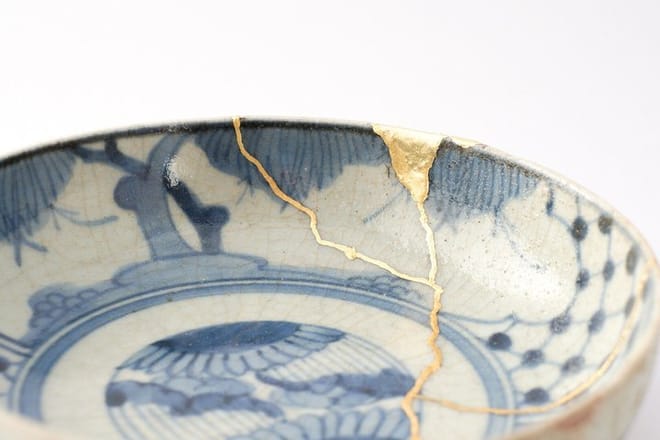
Kintsugi is a traditional Japanese restoration technique in which lacquer bonds and fills cracked, chipped, or broken ceramics, then gold or silver powder decorates the seams so the vessel can go back into use.
The process is categorized into three main stages:
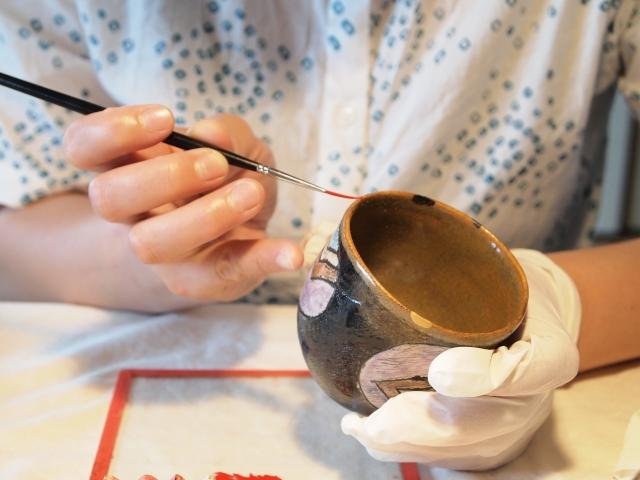
- Bonding: raw lacquer or mugi-urushi (a lacquer-and-flour adhesive) is applied to join the broken edges together, which then dry and set
- Filling: lacquer or kokuso (a putty of lacquer kneaded with wood powder and similar materials) is used to fill chips and restore the vessel’s shape
- Decorating: you sprinkle gold powder over a final coat of lacquer, deliberately making the repair visible and beautiful
Its defining idea is to treat the marks of damage as part of the item’s beauty and not hide them. Interest in repairing and keeping things in use has grown in recent years, and kintsugi has spread abroad as a form of sustainable repair. Kintsugi studios in Tokyo introduce you to this philosophy as you work on a vessel of your own.
Can I Join Without a Vessel to Repair?
You can join with nothing at all. The great majority of Tokyo kintsugi studios supply practice vessels themselves. You’ll choose from small plates, small bowls, and the like, then repair the crack or chip on the spot. Since carrying a broken bowl around is hardly practical for a traveler, this setup assumes you arrive empty-handed.
Some studios keep as many as twenty pieces on hand, and some places even sell vessels for the session, so you’ll have plenty to choose from. To be sure, though, make sure to confirm these points when booking:
- What kinds of vessels the studio offers (small plates, teacups, rice bowls, etc.)
- Whether or not the studio lends the vessel as teaching material only, or if the finished piece goes home with you
- Whether you can send photos in advance to check a piece of your own for suitability
Can Children Take Part?
Most studios welcome children, though the minimum age varies considerably with the method used. Even simplified kintsugi sometimes carries an age restriction such as thirteen and over. Sessions using natural lacquer sometimes cause rashes, so they tend to set a higher age limit or require a guardian to be present.
If you plan to visit as a family, check these items before booking:
- Whether or not your child meets the minimum age requirements (varies by studio, from five or six and up to thirteen and over, for example)
- Whether class sizes are small enough for the instructor to keep an eye on everyone
- Whether the studio can accommodate children of different ages
Can I Book on the Day or at the Last Minute?
How easily you can book depends on how the studio operates. At places where several start times are available each day, a next-day or same-day reservation is sometimes possible as long as a seat is open. Studios with small classes, or those open only two or three days a week, tend to fill within days of opening reservations to the public.
The time of year makes a difference too:
- During cherry blossom season (March-April) and autumn foliage season (November-December), major studios fill up by the previous month, and last-minute bookings are almost impossible to secure
- In the off-season (January-February, June), slots stay open more readily, and there might be space for you a few days out from when you plan to visit
To ensure your place, we strongly recommend reserving as early as your travel dates allow. Cancellation policies differ by studio, so check the refund terms when you reserve.
Tokyo: Japanese Gold Repair Kintsugi Workshop in Shinjuku
What Other Japanese Cultural Experiences Are Worth Trying?
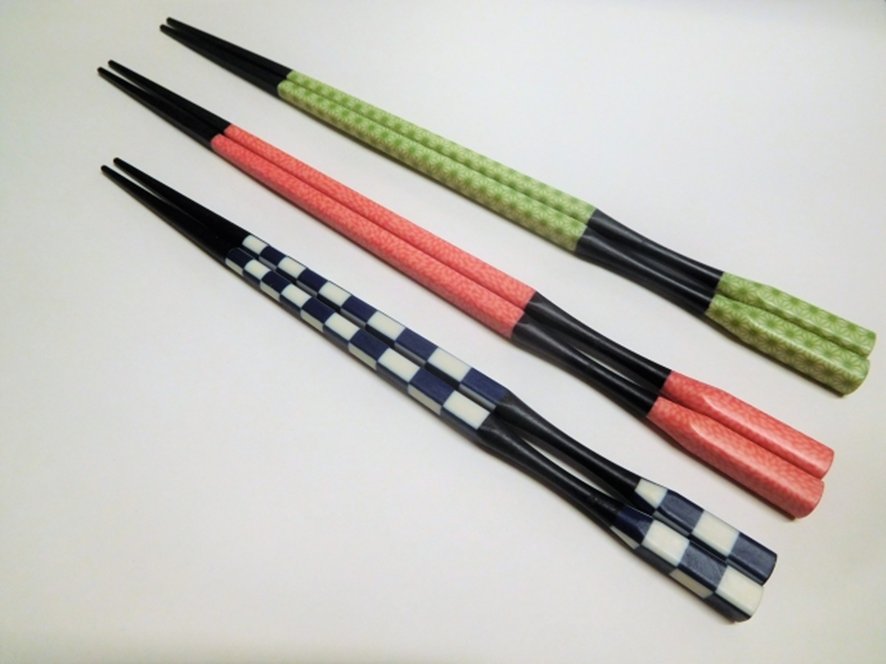
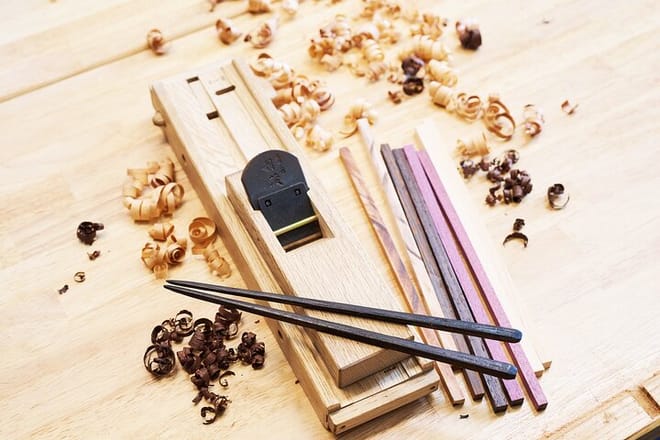
If hands-on making is what draws you to kintsugi, a chopstick-making workshop in the Shinjuku area is another great activity. In the session run by Japan Guide Star, you can choose from twelve different kinds of wood and shape your chopsticks with a real Japanese-style plane. The chopstick workshop takes about sixty minutes to complete, and you’ll go home with a one-of-a-kind souvenir.
If you’ve had your fill of traditional crafts after your kintsugi workshop and you just want to walk around the city a little, Japan Guide Star also runs a historical walking tour in Shinjuku. During the tour, an English-speaking guide takes you through the back streets and brings Shinjuku’s history and culture alive. Tour details are available below.
Tokyo Chopstick Making Workshop in Shinjuku

Tokyo: Shinjuku Historical Walking Tour & Secret Backstreets
Bringing Kintsugi Home from Tokyo
If you choose a studio that offers English, kintsugi in Tokyo has no language barrier. Participation costs roughly ¥7,000 to ¥22,000 (including materials), and sessions of one to two hours can easily slot into half a day of sightseeing. Working with lacquer and adhering to drying requirements calls for some care, however: check whether a studio lends gloves or other protective gear, and don’t use your newly-fixed piece for 1-2 days (for synthetic adhesive) or 7-15 days (for natural lacquer) after your session.
Repairing a piece of broken pottery with gold flakes allows you to carry home a vessel that exists nowhere else in the world. Use this guide to find a studio that suits your needs then book your place well in advance.