Travelling from Shinjuku to the Mt. Fuji area takes about two hours each way, so a round trip can fit comfortably into one day.
You might encounter unexpected difficulties arranging the trip by yourself. Reserved seats on the limited express sell out weeks in advance, and once you reach your destination at Kawaguchiko Station you can lose precious time hunting for the sightseeing buses (local buses that loop between main attractions in the area).
Cost, travel time and freedom of movement are all affected by the choice of whether to go with a guided bus tour or arrange the outing yourself, and this can matter a lot for first-time visitors to Japan. How you schedule your time on the day, the age of the participants in your group, whether or not you use a JR rail pass, and the weather on the day of your trip are all important points to consider when planning a trip to Mt. Fuji.
A Guided Bus Tour Is the Easiest Way to See Mt. Fuji in a Day
A guided bus tour from Shinjuku is the easiest option for two reasons: you can experience the highlights of Mount Fuji in just one day, and all the planning and logistics are taken care of for you.
The tour is about ten hours long, with the bus leaving Shinjuku at 8 am and returning at around 6 pm. Because you’ll travel to and from your hotel, there’s no need to pack up your things and check out, and no need to change your plans for the next day.
Travelling on your own means you’ll need to keep in mind all of the following:
- Tickets for reserved seats on the Fuji Excursion (the limited express train that runs between Shinjuku Station and Kawaguchiko Station) go on sale at 10 am one month before the date of use, and they sell quickly in peak periods like summer, long weekends and autumn
- Several sightseeing buses leave from Kawaguchiko Station, so if you want to ride one, you’ll have to check timetables in advance and plan your route accordingly
- The Chuo Expressway (the toll road linking Tokyo and Yamanashi Prefecture) backs up on weekends and holiday periods, which can make the return trip to Shinjuku take longer
For first-timers with no feel for the area, or anyone uncertain about reading Japanese signage at stations, the work involved in getting to and from your destination can become greater than you might first expect. With a tour, however, a single booking includes arrangements for the round trip, local sightseeing bus tours, and the schedule, as well as a guide and a driver.
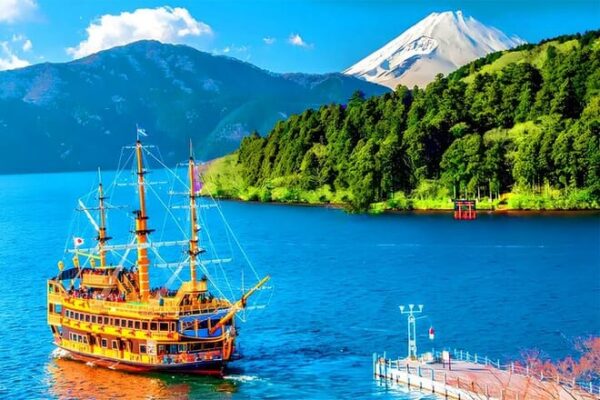
Tokyo: Mt. Fuji Cruise & Hakone Ropeway Day Trip by Bus
Five Main Ways to Reach Mt. Fuji from Tokyo
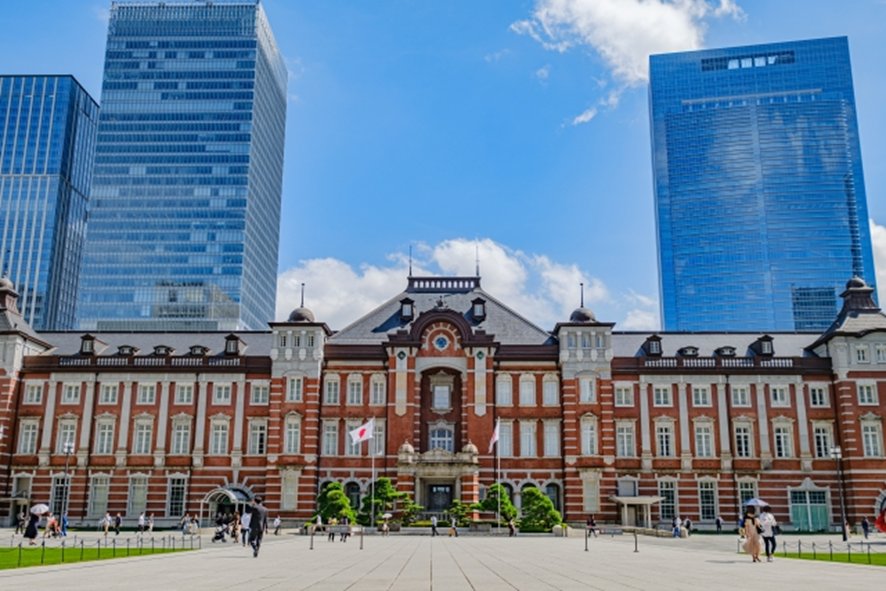
You can reach Mt. Fuji from Tokyo in more than one way, and each option differs in travel time, freedom of movement and how easily it can be booked. The five main options are categorized below by arrival area, local connections, the possibility of last-minute bookings, and rebookings in bad weather.
| Option | Arrival area | Local connections | Last-minute booking | Rebooking in bad weather |
|---|---|---|---|---|
| Guided bus tour (about 10 hours, ¥10,000–¥15,000 / round trip, plus sightseeing) | Several stops including Kawaguchiko and Hakone | None (all travel is by bus) | Possible the day before or same day, if seats remain | Free-cancellation plans available; the tour guide can suggest alternatives |
| Highway bus (about 2 hours, about ¥2,000 one way) | Kawaguchiko Station, Mt. Fuji Station | Transfer to a sightseeing bus required | Cancellable for a small fee up to two days before | You need to arrange another service yourself |
| Fuji Excursion limited express (about 1 hour 53 minutes, about ¥4,200 one way) | Kawaguchiko Station | Transfer to a sightseeing bus required | Reserved seats often sell out weeks ahead | Switch to a non-reserved seat, or transfer at Otsuki Station (the junction in eastern Yamanashi) |
| Romancecar plus a Hakone Freepass (about 2 hours, from ¥6,100 / round trip plus Hakone travel) | Hakone area (Mt. Fuji seen across Lake Ashi) | Several connections including the ropeway and the pirate ship (a sightseeing boat on Lake Ashi) | Romancecar seats are relatively easy to book | No changes; cancel via your booking-site account up to the day before |
| Rental car (about 2 hours or more, around ¥8,000 a day plus tolls and fuel) | Your choice, including the fifth station on Mt. Fuji | None (though private-car restrictions bar personal vehicles in summer) | Possible if a car is available | You can change the route freely |
Prices and fares are subject to change. Please check official websites for the latest information.
A guided bus tour is the only option that offers zero connections, last-minute booking and a free-cancellation plan.
The Fuji Excursion express train is quick and comfortable, but reserved seats are hard to secure, and once you reach Kawaguchiko Station the sightseeing bus timetables are yours to work out. The highway bus costs the least, but if weather upsets your plans you’ll have to find an alternative on your own.
Two questions narrow the field quickly: how many train and bus changes are you willing to put up with, and how confident do you feel handling a change of plan if the weather turns?
Four Common Problems When Arranging a Trip By Yourself
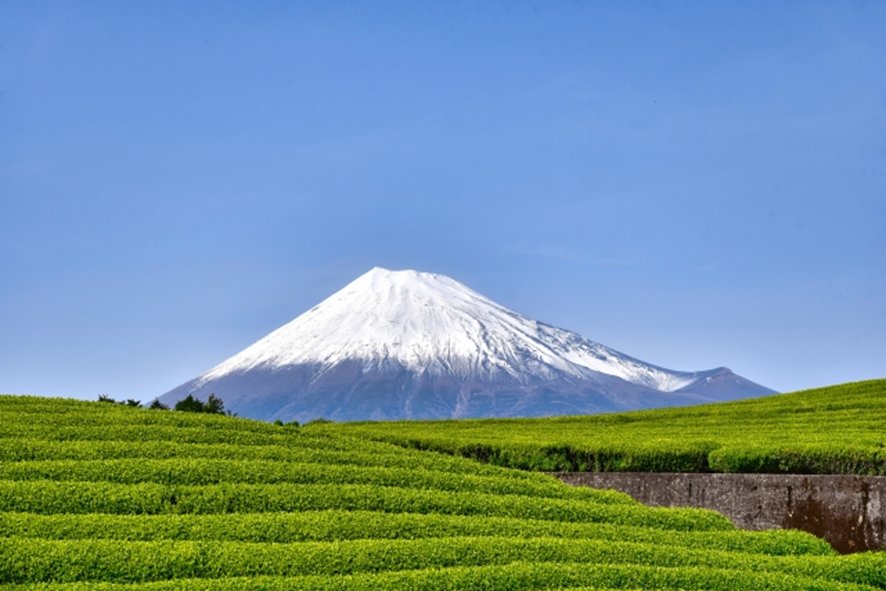
Planning a day trip to Mt. Fuji tends to cost more time and effort than you might expect. There are four things that trip people up in particular, and each one shapes the choice between arranging the day yourself and joining a tour: arrival area, local connections, securing a booking on short notice, and changing plans when the weather turns.
1. Choosing Between Two Arrival Areas Is Not Obvious
A Mt. Fuji day trip happens in one of two broad areas: the Kawaguchiko side in Yamanashi Prefecture, or the Hakone side in Kanagawa Prefecture. The choice shapes the whole day, so it needs settling before you leave.
From Shinjuku, both take roughly 1 hour 45 minutes to 2 hours; what differs is how close Mt. Fuji feels and what there is to do once you arrive.
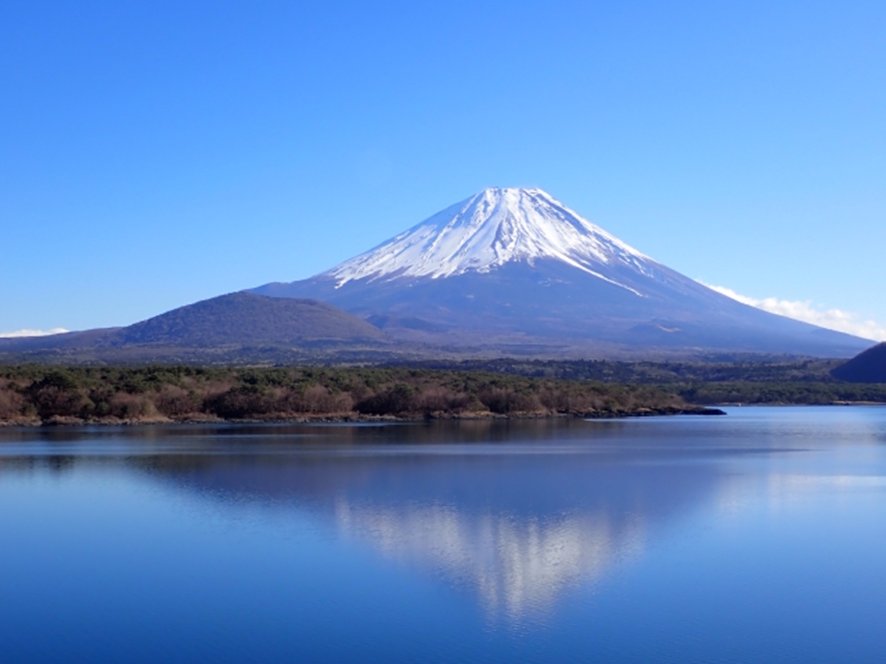
- Kawaguchiko side: Mt. Fuji rises across the lake, large enough that you can pick out the streaks of snow on its flanks with the naked eye. Photography spots near the station are popular, including Arakurayama Sengen Park, a viewpoint where a five-storey pagoda and Mt. Fuji line up in the same frame
- Hakone side: hot springs, art museums, a ropeway and a lakeside shrine give you a wider range of things to do. Mt. Fuji, though, appears in the distance beyond the surrounding ranges and comes out small in photos. With so many ways to get around the area, plotting a route takes more work
If photographing Mt. Fuji at full scale comes first, the Kawaguchiko side should suit you. If you want a view of the mountain alongside hot springs and rides, the Hakone side is better.
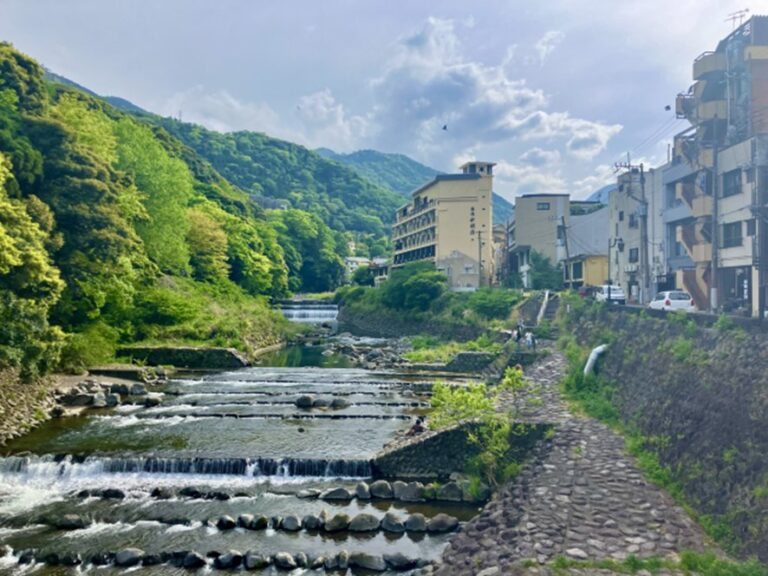
2. Local Connections Add Up
Reaching the sights after arriving at Kawaguchiko Station means changing to a sightseeing bus. The Red Line (toward the museum area on the eastern shore of the lake) runs four times an hour and the Green Line (toward Lake Saiko and the Aokigahara forest) twice an hour, so mistimed arrivals will leave you waiting up to thirty minutes at the bus stop. If the place is new to you, you’ll also lose time matching the numbered bus stops in front of the station against the route map.
Choose the Hakone side and the connections are even more complicated. The mountain railway, the cable car, the ropeway, the pirate ship and the buses can add up to five transfers in one day. The ropeway departs about every minute, but the pirate ship runs on a limited schedule, and missing one sailing can mean a long wait for the next.
Waiting like this easily totals between thirty minutes and an hour over a single day. On top of that, working backwards from the departure time of your train or bus home to decide how long to spend at each stop is all down to you. The more walking to stops, timetable checks and waiting for the next service pile up, the less time is left for the views and the photographs.
Tokyo: Mt. Fuji Cruise & Hakone Ropeway Day Trip by Bus
3. Last-Minute Bookings Are Hard to Get

The Fuji Excursion is fully reserved and runs only four round trips a day. Reserved-seat express tickets go on sale all at once at 10 am one month before specific dates, and during the summer holidays and long weekends they can sell out within days. If tickets are gone you can still board with a non-reserved ticket (which guarantees passage but not a seat), so if you can’t get one you’ll spend about two hours standing on the train.
Highway buses from Shinjuku are also fully reserved, and with more visitors arriving from overseas, some services now fill up even on weekdays. Bookings open a month ahead, and the early-morning departures tend to go first.
Travellers really do run into this: you decide mid-trip to go tomorrow, search on your phone, and find every train and bus in the time slot you want already full. If you plan to travel independently, reserving both legs before you fly saves you from rebuilding your itinerary on the ground.
4. Bad Weather Is Hard to Work Around
The worst case is when you arrange the day yourself and arrive to find Mt. Fuji wrapped in cloud or mist.
The Mt. Fuji Panoramic Ropeway, which ascends from the shore of Lake Kawaguchi to the observation deck on Mt. Tenjo, can suspend service without notice in strong wind or thunderstorms. Sightseeing boats on Lake Kawaguchi also cancel sailings in high wind or poor visibility, and in severe weather, several of the main attractions may close at the same time.
In that situation, with one eye on the departure time of your train or bus home, you have to handle several things at once in a narrow window:
- Check the forecast for a break in the weather and decide on the spot whether to wait or move elsewhere
- Confirm refund conditions and fees for tickets already bought, counter by counter
- Look up opening hours and travel times for somewhere to go instead
If you book online, you can cancel express tickets for the Fujikyuko Line, the private railway heading toward Kawaguchiko, up to thirty minutes before departure, though a fee applies and station counters cannot process refunds. Highway buses often fall outside refund eligibility unless the operator itself cancels the service. Weighing all this while your train or bus home already has a fixed departure time leaves less time for the sightseeing itself.
A Recommended Bus Tour for an Easy Day Trip to Mt. Fuji
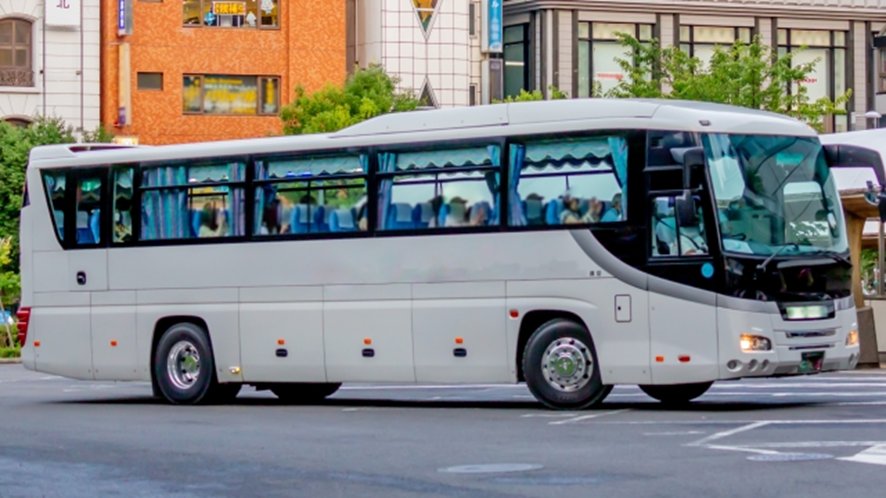
If arranging everything yourself feels like too much, a guided bus tour takes the planning out of your hands. One English-guided tour leaves Shinjuku in the morning and covers the Lake Ashi cruise and the Hakone Ropeway in a single day. Check the meeting point, the duration, what the price covers and the cancellation terms before booking.
Tokyo: Mt. Fuji Cruise & Hakone Ropeway Day Trip by Bus
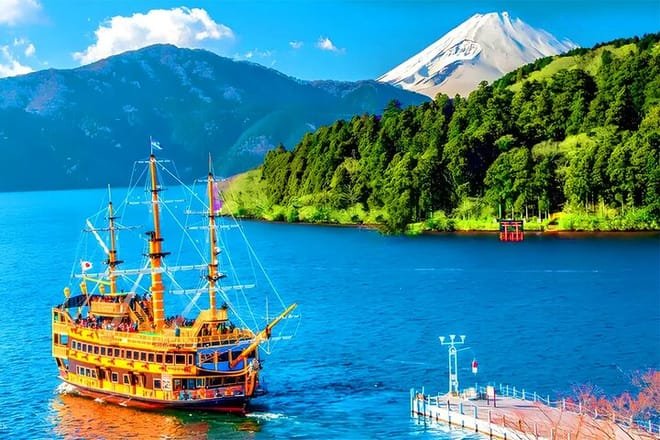
Tokyo: Mt. Fuji Cruise & Hakone Ropeway Day Trip by Bus – JapanGuideStar
Operated by Japan Guide Star, this bus tour starts and ends in Shinjuku and takes you from the foot of Mt. Fuji to Hakone in one day with an English-speaking guide, answering each of the four problems described above:
- No connections: the same bus carries you from Shinjuku to every stop, so there are no sightseeing bus or train timetables to look up
- Paid rides are included: the tour price covers the Lake Ashi cruise and the Hakone Ropeway, both of which you would need to buy separately on your own
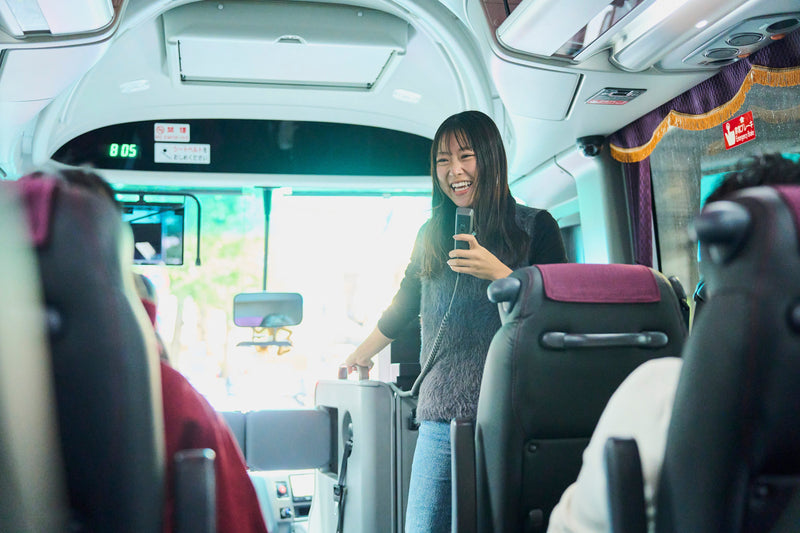
- An English-speaking guide travels with you: the guide explains the history and features of each stop in English, so the background is clear even if the signage isn’t
- Free cancellation up to twenty-four hours before departure: you can check the weather forecast before committing
The meeting point is the 7-Eleven in Nishi-Shinjuku, Shinjuku Ward, in front of the NTT Nishi-Shinjuku Building (about a five-minute walk from the west exit of Shinjuku Station). Departure is at 8 am sharp, so aim to arrive at least ten minutes early. The guide waits holding a white Local Guide Stars flag, easy to spot in a crowd on a first visit.
Pricing is handled differently depending on the activity:
- Included in the price: round-trip bus fare, the Lake Ashi cruise, the Hakone Ropeway, and an English-speaking guide
- Paid separately: lunch, drinks, souvenirs and other personal spending
On the day you never once queue at a ticket machine or station window.
If the previous day’s forecast shows clouds over the Mt. Fuji area, you can move to another date at no cost. Clear-weather dates attract bookings. Secure a seat as soon as your travel dates are fixed, then make the final call on the forecast the day before, so a full bus doesn’t shut you out.
Details
| Meeting point | In front of 7-Eleven Nishi-Shinjuku NTT Building, 1-22-14 Nishi-Shinjuku, Shinjuku-ku, Tokyo |
| Duration | About 10 hours (departs 8 am, returns in the evening) |
| Included in the price | Round-trip bus, Lake Ashi cruise, ropeway, English-speaking guide |
| Cancellation | Free up to 24 hours before departure |
| Booking site | https://japanguidestar.com/tour/tokyo-mt-fuji-cruise-hakone-ropeway-day-trip-by-bus/ |
| Good for | First-time visitors uneasy about transfers, and anyone who would rather not book the cruise and the ropeway separately |
Tokyo: Mt. Fuji Cruise & Hakone Ropeway Day Trip by Bus
How the Day Unfolds on a Bus Tour from Tokyo
Once you’ve made the booking, the next question is usually how the day itself runs: the split between travel and sightseeing, the order of the stops you visit with the guide and what each one offers. The return time matters too if you plan to eat dinner after the tour.
Four Hours of Travel, Six Hours of Sightseeing
Leaving Shinjuku at 8 am and returning around 6 pm is the basic schedule for this tour. That works out to roughly four hours of travel there and back and about six hours of sightseeing.
The six sightseeing hours break down like this:
- Time at each stop: about half an hour to an hour at each site, across several stops
- Lunch: about an hour, including a meal at a restaurant
- Free time: gaps between stops that you can use for taking photos or for walking around
The one thing to watch on the way home is weekend and holiday traffic. Tokyo-bound lanes on the Chuo Expressway are busiest between 4 pm and 9 pm, and traffic can back up near the Kobotoke Tunnel, on the boundary between Tokyo and Kanagawa. A return leg that normally takes about two hours can stretch to three or more.
If the bus gets caught in traffic, arrival in Shinjuku can change to 7 or 8 pm. Booking dinner or anything else for 8 pm or later means you can stop watching the clock.
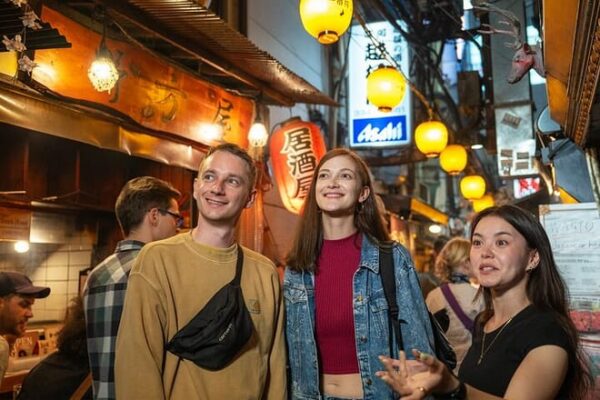
Shinjuku: Food Tour – 15 Dishes at 4 Eateries
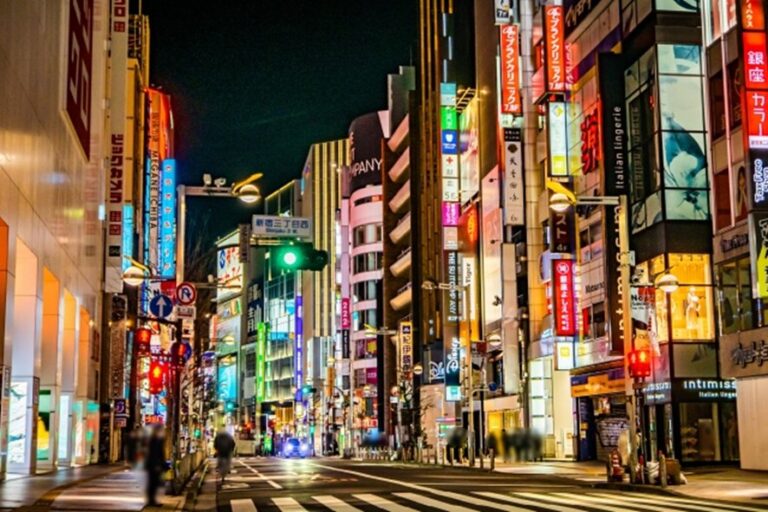
A Lake, a Shrine and a Volcanic Valley, All with a Guide
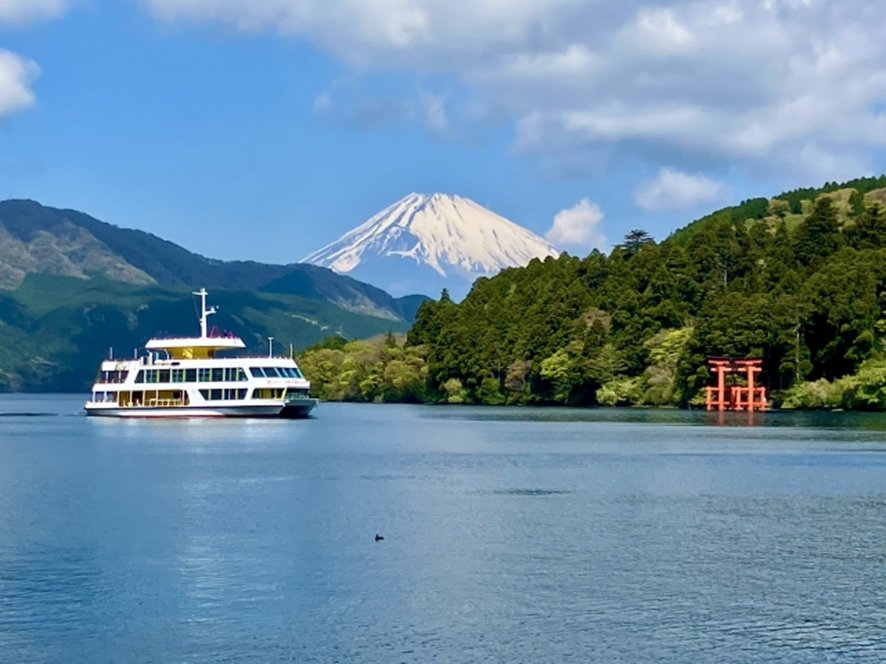
The tour visits four places with commentary from an English-speaking guide: Lake Ashi, Hakone Shrine, the Hakone Ropeway and Owakudani.
At Lake Ashi you board a sightseeing cruise and look out from the water at the mountains of Hakone with Mt. Fuji rising behind them. On a clear morning, when the air tends to be at its cleanest, you have a good chance of seeing the white snow on the summit in sharp detail.
At Hakone Shrine, which enshrines a deity long revered as a guardian of the Kanto region, the red Torii of Peace standing in the water is the photograph everyone wants. A torii is the gate that marks the entrance to a shrine. Walking the approach lined on both sides with tall cedars, you’ll hear from the guide how the shrine came to be and how visitors pay their respects: rinsing their hands with water to purify themselves before approaching, then bowing to greet the deity. You can take part rather than just look.
On the Hakone Ropeway, the gondola windows look down on the volcanic landscape and Lake Ashi below. To get a spot by the window, it helps to queue at the boarding platform with your camera already in hand.
Owakudani, where the ropeway sets you down, is a volcanic valley where white steam still rises from vents across the slopes. The smell of sulfur, the component behind the boiled-egg scent of hot spring areas, hangs in the air, and bare ochre slopes stretch out where nothing grows. The shops in Owakudani sell the local speciality, kuro-tamago (eggs boiled until the hot spring minerals turn their shells black).
How the valley formed and what the shrine means are hard to understand from Japanese signage alone. With the guide’s English commentary, you look at the steam and the torii already knowing why they are there.
Common Questions About Day Trips to Mt. Fuji from Tokyo
Questions before departure tend to be about a few themes: whether to make your day trip an overnight trip, the cost gap between a tour and going it alone, travelling with children, how far a JR pass will get you, and the risk of bad weather.
Is It Better to Stay Overnight Rather Than Go for the Day?
For most people, a day trip is plenty.
Shinjuku to Kawaguchiko takes about two hours by highway bus. Leave around 7 am and you’ll arrive at about 9 am; take a bus back at 5 pm and you should be in Shinjuku by 7 pm. That leaves five to six hours in the Mt. Fuji area, enough for a walk along the lake, some photography, and a lunch of hoto (a Yamanashi dish of thick, flat noodles simmered with pumpkin and other vegetables in miso-flavored broth).
On a guided bus tour, the day’s schedule already covers travel, sightseeing and lunch, so you have no timing to work out.
An overnight stay makes sense in cases like these.
- You want to photograph Mt. Fuji in the colors of early-morning light
- You’re planning a full climb from the fifth station to the summit, which normally means a two-day itinerary with a night in a mountain hut
- Long stretches on a bus are physically hard for you
For a climb, seeing goraiko (the sunrise viewed from the summit) means moving at night, and the shops at the fifth station open only during the day, so the plan has to assume an overnight stay.
Which Is Cheaper, a Tour or Arranging It Yourself?
The answer depends on whether you compare price alone or factor in effort and weather risk.
If you’re travelling solo on the smallest budget, the highway bus between Shinjuku and Kawaguchiko is the cheapest option at about ¥2,000 one way and ¥4,000 for a round trip ($27 USD). Delays from traffic and the local connections, though, are real risks.
A guided bus tour costs about ¥10,000, which includes round-trip transport, rides at the sights, and an English-speaking guide. Cover the same route yourself and you’ll pay separately for the highway bus, the sightseeing bus, the ropeway and the cruise boat, which narrows the gap in price difference to a few thousand yen. Add in the time you would spend researching transfers and the help a guide gives you when the language is beyond you, and the ¥10,000 covers work you would otherwise take on yourself.
For a group of three or four or a family, a rental car is also an option. Split the car and the tolls between yourselves, and the per-person cost can come in below a bus tour. Note, though, that driving in Japan requires an International Driving Permit, and private-car restrictions apply on the road to the fifth station in summer.
Prices change with the seasons and how far ahead you book, so check current rates before you travel.
Tokyo: Mt. Fuji Cruise & Hakone Ropeway Day Trip by Bus
Can Children Join the Tour?
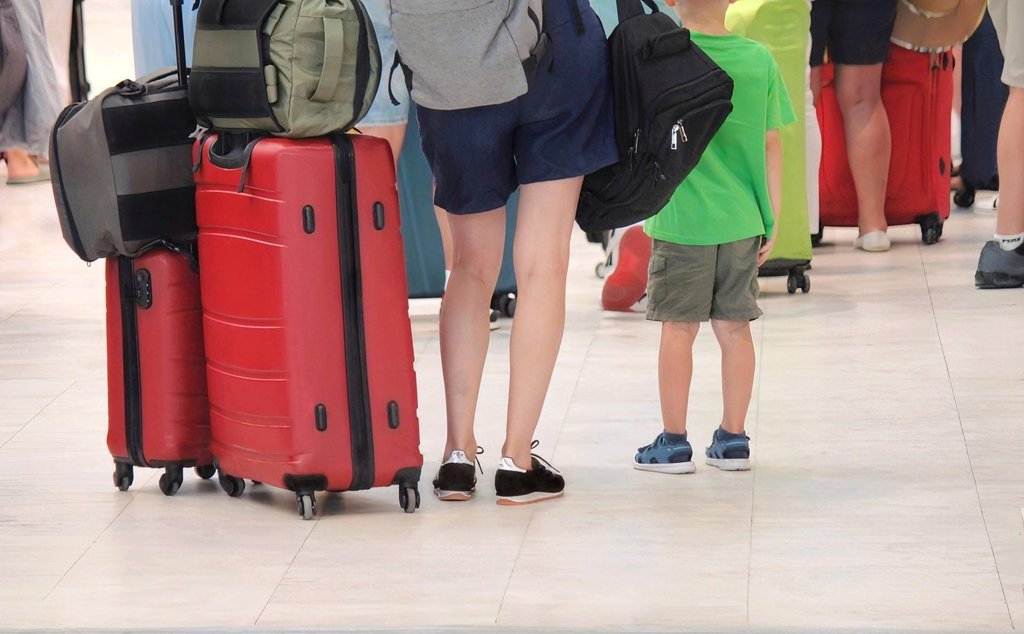
As a rule, yes. Day tours are open to families with children.
The point to watch is safety at Owakudani, the area in Hakone where volcanic gas escapes from the ground. Official guidance from Kanagawa Prefecture advises careful judgement about whether newborns and infants should leave the vehicle, since they are more susceptible to volcanic gas. The same caution applies to anyone with a respiratory condition or a heart condition.
Since the arrangements may depend on a child’s age, check directly with the tour operator before booking. Ask about these points:
- Whether infants, toddlers and children ages 6–12 can join, and at what price
- Whether you can stay on the bus during the stop at Owakudani
- Whether you can bring a stroller along
If stopping at Owakudani concerns you, a plan that stays around Lake Kawaguchi is an alternative. The Mt. Fuji Panoramic Ropeway offers a child fare, and at Kawaguchiko Craft Park, where admission is free, parents and children can try hands-on craft workshops together.
Can I Reach Mt. Fuji with a JR Pass?
The JR TOKYO Wide Pass, sold to overseas visitors for three days of unlimited travel on JR lines and some other railways in the Kanto region, does get you to the Mt. Fuji area.
The pass is valid on three consecutive days and costs ¥16,000 for adults. It covers the JR East local lines, the shinkansen (bullet train), and the whole Fujikyuko Line as well, so you can ride the Fuji Excursion from Shinjuku to Kawaguchiko without changing trains. Ordinary-car reserved seats carry no extra charge, so booking one in advance at a station window or ticket machine keeps you from standing all the way.
JR East sells the pass to holders of a passport from any country other than Japan, with no restriction by residence status. You must show the original passport both when buying the pass and when using it.
The financial question is whether the pass pays for itself. A one-way fare on the Fuji Excursion is about ¥4,200, so the round trip comes to about ¥8,400. To make the ¥16,000 pass worth it, you’d need to use the rest of your dates for other areas covered by the pass, such as Nikko or Karuizawa. If Mt. Fuji is your only goal, a round trip by highway bus at about ¥4,000 costs less.
Note that you can’t use the JR TOKYO Wide Pass for the Odakyu Romancecar and the Hakone Tozan Railway. If Hakone is also on your list, buy tickets for those separately.
Are There Days When Mt. Fuji Isn’t Visible?
Days when Mt. Fuji stays clearly visible from morning to evening are not common. Observation records from the city of Fuji put the share of days when the whole mountain was in full view at about 40% across the year. Humidity from June to August generates clouds, which cuts the odds sharply. The clearest stretches come in the dry air of December to February and in the autumn months of October and November.
The summit is also commonly visible in the morning only to disappear behind the clouds before noon. If seeing Mt. Fuji is your priority, an itinerary that reaches the viewpoints during the morning improves your chances.
Even on days when clouds cover the mountain, the tour itinerary still includes the steam vents of Owakudani, the shrine torii standing in the lake at Hakone and the Lake Ashi cruise. The schedule runs regardless of the weather.
In strong wind or heavy weather, however, the pirate ship and the ropeway may suspend their services. Each operator posts the day’s status on its official website, so check the service updates before you set out.
Choosing Your Route to Mt. Fuji from Tokyo
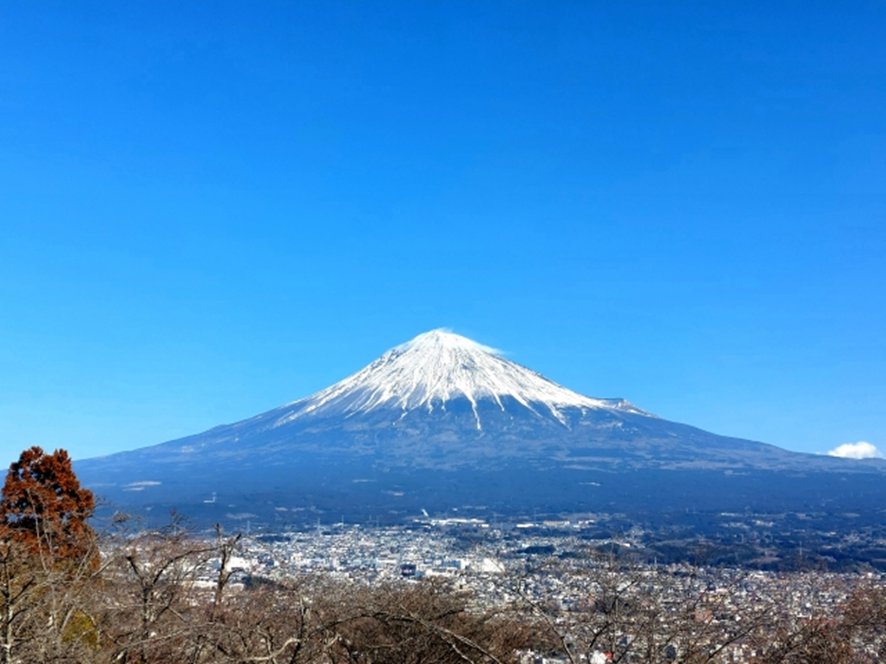
On a day trip from Tokyo to Mt. Fuji, the transport you pick and the season you travel in shape how smoothly your day will go. Arranging it yourself suits travellers who can manage the connections and bookings and want to build their own route, while a guided bus tour suits those who would rather remove the transfers and the language worries.
Japan Guide Star’s Tokyo: Mt. Fuji Cruise & Hakone Ropeway Day Trip by Bus covers the Lake Ashi cruise, Hakone Shrine, the Hakone Ropeway and Owakudani on one bus from Shinjuku, with free cancellation up to twenty-four hours before departure. Pick a date between October and February, when Mt. Fuji is most likely to be visible, and make the final call based on the weather forecast.