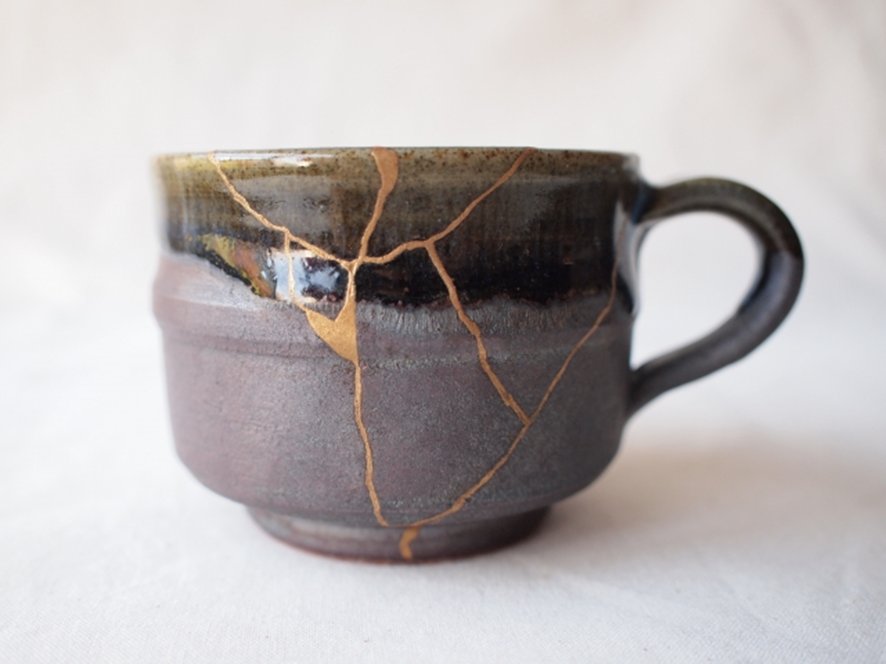
Kintsugi (the Japanese art of repairing broken vessels with lacquer and gold powder) is taught at studios across Japan, but only some of them have sessions in English. With limited time in Japan, checking each studio one by one for information about English support and other details can take up precious minutes you’d rather spend seeing the sights.
Workshops in Tokyo, Kyoto, Kanazawa and other major areas differ from one another, and figuring out details like price, session length, and whether or not you can take your art home with you is best done before you book.
English-Friendly Kintsugi Workshops Can Be Found in Shinjuku, Tokyo
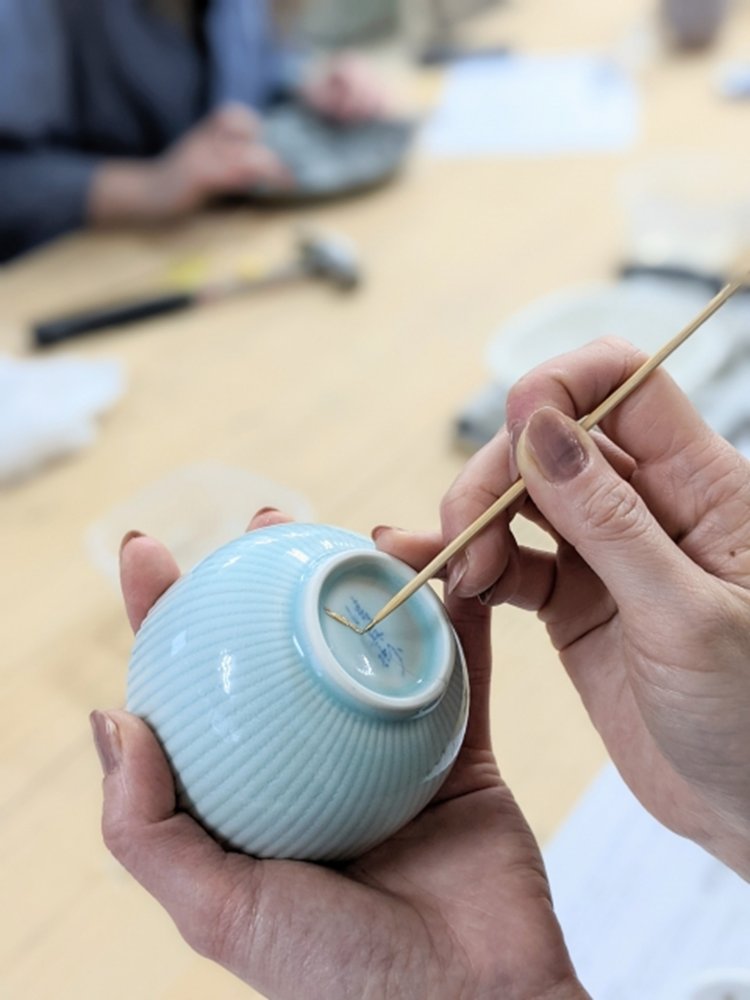
For anyone looking to try kintsugi in English, Shinjuku, Tokyo is a great place to start. Kyoto and Kanazawa have their own options and different booking terms, and which area suits you best will depend on where you’re staying and your itinerary.
Make Shinjuku Your Base if a Kintsugi Workshop Is a High Priority
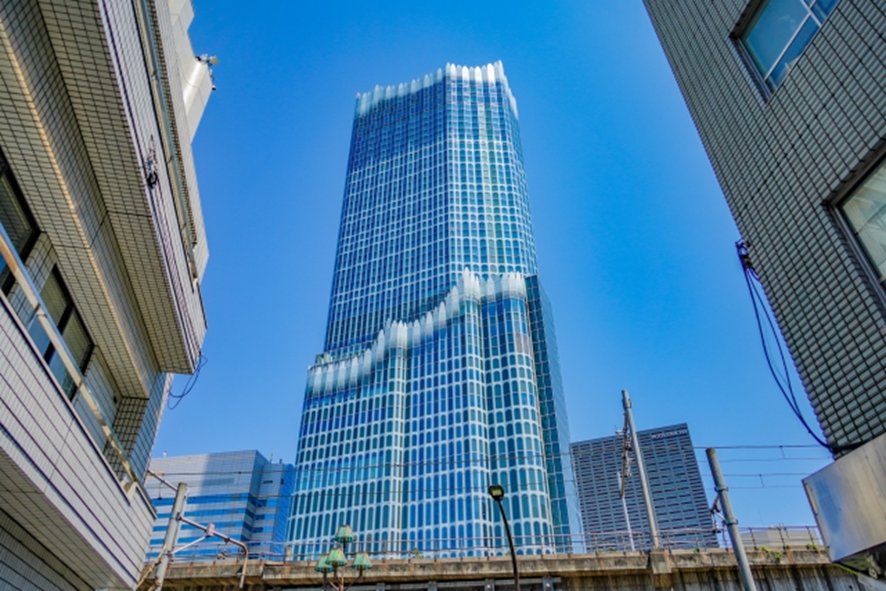
If your base isn’t decided yet, building your schedule around Shinjuku in Tokyo can bring together several excellent opportunities in one place. For example, Chopsticks Studio Shinjuku has English-speaking instructors on site and is about a four-minute walk from JR Shinjuku Station, making a visit easy to slot in between shopping and sightseeing.
You can also reach Chopsticks Studio Shinjuku from Narita Airport on the Narita Express without changing trains, which keeps travel light for visitors whose flights and hotels are already fixed. Choosing Shinjuku as your starting point offers the following advantages:
- Access to Kintsugi Workshops: just a four-minute walk from JR Shinjuku Station, and eighty minutes from Narita Airport via the Narita Express
- English support and booking: instructors teach visitors in English, and the official site carries the latest information on same-day availability
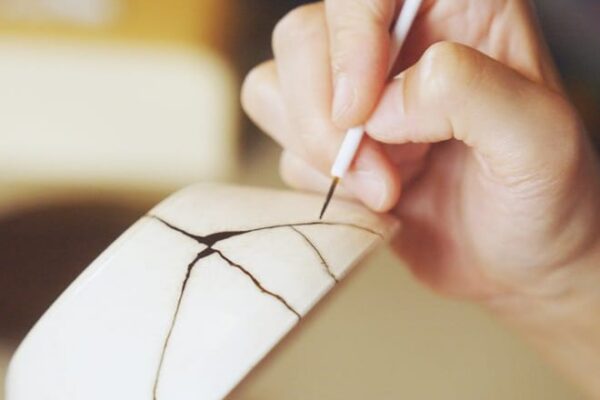
Tokyo: Japanese Gold Repair Kintsugi Workshop in Shinjuku
Kyoto and Kanazawa Also Have Kintsugi Studios That Operate in English
Both Kyoto and Kanazawa give you a way to enjoy kintsugi without the language barrier. Kyoto Kintsugi runs small-group sessions (usually 8 people, 4 on the upper plan) that include an English interpreter, and Tomi Studio takes advance bookings by email and can support you in English. Kintsugi Experience in Japan in Kanazawa can also run its sessions in English. Just send the studio your preferred date, time, and group size through the inquiry form or by email, and a reply should arrive detailing availability, price, and methods of payment.
When comparing the Kyoto and Kanazawa studios with Chopsticks Studio Shinjuku, keep the booking terms in mind:
- Kyoto Kintsugi: allows cancellations free of charge up to 3 days before your booking (100% cancellation fee from 2 days before)
- Tomi Studio: doesn’t offer a refund for cancellations within 5 days of your reservation
- Kanazawa studios: can take several days to confirm a booking, which may not suit late applications (depending on your schedule)
These somewhat strict terms are the price visitors pay for the quality you’ll enjoy with small class sizes and close contact with the instructor. If either Kyoto or Kanazawa are already destinations in your itinerary, check in advance what level of English support you can get at these studios, and whether or not the instructor speaks English or if an interpreter sits in with you.
Four Tips to Help You Choose a Kintsugi Workshop
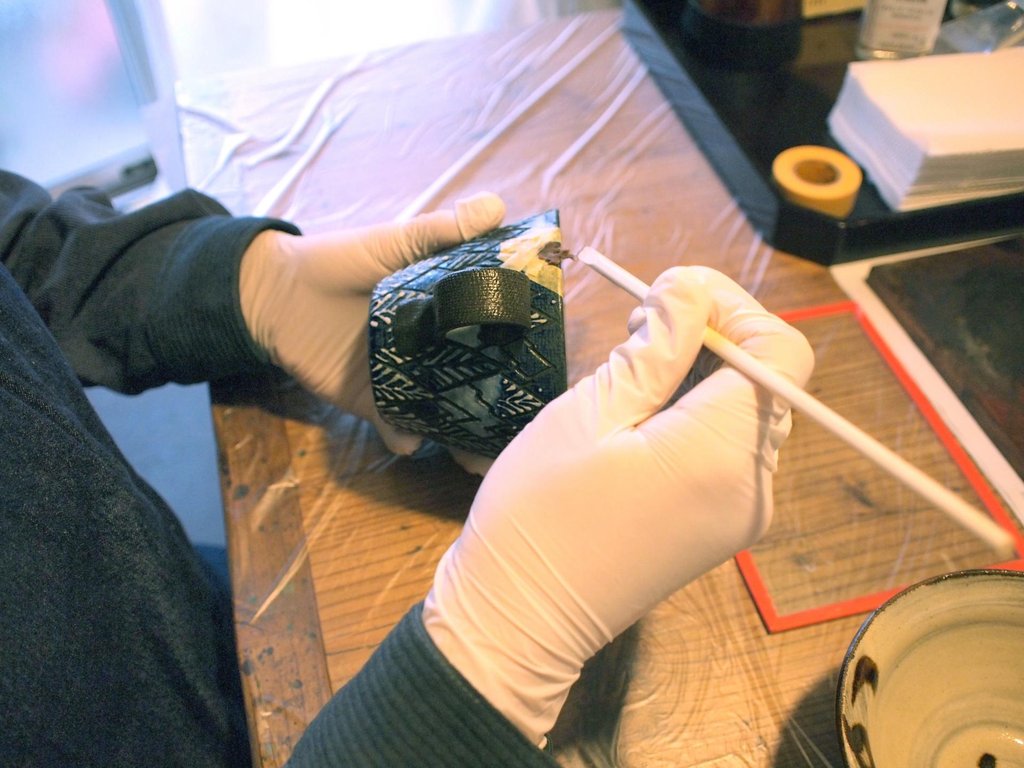
Kintsugi workshops differ widely from studio to studio, so skipping these vital comparisons can result in you booking at a place that doesn’t match what you wanted. Session length, materials, the type of English support, and the timing of your booking are the four main points to consider when deciding whether or not the venue fits your travel dates and goals.
1. Session Length
You’ll discover two broad categories of kintsugi workshops, and picking one that doesn’t fit your stay can throw off the rest of your itinerary. Short sessions (sixty to ninety minutes) involve staff completing the early stages of the craft before you arrive, so you’ll concentrate on scattering gold powder and get to take the piece home the same day.
Multi-session courses are organized over several weeks to several months and follow traditional kintsugi methods using honurushi, a natural lacquer made from tree sap. Lacquer hardens slowly when humidity is 70–80%, so it takes several days to several weeks to glue, fill, polish and complete the other stages. Judge which workshop type suits you based on the amount of time you plan to spend in Japan.
- For a one- or two-week stay: a short session, where you can take the piece home with you the same day, is best
- Residents and long-stay visitors: we recommend a multi-session course, so you can learn traditional kintsugi techniques
2. Differences in Materials
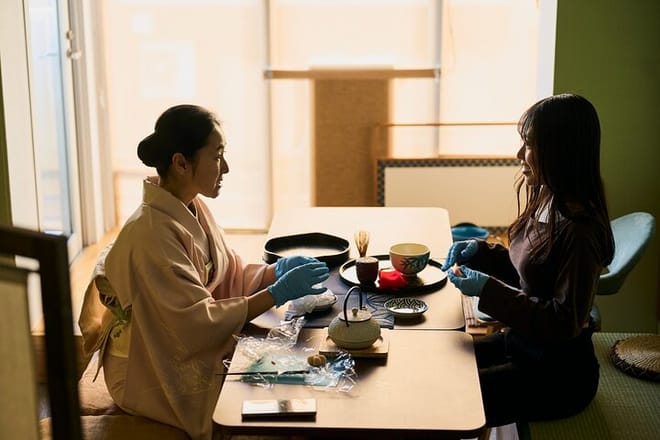
Honurushi or synthetic resin. The material a studio uses determines whether or not your art can go home with you on the same day. Honurushi cures slowly and is influenced by the humidity and oxygen in the air, taking several weeks to about six months to set completely. This means that anything made with honurushi can’t travel home with you anytime soon after it’s made, and handling the resin requires gloves to prevent an allergic reaction from uncured lacquer.
Synthetic resin (epoxy-based or similar) hardens in a few hours, so you can take home what you make on the day of the workshop. Studios using epoxy adhesives and putties that meet Japan’s Food Sanitation Act standards produce pottery that’s safe for everyday use. Synthetic resin suits anyone who wants a souvenir in hand right away. Studios that use honurushi, on the other hand, need to ship the piece to you at a later date.
3. Type of English Support
“English available” can mean different things at different studios. Find out beforehand which of the following two options applies: the instructor teaches the class in English, or the studio arranges for an interpreter.
With direct instruction, questions get answered on the spot as you work, and in most cases nothing is added to the price. With an interpreter, you’ll need to request English when booking, and a separate fee of around ¥8,000 per person ($55 USD), or about ¥30,000 ($200 USD) for a small group, may apply.
Confirm these two points when you book:
- “Does the instructor teach in English, or do you arrange an interpreter separately?”
- “If an interpreter is needed, what is the additional cost?”
4. When to Book
Popular kintsugi studios fill up fast, so book your spot the moment your itinerary is set. The cherry blossom season from March to April and the autumn foliage season from November to December are the busiest, and it’s not unusual for studios to sell out seats one to two months ahead. Small-group studios have even fewer seats, and dates on weekends and public holidays go even sooner.
To secure the date you want, keep these points in mind:
- Contact studios the same day you confirm your travel dates
- Ask two or three studios about availability at once, and hold the first seat that comes back
- If your preferred date is full, put your name on the waiting list
Booking works one of two ways: instant confirmation from a calendar, or an inquiry followed by an availability check. The second option can take several days for a reply, which rules it out as an option for last-minute applications.
A Kintsugi Studio in Shinjuku That Takes Same-Day Bookings
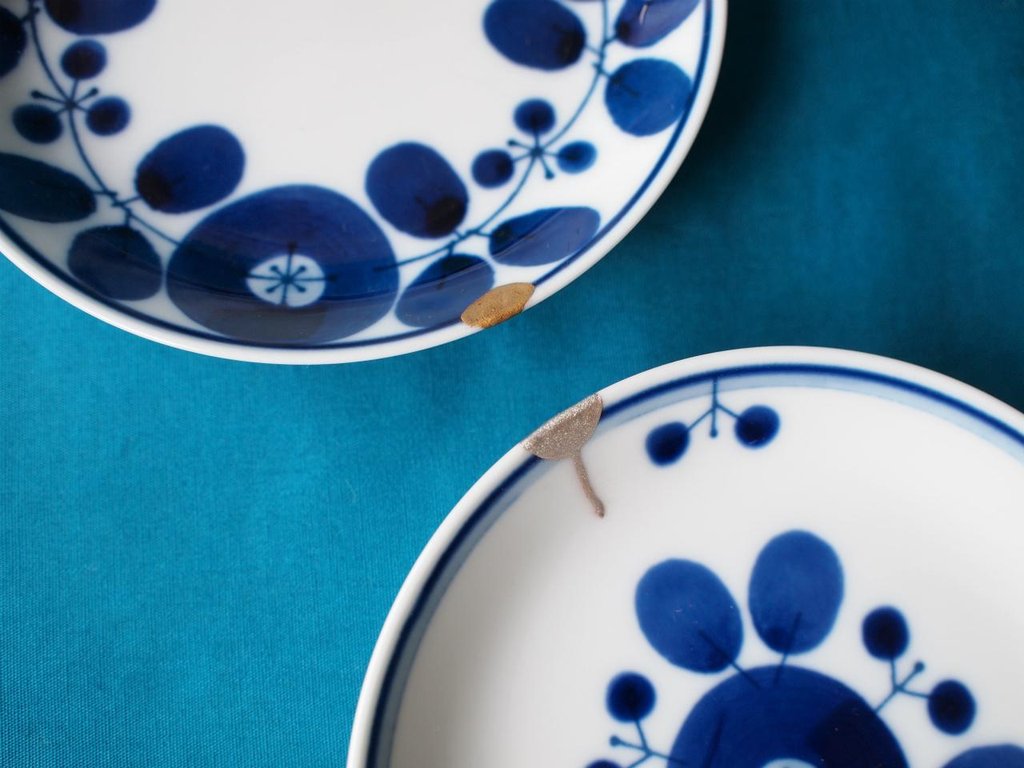
Measured against those four points, one studio in the Shinjuku area takes bookings on the day itself. The details below cover its access, pricing and English instruction, so you can judge the fit with your schedule and your conditions.
Chopsticks Studio Shinjuku
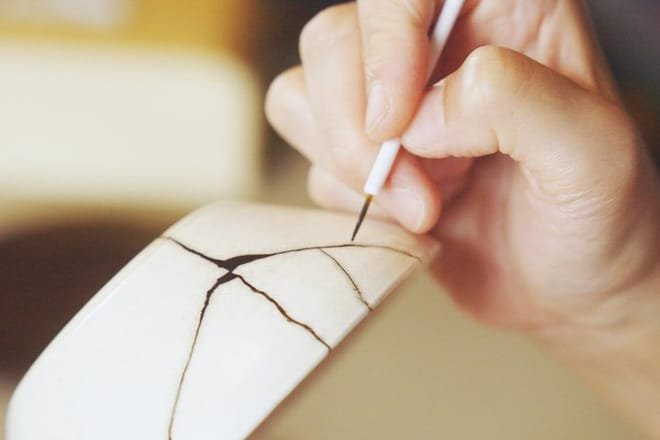
Tokyo: Japanese Gold Repair Kintsugi Workshop in Shinjuku – JapanGuideStars
The “Tokyo: Japanese Gold Repair Kintsugi Workshop in Shinjuku” from Japan Guide Stars has English-speaking instructors on staff, so you join smoothly without arranging an interpreter or specifying a language. Sessions run for about sixty minutes, with twenty slots a day every thirty minutes from 9:00 am to 6:30 pm. The price covers materials and instruction, so you can arrive empty-handed and drop in during a free hour of your trip.
You can cancel free of charge up to twenty-four hours before the start, and the studio takes credit cards, which makes a sudden change of plans easy to handle. Participants rate the careful English guidance highly, down to fine brushwork and the tense moment of scattering the gold powder.
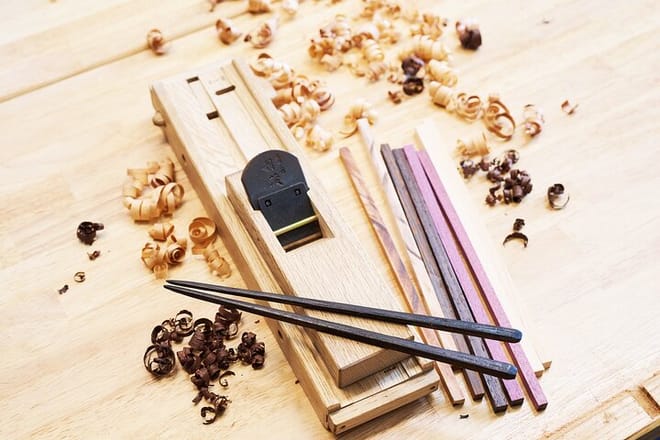
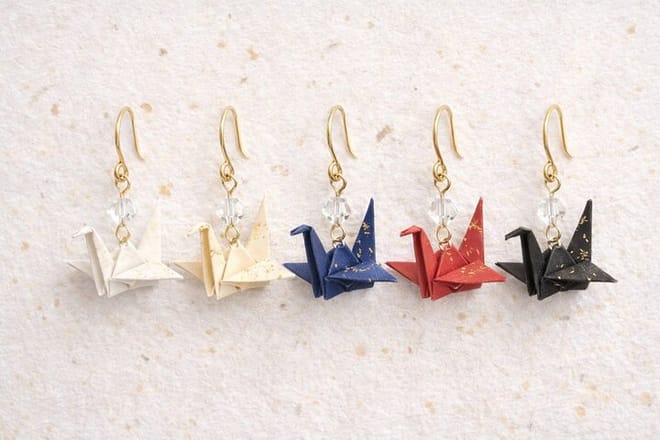
The building that houses Chopsticks Studio Shinjuku also hosts other workshops, including custom chopstick making and origami jewelry, so fitting several Japanese cultural experiences into one stop is easy.
Details
| Meeting point | 8F, Dai-22 Higashi Building, 1-5-4 Kabukicho, Shinjuku-ku, Tokyo |
| Duration | About 60 minutes (20 slots a day, every 30 minutes, 9:00 am–6:30 pm) |
| Included in the price | Materials, tools, instruction, and your finished piece to take home |
| Booking site | https://japanguidestar.com/tour/tokyo-japanese-gold-repair-kintsugi-workshop-in-shinjuku/ |
| Best for | Visitors who want a relaxed kintsugi session in English; anyone who wants the piece the same day |
Hours differ by season. Please check the official website before visiting.
Tokyo: Japanese Gold Repair Kintsugi Workshop in Shinjuku
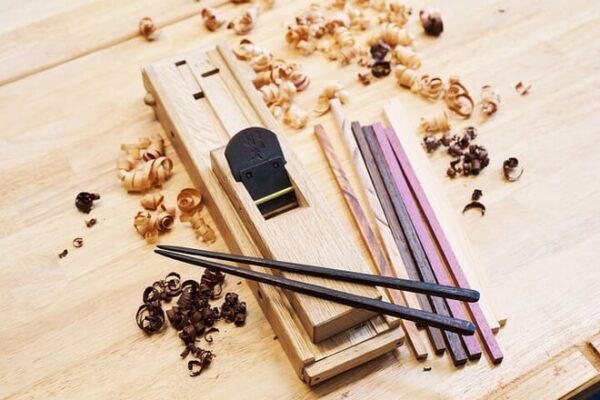
Tokyo Chopstick Making Workshop in Shinjuku
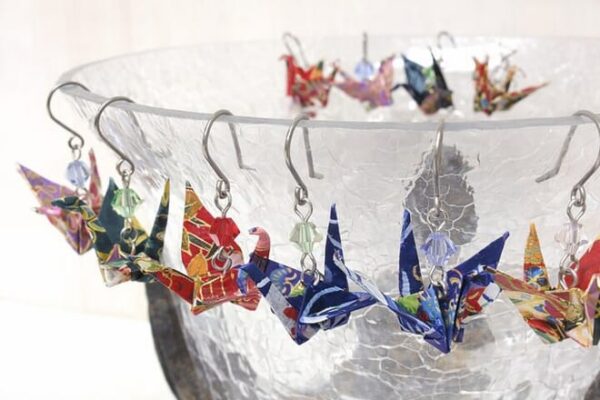
Tokyo: Create Your Own Handmade Origami Jewelry
Discover the beauty of traditional Japanese craftsmanship in this hands-on origami workshop.
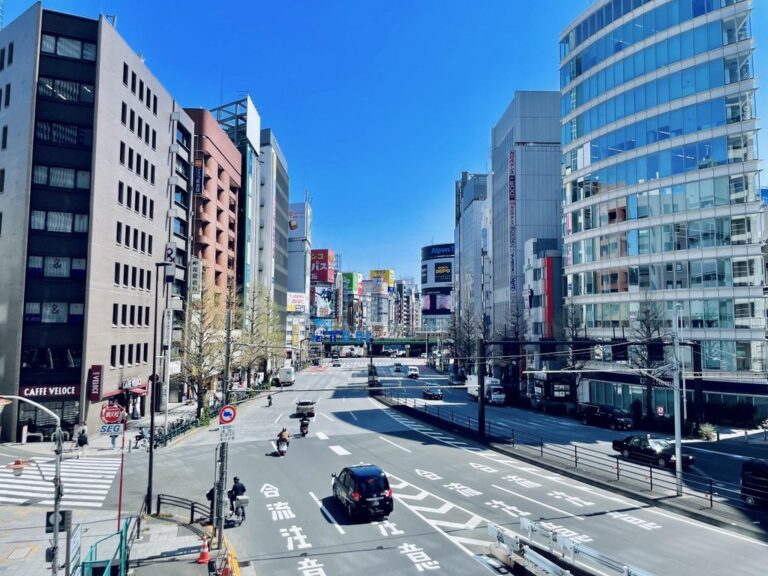
Main Kintsugi Studios by Area and What Sets Each Apart
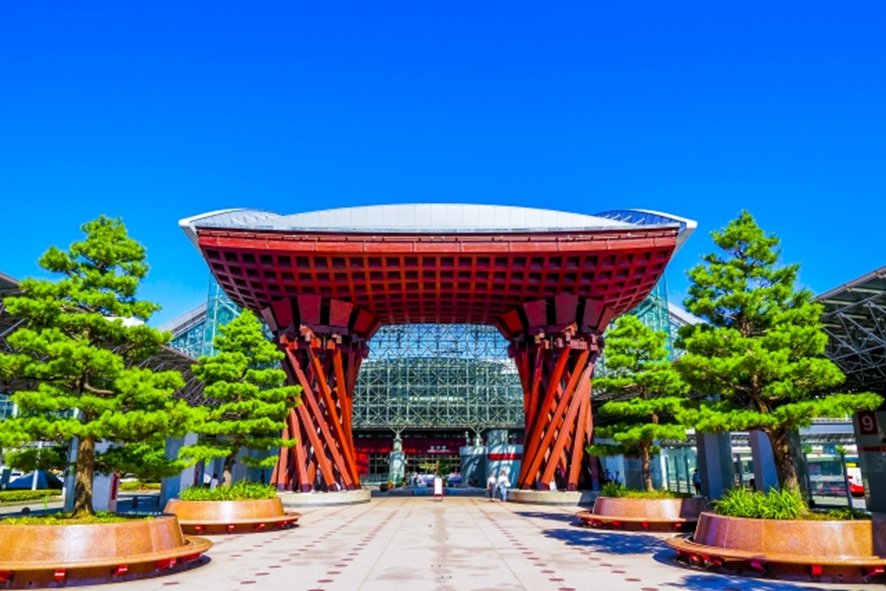
The atmosphere and the content of a kintsugi session change with where you are staying. Tokyo has the largest number of studios, Kyoto teaches traditional honurushi work in English, and Kanazawa offers small-group sessions in the region that produces the gold leaf.
Tokyo: The Widest Choice of Studios
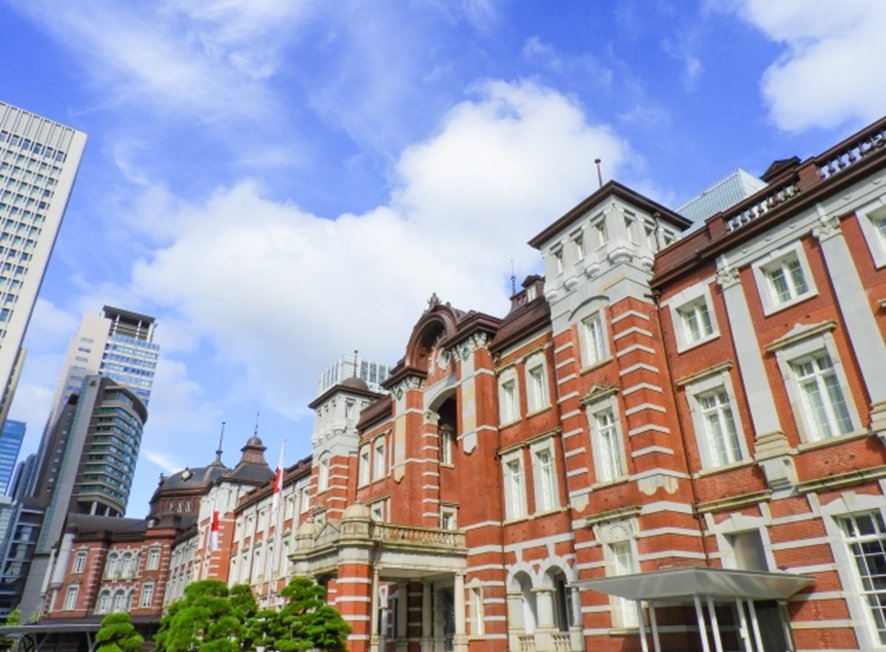
Tokyo has the highest concentration of kintsugi studios that work in English. Chopsticks Studio Shinjuku, Tsugu Tsugu in Ebisu and Asakusa, and a small-group workshop in Minami-Aoyama let you choose freely according to your accommodation or sightseeing route. Shibuya, Roppongi and other areas also have workshops you can take in English, each with its own session length and price.
- Simple resin kintsugi: finished in 60–90 minutes and taken home the same day (for travelers)
- Honurushi kintsugi: uses a natural material that needs time to cure (for long-stay visitors)
- Continuing classes: monthly courses that work with several pieces (for residents)
Prices run anywhere from around ¥5,000 to ¥10,000 ($35–$70 USD), so compare these against your budget and how immersive a session you want. Tokyo’s studios are covered in more detail here.
Tokyo: Japanese Gold Repair Kintsugi Workshop in Shinjuku
Kyoto: Honurushi Kintsugi Taught in English
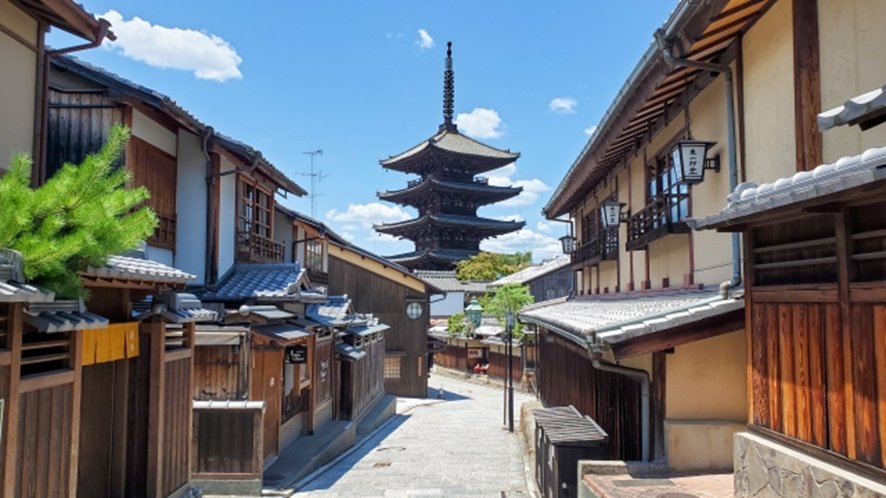
If you are staying in Kyoto for several days or more, consider a honurushi session finished with natural materials alone. At Heiando Kyoto in Murasakino, Kita-ku, the resident artisan has done over fifty years of lacquer restoration work on temples, shrines and Buddhist statues. They teach the heart of this centuries-old technique directly in English, including the movement of the brush and the scent unique to lacquer.
Sessions run from an hour and a half to two hours and cover the gold powder decoration stage along with the history of kintsugi through slides and video. Honurushi takes weeks to cure, so nothing goes home with you on the day; the studio mails the finished piece to your hotel or overseas address.
Compared with simple kintsugi, the deep sheen and high durability particular to honurushi show in the finish. Urushi rash is a risk, however, so follow the studio’s instructions on gloves and handling.
Details
| Address | 14 Murasakino Monzen-cho, Kita-ku, Kyoto |
| Hours | 10:00 am–5:00 pm (confirm closing days before visiting) |
| Price | About ¥38,500 per person (standard plan) |
| Official site | https://heiando-kyoto.com/ |
| Best for | Anyone who wants honurushi technique taught directly in English by an artisan with over 50 years of restoration experience |
Prices are subject to change. Please check the official website for the latest information.
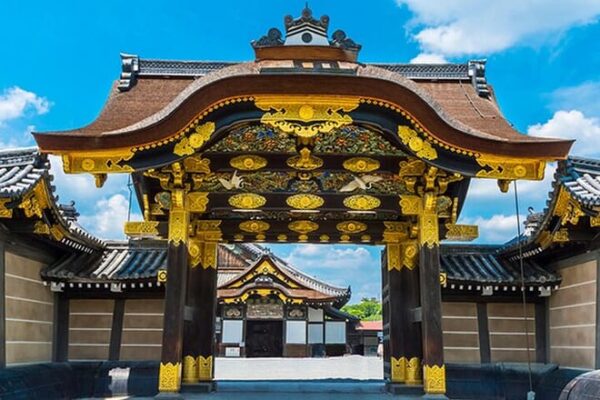
Kyoto: Nijo Castle World Heritage Guided Tour with Admission
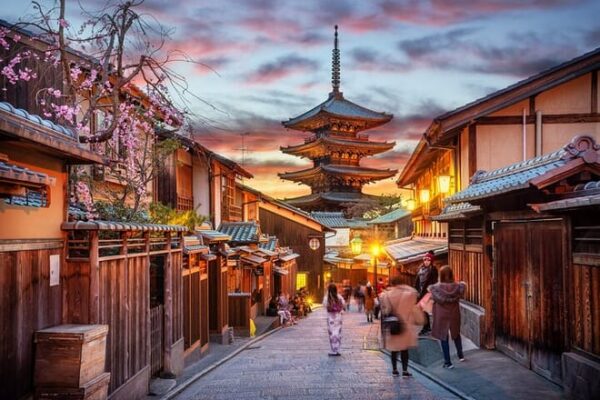
Kyoto: Gion Hidden Gems & Geisha Culture Tour
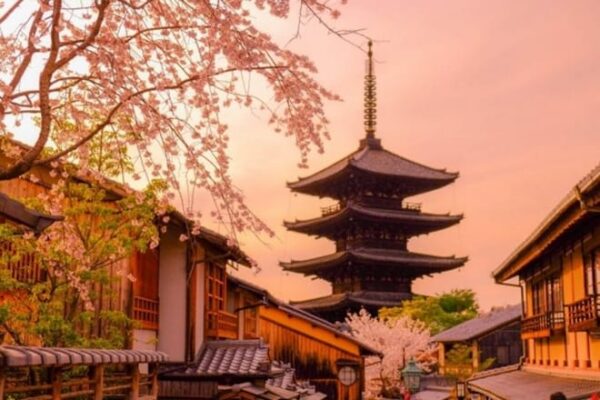
Kyoto: Gion Geisha District Sunset Tour in Spanish and en Español
Kanazawa, Ishikawa: Small-Group Sessions Where the Gold Leaf Is Made
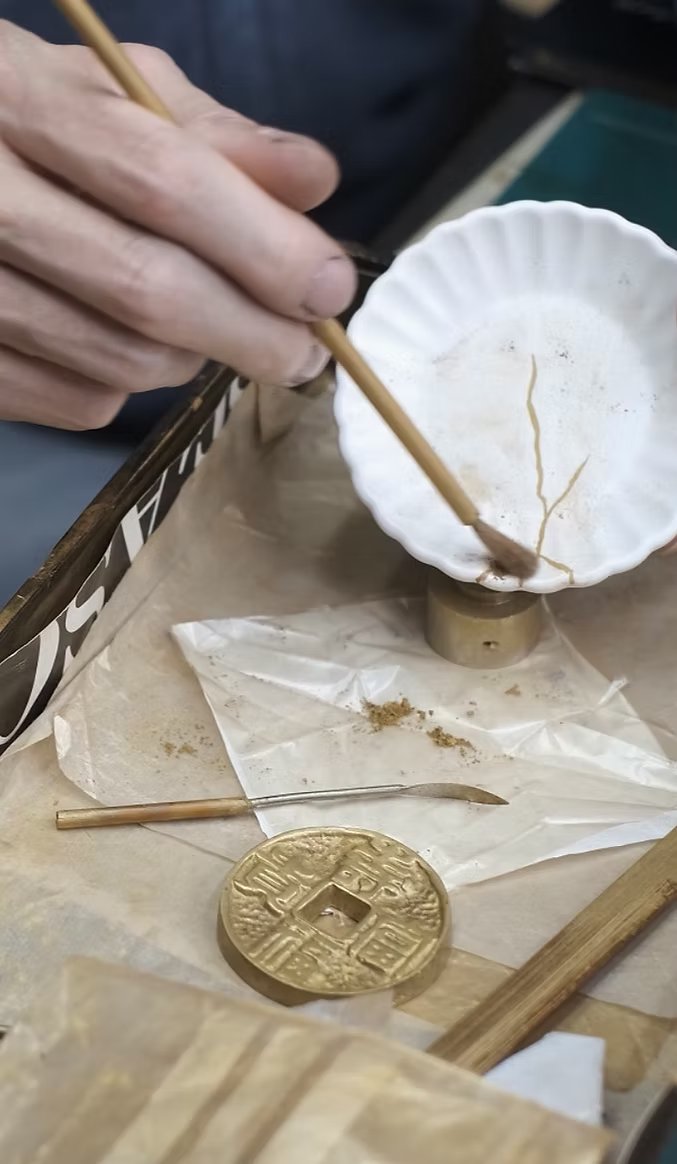
Private Kintsugi Experience Kanazawa | Artisan Workshop Visit
Kanazawa produces more than 99% of Japan’s gold leaf, and learning kintsugi there puts you close to a craft carried on for over four hundred years. IN KANAZAWA HOUSE, the best-known studio in the city, holds its workshops in a one hundred-year-old wooden townhouse that was once a dyeing workshop.
The instructor works in the lineage of Kaga maki-e, Ishikawa’s traditional decorative technique of drawing ornate patterns with metal powder and lacquer. The studio caps the roughly seventy-five minute session at a small number of seats, and the English teaching covers handling the materials and the delicate motions that fix the gold powder in place.
Details
| Address | IN KANAZAWA HOUSE, 1-4-28 Hosai, Kanazawa, Ishikawa |
| Duration | About 75 minutes (starts at 10:00 am, 12:00 pm, 2:00 pm) |
| Price | About ¥25,000 per person |
| Official site | https://www.in-kanazawa.com/ |
| Best for | Anyone who wants to learn from an artisan in the home of gold leaf; those who prefer a small, focused group |
Prices are subject to change. Please check the official website for the latest information.
Other Areas: Osaka and Nara Have Studios Too
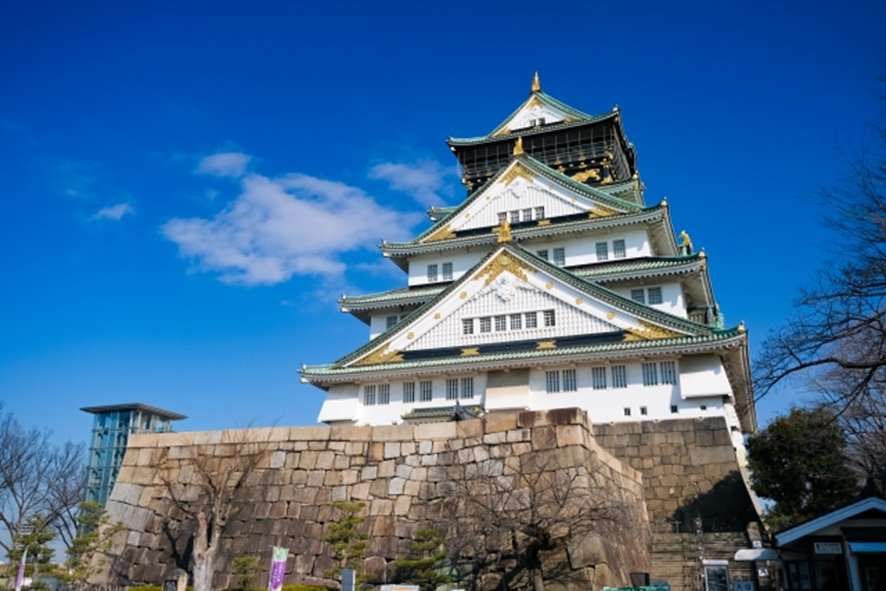
Osaka and Nara also have studios where you can try kintsugi. Zenkei studio in Namba, Osaka, states that it works in both English and Japanese, and offers honurushi sessions in small groups. Nara sometimes holds workshops in heritage buildings.
The form of English support differs widely from studio to studio: some have the instructor teach in English directly, others hand over English materials only, and some require you to arrange an interpreter separately. Booking pages are often Japanese-first, so you need to confirm the scope of support in advance.
If you’re worried about the language barrier, choosing a workshop in Tokyo, Kyoto or Kanazawa, where official sites often have an English booking page, is the sure route.
Kintsugi Workshops Compared Across Japan
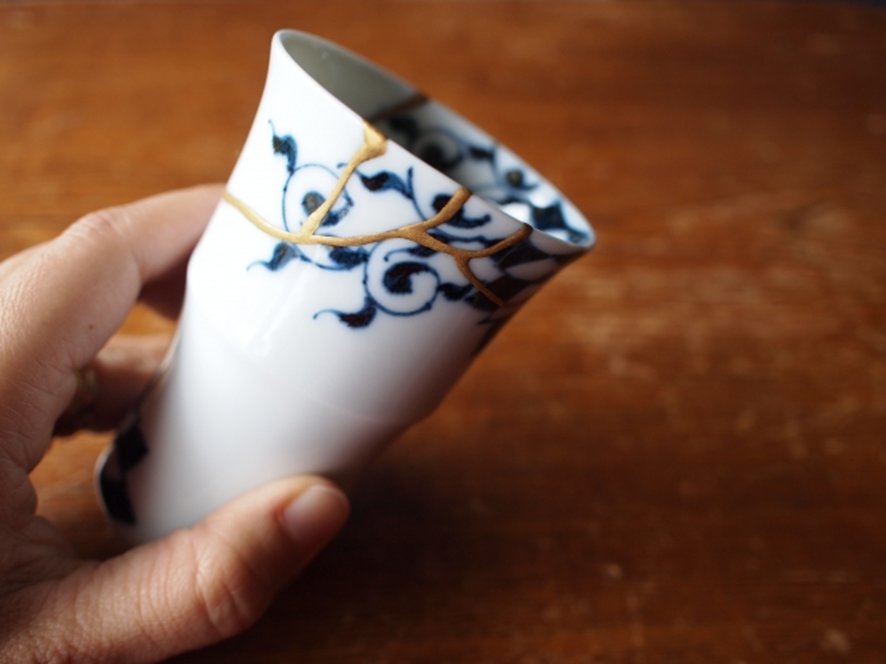
The table below sets out the three studios covered here by area, price, session length, English support and same-day takeaway, so you can match them against your travel dates, budget and language conditions.
| Chopsticks Studio Shinjuku | Heiando Kyoto | IN KANAZAWA HOUSE | |
|---|---|---|---|
| Area | Shinjuku, Tokyo | Kyoto | Kanazawa, Ishikawa |
| Duration | About 60 min. | 90–120 min. | About 75 min. |
| Price guide | From ¥3,000 | From ¥38,500 | From ¥25,000 |
| Honurushi / simple | Simple | Honurushi | Honurushi |
| English support | Yes | Yes | Yes |
| Same-day takeaway | Yes | No (mailed later) | No (mailed later) |
| Same-day booking | Yes (if seats remain) | No (membership plus advance booking) | No (advance booking only) |
Prices are subject to change. Please check the official website for the latest information.
Studios using honurushi require two to three weeks for drying, so your finished work arrives by mail later. Simple resin sets within hours, which is why only the Shinjuku session sends you home with your piece the same day.
“English support” in the table means the instructor teaches in English without an interpreter. Chopsticks Studio Shinjuku is the only one of the three studios that meets all three ideal conditions during a short stay in Japan: under ninety minutes, English support and same-day takeaway. If you plan to stay for a month or more, or you want the rich character of honurushi, the Kyoto and Kanazawa studios are worth considering.
Tokyo: Japanese Gold Repair Kintsugi Workshop in Shinjuku
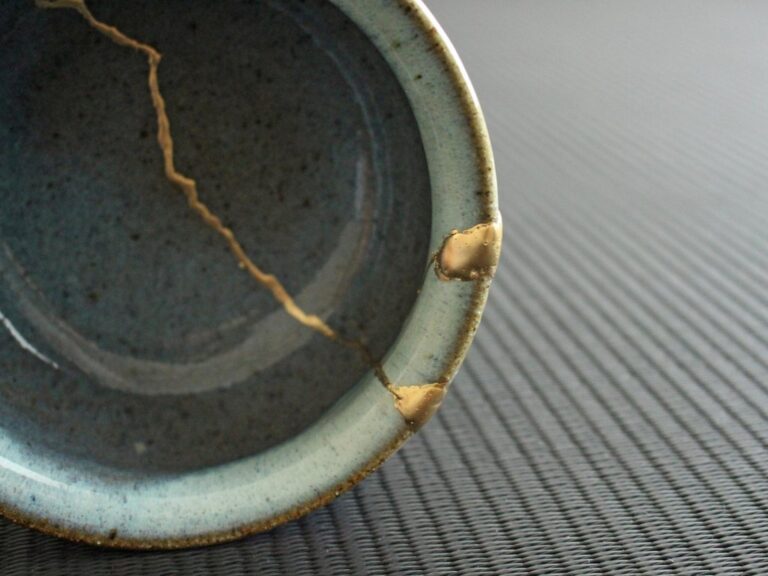
Common Questions About Kintsugi Workshops

The questions that come up before booking have to do with a few main points, including the risk of a lacquer rash and whether the finished vessel can be used for food.
Can Lacquer Cause a Skin Rash?
Urushiol, contained in honurushi, can cause contact dermatitis. Most studios take precautions against skin contact, though confirming the arrangements when you book is the safest course.
Keep these important points in mind when working with urushiol lacquer:
- Disposable gloves and long sleeves help to prevent direct contact with the skin
- If lacquer does touch your skin, wash it off immediately with soap and water
For sensitive skin, try a simple resin course with no urushiol. Epoxy resins and the like have also shown slight sensitizing potential, so anyone prone to allergies should ask the studio in advance which materials it uses.
Can the Finished Vessel Be Used for Food?
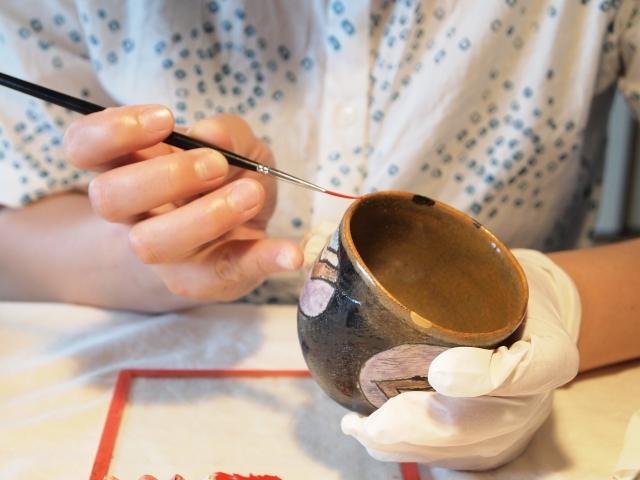
The combination of material and finish determines whether a piece can be used as tableware. You can often use vessels finished with honurushi and pure gold or pure silver powder once they have cured fully, while brass and aluminum powders carry no guarantee of food safety.
With simple resin, studios do not recommend everyday use as tableware if the material falls outside Japan’s Food Sanitation Act. Check these points before booking:
- Whether the adhesive and coating use honurushi or synthetic resin
- The material of the decorative powder (pure gold, pure silver, brass, aluminum and so on)
- Whether the studio itself recommends using the finished piece for food
Can I Take Part Empty-Handed?
Single-session workshops aimed at travelers supply practice vessels, so you can arrive empty-handed. Bringing your own vessel to repair is generally reserved for the regular courses that use honurushi, which needs weeks to dry.
Even empty-handed, a session gives you plenty:
- The basic techniques of kintsugi from gluing through to finishing with gold powder
- Contact with wabi-sabi (the Japanese aesthetic of finding beauty in imperfection) and the idea of turning breakage into beauty
- A finished piece to carry home the same day as a one-of-a-kind souvenir
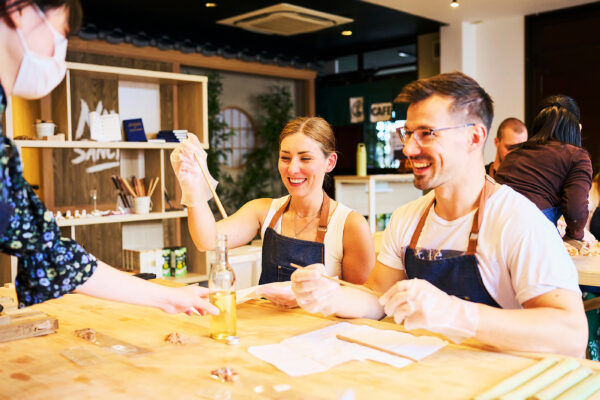
Tokyo Shibuya Chopstick Making Workshop
Can Children Take Part Too?
Studios that welcome children do exist, but age limits differ enough that checking in advance is necessary. Courses using honurushi often set a minimum age of around thirteen years because of the rash risk, while simple resin sessions tend to allow younger participants. Chopsticks Studio Shinjuku accepts children from age six.
Some official sites do not state an age limit, so ask about these points beforehand:
- Whether a children’s course exists and what ages it covers
- Whether parent and child work on separate pieces
- Whether an accompanying adult pays a separate fee
Tokyo Chopstick Making Workshop in Shinjuku
Tokyo: Japanese Gold Repair Kintsugi Workshop in Shinjuku
Can I Carry the Finished Vessel Home on a Plane?
You can carry the finished vessel home, though the method for doing so depends on the material used. Simple resin dries within a day, so wrap the piece in bubble wrap and set it in the middle of your suitcase with clothes packed around it, or take it as hand luggage in the cabin of the plane.
Work finished in honurushi needs weeks to cure, so arranging international shipping from the studio is the usual route. Whether a studio ships or not and what it charges varies, so ask “Can you ship internationally?” when you book.
Choosing a Kintsugi Workshop That Fits Your Trip
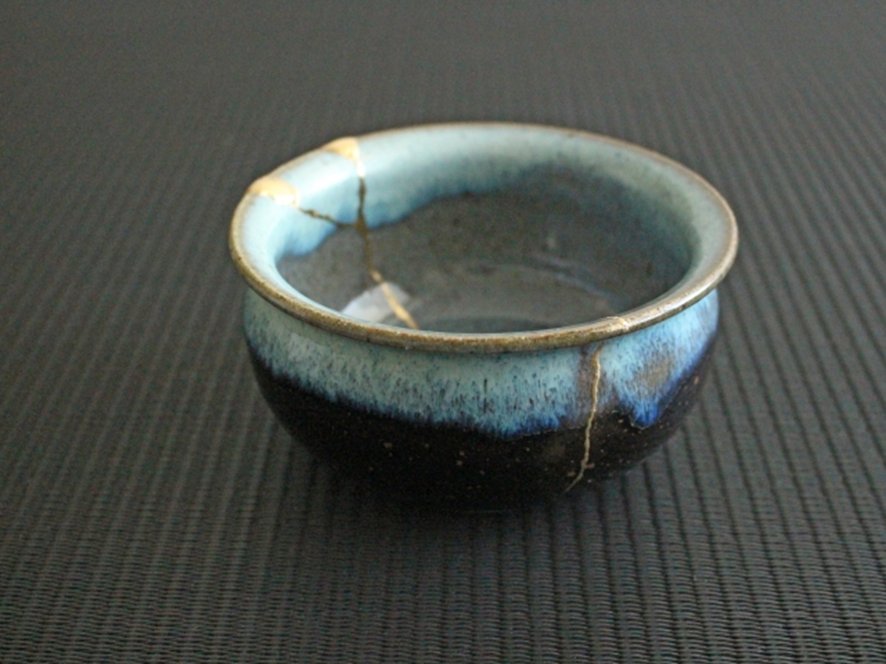
Compare kintsugi workshops on four points: session length, material, the form of English support and booking timing. If taking the piece home during your trip matters most, a simple resin session fits best. If you want to spend time with this time-honored technique, a honurushi course will satisfy you more.
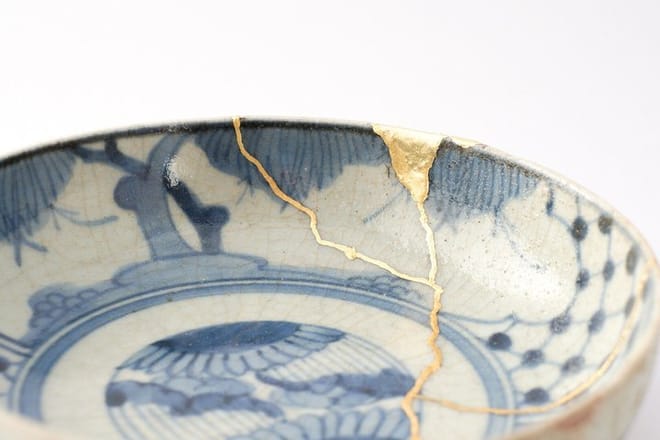
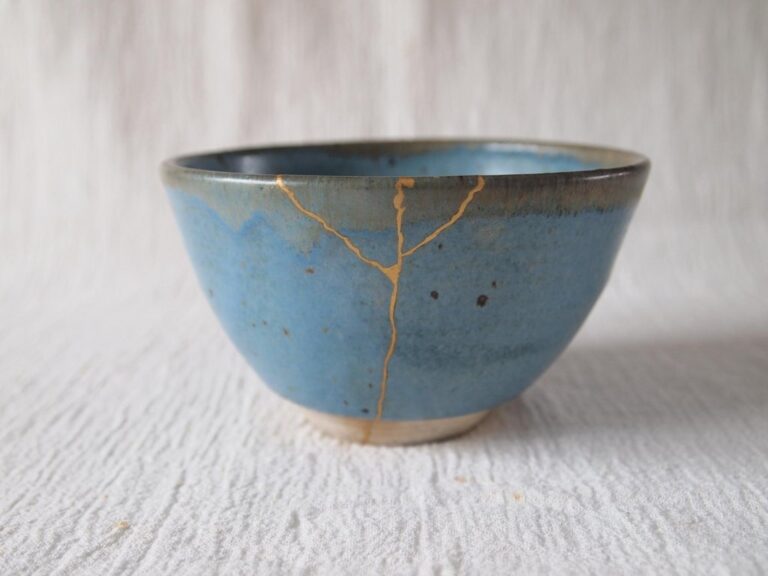
Fitting broken shards of pottery together like a puzzle and drawing new lines across them in lacquer and gold powder offers visitors a chance to find beauty in the imperfect. Find the studio that matches your itinerary and your purpose, and craft a vessel that exists nowhere else.