Are you unsure where to start when planning your corporate event in Japan? Planning an event from overseas poses many challenges, including differing usage rules, language barriers, and costs that aren’t always included in price quotes. In this article, we’ll explain the planning process from six months before the event to the day itself, budgeting concerns, and the kinds of arrangements you can hand off to a destination management company (DMC), as well as how to choose one.
Four Things to Know Before Planning a Corporate Event in Japan
Corporate events in Japan involve different assumptions regarding preparation timelines and how venues are used. This section covers four points to keep in mind before you start planning.
Start Preparing at Least Six Months Before the Event
After you secure the venue and the hotel, you’ll still need to arrange transportation, visas, and dietary requirements. If you start six months before the event, you should have enough time to prepare. In Tokyo, Kyoto, and Osaka, hotels, chartered buses, are hard to book from late March to early April and from November to early December. During these periods, you might not be able to secure your preferred venue and hotel at the same time, even if you start planning six months in advance. And the larger the group, the earlier you’ll need to start planning.
Even if the event date hasn’t been confirmed yet, checking availability for several candidate dates is advisable. If hotels are fully booked, this gives you time to rework the plan for a different date or a different city.
Venue Rental Times Sometimes Include Setup and Teardown
Venues in Japan sometimes include setup and teardown time within the rental period, and there’s little room to extend the time or work outside the rules.
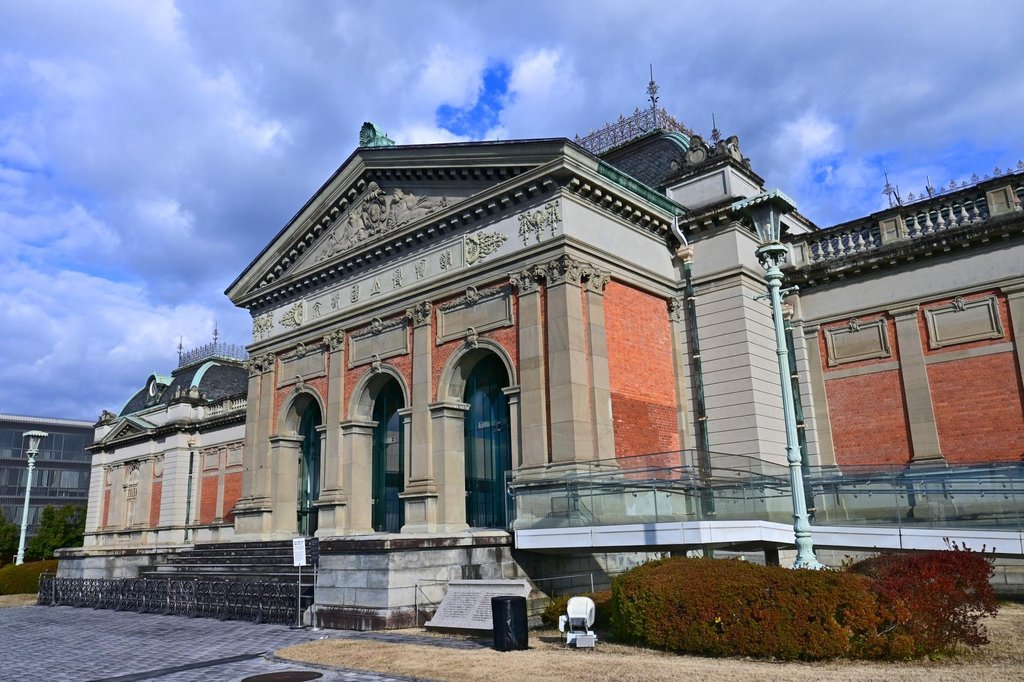
At the Kyoto National Museum, the Osaka City Museum of Fine Arts, and the Former Mitsui Family Shimogamo Villa, for example, the rental period includes setup and teardown time. Some venues, such as Grand Cube Osaka and the Former Mitsui Family Shimogamo Villa, don’t allow outside food and drinks. Others, such as the Kyoto International Conference Center, don’t allow you to bring in your own equipment or materials and designate their own contractors to handle setup.
Some conditions might not be listed in brochures, so check the venue rules and the time available for setup before you build your schedule.
Make the Decisions In-House and Ask a DMC to Handle Coordination in Japanese
Arrangements for venues, accommodations, transportation, interpretation, and dietary requirements can each be divided into “decisions involving the budget or internal policies” and “ongoing communication with facilities and vendors in Japan.” If your company makes the decisions and asks a DMC to handle the communication, that can help to reduce work involved in negotiating in Japanese and handling changes up until just before the event.
| Category | What your company decides | What you can ask a DMC to do |
|---|---|---|
| Venue | Which venue to use and who will sign the contract | Confirming and negotiating conditions about outside food and drinks and load-in |
| Accommodations | Budget cap per night, room-type policy, room arrangements | Securing rooms and updating room assignments |
| Transportation | The overall itinerary, including where to travel on which day | Arranging transportation and rearranging plans if there are delays |
| Interpretation | Languages needed and interpretation format | Securing interpreters |
| Dietary requirements | Collecting responses from participants | Coordinating with venues and restaurants |
A DMC Isn’t Necessary for a Small Meeting in One City
If a few participants are staying in the same city for an internal meeting, and the venue can communicate in English and also handle food and drinks, booking directly with the venue can be faster. On the other hand, coordination with vendors increases as more conditions apply, such as spanning multiple cities, running programs outside the venue, needing to negotiate in Japanese, or holding the event during cherry blossom or autumn foliage season. In those cases, having a DMC serve as a single point of contact starts to make sense.
Six Month Sample Timeline

This section works backward from the event date and explains what to arrange at each stage over a period of six months.
Six Months Before: Secure the Venue and Accommodations
Check venue and hotel availability at the same time, and place provisional holds on both. If you decide on the venue first, nearby hotels might not have enough rooms and you might need to split participants among several hotels and arrange morning shuttles.
Before making inquiries, decide on the expected number of guests, the type of event, the predicted cost per person, dates, and any dietary requirements. The format matters because capacity can vary greatly depending on the layout. Deciding these points in advance can help you receive more accurate quotes.
Provisional holds on venues have an expiration date, and if you don’t sign a formal contract by then, the reservation will be released. Compare the time you need for approval with the hold deadline.
Three to Four Months Before: Choose Transportation
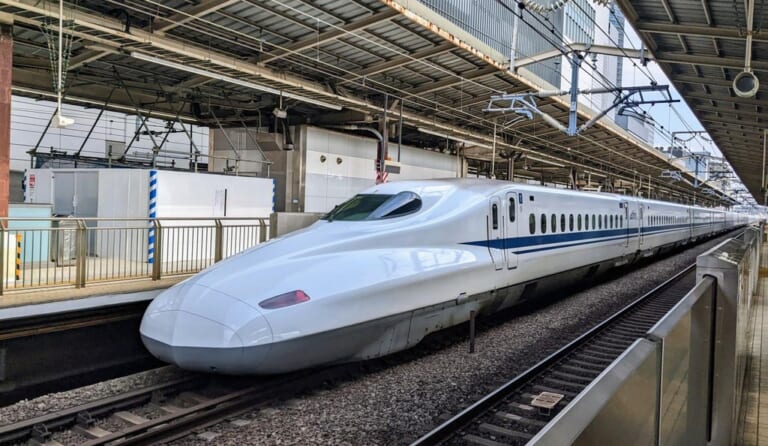
For transportation from the airport to the hotel, from the hotel to the venue, and from the venue to the dinner location, decide whether to use chartered buses, bullet trains, or regular trains. If you’re holding the event during cherry blossom or autumn foliage season, place a provisional hold on chartered buses at the same time as you secure the venue and accommodations.
JR group tickets are for groups of eight or more people traveling on the same itinerary. If all participants are traveling together on the same itinerary, you can apply for these tickets up to nine months before the departure date. Applying doesn’t guarantee that you’ll get your preferred trains, however.
Travel time from Haneda Airport to Tokyo Station is about thirty minutes by train, about an hour by limited express from Narita Airport to Tokyo Station, and as little as thirty-four minutes by limited express from Kansai International Airport to Namba. With immigration and baggage claim, you’ll need additional time between landing and arriving at the venue. If participants are arriving on different flights, decide in advance which arrivals will be met as a group and which guests will travel on their own.
Three Months Before: Send Invitation Documents to Guests Who Need Visas
Check whether guests are eligible for Japan’s visa exemption measures. Ask guests who need a visa to apply under the category that matches the purpose of their trip. Attending a conference falls under the “short-term business” category. However, speakers or performers who receive payment from a Japanese party may need a different status of residence.
Documents that must be prepared in Japan, such as the letter of invitation, are prepared by the inviting party in Japan. If your company doesn’t have a corporate entity in Japan, decide first who will act as the inviting party. Documents such as the letter of invitation may need to be submitted within a set period, such as within three months of issue. Check the required documents and validity periods with the Japanese embassy or consulate where the guest will apply.
If there are no problems with the application, the standard processing time is five business days from the day after the application is accepted. However, processing can take longer if additional documents are required or if the embassy or consulate needs to consult the Ministry of Foreign Affairs in Japan, so apply well in advance.
Sources:
Ministry of Foreign Affairs of Japan: Visa Application Procedures and Required Documents
Ministry of Foreign Affairs of Japan: Visa Processing Time
Two to Three Months Before: Collect the Participant List and Dietary Requirements
Use a registration form to collect each participant’s name as it appears on their passport, their arrival flight, the nights they will stay, and their dietary requirements. You can then use this information to arrange rooms and meals. Ask participants to report dietary requirements by type, such as vegetarian, vegan, halal, or food allergy, so that you can count the number for each type. This can help venues and restaurants determine whether they need to prepare separate dishes.
Two Months Before: Confirm Final Numbers by Each Vendor’s Deadline
Deadlines for confirming numbers vary by vendor. Activity programs may require you to finalize the details thirty to sixty days before the activity date. For hotel group bookings, the point at which cancellation fees begin to apply varies depending on the number of people booked and the accommodation plan. For large groups, cancellation fees may apply earlier than for small groups, so check conditions before signing a contract.
Some venues set the deadline for confirming the number of banquet meals just before the event date. For JR group tickets, the application deadline is fourteen days before the departure date. Compile a list of each vendor’s deadlines, and check the period during which changes are possible and when cancellation fees begin to apply.
On the Day: Assign Staff to Reception and On-Site Coordination
On the day of the event, many tasks happen at the same time: handing out name badges and checking the guest list, guiding guest speakers, meeting with interpreters, handling equipment, and informing guests about whether or not photos are allowed.
If guests and venue staff speak different languages, requests at reception and changes to meals might not be communicated smoothly. Assigning staff who can work in both English and Japanese is advisable.
Four Easily Overlooked Costs When Budgeting for a Corporate Event

If you build your budget around venue fees and food and drinks alone, additional costs may come up later, and you may need to resubmit the budget for approval at headquarters. This section covers four costs that are easy to overlook in Japan.
Service Charges and Equipment Fees Are Sometimes Separate from Venue Fees
Hotels and banquet halls in Japan may add a service charge to food and drinks, and some facilities also add it to venue fees. Venue rental fees and banquet services are also subject to a 10% consumption tax. However, a reduced tax rate may apply to items such as sales of food and beverages. Check whether quotes include tax and which tax rate applies to each item.
Audio and video equipment rental fees, operator fees, and fees for load-in may also be charged separately. Base the budget you submit to headquarters for approval on a quote that lists venue fees, food and drinks, service charges, consumption tax, and equipment fees separately.
Accommodation Tax Rates Vary by Municipality
Tokyo, Osaka Prefecture, Kyoto City, and other municipalities charge an accommodation tax per person per night based on the room rate. The amounts subject to tax and the tax rates vary by municipality and may be revised. Tokyo, for example, will switch to a percentage-based system on April 1, 2027.
In Tokyo and Osaka Prefecture, the tax amount is based on the room-only rate, excluding meals and consumption tax. If you calculate the tax using a room rate that includes breakfast or tax, you will get the amount wrong. For itineraries that cover multiple cities, list the number of nights and room rates separately for each city, and check the tax amounts on each municipality’s official website.
Chartered Bus Drivers Have Limits on Working Hours
Japan’s working-hour standards for bus drivers, known as the Improvement Standards Notice, were revised in December 2022 and have applied since April 2024. The daily duty period is thirteen hours and a maximum of fifteen hours. As a guideline, the duty period should exceed fourteen hours no more than three times a week. The rest period after a shift is basically at least eleven consecutive hours and cannot be shorter than nine hours.
If you plan for one bus and one driver to cover everything from the morning airport pickup to the drop-off after an evening dinner, the driver’s hours may exceed the limit. Depending on the itinerary, you may need to have drivers work in shifts or add more buses.
Note that a special exception allows the duty period to be extended to 19 hours when two drivers are on board and certain rest facilities are provided. Depending on conditions such as the facilities, the duty period may be extended to twenty hours.
Simultaneous Interpretation Requires at Least Two Interpreters per Booth
Simultaneous interpretation requires intense concentration, so interpreters generally take turns at set intervals. Under the professional standards of the International Association of Conference Interpreters (AIIC), at least two interpreters are generally assigned per language and per booth. Check how many interpreters you need based on factors such as the length of the meeting, the languages used, and the interpretation method.
There are also equipment costs for interpretation booths, which are small soundproof rooms for interpreters, and for receivers. The booths also take up seating space, so allow extra room when planning capacity.
Five Arrangements You Should Ask a DMC to Handle

For arrangements that involve ongoing communication in Japanese and changes up until just before the event, asking a DMC to handle them can reduce your company’s workload. This section covers five typical examples of arrangements a DMC can take care of on your behalf.
Venues: Confirming Food and Load-In Conditions May Require Japanese
Conditions for bringing in food and drinks vary by venue. For example, some venues allow only designated caterers, some allow food from their in-house kitchen only, and others allow outside food for an extra fee. Load-in routes and ceiling heights also vary, and some venues issue quotes and facility rules in Japanese. If you ask a DMC to confirm and negotiate these conditions, you can reduce the amount of communication you’ll need to do in Japanese. If your company will sign the venue contract in its own name, ask the DMC to explain the key terms in English before you sign the Japanese contract.
Accommodations: Room Assignments Might Change Until Just Before the Event
Even after you’ve reserved a block of rooms, you’ll need to keep updating room assignments as guests are added or as guests cancel, and adjust check-in for guests whose arrival dates change. For each change, you’ll need to contact the hotel with the cancellation-fee deadlines in mind. If you ask a DMC to handle these tasks, you can reduce the communication between your staff and the hotel.
Transportation: Delays and Changes in Numbers Sometimes Require Rearrangements
Even after you have arranged chartered buses, train tickets, and domestic flights, you’ll need to rearrange them whenever an arriving flight is delayed or the number of travelers changes. This can involve a lot of coordination in Japanese with Japanese transportation operators. If you ask a DMC to handle it, you’ll only need to report delays to one point of contact.
Interpretation: Secure Interpreters for Languages Other Than English Early
Interpreters for languages other than English, such as French or Arabic, might not be available if you request them at short notice. Once you’ve decided on the languages you need and the interpretation format, let the DMC know and ask it to secure interpreters.
Dietary Requirements: What Restaurants Can Accommodate Varies
The extent of halal options varies by facility and certification standard. For food allergies, you’ll need to check not only the ingredients used but also the risk of cross-contamination from shared cooking utensils. Even dishes that appear to be vegetarian or vegan may use broth made from dried fish flakes, and it’s hard to confirm these details without asking the restaurant. Ask the DMC to handle this kind of detailed coordination with venues and restaurants. In rural areas in particular, restaurants that can serve halal food might be limited, and you may need to change the dinner location altogether.
How to Choose a DMC for Your Corporate Event

If you are considering several DMCs, compare not only the quoted prices but also their registration, organizational structure, and terms of business. This section covers five points to check when choosing a DMC.
1. Is the Company Registered as a Travel Agency?
Businesses that receive requests from travelers and arrange accommodations or transportation for a fee generally need to be registered under the Travel Agency Act. There is also a registration system for travel service arrangement businesses, which arrange transportation, accommodations, and other services at the request of travel agencies.
Some types of businesses, such as companies that only arrange venues and catering, don’t require registration. If you plan to ask a DMC to arrange accommodations and transportation as well, check its registration type and number. Travel agencies are required to display their registration certificate at their offices. Even if you can’t find the registration on the company’s official website, you can confirm it by contacting the company.
2. Does the Company Have an Office in the Host City?
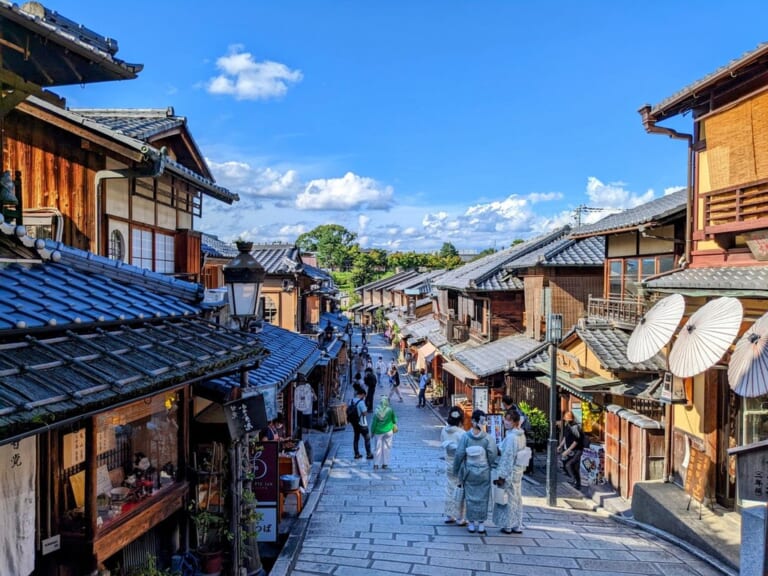
Companies that advertise nationwide coverage might actually subcontract to local companies outside major cities. If the company doesn’t have an office in the city of the event, check where the staff who can respond in person to problems on the day are based, and whether the emergency contact can be reached twenty-four hours a day.
3. Does the Company Operate Its Own Activity Programs?
If a company subcontracts activity or dinner arrangements to outside providers, it needs to check with a third party whenever there are changes in numbers or changes in the itinerary. Responses may be delayed as a result.
With activities that a company operates itself, coordinating changes can be easier than with outsourced programs. When requesting a quote, confirm which programs the company operates itself and which it outsources.
4. Can the Company Provide Support in Languages Other Than English?
Some companies distinguish between languages they can always support and languages they can arrange on request. List the languages you need based on your guests’ needs. Then, for each language, check which category it falls into for guides, instructors, and interpreters.
5. Do the Terms of Business Fit Your Company’s Accounting Rules?
Before requesting a quote, check the payment currency, whether invoice payment is possible, the deposit amount and the due date for the balance, and when cancellation fees apply and at what rates. Hotel and venue cancellation policies usually apply separately, so ask the DMC to show in the quote whose policy applies to each item. If you’ll be sending payment from overseas, also check which day’s exchange rate will be used for conversion.
Japan Guide Star’s Strengths and Services for Corporate Events in Japan
The following sections introduce the strengths and range of services of Japan Guide Star, a DMC based in Japan.
Nationwide Arrangements Through One Company, with Offices in Tokyo, Osaka, and Kyoto
Japan Guide Star | Destination Management Company
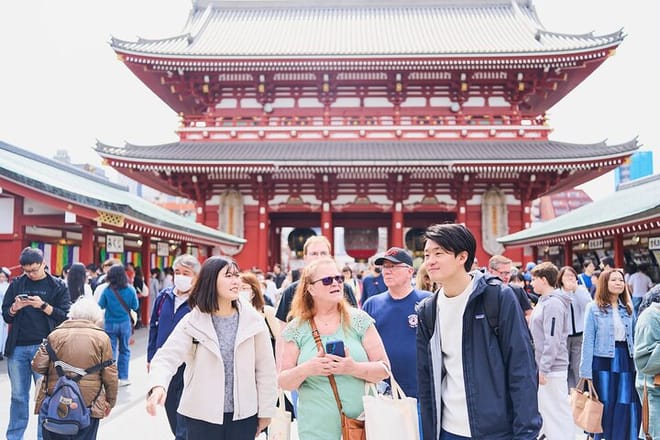
Japan Guide Star has offices in Tokyo, Osaka, and Kyoto and handles arrangements nationwide. The company also arranges multi-destination tours and incentive trips that span multiple cities. For corporate training, MICE, and incentive trips, Japan Guide Star handles everything from venues and transportation to program management and on-site operations as a single company. They can accommodate groups ranging from small executive gatherings to gatherings of about two hundred people.
Japan Guide Star usually works with groups of ten or more participants, but they can make exceptions for some clients, such as VIPs. Japan Guide Star is a travel agency registered under the Tokyo Metropolitan Government (registration no. 2-8877) and is a member of the Japan Association of Travel Agents (JATA).
In-House Cultural Activities That Can Be Added Before or After the Event
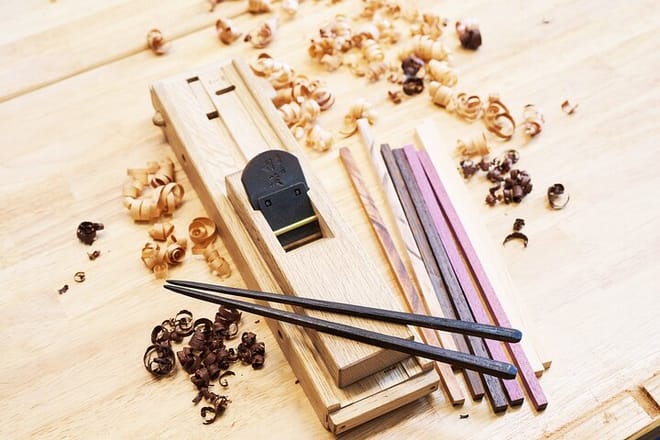
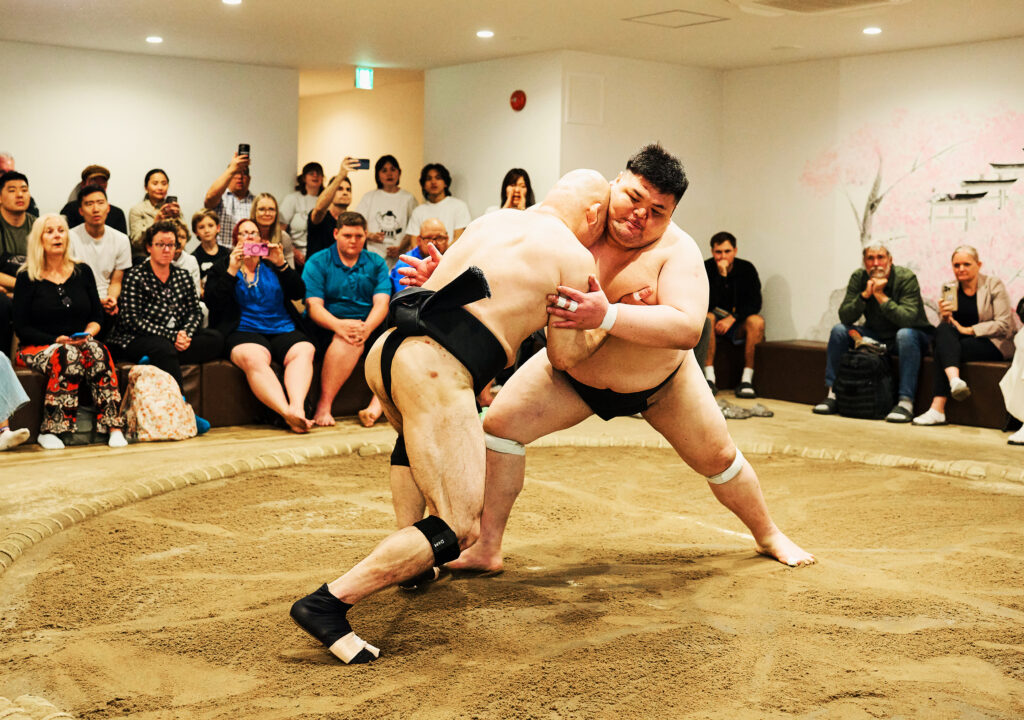
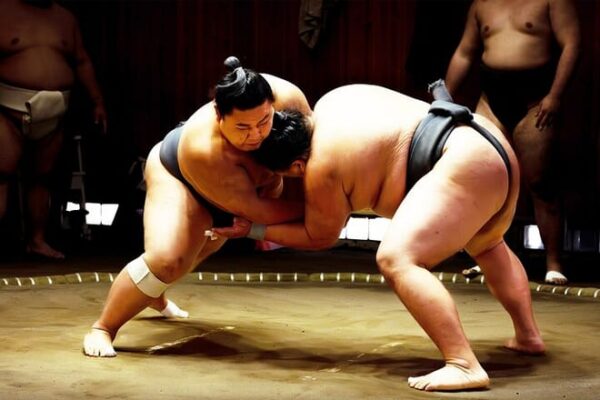
Japan Guide Star operates its own facilities for activities such as chopstick-making workshops and sumo shows, which can be incorporated before or after your event. You can also discuss private use of these facilities and group sizes through the same point of contact. For example, Sumo Studio Osaka offers sumo shows performed by former professional sumo wrestlers and accommodates private bookings for up to fifty-three people.
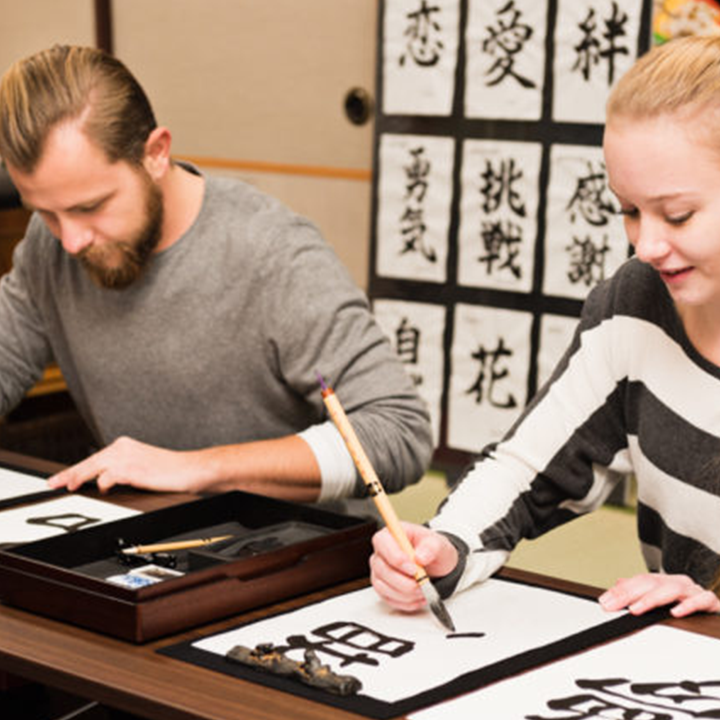
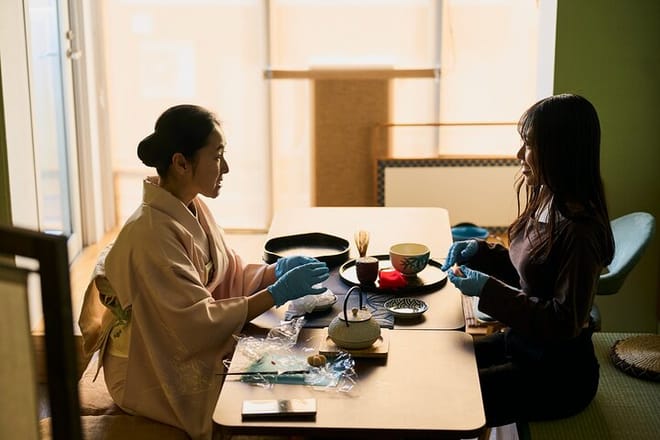
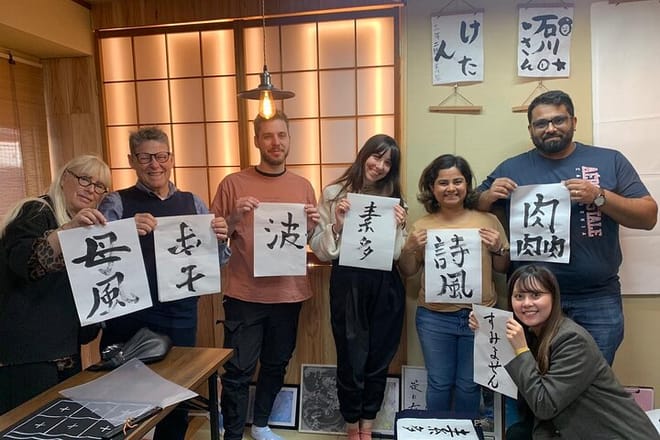
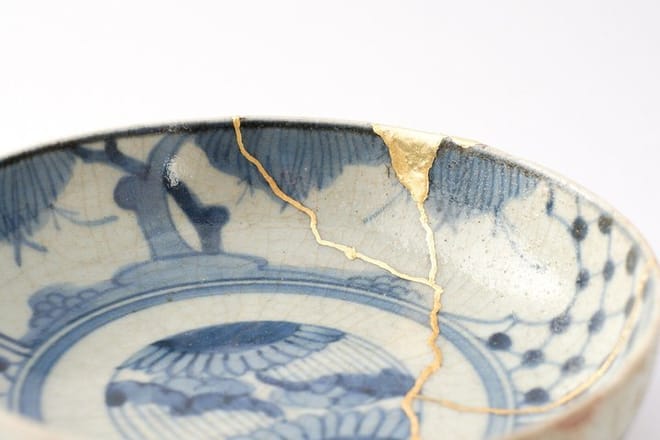
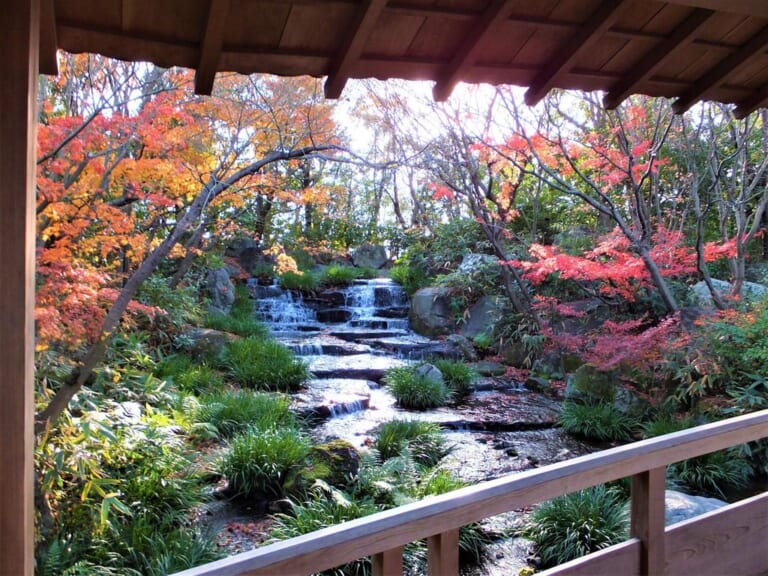
Chopsticks Studio, Japan Guide Star’s chopstick-making facility, operates in Shinjuku (up to sixty people), Asakusa (up to forty-four people), Shibuya (up to forty-four people), and Ginza (up to thirty people) in Tokyo, as well as in Arashiyama in Kyoto (up to thirty people) and Namba in Osaka (up to forty-eight people). At the Shinjuku location, you can also add calligraphy and kintsugi (a technique for repairing broken pottery with lacquer and gold) workshops that take place in the same building. Other activities, such as tea ceremony, calligraphy, martial arts, kimono dressing, sake tasting, cooking classes, traditional party games with geisha, and meditation, can be tailored to the goals of corporate training and incorporated into a program.
Osaka Sumo Experience with Live Show and Audience Challenge

Tokyo Chopstick Making Workshop in Shinjuku

English Support for All Activities, with Multilingual Guides Available
All of Japan Guide Star’s activity programs are available in English. Depending on participants’ languages, guides who speak French, Spanish, German, Chinese, and other languages can also be arranged. The shows and commentary at Sumo Studio Osaka are also in English. When you make your inquiry, share the participants’ preferred languages. This allows language arrangements to be built into the plan from the start.
Payment by Bank Transfer in US Dollars, Euros, or Japanese Yen
Japan Guide Star’s payment terms and cancellation policy are as follows:
| Payment terms | Bank transfer in US dollars, euros, or Japanese yen. Invoice payment with a set due date is available to travel agencies with a partner agreement. Deposit terms are determined by the size and timing of the project. |
| Cancellation policy | Varies by program, venue, and season. Activity programs generally need to be confirmed 30–60 days in advance. Hotels and special venues may apply their own policies. |
Replies Within 24 to 48 Business Hours of Your Inquiry
To request a consultation and a quote, send an overview of your event, including candidate dates, the number of participants, the cities you want to visit, and the purpose through the inquiry form on the Japan Guide Star official website. A staff member will usually reply within twenty-four to forty-eight business hours.
If you share where guests will stay, airport transfers and chartered buses, the number and format of group meals, and the languages needed for guides, you can move the planning forward while you’re still overseas. The recommended time to get in touch is three to six months before the event, although Japan Guide Star tries to respond to last-minute requests whenever possible.
Extensive Experience Hosting Groups from Overseas
Japan Guide Star works with travel agencies, corporate event planners, MICE organizers, and companies that specialize in incentive travel. They’ve hosted groups from Europe, North America, and Australia, as well as from countries in Asia. In July 2026, the Imperial Hotel Osaka featured Sumo Studio Osaka on its official website as an activity for hotel guests.
Chopsticks Studio Shinjuku, a Japan Guide Star facility, reached a total of two thousand participants about two months after opening. The studio has a rating of 4.9 in reviews on online travel booking sites and 5.0 on Google, according to a press release from August 2026.
Frequently Asked Questions About Planning a Corporate Event in Japan

Finally, here are brief answers to some common questions.
Does a Corporate Event Budget Need a Line Item for Tips?
No. Tipping isn’t customary at restaurants, in taxis, at hotels, and in similar settings in Japan, so you do not need to include tips for guides, drivers, or banquet staff in your budget. At places like traditional Japanese inns, guests sometimes give a cash gift called kokorozuke as a token of appreciation. However, this gift is optional and not expected.
Will Holding the Event During a Major Japanese Holiday Period Affect Your Plans?
Yes. During Golden Week (late April to early May), the Obon holiday (mid-August), and the New Year’s holidays, domestic travel skyrockets and accommodations become crowded. During these peak periods, trains on the Tokaido and Sanyo shinkansen lines may restrict their offerings to reserved seats only. JR Central and JR West announce the applicable periods each fiscal year. If your guests will travel by bullet train, reserve seats for everyone in advance.
Online applications for JR East group tickets are also accepted only on a limited number of days during Golden Week and the New Year holidays.
Can Typhoons Cause Outdoor Plans to Be Canceled?
Yes. Typhoons are frequent from July to October. According to the Japan Meteorological Agency, August and September have the most occurrences with 3.3 typhoons each. Planned railway suspensions and flight cancellations can also prevent guests from arriving or traveling between cities. During this period, prepare indoor alternatives and leave room in the itinerary to move travel to a different day.
What Does a Japanese Corporation Need to Claim Consumption Tax Credits?
Under the Qualified Invoice System, which began in October 2023, you generally need to keep qualified invoices that include a registration number. You can check whether a supplier is registered by searching its registration number on the National Tax Agency’s publication website. Transitional measures allow a certain percentage of input tax credit for taxable purchases from businesses that are not registered invoice issuers.
This percentage will be reduced in stages: to 70% for taxable periods beginning on or after October 1, 2026, to 50% on or after October 2028, and to 30% on or after October 2030. The measures are scheduled to end at the end of September 2031. The actual timing depends on each business’s taxable period. Some transactions, such as public transportation fares under ¥30,000, qualify for the credit simply by keeping account books.
Source: National Tax Agency: FY2026 Tax Reform Special Feature (Qualified Invoice System)
Can Luggage Be Sent from the Airport to the Hotel?
Yes. Major airports such as Narita Airport and Kansai International Airport have baggage delivery counters. Some services deliver luggage to accommodations in eligible areas on the same day if you drop it off by the cutoff time. Cutoff times and eligible areas vary by airport and provider. At Narita Airport, cutoff times range from around 10 am to 2 pm, depending on the provider. For flights that arrive late, luggage may be delivered the next day, so decide in advance how luggage will be handled based on arrival times.
Summary

To run a corporate event in Japan smoothly, it’s a good idea to start planning your schedule six months in advance, understand extra costs, and choose the right DMC to handle your arrangements. For issues specific to Japan, such as venue rules, decide what your company will handle and what you will ask the DMC to do. Sharing this information with your local partner early can help keep your preparations on track.
With Japan Guide Star, which has offices in Tokyo, Osaka, and Kyoto, you can consult in English through a single point of contact on everything from venue, accommodation, and transportation arrangements to in-house cultural activities such as sumo shows and chopstick making, as well as on-site operations. Once you have candidate dates and an estimated number of participants, contact Japan Guide Star through the inquiry form on the Japan Guide Star DMC service page.