Tokyo has no shortage of venues for corporate events that welcome participants from overseas, but narrowing them down by capacity, layout, and catering conditions is not easy. Some venues set a minimum food and beverage spend (a requirement to order at least a certain amount of food and drink to use the space) or restrict outside food and drink. As a result, planners sometimes have to rework their budget or schedule once quotes come in.
Below, you’ll find a quick-reference table by group size, five recommended venues of different types, and six points to confirm before booking. The later sections cover what comes after securing a venue, including transportation, accommodation, and on-the-day operations.
Quick Guide: Tokyo Corporate Event Venues by Group Size
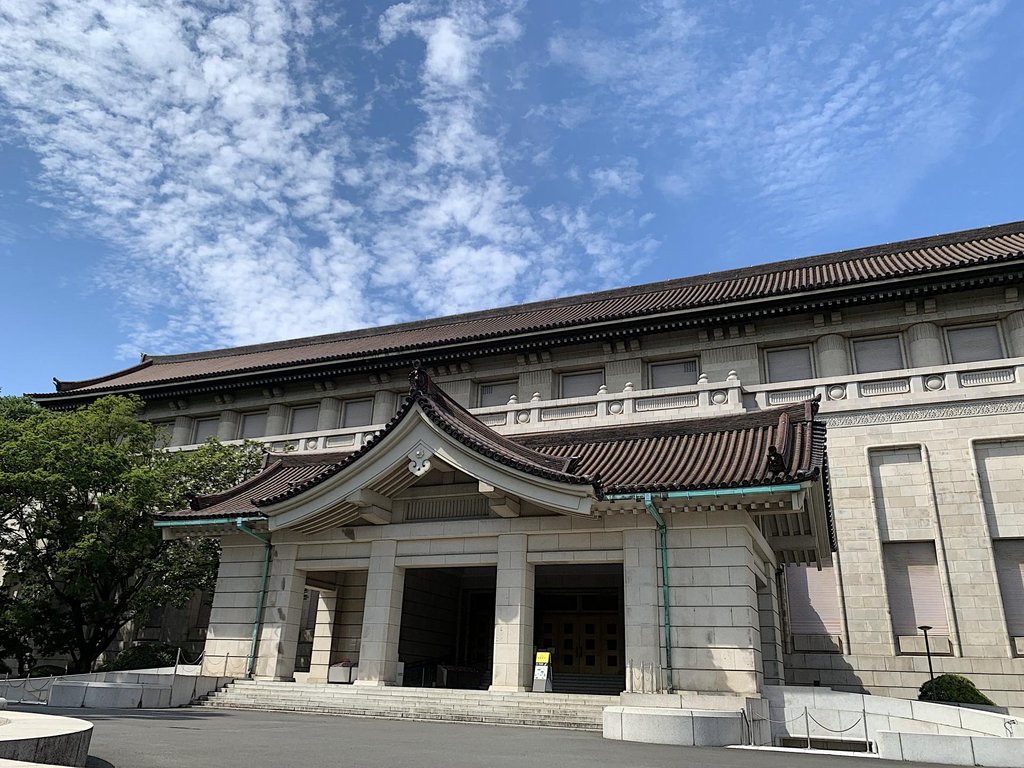
Once the number of participants and the layout are set, you can narrow Tokyo’s corporate event venues down to a handful of candidates. As a rough guide, Jiyu Gakuen Myonichikan in Ikebukuro suits training sessions and dinners for up to about 100 people. For receptions of 100–250 guests, consider the Tokyo National Museum in Ueno or Kanda Myojin in Sotokanda. Hotel New Otani in Kioicho works well for combining a ceremony with accommodation, while the Tokyo International Forum in Yurakucho can handle conferences and general meetings with thousands of attendees.
The table below compares the five venues based on information available as of September 2026.
| Venue | Expected Group Size | Main Purpose | Venue Type | Area / Nearest Station | Capacity by Layout |
|---|---|---|---|---|---|
| Jiyu Gakuen Myonichikan | Up to 100 (auditorium: 272) | Executive training; dinners | Unique venue (Important Cultural Property) | Ikebukuro; 5-min walk from Ikebukuro Station | Dining hall: 78 seated, 100 standing; auditorium: 272; Lounge Hall: capacity 50 |
| Tokyo National Museum | 100–200 | Receptions | Unique venue (museum) | Ueno; 10-min walk from the Park Exit of JR Ueno Station | Heiseikan Lounge: 100 seated, 200 standing; Heiseikan Auditorium: 395 |
| Kanda Myojin | 100–250 | Receptions; networking parties | Unique venue (shrine) | Sotokanda; 5-min walk from Ochanomizu Station | Kanda Myojin Hall: 392 theater, 240 classroom, 300 standing |
| Hotel New Otani (Tokyo) | Several hundred to 2,500 | Ceremonies; dinners; accommodation | Hotel banquet hall | Kioicho; 3-min walk from Akasaka-mitsuke Station | Tsuru no Ma: 2,184 theater, 1,200 classroom, 1,150 formal dinner, 2,500 standing |
| Tokyo International Forum | Several hundred to over 5,000 | Conferences; general meetings | Convention center | Marunouchi; 1-min walk from JR Yurakucho Station | Hall A: 5,012 seats; Hall E: 1,328 seated, 3,000 standing |
Capacity in the same room varies widely by layout. Theater style, with rows of chairs only, accommodates the most people. Classroom style, with desks, comes next, followed by formal dinner style, where guests sit around tables for a meal. Tsuru no Ma at Hotel New Otani, for example, holds 2,184 people in theater style but 1,200 in classroom style. Decide first whether the event is a lecture, a workshop, or includes a meal, then check the capacity for that layout.
5 Recommended Corporate Event Venues in Tokyo
The five venues below span three types—unique venues, hotel banquet halls, and a convention center—and are presented in order from smallest to largest capacity. A unique venue is a facility such as a historic building, museum, or shrine that is rented out for events alongside its original purpose. Each was chosen because it gives overseas guests a sense of Tokyo’s distinctive atmosphere.
Jiyu Gakuen Myonichikan: Small-Group Training and Dinners in a Designated Important Cultural Property
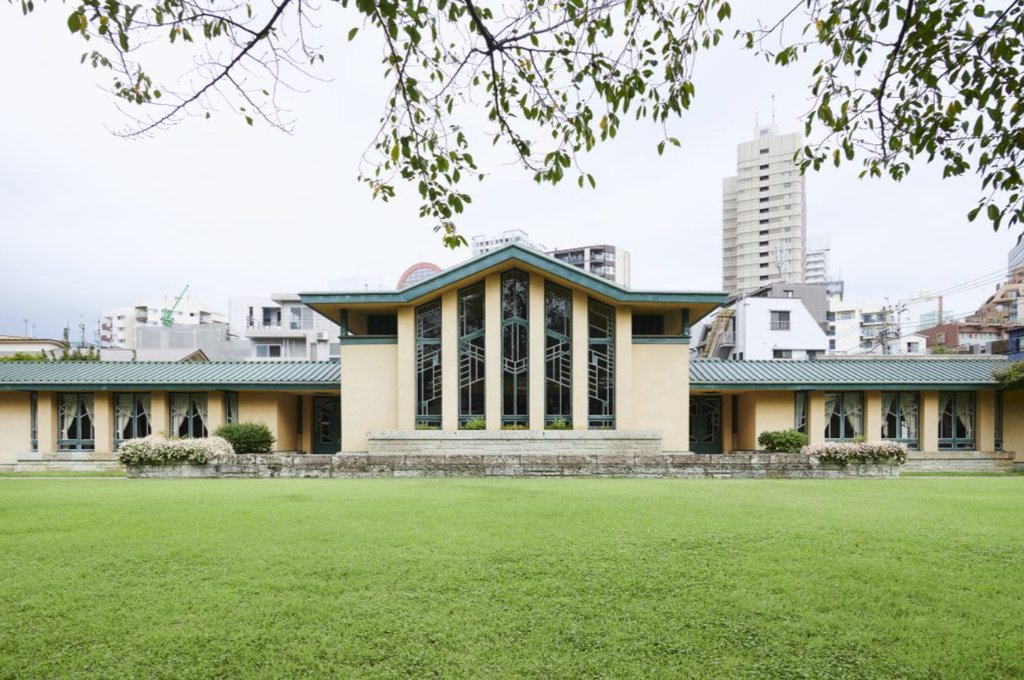
A five-minute walk from Ikebukuro Station, Jiyu Gakuen Myonichikan was built as the schoolhouse of Jiyu Gakuen, founded in 1921. Frank Lloyd Wright and Arata Endo designed the building, with Endo responsible for the auditorium. The building is designated a national Important Cultural Property (a historic structure protected by the Japanese government), and it retains hallmarks of Wright’s architecture, such as geometric window frames and low, horizontally extending roofs.
Three main spaces are available for rent. The Lounge Hall in the main building (94 m², about 1,010 sq ft) holds up to 50 people and suits small dinners and executive meetings. The main building’s dining hall (136 m², about 1,460 sq ft) seats 78 or accommodates up to 100 standing, while the auditorium (496 m², about 5,340 sq ft) fits up to 272 people, making it suitable as the main training venue. Inside the U-shaped building is a lawn courtyard, so you can also add outdoor mingling before or after a meal.
Availability varies by date, so check early once you have a preferred day. Outside food and drink are not allowed, and because the building is an Important Cultural Property, bringing in or using open flames is also prohibited.
Details
| Address | 2-31-3 Nishi-Ikebukuro, Toshima-ku, Tokyo |
| Available Hours | Dining hall and auditorium: 9 am–9 pm; Lounge Hall: 5 pm–9 pm (dining hall, hall, and auditorium require a minimum of 3 hours) |
| Closed | Mondays (or the following day if Monday is a national holiday); New Year’s holiday |
| Fees | Weekdays: dining hall ¥175,000 for a full day; auditorium ¥240,000 for a full day; Lounge Hall ¥16,500 per hour in the evening (all including tax). Different rates apply on weekends and holidays (rates revised for bookings from October 1, 2026; check the official website for the latest information) |
| Official Website | https://jiyu.jp/ |
| Best For | Planners of executive training or executive dinners for 50–100 people |
Tokyo National Museum: After-Hours Receptions for 100–200 Guests
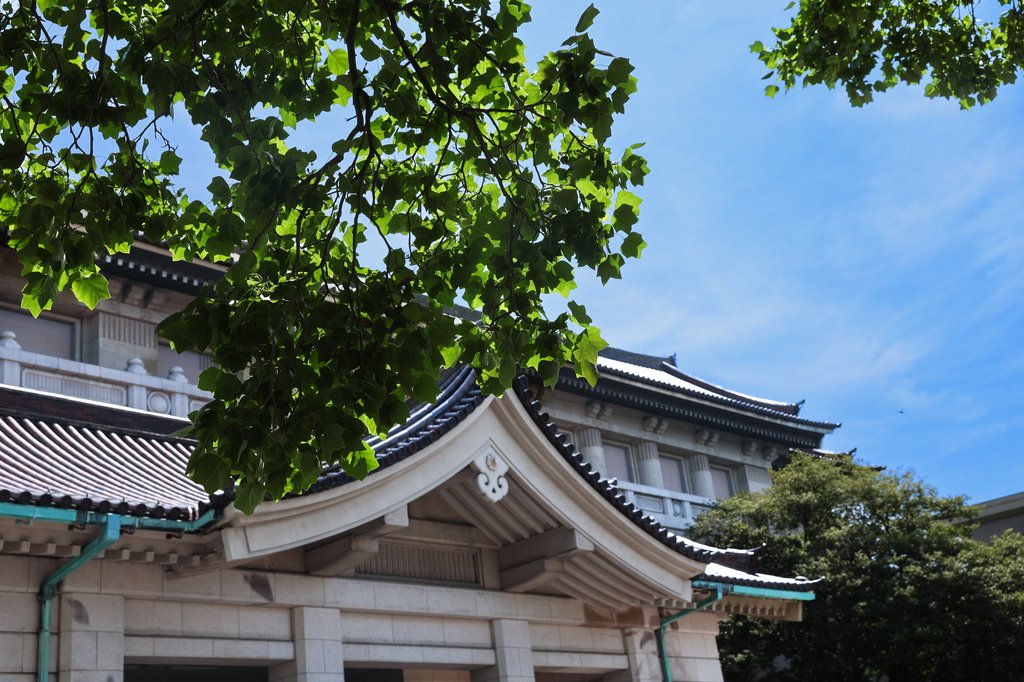
Located in Ueno Park, the Tokyo National Museum was founded in 1872 and is the oldest museum in Japan. It rents out its spaces after closing time for meetings and receptions, allowing overseas guests to take their time with Japanese cultural treasures in galleries closed to other visitors at night.
The main space is the Heiseikan Lounge (490 m², about 5,270 sq ft), which accommodates 100 seated or 200 standing. Users can also tour the Japanese Archaeology Gallery. Guiding guests through a gallery lined with earthenware and haniwa (unglazed clay figures and vessels from the Kofun period) during a break adds a cultural element to the reception, allowing the two to flow together as one program. The space is available from 5:30 pm to 9:00 am the next day, or all day on days when the museum is closed, so the entire event, from setup to teardown, must fit within that window.
For smaller groups, the Gallery of Horyuji Treasures (50 seated, 100 standing) is an option, while the Heiseikan Auditorium (395 people, 9:00 am–5:00 pm) is available for daytime lectures. This makes it possible to hold a lecture during the day and a reception in the Heiseikan Lounge in the evening. Both the Tokyo Metropolitan Government’s Unique Venue One-Stop Support Desk (within the Tokyo Convention & Visitors Bureau) and the museum’s facility rental office accept inquiries.
Details
| Address | 13-9 Ueno Park, Taito-ku, Tokyo |
| Available Hours | Heiseikan Lounge and Gallery of Horyuji Treasures: 5:30 pm–9 am the next day (all day on museum closing days); Heiseikan Auditorium: 9 am–5 pm |
| Closed | Follows the museum’s closing days |
| Fees | Heiseikan Lounge and Gallery of Horyuji Treasures entrance: around ¥2 million per day (including consumption tax and utilities; set according to floor area and other factors). Heiseikan Auditorium: ¥140,000 per day on weekdays, ¥160,000 per day on weekends and holidays (as of September 2026; check the official website for the latest information) |
| Official Website | https://www.tnm.jp/ |
| Best For | Planners of receptions or gala dinners for overseas guests |
Kanda Myojin: Receptions and Networking Parties on the Grounds of a Shrine Founded About 1,300 Years Ago
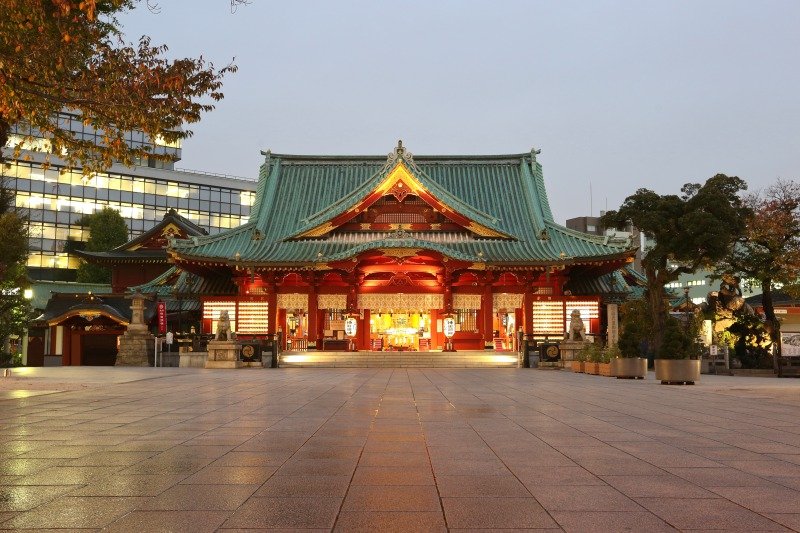
A five-minute walk from Ochanomizu Station and seven minutes from Akihabara Station, Kanda Myojin is a shrine said to have been founded in 730. During the Edo period (1603–1868), it was revered as Edo Sosochinju (the guardian shrine of the entire city of Edo) by everyone from shoguns to commoners. Today, it is known for its deity of business prosperity, and many company representatives visit to pray at the start of each year.
The shrine’s cultural exchange center, EDOCCO, rents out three facilities. Kanda Myojin Hall on the second floor (316.6 m², about 3,410 sq ft, with a 6.9-meter, or about 23-foot, ceiling) holds 392 in theater style, 240 in classroom style, or 300 standing, and it can be combined with the foyer (the lobby in front of the hall) and the outdoor deck. EDOCCO STUDIO on the first basement level accommodates 104 at tables, 140 in theater style, or 200 standing. It is equipped with a stage, sound and lighting systems, and a kitchen, and you can also arrange a dinner with a traditional performing arts show.
Reiwa no Ma, the VIP room on the fourth floor, seats 60 and suits small VIP dinners. If you arrange a corporate shrine visit before the event, guests can go straight from prayer to the networking party without leaving the grounds.
Because these are shrine facilities, however, permitted uses are restricted, and you must confirm conditions for event content, food and drink, and decorations in advance. Each facility also has a separate operating company and booking contact, so combining multiple facilities requires coordination with each one.
Details
| Address | 2-16-2 Sotokanda, Chiyoda-ku, Tokyo (Kanda Myojin Cultural Exchange Center EDOCCO) |
| Available Hours | Kanda Myojin Hall: inquire directly; EDOCCO STUDIO: 10 am–11 pm |
| Closed | Open year-round |
| Fees | Kanda Myojin Hall: from ¥550,000 (including tax) plus a ¥55,000 (including tax) facility management fee per day; EDOCCO STUDIO: varies by hours of use, so inquire directly; Reiwa no Ma: upon consultation (as of September 2026; check each facility’s official website for the latest information) |
| Official Website | https://myoujin-hall.jp/ |
| Best For | Planners who want a distinctly Japanese setting for receptions or networking parties of 100–250 people |
Hotel New Otani (Tokyo): Ceremonies and Accommodation Together at a Large Hotel With a Japanese Garden
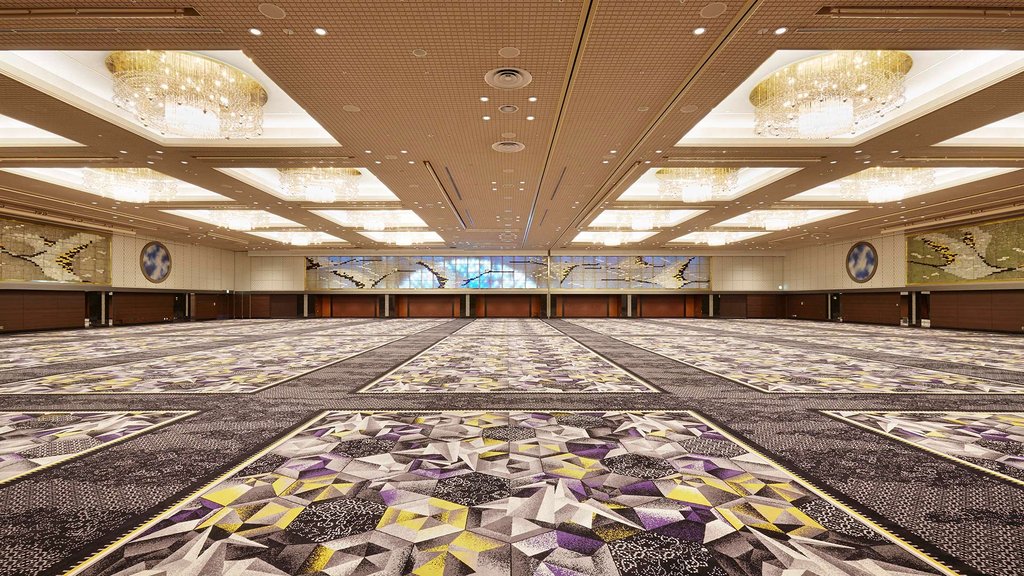
A three-minute walk from Akasaka-mitsuke Station, Hotel New Otani suits events where you want to hold the ceremony and dinner in the same building while accommodating guests overnight. Its largest banquet hall, Tsuru no Ma, covers 1,992 m² (about 21,440 sq ft) and accommodates up to 1,150 for a formal dinner, 2,500 standing, or 2,184 in theater style. The hotel has 33 banquet rooms in total, including mid-sized rooms such as Orizuru Mai no Ma, which seats up to 140 for a formal dinner, as well as smaller rooms for roughly 10–30 people. Plenary sessions, breakout sessions, and dinners can all be accommodated within the hotel.
The grounds include a Japanese garden that carries on the history of the former secondary residence of the warlord Kato Kiyomasa and the Edo residence of the Ii family. With its pond, waterfall, and paths winding through the garden, you can show guests around a Japanese garden before or after the ceremony or dinner without leaving the property. Pricing varies by room and plan, so when you request a quote, check how the venue fee, food and drink, service charge, and consumption tax are itemized.
Details
| Address | 4-1 Kioicho, Chiyoda-ku, Tokyo |
| Available Hours | Varies by event, so inquire directly (banquet reservations desk: 9 am–6 pm) |
| Closed | Open year-round |
| Fees | Corporate banquet party plans: standing buffet from ¥16,000 per person, seated buffet from ¥17,500 per person (for 30–100 people; includes food, 2-hour free-flow drinks, room fee, basic sound and lighting, tax, and service charge). Large banquets and other uses vary by room, group size, hours, and plan, so request a quote (as of September 2026; check the official website for the latest information) |
| Official Website | https://www.newotani.co.jp/tokyo/ |
| Best For | Planners who want to combine a ceremony for several hundred to 2,000 people with guest accommodation in one place |
Tokyo International Forum: A Convention Center for International Conferences of Several Thousand
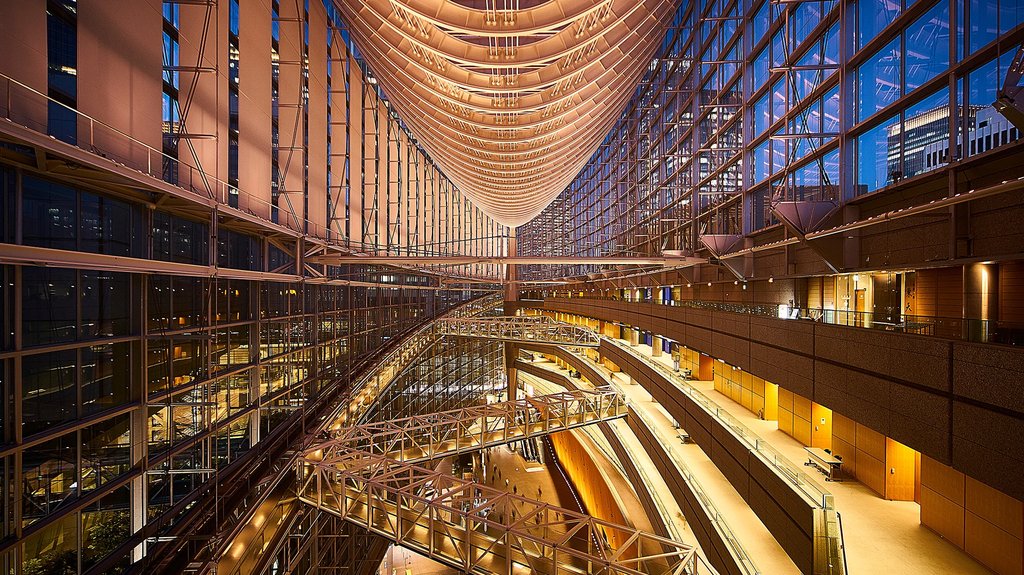
The Tokyo International Forum in Marunouchi is a convention and arts center with eight halls of various sizes and more than 30 conference rooms. The largest, Hall A, is a two-level space with 5,012 theater-style seats and a simultaneous interpretation system covering 16 languages. Plenary and breakout sessions can run in parallel under one roof, making the Tokyo International Forum a strong option for international conferences and general meetings of more than 1,000 people.
Hall E, the exhibition hall (5,000 m², about 53,820 sq ft), accommodates up to 3,000 standing or 1,328 seated for receptions and can be divided for separate uses. Outside food and drink are not permitted; if you serve food and drink, you must use the facility’s catering service.
The Forum is a one-minute walk from JR Yurakucho Station and a five-minute walk from Tokyo Station via an underground concourse, making it easy to give directions to participants arriving from either Haneda or Narita. Note that the entire facility is scheduled to close for major renovations from January 2029 to March 2030, so if you are considering dates during that period, you will need to find another venue.
Details
| Address | 3-5-1 Marunouchi, Chiyoda-ku, Tokyo |
| Available Hours | Hall A: 9 am–11 pm; other halls: 9 am–10 pm; conference rooms: 9 am–9 pm |
| Closed | Halls available year-round; conference rooms closed December 29–January 3 (entire facility scheduled to close for major renovations January 2029–March 2030) |
| Fees | Hall A, full-day use on weekdays (Mon–Thu): ¥4,140,400 (including tax, for event-day use). Other halls and conference rooms vary by facility (as of September 2026; check the official website for the latest information) |
| Official Website | https://www.t-i-forum.co.jp/ |
| Best For | Planners of conferences or general meetings for several hundred to several thousand people |
6 Points to Check Before Choosing a Corporate Event Venue in Tokyo
Even after you narrow down your candidates, many conditions only surface at the quote or site-inspection stage. To avoid scrambling during internal approval or on the day itself, confirm the following six points in your first inquiry to the venue.
1. Costs Not Included in the Venue Fee
The listed venue rental fee will not necessarily match the final invoice. At Japanese hotels and banquet halls, a service charge of 10–15% is added to food and drink, and at some facilities, to the venue fee as well. A 10% consumption tax is then applied to the subtotal. With a 15% service charge, the effective markup is about 26.5%.
For example, if the service charge applies to a ¥500,000 venue fee plus ¥800,000 in food and drink, the service charge and tax alone add about ¥340,000. Minimum food and beverage spends, AV equipment and operator labor, and fees for load-in, load-out, and setup days may also be billed separately.
For the total you submit for internal approval, request quotes broken down into six items—venue fee, food and drink, service charge, consumption tax, AV, and bring-in fees—to avoid discovering additional costs after approval.
2. Rules on Bringing In Catering
The venue decides who can provide the food and drink, and the organizer may have little say in the matter. Tokyo venues generally fall into three groups: those that allow only designated catering companies, those that accept only food and drink prepared by their in-house kitchen (common at hotels), and those that allow outside catering for a bring-in fee.
At museums and Important Cultural Properties, open flames and certain foods may be prohibited to protect exhibits and buildings. Some venues, such as the Heiseikan Auditorium at the Tokyo National Museum, allow only drinks with lids. If you proceed on the assumption that you can bring in an overseas-approved menu as is, you may have to revise the menu after the venue is confirmed.
3. Handling Dietary Restrictions
How a venue handles halal, vegan, vegetarian, and allergy requirements depends on its kitchen setup. For food allergies, confirm not only the ingredients used but also the risk of cross-contamination from shared cooking utensils and preparation areas.
The scope of halal accommodation differs by facility and certification standard, so check the ingredients used, seasonings that contain alcohol, and how utensils and preparation areas are handled.
If separate preparation is needed, the venue may also ask you to confirm meal counts earlier than usual. Set the deadline for participants to submit their requirements by working back from the venue’s response deadline, and check whether you can arrange an outside halal-certified caterer if the facility cannot accommodate the request.
4. Load-In Routes and Actual Capacity
Published floor plans and floor areas alone will not tell you whether a large LED screen or stage set will actually fit. The dimensions of the loading entrance, elevator load capacity, and ceiling height needed to judge this often don’t appear on the drawings, and ceiling height can vary within the same room depending on the location of beams.
Published capacity does not necessarily match the number of people who can actually be seated once a stage, interpretation booths, and video equipment are in place. Give the venue contact the stage depth and equipment footprint, and ask them to recalculate the available seating capacity. If you cannot make a site visit from overseas, check whether the venue can share photos or videos of the load-in route.
5. Availability of Simultaneous Interpretation Booths
Whether a venue has simultaneous interpretation equipment, and how it can be arranged, varies by venue. Where there is no permanent setup, temporary booths may be available, so check whether you can bring in your own equipment and whether there is a designated vendor.
If you bring in equipment, check the booth location and power supply, and confirm that interpreters will have a clear view of the podium and screen. Booths take up space that would otherwise hold seats, and they add equipment and setup costs, so include interpretation requirements in your checklist early in the venue-selection process.
6. Expiration of Provisional Bookings
Provisional venue bookings have a time limit, and 1–2 weeks is typical at large Tokyo venues. If you don’t move to a formal contract within that period, the slot is released, and many venues ask for an answer as soon as another company applies. If approval from your overseas headquarters takes several weeks, you may not make the deadline. Before applying, get the validity period of the provisional booking, whether it can be extended, and the release conditions in writing.
Large venues can also be booked more than a year in advance for cherry blossom season (March–April), autumn foliage season (October–November), and the turn of the fiscal year (March and April, when many Japanese companies switch fiscal years). If you plan to hold your event during these periods, you need to move even earlier than the usual timeline for consulting a DMC (3–6 months ahead).
3 Arrangements to Make After Securing a Venue

Once the venue is booked, move on to participant transportation, pre- and post-event programs, accommodation, and on-the-day participant support. What each facility can handle varies, so clarify which arrangements the organizer needs to make.
Participant Transportation
For each leg—airport to hotel, hotel to venue, and venue to the networking party—decide whether to use a chartered bus, private car, or train. From Haneda Airport, the train takes around 30 minutes to Tokyo Station; from Narita Airport, it takes about 40 minutes to 1 hour. For groups traveling together, a chartered bus avoids transfers and is often the most straightforward option.
At central Tokyo venues, spaces where a large bus can pull up in front of the building are limited, and a road-use permit may be required for curbside boarding, so check the bus boarding and drop-off point during your site visit. If participants are split across several hotels, providing meeting times and boarding locations in the participants’ languages can help prevent confusion on the day.
Pre- and Post-Event Programs
If there is a half-day to full-day gap before or after the conference, you can add cultural experiences or city tours. For corporate training, team-building activities built around a cultural experience are a popular choice; for incentive trips (reward trips for high-performing employees), hands-on programs are common.
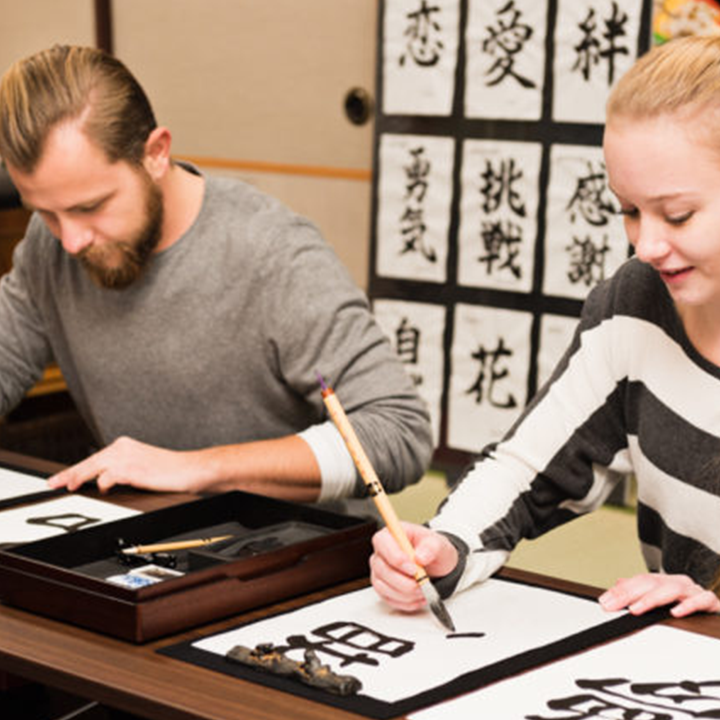
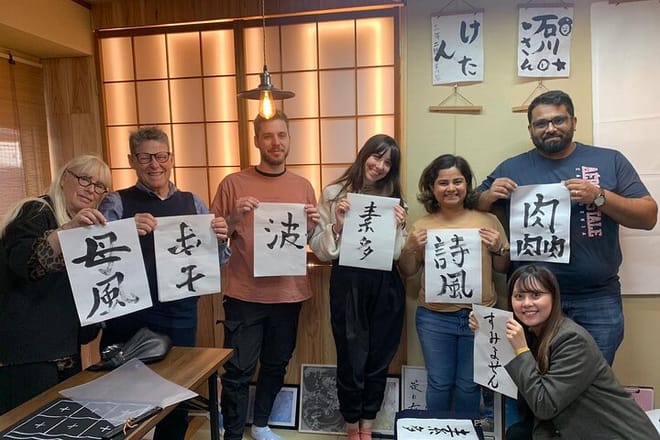
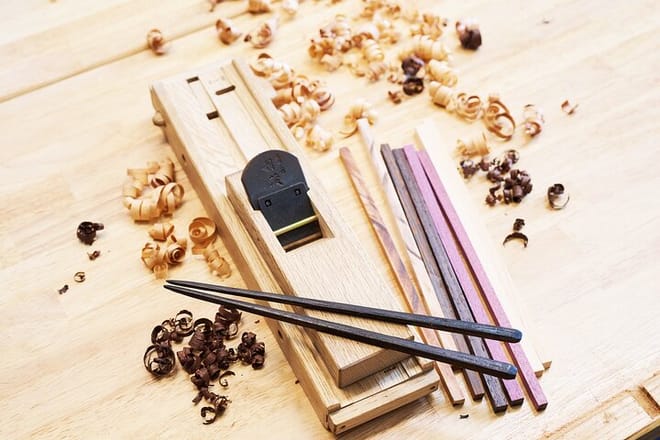
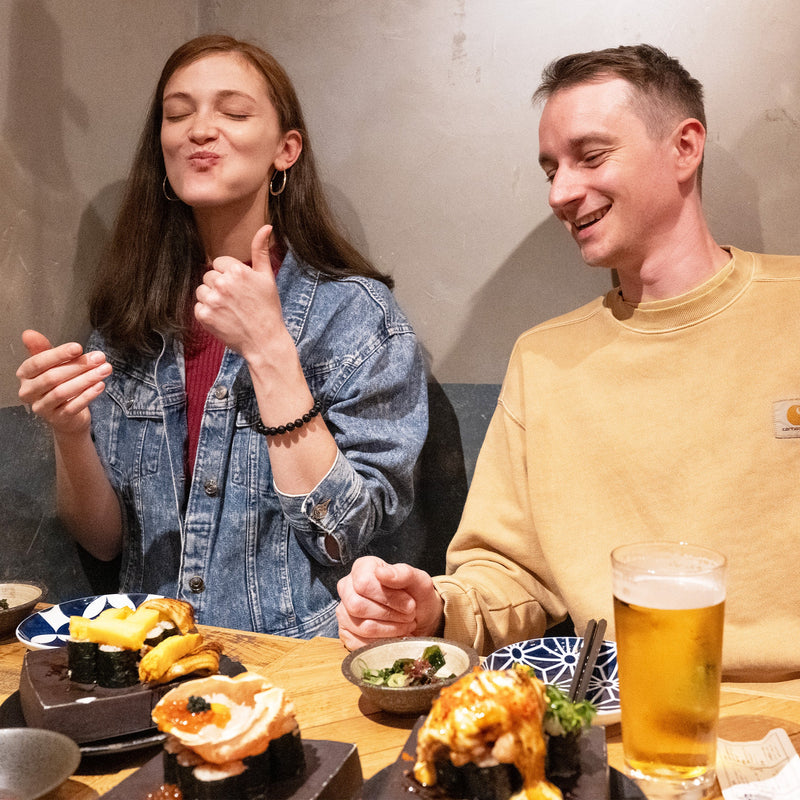
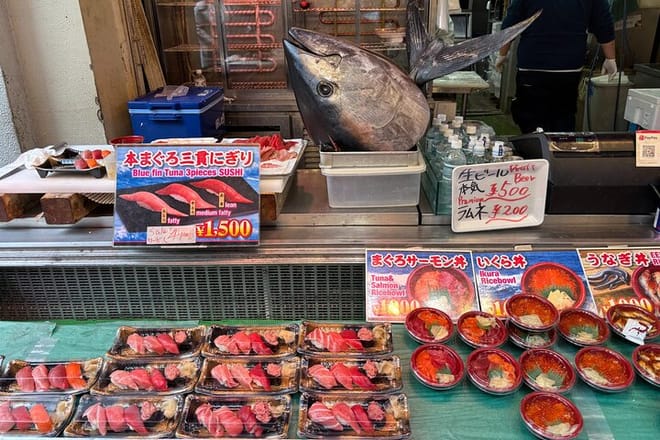
Chopstick-making and calligraphy workshops, for example, have everyone working on the same task, making it easy for participants to interact. An evening food tour through a dining district can also work well as an icebreaker, giving participants a chance to relax and get to know one another. You can find programs that fit around your event dates in the lists of Japanese cultural experiences and food tours run by Japan Guide Star.
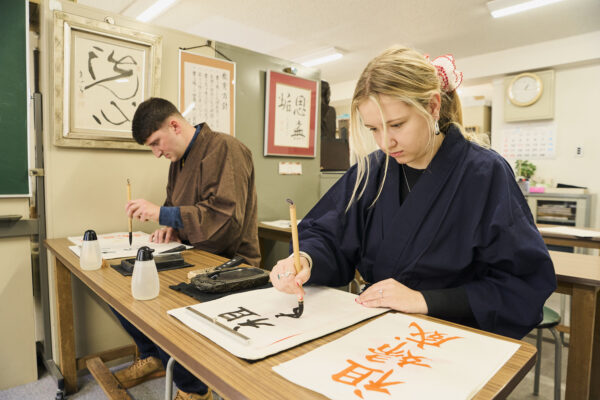
Tokyo: Calligraphy Workshop & Original T-Shirt Creation
You’ll begin by exploring the fascinating history of kanji and its evolution
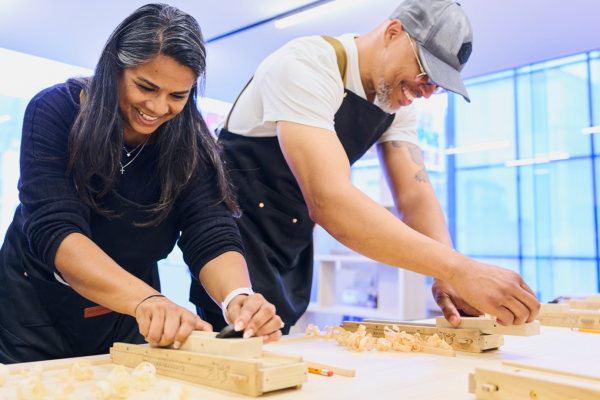
Tokyo Chopstick Making Workshop in Ginza
Accommodation and On-the-Day Participant Support
Book accommodation at the same time as the venue. If there aren’t enough rooms near the venue, you will need to spread guests across multiple hotels, which means arranging transfers for the morning meetup. Since participants arrive on different days and flights, also decide who will handle check-in coordination, temporary luggage storage, and rebooking when flights are delayed.
On the day, tasks include managing name badges and the participant list at reception, guiding speakers, briefing interpreters, handling equipment problems, and managing photography permissions. Decide in advance whether participants and speakers may be photographed and how photos and videos will be used. Where necessary, obtain individual consent.
When participants and venue staff speak different languages, requests at reception and catering changes can easily stall, so you need English-speaking staff to act as a bridge between the two.
Why Work With Japan Guide Star for Corporate Events in Tokyo: Strengths and Scope of Services
If you hire separate vendors for transportation, programs, accommodation, and on-the-day support after booking the venue, your contacts become scattered and coordination can become a heavy burden. Japan Guide Star (operated by Contents Like LLC) can handle all of these arrangements together, and its strengths and scope of services are outlined below.
Venue Arrangements, Accommodation, Transportation, and On-the-Day Operations in One Company
A company that handles transportation, accommodation, programs, schedule management, and on-the-day operations all together is called a DMC (Destination Management Company: a company that handles arrangements at the event destination). Japan Guide Star is a DMC with offices in Tokyo, Osaka, and Kyoto that covers this full scope through a single company.
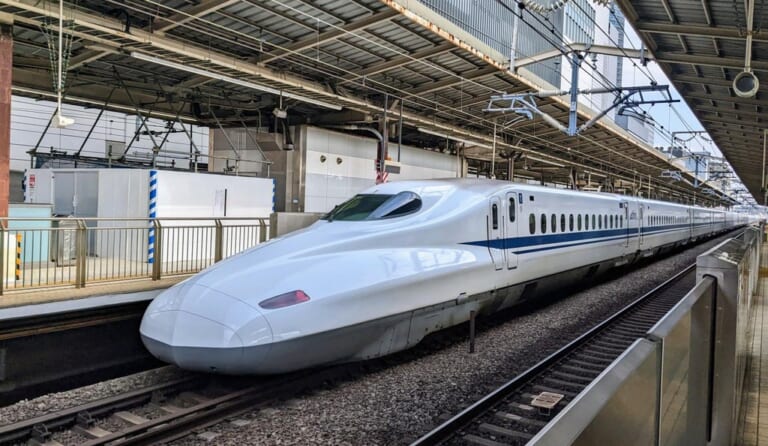
Japan Guide Star handles everything from small executive gatherings to events for 200 people. Its services include accommodation, chartered buses, private cars, shinkansen (bullet trains), and domestic flights, so you don’t need to deal with a different company for each leg. Adjusting arrangements when the group size or schedule changes is also easier. Support is available in English as well as French, Spanish, German, Chinese, and other languages.
Japan Guide Star is a registered travel agency (Tokyo Metropolitan Governor Registration No. 2-8877) and a member of JATA (Japan Association of Travel Agents).
In-House Cultural Experiences That Fit Into Pre- and Post-Event Programs
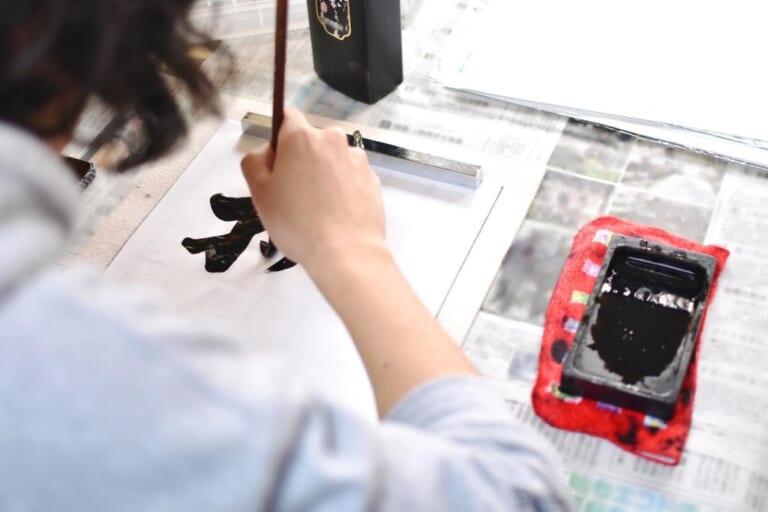
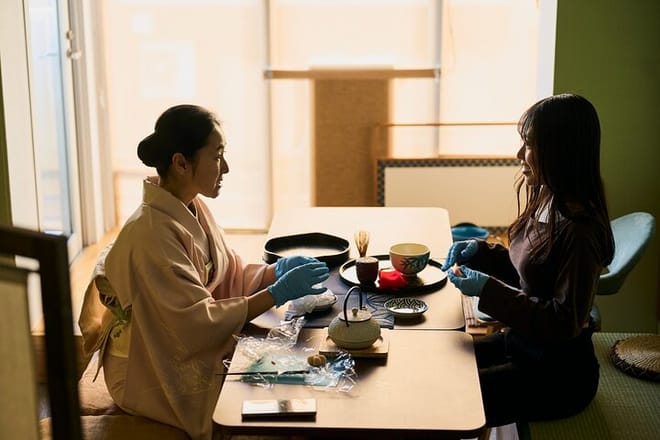
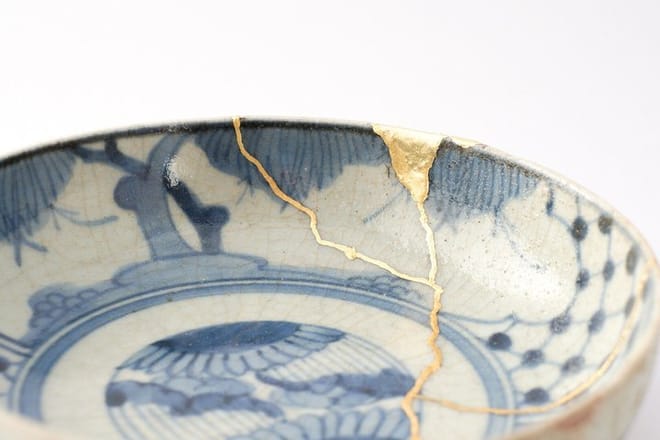
Because Japan Guide Star runs its own experience studios as well as handling arrangements, it can build pre- and post-event programs without subcontracting. In Tokyo, its base is Chopsticks Studio Shinjuku, a four-minute walk from Shinjuku Station, which offers chopstick-making, calligraphy, and kintsugi (a traditional Japanese technique of mending broken ceramics with lacquer and decorating the seams with gold). All are held indoors, with guidance in English and Japanese. The kintsugi workshop uses quick-drying materials, so participants can take their finished piece home the same day.
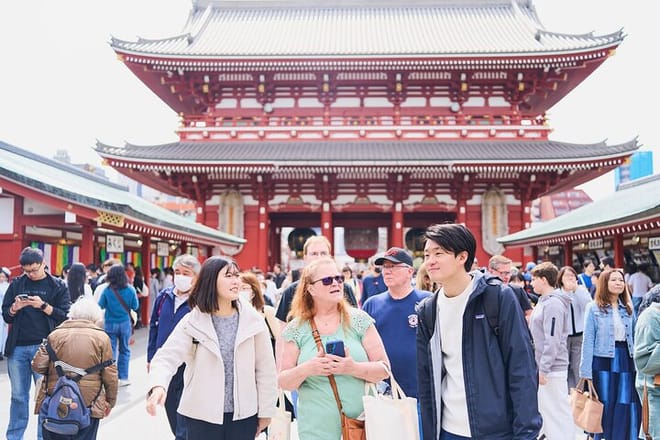
Origami jewelry-making is also offered in the same building. You can split participants into teams and run different experiences in parallel. There are also chopstick-making studios in Ginza, Asakusa (a three-minute walk from Kaminarimon), and Shibuya (about a five-minute walk from Shibuya Station). Chopsticks and calligraphy pieces can be taken home on the spot, so there is no need to arrange separate souvenirs.
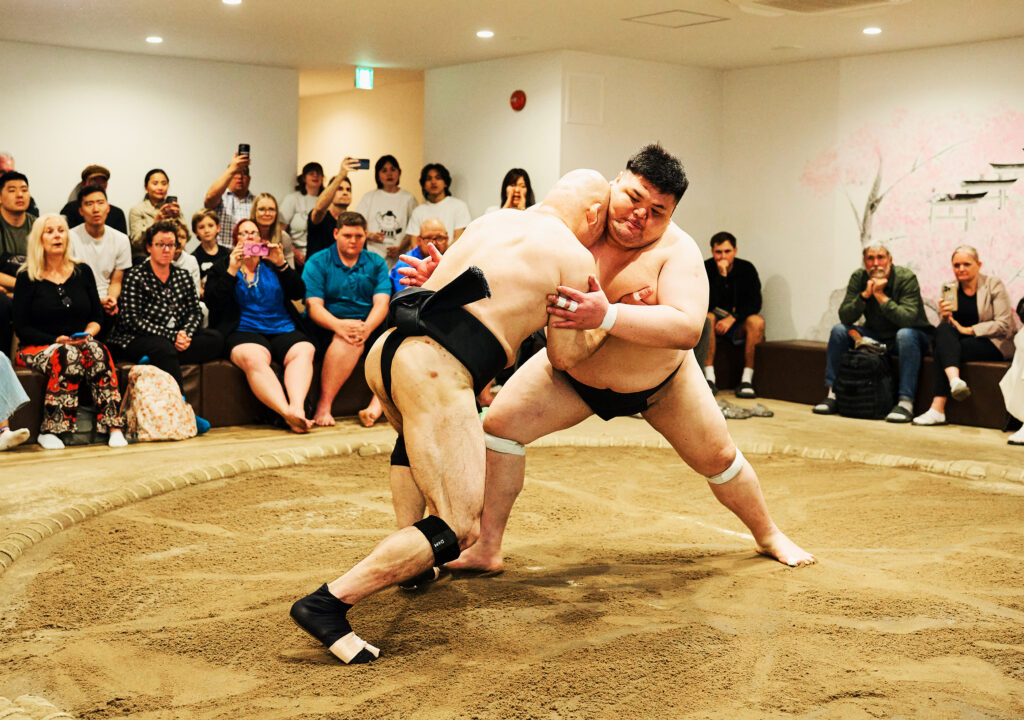
If your schedule includes Osaka, the same contact can also arrange Sumo Studio Osaka, which presents sumo shows performed by former rikishi (professional sumo wrestlers). The venue holds up to 53 guests, who watch live bouts on a dohyo (the sacred clay ring) just a few meters away. Those who wish can also step onto the dohyo and grapple with a former rikishi.
Details
| Experience | Area | Max. Participants per Session | Duration | Private Bookings |
|---|---|---|---|---|
| Chopsticks Studio Shinjuku | Shinjuku | 60 | 60 minutes | Available on request |
| Chopsticks Studio Ginza | Ginza | 30 | 60 minutes | Available on request |
| Chopsticks Studio Asakusa | Asakusa | 44 | 60 minutes | Available on request |
| Chopsticks Studio Shibuya | Shibuya | 44 | 60 minutes | Available on request |
| Tokyo: Calligraphy Workshop & Original T-Shirt Creation | Shinjuku | 24 | 90 minutes | Available on request |
| Tokyo: Japanese Gold Repair Kintsugi Workshop in Shinjuku | Shinjuku | 60 | 60 minutes | Available on request |
| Tokyo: Create Your Own Handmade Origami Jewelry | Shinjuku | 10 | 60 minutes | Available on request |
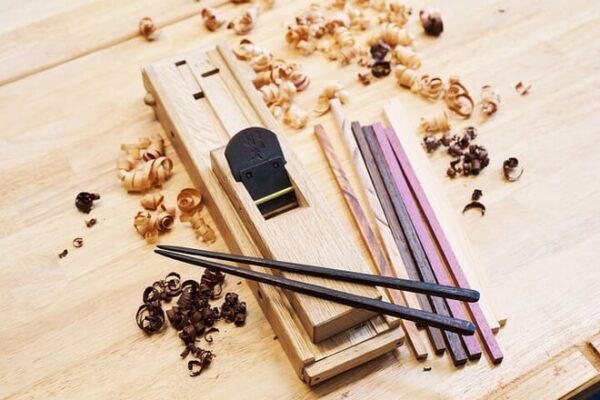
Tokyo Chopstick Making Workshop in Shinjuku
Tokyo: Calligraphy Workshop & Original T-Shirt Creation
You’ll begin by exploring the fascinating history of kanji and its evolution
Replies Within 24–48 Business Hours of Your Inquiry
Send the inquiry form with your event dates, number of participants, and purpose, and a staff member will reply within 24–48 hours on business days. From there, you will have an online meeting and then receive a quote, so the entire process can be handled from overseas and your plan finalized before you travel.
The recommended time to get in touch is 3–6 months before the event, but for cherry blossom or autumn foliage season or large-scale events, reaching out earlier makes it easier to secure venues and accommodation. The minimum group size is generally around 10 people, although small VIP arrangements are also available.
Contact Japan Guide Star about corporate event and DMC services
Extensive Experience Hosting Overseas Groups
Japan Guide Star works with travel agencies, corporate event planners, and MICE (a collective term for meetings, incentive travel, conventions, and exhibitions) organizers in Europe, North America, Australia, and Asia, and has experience hosting groups of different sizes and nationalities.
At its own facilities, Chopsticks Studio Shinjuku reached a cumulative 2,000 visitors about two months after opening and holds ratings of 4.9 in OTA (online travel agency) reviews and 5.0 on Google, based on an August 2026 press release. In July 2026, the official website of the Imperial Hotel Osaka also listed Sumo Studio Osaka as a recommended experience for hotel guests.
Common Questions About Corporate Event Venues in Tokyo
This section briefly answers a few questions not covered above that you might still have.
Can Museums and Art Galleries Be Rented as Event Venues?
Yes. The Tokyo Metropolitan Government runs a unique venue initiative that promotes museums, art galleries, gardens, shrines, and temples as corporate event venues. Registered venues include the Tokyo National Museum, Jiyu Gakuen Myonichikan, Kanda Myojin, and the North Observatory on the 45th floor of the Tokyo Metropolitan Government Building. The Unique Venue One-Stop Support Desk within the Tokyo Convention & Visitors Bureau handles inquiries for all of them.
How Long Does It Take to Get From Haneda Airport to Venues in Central Tokyo?
The Keikyu Line takes around 15 minutes to Shinagawa Station, while reaching Yurakucho or Ueno takes about 30–40 minutes, including transfers. International arrivals also involve immigration and baggage claim, so allow about two hours from landing to reaching the venue.
Is There a Tax on Participants’ Accommodation?
Yes. Tokyo’s accommodation tax currently exempts stays under ¥10,000 per person per night (excluding tax), charges ¥100 for stays from ¥10,000 to under ¥15,000, and charges ¥200 for stays of ¥15,000 or more. From April 1, 2027, stays under ¥13,000 per person per night (excluding tax) will be exempt, while stays of ¥13,000 or more will be taxed at 3%. For a ¥30,000 room rate (excluding tax), the accommodation tax would be ¥900 per person per night.
Source: Tokyo Metropolitan Government Bureau of Taxation, “Revision of the Accommodation Tax”
Can I Communicate With Venues if I Don’t Speak Japanese?
Many large convention centers and hotels handle inquiries in English. However, some venues issue quotes, contracts, and house rules in Japanese only. The Tokyo International Forum’s facility usage guide, for example, specifies Japanese as the contract language. Check at the outset whether you’ll need translation or someone to act as an intermediary.
Can I Book Tokyo Event Venues Directly Without a Planning Company?
Yes. For an internal meeting of around 10 people who are all staying in the same city, at a venue with an English-speaking contact that also handles food and drink, booking directly is faster. When conditions overlap, such as spanning multiple cities, running programs outside the venue, or requiring negotiations in Japanese, a DMC that serves as a single point of contact reduces the coordination effort.
What Are the Payment Methods and Cancellation Terms?
Payment to Japan Guide Star is made by international bank transfer in US dollars, euros, or Japanese yen. Invoice payment with agreed payment terms is also available for agencies with an ongoing business relationship. Experience programs generally need to be confirmed 30–60 days in advance, while venue cancellation policies apply separately. Confirm conditions such as deposits and tiered cancellation fees when requesting a quote.
Start With Group Size and Layout When Choosing a Tokyo Event Venue
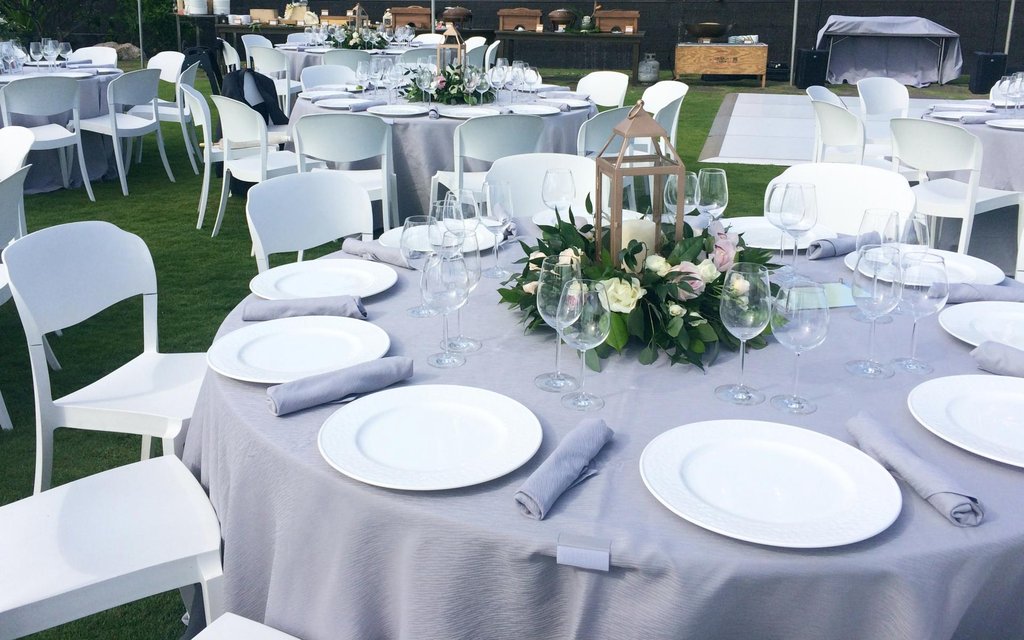
Choosing a corporate event venue in Tokyo starts with deciding the number of participants and the layout, then narrowing down facilities that fit the scale and purpose. Once you have candidates, confirm costs beyond the venue fee, catering conditions, and provisional booking deadlines in your first inquiry so that internal approval and sign-off from your overseas headquarters can proceed without delays.
Transportation, accommodation, and on-the-day operations still lie ahead after the venue is secured, so choose an arrangement partner who can support those later stages as well. The Japan Guide Star service page outlines the scope of arrangements beyond the venue, along with the in-house cultural experiences that can be added before or after your event, and can serve as material for your internal review.