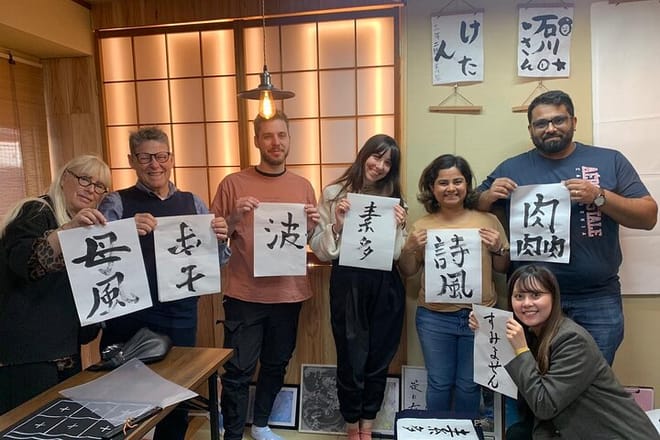
Tokyo has shodo (Japanese calligraphy, the traditional art of brush writing) classes designed for visitors and offered in English. Even when a listing says “English available,” the actual level of instruction can differ from one class to another. Pricing and what is included in the fee can vary just as widely. With only a limited number of days in the city, comparing booking and cancellation terms on top of everything else can take more time than visitors have.
Shinjuku, Roppongi, and other central areas offer English-friendly calligraphy classes, with differences in price, session length, take-home artwork, and booking methods. Four points are worth checking before you reserve, and a side-by-side comparison of four selected workshops makes those differences easy to see.
Tokyo Has Several English-Friendly Calligraphy Classes Open to Visitors
Many calligraphy classes in Tokyo operate on a monthly tuition system. Several areas also host visitor-oriented workshops where you complete a piece in a single session and take it home, and some classes let you show up without bringing any materials.
Shinjuku holds workshops every day, while Roppongi and Yoyogi offer classes with a different focus. Comparing their features helps you choose one that fits your accommodation and schedule.
Shinjuku Runs English Calligraphy Workshops Every Day
In the Shinjuku area, several classes hold English-friendly calligraphy workshops several times a day, making it easy to fit one into a travel itinerary.
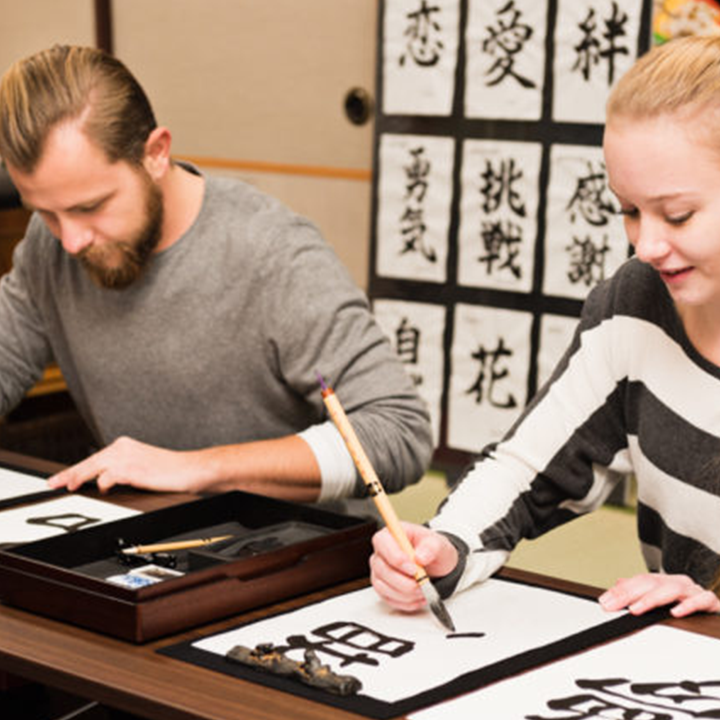
Sessions usually run for 60–90 minutes, starting with the basics, such as how to hold the brush and draw horizontal and vertical strokes, before ending with a finished piece of your own. The shikishi you write on—a thick paper board used for displaying calligraphy—goes home with you, along with any kanji name piece the class produces.
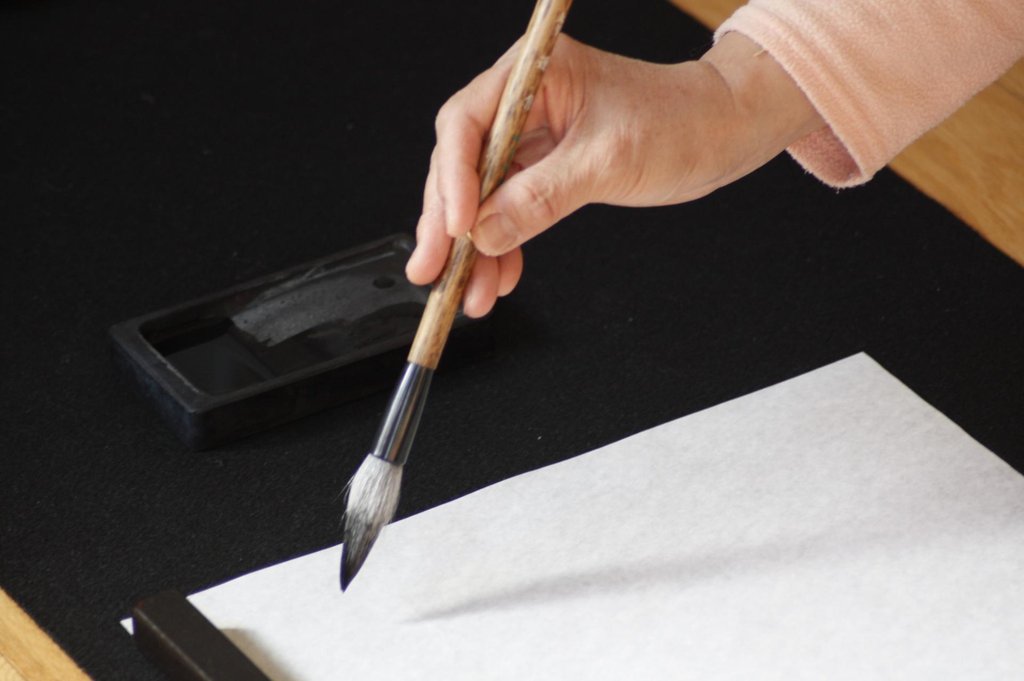
Supplies are not a concern either. The class provides brushes, sumi ink, a suzuri (the inkstone used for grinding ink), and paper. Staff also help you deal with ink stains, so you can drop in wearing whatever you have on for sightseeing. A few practical details before you join:
- Duration: 60, 75, or 90 minutes, depending on the class and course
- What to bring: Nothing; the class prepares the full set of tools
- Take-home: Your finished shikishi or kanji piece, handed to you on the spot
Many travelers pass through Shinjuku to stay overnight or change trains, making it easy to fit a session between morning sightseeing and dinner.
Tokyo: Calligraphy Workshop & Original T-Shirt Creation
You’ll begin by exploring the fascinating history of kanji and its evolution
Roppongi and Yoyogi Also Have Classes You Can Join in English
Beyond Shinjuku, Roppongi and Yoyogi both offer English-friendly calligraphy experiences. Each has its own character, so choose based on the style you want.
Roppongi has a combined studio where calligraphy is paired with making your own stamp and decorating an uchiwa (a round, rigid Japanese hand fan). The studio is a three-minute walk from Roppongi Station, making it convenient to fit between sightseeing stops, and suits anyone who wants to try several Japanese crafts in a single visit.
In the Yoyogi area, a calligrapher who normally teaches Japanese students provides one-on-one instruction from the basics using English-language materials. A private lesson leaves room to work slowly through brush movements and the differences between script styles.
Both experiences require advance reservations. Their booking terms also differ from those of the Shinjuku classes: the Roppongi studio asks for advance notice for groups of 10 or more, while the Yoyogi class has an earlier deadline for cancellations and changes. Once your accommodation and dates are set, check availability early
Four Points Visitors Find Hardest to Judge When Choosing a Calligraphy Class
Even when a listing states “English available,” the level of instruction can differ from class to class. Prices, booking methods, and cancellation terms can vary just as widely. Four points are especially easy to overlook: what “English support” actually means, what the fee includes, how the booking is confirmed, and how cancellation terms vary. Checking these details before booking can help you avoid surprises and choose a class that fits your needs.
1. What “English Support” Means Differs by Class
A booking page may say “English OK,” but what lies behind that phrase can vary widely. Book without checking, and the explanations on the day may turn out to be mostly in Japanese.
There are two main patterns. In one, the instructor teaches directly in English. In the other, the instructor teaches in Japanese, supported by English handouts or translation tools. With the latter, fine details such as the angle at which you hold the brush or how much ink to load can be harder to clarify in the moment.
Three questions can clear up any doubt before booking:
- Does the instructor teach directly in English, or is it English materials plus Japanese instruction?
- What is the instructor’s level of English: fluent conversation or simple phrases only?
- What backup is available if communication becomes difficult, such as interpreting staff or translation apps?
An email in English is perfectly fine. Asking, “Will the instructor teach in English, or will you use English materials with Japanese instruction?” should give you a clear answer about the teaching method.
2. What the Fee Covers Is Hard to Pin Down
At most classes, the experience fee covers the basic tools (brush, ink, paper) and lets you take home the shikishi you wrote that day. Printing your calligraphy on a T-shirt, having it mounted as a kakejiku (a traditional Japanese hanging scroll), or carving an original stamp may cost extra.
Examples of add-on pricing include:
- T-shirt: One class charges an additional fee of about ¥4,000
- Custom shikishi or scroll mounting: ¥1,000–¥10,000, with wide variation between classes
- Extra group members: A per-person charge may apply once you exceed the number of participants included in the base fee
Before booking, confirm three things by email or booking form: which piece you can take home as part of the base fee, what additional options are available and how much they cost, and whether the base price changes with group size. Also check whether the information page clearly states that materials are included.
If you would like a piece with your name in kanji or an original T-shirt, the workshop below provides details on its options and pricing.
Tokyo: Calligraphy Workshop & Original T-Shirt Creation
You’ll begin by exploring the fascinating history of kanji and its evolution
3. Booking Methods Are Not the Same
Reservation systems generally fall into two types. With instant booking, you choose a date and time from a calendar, pay, and receive confirmation on the spot. With request booking, you send your preferred date through an email or form and wait for the organizer to reply.
On a short trip, the reply-and-wait method carries the risk that your booking may not be confirmed in time. Responses can take one to two business days, and some classes leave the booking unsettled until shortly before your preferred date. On an itinerary of only three to five days, that may be difficult to work around.
On the booking page, look for these signs:
- Instant confirmation: A calendar and “Book Now” button, followed by a confirmation email as soon as payment goes through
- Reply-and-wait: An inquiry form or email/WhatsApp exchange, with wording such as “We will confirm your booking”
If you choose the reply-and-wait type, check whether the booking page or FAQ states an expected response time. If nothing is stated, contact the class as early as possible and leave plenty of flexibility in your schedule.
4. Cancellation Terms Vary Widely
Cancellation terms vary widely across classes, so check them before you book.
Some classes allow free cancellation up to 24 hours before the start. Others use a sliding scale: 20% from eight business days before the session, 50% at three business days, and the full amount from the day before. At some classes, cancelling after 2:00 pm on the previous day means paying the full amount. If weather or other circumstances might force a change of plan, check the free cancellation deadline as well.
Items to check before booking:
- Free cancellation deadline: 24 hours before, 72 hours before, or earlier
- Cancellation fee: What percentage applies once the deadline passes
- Rescheduling: Whether you can change the date instead of cancelling
- Emergency contact: Whether you can reach the class by email, phone, or an online form
Cancellation policies are sometimes tucked away on a Details or Terms of Use page, so read them before you pay. If the terms are unclear, ask, “What is your cancellation policy?” in advance.
Four Recommended Calligraphy Workshops in the Tokyo Area
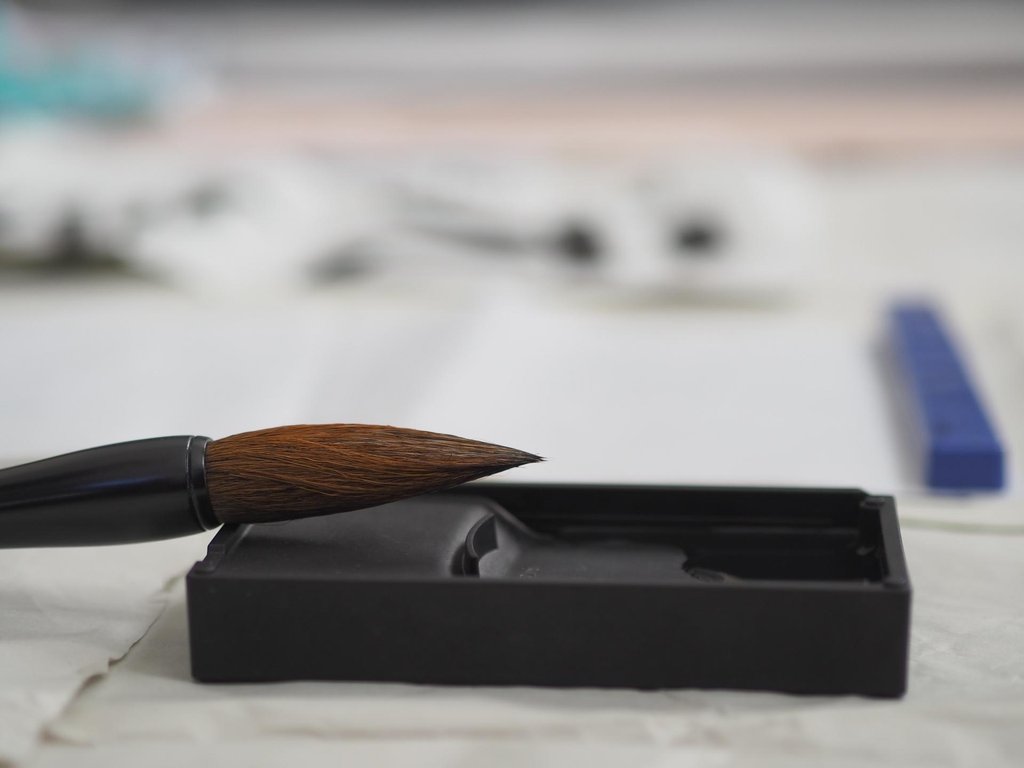
Four calligraphy workshops in Shinjuku, Roppongi, Yoyogi, and Ueno stand out, each with its own pricing, session length, booking method, and approach to English.
Whether you want to write your name in kanji, make an original T-shirt, carve a stamp, or take one-on-one lessons with English materials, each workshop takes a different approach.
Tokyo: Calligraphy Workshop & Original T-Shirt Creation | Turn Your Name Into a Kanji Artwork
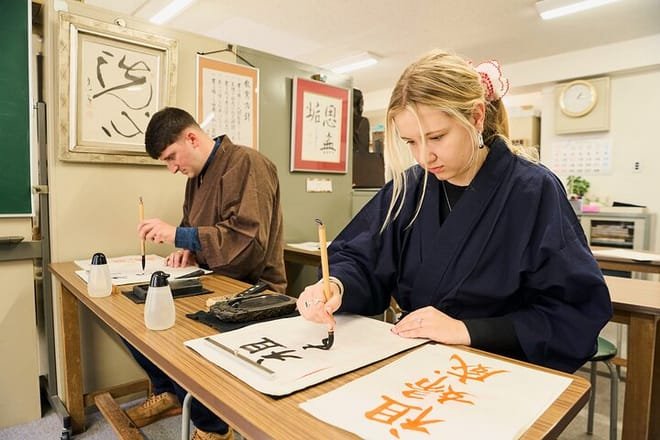
Writing your own name in kanji is what sets this workshop apart.
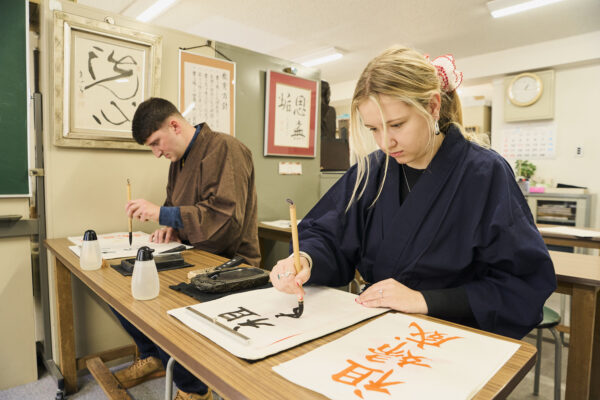
In Japan Guide Star’s Tokyo: Calligraphy Workshop & Original T-Shirt Creation, you spend about 90 minutes learning how kanji developed, practicing basic brushwork, and then writing your name using characters selected by the instructor. You take the finished piece home, and if you like, you can sign up on the spot to have it made into a T-shirt or hanging scroll.
The instructor teaches directly in English, including details such as brush angle and how much ink to use. Sessions start four times a day at 10:00 am, 12:00 pm, 2:00 pm, and 4:00 pm, so you can choose a time that fits your sightseeing plans. Cancellation is free up to 24 hours before the start, leaving some flexibility if your plans change because of weather or other circumstances.
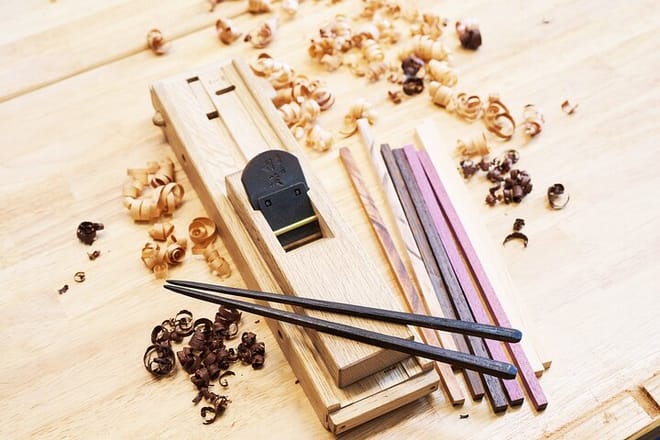
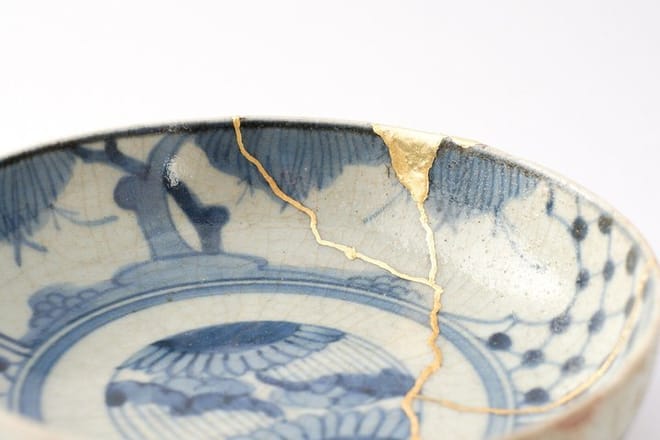
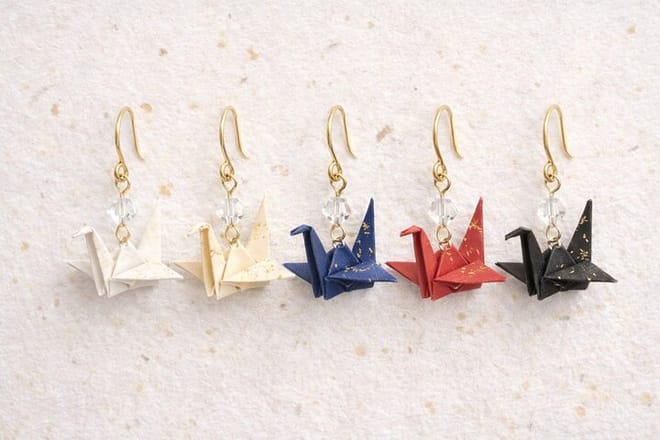
The building that houses the meeting point, Chopsticks Studio Shinjuku, also hosts workshops in origami jewelry and kintsugi (the Japanese technique of repairing broken ceramics with lacquer and gold), making it possible to experience several Japanese crafts in the same area. See the full list of Japanese cultural experiences run by Japan Guide Star here.
Details
| Item | Information |
| Meeting point | Chopsticks Studio Shinjuku (Higashi Building 8F, Kabukicho, Shinjuku-ku) / about a 5-minute walk from Seibu-Shinjuku Station; about an 8-minute walk from the East Exit of JR Shinjuku Station |
| Duration | About 90 minutes (four times daily: 10:00 am / 12:00 pm / 2:00 pm / 4:00 pm) |
| Included in the fee | Full set of calligraphy tools; kanji name artwork; English guidance from the instructor |
| Booking site | https://japanguidestar.com/tour/tokyo-calligraphy-workshop-original-t-shirt-creation/ |
| Suits | Travelers who want a one-of-a-kind piece with their name on it; families and groups |
Tokyo: Calligraphy Workshop & Original T-Shirt Creation
You’ll begin by exploring the fascinating history of kanji and its evolution
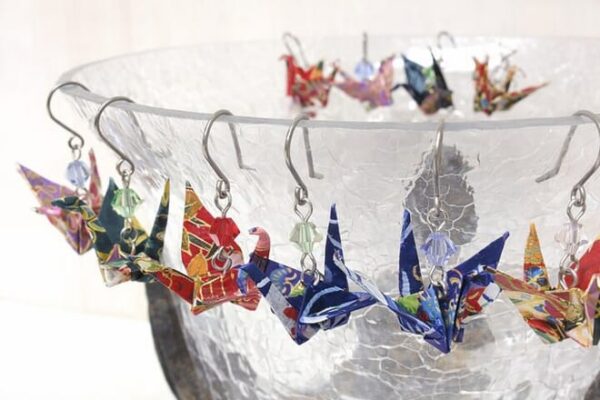
Tokyo: Create Your Own Handmade Origami Jewelry
Discover the beauty of traditional Japanese craftsmanship in this hands-on origami workshop.
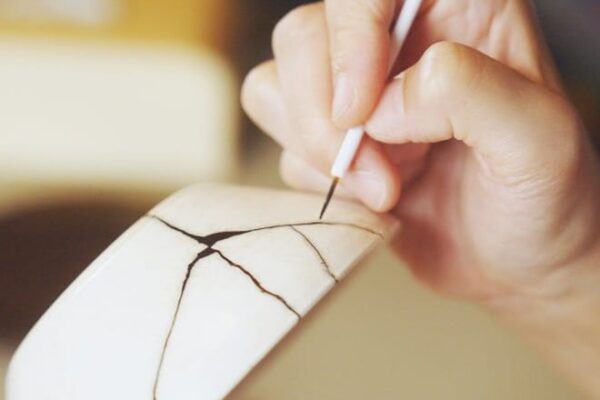
Tokyo: Japanese Gold Repair Kintsugi Workshop in Shinjuku
Shodocafe 7557 | Have a Stamp Carved With Your Name
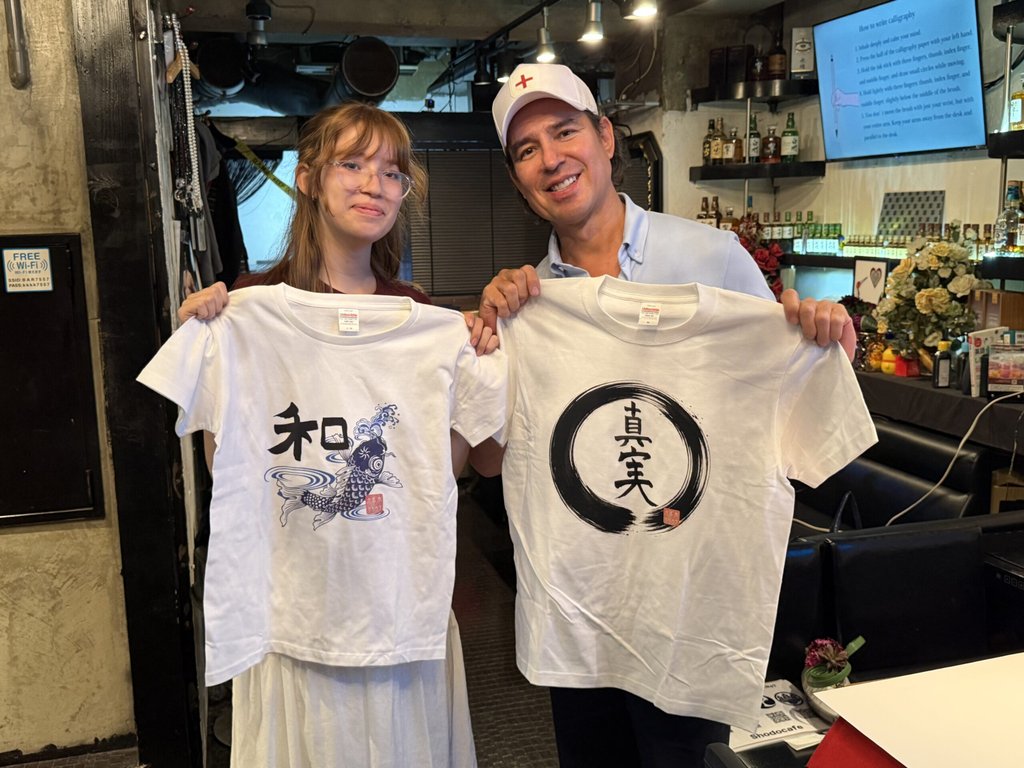
At Shodocafe 7557, the calligraphy session comes with a stamp carved with your own name.
Sessions run 60–90 minutes and combine two hands-on activities: writing kanji on a sensu (a folding Japanese fan) or hanging scroll, and watching the instructor carve your name in hiragana onto a stamp. The base fee is ¥8,800, or ¥6,600 for children aged 12 and under, and includes a souvenir set with a keychain.
Booking normally goes through Square, the online booking system linked from the official site. Same-day slots may sometimes be available, so you can also inquire by email or WhatsApp. The studio can arrange private bookings for groups of 10 or more, as well as school trips.
Details
| Item | Information |
| Address | Crest Roppongi 2F, 7-9-3 Roppongi, Minato-ku, Tokyo (about a 3-minute walk from Exit 7 of Roppongi Station) |
| Hours | Mon–Fri 11:00 am–6:00 pm; Sat–Sun 11:00 am–8:00 pm |
| Closed | Open year-round |
| Official site | https://www.shodocafe7557.com/ |
| Suits | Travelers who want several personalized keepsakes; those considering an evening or group visit |
Miyazaki Calligraphy Class | One-on-One Lessons From the Basics With English Materials
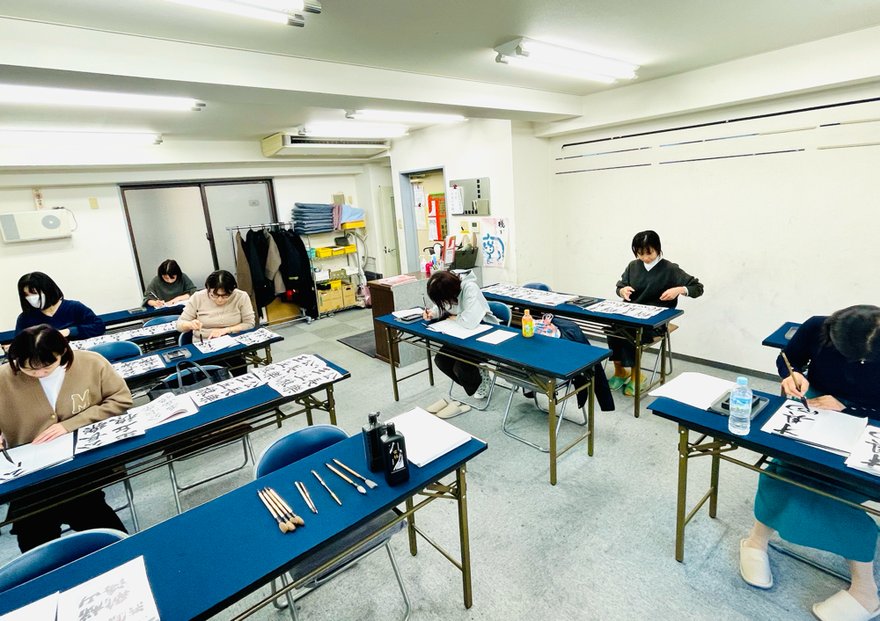
For those who would rather learn one-on-one from a professional calligrapher than join a group session, Miyazaki Calligraphy Class offers a private alternative.
An instructor who normally teaches Japanese students uses English-language materials with travelers, covering how to hold the brush and the fundamentals of brush movement. Lessons last 75 minutes and are private. All tools are provided, so you can arrive empty-handed, and your finished work goes home with you.
Booking starts with an inquiry form on the official site to arrange a date and time, followed by advance payment through PayPal. The class holds lessons Tuesday through Saturday only, and date changes are not permitted within seven days of the lesson. Confirm your schedule before applying.
Details
| Item | Information |
| Address | Yoyogi Green Heim #106, 2-24-1 Yoyogi, Shibuya-ku, Tokyo (about a 7-minute walk from the South Exit of Shinjuku Station) |
| Hours | Mon 6:30 pm–9:00 pm; Tue 6:00 pm–8:30 pm; Wed–Thu 3:00 pm–10:15 pm; Fri 4:45 pm–8:30 pm; Sat 9:30 am–7:45 pm; Sun 10:30 am–3:45 pm Lesson times vary by day of the week and by week. |
| Closed | Open year-round |
| Official site | https://www.calligraphy-lesson.com/ |
| Suits | Beginners who want thorough grounding through private instruction; those aiming to improve |
Manji Shodo UENO/ASAKUSA | Choose a Plan to Match Your Purpose and Group Size
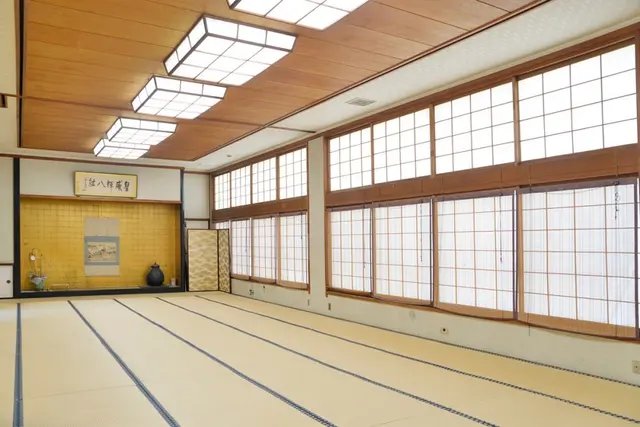
If Asakusa and Ueno are already on your itinerary, Manji Shodo UENO/ASAKUSA lets you fit a calligraphy session into that route.
The official site lists several courses, from a 60-minute standard plan to a 90-minute private plan, so solo travelers, families, and groups can choose an option that suits their needs. When booking, you provide your preferred date and time slot, number of participants, and children’s ages, making the process straightforward once your itinerary is set.
Cancellation is free up to eight days before the session, with a fee of roughly 50% on the day before and 100% on the day itself. Hours of 10:00 am–7:00 pm also make it easy to stop by between Kaminarimon Gate and Tokyo Skytree, or fit a session between morning and afternoon sightseeing in Asakusa.
Details
| Item | Information |
| Address | 3-29-8 Higashi-Ueno, Taito-ku, Tokyo 110-0015 (Shitaya Jinja Kaikan, the Shitaya Shrine hall) |
| Hours | 10:00 am–7:00 pm |
| Closed | Open year-round |
| Official site | https://www.shodoexperiencejapan.com/ |
| Suits | Travelers who want a session between stops in Asakusa and Ueno; those who want flexibility in matching a plan to group size and purpose |
Comparison Table: The Four Tokyo Calligraphy Classes Side by Side
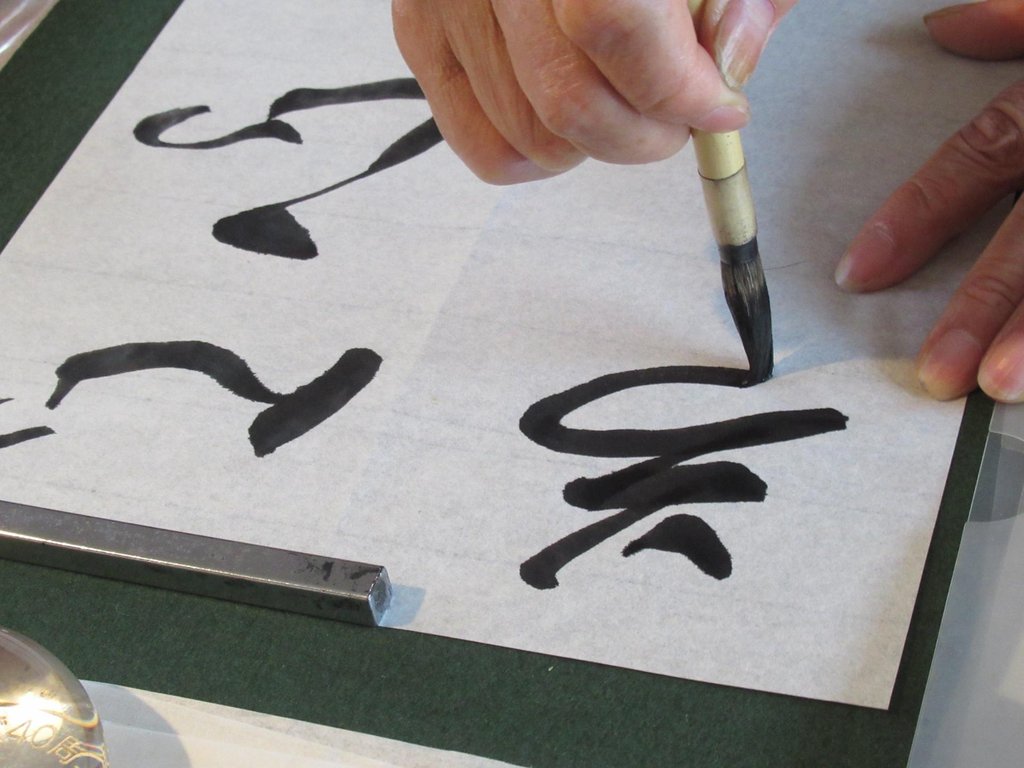
Comparing four classes means clicking back and forth between official sites, which takes time. The table below brings together the nearest stations, the form English support takes, what the fee includes, how to book, and the cancellation terms.
| Item | Tokyo: Calligraphy Workshop & Original T-Shirt Creation | Shodocafe 7557 | Miyazaki Calligraphy Class | Manji Shodo UENO/ASAKUSA |
|---|---|---|---|---|
| Nearest station (on foot) | Seibu-Shinjuku Station, about 5 min. | Roppongi Station, about 3 min. | South Exit, Shinjuku Station, about 7 min. | Ueno and Asakusa area |
| English support | Instructor leads in English | Sessions run in English | English materials plus instruction | Sessions run in English |
| Included in the fee | Full tool set; kanji name artwork | Full tool set; name stamp; souvenir set | Full tool set; take-home artwork | Full tool set; take-home artwork |
| How to book | Online booking (instant confirmation) | Online booking (Square); WhatsApp for same-day | Form inquiry plus advance PayPal payment | Application via official site |
| Cancellation | Free up to 24 hours before | Advance notice required | 50% refund up to 48 hours before | Free up to eight days before |
Information current as of September 2026. Check the official sites for the latest details.
Tokyo: Calligraphy Workshop & Original T-Shirt Creation
You’ll begin by exploring the fascinating history of kanji and its evolution
Common Questions About Calligraphy Classes in Tokyo
Before booking a calligraphy class, many travelers wonder whether beginners are welcome or whether ink might ruin their clothes. Five questions come up again and again: whether prior experience is required, whether you can turn your name into kanji, whether you can take your work home, what to wear, and whether group bookings are available.
Can I Join With No Calligraphy Experience?
Complete beginners are welcome. Workshops for travelers start from scratch, walking you step by step from grip and posture to preparing the ink and drawing lines.
Not being able to read kanji is no obstacle either. The instructor demonstrates each character in front of you, and simply following those brush movements can produce a recognizable result. Some classes also let you ask what a character means before deciding what to write. You practice on hanshi (the thin Japanese paper used for calligraphy) until you are satisfied, then move on to the final piece, so mistakes during practice do not matter.
Can I Have My Name Written in Kanji?
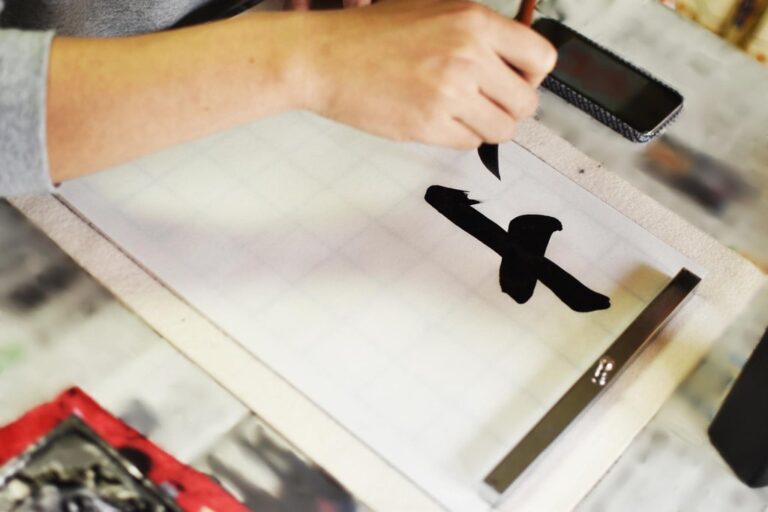
Yes. At most classes, the instructor selects kanji that match the sounds of your name and writes a model for you to follow. You then use the brush yourself to complete the piece.
Instructors consider not only the sounds but also the meaning of each character, the beauty of its form, and its auspiciousness. As a result, the same name, such as “Sarah,” can produce a different combination at different classes. Finishing your work on shikishi is standard, while some classes also offer options for writing on a hanging scroll or uchiwa
Can I Take My Work Home the Same Day?
Yes. Your finished piece goes home with you on the day of the workshop. Calligraphy classes generally have you write on ready-made materials such as shikishi, a folding fan, or uchiwa, and on pieces of this size, the ink usually dries within the session. Hanging scrolls are mounted in advance, so you can take those home on the spot as well.
Large works that use a lot of ink, or pieces intended for hyogu (the mounting process that turns calligraphy into a hanging scroll), can take several days to dry. If you need a protective bag or tube for your finished work, ask when booking whether one is provided.
Will Ink Stain My Clothes?
Yes. Ink is extremely difficult to remove once it gets onto fabric. Its main component is soot, fine carbon particles that can work deep into the fibers, making them difficult to remove through ordinary home laundering. Brushing a sleeve against the inkstone or paper is also easy to do during a session, so plan what you wear accordingly:
- Wear dark colors: Black, navy, or charcoal gray can make ink marks less noticeable
- Avoid wide sleeves: They can easily catch on the inkstone, so short sleeves or sleeves that can be rolled up are safer
- Check for aprons: Some classes provide them, while others do not, so ask when booking
If your class does not provide an apron, a simple one from a 100-yen shop can let you focus on the brushwork without worrying about your clothes.
Can I Book for a Family or Group?
Yes. Almost every class accepts groups. Capacity per session ranges from small classes of 2–6 people to larger sessions of around 24, so check the limit in advance.
When booking, provide the number of participants, their age range, preferred date and time, and the purpose of the visit, such as a family trip or school excursion. The class can then suggest the most suitable plan. For groups of more than 10, some classes can arrange private sessions or use an alternative venue.
Larger groups can take longer to coordinate, so contact the class as soon as your itinerary is set to improve your chances of securing your preferred time.
Tokyo: Calligraphy Workshop & Original T-Shirt Creation
You’ll begin by exploring the fascinating history of kanji and its evolution
Bring Home a One-of-a-Kind Piece of Calligraphy From Tokyo
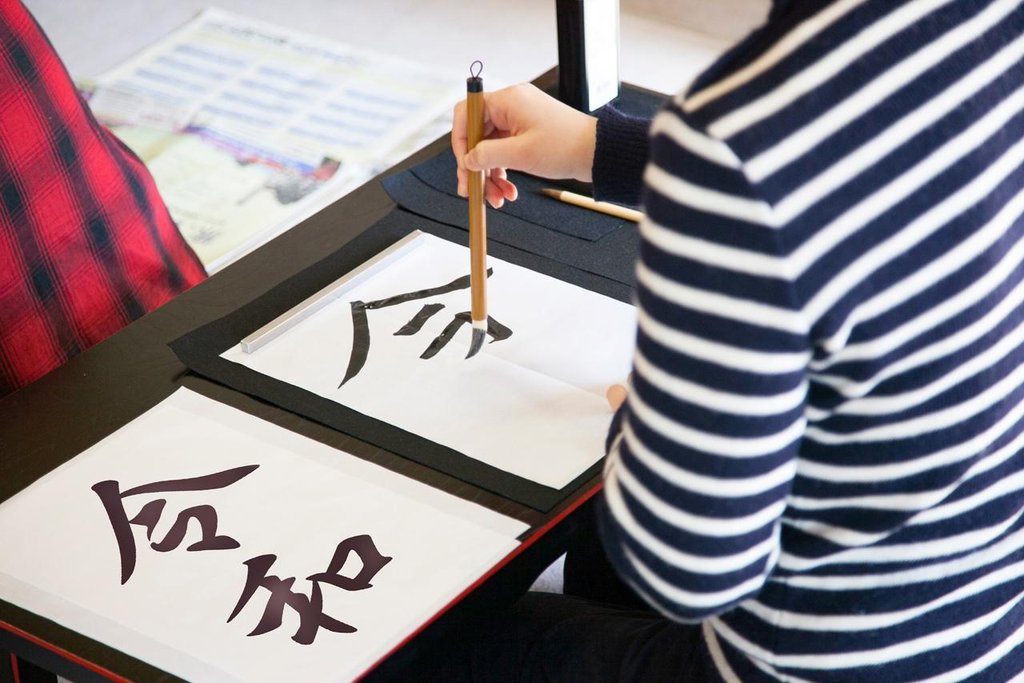
Calligraphy classes in Tokyo offer English support, locations within walking distance of stations, and all the basic tools you need, so visitors can join with minimal preparation. Fee structures, cancellation terms, and the work you take home vary by class, so compare them with your itinerary and the kind of experience you want.
As a memento of the trip, take home a piece of calligraphy that exists nowhere else.
For other Japanese cultural experiences beyond calligraphy, see the list of Japanese cultural experiences run by Japan Guide Star.