With so many attractions packed into Arashiyama, deciding what to prioritize can be a challenge for first-time visitors.
From temples and bamboo groves to river activities and local food, the sheer variety of experiences can feel overwhelming. This guide highlights six must-see sightseeing spots, five hands-on cultural activities, and three memorable dining experiences. You’ll also find practical advice on the best times to visit and important local etiquette to keep in mind.
With a little planning, you can explore Arashiyama with confidence and make the most of your visit.
Three Ways to Enjoy Arashiyama
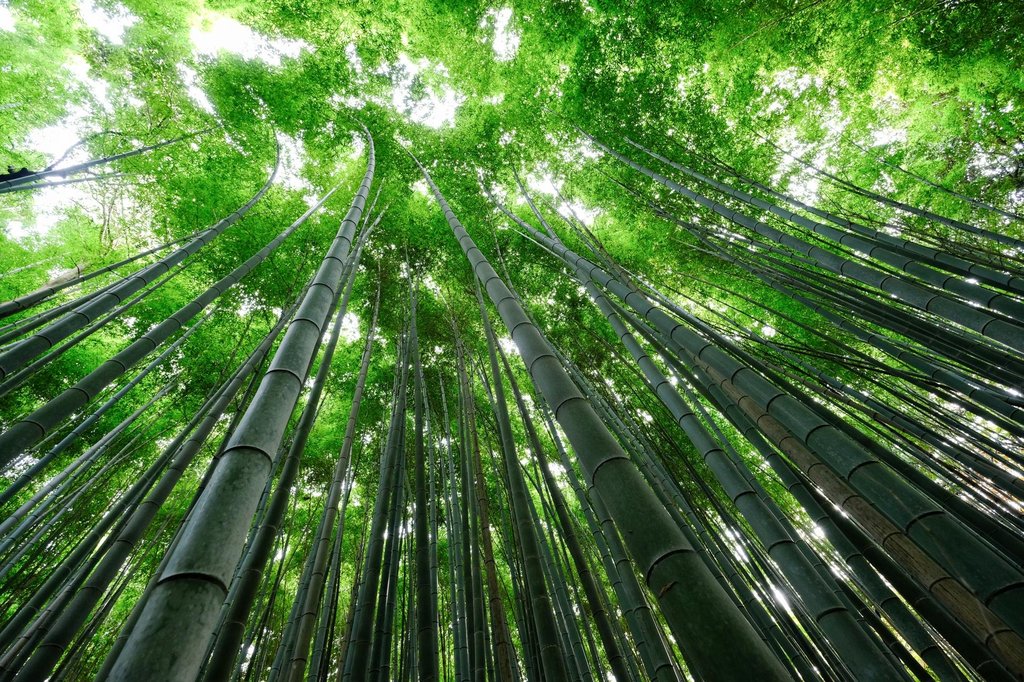
If you’re unsure where to start, Arashiyama’s attractions can be grouped into three broad categories: classic sightseeing spots (including a UNESCO World Heritage Site), hands-on cultural activities, and food experiences rooted in local traditions.
Understanding all three categories makes it easier to set priorities and build a plan that fits your style.
1. Explore Classic Spots Like the Bamboo Grove and World Heritage Sites
Arashiyama’s most famous attractions are concentrated within a compact area. The Bamboo Grove, Tenryuji Temple, and Togetsukyo Bridge are all located within roughly a 500-meter (1,640-foot) radius, making it possible to visit the area’s main highlights in as little as three hours.
Timing, however, can make a significant difference to your experience. The Bamboo Grove is at its most photogenic around 6 am or after 5 pm, when visitor numbers are lower. Tenryuji Temple is best visited when it opens at 8:30 am, allowing you to enjoy the garden in a quieter atmosphere. Plan to spend around an hour exploring the temple grounds.
After visiting the major landmarks, consider continuing into the Oku-Saga area. As the crowds thin out, you’ll discover lesser-known temples tucked away along peaceful lanes:
- Gio-ji Temple: A serene temple with a beautiful moss-covered garden
- Adashino Nenbutsu-ji Temple: A solemn site where roughly 8,000 stone statues stand in rows
- Otagi Nenbutsu-ji Temple: The most remote temple, where 1,200 unique stone figures line the approach
This combination of iconic and intimate is what gives Arashiyama its distinctive character.
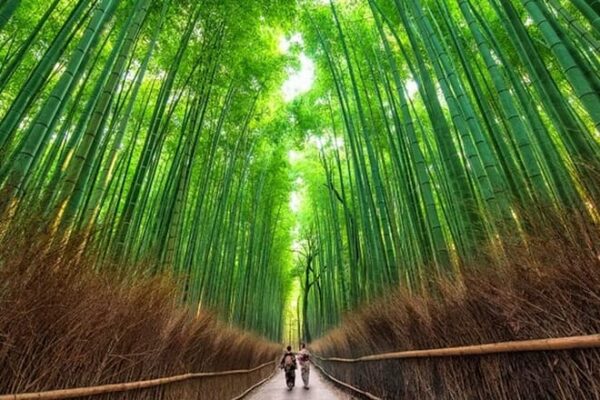
Kyoto: Arashiyama UNESCO Walking Tour with Admission
2. Try Hands-On Activities From Torokko Trains to Chopstick Making
Arashiyama’s appeal extends far beyond traditional sightseeing. Experiences such as the Sagano Torokko Train and the Hozu River boat ride allow visitors to engage with the area’s natural beauty in a more immersive way.
The table below organizes the main options by duration and cost.
| Activity | Duration | Approximate cost |
|---|---|---|
| Sagano Torokko Train | About 25 min. | ¥880 one way |
| Hozu River boat ride | About 2 hours | Around ¥6,000 |
| Chopstick-making workshop | 30–60 min. | From ¥1,080 |
| Kimono rental | 3–4 hours | ¥3,000–¥5,000 |
| Rickshaw ride | 1–2 hours | ¥3,000–¥9,000 |
Prices are subject to change. Please check the official website for the latest information.
The Sagano Torokko Train and the Hozu River boat ride are particularly well paired, as they showcase the same scenic gorge from two different perspectives. A popular route is to take the Torokko Train to Kameoka and then return downstream by boat, allowing you to experience both the land and water views in a single outing.
During the cherry blossom and autumn foliage seasons, reservations are strongly recommended, as both experiences are in high demand. Booking online in advance is the most reliable option.
For a hands-on cultural activity, the chopstick-making workshop is conveniently located just a one-minute walk from Randen Arashiyama Station (Keifuku Railway), making it easy to incorporate into almost any itinerary. During peak travel periods, reserving by phone can help ensure availability.
The completed chopsticks also make a unique and meaningful souvenir to take home from your visit to Arashiyama.
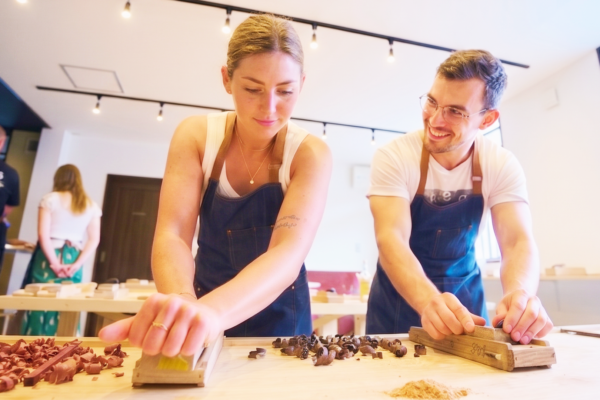
Kyoto Arashiyama Chopstick Making Workshop
3. Savor Shojin Ryori and Kominka Cafes for a Taste of Arashiyama
Eating in Arashiyama is itself a cultural experience, woven into the area’s history and daily life. The range of options includes shojin ryori (Buddhist vegetarian cuisine) served within a Zen temple and traditional sweets enjoyed in renovated kominka (historic Japanese houses).
Tenryuji Temple operates its own shojin ryori restaurant within the temple grounds, where guests can savor seasonal dishes while overlooking the celebrated garden. For courses priced at ¥5,000 and above, reservations are required at least three days in advance for parties of two or more. English-language menus are available.
Restaurants specializing in yudofu (simmered tofu) are also concentrated around Tenryuji Temple. In winter, a steaming pot of yudofu provides welcome warmth, while in summer, chilled tofu dishes offer a refreshing alternative.
Between sightseeing stops, taking a break at a café housed in a renovated kominka is another excellent way to experience Arashiyama’s atmosphere.
Three recommended dining spots are introduced in the dining section below.
6 Recommended Spots to Visit in Arashiyama
Arashiyama has no shortage of attractions, and narrowing down the list takes some thought.
The six locations featured here range from the area’s most iconic landmarks to the quieter, less-visited corners of Oku-Saga. For each spot, you’ll find practical information on what makes it worth visiting, how much time to allow, and strategies for avoiding the busiest periods.
Use them to build a route that works for a half-day visit or a full day out.
Arashiyama Bamboo Grove | Walk Through the Bamboo Tunnel at Dawn
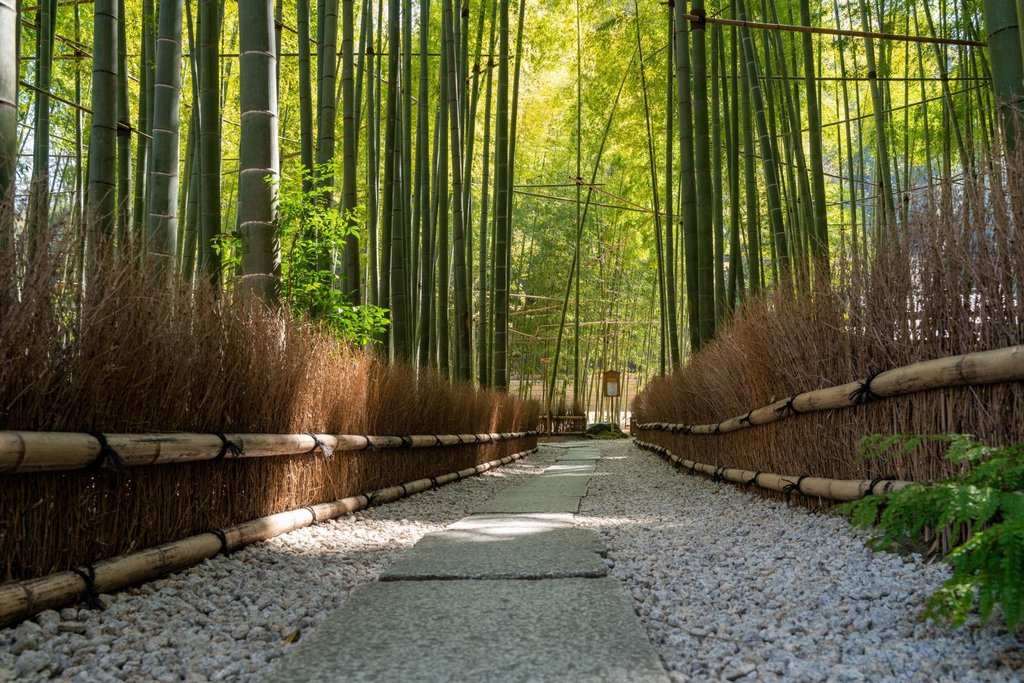
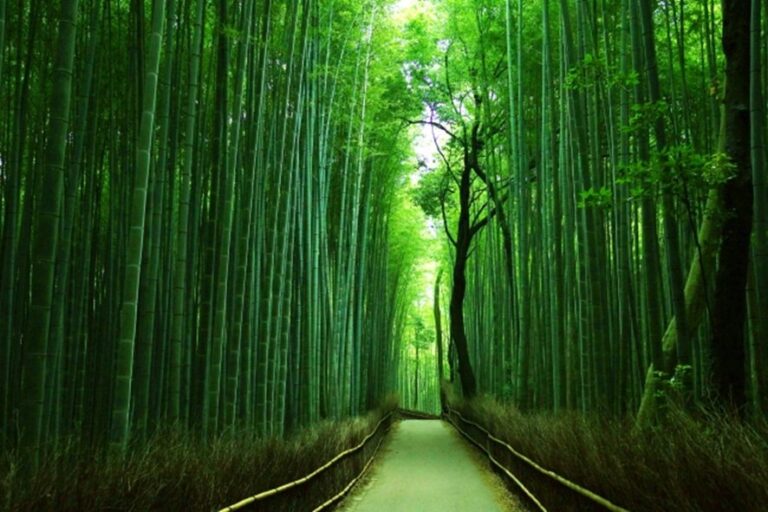
The Arashiyama Bamboo Grove, one of the area’s most iconic sights, features a towering tunnel of moso bamboo (a species of giant bamboo) stretching for approximately 400 meters (1,310 feet).
The sound of bamboo stalks clinking in the wind creates an atmosphere unlike anywhere else.
The path becomes extremely crowded during the day, so arriving between 7:00 am and 8:00 am is highly recommended. At that time, visitor numbers are still low, and the soft morning light filtering through the bamboo canopy creates ideal conditions for photography.
The Bamboo Grove connects directly to the north gate of Tenryuji Temple, making it easy to continue your visit seamlessly into the temple’s renowned garden afterward.
Details
| Address | Sagaogurayama Tabuchiyama-cho, Ukyo-ku, Kyoto |
| Hours | Open 24 hours |
| Closed | None |
| Website | Not listed |
| Best for | Visitors looking for photogenic shots; anyone who wants to enjoy the quiet of an early morning walk |
Tenryuji Temple | Admire the World Heritage Garden
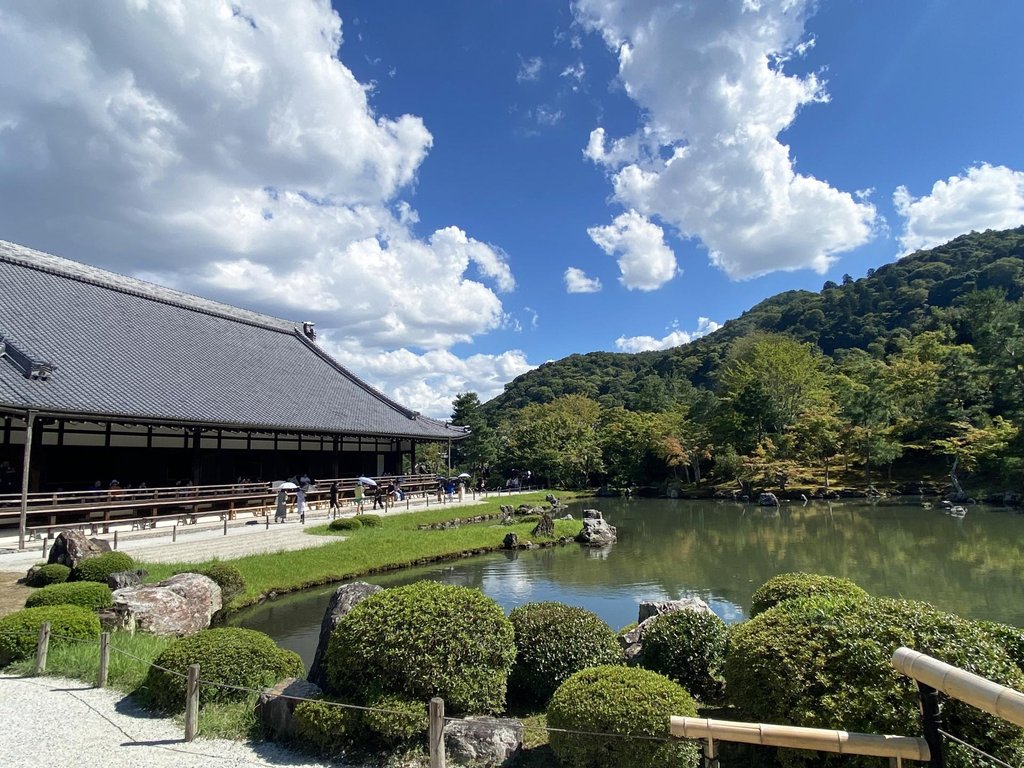
Founded in 1339, Tenryuji Temple is designated as a UNESCO World Heritage Site.
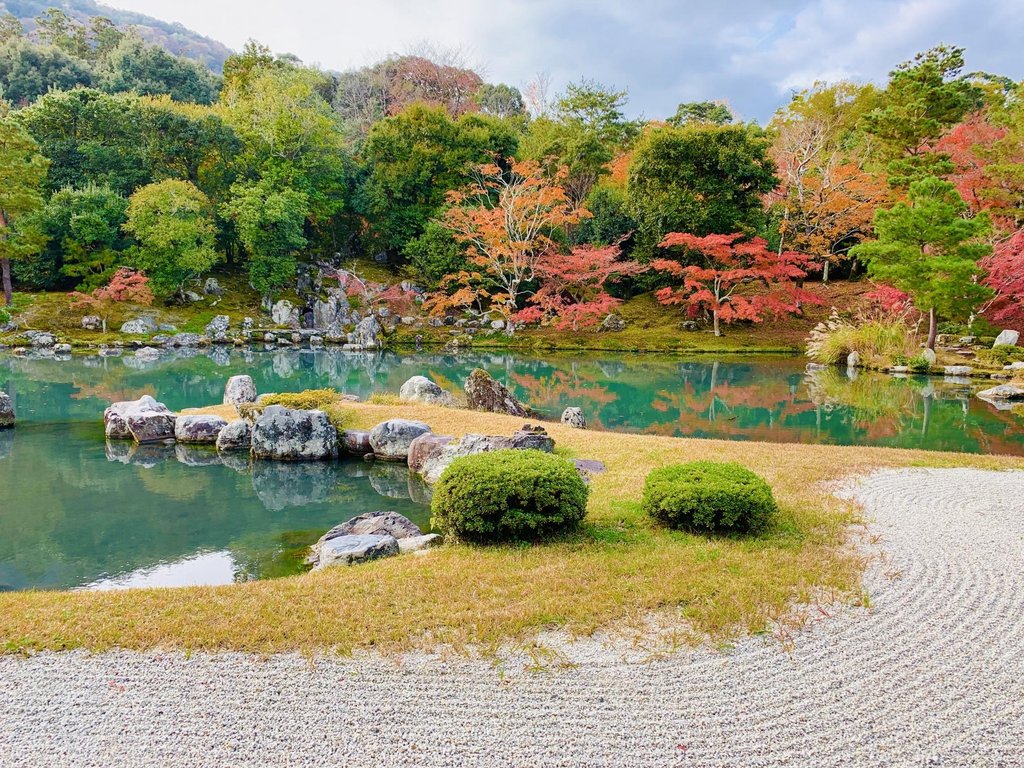
Its most celebrated feature is the Sogenchi Pond Garden. Designed using the shakkei (“borrowed scenery”) technique, the garden incorporates the surrounding Arashiyama mountains into the composition, creating a landscape in which the garden and distant ridgelines appear to merge into a single living painting.
For the best view, take a seat in the main hall and look out across the garden.
Admission options are tiered according to the areas you wish to visit:
- Garden only (¥500): Sufficient to appreciate the full shakkei landscape
- Garden + temple halls (¥800): Includes access to the main hall and study rooms, offering additional viewpoints of the garden
- Cloud Dragon painting (additional ¥500): Available only on weekends, public holidays, and during special spring and autumn exhibition periods
The temple’s north gate connects directly to the Bamboo Grove, making the sequence Bamboo Grove → Tenryuji Temple → Togetsukyo Bridge the most efficient sightseeing route.
Details
| Address | 68 Sagatenryuji Susukinobaba-cho, Ukyo-ku, Kyoto |
| Hours | Garden: 8:30 am–5 pm (last entry 4:50 pm) |
| Closed | None (Cloud Dragon painting open weekends, holidays, and spring/autumn special exhibition periods only) |
| Website | https://www.tenryuji.com/ |
| Best for | Visitors interested in Japanese gardens and World Heritage Sites; anyone wanting to combine Tenryuji Temple with the Bamboo Grove efficiently |
Togetsukyo Bridge | Photograph Mountains and River From the Bridge
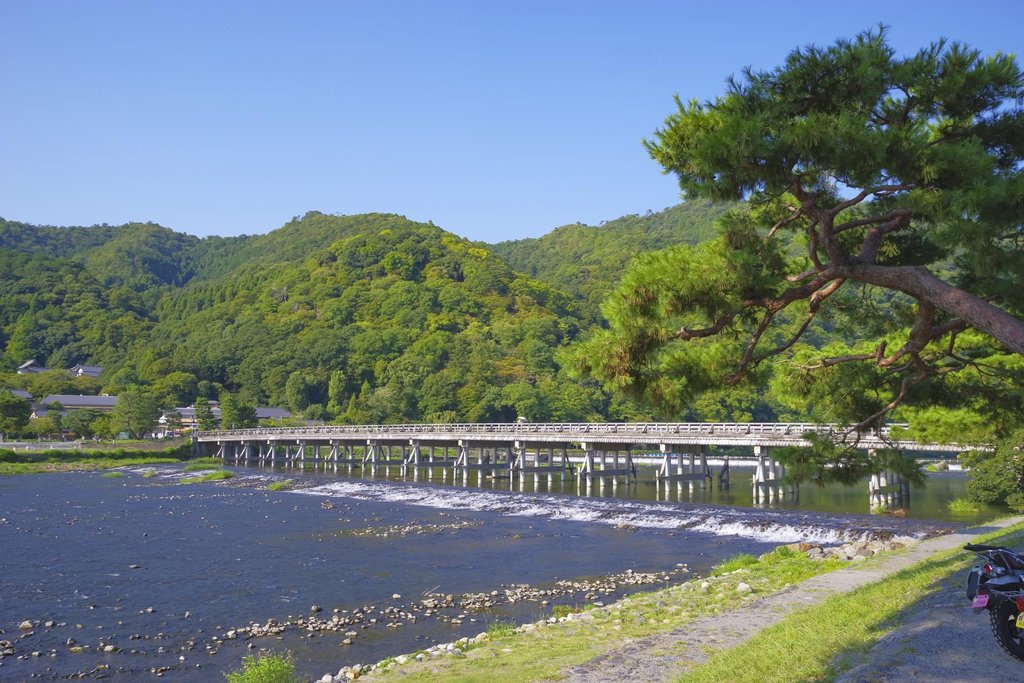
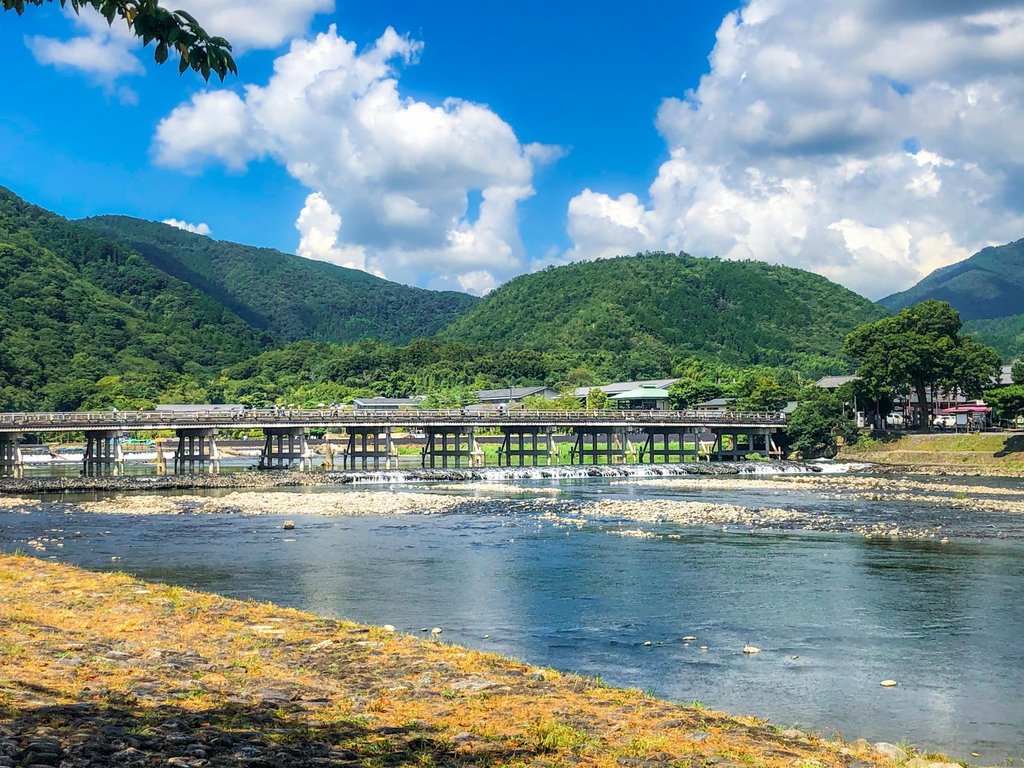
Togetsukyo Bridge is one of Arashiyama’s defining landmarks, admired for the way it frames the Katsura River, the surrounding mountains, and the open sky in a single sweeping view.
The bridge stretches approximately 155 meters (510 feet) across the river and takes its name from a poem attributed to Emperor Kameyama, who likened the moon’s reflection on the water to the moon crossing an unclouded sky.
Standing on the bridge offers a panoramic view of the surrounding landscape. In the morning, face north from the south side of the bridge for front-lit colors that photograph particularly well. In the afternoon, try silhouette shots instead.
Nakanoshima Park spreads out along the south bank, with benches where you can sit and take in the scenery. The park makes an excellent rest stop when your feet need a break.
Details
| Address | Sagatenryuji Susukinobaba-cho, Ukyo-ku, Kyoto |
| Hours | Open 24 hours |
| Closed | None |
| Website | Not listed |
| Best for | Visitors looking for wide-open views; anyone wanting a rest stop after walking |
Jojakko-ji Temple | Take in Kyoto’s Finest Autumn Foliage in a Quiet Setting
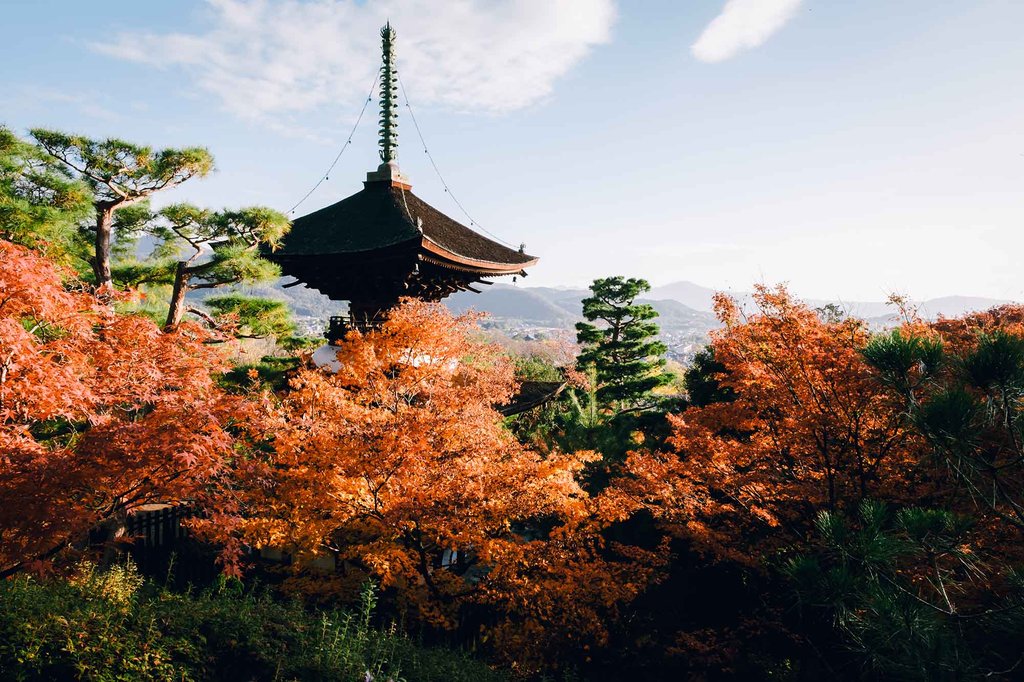
A five-minute walk north from the Bamboo Grove brings you to the peaceful grounds of Jojakko-ji Temple.
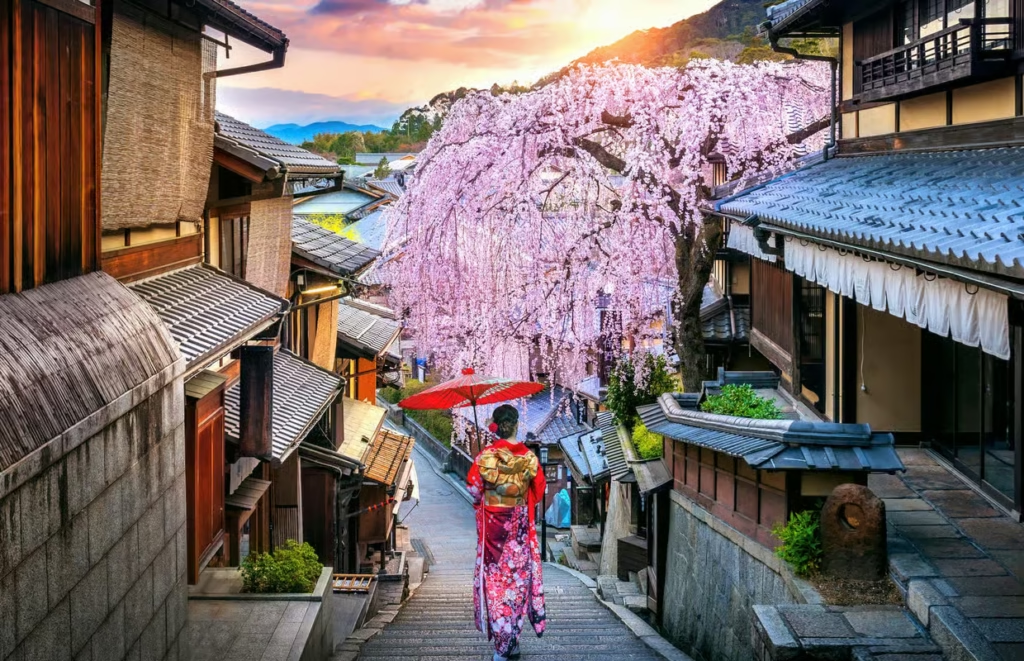
Around 200 Japanese maple trees blanket the temple’s hillside, making Jojakko-ji one of Kyoto’s premier destinations for autumn foliage.
The sight of the Important Cultural Property tahoto (two-storied pagoda) emerging through the red and orange canopy is one of the most photographed sights in Kyoto during autumn.
Peak autumn colors typically occur between mid- and late November. As conditions vary from year to year, checking the temple’s official website for the latest foliage updates before your visit is recommended.
In May, fresh green maple leaves contrast beautifully with the moss-covered stone steps, creating an entirely different but equally memorable atmosphere.
Consider extending your walk here after the Bamboo Grove and Tenryuji Temple.
Details
| Address | 3 Sagaogurayama Ogura-cho, Ukyo-ku, Kyoto |
| Hours | 9 am–5 pm (last entry 4:30 pm) |
| Closed | None |
| Website | https://jojakko-ji.or.jp/ |
| Best for | Visitors who want to enjoy autumn foliage or fresh spring greenery away from the crowds |
Gio-ji Temple | Listen to the Silence in a Moss-Covered Garden
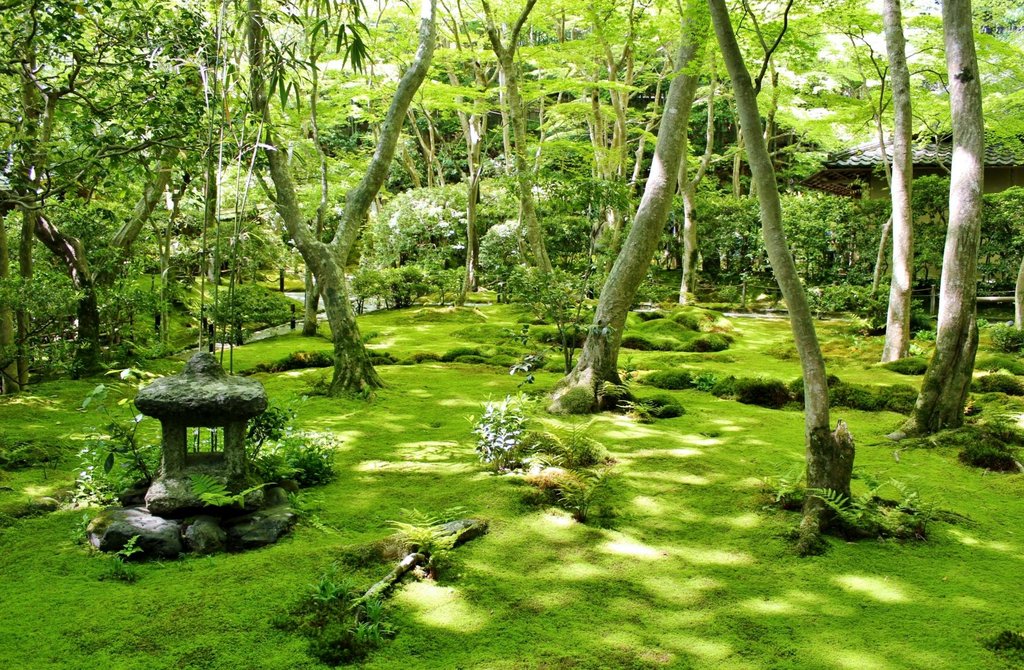
A roughly 15-minute walk north from Jojakko-ji Temple leads to Gio-ji.
Gio-ji is a small nunnery associated with the shirabyoshi (court dancer) Gio, who appears in The Tale of the Heike. The temple grounds consist of a modest thatched hermitage surrounded by a moss-covered garden.
Bamboo and maple trees filter sunlight into soft, dappled patterns, creating an atmosphere that naturally encourages visitors to slow down and relax.
In early summer, fresh green leaves intensify the color of the moss, while in late autumn, fallen maple leaves create a vivid contrast against the green moss below.
Admission is ¥300, and a visit typically takes around 20 to 30 minutes.
Gio-ji Temple is an ideal stop for anyone seeking a quiet, contemplative space.
Details
| Address | 32 Sagatoriimoto Kozaka-cho, Ukyo-ku, Kyoto |
| Hours | 9 am–4:50 pm (last entry 4:30 pm) |
| Closed | None |
| Website | https://www.giouji.or.jp/ |
| Best for | Visitors seeking stillness in nature; anyone who appreciates the beauty of moss and fallen autumn leaves |
Adashino Nenbutsu-ji Temple | Pay Respects Among 8,000 Stone Statues
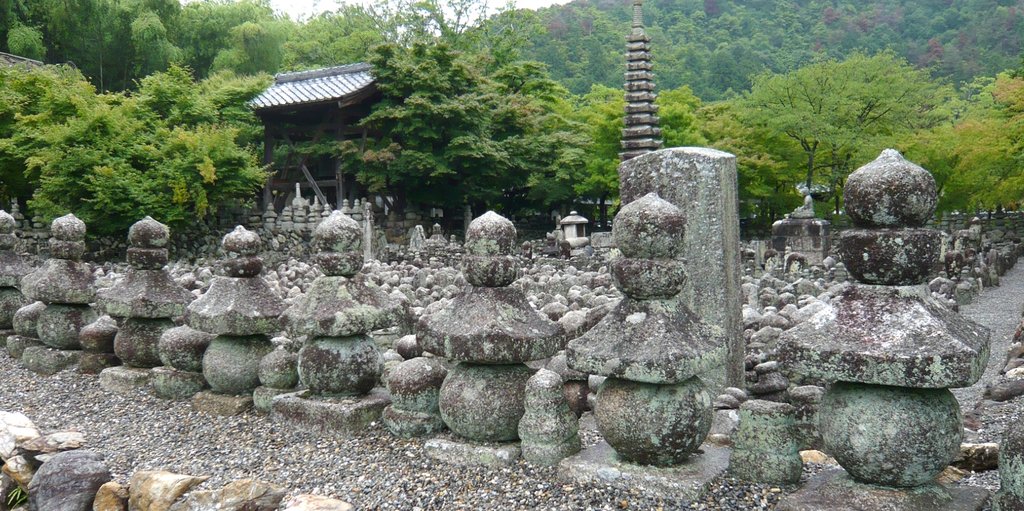
About 15 minutes on foot north of Gio-ji Temple, Adashino Nenbutsu-ji comes into view.
The temple traces its origins to Kobo Daishi (Kukai), who is believed to have buried the dead and performed memorial rites on this site.
In the central area known as Sai-no-Kawara (a Buddhist-inspired riverbed of the afterlife), approximately 8,000 stone Buddhist statues and stupas stand in orderly rows across moss-covered ground.
The scene offers a powerful and contemplative glimpse into Japanese Buddhist perspectives on impermanence and the cycle of life and death.
In late August, the temple hosts the Sento Kuyo (Thousand Lantern Memorial Service). As dates vary each year, it is recommended to check the official website before visiting.
The approach includes steep slopes and stone-paved paths, so wearing shoes with good grip is strongly advised.
Details
| Address | 17 Sagatoriimoto Adashino-cho, Ukyo-ku, Kyoto |
| Hours | 9 am–4:30 pm (last entry 4 pm) |
| Closed | Irregular closures |
| Website | https://nenbutsuji.jp |
| Best for | Visitors who want to experience Japanese history and perspectives on life and death in a quiet setting |
5 Activities You Should Experience in Arashiyama
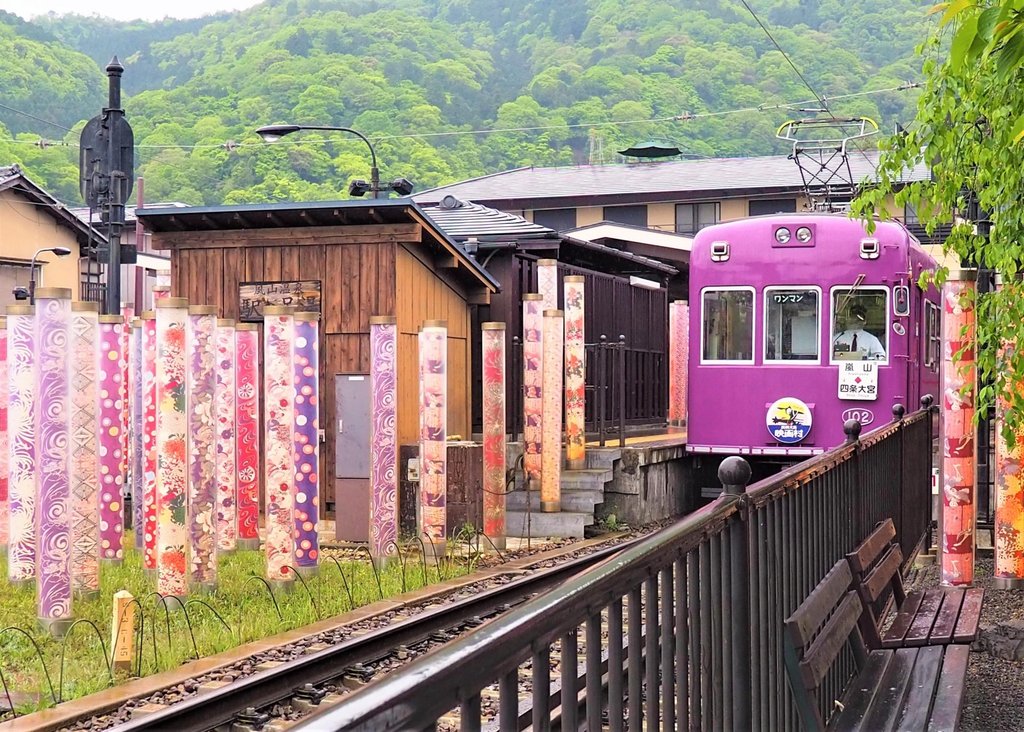
Arashiyama is not only about scenic views, it also offers a range of hands-on experiences that let you engage more deeply with the area.
From crafting traditional items to immersing yourself in the surrounding natural landscape, these curated activities provide a more interactive way to enjoy Arashiyama. Each option has been selected for its variety and accessibility.
To help with planning, duration, cost, and reservation requirements are clearly outlined so you can easily match each experience to your schedule, interests, and energy level.
Chopsticks Studio Kyoto | Craft Your Own Pair of Chopsticks
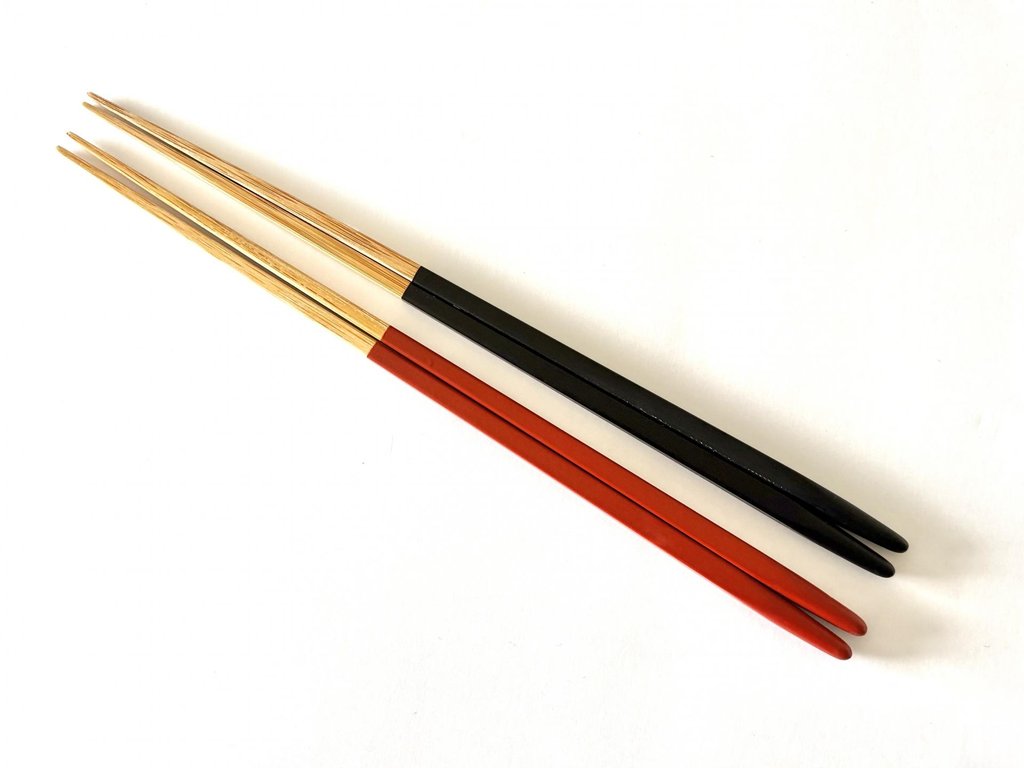
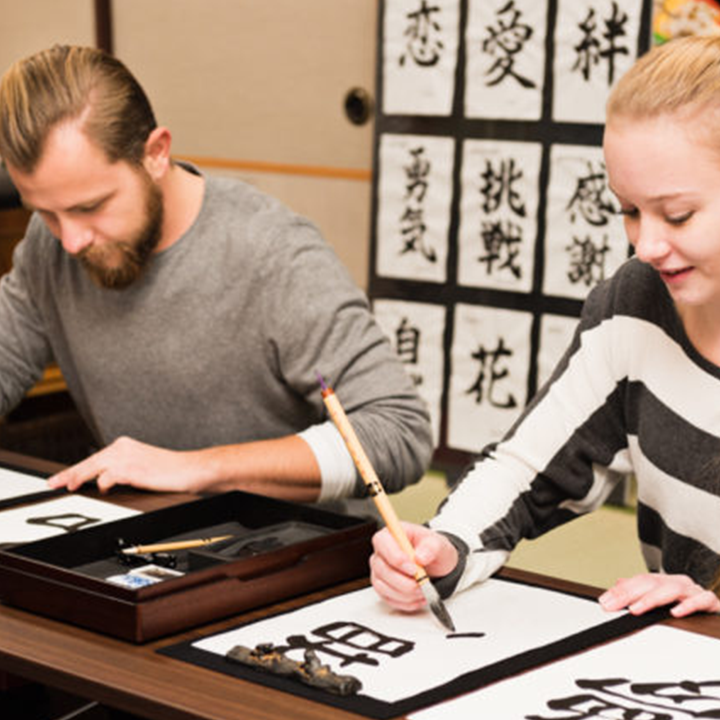
Just steps from Randen Arashiyama Station, Chopsticks Studio Kyoto offers a hands-on experience where you can create your own pair of custom chopsticks.
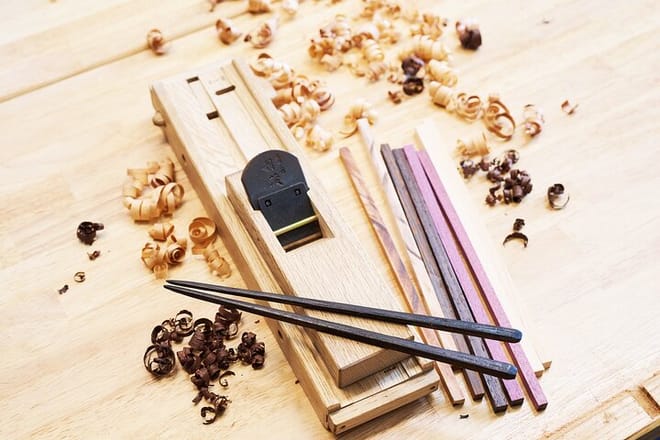
Guests can choose from more than twelve varieties of wood before shaping their chopsticks using a hand plane. No prior experience with tools is required, and English-language guidance is available throughout the workshop.
The finished chopsticks can be taken home on the same day. Visitors also have the option to add a personalized kanji (Japanese character) engraving, making the pair a meaningful souvenir or gift.
This workshop requires advance booking, so it is recommended to reserve early once your travel dates are confirmed.
Details
| Address | 2F, 3-25 Sagatenryuji Susukinobaba-cho, Ukyo-ku, Kyoto |
| Hours | 9 am–7 pm |
| Closed | Irregular closures |
| Website | Not listed |
| Best for | Couples, families, and anyone looking for a practical souvenir |
Kyoto Arashiyama Chopstick Making Workshop
Sagano Torokko Train | Ride an Open-Air Car Through the Gorge
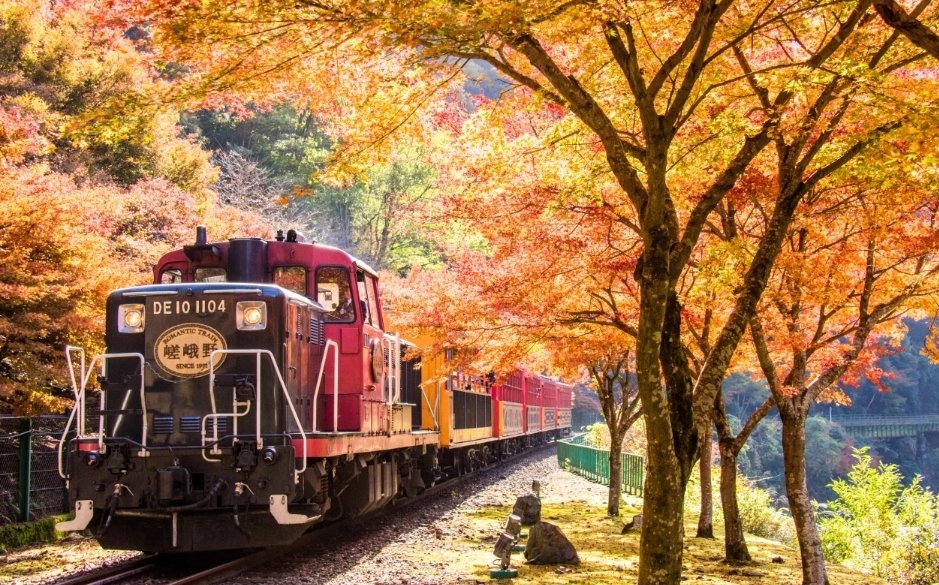
The Sagano Torokko Train runs from Torokko Saga Station to Torokko Kameoka Station in about 25 minutes, offering views of the Hozu River gorge the entire way. One of the most popular options is the open-sided carriage known as “The Rich.” With no window glass, it allows passengers to fully experience the rushing river below, dramatic rock formations, and seasonal scenery at close range.
Tickets cost ¥880 for adults and ¥440 for children, with all seats reserved. Online reservations open one month before the ride date and allow bookings for up to eight people at once. Same-day tickets are available at station counters, but trains often sell out during autumn foliage season and holiday weekends, so advance booking is strongly recommended.
The service does not operate on certain days, primarily Wednesdays, so it is advisable to check the official timetable before planning your visit.
From the final stop at Torokko Kameoka Station, you can reach the Hozu River boarding point, making it easy to combine a one-way train ride with a return journey by boat for a scenic land-and-water experience through the ravine.
Details
| Address | Sagatenryuji Kurumamichi-cho, Ukyo-ku, Kyoto (Torokko Saga Station) |
| Hours | First departure around 9:02 am; last departure around 4:02 pm (varies by season) |
| Closed | Mainly Wednesdays; irregular closures |
| Website | https://www.sagano-kanko.co.jp |
| Best for | Anyone who wants to see the gorge up close; families with children |
Hozu River Boat Ride | Float Down the Gorge for Two Hours
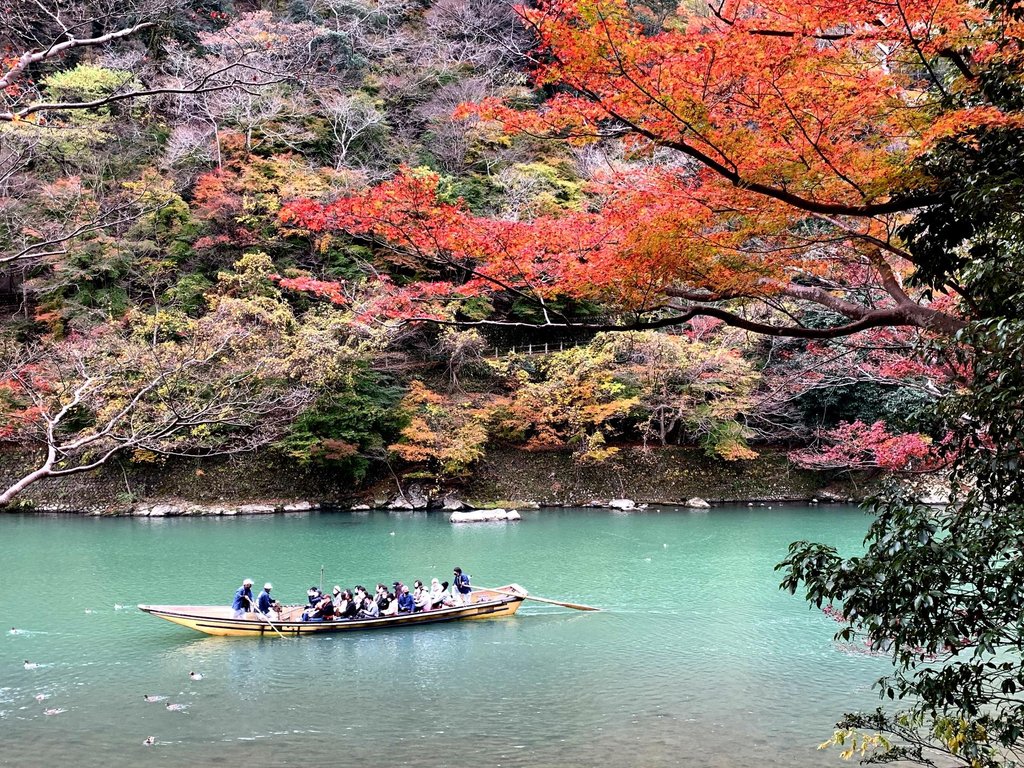
The Hozu River boat ride covers roughly 16 km (about 10 miles) of gorge between Kameoka and Arashiyama. Three boatmen skillfully steer the wooden craft on a roughly two-hour journey downstream.
The experience alternates between calm stretches and more exciting rapids, creating a dynamic and engaging ride from start to finish. Seasonal scenery further enhances the journey: fresh greenery and cherry blossoms in spring, lush green canopies in summer, vibrant autumn foliage, and the quiet beauty of snow-covered landscapes in winter.
Scheduled boats run from March through December. During peak travel seasons, advance reservations are strongly recommended. In winter, heated boats equipped with kotatsu (heated foot-warming tables) operate, offering a cozy way to experience the canyon in cold weather.
Tickets are priced at ¥6,000 for adults and ¥4,500 for children. Children shorter than 80 cm (about 31 inches) cannot board for safety reasons. Boats run in light rain but may be canceled during heavy storms or high water levels.
A popular itinerary is to combine the Sagano Torokko Train to Kameoka with a return boat ride to Arashiyama, allowing visitors to experience the gorge from both land and water.
Details
| Address | 2 Hozucho Shimonakajima, Kameoka, Kyoto (boarding point) |
| Hours | 9 am–3 pm (varies by season and water level) |
| Closed | Dec 29–Jan 4; closed during storms or high water |
| Website | https://www.hozugawakudari.jp |
| Best for | Anyone who wants both thrills and relaxation surrounded by nature |
Rika Wafu Arashiyama | Stroll Through the Bamboo Grove in Kimono
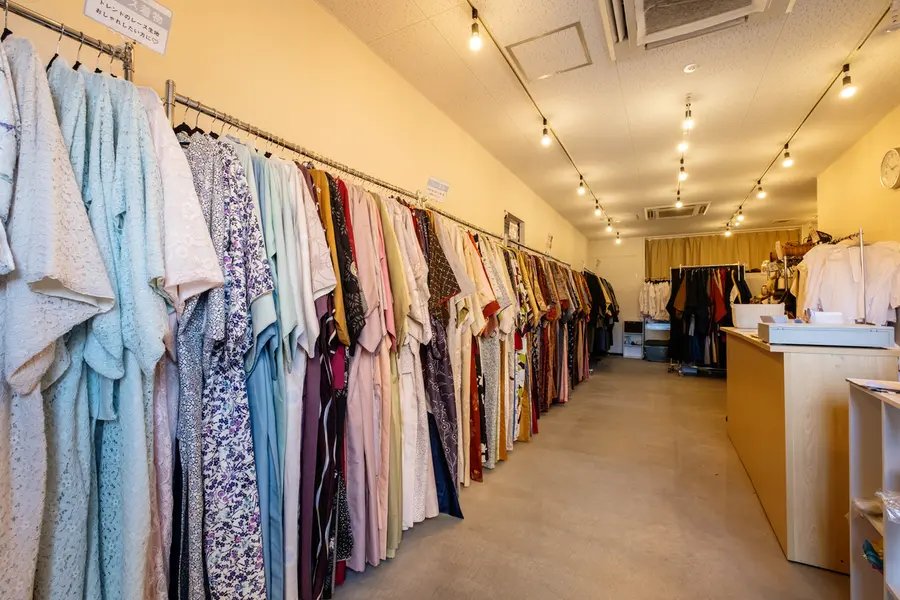
Rika Wafu’s Arashiyama branch is a great choice for visitors who want to explore Arashiyama’s most photogenic spots in traditional dress.
Kimono rentals start at approximately ¥4,000–¥5,000 (around $27–$35 USD), making it an accessible way to enjoy a full kimono experience. English and Chinese support is available for international visitors.
Dressing typically takes between 45 minutes to just over an hour, depending on the selected outfit and styling options.
The Bamboo Grove, Togetsukyo Bridge, and the Kimono Forest light-up installation at Randen Arashiyama Station are all within walking distance from the shop.
For those unfamiliar with walking in zori (traditional Japanese sandals), combining the kimono experience with a rickshaw ride is a convenient alternative. Rickshaw pullers also serve as informal guides and can assist with photography.
Kimono rentals are generally due back around 5:30 pm. If you require a next-day return or other special arrangements, it is best to confirm these details at the time of booking.
Details
| Address | 11-4 Sagatenryuji Tsukurimichi-cho, Ukyo-ku, Kyoto |
| Hours | 9 am–6 pm |
| Closed | Open year-round |
| Website | https://ewha-yifu.com/shops/kyoto-area/arashiyama/ |
| Best for | Couples and groups looking for photogenic kimono shots at the Bamboo Grove and Togetsukyo Bridge |
Arashiyama Monkey Park Iwatayama | Feed Wild Monkeys on a Hilltop
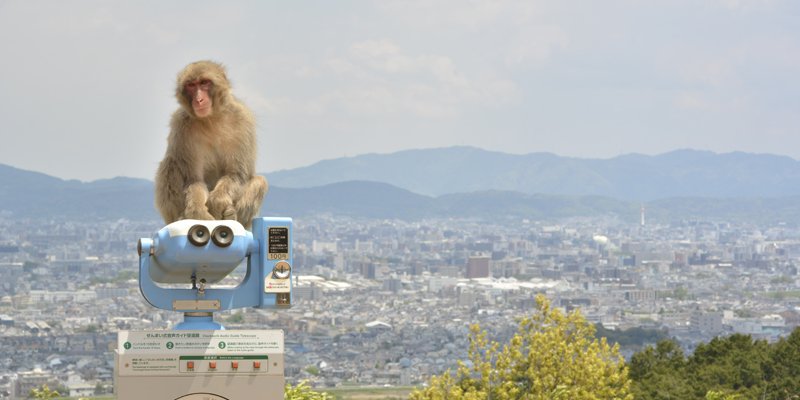
Arashiyama Monkey Park Iwatayama is home to roughly 120 wild Japanese macaques and draws visitors from around the world. The entrance is located at the southern end of Togetsukyo Bridge. From there, a roughly 20-minute uphill hike leads to the summit, where visitors are rewarded with panoramic views of Kyoto city.
At the hilltop rest house, guests can feed the monkeys safely through a wire mesh enclosure inside the building, allowing for close observation while maintaining a secure distance from the animals.
Allow about 90 minutes to two hours for the full visit. Payment is cash only, so bring sufficient cash.
The park may close during severe weather conditions and on New Year’s Day, and it may also close early depending on weather or safety considerations. It is recommended to check the latest information before visiting.
Details
| Address | 61 Arashiyama Nakaoshita-cho, Nishikyo-ku, Kyoto |
| Hours | 9 am–4 pm (hilltop area open until 4:30 pm) |
| Closed | Irregular closures (closed in severe weather and on Jan 1) |
| Website | http://monkeypark.jp/ |
| Best for | Families who love animals; anyone looking for a panoramic view of Kyoto |
3 Dining Spots to Try in Arashiyama
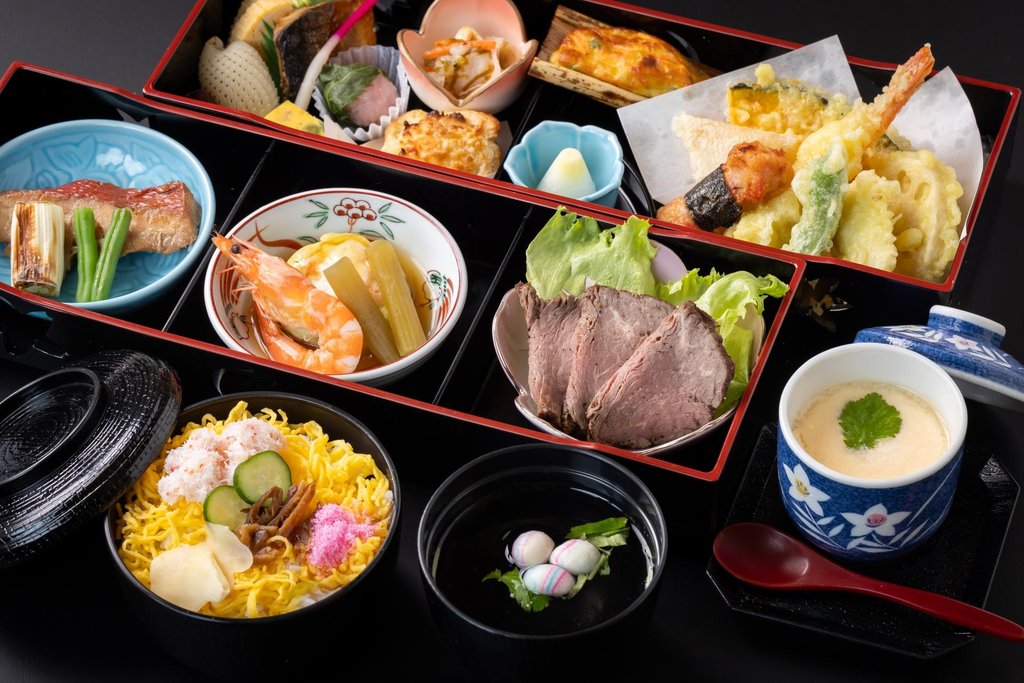
Food is one of Arashiyama’s great pleasures.
With so many restaurants to choose from, three standout options are highlighted here: a temple shojin ryori restaurant, a yudofu specialist, and a kominka café.
Before visiting, it is advisable to check opening hours and reservation requirements in advance to ensure a smooth and enjoyable meal.
Tenryuji Shigetsu | Dine on Shojin Ryori in a World Heritage Garden
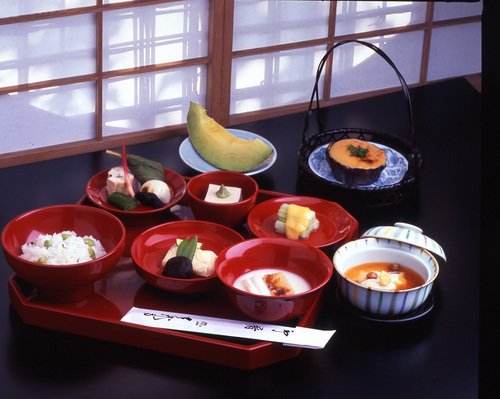
Shigetsu, operated directly by Tenryuji Temple, offers traditional shojin ryori with a view of the temple’s World Heritage–listed garden.
The cuisine contains no animal products, instead relying on seasonal vegetables and tofu. The presentation is carefully crafted, emphasizing both visual beauty and seasonal harmony.
Three course options are available.
- Yuki (¥3,800): One soup and five dishes; can be ordered by a single diner
- Tsuki (¥6,500): One soup and six dishes; reservation required for parties of two or more
- Hana (¥9,000): One soup and seven dishes; reservation required for parties of two or more
A separate garden admission fee of ¥500 applies.
Reservations can be made via the official website or by phone. Due to its popularity and limited seating, it is strongly recommended to book Shigetsu well in advance.
Details
| Address | 68 Sagatenryuji Susukinobaba-cho, Ukyo-ku, Kyoto |
| Hours | 11 am–2 pm |
| Closed | Thursdays |
| Website | https://www.tenryuji.com/shigetsu/ |
| Best for | Visitors marking a special occasion; anyone seeking vegetarian or vegan-friendly dining |
Saga Tofu Ine (North Branch) | Enjoy Arashiyama’s Signature Yudofu
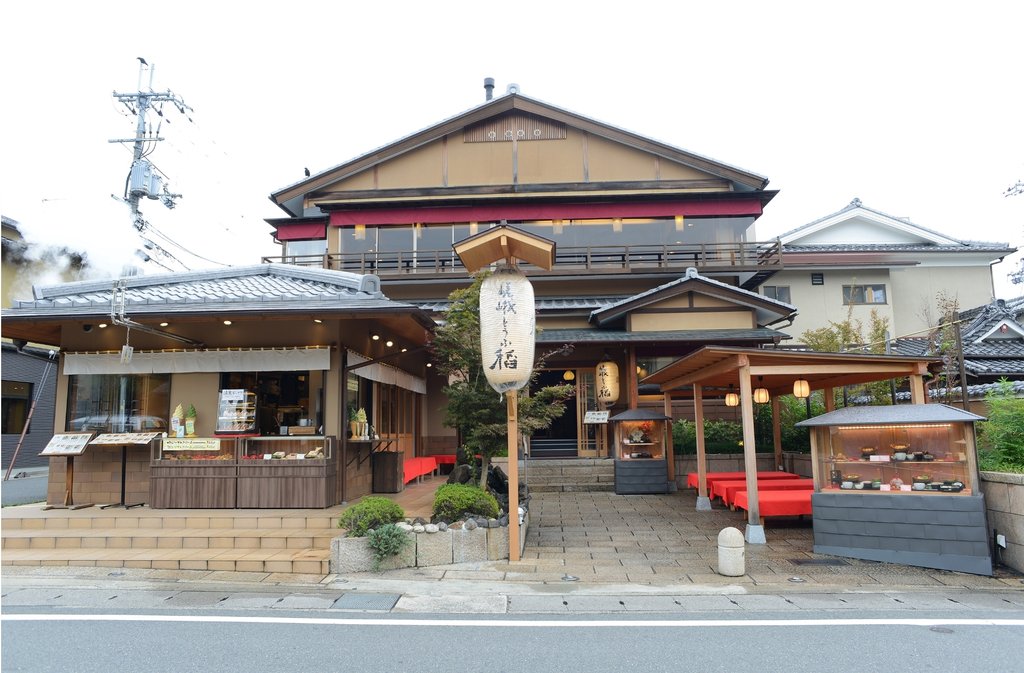
Saga Tofu Ine’s north branch is a specialist yudofu restaurant where visitors can enjoy Arashiyama’s signature simmered tofu in a relaxed setting.
Located about a three-minute walk from Randen Arashiyama Station, the restaurant also offers a chance to observe artisans preparing yuba (tofu skin) at the storefront.
Inside, the spacious dining area overlooks the green slopes of Mt. Ogura, providing a calm atmosphere that complements the simple, refined cuisine.
Yudofu set meals are priced between ¥1,600 and ¥2,300 (approximately $11–$16 USD), making it an accessible option for most travelers.
Reservations are generally not required, and last orders are accepted until 6 pm. Saga Tofu Ine is a convenient and flexible choice for a late lunch or early dinner in Arashiyama.
Details
| Address | 46-2 Sagatenryuji Kitatsukurimichi-cho, Ukyo-ku, Kyoto |
| Hours | 11 am–6 pm (last order); hours may extend during peak periods |
| Closed | Open year-round |
| Website | https://www.kyo-ine.com |
| Best for | Visitors who want a quick taste of Arashiyama’s signature dish; families; travelers short on time |
Bread, Espresso & Arashiyama Garden | Relax in a Kominka Cafe
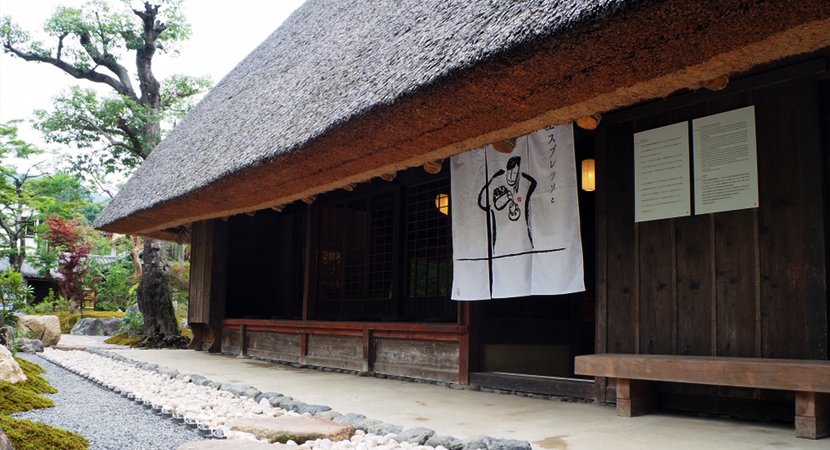
Set inside the renovated former Kobayashi family residence, Bread, Espresso & Arashiyama Garden offers a truly distinctive atmosphere.
Settle onto the tatami (traditional woven straw floor mats) while overlooking a tranquil karesansui (dry landscape garden), providing a calm contrast to a busy day of sightseeing.
Until 2 pm, the cafe serves a limited-time Shine Muscat parfait, and the menu also includes matcha (powdered green tea) tiramisu and chilled French toast with caramel banana.
Weekday mornings are typically the least crowded time to visit, making them ideal for a more peaceful experience.
Details
| Address | 45-15 Sagatenryuji Susukinobaba-cho, Ukyo-ku, Kyoto |
| Hours | 8 am–6 pm |
| Closed | Irregular closures |
| Website | https://bread-espresso.jp/shop/arashiyama-cafe.html |
| Best for | Heritage-house enthusiasts; visitors who want photogenic interiors; anyone looking for a leisurely break |
Tips to Know Before Visiting Arashiyama
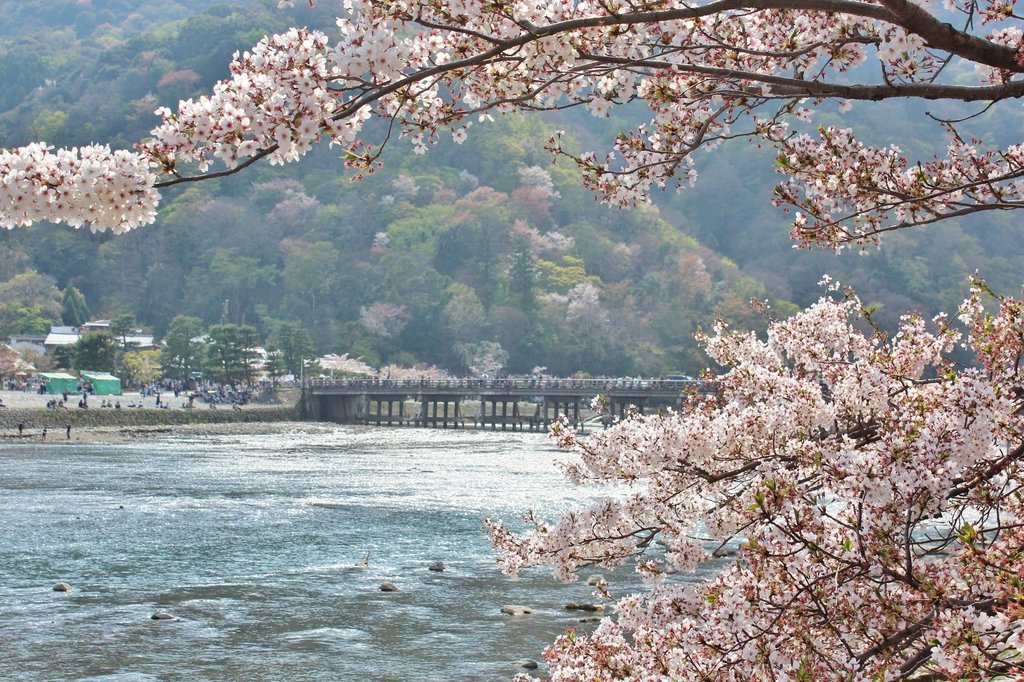
A few practical points go a long way toward a comfortable day in Arashiyama.
Arrival timing, Bamboo Grove etiquette, the right footwear for the terrain, and street food manners are all covered here so you can enjoy the area without surprises.
Arrive by 8 am to Beat the Crowds
To experience the Bamboo Grove and Tenryuji Temple in relative peace, aim to arrive by around 8 am.
The Bamboo Grove is open 24 hours, and early morning visitors can often enjoy the path with very few other people present. Tenryuji Temple opens at 8:30 am, so continuing directly to the temple garden after walking through the Bamboo Grove allows for a smooth and efficient start to the day.
After around 10:00 am, tour buses begin to arrive, and crowds increase significantly.
| Timing | Crowds | Recommendation |
|---|---|---|
| Spring/autumn weekends and holidays | Very heavy | Fair (early morning only) |
| Spring/autumn Tue–Thu | Moderate | Good |
| Summer/winter weekdays | Light | Excellent |
Tuesday through Thursday tend to be less crowded during both spring and autumn seasons. Live webcams showing real-time crowd levels are also available online and can be helpful for timing your visit.
Walk Quietly and Do Not Touch the Bamboo
The bamboo along the grove path is a valuable part of the landscape.
Loud conversation can detract from the natural atmosphere, including the sound of bamboo swaying in the wind. Keeping your voice low and walking quietly helps preserve the serene environment and allows everyone to fully appreciate the setting.
Visitors are asked not to carve into or touch the bamboo, and to remain on the designated walkway at all times. When taking photographs, it is important to be aware of your surroundings and prioritize safety.
If you stop to take photos, step aside so you do not obstruct the flow of foot traffic. Tripods should be avoided during busy periods to prevent congestion.
Wear Sturdy Walking Shoes for Gravel Paths and Hills
Arashiyama’s terrain is rougher underfoot than many visitors expect, so choosing appropriate footwear is important for a comfortable visit.
Cushioned sneakers are recommended for the best overall comfort, especially if you plan to cover multiple areas on foot.
Ground conditions vary significantly across key attractions:
- Tenryuji Temple garden: Mostly gravel paths that transmit impact to the soles of your feet
- Arashiyama Monkey Park: A steep mountain trail consisting of dirt and rocks
- Oku-Saga area: Long stretches of stone pavement combined with uneven slopes and hilly terrain
Covering all of these areas involves a considerable amount of walking, often more than visitors anticipate.
If you are renting a kimono, keep in mind that zori can become tiring over longer distances. It is advisable to limit kimono walking to nearby scenic spots and switch to sneakers before heading into the Oku-Saga area or any uphill trails.
Finish Street Food in Front of the Shop Where You Bought It
In the Arashiyama shopping district, eating while walking is considered a breach of etiquette.
The common rule is to stop and finish takeout food in front of the shop where it was purchased. If you are unsure, it is best to ask staff at the time of purchase for guidance on how to enjoy your food respectfully.
When the area in front of a shop is crowded, nearby rest areas can be used instead. Suitable spots include:
- Around Randen Arashiyama Station: Benches available near the station entrance
- Nakanoshima Park: Open space along the riverbank south of Togetsukyo Bridge
Following these local customs helps maintain the atmosphere of the area, and often makes the experience of enjoying Arashiyama’s food even more enjoyable.
Frequently Asked Questions About Visiting Arashiyama

Quick answers to common planning questions are compiled below, covering the best seasons, how much time to allow, how to get to Arashiyama, recommended routes, and English-language guided tour options.
What Is the Best Season to Visit Arashiyama?
Cherry blossom season in spring and autumn foliage season are the peak times.
| Season | Highlights | Notes |
|---|---|---|
| Spring | Cherry blossoms at Togetsukyo Bridge and Arashiyama Park | Weekends are extremely crowded |
| Early summer | Fresh green bamboo; lush moss at Gio-ji Temple | A lesser-known sweet spot |
| Summer | Hozu River boat ride; verdant scenery | Stay hydrated and guard against heat |
| Autumn | Autumn foliage at Jojakko-ji Temple and beyond | The busiest period of the year |
| Winter | Snow-dusted bamboo and temples | Some Torokko Train services suspended |
Early summer, with its fresh green bamboo and uncrowded paths, stands out as one of the best times to visit.
For autumn visits, choosing a weekday can help you avoid the largest crowds and enjoy a more comfortable atmosphere while exploring the area.
If you plan to ride the Sagano Torokko Train, be sure to check the official schedule in advance for any planned service suspensions or seasonal changes to operations.
How Many Hours Do You Need in Arashiyama?
The core spots alone take two to three hours; add a meal and plan for half a day.
Togetsukyo Bridge, Tenryuji Temple, and the Bamboo Grove are all walkable, and a brisk pace gets you through in about two hours.
| Time available | What you can cover |
|---|---|
| 2–3 hours | Togetsukyo Bridge, Tenryuji Temple, and the Bamboo Grove |
| 3–4 hours | The above plus lunch or a cafe break |
| 6–8 hours | A full Oku-Saga loop and dining |
Visiting Arashiyama’s Sagano Torokko Train and Hozu River boat ride requires an additional four to five hours in your itinerary.
To make the most of the experience, it is recommended to arrive by around 8 am so you have sufficient time to enjoy both activities at a comfortable pace.
Are There Any Recommended Sightseeing Routes?
Three plans suit different schedules.
- Half-day route: Togetsukyo Bridge → Tenryuji Temple → Bamboo Grove, all on foot
- Full-day route: The half-day route plus Oku-Saga temples and a sit-down lunch
- Activity route: Combine the Torokko Train and Hozu River boat ride
Detailed itineraries for each route are available in the model-course guide.
How Do You Get to Arashiyama?
Three train stations serve Arashiyama. Choose based on your starting point.
| Route | Travel time | Fare |
|---|---|---|
| Kyoto Station → JR Sagano Line | About 11–16 min. | ¥240 |
| Osaka-Umeda → Hankyu Kyoto Line | About 40–50 min. | Around ¥410 |
| Shijo-Omiya → Randen (Keifuku) | About 20 min. | ¥250 |
Fares are subject to change. Please check the operator’s website for the latest information.
For quick access to the Bamboo Grove, the Randen is the most convenient option.
The Randen line is also ideal if you plan to begin your visit at Tenryuji Temple, as both destinations are within easy walking distance of its stations.
From Kyoto Station, the JR line provides a direct route to the Arashiyama area in a single ride. From Osaka, the Hankyu Railway offers a straightforward connection to Arashiyama as well.
Are There English-Guided Tours in Arashiyama?
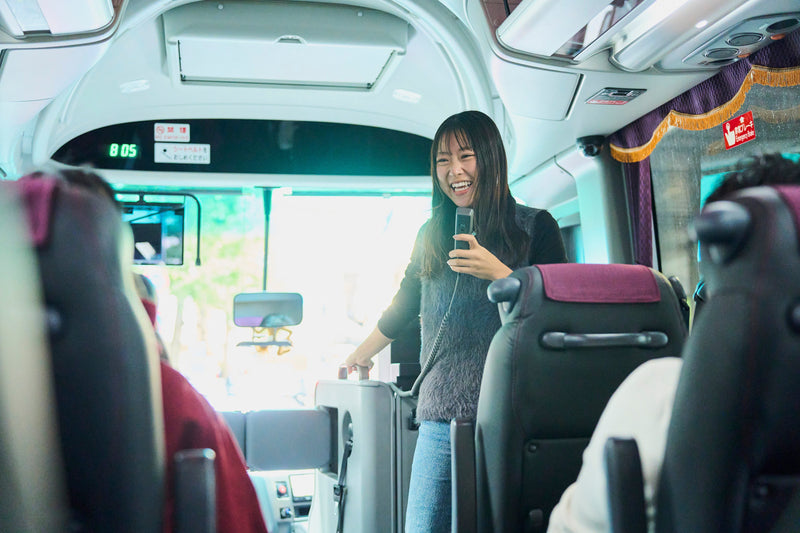
For an English-language experience in Arashiyama, Japan Guide Star’ walking tour is a strong option. An English-speaking guide leads visitors through key highlights such as the Bamboo Grove, Tenryuji Temple, and other major sights over the course of a half-day tour, providing historical and cultural context along the way. This removes the need to plan a detailed route independently and can be a significant time-saver.
For those interested in adding a hands-on cultural activity, the chopstick-making workshop at Chopsticks Studio Kyoto (approximately one hour) is a popular choice. Participants carve their own pair of chopsticks, creating a personalized souvenir to take home.
Pricing and availability change by season, so check the Japan Guide Star tour listing page for the latest information.
Kyoto Arashiyama Chopstick Making Workshop
Kyoto: Arashiyama UNESCO Walking Tour with Admission
Make the Most of Your Day in Arashiyama
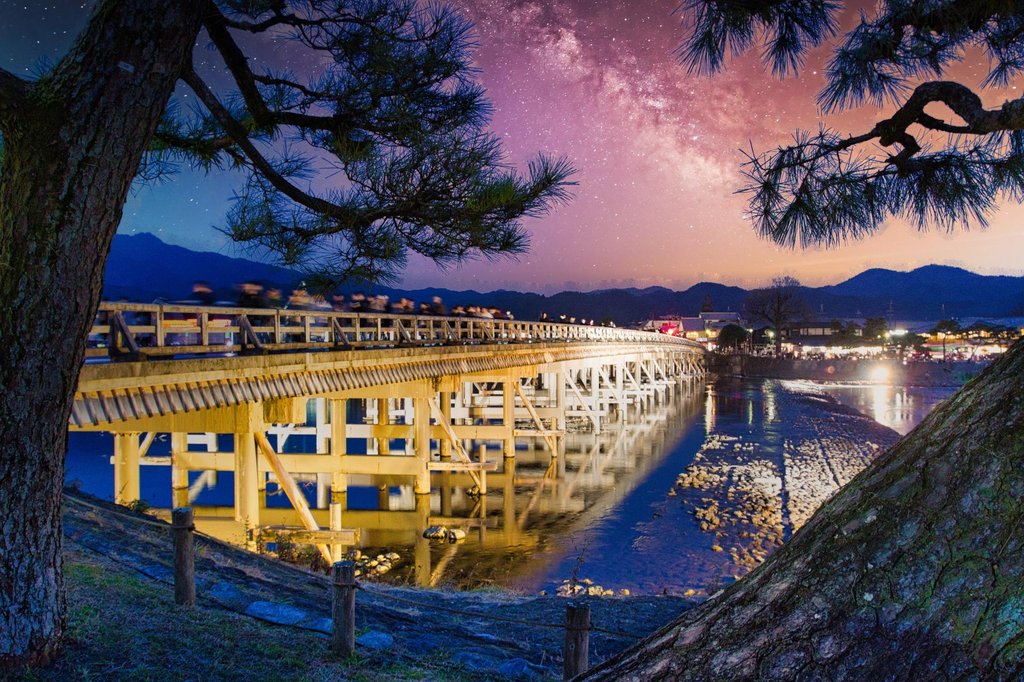
Arashiyama brings together classic sightseeing spots, hands-on activities, and memorable dining experiences in a compact area, making it more than enough to fill a full day of exploration.
Arriving by around 8:00 am is recommended to stay ahead of the crowds and enjoy a more peaceful atmosphere at the most popular locations. Wearing comfortable walking shoes is also strongly advised.
Use this guide to help plan a well-paced day in Arashiyama and create an experience you are unlikely to forget.