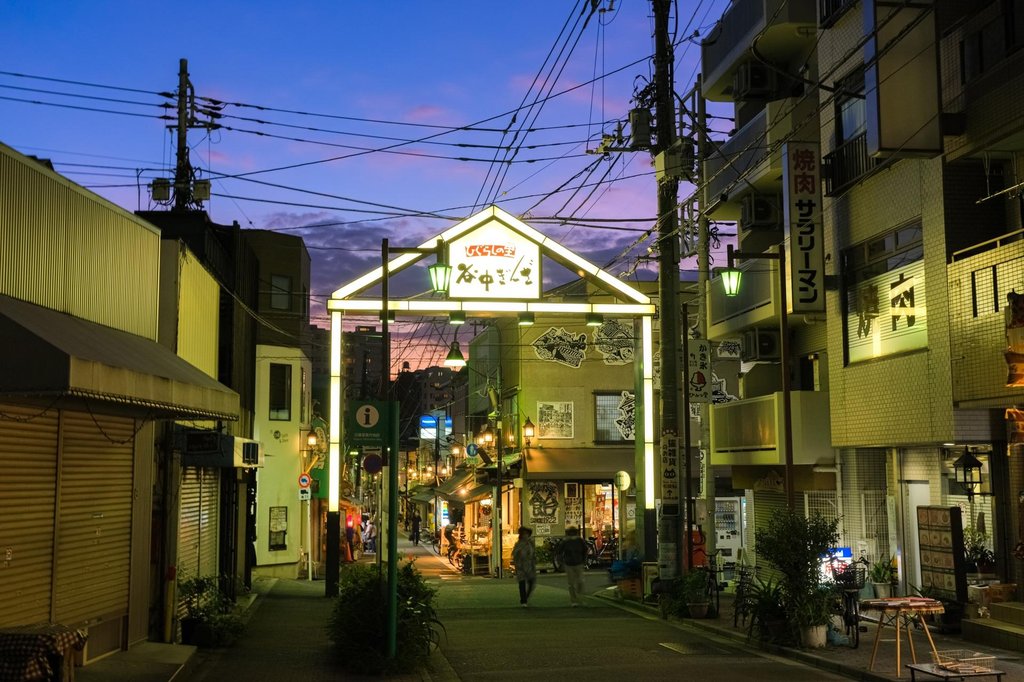
Yanaka Ginza is a small shopping street in Tokyo’s shitamachi, the traditional downtown neighborhoods where historic streetscapes and everyday ways of life remain. Despite its name, Yanaka Ginza is different from the bustling Ginza district. Across Japan, shopping streets often adopt the name “X Ginza” in the hope of capturing some of Ginza’s lively atmosphere.
The street is only about 170 meters (560 feet) long and takes just a few minutes to walk from end to end. However, stop to try the famous menchi-katsu, a breaded, deep-fried ground-meat cutlet, at one of the storefronts, then explore the surrounding temples, cemetery, and Nezu Shrine, and you can easily spend half a day enjoying the atmosphere of old Tokyo.
In this article, we introduce Yanaka Ginza’s highlights, how to get there, opening hours, and local etiquette, along with four well-known shops and a half-day itinerary.
Is Yanaka Ginza Right for You?
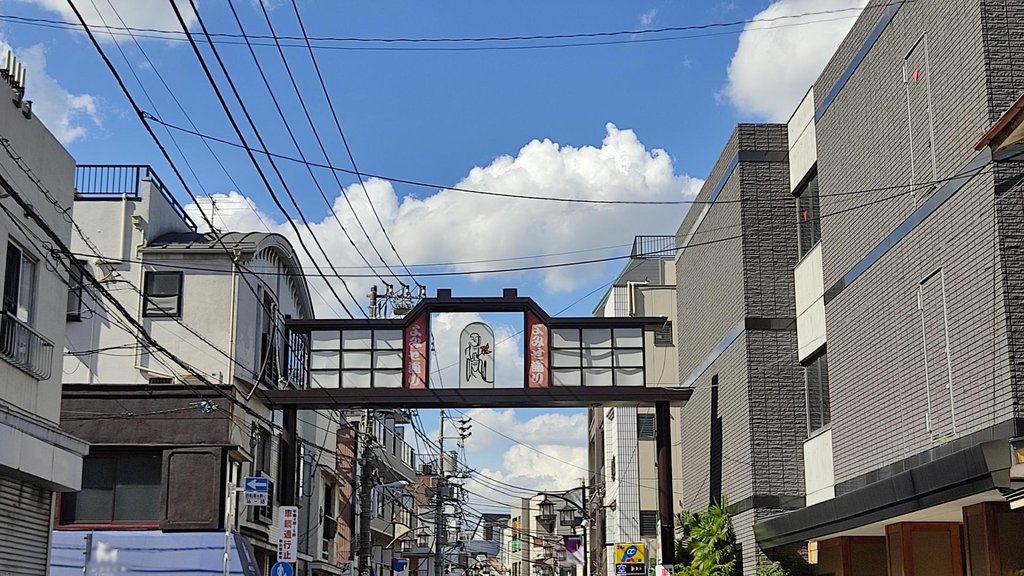
Yanaka Ginza is not a tourist-oriented attraction but a shopping street where local residents do their everyday shopping. Whether you enjoy it depends on what you are looking for. In this section, we’ll look at who is likely to enjoy Yanaka Ginza and who might prefer a different experience.
Yanaka Ginza Is Ideal If You Want to See Traditional Tokyo Life and Old Downtown Streets
Yanaka Ginza developed organically around 1945, shortly after the end of World War II. Long-established, family-run shops, including butchers, greengrocers, and fishmongers, are still in business. In the evening, local residents carrying shopping bags and travelers with cameras often line up in front of the same shops.
The Yanaka area surrounding the shopping street is known as a temple town, with about 70 temples concentrated in the neighborhood. Many parts of the area escaped damage from the Great Kanto Earthquake and World War II, preserving old temple gates, wooden houses, and narrow alleys barely wide enough for two people to pass each other.
At the storefronts, you may see shopkeepers wrapping freshly fried food in paper for customers or regulars chatting with the staff. Less than 20 minutes by train from central Tokyo, Yanaka Ginza and its surroundings offer a chance to experience traditional streetscapes and the everyday lives of local residents.
Tokyo: Yanaka District History Walking Tour
Yanaka Ginza May Not Suit You If You Want to Shop at Large Malls or Brand-Name Stores
The shops along Yanaka Ginza are small independent businesses, including delis, sweet shops, and general stores. There are no shopping complexes or major brand-name stores. You can find souvenirs such as cat-shaped sweets and goods, but Yanaka Ginza is not the place for shopping for fashion, electronics, and similar items.
Unlike a large shopping complex, Yanaka Ginza is lined mainly with independent shops, making it better suited to strolling and browsing the prepared foods and sweets displayed at the storefronts than to searching for specific items. For broader shopping, consider combining your visit with a trip to the shopping complexes around Ueno or Tokyo Station.
Basic Information to Know Before Visiting Yanaka Ginza
Yanaka Ginza is a small shopping street, but details such as shop hours and local etiquette can affect your visit. Here are a few things to know before you go.
Highlights: A “Cat Town” Watched Over by Wooden Cats
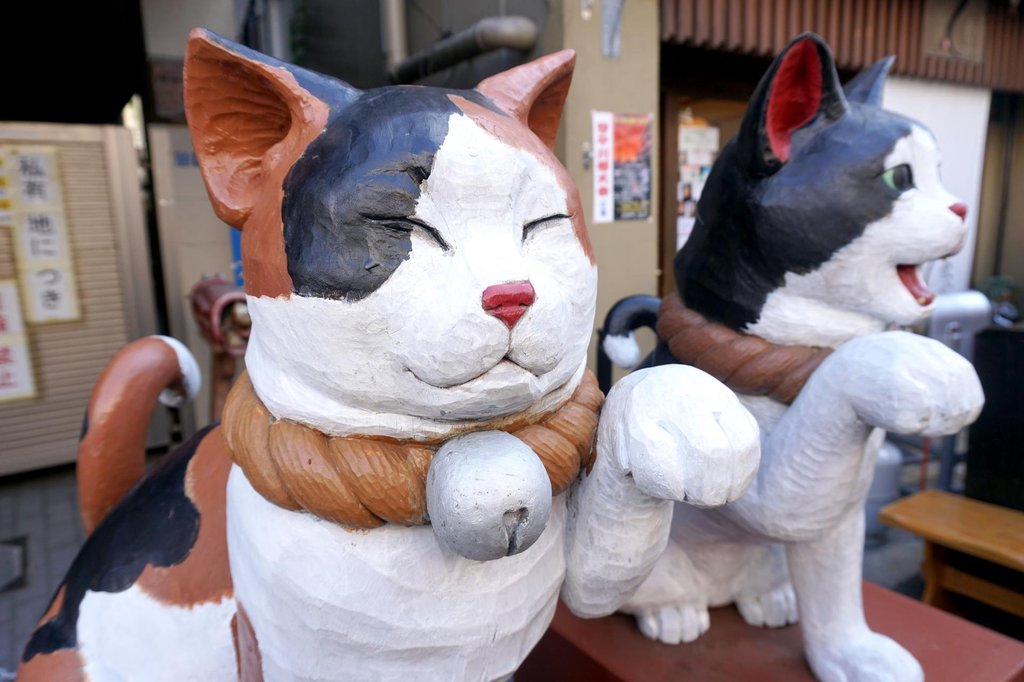
Yanaka is known in Japan and abroad as a “cat town,” and Yanaka Ginza has many shops selling cat-shaped sweets and goods. Seven wooden cat carvings known as the “Seven Lucky Cats” are placed around the shopping street, perched on shop roofs, eaves, and other spots.
As you look up at the roofs and eaves to find the Seven Lucky Cats, you may also notice shop signs and architectural details that you would otherwise walk past. Many of the carvings are placed high up, so they are easier to spot if you visit in the morning, when there are fewer people, and pause at the side of the street to look around.
Live cats have become less common on the street in recent years. However, even if you do not encounter a real cat, you can still enjoy searching for the Seven Lucky Cats around the shopping street.
Access: A Five-Minute Walk from Nippori or Sendagi Station
Yanaka Ginza is in the Yanaka district north of Ueno Park, between JR Nippori Station and Sendagi Station on the Tokyo Metro Chiyoda Line. The shopping street is about a five-minute walk from either station. Nippori Station is served by the JR Yamanote, Keihin-Tohoku, and Joban Lines, the Keisei Line, and the Nippori-Toneri Liner. You can reach Nippori Station in two stops from Ueno Station on the JR Yamanote Line, in about 12 minutes from Tokyo Station, or in about 20 minutes from Shinjuku Station.
From Nippori Station, exit through the West Exit, walk up Goten-zaka slope, and descend the staircase known as Yuyake Dandan to reach the entrance to the shopping street. From Exit 2 of Sendagi Station, it is about a five-minute walk to the Sendagi-side entrance of Yanaka Ginza.
Note that the West Exit is the most direct route to Yanaka Ginza, while the South Exit provides access to Tenno-ji Temple via Momiji-zaka, as described in the itinerary below.
If you want to avoid stairs, for example when pushing a stroller, approach the shopping street from Sendagi Station. You can also enter from one station and leave from the other to explore the entire street without retracing your steps.
Opening Hours: Many Shops Open from Late Morning to Early Evening
The shopping street as a whole has no set opening hours, but many shops selling prepared foods, sweets, and other goods open between 10 and 11 am and close between 6 and 7 pm. Some eateries, such as Japanese-style pubs, stay open into the evening. However, if you want to try the street’s famous prepared foods and sweets, visit between late morning and early evening. Some shops accept cash only, so it is a good idea to bring some cash with you.
Closing days vary by shop, and many have irregular closures. If there is a particular shop you want to visit, check its schedule in advance.
Time Needed: About an Hour for the Street Alone, Half a Day to Explore the Area
About 60 shops line this 170-meter (560-foot) street. If you visit on a weekday and stop to buy prepared foods and sweets to enjoy as you go, allow about an hour for the shopping street alone, not including time spent waiting in line at popular shops. If you also want to visit nearby temples, Yanaka Cemetery, and Nezu Shrine, set aside about half a day.
We recommend pairing Yanaka Ginza with nearby sights, as in the itinerary later in this article. If you are also visiting Ueno or Asakusa on the same day, allow about two hours around midday to explore Yanaka Ginza and the Yuyake Dandan area. If you have more time, continue on to the surrounding temple district and Nezu Shrine.
Etiquette: Do Not Eat While Walking, and Ask Before Taking Photos
At Yanaka Ginza, visitors are asked not to eat while walking. Taito City’s official tourism website also provides guidance on taking your trash with you and photographing the area respectfully.
After buying prepared foods or sweets, stop to eat in an area designated by the shop or somewhere you will not block other people. Before photographing a shop or its products, ask the staff for permission. Be careful not to include other customers in your photos without their consent.
Four Famous Shops Worth Visiting in Yanaka Ginza
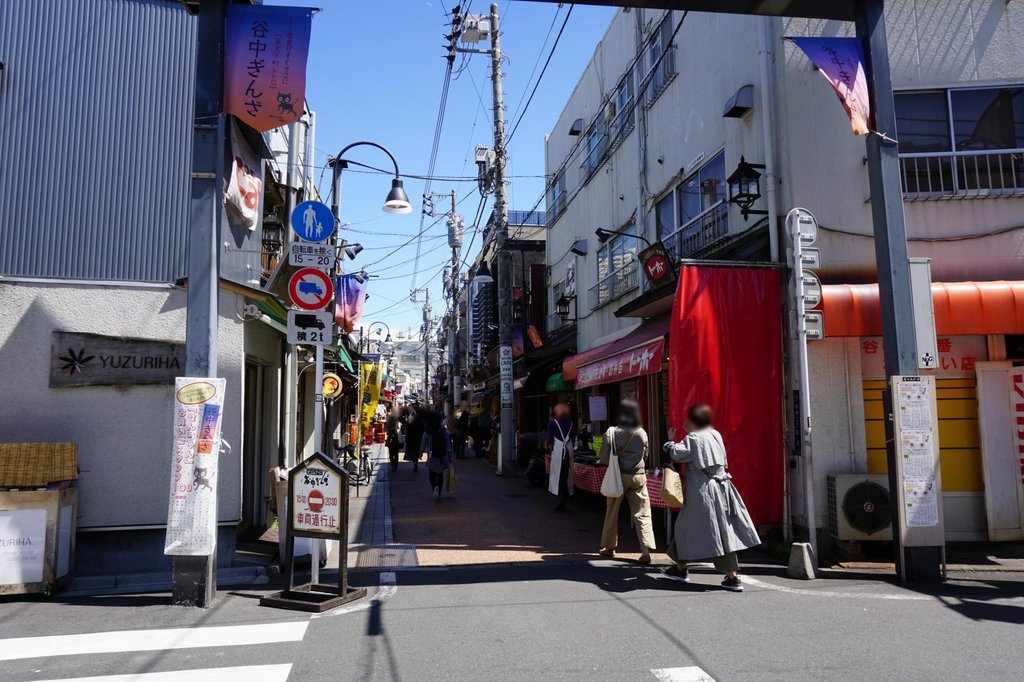
About 60 shops line Yanaka Ginza. If it is your first visit, try the famous menchi-katsu at two shops, then stop by a shop selling cat-themed baked treats and a liquor store where you can sample local sake.
Niku no Sato: Famous Yanaka Menchi, Served Freshly Fried
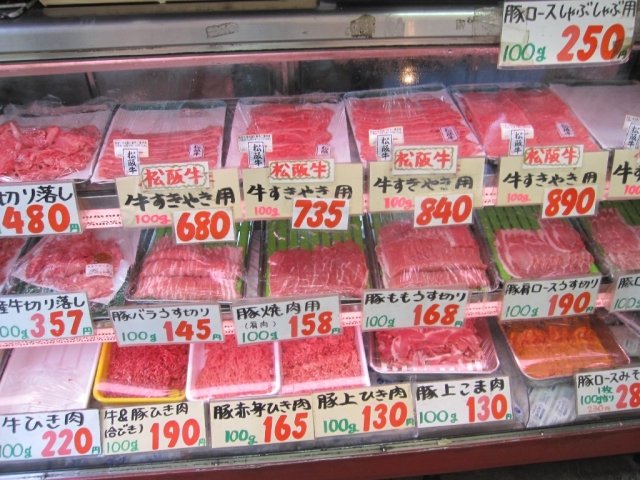
Niku no Sato is a butcher shop that sells handmade fried foods, including Yanaka Menchi, the shopping street’s signature specialty, and Yanaka Croquettes.
The fried foods go on sale at noon, and lines can form around lunchtime. Each order is freshly fried, so you can enjoy a piping-hot menchi-katsu with a crispy coating right at the storefront. In addition to the fried foods popular with tourists, Niku no Sato sells fresh meat and is well loved by local residents as a shop that supports their everyday needs.
The shop’s details are as follows:
| Address | 3-13-2 Yanaka, Taito-ku, Tokyo |
| Hours | 10:30 am–7:30 pm (fried foods from noon) |
| Closed | Mondays |
| Official website | https://www.yanakaginza.com/谷中ぎんざ店舗一覧/肉のサトー/ |
| Recommended for | Travelers who want to try the famous menchi-katsu freshly fried at the storefront |
Niku no Suzuki: Genki Menchi-Katsu You Can Eat Without Sauce
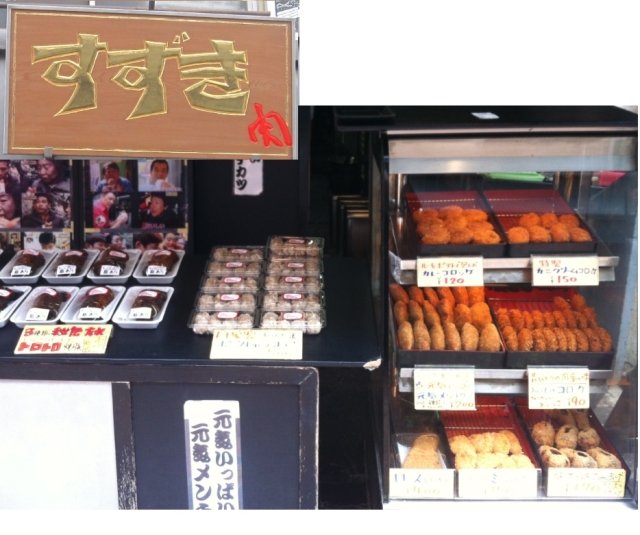
The meat in Niku no Suzuki’s signature Genki Menchi-Katsu is seasoned in advance, so you can enjoy it as is at the storefront without any sauce. This makes it easy to eat on the go without worrying about getting sauce on your hands or clothes. Because the menchi-katsu are handmade, you may have to wait depending on how busy the shop is. If you want to avoid disappointment, visit earlier in the day.
Try it alongside Niku no Sato’s Yanaka Menchi to compare the seasoning and texture of the two.
The shop’s details are as follows:
| Address | 3-9-15 Yanaka, Taito-ku, Tokyo |
| Hours | 10:30 am–6:00 pm |
| Closed | Mondays and Tuesdays |
| Official website | https://www.yanakaginza.com/谷中ぎんざ店舗一覧/肉のすずき/ |
| Recommended for | Travelers who want an easy-to-eat menchi-katsu without sauce, travelers who want to compare it with Niku no Sato’s |
Yanaka Shippoya: Baked Doughnuts Shaped Like Cat Tails

Yanaka Shippoya specializes in long, slender baked doughnuts shaped like cats’ tails. Around 13 to 14 varieties are typically on display, each with its own look and flavor, from striped patterns to black-and-white designs. Because the doughnuts are baked rather than deep-fried, they have a different texture from traditional fried doughnuts. They are easy to hold and pair well with menchi-katsu. Some varieties may sell out, so if there is a particular one you want to try, visit early.
The shop’s details are as follows:
| Address | 3-11-12 Yanaka, Taito-ku, Tokyo |
| Hours | 10 am–6 pm (until 7 pm on Saturdays, Sundays, and holidays) |
| Closed | Irregular closures |
| Official website | https://www.yanakaginza.com/谷中ぎんざ店舗一覧/しっぽや/ |
| Recommended for | Cat lovers, travelers looking for a light snack or a souvenir that suits the cat town |
Echigoya Sake Shop: Local Sake and Prepared Foods at the Storefront
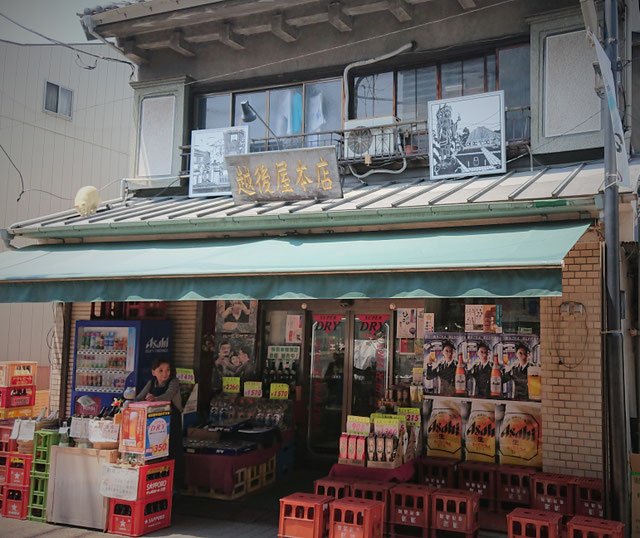
Echigoya Sake Shop is a liquor store founded in 1904 that serves draft beer and local sake from various regions at the storefront. You can enjoy kakuuchi (drinking at the liquor store where you bought your drink) alongside prepared foods from the shopping street. Having a drink at the storefront among local regulars is a way to experience this local custom. While you are there, look for the white cat on the roof.
Note that in Japan, drinking alcohol under the age of 20 is prohibited by law.
The shop’s details are as follows:
| Address | 3-13-2 Yanaka, Taito-ku, Tokyo |
| Hours | 11 am–8 pm |
| Closed | Tuesdays (open on national holidays) |
| Official website | https://www.sake-echigoya.com/ |
| Recommended for | Travelers who want to enjoy local sake or beer with prepared foods from the shopping street |
A Half-Day Itinerary from Tenno-ji to Nezu Shrine via Yanaka Ginza
You can explore Yanaka Ginza in about an hour, so consider combining your visit with nearby temples and Yanaka Cemetery. This section introduces a half-day itinerary that includes lunch at Yanaka Ginza and a visit to Nezu Shrine around 1 pm.
The entire route, from Nippori Station to Nezu Station, takes about four hours on foot, with no need to take trains or buses along the way.
9:30 am: See the Open-Air Great Buddha at Tenno-ji
If you climb the steps of Momiji-zaka from the South Exit of Nippori Station, you will soon reach Tenno-ji Temple. The temple grounds are open to visitors free of charge, and you will find a Great Buddha dating back to 1690 sitting outdoors without a roof overhead. After more than 300 years of exposure to wind and rain, the statue has developed a blue-green patina, giving it a different appearance from Buddhist statues housed indoors.
Tenno-ji was originally known as Kanno-ji. During the Edo period, it was famous for holding tomikuji, lotteries similar to modern-day public lotteries. Along with Yushima Tenjin and Meguro Fudo, it was counted among the “Three Lotteries of Edo,” attracting large crowds. Despite its proximity to the station, the temple grounds tend to be quiet in the morning, allowing you to take your time offering prayers before the Great Buddha.
10:00 am: Walk Along Sakura-dori in Yanaka Cemetery
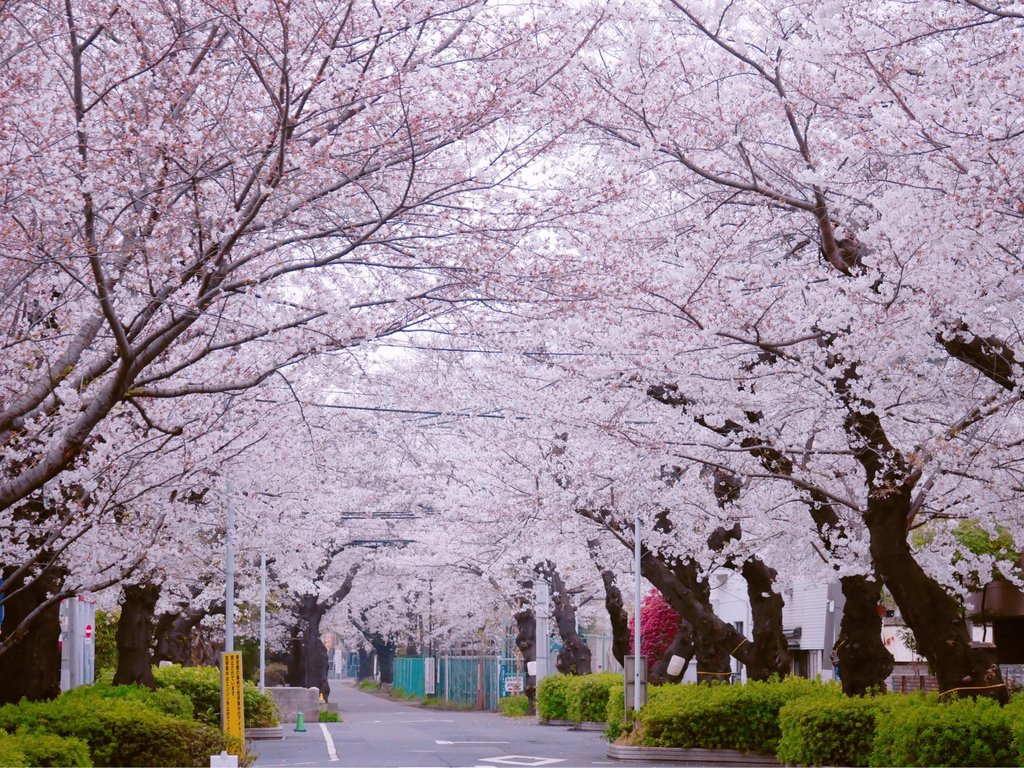
Tokyo Metropolitan Yanaka Cemetery, next to Tenno-ji Temple, was originally part of the temple grounds before becoming a public cemetery in 1874. Sakura-dori, the road running through the center of the approximately 10-hectare (25-acre) cemetery, is lined with cherry trees. In most years, from late March to early April, you can walk beneath a canopy of cherry blossoms. In autumn, the trees put on a display of fall colors.
Along Sakura-dori, you will also find the site of Tenno-ji’s five-story pagoda, which burned down in 1957. The foundation stones that once supported its pillars remain visible. The cemetery is also the final resting place of Shibusawa Eiichi, the businessman featured on the ¥10,000 banknote issued in 2024. Within the cemetery grounds, the Kan’ei-ji Cemetery contains the grave of Tokugawa Yoshinobu, the last shogun of the Tokugawa shogunate.
Yoshinobu’s grave isn’t open to the public, so view it from outside the gate. Because the cemetery is a resting place for the deceased, don’t talk loudly, and be careful not to leave the paths and enter the grave plots.
11:00 am: See an Edo-Period Earthen Wall at Kannon-ji
Kannon-ji Temple, on the west side of the cemetery, is also known for its ties to the 47 Ronin of Ako, a group of samurai who avenged their lord by attacking the residence of Kira Yoshinaka during the Edo period. Outside the temple grounds, an earthen wall dating back to the Edo period still stands. Built from alternating layers of roof tiles and earth, it is registered as a Tangible Cultural Property under the name “Kannon-ji Earthen Wall.”
The alternating layers of tile and earth create a distinctive striped pattern. A narrow alley runs alongside the wall, giving the area the quiet atmosphere of a traditional temple town. After viewing the wall, head toward Yuyake Dandan via Shichimen-zaka slope. The walk takes about five minutes.
11:30 am: Walk Down Yuyake Dandan and Have Lunch at Yanaka Ginza
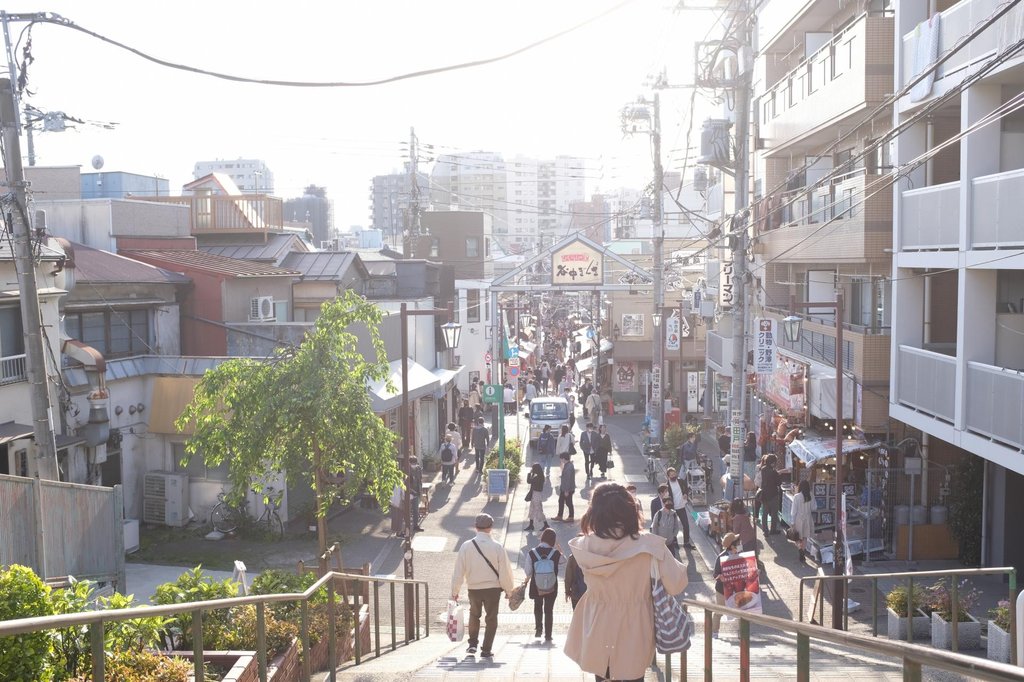
Yuyake Dandan is a 36-step staircase overlooking Yanaka Ginza and one of Yanaka’s best-known photo spots. The road at the top slopes toward the steps, so watch your footing when stopping to take photos, and be careful not to block people using the stairs.
After descending into the shopping street, enjoy prepared foods and sweets for lunch. Niku no Sato’s fried foods go on sale at noon, while Niku no Suzuki opens at 10:30 am. To make the most of your visit, stop by Niku no Suzuki and Yanaka Shippoya before heading to Niku no Sato for its freshly fried specialties.
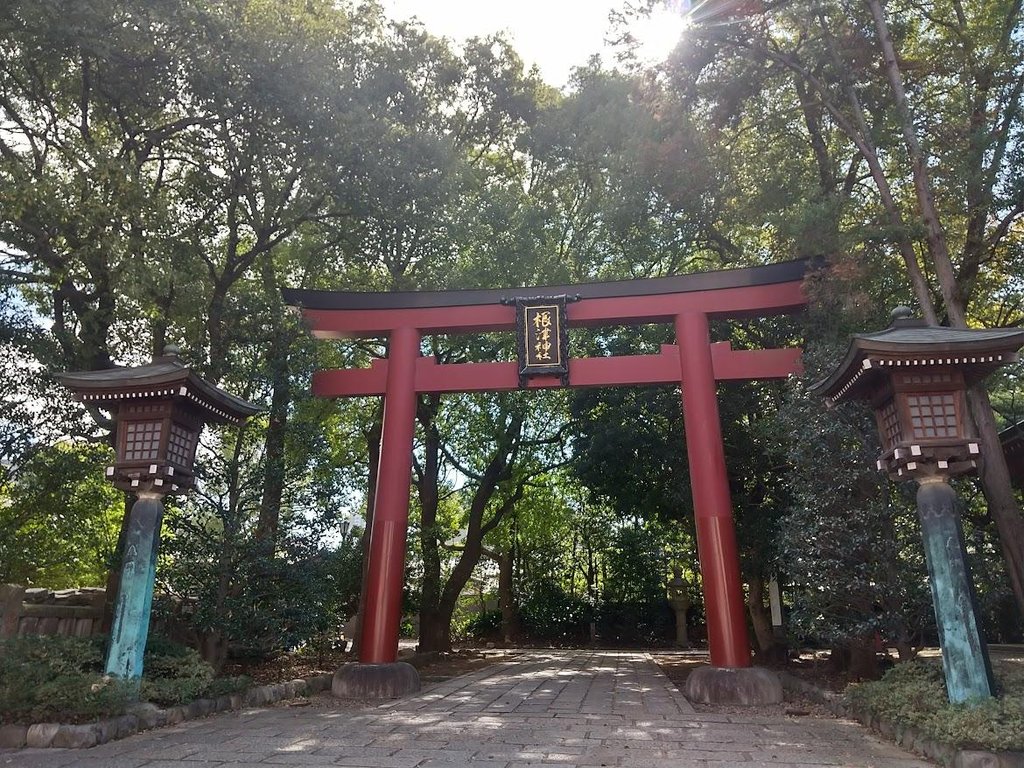
1:00 pm: Walk Through the Vermilion Torii Gates at Nezu Shrine
From Yanaka Ginza, follow Yomise-dori toward Sendagi. Nezu Shrine in Bunkyo City is about a 15-minute walk away. According to tradition, the shrine was founded around 1,900 years ago by Yamato Takeru no Mikoto, a hero from Japanese mythology.
The shrine buildings constructed in 1706 by Tokugawa Tsunayoshi, the fifth shogun of the Edo shogunate, still stand today. Seven buildings, including the main shrine building, the two-story gate, and the Karamon gate, are designated Important Cultural Properties of Japan. The main shrine building is in the gongen-zukuri style, which joins the main sanctuary, offering hall, and worship hall into a single structure. Decorated mainly in vermilion, the building preserves the distinctive appearance of Edo-period shrine architecture.
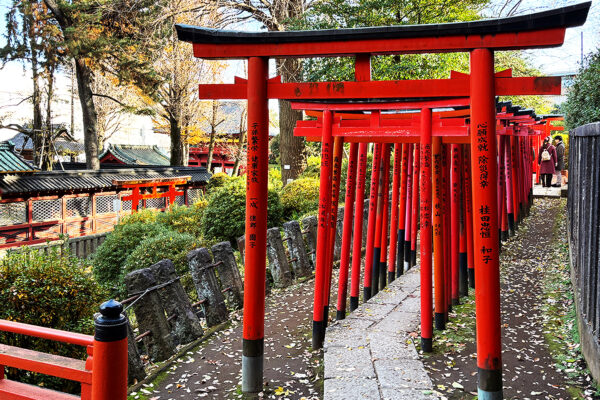
Along the path to Otome Inari Shrine within the grounds, you can walk through a tunnel of vermilion torii gates. The closely spaced gates create a striking passage of red frames and shifting light.
Visiting the shrine is free of charge. Nezu Station on the Tokyo Metro Chiyoda Line is about a five-minute walk away, making it convenient for your return trip.
A Recommended Tour of Yanaka Ginza and Nearby Alleys with an English-Speaking Guide
Much of the history behind Yanaka’s alleys and temples is difficult to discover from signs alone. Many temples in Yanaka are active religious sites rather than tourist attractions, and English-language signage is limited. In this section, we introduce a guided tour of Yanaka’s alleys and historic sites, with explanations from an English-speaking guide.
Yanaka District History Walking Tour: Back Alleys and Historic Sites
Japan Guide Star’s “Tokyo: Yanaka District History Walking Tour” is a three-hour tour of Yanaka’s alleys and historic sites, led by an English- or Japanese-speaking guide. Many parts of Yanaka escaped wartime damage, leaving historic temples and traditional wooden buildings intact. As you explore the neighborhood, the guide explains how it developed and shares the history behind its buildings.
The guide also introduces temples and old buildings that are easy to overlook when exploring on your own, adding historical context to the temple-town scenery featured in this article’s itinerary. Along the way, you can sample local snacks at Yanaka Ginza, although these are not included in the tour price.
The meeting point is in front of the NewDays shop at JR Nippori Station. Tours depart twice daily, at 10:30 am and 1:30 pm, with a maximum of 15 participants per tour. The small group size makes it easier to ask the guide questions along the way.
Free cancellation is available up to 24 hours before the tour starts, offering some flexibility if your plans change.
The tour is rated “easy,” but it involves three hours of walking, so comfortable shoes are recommended. You can find the full list of walking tours offered by Japan Guide Star here.
Tokyo: Yanaka District History Walking Tour

The tour details are as follows:
| Meeting point | In front of NewDays, JR Nippori Station |
| Duration | About 3 hours (starts at 10:30 am and 1:30 pm) |
| Included in the price | Local guide (English or Japanese) |
| Booking site | https://japanguidestar.com/tour/tokyo-yanaka-district-history-walking-tour/ |
| Recommended for | Travelers who want to learn the history of Yanaka’s temples and alleys from a guide |
Frequently Asked Questions About Yanaka Ginza

Finally, here are answers to some frequently asked questions about Yanaka Ginza.
When Can You See the Sunset from Yuyake Dandan?
On clear evenings, the setting sun aligns with the staircase, creating the scene that gives Yuyake Dandan its name. In fall and winter, sunset comes earlier, so you may be able to catch the view while some shops on Yanaka Ginza are still open. Opening hours vary by shop and season.
When Can You See the Azaleas at Nezu Shrine?
Nezu Shrine’s azaleas are usually at their best in April. The shrine’s azalea garden features about 3,000 plants representing around 100 varieties. Because the different varieties bloom at different times, you can enjoy the flowers over an extended period.
The azalea garden is open only during the annual Azalea Festival. In 2026, admission requires a donation of ¥500 to ¥1,000, depending on the date.
Are Yanaka Ginza’s Shops Open on Mondays?
Many shops are open on Mondays, but Niku no Sato and Niku no Suzuki, both known for their menchi-katsu, are closed that day. Niku no Suzuki may also be closed on Tuesdays. If you want to try both shops, plan your visit for Wednesday through Sunday and check their opening days in advance.
Are There Times When Yanaka Ginza Gets Crowded?
Yes. On weekends, especially in the early afternoon, lines often form outside popular delis and sweet shops, making the street more crowded. Visiting on a weekday or on a weekend morning usually means shorter lines and more room to stroll along the street.
Are There Restrooms at Yanaka Ginza?
There are no public restrooms on Yanaka Ginza itself. Nearby public restrooms are available near the entrance to Yanaka Cemetery and at the East Exit of Nippori Station.
Are There Indoor Places to Spend Time in Yanaka on Rainy Days?
Yes. The Taito City Asakura Museum of Sculpture, about a five-minute walk from both Nippori Station and Yanaka Ginza, is an indoor museum that opens the former studio and home of sculptor Asakura Fumio to the public.
The museum is open from 9:30 am to 4:30 pm, with last admission at 4:00 pm. It is closed on Mondays and Thursdays. If a closing day falls on a national holiday, the museum opens that day and closes on the next weekday instead. As of October 2026, admission is ¥500 for adults. Visitors must remove their shoes inside, so wearing socks is recommended.
Explore Old Downtown Tokyo at Yanaka Ginza
Yanaka Ginza is a short shopping street of about 170 meters (560 feet). However, if you sample freshly fried menchi-katsu and cat-tail-shaped baked doughnuts at the storefronts, then continue to nearby temples, Yanaka Cemetery, and Nezu Shrine, you can easily spend half a day exploring the streetscapes and history of old downtown Tokyo.
As you explore, be considerate of local residents’ daily lives: stop in front of the shop to eat what you buy, and ask staff for permission before taking photos. If you want to try the famous menchi-katsu at both Niku no Sato and Niku no Suzuki, plan your visit from Wednesday through Sunday, as both shops are closed on Mondays.