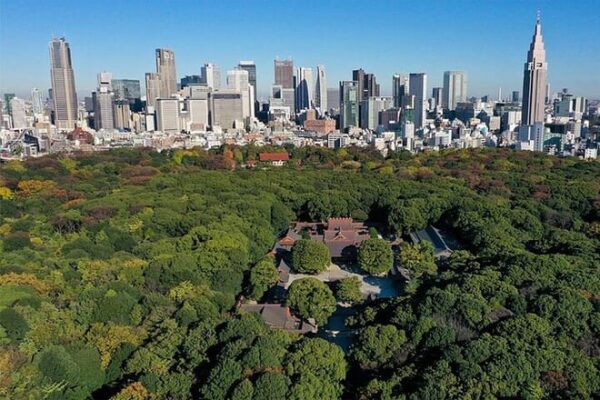
Are you planning to visit Harajuku but unsure where to go with limited time? Harajuku offers a wide variety of sights within walking distance, from the tranquil forest surrounding Meiji Shrine to Takeshita Street, known for its colorful fashion and sweets.
In this article, we introduce seven things to do in Harajuku, from visiting Meiji Shrine, a forest-surrounded shrine dedicated to Emperor Meiji and Empress Shoken, to sampling street food along Takeshita Street and relaxing at a café on Omotesando. We also provide a half-day walking itinerary starting at 9:00 am, along with a suggested route for continuing to Shibuya in the afternoon.
Half a Day Is Enough for Harajuku: Start with Meiji Shrine
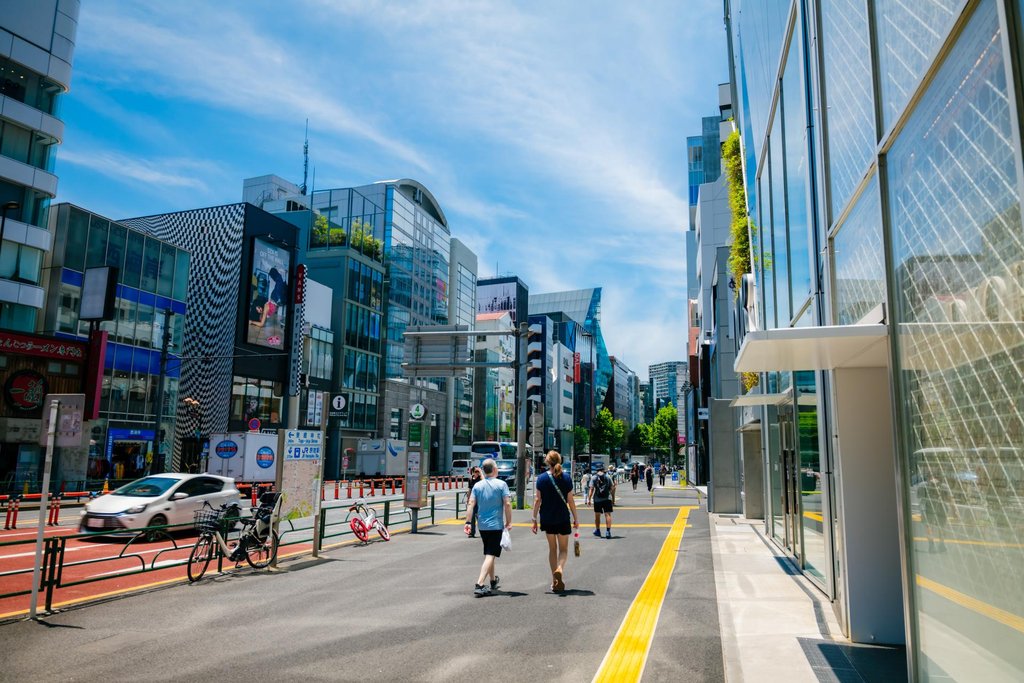
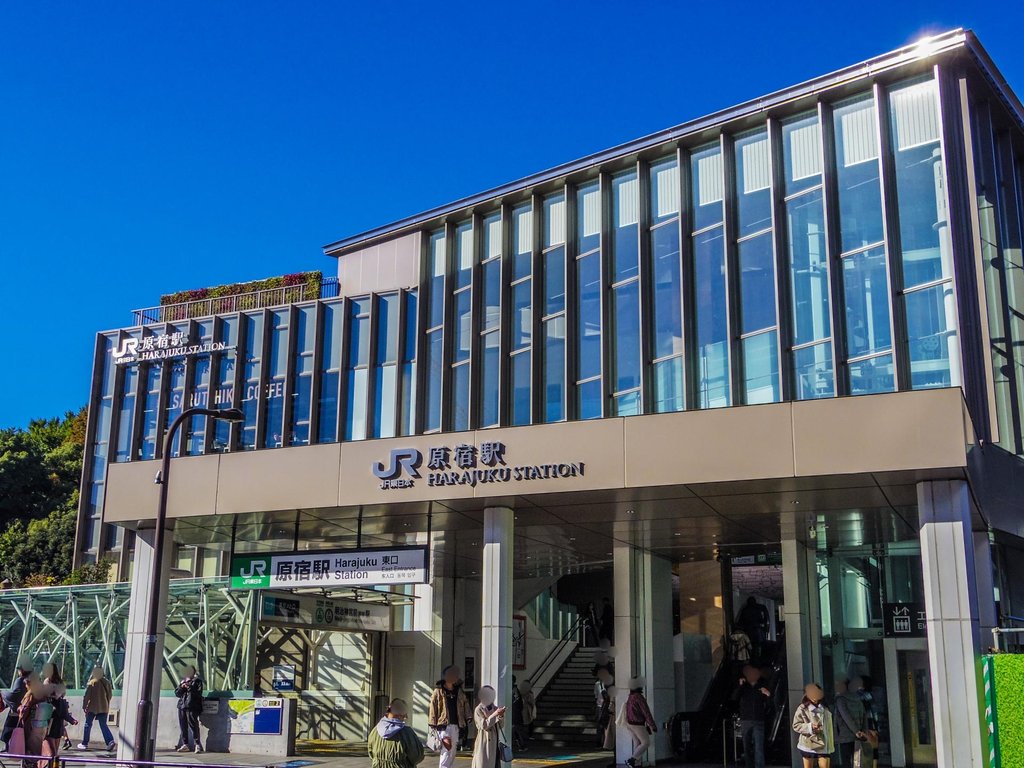
The main sights in Harajuku, including Meiji Shrine, Takeshita Street, and Omotesando, are clustered around JR Harajuku Station and can be explored in about half a day. The entrance to Meiji Shrine is about a five-minute walk from the entrance to Takeshita Street, while Omotesando is just a few minutes on foot from Takeshita Street. All three are within walking distance, so there is no need to take a train or taxi between them.
Start your day with a walk through the forest surrounding Meiji Shrine, when visitor numbers are generally lower. Then head to Takeshita Street and Omotesando around 11 am, when many shops open, to experience the contrast between the shrine’s tranquil grounds and Harajuku’s lively shopping streets.
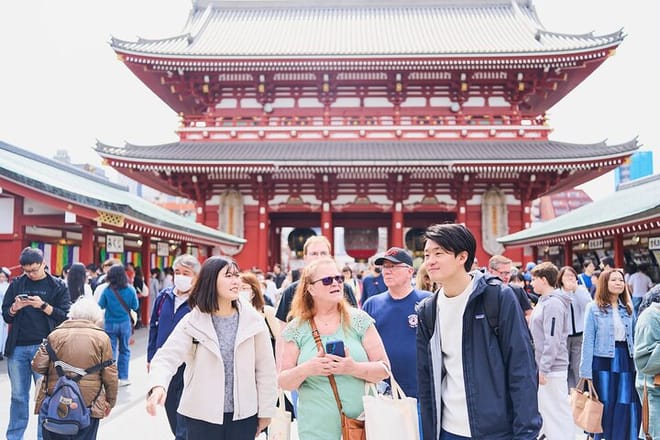
You can visit Meiji Shrine independently. However, if you would like to learn about its origins and how to pray at a Shinto shrine, consider Japan Guide Star’s “Tokyo: Meiji Shrine Walking Tour — Shintoism & Imperial System.” As you walk along the shrine approach with a guide, you will learn in English about the history of the imperial family, shrine etiquette, and Shinto, Japan’s indigenous religion.
The tour starts at JR Harajuku Station and lasts about 90 minutes. There are six departure times: 8:00 am, 9:00 am, 10:00 am, 11:00 am, noon, and 2:30 pm. Joining a morning tour leaves you time to explore Takeshita Street and Omotesando afterward. An early start also lets you enjoy the tree-lined shrine approach before it gets busier.
The tour is open to participants aged one and older, and free cancellation is available up to 24 hours before the tour starts.
Details
| Meeting point | JR Harajuku Station |
| Duration | About 1.5 hours |
| What’s included | English-speaking guide |
| Booking site | https://japanguidestar.com/tour/tokyo-meiji-shrine-walking-tour-shintoism-imperial-system/ |
| Recommended for | Travelers who want to learn about shrine etiquette and imperial history in English as they visit, families with children |
Tokyo: Meiji Shrine Walking Tour — Shintoism & Imperial System
Seven Things to Do in Harajuku, from Meiji Shrine to Hunting for Vintage Clothes
Harajuku has places with very different atmospheres within walking distance of one another: a forest surrounding a shrine, a lively shopping street, a quiet tree-lined avenue, and backstreets lined with small shops. Here are seven things to do in Harajuku. You do not need to visit them all. Choose three or four based on your interests and available time, and you will still see what Harajuku has to offer.
Visit a Shrine in the Forest: Meiji Shrine
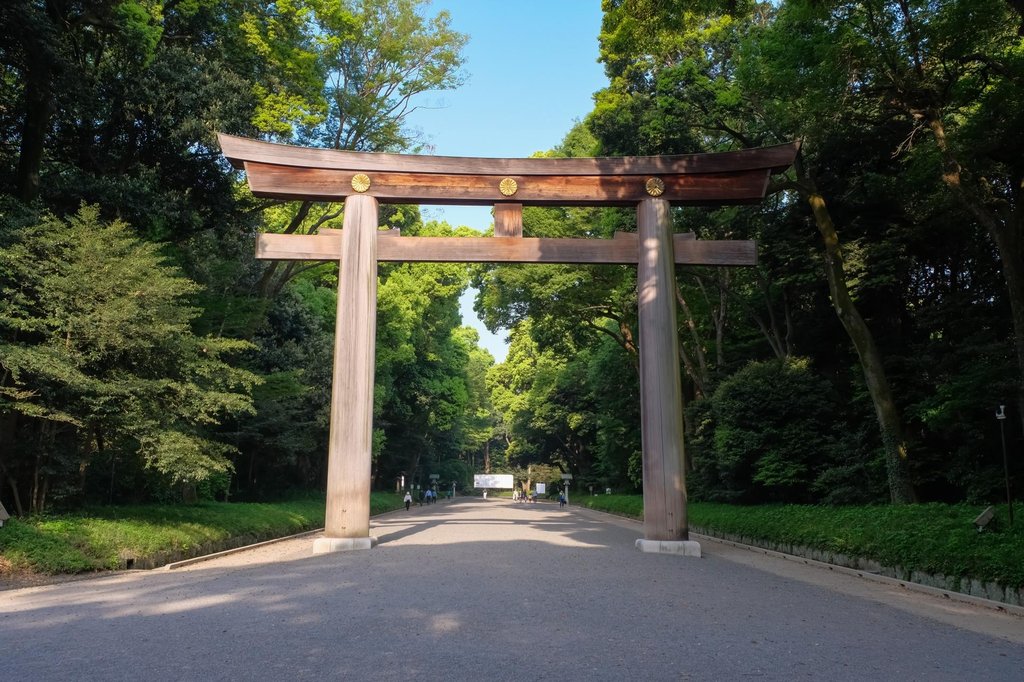
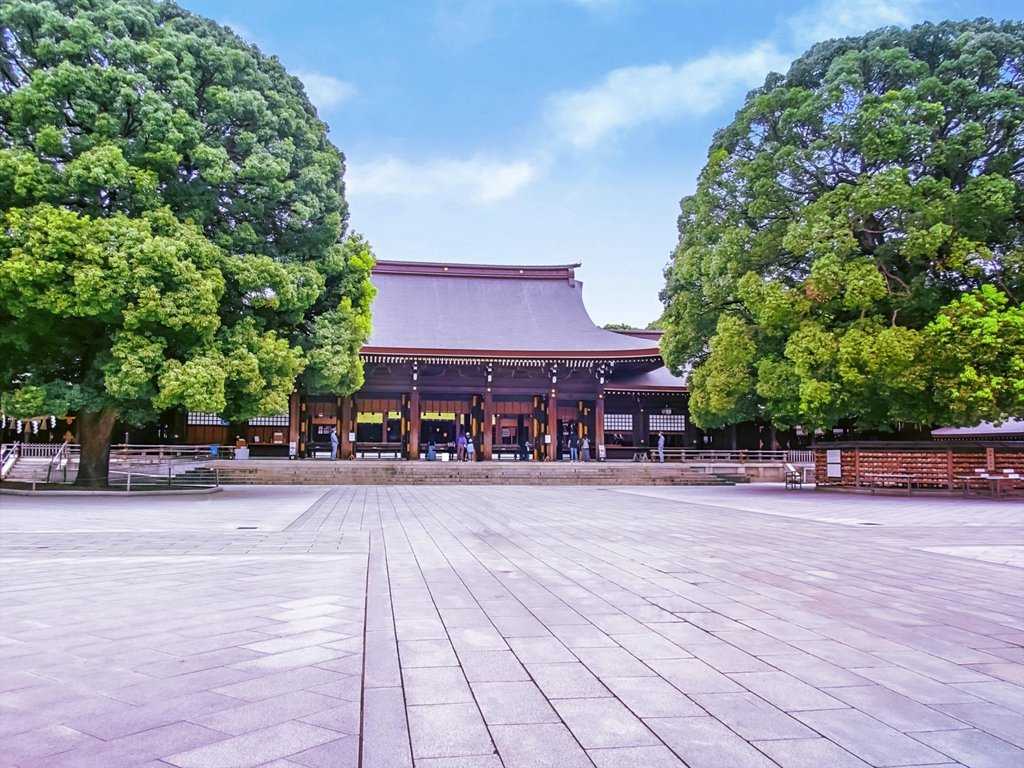
Meiji Shrine is dedicated to Emperor Meiji and his consort, Empress Shoken. The entrance is a short walk from JR Harajuku Station. The forest on the shrine grounds covers about 700,000 square meters (about 173 acres). It is a man-made forest grown from about 100,000 trees donated from across Japan when the shrine was founded. From the entrance, it takes about 10 minutes to walk to the main hall. As you pass through the large torii gate and follow the gravel-covered approach beneath the trees, the crunch of pebbles underfoot becomes a quiet reminder that you have left the bustle around the station behind.
Before praying, purify your hands and mouth at the purification fountain. At the main hall, make a coin offering and then pray using the “two bows, two claps, one bow” method: bow deeply twice, clap your hands twice, and then bow once more. If you are unsure of the etiquette, refer to the guidance provided on the shrine grounds.
Visiting the shrine is free of charge. However, as of October 2026, the Inner Garden on the grounds charges a ¥500 maintenance contribution, and general admission to the Meiji Jingu Museum costs ¥1,000. In the Inner Garden, the irises are usually at their best in June. The Meiji Jingu Museum is generally closed on Thursdays, but it may also close temporarily for exhibition changes or other reasons, so check the opening schedule before your visit.
Details
| Address | 1-1 Yoyogi Kamizonocho, Shibuya-ku, Tokyo |
| Hours | Sunrise to sunset (gate times vary by month) |
| Closed | None |
| Official website | https://www.meijijingu.or.jp/ |
| Recommended for | Travelers who want to walk through a forest in central Tokyo and experience the atmosphere of a Japanese shrine |
Tokyo: Meiji Shrine Walking Tour — Shintoism & Imperial System
Experience “Kawaii” Culture: Takeshita Street
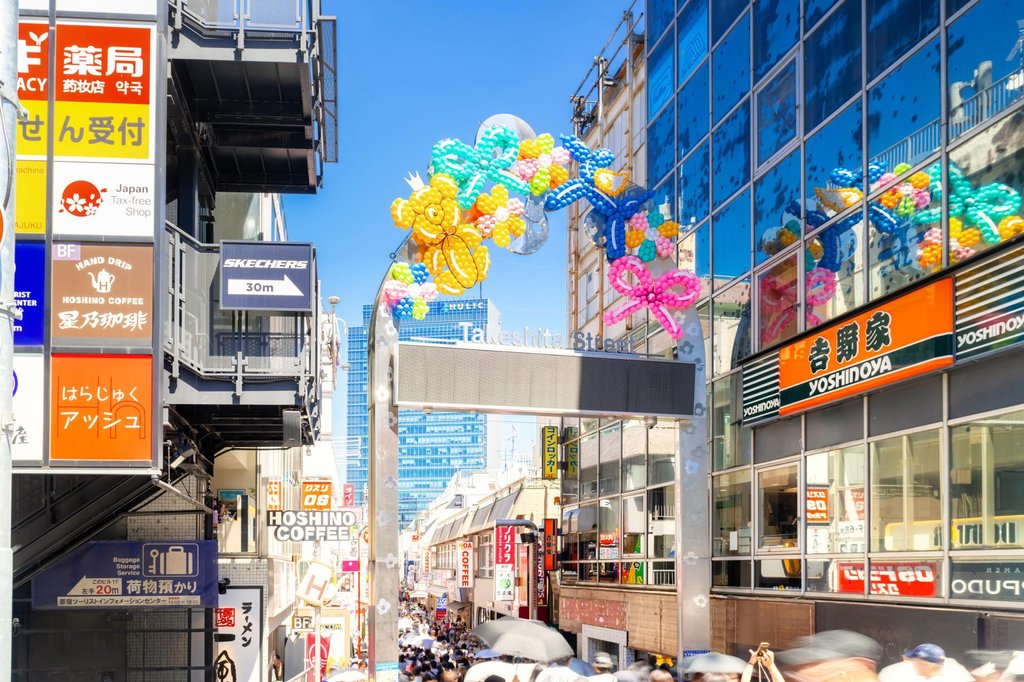
Takeshita Street is a shopping street about 350 meters (about 1,150 feet) long, running from opposite JR Harajuku Station to Meiji-dori Avenue. It is known as a center of kawaii culture, which celebrates cuteness in Japanese pop culture. Shops selling distinctive fashion accessories, cosmetics, and photogenic sweets line the street.
When the street is quiet, you can walk from one end to the other in about five minutes. During busy periods, however, the same walk may take 15 to 20 minutes as you make your way through the crowds. The street is often packed with shoppers and tourists during the day.
If you would like to explore when there are fewer people, consider visiting early in the morning. However, opening hours vary by shop, so check in advance if you plan to shop. The street is lined with stores selling pastel-colored clothes and accessories, as well as vendors offering colorful cotton candy and crepes.
Details
| Address | 1-chome Jingumae, Shibuya-ku, Tokyo |
| Hours | Varies by shop (many open at 11 am) |
| Closed | Varies by shop |
| Official website | https://www.takeshita-street.com/ |
| Recommended for | Travelers who want to enjoy “kawaii” culture, street food, and photogenic sweets |
Try Harajuku’s Famous Crepes: Marion Crepes Harajuku Takeshita Street Store

Marion Crepes was founded in 1976 and is known as a pioneer of Japan’s grab-and-go crepe culture. The Harajuku Takeshita Street Store is located on Takeshita Street. The shop uses its own original batter, which is baked until crisp and gradually develops a chewy texture as you eat. The batter also has a distinctive sweet aroma.
The menu includes classic crepes with whipped cream and fruit, as well as savory options with ingredients such as tuna and ham. Check the official website or the store for the latest menu and prices. If you are unsure how to order in Japanese, you can point to the item you want on the menu.
Details
| Address | Jeunesse Building 1F, 1-6-15 Jingumae, Shibuya-ku, Tokyo |
| Hours | 10 am–9 pm |
| Closed | None |
| Official website | https://www.marion.co.jp/ |
| Recommended for | Travelers who want to enjoy Harajuku-style street food on Takeshita Street |
Compare Vintage Clothes from Different Countries: Harajuku Chicago Takeshita Store
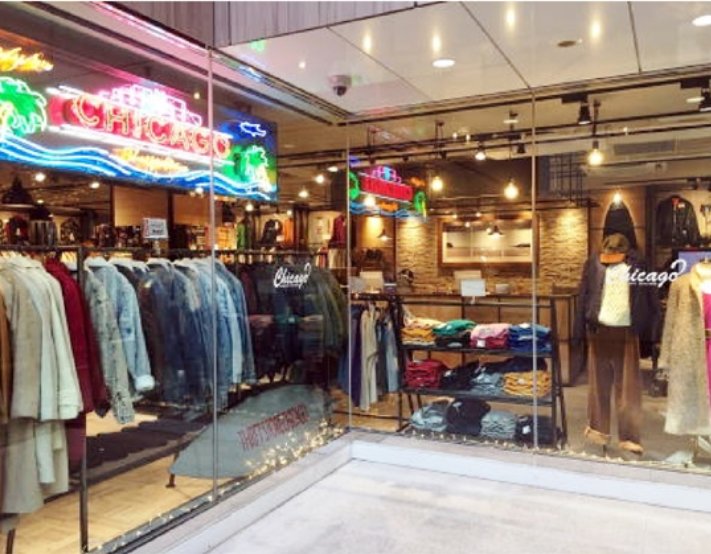
Harajuku Chicago is a vintage clothing store that began selling secondhand clothing in 1972. Its Takeshita Store is located in the basement of CUTE CUBE HARAJUKU on Takeshita Street. The store carries a wide range of vintage clothing and miscellaneous goods from Japan, the United States, Europe, and elsewhere.
Many vintage items are one of a kind, and their labeled sizes may differ from those used for contemporary clothing. If you find something you like, try it on to check the shoulder width, sleeve length, and overall fit.
Details
| Address | CUTE CUBE HARAJUKU B1F, 1-7-1 Jingumae, Shibuya-ku, Tokyo |
| Hours | 11 am–8 pm |
| Closed | None |
| Official website | https://www.chicago.co.jp/ |
| Recommended for | Travelers who want to compare vintage clothes from different countries in one place |
Walk Under the Zelkova Trees: Omotesando
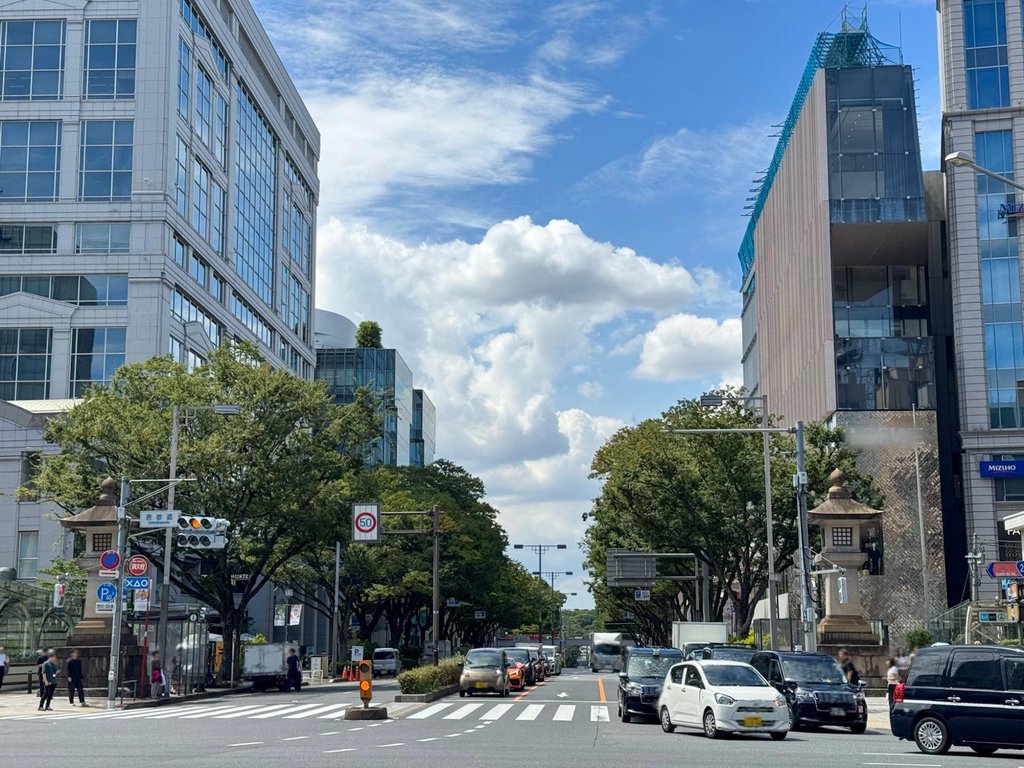
Omotesando is a broad avenue about 1 kilometer (about 0.6 miles) long, originally built as an approach to Meiji Shrine. It runs from Jingu Bridge near JR Harajuku Station to the intersection with Aoyama-dori Avenue, near Omotesando Station. Zelkova trees line both sides of the avenue, creating a calmer atmosphere than the lively shopping streets around Harajuku.
Flagship stores of Japanese and international brands line the avenue, alongside shopping complexes such as Omotesando Hills, designed by architect Tadao Ando. Other notable buildings include the glass-fronted Dior Omotesando, designed by SANAA, and Tod’s Omotesando, designed by Toyo Ito, whose exterior features a branching concrete pattern inspired by the surrounding trees. Even if you do not plan to shop, you can enjoy walking along the avenue and admiring its architecture. Walking the full length without stopping takes about 15 minutes. However, many shops and shopping complexes open at 11:00 am, so visit later if you want to browse the stores along the way.
Enjoy Sweets That Look Like Accessories: Q-pot CAFE. Omotesando Main Store

Q-pot CAFE. opened in 2012 as a café by Q-pot., a Japanese brand known for accessories inspired by sweets such as macarons and chocolates. Located in Jingumae 3-chome, the café is tucked away at the end of a side street, about a six-minute walk from Exit A2 of Omotesando Station.
The menu includes macarons, cakes, and other sweets decorated in the brand’s signature style. The café is divided into seven rooms, each with a distinct theme, including chocolate, macarons, whipped cream and strawberries, and cherry blossoms.
Each room has its own colors and decor, offering different backdrops for photographing your sweets. If you plan to visit at a specific date and time, booking in advance through the official website or another reservation channel is advisable.
Details
| Address | 1F, 3-4-8 Jingumae, Shibuya-ku, Tokyo |
| Hours | 11:00 am–7:00 pm (last order 6:30 pm) |
| Closed | Year-end and New Year holidays |
| Official website | https://q-pot.jp/cafe-omotesando/ |
| Recommended for | Travelers who want to enjoy cute-looking sweets in a relaxed setting |
Browse Small Street-Front Shops: Cat Street
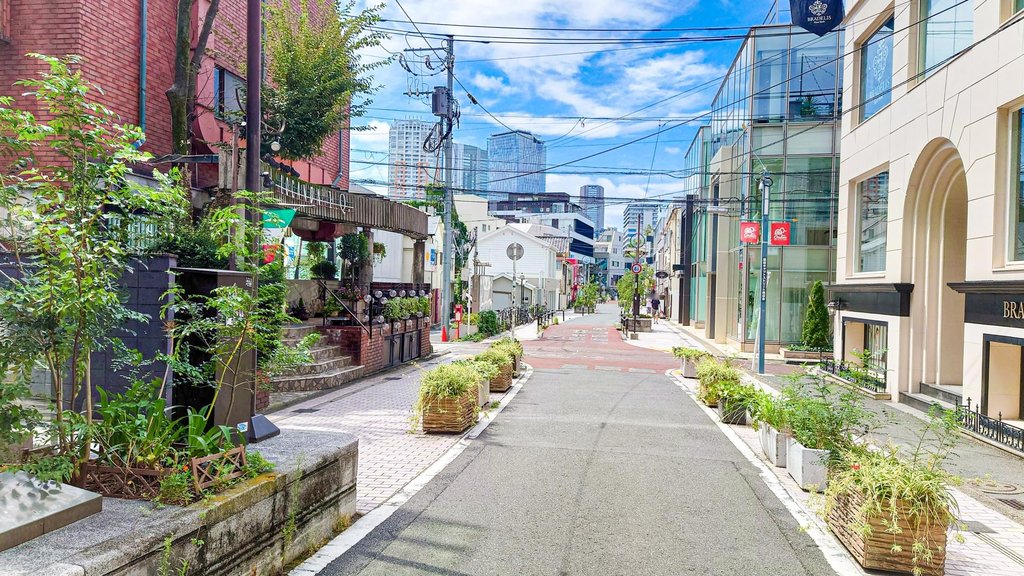
Cat Street is a pedestrian-friendly route built over the former Shibuya River, running from the area around Miyashita Park in Shibuya to Omotesando. It is lined with fashion boutiques, vintage clothing stores, cafés, and other shops, making it a pleasant place to browse as you walk.
From Omotesando, heading south along Cat Street takes you toward Shibuya, making it a convenient route for exploring both areas on foot. However, some sections allow vehicle traffic, so stay alert as you walk.
A Half-Day Walking Itinerary in Harajuku Starting at 9 am
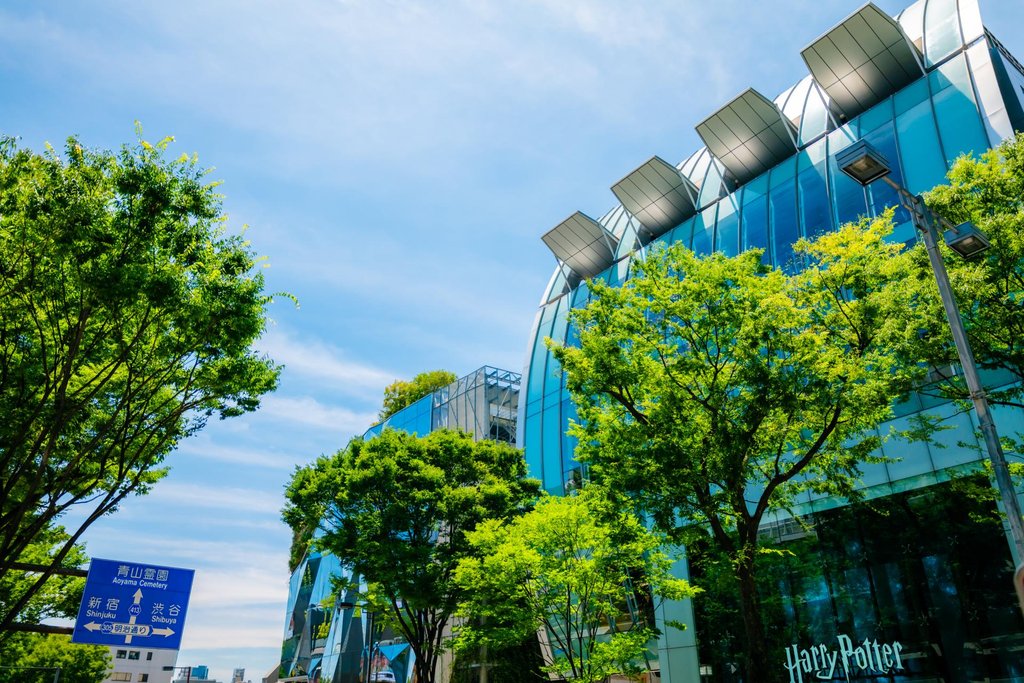
This half-day itinerary starts at Meiji Shrine at 9:00 am and ends with lunch in Omotesando around 1:00 pm. Begin with a peaceful morning walk through the forest, then head into town as the shops begin to open.
9:00 am: Walk Through Meiji Shrine with an English-Speaking Guide
Meet at JR Harajuku Station at 9:00 am for Japan Guide Star’s “Tokyo: Meiji Shrine Walking Tour — Shintoism & Imperial System.” The tour ends around 10:30 am. Since many shops on Takeshita Street are still closed at that time, you can explore the area as stores begin to open around 11:00 am. Starting with a morning walk through the forest approach also leaves you more time to browse the shopping areas from midday onward.
Tokyo: Meiji Shrine Walking Tour — Shintoism & Imperial System
10:30 am: Enjoy Crepes and Vintage Clothes on Takeshita Street
After the tour, cross the road in front of Harajuku Station to enter Takeshita Street. Pick up a crepe at Marion Crepes Harajuku Takeshita Street Store and enjoy it in a spot where you will not obstruct pedestrian traffic. At around 10:30 am, many shops will still be closed, making this a good time to stroll along the street and photograph its colorful signs and distinctive storefronts.
At 11:00 am, browse the vintage clothing at Harajuku Chicago Takeshita Store, then leave Takeshita Street through the exit on the Meiji-dori Avenue side.
Noon: Choose Souvenirs at Kiddy Land on Omotesando
After leaving Takeshita Street, head south along Meiji-dori Avenue. At the Jingumae intersection, turn onto Omotesando and walk a short distance to Kiddy Land Harajuku to pick up souvenirs. The store occupies a basement level and four floors above ground, with a wide selection of character goods and toys.
You’ll also find dedicated shops for Snoopy, Rilakkuma, Chiikawa, and other popular characters, making it a fun stop for families with children. The store is about a three-minute walk from Meiji-Jingumae (Harajuku) Station and offers tax-free shopping. If you already know which character you are looking for, head straight to the relevant floor to browse more efficiently. Allow around 30 minutes for your visit.
Details
| Address | 6-1-9 Jingumae, Shibuya-ku, Tokyo |
| Hours | 11 am–8 pm |
| Closed | Irregular closures |
| Official website | https://www.kiddyland.co.jp/harajuku/ |
| Recommended for | Travelers looking for character-goods souvenirs, families with children |
1:00 pm: Take a Dessert Break at Q-pot CAFE.
After shopping at Kiddy Land, head toward Omotesando Station and stop at Q-pot CAFE. Omotesando Main Store for a sweet treat. Take a break from walking and enjoy dessert at your leisure.
Q-pot CAFE. can get crowded on weekends, so advance reservations are recommended if you plan to follow this itinerary on a weekend. If you would prefer a full meal or cannot get a table, consider a nearby restaurant specializing in omurice (rice topped with or wrapped in an omelet) near Omotesando Station instead.
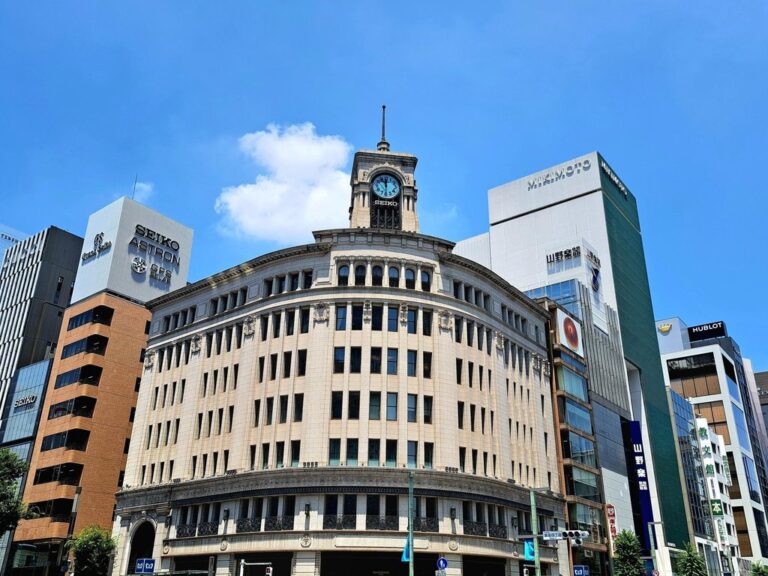
Walk from Harajuku to Shibuya: Two Activities for the Afternoon
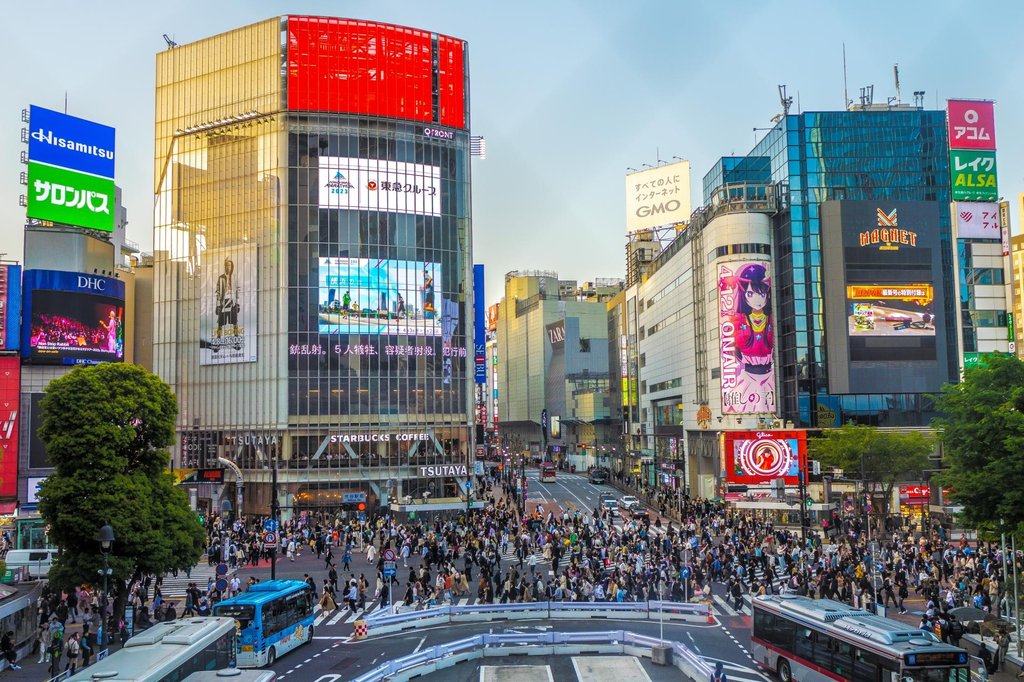
After your half-day of sightseeing in Harajuku, you can walk to Shibuya along Cat Street in about 15 to 20 minutes. The following section introduces two activities you can enjoy in Shibuya from the afternoon into the evening.
Afternoon: Carve Your Own Chopsticks at a Workshop in Shibuya
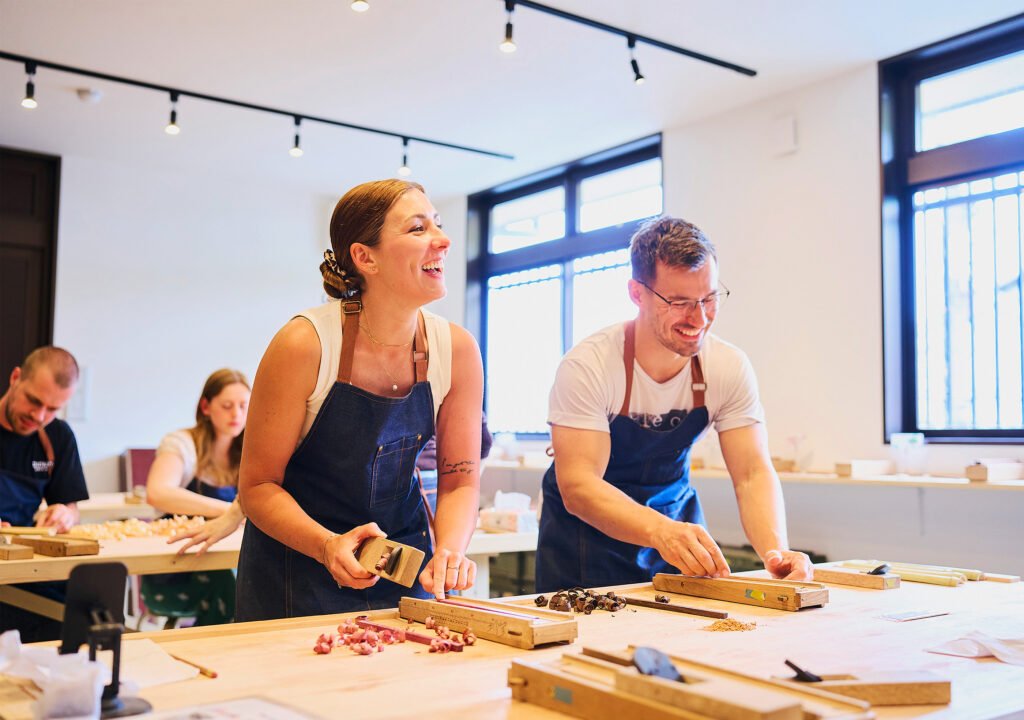
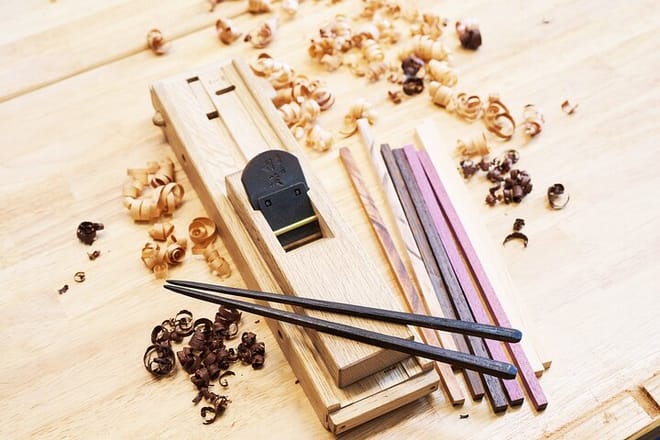
Japan Guide Star offers two one-hour workshops in Shibuya: the “Tokyo Shibuya Chopstick Making Workshop” and the “Tokyo Shibuya Premium Japanese Chopstick Making Workshop.” In both, you shape and polish wood to make your own chopsticks.
From Harajuku, head south along Cat Street toward Shibuya to reach the workshop venue in Jinnan 1-chome. At the Shibuya studio, you can shape your chopsticks by hand and choose the wood and finish to suit your preferences, creating a personalized souvenir of your trip to Japan.
Sessions start every 30 minutes from 9:00 am to 6:30 pm, making it easy to fit a workshop into your itinerary. In the standard workshop, you can choose from more than 10 types of wood, with three available at no extra charge. Name engraving is available for an additional fee. Children aged five and older can participate.
The Premium workshop offers specialty woods, and laser name engraving is included in the price. Your finished chopsticks are also wrapped for you to take home. Both workshops offer free cancellation up to 24 hours before the start time.
Details
| Standard Workshop | Premium Workshop | |
|---|---|---|
| Address | 1-20-7 Jinnan, Shibuya-ku, Tokyo | 1-20-7 Jinnan, Shibuya-ku, Tokyo |
| Hours | 9:00 am–6:30 pm (sessions start every 30 minutes) | 9:00 am–6:30 pm (sessions start every 30 minutes) |
| Closed | Check availability on the booking page | Check availability on the booking page |
| Official website | https://japanguidestar.com/tour/tokyo-shibuya-chopstick-making-workshop/ | https://japanguidestar.com/tour/tokyo-shibuya-premium-japanese-chopstick-making-workshop/ |
| Recommended for | Travelers who want a casual chopstick-making experience, families with children aged 5 and older | Travelers who want to make name-engraved chopsticks from rare wood |
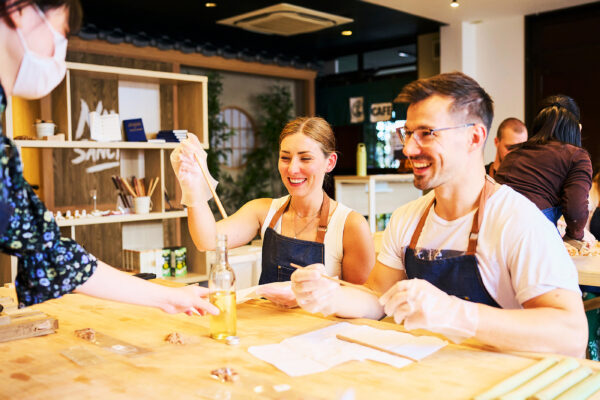
Tokyo Shibuya Chopstick Making Workshop
Evening: Have Dinner at Four Shibuya Restaurants on a Food Tour
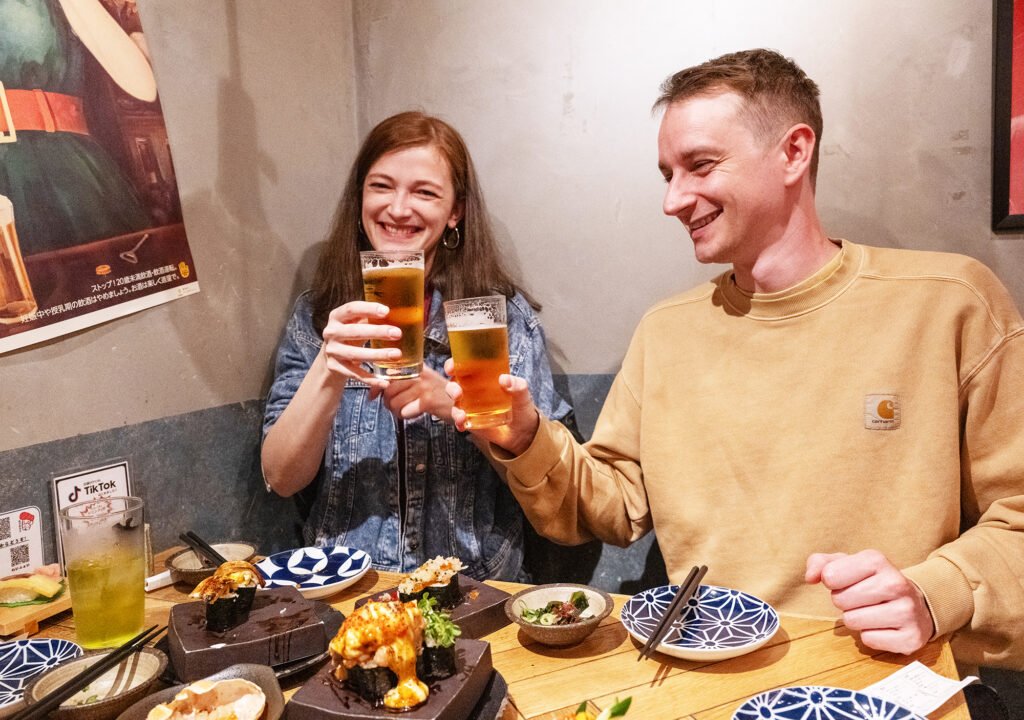
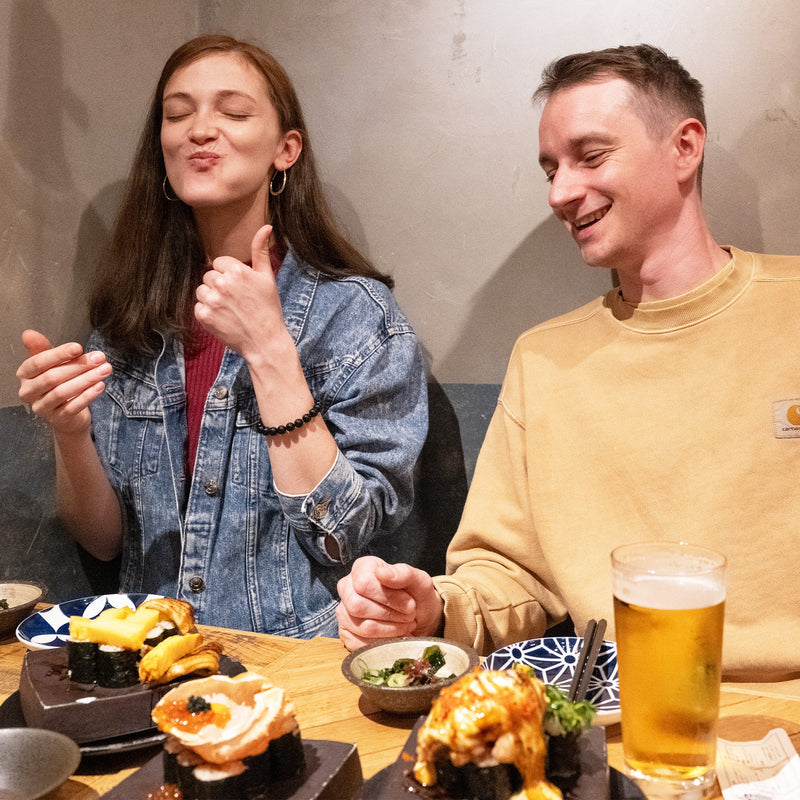
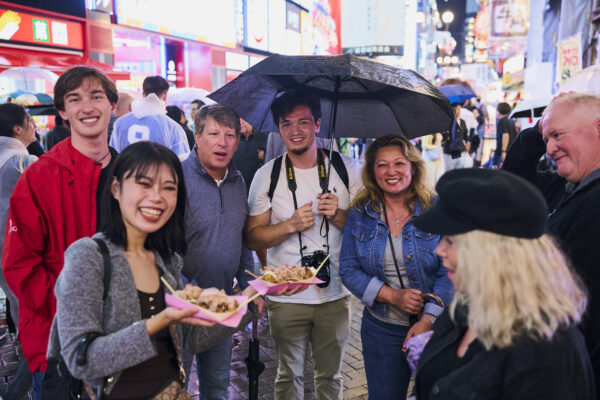
On Japan Guide Star’s “Tokyo: Shibuya Food Tour with 15 Dishes at 4 Eateries,” you will visit four restaurants in Shibuya with a local guide and sample up to 15 dishes, including sushi, deep-fried skewers, and dumplings. The tour lasts about three hours, making it a good option for dinner.
The tour meets at SHIBU HACHI BOX near Shibuya Station, with evening departures at 5:00 pm, 6:00 pm, and 7:00 pm. If you book a chopstick-making workshop that starts at 3:30 pm, you will have only 30 minutes to reach the meeting point for the 5:00 pm food tour, so allow enough time for the journey when planning your schedule.
Both alcoholic and non-alcoholic drinks are provided, although the number of drinks is limited. In Japan, drinking alcohol is prohibited by law for anyone under the age of 20. The tour is conducted in English and Japanese, and free cancellation is available up to 24 hours before it starts.
Details
| Meeting point | SHIBU HACHI BOX, Hachiko Square in front of Shibuya Station |
| Duration | About 3 hours |
| What’s included | 15 dishes at 4 restaurants, drinks, English-speaking guide |
| Booking site | https://japanguidestar.com/tour/tokyo-shibuya-food-tour-with-15-dishes-at-4-eateries/ |
| Recommended for | Travelers who want to enjoy dinner in Shibuya at restaurants that locals visit |
Tokyo: Shibuya Food Tour with 15 Dishes at 4 Eateries
Frequently Asked Questions About Visiting Harajuku

Finally, here are answers to some frequently asked questions about visiting Harajuku.
What Time Does Meiji Shrine Close?
Meiji Shrine’s opening and closing times vary by month, following sunrise and sunset. In October, the gates are open from 5:40 am to 4:40 pm, while in November, they are open from 6:10 am to 4:10 pm. In December, the gates close at 4:00 pm, so plan to arrive early if you are visiting on a winter afternoon.
It takes about 10 minutes to walk from the entrance to the main hall. To allow enough time to reach the hall and pray without rushing, aim to arrive at the entrance at least 40 minutes before closing.
Can You Visit Meiji Shrine and Yoyogi Park Together?
Yes. Yoyogi Park is a metropolitan park next to the forest surrounding Meiji Shrine, and admission is free. The park is open year-round, although individual facilities have their own operating hours. Harajuku Gate is about a three-minute walk from the Omotesando Exit of JR Harajuku Station, making the park a convenient place to relax before or after visiting the shrine.
The park’s spacious lawns offer seasonal scenery, from cherry blossoms in spring to ginkgo trees turning yellow in fall. Locals also visit to enjoy walks and picnics.
Should You Get Off at Harajuku Station or Meiji-Jingumae (Harajuku) Station?
The best station depends on where you plan to go. At Harajuku Station on the JR Yamanote Line, use the Omotesando Exit for Meiji Shrine and Omotesando, or the Takeshita Exit for Takeshita Street.
Meiji-Jingumae (Harajuku) Station, served by the Tokyo Metro Chiyoda and Fukutoshin Lines, is located beneath the Omotesando intersection, with exits along Omotesando. It is convenient for exploring Omotesando and Cat Street. JR Harajuku Station and Tokyo Metro Meiji-Jingumae (Harajuku) Station are also within walking distance of each other.
Can You Shop Tax-Free at Stores in Harajuku?
Tax-free shopping policies vary by store. At stores authorized to offer tax-free purchases, eligible foreign visitors and other qualifying shoppers can use Japan’s tax-free shopping system.
Starting November 1, 2026, the system will switch to a refund-based system. Eligible shoppers will pay the full price, including consumption tax, at the time of purchase. When leaving Japan within 90 days of the purchase date, they must present the items to customs for confirmation that they are being taken out of the country. The tax-free store will then refund an amount equivalent to the consumption tax.

Are There Places to Store Luggage in Harajuku?
Yes. Coin lockers are available inside the ticket gates at JR Harajuku Station, outside the gates near the Omotesando Exit, and outside the ticket gates at Tokyo Metro Meiji-Jingumae (Harajuku) Station. However, large lockers suitable for suitcases are limited. Note that the lockers beneath the stairs near the East Exit of JR Harajuku Station accept cashless payments only.
Enjoy Both Sides of Harajuku: The Shrine Forest and the “Kawaii” Streets
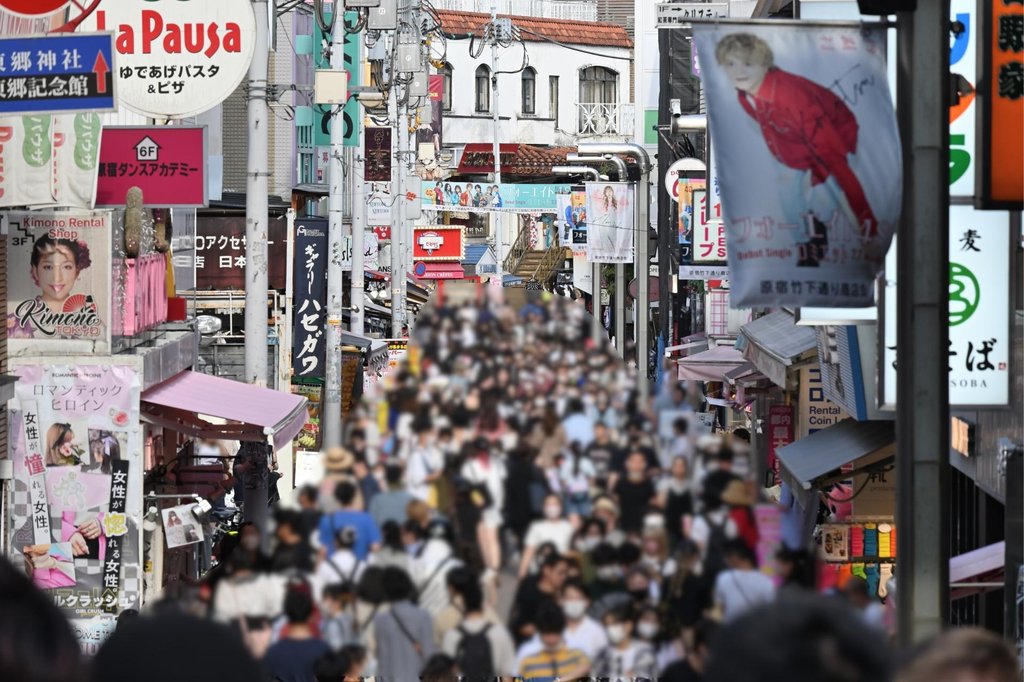
Harajuku’s appeal lies in the contrast between the forest surrounding Meiji Shrine, with its gravel-covered approach, and lively Takeshita Street, where visitors stroll with crepes in hand. Both are within walking distance of the station. Visit the shrine in the morning, when it is generally quieter, then head to Takeshita Street and Omotesando around 11:00 am, when many shops open, to experience both sides of Harajuku in half a day.
In the afternoon, walk along Cat Street toward Shibuya and add a chopstick-making workshop or food tour to your itinerary. If you plan to visit Meiji Shrine, allow enough time to walk to the main hall and check the shrine’s closing time for your travel dates.
Tokyo: Meiji Shrine Walking Tour — Shintoism & Imperial System