Not sure which Nijo Castle ticket to buy? Tickets are available for different areas of the castle, and prices vary depending on which areas you choose to visit. In addition, entry to Honmaru Palace requires a reservation for a specific time slot, so you may not be able to visit if you arrive without booking in advance.
In this article, we’ll explain what each of the four visitor areas has to offer, which ticket combinations suit your plans, and how to buy tickets online, at the ticket office near the entrance, or at the Information Center inside the castle grounds. We’ll also cover important details to check before your visit, including palace closure days and admission hours.
Four Areas to Know About Before Choosing Your Nijo Castle Tickets
At Nijo Castle, the areas you can visit depend on the ticket you purchase. This section introduces the four visitor areas: the outdoor grounds, Ninomaru Palace, Honmaru Palace, and the Exhibition and Storage Hall.
Outdoor Areas: Gardens, Gates, and the Keep Foundation Within Moats and Stone Walls
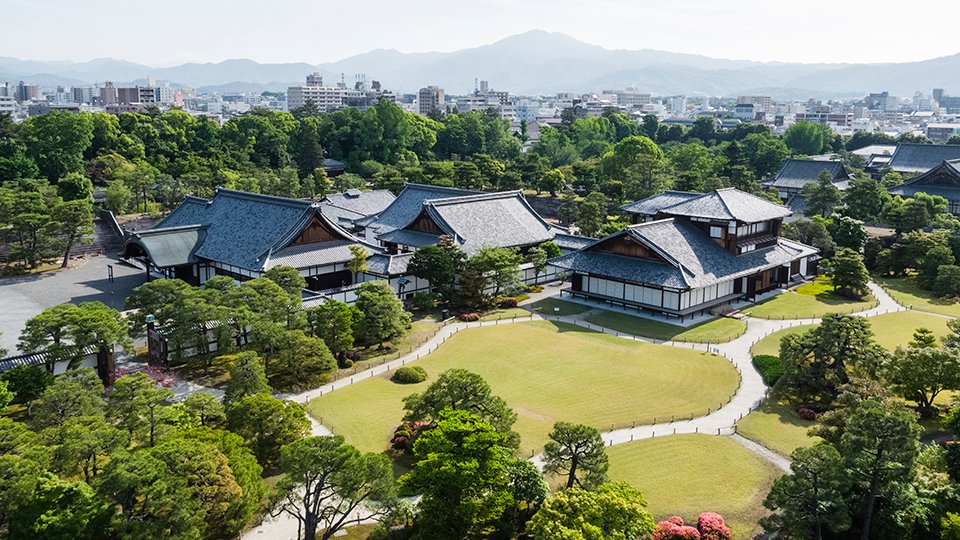
The outdoor grounds are the areas of Nijo Castle you can explore on foot, surrounded by wide moats and high stone walls. The entire site is designated a National Historic Site.
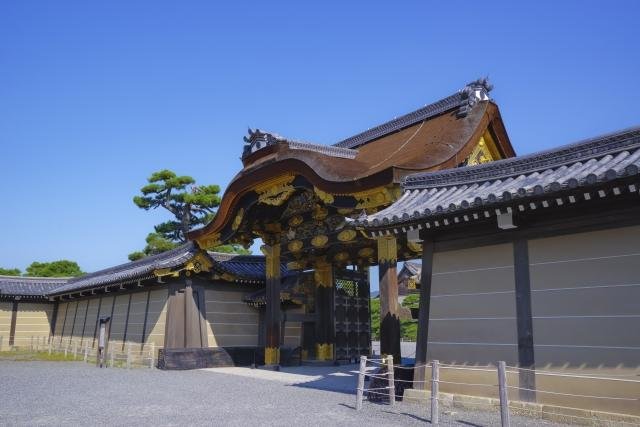
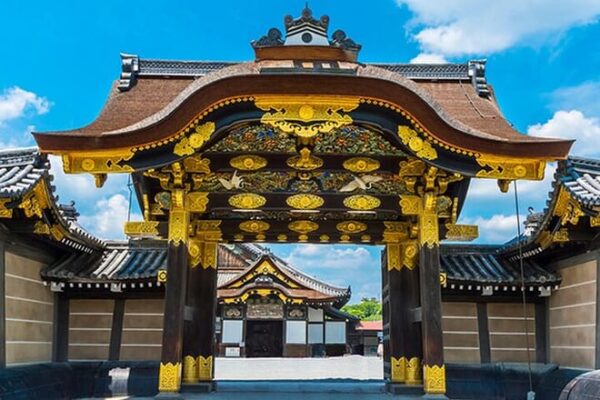
After entering through Higashi-Otemon Gate, the main gate on the east side, you will see Karamon Gate, decorated with gold details and brightly colored carvings. You will then pass a garden with a pond facing Ninomaru Palace, Honmaru Garden with its lawn paths, and Seiryu-en Garden, which combines Japanese and Western styles. Each gate and garden reflects the atmosphere of a different period. You can also climb the stone foundation of the former castle keep, where the tower once stood.
Many paths are gravel, and some areas have stone steps, so comfortable walking shoes are recommended.
Ninomaru Palace: A National Treasure That Displays the Shogun’s Authority
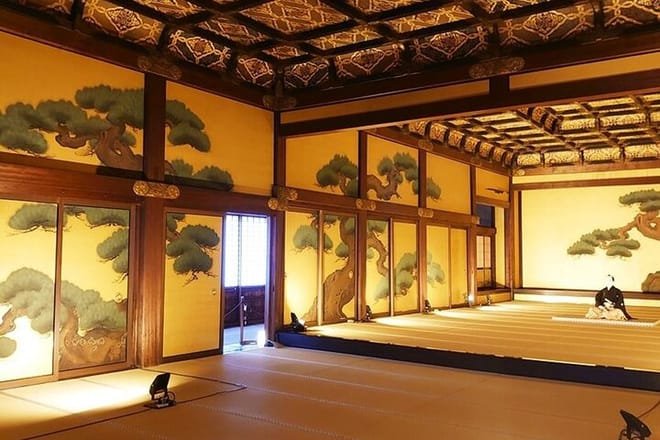
Ninomaru Palace was used by the shogun during visits to Kyoto in the Edo period (1603–1868) and is located just beyond Karamon Gate. The palace consists of six buildings connected by corridors. As you walk through the palace, you will see rooms decorated with intricate carvings, metal fittings, and paintings on gold backgrounds covering the sliding doors and walls.
The palace was designed to impress visiting feudal lords with the shogun’s power and is designated a National Treasure. Visitors must remove their shoes before entering the palace, so wearing shoes that are easy to take off and put on can save time at the entrance.
Honmaru Palace: A Quiet Residence Where Members of the Imperial Family Lived
Honmaru Palace is located in the Honmaru, the castle’s central compound, which is surrounded by the inner moat. Between 1893 and 1894, during the Meiji period, part of the Katsura-no-miya family residence, belonging to a branch of the imperial family, was relocated here from its original site north of the Kyoto Imperial Palace. It is said to be the only surviving large residence of an imperial branch family from the Edo period, and it is designated an Important Cultural Property of Japan.
In contrast to the lavish Ninomaru Palace, which showcases the shogun’s authority, Honmaru Palace offers a glimpse into the quieter residential life of an imperial family.
Exhibition and Storage Hall: See the Original Ninomaru Palace Paintings Up Close
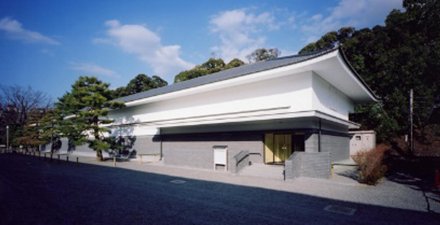
The Exhibition and Storage Hall, officially known as the Nijo Castle Wall Painting Exhibition and Storage Hall, preserves and displays the original paintings from Ninomaru Palace. It is located north of the Main Rest Area.
To protect the originals, some of the paintings inside Ninomaru Palace have been replaced with reproductions. At the hall, you can view the original paintings up close through glass. Created about 400 years ago, these works are designated Important Cultural Properties of Japan. The exhibits change seasonally, so the paintings on display vary depending on when you visit.
Kyoto: Nijo Castle World Heritage Guided Tour with Admission
Nijo Castle Ticket Prices and Combinations by Area
Once you have decided which areas you want to visit, check the ticket combination you need and its price. This section covers five options, from visiting only the outdoor grounds to exploring all four areas. All prices are current as of October 2026. Please check the official website for the latest information.
If You’re Only Visiting the Outdoor Areas: Admission Ticket (¥800 for Adults)
If you only want to explore the outdoor grounds, the Admission Ticket is all you need. This ticket does not allow entry to the palaces, but you can visit Karamon Gate, Ninomaru Garden, and the keep foundation.
| Category | Individual | Groups (30+) |
|---|---|---|
| Adults | ¥800 | ¥700 |
| Junior high and high school students | ¥400 | — |
| Elementary school students | ¥300 | — |
| Preschool children | Free | — |
If You Also Want to See Ninomaru Palace: Admission + Ninomaru Palace Ticket (¥1,300 for Adults)
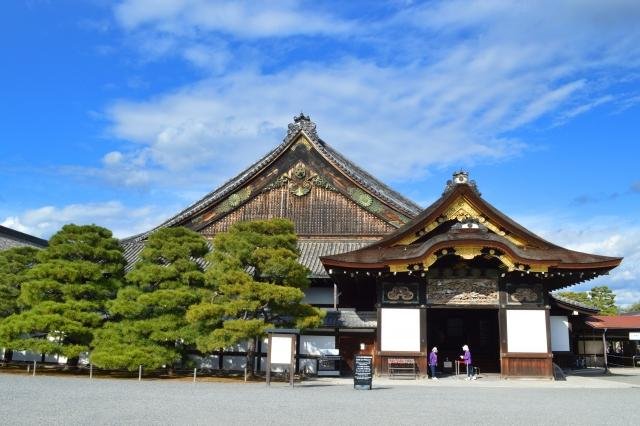
To visit Ninomaru Palace as well, buy the combined ticket for castle admission and entry to Ninomaru Palace. No reservation is required, so this ticket is a good option if you plan to visit without a reservation for Honmaru Palace. A ticket for Ninomaru Palace alone is not available.
| Category | Individual | Groups (30+) |
|---|---|---|
| Adults | ¥1,300 | ¥1,100 |
| Junior high and high school students | ¥400 | — |
| Elementary school students | ¥300 | — |
| Preschool children | Free | — |
If You Also Want to See Honmaru Palace: Admission Ticket + Honmaru Palace Ticket (¥1,800 for Adults)
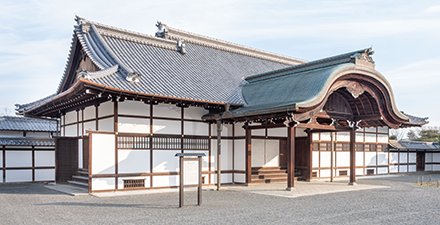
To visit Honmaru Palace, you need a Honmaru Palace Ticket, which is sold online, in addition to the Admission Ticket. Advance reservations for a specific time slot are generally required. There is no combined ticket for Honmaru Palace and castle admission, and group discounts are not available, so you will need to purchase the two tickets separately.
Time slots tend to fill up quickly in spring and fall, so we recommend booking early once your itinerary is set.
| Category | Admission Ticket | Honmaru Palace Ticket | Total |
|---|---|---|---|
| Adults | ¥800 | ¥1,000 | ¥1,800 |
| Junior high and high school students | ¥400 | ¥300 | ¥700 |
| Elementary school students | ¥300 | ¥200 | ¥500 |
If You Also Want to See the Exhibition and Storage Hall: Admission Ticket + Exhibition and Storage Hall Ticket (¥900 for Adults)
To visit the Exhibition and Storage Hall, you need an Exhibition and Storage Hall Ticket in addition to the Admission Ticket. The ticket costs ¥100, and admission is free for preschool children. Even if you have an Admission + Ninomaru Palace Ticket or a Honmaru Palace Ticket, you will need to purchase the Exhibition and Storage Hall Ticket separately.
Comparing the original paintings with the reproductions you saw in Ninomaru Palace gives you a chance to appreciate how the colors of the gold backgrounds and the brushwork have changed over the past 400 years.
If You Want to See Everything: Admission Ticket + All Viewing Tickets (¥2,400 for Adults)
To visit all four areas—the outdoor grounds, Ninomaru Palace, Honmaru Palace, and the Exhibition and Storage Hall—you will need the Admission + Ninomaru Palace Ticket, which already includes admission to the castle grounds, plus a Honmaru Palace Ticket and an Exhibition and Storage Hall Ticket. The total is ¥2,400 for adults, ¥800 for junior high and high school students, and ¥600 for elementary school students.
The palaces stop admitting visitors earlier than the castle grounds close. If you plan to see everything, visit the palaces first and leave the gardens and the former keep foundation for later, so you can explore without feeling rushed.
| Areas to see | Tickets needed | Adult total |
|---|---|---|
| Outdoor areas only | Admission Ticket | ¥800 |
| + Ninomaru Palace | Admission + Ninomaru Palace Ticket | ¥1,300 |
| + Honmaru Palace | Admission Ticket, Honmaru Palace Ticket | ¥1,800 |
| + Exhibition and Storage Hall | Admission Ticket, Exhibition and Storage Hall Ticket | ¥900 |
| All areas | Admission + Ninomaru Palace Ticket, Honmaru Palace Ticket, Exhibition and Storage Hall Ticket | ¥2,400 |
Kyoto: Nijo Castle World Heritage Guided Tour with Admission
Closure Days and Admission Hours to Check Before Buying Nijo Castle Tickets
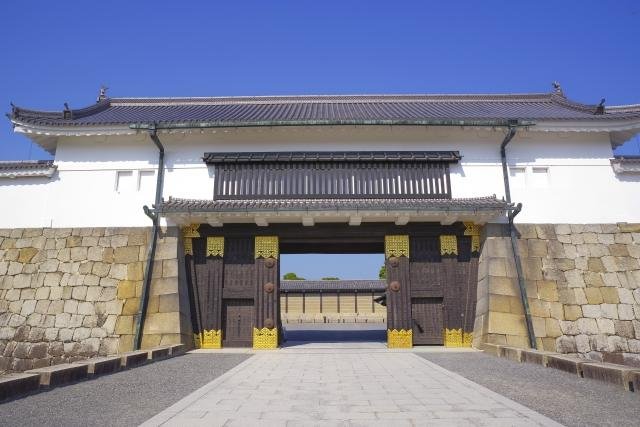
Even when Nijo Castle is open, some palace areas may be closed to visitors. Before buying tickets, check the closure days, rotating exhibitions, admission hours, and important information about online tickets.
Ninomaru Palace and Honmaru Palace Have Closure Days
Nijo Castle as a whole closes only at the end of the year, from December 29 to 31. However, each palace has its own closure days. Even when a palace is closed, you can still enter the castle grounds and explore the gardens. You can also visit the other palace if it is open.
| Ninomaru Palace | Honmaru Palace | |
|---|---|---|
| Regular closures | Every Tuesday in January, July, August, and December (the following day if Tuesday is a holiday) | The 3rd Monday of every month and the following day (open if the Monday is a holiday) |
| Year-end and New Year | December 26–January 3 | December 26–January 3 |
Honmaru Palace’s Rooms and Paintings on Display Change Throughout the Year
Otsune Goten is the building within Honmaru Palace where members of the imperial family lived. To protect the original paintings, only three or four of its seven rooms are open to visitors at a time, with displays rotating periodically. These include the Pine and Crane Room and the Room of Seasonal Flowers and Plants. The paintings on the cedar doors are also rotated, with one pair replaced every six months.
If there is a particular room or painting you want to see, check the display schedule on the official website before choosing your reservation date.
Admission Ends at 4 pm, So Arrive by About 3:30 pm to See Ninomaru Palace
Admission to Nijo Castle is from 8:45 am to 4:00 pm, and the castle grounds close at 5:00 pm. Ninomaru Palace admits visitors until 4:10 pm, while reservation slots for Honmaru Palace are available from 9:30 am to 4:00 pm.
A visit to Ninomaru Palace takes about 30 minutes, so if you want to see it, plan to enter the castle grounds by around 3:30 pm.
| Facility | Admission hours |
|---|---|
| Castle grounds | 8:45 am–4:00 pm (closes at 5:00 pm) |
| Ninomaru Palace | 8:45 am–4:10 pm |
| Honmaru Palace (reservation required) | Choose a time slot between 9:30 am and 4:00 pm |
Online Tickets Can’t Be Changed or Canceled After Purchase
Admission Tickets and Honmaru Palace Tickets purchased online cannot be changed, canceled, or refunded. Before purchasing, check that your planned visit date does not fall on a palace closure day, then select your date accordingly.
Three Places to Buy Nijo Castle Tickets
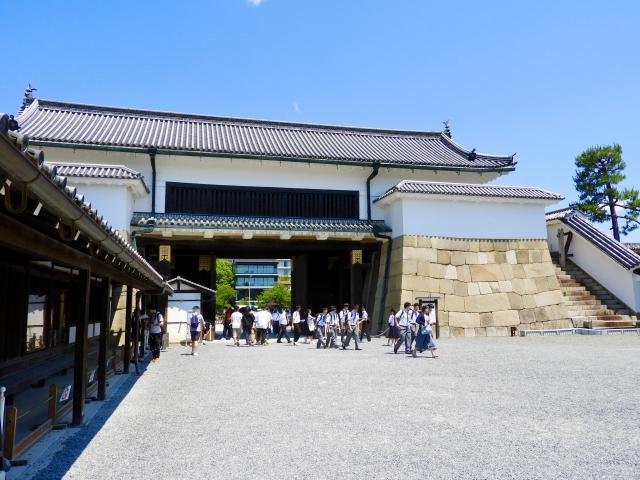
You can buy Nijo Castle tickets in three places: online through the official website, at the ticket office near the entrance, or at the Information Center inside the castle grounds. Available ticket types, payment methods, and discounts vary by location, so choose the option that best suits your itinerary.
Online Tickets: Reserve a Honmaru Palace Time Slot in Advance
On the official website, you can purchase the Admission Ticket, the Admission + Ninomaru Palace Ticket, and the Honmaru Palace Ticket in advance. Prices are the same as at the ticket office. Buying your Admission Ticket online allows you to enter the castle grounds without queuing at the ticket office.
Honmaru Palace Tickets go on sale 30 days before the visit date. If tickets remain available, you can also purchase them on the day of your visit, either online or at the Information Center inside the castle grounds. The ticket office at the entrance does not sell Honmaru Palace Tickets. Each time slot accommodates about 15 people, so reserve your preferred Honmaru Palace time slot first to avoid ending up with an Admission Ticket but no available palace reservation.
Only credit cards are accepted for online purchases. Group rates and discounts, such as the discount for holders of a subway one-day pass, are not available online.
Ticket Office at the Entrance: Buy Same-Day Tickets Without a Reservation
The ticket office is next to Higashi-Otemon Gate, just outside Nijojo-mae Station on the Tozai Subway Line. You can buy the Admission Ticket or the Admission + Ninomaru Palace Ticket there on the day of your visit without a reservation. If you show a Subway One-Day Pass or a Subway & Bus One-Day Pass, you can receive a ¥100 discount on an adult Admission Ticket. Group-rate tickets are available only at the ticket office.
The ticket office does not sell Honmaru Palace Tickets, which must be reserved in advance online or purchased on the day through the official website or the Information Center, subject to availability.
Accepted payment methods include cash, credit cards (VISA, Mastercard, JCB, AMEX, and Diners), electronic money such as IC transit cards, and QR code payment services such as PayPay, Alipay, and WeChat Pay. This means you do not need to carry cash in Japanese yen, provided your preferred payment method is accepted.
Some cards and payment methods are accepted only at the automatic ticket machines. If your preferred method is not accepted at the counter, try using a ticket machine instead.
Information Center Inside the Castle: Buy Additional Tickets After Entering
At the Information Center, just inside Higashi-Otemon Gate, you can purchase a Ninomaru Palace Ticket or an Exhibition and Storage Hall Ticket after entering the castle grounds. The Ninomaru Palace Ticket costs ¥500 for adults. When added to the Admission Ticket, the total cost is the same as that of the combined ticket. This allows you to explore the outdoor grounds first and decide later whether to visit Ninomaru Palace, without paying more overall.
You can also purchase Exhibition and Storage Hall Tickets at the hall itself. A limited number of Honmaru Palace Tickets are available for same-day purchase at the Information Center, but they may sell out quickly.
Kyoto: Nijo Castle World Heritage Guided Tour with Admission
Nijo Castle Highlights by Ticket
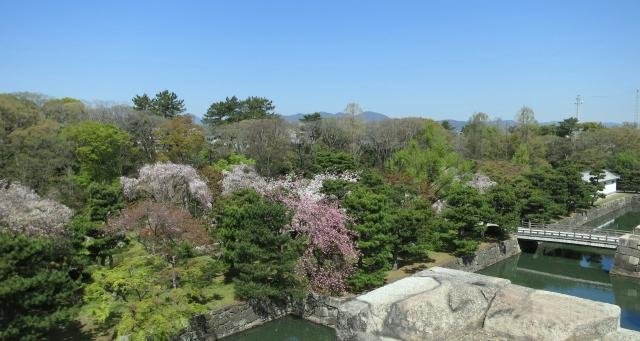
Knowing what each ticket includes can help you make the most of your visit, even if you have limited time. This section highlights the main things to see in the outdoor grounds, Ninomaru Palace, and Honmaru Palace, along with the ticket required for each area.
Ninomaru Garden: A Pond Garden Prepared to Welcome the Emperor (Outdoor Areas)
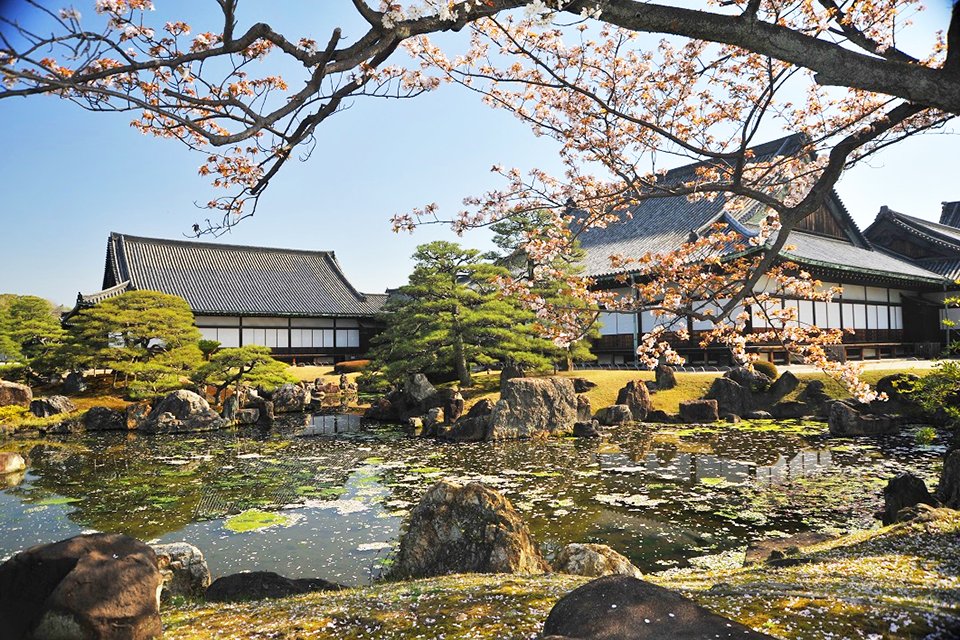
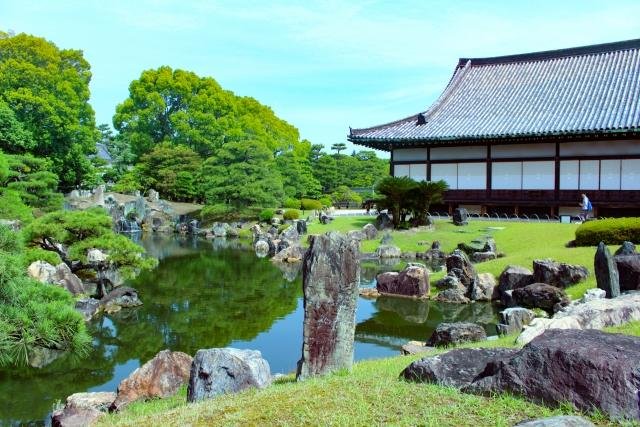
Ninomaru Garden is a pond garden west of the Grand Hall of Ninomaru Palace. It is designated a Special Place of Scenic Beauty, a national designation for landscapes of exceptional scenic value. The garden is said to have been remodeled in 1626 by Kobori Enshu, a tea master and garden designer, and others, when the emperor visited the castle. An island in the pond represents Horai, a legendary island believed to be home to immortal hermits.
The garden was originally designed to be viewed from several directions, with corridors connecting the surrounding buildings. As you walk around the pond, the arrangement of the stones and the overlapping shapes of the islands change with your viewing angle.
Keep Foundation: The Site of the Former Keep With Views Over Kyoto (Outdoor Areas)
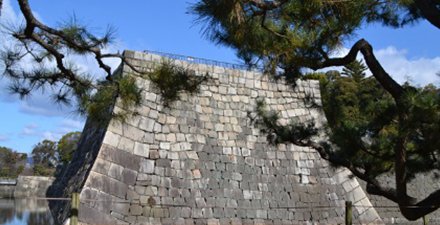
The keep foundation is the stone base of the castle keep, located in the southwest corner of Honmaru. The original keep had five stories above ground and one basement level, and Emperor Go-Mizunoo is said to have climbed it in 1626. However, the keep was destroyed by a lightning strike in 1750 and has never been rebuilt.
Climb the stone steps to enjoy views of Honmaru Palace, Honmaru Garden, and the Kyoto cityscape beyond.
Nightingale Floors: Corridors That Sound Like Birdsong (Ninomaru Palace)
The corridors of Ninomaru Palace are known as “nightingale floors” because the floorboards squeak like the call of a Japanese bush warbler when walked on. The sound is produced when nails in the supporting timbers rub against metal fittings. Although the floors are often said to have been designed to warn of intruders, there is no clear evidence to support this explanation.
After removing your shoes, walk through the corridors and listen for the distinctive sound with each step.
Grand Hall: Where the End of the Edo Shogunate Was Announced (Ninomaru Palace)
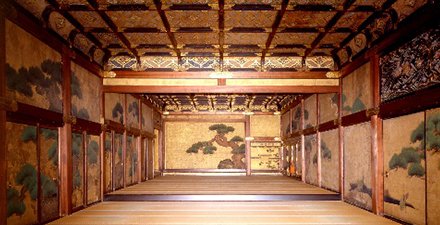
The Grand Hall of Ninomaru Palace was the formal setting where the shogun met feudal lords and court nobles. The shogun sat in the First Room, which has a raised floor.
On November 8, 1867 (the 13th day of the 10th month in the old calendar), Tokugawa Yoshinobu, the 15th shogun, gathered senior retainers from 40 domains in this hall to hear their opinions. The following day, he announced his intention to return political power to the emperor. This event, known as Taisei Hokan, marked a turning point in the end of shogunate rule, which came to a close in 1868 after about 260 years.
The walls and sliding doors of the Grand Hall are decorated with paintings by Kano Tanyu and other artists of the Kano school, a group of painters who served the shogunate. In the Fourth Room, look for Pine and Hawk, which depicts a hawk perched on a large pine tree.
The carved transom panels above the room dividers were each carved from a single piece of Japanese cypress more than 35 cm (about 14 in) thick, with different designs on the front and back. These intricate decorations were created to display the shogun’s authority and can be viewed up close.
Kyoto: Nijo Castle World Heritage Guided Tour with Admission
Otsune Goten: A Residence That Shows Imperial Family Life in the Late Edo Period (Honmaru Palace)
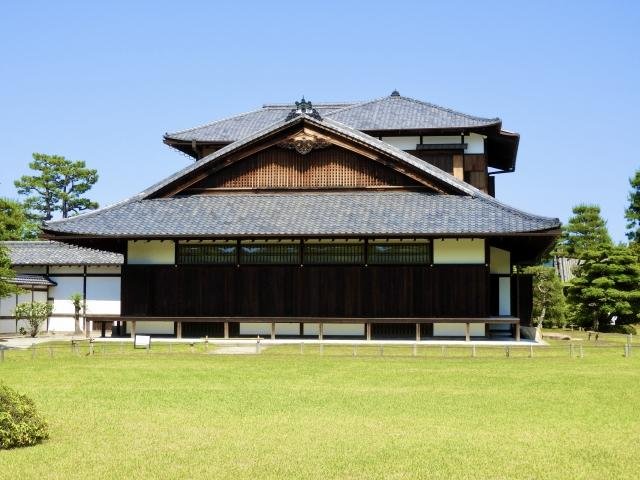
Otsune Goten is a two-story building where members of the Katsura-no-miya family lived in their daily lives. It is one of the buildings from the Katsura-no-miya residence, which was relocated to Nijo Castle in stages between the 1790s and 1849.
The rooms retain features such as raised floors, decorative shelves, and chrysanthemum-shaped fittings for hanging mosquito nets. Unlike Ninomaru Palace, with its lavish paintings on gold backgrounds, Otsune Goten offers a glimpse into the private lives of an imperial family.
Goshoin: A Formal Reception Hall That Can Become a Noh Stage (Honmaru Palace)
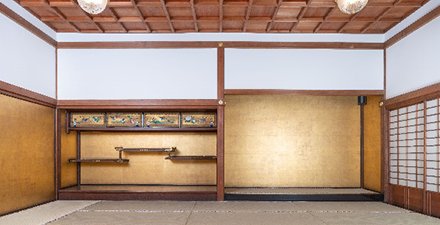
The Goshoin is the formal reception area of Honmaru Palace. The First Room has a raised floor where the host sat, along with decorative shelves, while guests sat in the Second and Third Rooms. The Third Room was designed to be converted into a stage for Noh, a traditional Japanese masked drama, by removing the tatami mats.
At the back are the Four Seasons Rooms: four rooms arranged in a square grid resembling the Japanese character 田, with each room decorated with paintings of a different season. The designs on the transom panels echo those at Katsura Imperial Villa, another residence associated with the same branch of the imperial family.
Two Recommended English-Guided Tours of Nijo Castle

Reading the information signs alone may not be enough to understand the meaning behind the palace paintings and room designs. This section introduces two guided tours that let you explore Nijo Castle with an English-speaking guide. The table below compares their main features to help you choose the option that best fits your schedule and interests:
| Japan Guide Star | Official Nijo Castle Tour | |
|---|---|---|
| Areas covered | Castle gardens, Ninomaru Palace | Ninomaru Palace, areas closed to the public |
| Start times | 10:00 am, 12:30 pm, 3:00 pm | 10:00 am, 12:00 pm |
| Duration | About 1.5 hours | About 1 hour |
| Price includes | Guide, admission | Guide only |
| How to book | Online in advance | Online in advance, or on the day if spots are available |
The Japan Guide Star tour offers a 3:00 pm departure and lasts about an hour and a half, making it an option for visitors who arrive in Kyoto in the afternoon and want more time to hear detailed explanations. Compare these details with those of the other tour to decide which best suits your plans.
Japan Guide Star: A Tour of About an Hour and a Half With Admission Included and a 3 pm Option
Japan Guide Star’s “Kyoto: Nijo Castle World Heritage Guided Tour with Admission” is a guided tour of Nijo Castle that lasts about an hour and a half. You will also explore the interior of Ninomaru Palace with the guide and hear English explanations of the differences in room rank, the meaning behind the paintings, and the relationship between the shogun and the emperor. Admission is included in the tour price, so you do not need to queue at the ticket office. However, the tour does not include Honmaru Palace, and bookings are unavailable on Ninomaru Palace closure days.
Tours start three times a day, at 10:00 am, 12:30 pm, and 3:00 pm, making them an option if you arrive in Kyoto in the afternoon or have other sightseeing plans in the morning.
The meeting point is outside Exit 1 of Nijojo-mae Station on the Tozai Subway Line. The guide leads the entire tour in English. Each group has a maximum of 10 people, with up to 30 participants joining the tour in total across multiple groups. Smaller groups make it easier to ask questions as you walk.
Free cancellation is available up to 24 hours before the tour starts, giving you some flexibility if your plans change.
You will need to remove your shoes inside the palace, but most paths within the castle grounds are relatively flat. You can view a list of Japan Guide Star’s tours in Kyoto here.
Details
| Meeting point | Nijojo-cho, Nakagyo-ku, Kyoto, Kyoto Prefecture, outside Exit 1 of Nijojo-mae Station on the Tozai Subway Line |
| Duration | About 1.5 hours |
| Price includes | English-speaking guide, admission |
| Booking site | https://japanguidestar.com/tour/kyoto-nijo-castle-world-heritage-guided-tour-with-admission/ |
| Recommended for | Visitors who want to see Nijo Castle in the afternoon, visitors who want detailed English explanations of the palace’s history and the meaning of its paintings |
Kyoto: Nijo Castle World Heritage Guided Tour with Admission
Official Nijo Castle Tour: Two Morning Tours of About an Hour, Including Restricted Areas
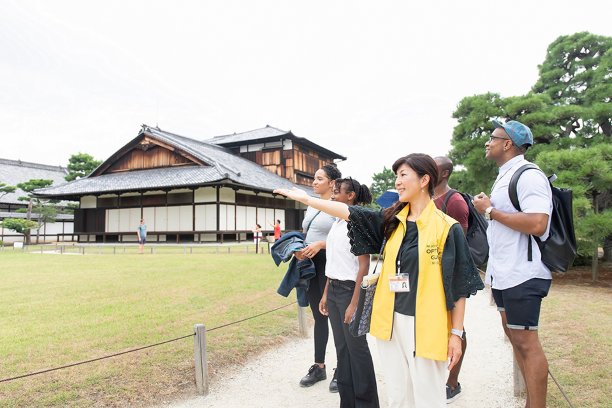
Nijo Castle offers this English-guided tour every day except on Ninomaru Palace closure days. Interpreter guides certified by the City of Kyoto lead the tour, which also includes areas that are not open to the general public. Tours start twice a day, at 10:00 a.m. and noon, and last about an hour. Honmaru Palace is not included in the route.
The tour price does not include admission to the castle. Before joining, you will need to purchase the Admission + Ninomaru Palace Ticket separately at the ticket office.
Reservations are generally made online in advance. If spaces are available on the day, you can also sign up at the tour reception desk next to the Information Center, on your left after entering Higashi-Otemon Gate.
Frequently Asked Questions About Nijo Castle Tickets

Finally, here are answers to some common questions to help you plan your visit, including photography rules, evening illuminations, how long to allow for your visit, and luggage storage.
Can You Take Photos Inside the Nijo Castle Palaces?
Photography and video recording are prohibited inside Ninomaru Palace and Honmaru Palace, both to protect the cultural properties and to avoid obstructing other visitors in the narrow corridors. You can take photos of the gardens and building exteriors. In the Exhibition and Storage Hall, photography of the original paintings is permitted, provided you do not use flash, tripods, or selfie sticks.
Can You Enter the Evening Illuminations With a Daytime Ticket?
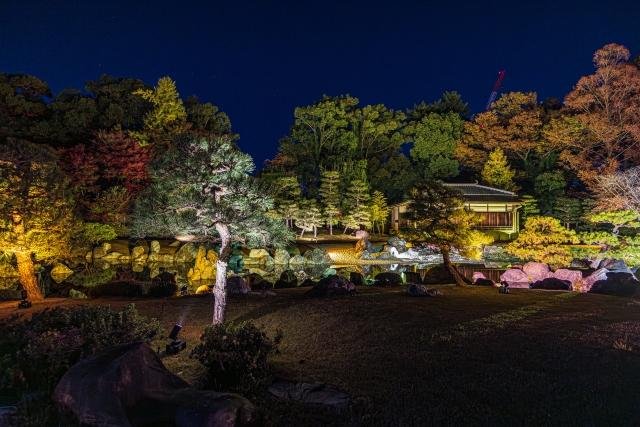
During the spring and fall illumination events, daytime visitors must leave the castle grounds before the evening session begins, and a separate ticket is required for evening admission. The evening viewing route also differs from the daytime route.
In fall 2026, the illuminations are scheduled as part of Nijo Castle Festival 2026 from October 23 to December 5, from 6:00 pm to 10:00 pm, with last entry at 9:00 pm. Evening tickets are available through various ticket agencies and at convenience stores.
How Long Does It Take to Tour Nijo Castle?
Visiting Ninomaru Palace and Ninomaru Garden generally takes one to one and a half hours. If you also visit Honmaru Palace and Honmaru Garden, allow two and a half to three hours.
A visit to the interior of Honmaru Palace takes about 40 minutes. Even along the shortest route, the palace is about 850 meters (approximately half a mile) from Higashi-Otemon Gate, a walk of around 15 to 20 minutes. If you arrive late for your reservation, you may not be allowed to enter, so plan to enter the castle grounds at least 20 minutes before your reservation time.
Can You Store Large Luggage at Nijo Castle?
Coin lockers are available next to the ticket office just outside Higashi-Otemon Gate and at the Main Rest Area inside the castle grounds. For large items such as suitcases and strollers, you can use the baggage storage service at the Main Rest Area, which costs ¥500 as of October 2026.
When entering Honmaru Palace, you will need to store your shoes and belongings in the lockers inside the building. However, items larger than 35 cm wide, 35 cm deep, and 50 cm high (approximately 14 × 14 × 20 in) must be left at the Main Rest Area.
Choose Your Nijo Castle Tickets Based on the Palaces You Want to See
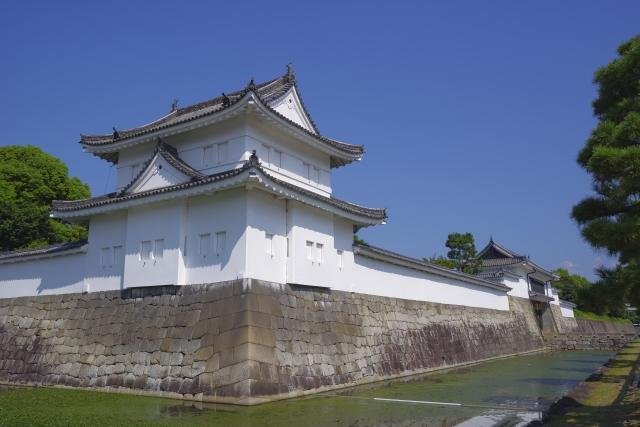
Choosing the right Nijo Castle ticket is simple once you decide which palaces you want to visit. If you only want to explore the outdoor grounds, the Admission Ticket is all you need. To visit Ninomaru Palace as well, choose the Admission + Ninomaru Palace Ticket. To include Honmaru Palace, you will also need a Honmaru Palace Ticket.
Honmaru Palace Tickets are for specific time slots and go on sale 30 days in advance. Once your itinerary is set, reserve your preferred time slot on the official website before purchasing your other tickets.
Before your visit, check the closure days for both palaces and confirm the admission hours. Planning around your Honmaru Palace reservation will help you allow enough time to reach the palace and avoid missing your time slot.