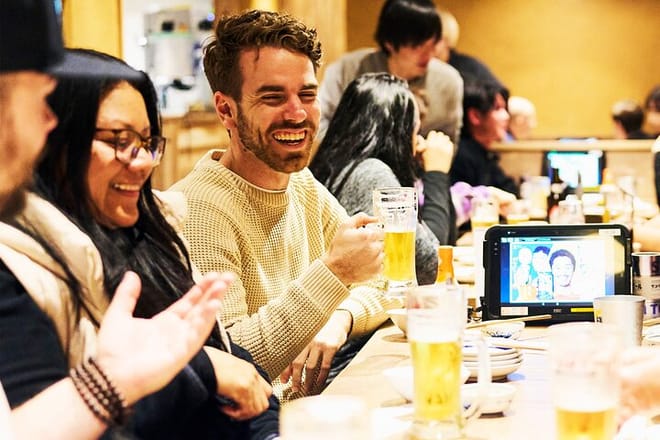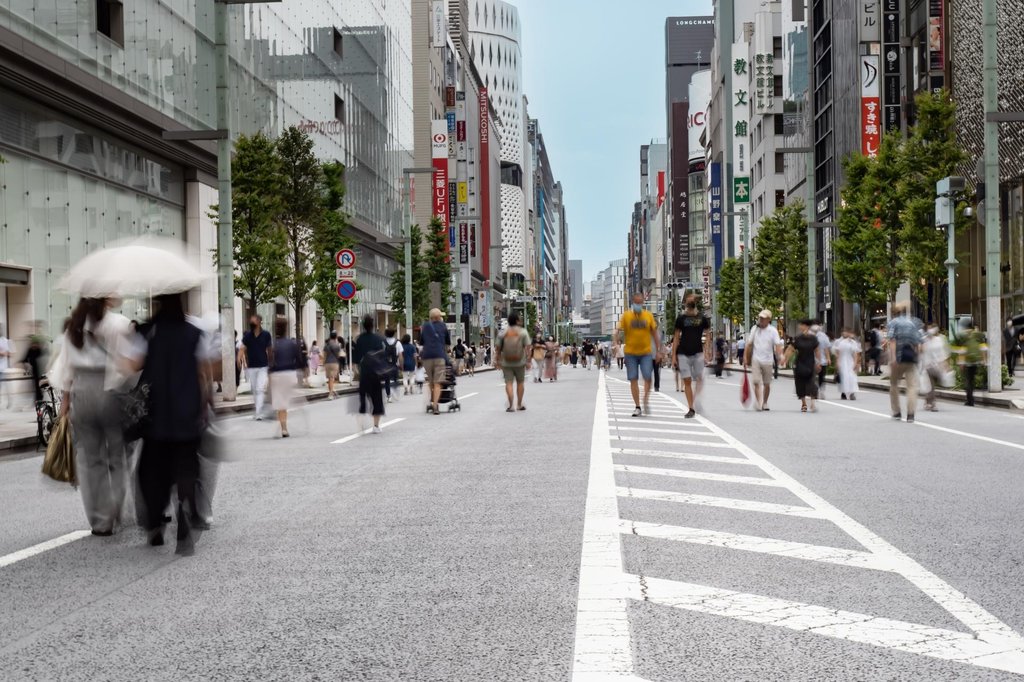
Ginza is known for its expensive restaurants, which can make finding an izakaya (a Japanese pub-style restaurant serving drinks alongside a wide range of small dishes) there look daunting. Around Ginza, though, you’ll also find casual bars where an evening starts at around ¥2,000 (about $13 USD) per person, so you can choose according to your budget and your plans.
The 14 izakaya here are grouped into three areas: Ginza, Yurakucho, and Shimbashi. All of them are popular with locals, and each entry lists the cuisine, the budget, and the opening hours you need to pick the right place for you.
Three Things to Know About Ginza’s Izakaya
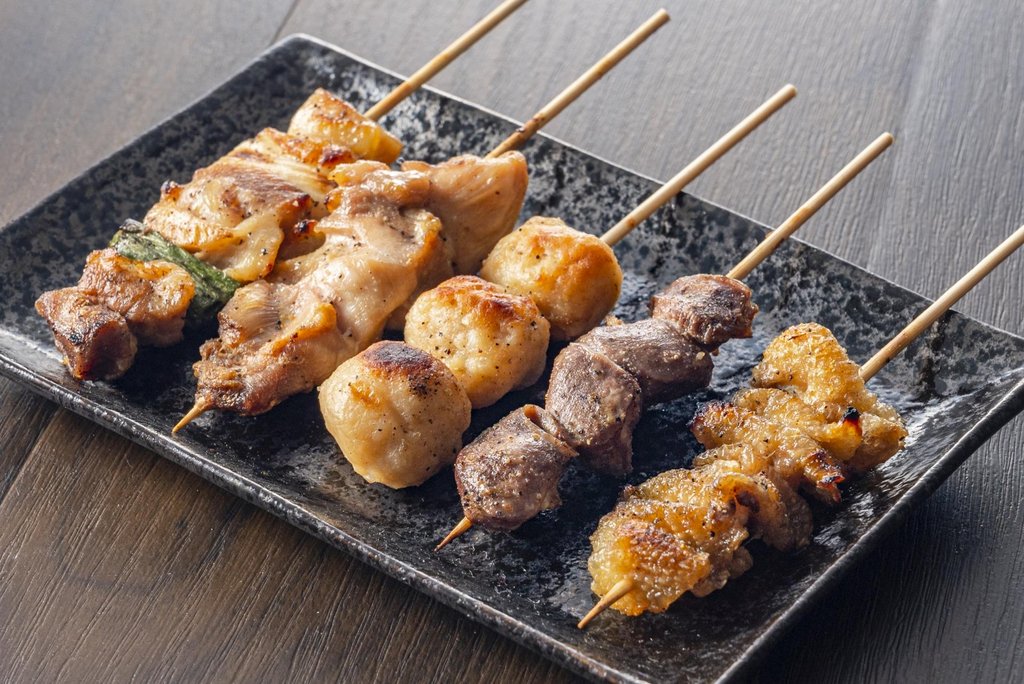
Three factors shape where you end up drinking. Ginza, Yurakucho, and Shimbashi sit within walking distance of one another, so you can look for a place across all three areas, and budgets differ greatly depending on the style of the bar.
Choosing a spot based on what you want to eat or drink, such as yakitori (grilled chicken skewers), seafood, or sake, can narrow down the 14 restaurants just as quickly.
1. You Can Walk from Ginza to Yurakucho and Shimbashi
The three districts sit close enough together to cover on foot. Hopping between them for hashigo-zake (literally ‘ladder drinking,’ moving from bar to bar) comes easily. Yurakucho Station is about five minutes from Ginza Station, while Shimbashi Station is about 10 minutes away, so there’s no need to limit your search to a single area from the outset.
Ginza stretches north to south from 1-chome to 8-chome (numbered address blocks), so travel times change depending on where you begin. Yurakucho is an easy walk from the 1-chome end, while Shimbashi is closer to the 8-chome end. Choosing your area based on your hotel or sightseeing route can help keep your evening efficient.
| Area | Ginza | Yurakucho | Shimbashi |
|---|---|---|---|
| Nearest station | Ginza Station (Tokyo Metro) | Yurakucho Station (JR and Metro) | Shimbashi Station (JR and Metro) |
| Walk from Ginza Station | (starting point) | About 5 min. | About 10 min. |
| Atmosphere | Long-established, quiet restaurants tucked into back streets | Showa-era (mid-20th century Japan) bars under the JR railway arches | Lively, inexpensive pubs full of workers heading home |
| Budget per person | ¥3,000–¥10,000 | ¥2,000–¥5,000 | ¥2,000–¥4,000 |
| Best for | Couples, or business dinners that call for a calm meal | Travelers after a local experience | Groups who want an easygoing, noisy night |
The route from the Yurakucho railway arches toward Shimbashi is a classic drinking district, lined with inexpensive pubs where office workers gather after work. Choose your area based on the atmosphere you’re after, whether you prefer a calm drink or a lively, boisterous bar.
2. Budgets Range from ¥2,000 to Over ¥15,000 by Type of Restaurant
Per-person budgets vary widely depending on the type of izakaya in Ginza. A standing bar under the railway arches can keep the bill around ¥2,000, while a kappo restaurant (Japanese cuisine served at a counter) or high-end sushi restaurant used for business entertaining can easily exceed ¥15,000.
| Type of restaurant | Budget per person |
|---|---|
| Inexpensive pubs and standing bars | ¥2,000–¥4,000 |
| Sake and oden (an assortment of ingredients simmered in broth) specialists | ¥4,000–¥6,000 |
| Kappo and high-end sushi for business dinners | ¥15,000 and up |
Beyond food and drinks, two additional charges may appear on the bill: otoshi (a small paid appetizer served automatically when you sit down) and a service charge. Otoshi generally costs ¥300–¥600 and is served whether or not you order it.
Some restaurants add a service charge of around 10%, while others charge nothing. Since tipping is not customary in Japan, there are no additional gratuities to worry about. At an inexpensive pub, for example, five yakitori skewers and a glass of sake might come to around ¥3,000 per person, including otoshi.
3. Specialist Restaurants Let You Choose by the Dish You Want
Ginza has many restaurants that focus on one particular food, such as yakitori, oden, or seafood. A restaurant with a clear specialty prepares that dish with the right ingredients and techniques, so the more firmly you have decided what to eat, the easier it is to narrow your choices.
- Each restaurant builds its menu around a specific cuisine and specializes in preparing it well
- Switching between different cuisines during your stay lets you experience a broader range of izakaya cooking
Rather than searching at random, decide what you want to eat tonight and then choose a specialist. Trying yakitori one evening and oden the next is also a great way to explore the diverse izakaya culture around Ginza.
[Ginza Area 1] 6 Izakaya Near Ginza Station
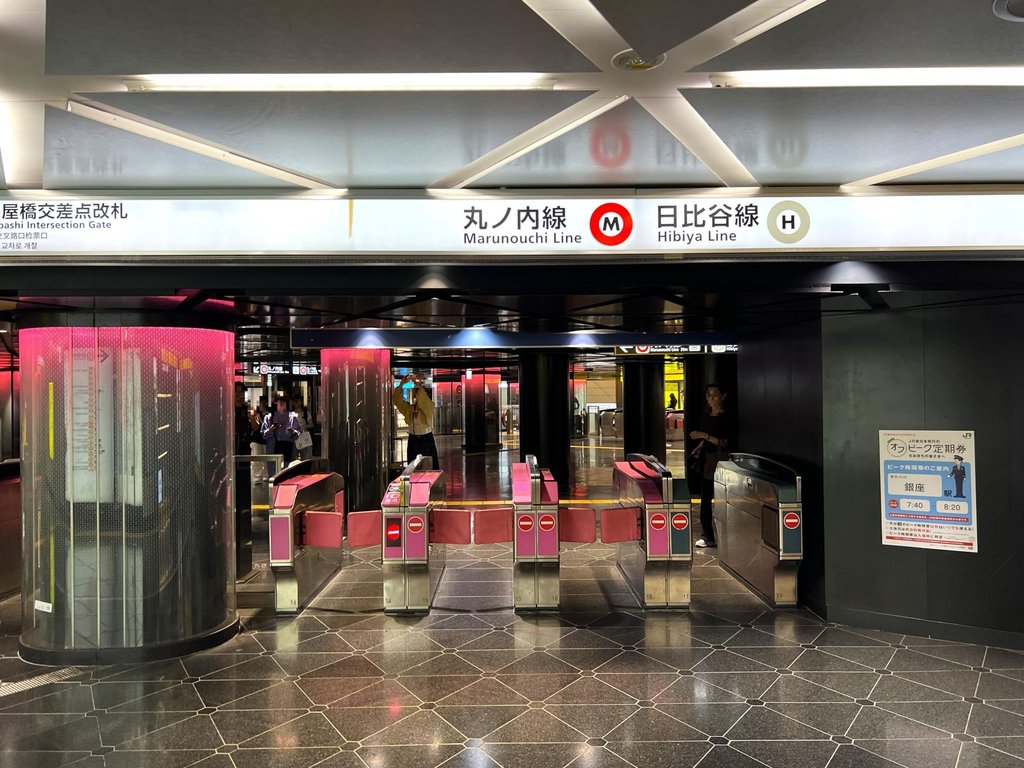
A short walk from Ginza Station brings you to a wide variety of izakaya. Alongside a long-established seafood kappo restaurant and an oden specialist, you’ll find standing bars where around ¥2,000 per person is enough.
Casual spots popular with local regulars are scattered throughout the back streets, and the six restaurants featured here each specialize in something different, from yakitori and oden to seafood, beer, and sake.
Sanshuya Ginza: A Back-Street Seafood Izakaya Loved by Regulars
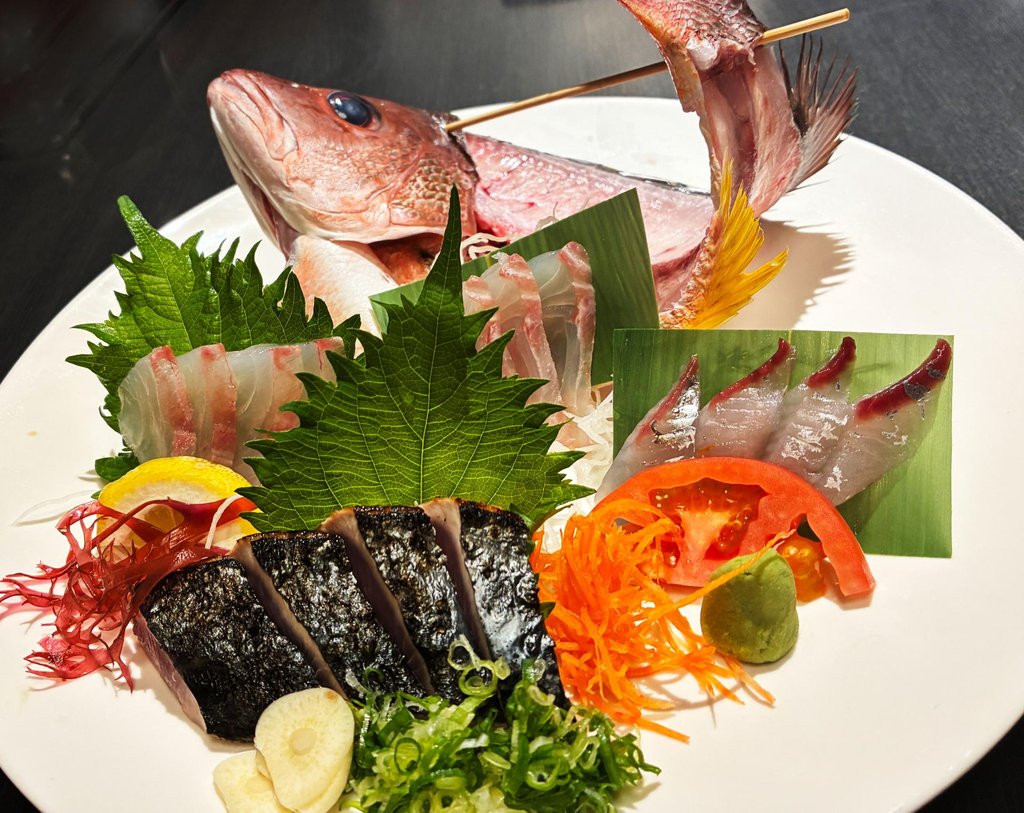
Sanshuya Ginza is a taishu kappo restaurant (counter-style Japanese cuisine served at everyday prices) founded in 1968. Despite its location deep in a back street, Sanshuya Ginza fills with regulars by early afternoon, giving it the atmosphere of a neighborhood restaurant that tourists happen to find rather than one that caters to them.
The menu centers on sashimi and simmered fish made with seafood sourced from Toyosu Market. In winter, the restaurant’s fried oysters, made with large oysters, are especially popular. Sanshuya Ginza is a good choice for anyone looking for reasonably priced fish paired with sake.
A large wooden table sits in the middle of the room, where office workers and visitors eat side by side in an old-fashioned setting. From Monday through Friday, the restaurant serves continuously from 10:30 am, making it suitable for daytime drinking as well as dinner.
Details
| Address | 2-3-4 Ginza, Chuo-ku, Tokyo |
| Hours | Mon–Sat 10:30 am–10:30 pm Please confirm before visiting |
| Closed | Sundays |
| Official site | Not listed |
| Best for | Anyone who wants fresh seafood in the setting of a Showa-era dining hall |
Torigin Ginza Main Store: Yakitori and Kamameshi Since 1951
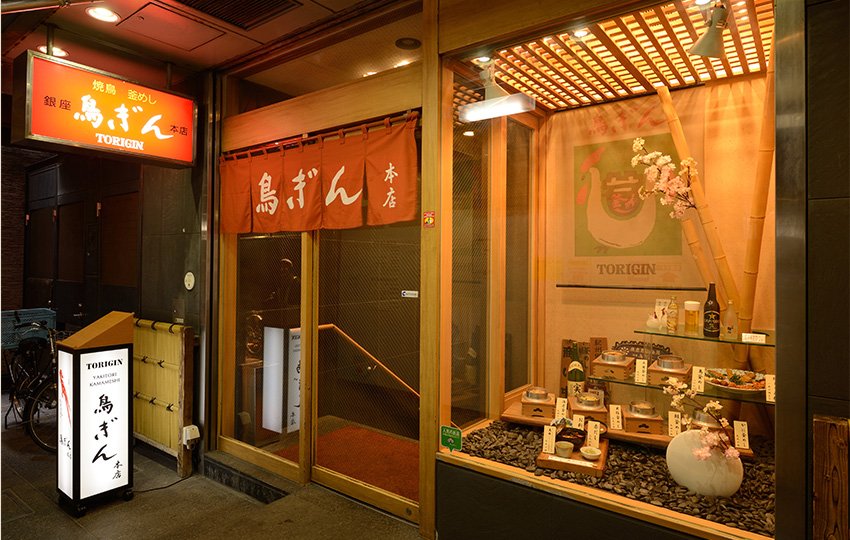
Torigin Ginza Main Store is a yakitori specialist founded in 1951. It has served Ginza for more than 70 years, pairing skewers grilled over binchotan charcoal (a traditional Japanese hard charcoal) with freshly cooked kamameshi (rice cooked with an assortment of ingredients in a small individual iron pot).
Because the kitchen cooks the kamameshi from raw rice, it takes about 15 minutes to arrive, so ordering it at the start means it reaches the table hot just as you finish your skewers.
Torigin Ginza Main Store serves continuously from 11:30 am to 10 pm and is just a one-minute walk from Exit B3 of Ginza Station. It’s a convenient choice for anyone looking for classic yakitori and kamameshi at almost any hour, from a daytime drink to an early dinner.
Details
| Address | New Ginza Building No. 6 B1, 5-5-7 Ginza, Chuo-ku, Tokyo |
| Hours | 11:30 am–10:00 pm (last order 9:00 pm) |
| Closed | New Year’s holidays |
| Official site | https://torigin-ginza.jp/ |
| Best for | Diners who want yakitori and a kamameshi finish without changing seats |
Ginza Ogura: Clear Oden Made Without Soy Sauce
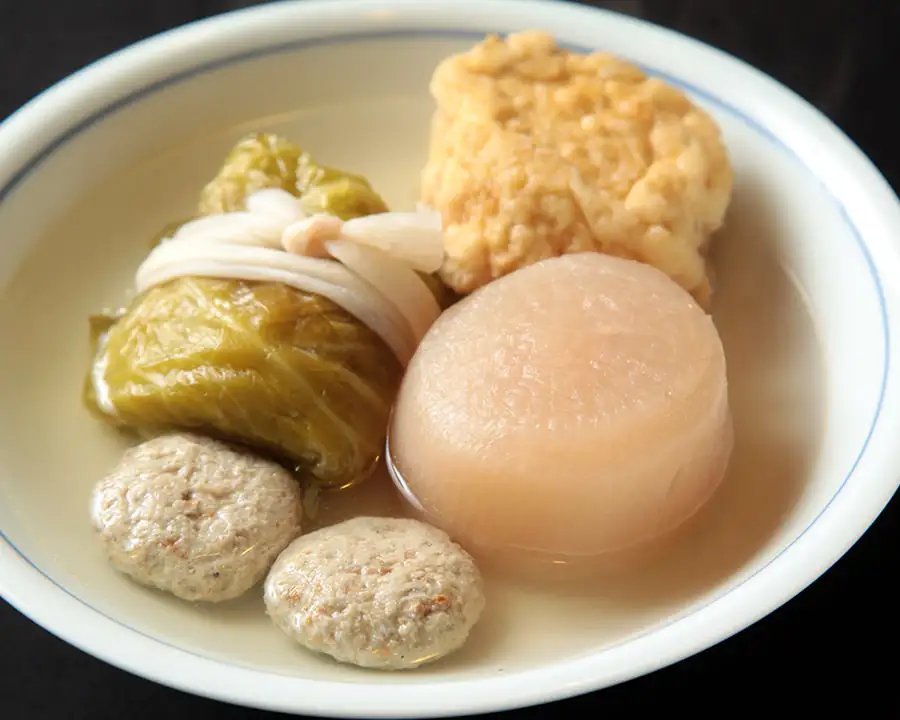
Ginza Ogura specializes in oden made without soy sauce. Its broth is made from Rishiri kelp and Makurazaki bonito flakes and seasoned with salt, allowing the natural flavors of ingredients such as daikon radish and egg to shine through.
What sets Ginza Ogura apart is its clear, soy-free broth — a departure from the dark, soy-heavy oden typical across the Kanto region. Eat your piping-hot oden at the counter and pair it with sake to appreciate the richness of the stock.
The restaurant occupies a basement in Ginza 6-chome, with a calm interior centered around a simple wooden counter. It’s a good choice for anyone who prefers a quiet evening over a noisy pub or wants to experience the depth of Japanese broth culture.
Details
| Address | Honda Building B1, 6-3-6 Ginza, Chuo-ku, Tokyo |
| Hours | Mon–Fri 4:00 pm–10:00 pm / Sat 4:00 pm–9:00 pm |
| Closed | Sundays, national holidays, and New Year’s holidays (Dec 31–Jan 4) |
| Official site | https://oden-ginza-ogura.gorp.jp/ |
| Best for | Anyone who wants to experience Japanese broth culture or enjoy sake in a quiet setting |
Beer Hall Lion Ginza 7-chome: Japan’s Oldest Surviving Beer Hall
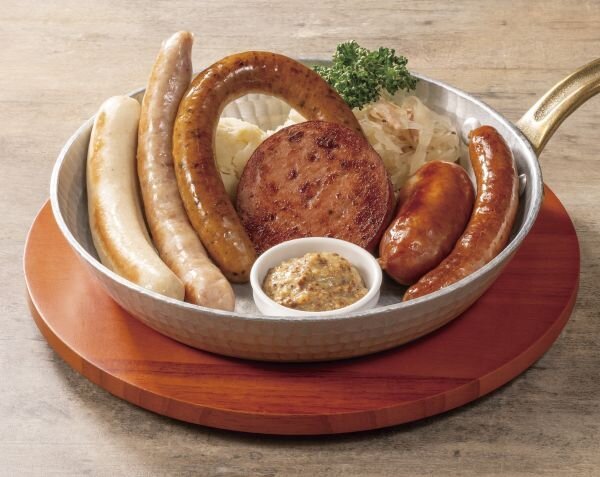
Beer Hall Lion Ginza 7-chome, completed in 1934, is the oldest surviving beer hall building in Japan, and the government has listed it as a Registered Tangible Cultural Property. The ground floor keeps its high ceiling and an enormous glass mosaic mural of women harvesting barley, so you can drink beer in a space that looks almost exactly as it did in 1934.
The ground-floor beer hall does not take reservations and seats guests in order of arrival. It can fill up on Friday evenings and weekends, so arriving right after opening or visiting on a weekday makes it easier to get a seat. If you’d prefer to secure a table in advance, the beer restaurant on the second floor accepts reservations.
Details
| Address | Ginza Lion Building 1F, 7-9-20 Ginza, Chuo-ku, Tokyo |
| Hours | Mon, Tue, Wed, Thu, Sun 11:30 am–10:00 pm (last order 9:30 pm) / Fri, Sat, and days before holidays 11:30 am–10:30 pm (last order 10:00 pm) |
| Closed | Open year-round |
| Official site | https://www.ginzalion.jp/shop/brand/lion/shop1.html |
| Best for | Anyone interested in prewar architecture and Japan’s modern history, or who wants beer in a setting unique to Ginza |
Tachinomi Marugin: Grilled Skewers at a Standing Bar Open Until Dawn
Tachinomi Marugin is a standing bar serving grilled skewers on Ginza’s Corridor Street. Its entrance stands wide open, so you can see what’s happening inside before committing — an easy way to feel comfortable even on a first visit.
Inside, a U-shaped counter wraps around the kitchen, allowing you to watch the skewers being grilled right in front of you. The kitchen butchers the chicken each morning, and most skewers cost between ¥100 and ¥200, so a few skewers and a highball make for a quick, inexpensive stop.
Tachinomi Marugin serves late into the night, making it a natural stop late in a bar-hopping evening. Hours are subject to change, so confirm before visiting late at night.
Details
| Address | Corridor Street 105, in front of 7-2-2 Ginza, Chuo-ku, Tokyo |
| Hours | 5:00 pm–6:00 am the following morning Please confirm before visiting |
| Closed | Irregular |
| Official site | https://www.instagram.com/marugin.ginza/ |
| Best for | Late-night visitors after grilled skewers and a drink |
Kikizakedokoro Sake no Ana: More Than 100 Sake Labels, Pouring Since 1947
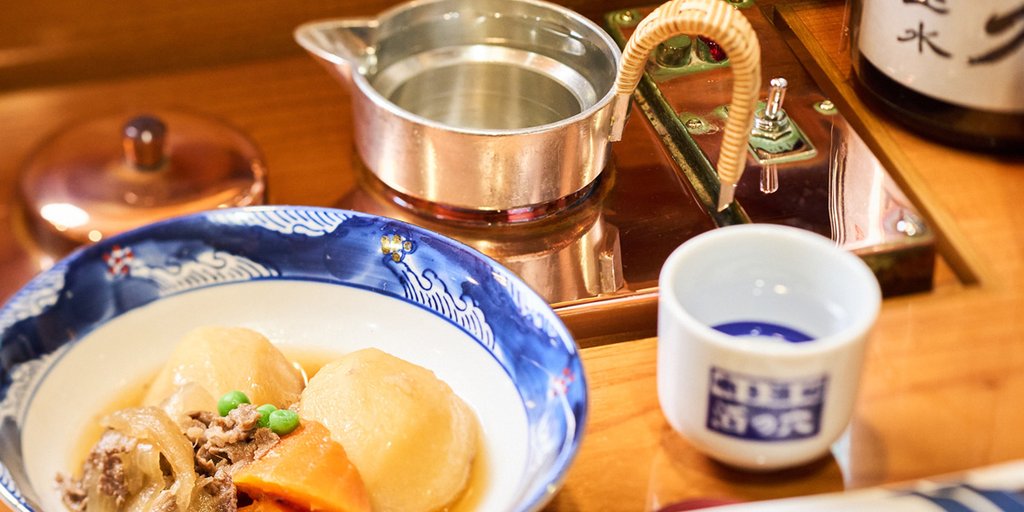
Kikizakedokoro Sake no Ana is a sake-focused izakaya founded in 1947. The bar keeps around 80 labels in stock at all times, while seasonal bottles can bring the selection to more than 100, giving you plenty of opportunities to compare different styles.
You do not need any knowledge of sake: tell the staff what you like and they can suggest a label. A tasting set featuring three small pours is also available, making it easy to compare aromas and flavors shaped by the region and brewing method.
Kikizakedokoro Sake no Ana serves sake from across Japan, accompanied by sashimi and other dishes designed to pair well with it. It’s an easy place to explore the relationship between Japanese food and sake.
Details
| Address | ZOE Ginza Building 5F, 3-3-1 Ginza, Chuo-ku, Tokyo |
| Hours | Weekdays 12:00 pm–3:30 pm (last order 3:00 pm) and 5:00 pm–10:30 pm (last order 9:30 pm) / Sat, Sun, and holidays 12:00 pm–9:00 pm, serving straight through (last order 8:00 pm) |
| Closed | Irregular |
| Official site | https://www.sakenoana.com/ |
| Best for | Sake tasters, from newcomers to enthusiasts |
[Ginza Area 2] 4 Izakaya Under the Railway Arches Near Yurakucho Station
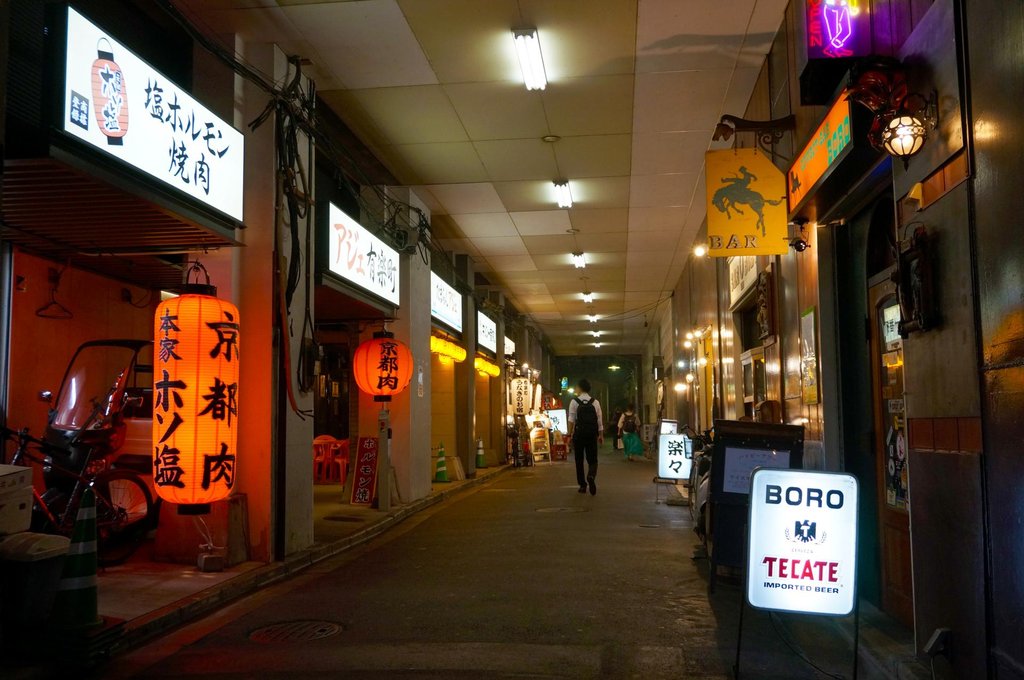
Just a few minutes on foot from Ginza Station, the railway arches around Yurakucho Station shelter a row of izakaya that still retain the atmosphere of the Showa era. The four featured below all operate beneath the JR viaduct, yet each has its own distinct character.
They differ in both style and price: one is a long-established restaurant with English-language service, while another is a standing bar offering timed all-you-can-drink plans. Before visiting, we recommend checking each restaurant’s accepted payment methods and whether it charges otoshi.
Shin Hinomoto: A Historic Bar Under the Arches Where English Is Spoken
Shin Hinomoto is an izakaya founded in 1946 beneath the Yurakucho viaduct. Its third-generation owner is British and serves guests in both English and Japanese, making it a comfortable choice for travelers who are uneasy about ordering in Japanese.
Shin Hinomoto does not charge an otoshi fee, so your bill covers only what you order and is easy to follow. Budget around ¥3,000–¥5,000 per person for classic izakaya dishes such as assorted sashimi and tempura.
The brick, barrel-vaulted ceiling gives the restaurant the distinctive character of the railway arches. Even on weekdays, however, it can fill up by 7 pm, so book ahead through the official website or by phone if you want to be sure of getting a table.
Details
| Address | 2-4-4 Yurakucho, Chiyoda-ku, Tokyo |
| Hours | 5:00 pm–11:30 pm |
| Closed | Sundays and New Year’s holidays |
| Official site | https://shin-hinomoto.jp/ |
| Best for | Anyone who wants to order in English, or to experience a Showa-era bar under the arches |
Motsuyaki Tonton: Grilled Offal Inside a Railway Tunnel
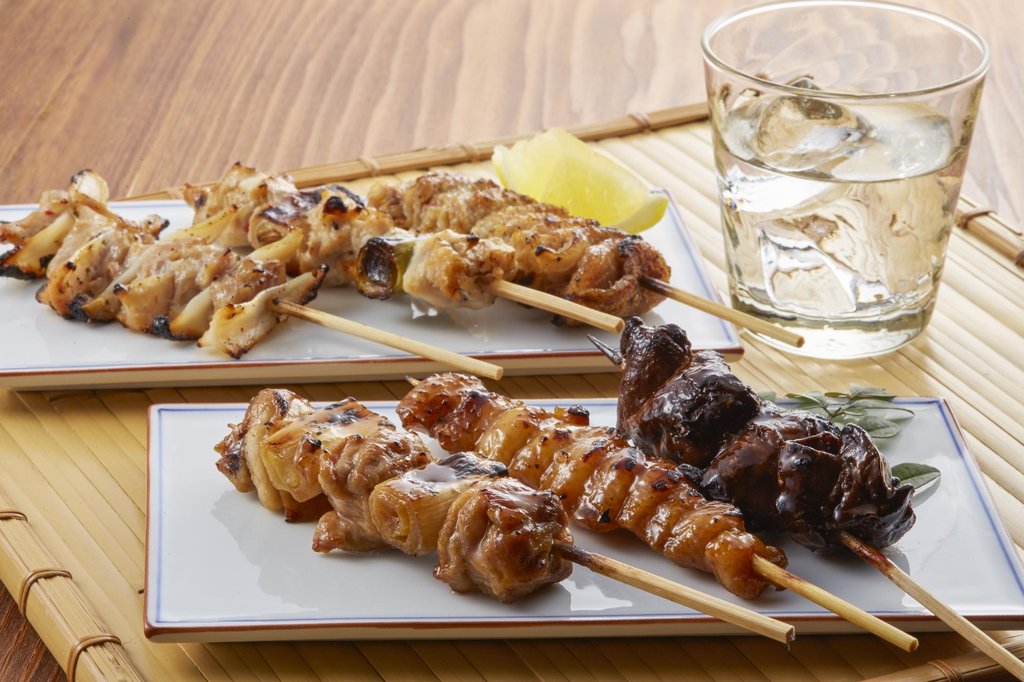
Motsuyaki Tonton, founded in 1953, is a motsuyaki (pork and beef offal grilled on skewers) restaurant under the Yurakucho arches. Simple round stools line up beneath the arched ceiling, and trains rumble overhead every few minutes — close enough that the ceiling shakes faintly — an experience that defines drinking in the Yurakucho arches.
The staff prepare the skewers every morning and grill them over binchotan charcoal, while the miso-based simmered beef offal is another popular choice. Motsuyaki Tonton also serves a Hoisu sour, made with Hoisu, a mixer that has been enjoyed since the Showa period, for anyone looking for something with more character than a standard beer or chuhai (shochu, a Japanese distilled spirit, mixed with soda).
Motsuyaki Tonton opens at 1:30 pm on weekdays and noon on weekends and holidays, making it a good choice for daytime drinking. The restaurant does not take reservations, so avoid the busy 5–7 pm period if you want an easier time finding a seat.
Details
| Address | 2-1-10 Yurakucho, Chiyoda-ku, Tokyo |
| Hours | Weekdays 1:30 pm–10:45 pm (last order 10:15 pm) / Sat 12:00 pm–10:30 pm (last order 10:00 pm) / Sun and holidays 12:00 pm–9:30 pm (last order 9:00 pm) Please confirm before visiting |
| Closed | Open year-round |
| Official site | https://www.instagram.com/tonton_yurakucyo/ |
| Best for | Visitors after genuine grilled offal in a Showa-era setting, or a daytime drink |
Tachinomi Yomoda: All-You-Can-Drink Chuhai for ¥500 per 30 Minutes
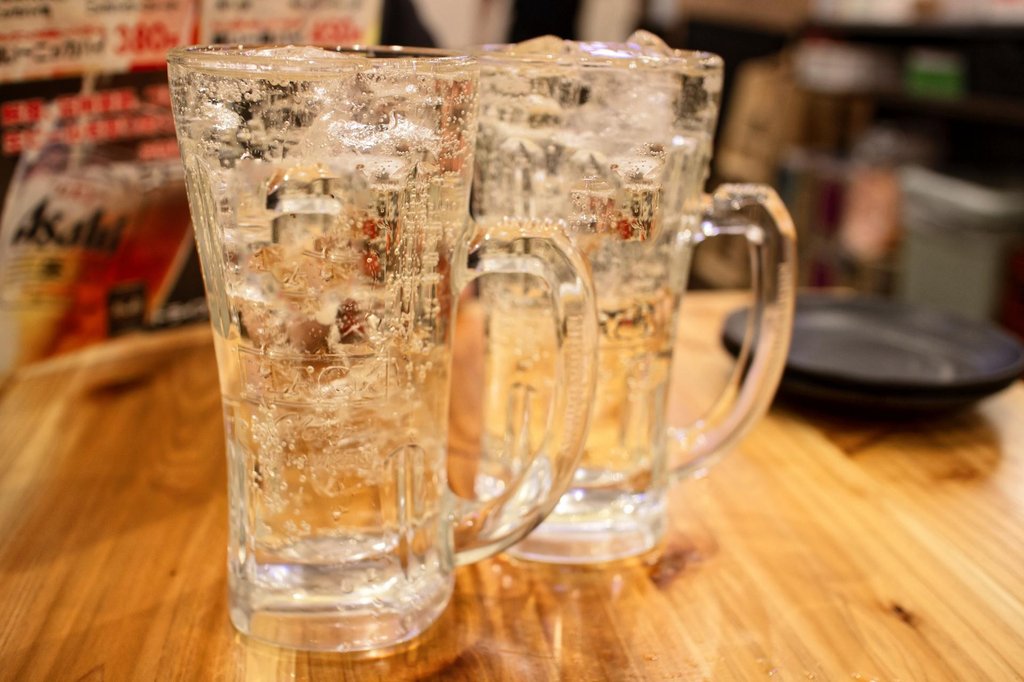
Tachinomi Yomoda is a small standing bar a one-minute walk from Yurakucho Station, full at about six people. A ¥500 entry fee covers 30 minutes of self-serve chuhai, making it an ideal stop for a quick, inexpensive drink.
You pour your own glass from the dispenser in the middle of the room and add your choice of syrup, so there’s little need to order at the counter. For travelers who feel uneasy about ordering in Japanese, the self-service setup makes it easy to relax and drink at your own pace.
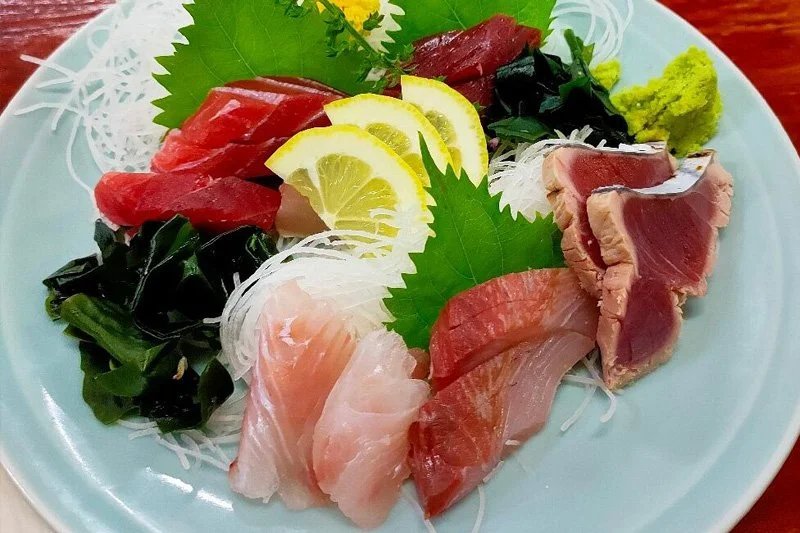
Seafood snacks are also available, including a sashimi platter featuring white-fleshed fish shipped from Aomori and whale sashimi. Even with food added to the drink package, the bill rarely exceeds ¥1,500 per person, making Tachinomi Yomoda a great choice for a pre-dinner drink or a quick stop on the way to your next bar.
Details
| Address | 2-4-5 Yurakucho, Chiyoda-ku, Tokyo |
| Hours | Weekdays 3:00 pm–11:00 pm / Sat, Sun, and holidays 1:00 pm–11:00 pm Please confirm before visiting |
| Closed | Open year-round |
| Official site | Not listed |
| Best for | Anyone uneasy about ordering in Japanese, or planning to hop between bars |
Matsuso: Pay as You Go with Cash in a Basket
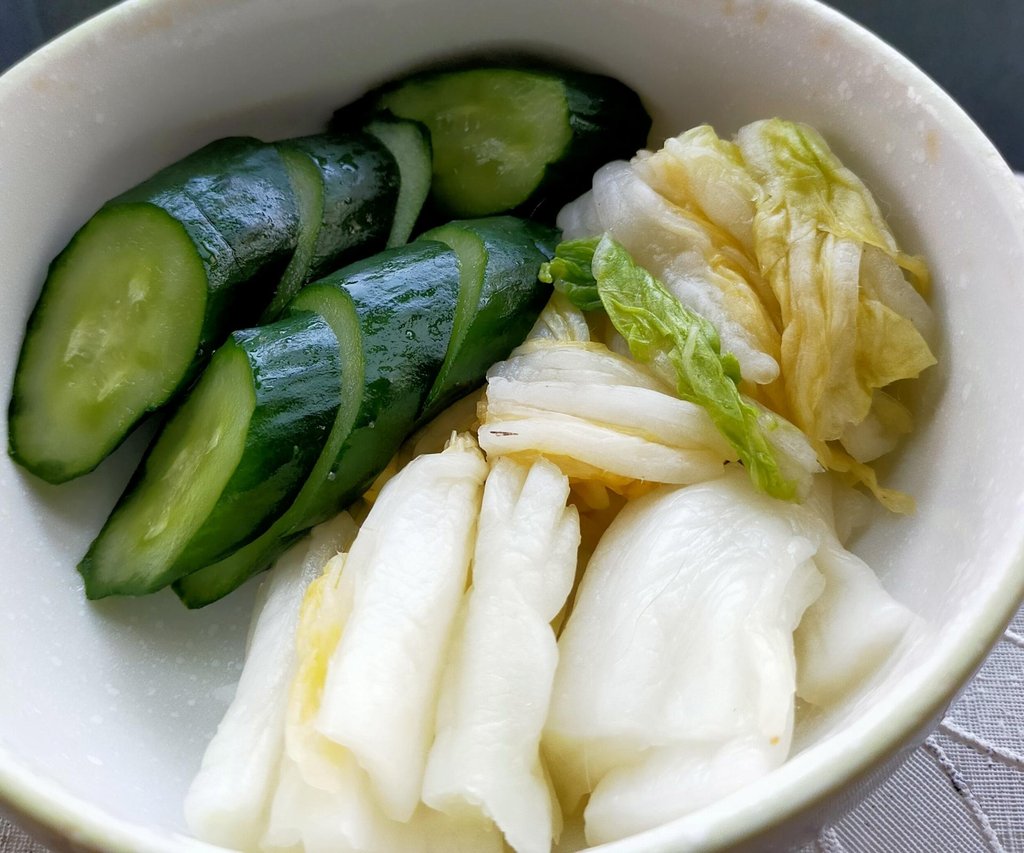
Matsuso settles the bill dish by dish. A zaru (a shallow basket woven from bamboo) sits on your table, and each time food or drinks arrive, the staff take payment from it, so you always know how much you have spent.
Matsuso charges no otoshi and no table fee, so you pay only for what you order. The menu focuses on snacks that pair well with sake, including dadachamame (a distinctively sweet variety of edamame) from Yamagata and house-made lightly pickled vegetables.
Outdoor tables let you enjoy a casual drink in the evening air. Matsuso accepts cash only, so be sure to bring some yen with you.
Details
| Address | 2-1-20 Yurakucho, Chiyoda-ku, Tokyo (under the Yurakucho arches) |
| Hours | 4:00 pm–11:00 pm Please confirm before visiting |
| Closed | Sundays |
| Official site | Not listed |
| Best for | Anyone who wants to track spending as they drink, or to try an inexpensive pub under the arches |
[Ginza Area 3] 4 Izakaya Around Shimbashi Station, Where Back-Street Pubs Crowd Together
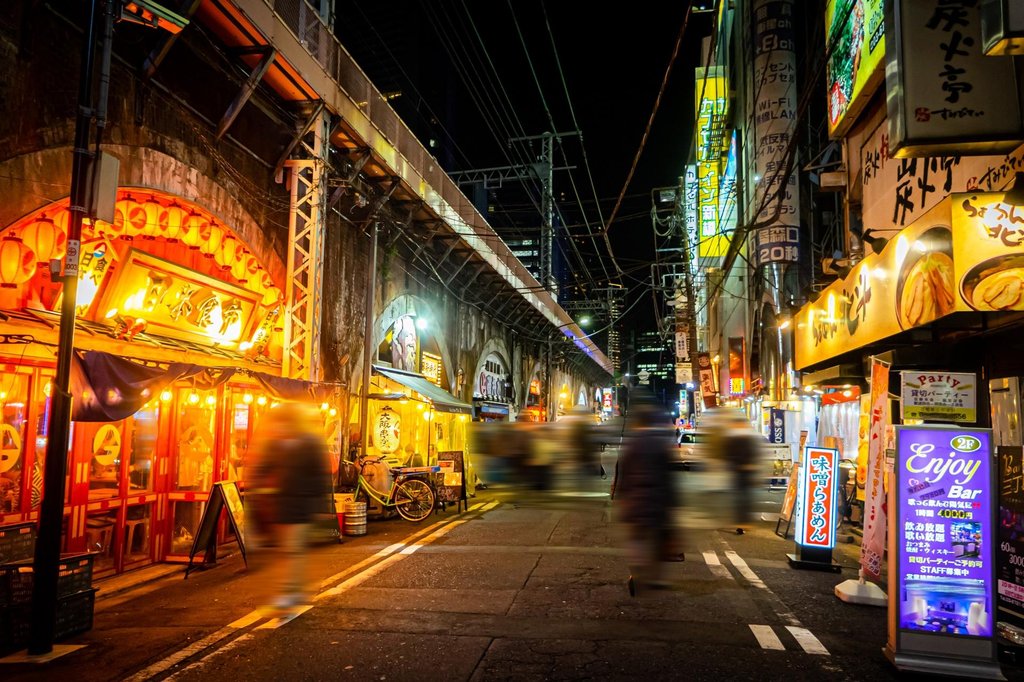
For an even more casual drinking experience than Ginza or Yurakucho, the area around Shimbashi Station is packed with one working-class pub after another. The four distinctive spots below include a pub where almost everything costs a single coin and a seafood restaurant known for its generous platters.
Budgets and reservation policies vary considerably from one place to the next. Compare their features and work them into your bar-hopping route.
Oroji: An Old-School Pub Where Almost Everything Costs ¥400
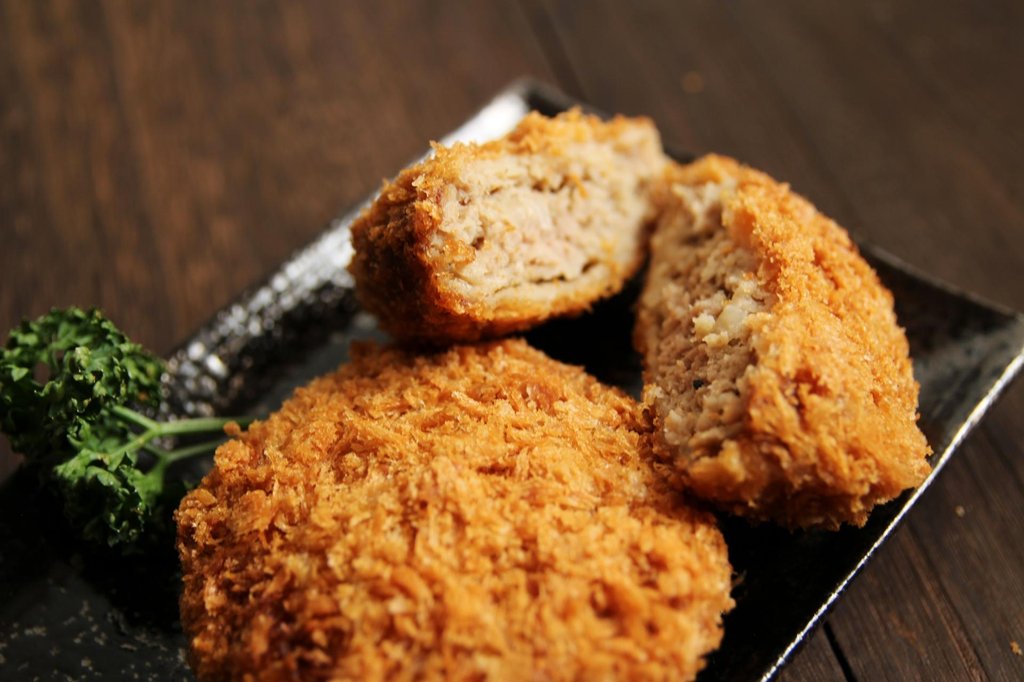
Oroji is a working-class pub founded in 1976. Most drinks and snacks cost ¥400, including filling dishes such as thick-cut ham cutlets and minced-meat cutlets, making it a good choice for anyone drinking on a budget.
The room seats about 30, and when it fills up strangers may share a table under the custom known as aiseki (sitting with strangers at a shared table). Weekday evenings bring office workers on their way home, and the atmosphere is that of an old Shimbashi pub. Staff generally do not speak languages other than Japanese, so a translation app helps if ordering in Japanese worries you.
- Open Monday to Friday, 4 pm–11 pm, and closed on weekends and holidays
- Cash only, with no credit cards or electronic money accepted
- No reservations, with seats in order of arrival and smoking allowed indoors
Oroji suits anyone who wants Showa-era pub culture, shared tables and the noise of the room included, at a modest price.
Details
| Address | Suzuki Building 1F, 3-10-6 Shimbashi, Minato-ku, Tokyo |
| Hours | Mon–Fri 4:00 pm–11:00 pm Please confirm before visiting |
| Closed | Saturdays, Sundays, and national holidays |
| Official site | Not listed |
| Best for | Drinkers on a budget who do not mind cash-only payment and indoor smoking |
Uokin Main Store: Heaping Platters of Assorted Sashimi
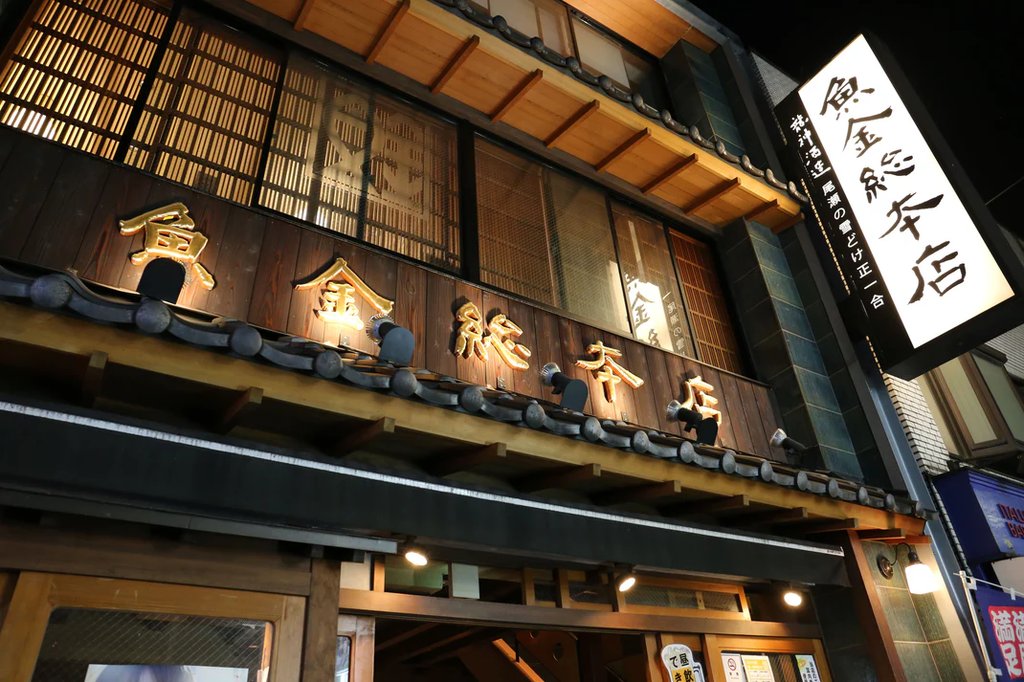
Uokin Main Store is the seafood izakaya where the Uokin group began. Its signature assorted sashimi platter piles several kinds of seasonal fish, cut into thick slices, onto a single plate, making it ideal for anyone who wants to sample many varieties at once.
Beyond sashimi, the menu covers a broad range of fish dishes, including simmered splendid alfonsino, and the budget runs around ¥3,000–¥5,000 per person. Uokin Main Store is also a good choice if you want Japanese seafood served in a form other than sushi.
Lines form before opening and seats can fill early. We recommend booking ahead if you want to be certain of a table. Arriving more than 15 minutes after your reservation time may mean losing it, so allow yourself extra time. Without a reservation, arriving right at opening gives you the best chance of getting a seat.
Details
| Address | Dai-ni Fuji Building 1F, 2F, 3F, B1F, 3-18-3 Shimbashi, Minato-ku, Tokyo |
| Hours | 3:00 pm–11:00 pm / Sat, Sun, and holidays 1:00 pm–11:00 pm |
| Closed | New Year’s holidays |
| Official site | https://uokingroup.jp/ |
| Best for | Seafood lovers who want a generous sashimi platter, or anyone curious about fish served outside sushi |
Tachinomi Gin: 30 Sake Labels and 50 Small Plates at a Standing Bar
Tachinomi Gin is a standing bar in the first basement of Shimbashi Ekimae Building No. 1. Small plates are displayed along the counter, so even if you cannot read the Japanese menu, you can simply point to what you want.
Around 30 sake labels are kept in stock at roughly ¥500 per glass, making Tachinomi Gin a good choice for anyone who wants to sample several varieties in small pours. Drinks and small plates are served quickly, making it an easy stop partway through a bar-hopping evening.
You can reach Tachinomi Gin from Shimbashi Station via the underground passage, so it’s also a convenient option on a rainy day.
Details
| Address | Shimbashi Ekimae Building No. 1 B1, 2-20-15 Shimbashi, Minato-ku, Tokyo |
| Hours | 4:00 pm–midnight |
| Closed | Saturdays, Sundays, and national holidays |
| Official site | https://www.instagram.com/st.gin/ |
| Best for | Anyone who wants a quick sake tasting, or to order confidently without reading the menu |
Hosaka: A Yakitori Restaurant on a Shrine Approach
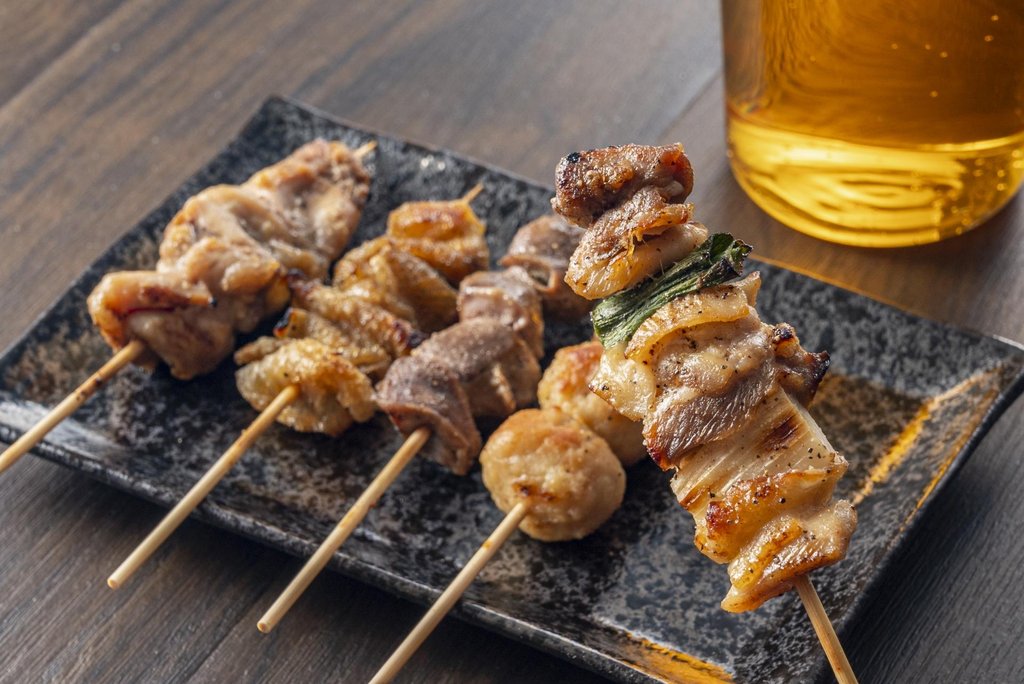
Hosaka has grilled yakitori for more than 50 years along the approach to Karasumori Shrine, a small shrine dedicated to the guardian deity of Shimbashi. The restaurant stands about three minutes from the Karasumori exit of Shimbashi Station and makes an easy stop after a visit to the shrine.
The room centers on a counter, where you can watch the kitchen grill tender duck skewers right in front of you. The restaurant also serves a chicken soup that concentrates the rich flavor of the bird.
Seating is limited, so we recommend checking availability in advance if you want to be sure of getting a seat. If you have not made a reservation, aim to arrive at the start of the evening, before the rush.
Details
| Address | 2-15-5 Shimbashi, Minato-ku, Tokyo (along the Karasumori Shrine approach) |
| Hours | Mon–Fri 4:00 pm–10:30 pm Please confirm before visiting |
| Closed | Saturdays and Sundays |
| Official site | Not listed |
| Best for | Visitors who want grilled skewers in small portions, or to pair a shrine visit with a night out |
Common Questions About Izakaya in Ginza

For anyone visiting an izakaya around Ginza for the first time, the questions below cover which station to use, opening hours, and payment methods, along with a way to learn Japanese dining manners.
Which Station Is Most Convenient: Ginza, Yurakucho, or Shimbashi?
The three stations sit almost in a straight line, and from any of them the next station’s area is a 5- to 10-minute walk.
| Station | Recommended exit | Area within easy reach |
|---|---|---|
| Ginza Station (Tokyo Metro) | Exits C1–C3 | Corridor Street and the restaurant district in Ginza 7-chome and 8-chome |
| Yurakucho Station (JR and Tokyo Metro) | Hibiya exit, Central exit | The drinking district under the arches |
| Shimbashi Station (JR and Tokyo Metro) | Karasumori exit | The pub district along Karasumori-dori |
At Ginza Station, the exit you choose changes your location considerably, so check which one matches your destination. At Yurakucho Station, the JR Hibiya exit opens directly onto the drinking district under the arches. At Shimbashi Station, the Karasumori exit leads straight into the densest cluster of izakaya.
Are Any Izakaya Open on Sundays or Late at Night?
Some izakaya are open on Sundays and late into the night, although many independently run establishments close on weekends and holidays.
On Sundays, Torigin Ginza Main Store and Motsuyaki Tonton may be open, while several restaurants around Corridor Street in Ginza 7-chome stay open past 11 pm. Oroji and Tachinomi Gin in Shimbashi cater mainly to weekday demand and tend to close on weekends and holidays.
Opening hours and closing days can change frequently, so check each restaurant’s official website before you go.
What Is Corridor Street?
Corridor Street is a casual drinking district where restaurants line the railway viaduct between JR Yurakucho Station and Shimbashi Station. The street runs through Ginza 6-chome to 8-chome, and its name comes from the English word “corridor,” reflecting the long, narrow row of storefronts.
In a district known for high-end restaurants, Corridor Street stands out for its concentration of approachable spots, including standing bars and izakaya. From early evening, the area fills with office workers on their way home, many of whom move from one restaurant to the next.
Can I Pay by Credit Card?
Larger restaurants in Ginza, Yurakucho, and Shimbashi generally accept credit cards, while older pubs and standing bars are sometimes cash only. Restaurant review sites are not always current, so if payment method matters to you, check the official site or contact the restaurant before your visit.
If you plan to move between several places, carrying ¥5,000–¥10,000 in cash per person covers the ones that do not take cards, which matters most when your route includes several independently run restaurants.
How Can I Learn to Use Chopsticks and Table Manners Beforehand?
If chopsticks make you nervous, learning the basic grip before you go helps. Hold the lower chopstick still and move only the upper one to pick up food, and practicing the motion a few times makes it manageable at an izakaya.
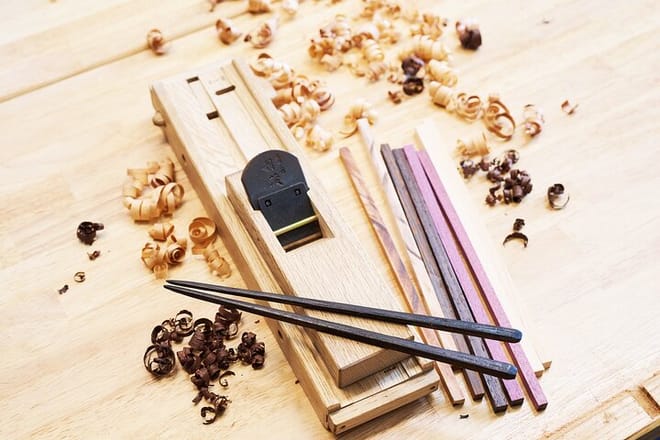
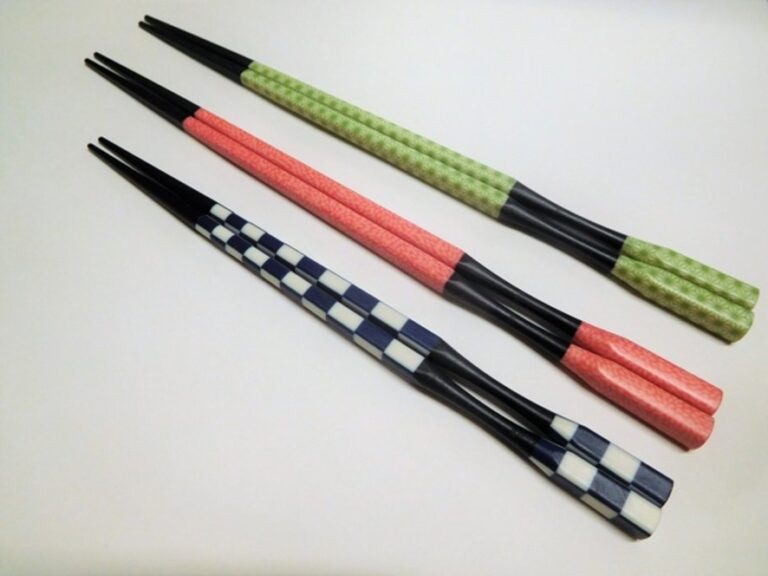
For hands-on learning, Japan Guide Star runs a chopstick-making workshop. At the venue in Ginza 1-chome, you make your own pair while learning about Japan’s chopstick culture and dining etiquette in English, so you pick up the cultural background as well as the technique. Take your finished chopsticks home and put them to use at dinner that same evening.
Details
| Meeting point | Chopsticks Studio Ginza, 1-14-12 Ginza, Chuo-ku, Tokyo |
| Duration | About 1 hour |
| Included in the price | Chopstick-making experience Chopstick materials (choose from more than 10 woods, three of them at no extra charge) All tools and materials needed Your finished original chopsticks Support from English-speaking staff |
| Booking site | https://japanguidestar.com/tour/tokyo-ginza-chopstick-making-workshop/ |
| Best for | Anyone who wants to make their own chopsticks and learn dining etiquette before heading to an izakaya |
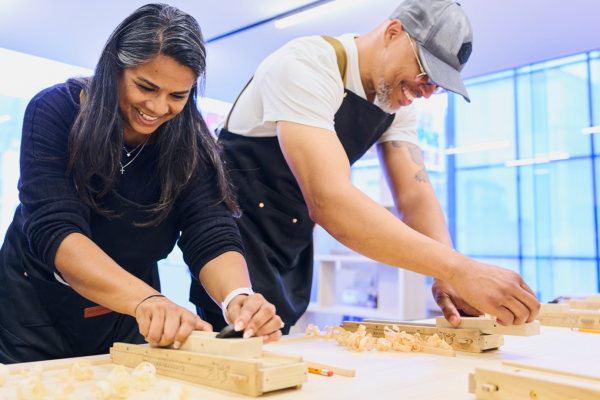
Tokyo Chopstick Making Workshop in Ginza
Planning Your Night Around Ginza
Ginza, Yurakucho, and Shimbashi are close enough to explore on foot, so you can move between them according to the atmosphere and budget you’re looking for. The choices range from inexpensive standing bars to specialists in yakitori, oden, and sake, making it easy to choose based on what you want to eat.
Before you go, check each restaurant’s opening hours, closing days, and reservation policy. Several of the 14 spots accept cash only or do not take reservations, so checking in advance can help keep your evening running smoothly.